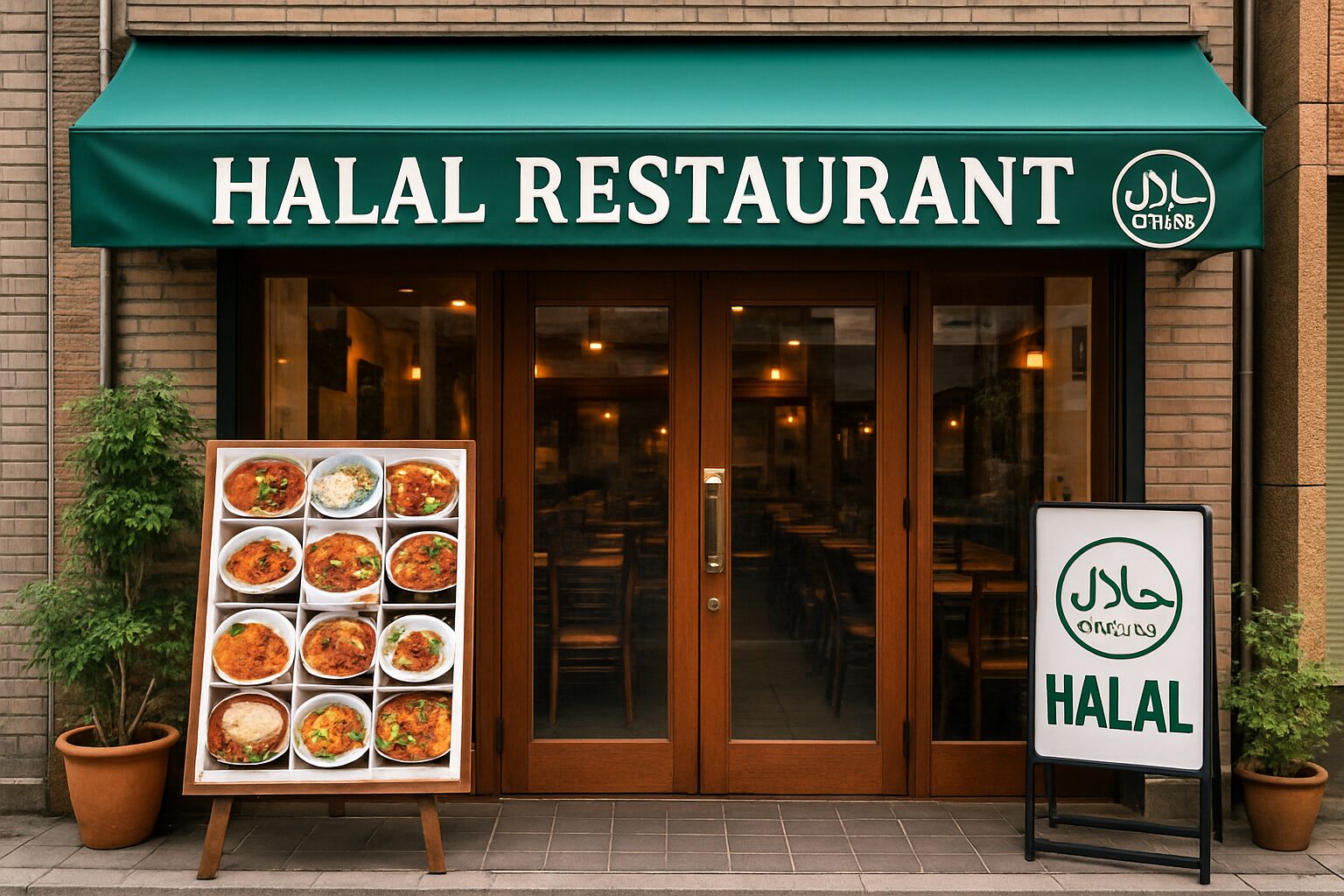
The steady rhythm of Osaka, a city that pulses with electric energy and commerce, often conceals its quieter, more intimate heartbeats. Venture west of the neon-drenched corridors of Umeda and Namba, and you’ll find yourself in Nishi-Yodogawa Ward, a district where the city’s frantic pace yields to a calmer, more residential cadence. It is here, nestled amidst unassuming apartment blocks and small local factories, that you will discover Osaka Masjid, a spiritual anchor for one of Japan’s most vibrant and diverse Muslim communities. This mosque is more than a place of prayer; it is a nucleus, a point of convergence where cultures from Pakistan, Indonesia, Bangladesh, Malaysia, the Middle East, and beyond intersect, creating a rich tapestry of faith and fellowship. But where there is community, there is always food. The story of this neighborhood, and indeed the most authentic way to experience its soul, is told not only in its sermons and gatherings but in the fragrant, steaming dishes served in the humble eateries that surround it. This is not a journey to find trendy, fusion Halal cafes designed for tourists. This is a culinary pilgrimage, a deep dive into the kitchens endorsed by the very people who call this place home. We’re stepping beyond the mosque’s gates to uncover the restaurants that the local Muslim community cherishes—the places that taste of memory, of tradition, and of a home far away, lovingly recreated in the heart of Kansai.
For a different kind of culinary journey that also explores Osaka’s rich food culture, consider seeking out authentic yakiniku in Tsuruhashi.
The Heartbeat of the Community: Life Around Osaka Masjid
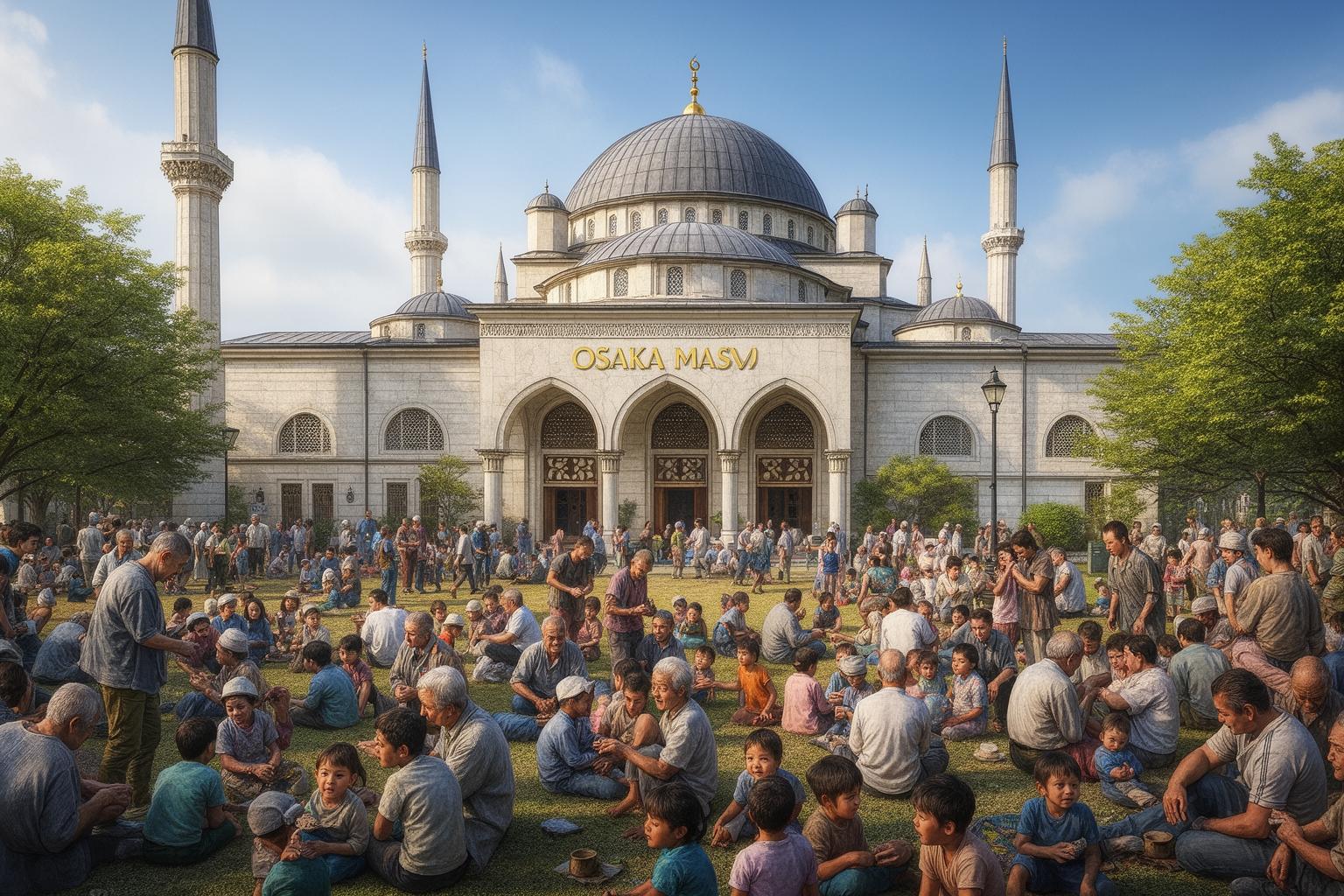
To truly understand the food, you must first understand the place. Osaka Masjid, with its modest minaret reaching into the Osaka sky, is not an architectural marvel from ancient Islamic empires. Its beauty lies in something more subtle—its profound role as a sanctuary and community hub. Founded through the dedication and contributions of the local Muslim population, it stands as a permanent, cherished presence in a country where Islam is a minority faith. Arrive on a Friday afternoon, and you’ll see a beautiful, flowing river of humanity. Men dressed in crisp shalwar kameez, colorful thobes, and modern business suits gather for the Jummah prayer. The air, usually filled with the gentle hum of urban life, transforms into a polyglot symphony of Urdu, Bengali, Indonesian, Arabic, and English, all interwoven with the common thread of Japanese. It’s a powerful testament to Osaka’s status as a global city, where diverse identities are not only tolerated but actively woven into the civic fabric.
This vibrant community, however, faced a fundamental challenge: access to authentic, trustworthy Halal food. It wasn’t just about avoiding pork or alcohol; it was about finding the right cuts of meat, the specific spices, the imported lentils, and the long-grain basmati rice that form the foundation of their native cuisines. This necessity became the mother of invention, sparking the growth of a self-sustaining ecosystem. First came the small grocery stores, often tucked away in ground-floor apartments, their shelves a treasure trove of goods from across the Muslim world. Then, inevitably, came the restaurants. These were not grand commercial ventures at first. They were born from a simple desire: to provide a place where families could gather, students could find a taste of home, and new arrivals could enjoy a welcoming meal without worry or compromise. They became extensions of the mosque itself—spaces for nourishment, both physical and social. Dining in these establishments is, therefore, an act of participation in the community’s story. You are not merely a customer; you are a guest, witnessing a culture’s resilience and its delicious expression of identity.
A Taste of Home: The Soulful Flavors of Pakistan and India
The culinary scene surrounding Osaka Masjid is characterized by the bold, fragrant, and deeply fulfilling flavors of the Indian subcontinent, mainly Pakistan, mirroring the demographic makeup of a large segment of the local community. These eateries don’t serve the Anglicized, sweetened curries typical of mainstream Japanese venues. This is authentic cuisine—complex, unapologetic, and crafted with a deep respect for tradition that shines through in every bite.
One pillar of the community, a spot whose name is spoken with a blend of reverence and appetite, is a family-run restaurant we’ll refer to as “Peshawar Junction,” named after the rugged, flavorful dishes of the Khyber Pakhtunkhwa region. Upon entering, you’re instantly transported. The air is rich with the enticing aroma of meat grilling over charcoal and the warm scent of spices being roasted. The décor is simple and practical, adorned perhaps with a few framed images of K2 or the Badshahi Mosque. The ambiance is filled with the sizzle of the kitchen, the rhythmic slap of dough against the tandoor walls, and the soft murmur of families sharing their meals. The owner, a kind-faced gentleman whose eyes reflect decades spent in both Pakistan and Japan, often greets regulars by name and proudly guides newcomers through the menu.
Here, the highlight is the Shinwari Karahi, not a conventional curry. Served in a traditional two-handled pan, the karahi exemplifies the elegance of simplicity. Tender mutton chunks are flash-cooked over high heat with fresh tomatoes, ginger, garlic, green chilies, and a minimalist but flavorful spice blend—especially black pepper and coriander seeds. The dish results in a thick, aromatic masala that clings lovingly to the meat rather than a soupy sauce. It’s rustic, powerful, and irresistibly addictive. Eating it involves tearing off a generous piece of fluffy naan—crispy in spots and soft elsewhere—to scoop up the juicy meat and rich gravy. Another standout is their Chapli Kebab. Unlike the usual cylindrical kebabs, these are large, flat patties made from minced beef or mutton, blended with a complex mix of spices, onions, tomatoes, and pomegranate seeds, then shallow-fried to achieve a crispy, rugged crust enclosing a moist, flavorful interior. This dish evokes the spirit of bustling street markets and generations of culinary expertise. Dining at “Peshawar Junction” feels less like a purchase and more like joining a home, a place built on trust with impeccably Halal meat and authentic recipes.
Just a few streets away, an equally authentic but distinct experience awaits at a place we’ll call “Deccan Dreams,” devoted to Hyderabadi cuisine from India. The atmosphere here differs subtly—perhaps more ornate, with vibrant textiles and the faint, sweet scent of incense mingling with savory kitchen aromas. This is home to Biryani, the undisputed king of rice dishes. And not just any biryani: the Hyderabadi Dum Biryani here is a masterpiece. Marinated meat (usually goat or chicken) and partially cooked fragrant basmati rice are layered in a heavy-bottomed pot, sealed with dough, and cooked slowly over low heat. This ‘dum’ technique traps steam, rendering the meat incredibly tender while the rice absorbs the delicate saffron, mint, fried onions, and whole spices. Each long, separate grain of rice showcases the chef’s skill. The dish arrives as a fragrant mound, typically served with cooling raita and tangy mirchi ka salan (chili and peanut curry). Tasting it reveals why this dish is central to celebrations and gatherings across South Asia. “Deccan Dreams” also shines with other regional specialties, such as Haleem—a rich, creamy, slow-cooked porridge of wheat, barley, lentils, and meat, pounded to a paste-like texture and topped with fried onions, fresh ginger, and a splash of lime. This dish demands patience to prepare and brings profound comfort. Here, the community seeks a taste of festive tradition, a reminder of weddings, festivals, and grand family meals.
Beyond South Asia: Exploring Middle Eastern and Indonesian Delights
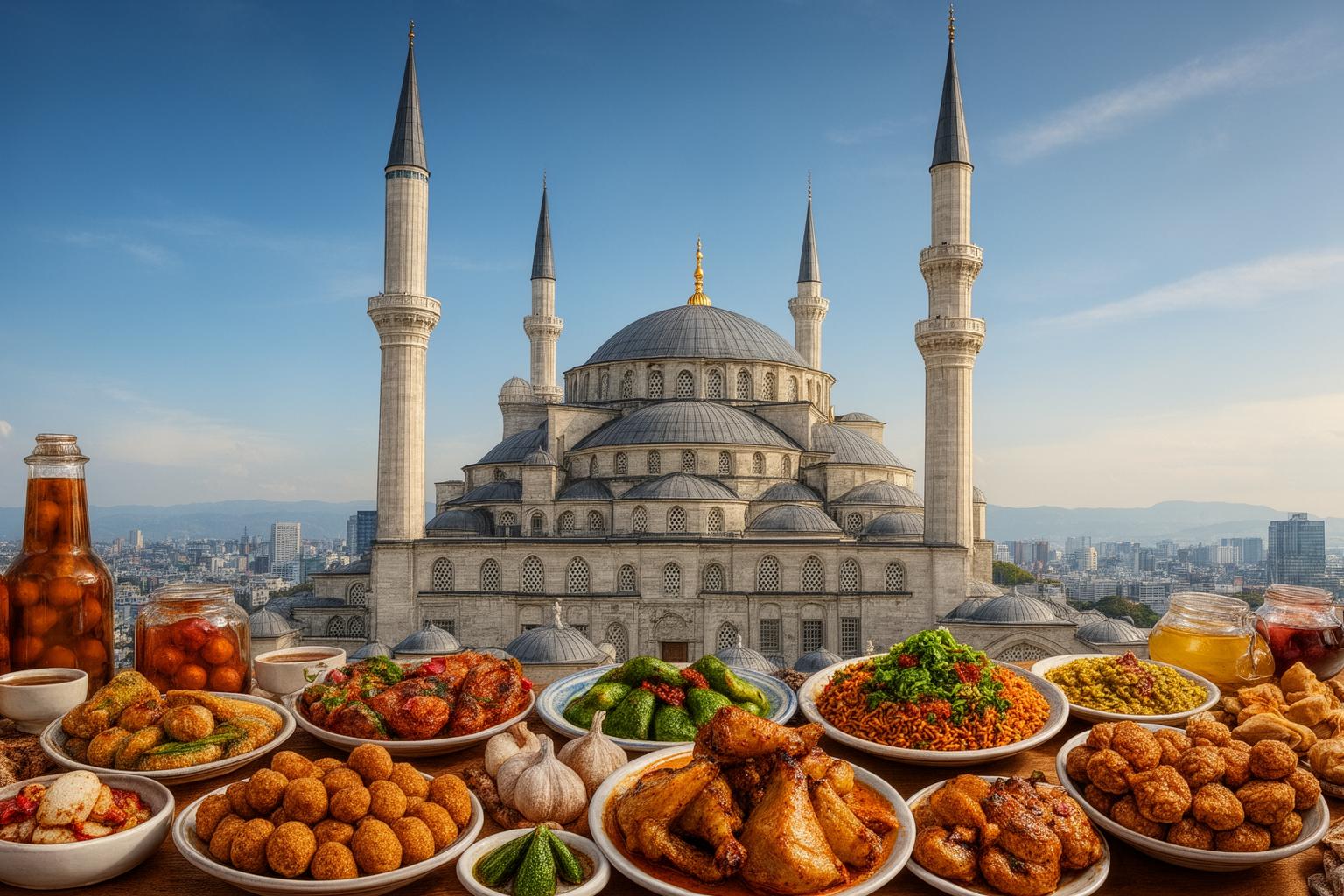
While the Pakistani and Indian influences remain strong, the Halal scene in Nishi-Yodogawa presents a beautiful mosaic that mirrors the wider diversity of the Muslim world. Just a short stroll from the livelier South Asian eateries, one might discover a quieter, more elegant venue—a Lebanese restaurant we’ll call “Cedars of Osaka.” The change in atmosphere is immediate. The air is infused with rosewater and the aroma of grilling lamb, accompanied by the gentle tunes of a Lebanese oud playing softly in the background. The décor is bright and clean, possibly featuring intricate geometric tiles and images of the tranquil Mediterranean coast. This establishment offers a different dining experience, centered around mezze—an array of small dishes designed for sharing.
The owner, likely a native of Beirut who found his way to Osaka, takes great pride in the freshness of his ingredients. The hummus is a far cry from store-bought varieties; it is irresistibly smooth, creamy, and nutty, crowned with a generous drizzle of premium olive oil. The baba ghanoush carries a smoky, enigmatic flavor, crafted from perfectly charred eggplants. The tabbouleh bursts with vibrant greens from finely chopped parsley, harmonized with bulgur, mint, and a zesty lemon dressing. And the falafel—oh, the falafel. Crispy and darkened on the outside, light, fluffy, and emerald-green inside, it bursts with the flavors of chickpeas and fresh herbs. The main dishes are equally exquisite. The Mixed Grill Platter is a carnivore’s delight, featuring juicy skewers of shish tawook (marinated chicken), lamb kofta, and beef kebabs, all expertly grilled over charcoal to imbue them with a subtle smokiness. For the local Arab and North African communities, dining at “Cedars of Osaka” offers a soothing, sophisticated taste of the Levant, providing a welcome contrast to the fiery curries of nearby eateries.
Adding further richness to this diverse culinary landscape is the presence of Southeast Asian Halal cuisine, especially Indonesian. Nestled in a side alley, you might come across a small, humble place called “Warung Rasa,” which feels more like a home kitchen than a restaurant. The space is cozy, with only a few tables, and the owner, a warm Indonesian woman, often serves as both chef and server. The hospitality is heartfelt, and the menu is a focused selection of Indonesian classics prepared with care and authenticity. The standout dish is often the Beef Rendang. Unlike a saucy curry, this is a ‘dry’ curry where beef chunks are slow-cooked for hours in a complex blend of coconut milk and a spice paste (bumbu) that may include lemongrass, galangal, turmeric leaves, and chilies. As the liquid evaporates, the spices deeply infuse the meat until it turns dark, intensely flavorful, and tender enough to fall apart with a gentle fork touch. It’s a dish of remarkable depth and complexity, rightfully regarded as one of Indonesia’s national treasures. Another favorite is the Nasi Goreng Istimewa, or special fried rice. This smoky, savory, and slightly sweet dish is wok-fried with a distinctive mixture of kecap manis (sweet soy sauce), shrimp paste, and tamarind, often garnished with a fried egg, crispy shallots, and satay skewers on the side. For the many Indonesian students and workers in Osaka, dining at “Warung Rasa” feels like a comforting taste of home—a simple, honest meal that nourishes both body and soul.
More Than Just Restaurants: The Essential Grocers and Sweet Shops
To fully understand the culinary ecosystem surrounding Osaka Masjid, one must look beyond the restaurants to the essential veins that supply them: the Halal grocery stores. These shops serve as community landmarks, often housed in small, crowded storefronts that conceal the valuable goods inside. Entering one of these grocers is a rich sensory experience. The air is thick with the aroma of whole spices—cardamom, cloves, cinnamon—mixed with the earthy scent of lentils and flour. Sacks of premium basmati and sella rice are piled high. Shelves are stocked with jars of ghee, mango pickles, and tamarind paste. The freezers, the core of the store, hold Halal-certified chicken, mutton, and beef, sourced from trusted suppliers and butchered according to Islamic law. This is where both local restaurant chefs and home cooks from the community come to find their crucial ingredients. These stores are more than simple retail outlets; they function as social centers. The owner knows his patrons personally, inquiring about their families, recommending specific spice brands, or reserving the finest cuts of meat for regular customers. A bulletin board near the entrance may be covered with notices about apartment rentals, job opportunities, or community events. Shopping here is a vital part of the experience, offering insight into the daily rhythms and supply networks that sustain the community.
No culinary journey would be complete without acknowledging the purveyors of sweets, the mithai shops. Sometimes just a small counter inside a grocery store, other times a standalone shop, these places are a vibrant display of color and sweetness. Trays overflow with shiny jalebi, syrup-soaked gulab jamun, diamond-shaped kaju katli (cashew fudge), and creamy barfi. These sweets are more than just desserts; they are a key element of hospitality and celebration. A box of mixed mithai is the customary gift when visiting friends or family, and during festivals like Eid al-Fitr, these shops experience a surge in business as families stock up to mark the end of Ramadan. Sampling these sweets is tasting pure joy, a sugary symbol of community and festivity that offers a delightful, sweet finale to any savory meal in the neighborhood.
Navigating the Neighborhood: Practical Advice for Visitors
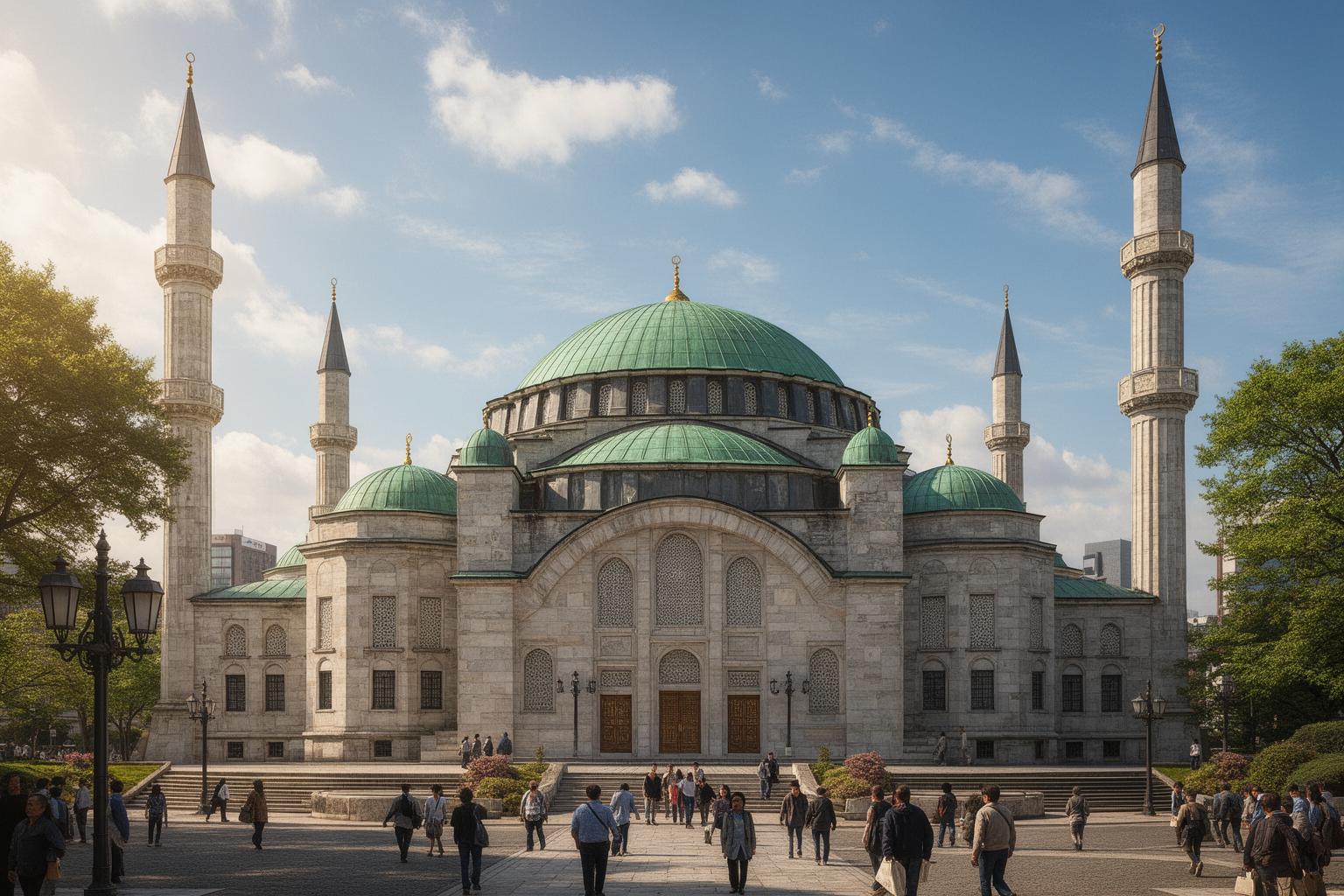
Exploring this distinctive area of Osaka is a fulfilling experience, and having some practical tips will help make your visit smooth. The heart of this community, Osaka Masjid, is most conveniently accessed via the Hanshin Main Line. Get off at Chibune Station, and from there, it’s an enjoyable and easy ten-minute walk through a quiet residential neighborhood. As you approach, subtle signs of the area’s character become apparent—a woman in a hijab on her way to the store, the faint aroma of spices in the air. The best time to visit for the fullest atmosphere is on a Friday around early afternoon prayer time. The streets near the mosque will be lively, and the restaurants bustling with people enjoying a meal after prayer. This is when the community’s vibrancy is most tangible. However, be prepared for some waiting at the most popular spots. For a quieter dining experience, weekday evenings work best. Keep in mind that many of these establishments are small, family-run businesses, so their hours may be irregular. It’s always wise to have a backup option or try calling ahead if possible, though part of the charm lies in the spontaneity.
While this is a warm and welcoming community, showing a bit of cultural sensitivity is appreciated. The restaurants are public spaces open to everyone, but they hold special significance for the local Muslim community. Simple courtesy goes a long way. If you plan to visit the mosque itself (visitors are usually welcome outside of prayer times), be sure to dress modestly. This means long pants or skirts and covered shoulders for both men and women, with women also needing to cover their hair with a scarf. Linguistically, the neighborhood features a rich mix of languages, but most restaurant owners speak enough Japanese and often English to help you navigate the menu. Don’t hesitate; pointing and smiling are universal forms of communication. Approach the experience with an open mind and an eager appetite, and you’ll be rewarded with some of the most authentic and soulful cuisine Osaka has to offer.
A Culinary Pilgrimage: The Deeper Connection
Exploring the Halal restaurants near Osaka Masjid offers much more than just satisfying a craving for delicious curry or kebab. It is a journey into a vibrant, living example of multicultural Japan. In a country often seen as homogeneous, this neighborhood stands as a lively testament to the opposite. It illustrates how immigrant communities can create a space to preserve their cultural and religious identity while enriching the wider society. Each restaurant tells a story—a family’s journey from their homeland to this industrial port city. The recipes they use are cherished heirlooms, passed down through generations, serving as a tangible link to their past and heritage, which they proudly share with their new home.
By choosing to dine here, you partake in a cultural exchange that is both intimate and meaningful. You step beyond the typical tourist path and enter a genuine community. The money you spend directly supports these families and helps maintain the ecosystem that allows their culture to flourish. This is no staged ‘experience’; it is authentic life. The meal becomes a bridge between cultures, a shared moment of humanity over a plate of perfectly spiced biryani or sizzling karahi. It’s a powerful reminder that food is never just fuel—it is identity, history, memory, love, and, in this special part of Osaka, a delicious expression of faith and fellowship.
So, when you next find yourself in Osaka, look beyond the takoyaki stands and the Michelin-starred giants. Take a short train ride to Nishi-Yodogawa. Let your senses lead you down quiet streets toward the heart of the Muslim community. Step into a modest eatery, breathe in the intoxicating aromas of distant lands, and prepare for a meal that will not only delight your palate but also warm your soul. You will leave not only with a full stomach, but also a deeper appreciation of the diverse, intricate, and wonderfully flavorful city that is Osaka. It’s a journey worth making, a taste worth savoring, and a community whose story deserves to be shared—one delicious bite at a time.