
The air in the Umeda izakaya was thick with the scent of grilled skewers, stale cigarette smoke, and the fading energy of a Tuesday night. We’d been drinking for hours. Highballs flowed, plates of edamame and karaage were emptied, and the conversation, a lively mix of broken Japanese and patient English, had reached a natural conclusion. My colleagues started gathering their coats and bags. The bill was settled, bows were exchanged, and the familiar chorus of “Otsukaresama deshita!” signaled the end. We shuffled out into the cool, damp air, ready to navigate the labyrinth of Umeda station and catch our respective last trains. This was it. The night was over. Or so I thought. Just as our small group was about to splinter off, Tanaka-san, the section chief, clapped his hands together with a renewed vigor. “Saa, shime wa dou suru?” he beamed. “So, what’ll we do for shime?”
I froze. Shime? What was shime? We just ate. We just drank. A lot. My mind raced through my limited vocabulary. Did it mean another drink? A nijikai, the infamous “second party”? I was ready for my bed, not another round. I must have looked utterly bewildered, because a younger colleague, Yumi, leaned in and whispered with a smile, “Ramen? Udon? It’s the closing meal.” A closing meal. The concept felt alien. Back in Australia, a night out ends when the bar closes or when you get tired. You might grab a greasy slice of pizza or a questionable kebab on the stumble home, but it’s a solitary, often regretful, act of necessity. This felt different. It was a formal proposition, a group decision. It wasn’t an afterthought; it was the final, planned act of the night’s performance. This, I would come to learn, is one of the most fundamental and revealing rituals of daily life in Osaka. The ‘shime’ is not just food; it’s the cultural punctuation mark at the end of a social sentence, and understanding it is key to understanding the city’s rhythm.
For readers eager to explore the cultural nuances of Osaka’s closing meal ritual, consider delving into Osaka shime traditions for a deeper culinary perspective.
What ‘Shime’ Really Means: More Than Just a Meal

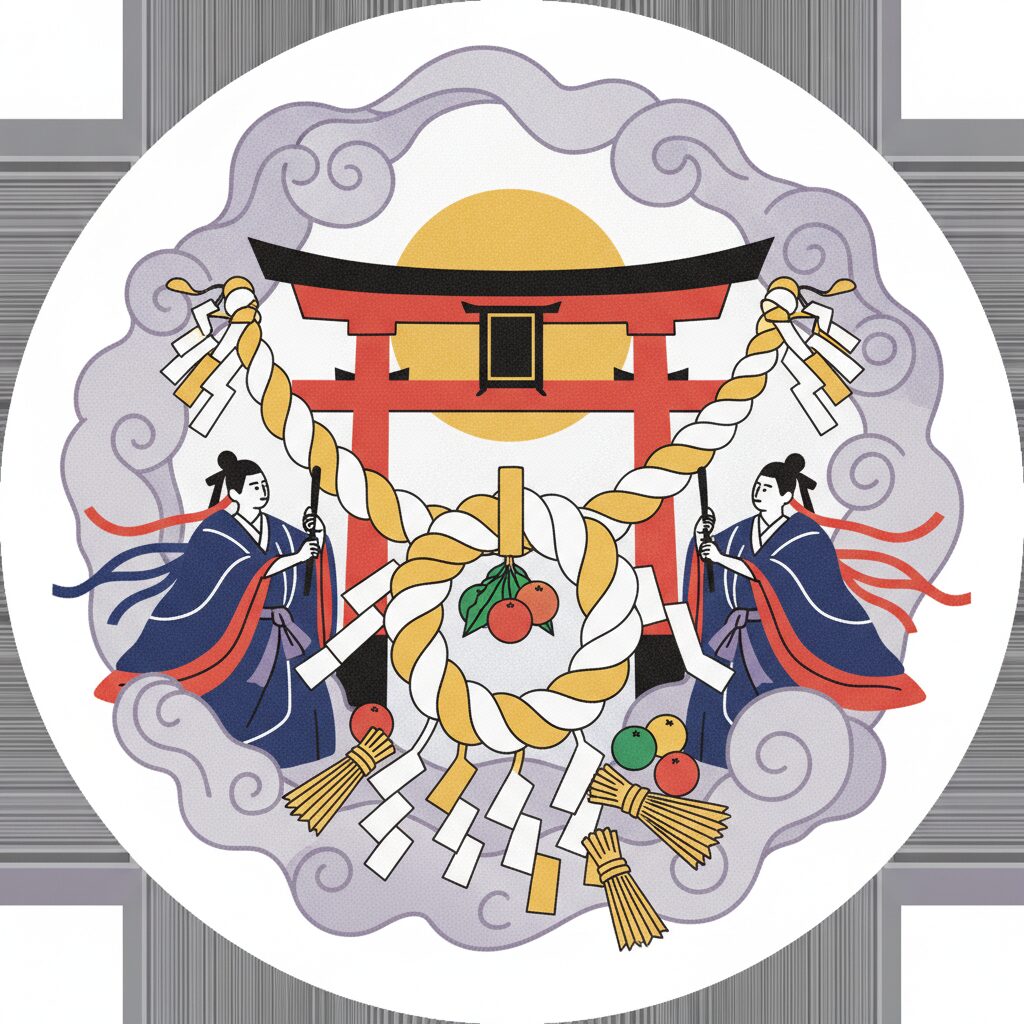
To truly understand the essence of ‘shime,’ you must look beyond the bowl of noodles. The word itself, 締め, means “to tie,” “to fasten,” or “to close.” It’s the same kanji found in the belt a sumo wrestler wears, the ‘shimekomi,’ or the sacred ropes, ‘shimenawa,’ that mark a sacred space at a Shinto shrine. In every case, it signifies bringing things together, securing them, and giving them a clear form and conclusion. That’s exactly what ‘shime’ does for a night out. An evening of drinking and socializing in Osaka isn’t meant to simply fade away or end with awkward farewells at the station. That feels untidy, unfinished. The ‘shime’ meal wraps it all up in a tidy, satisfying way. It offers a formal, shared moment of closure.
The Psychology of the Final Act
This isn’t about hunger. You could have just feasted on nabe, sushi, and a mountain of kushikatsu. The desire for ‘shime’ is psychological. It’s a transitional ritual that shifts the group’s energy from the lively chaos of drinking to a more reflective, calm state before everyone parts ways for the night. The loud jokes and boisterous laughter of the izakaya give way to the quiet, focused intimacy of a small ramen counter. The main event is over; this is the curtain call. It’s a collective deep breath, a moment to let the alcohol settle and the evening’s conversations resonate. An evening without ‘shime’ feels unfinished, like a film that cuts to credits before its final scene. For Osakans, who value a clear narrative with a strong punchline—the ‘ochi’ in their renowned comedic style—an ambiguous ending simply won’t suffice. The ‘shime’ is the night’s ‘ochi,’ its perfect, final resolution.
A Communal Wind-Down
While a late-night snack in many Western cultures is often a solitary affair, the ‘shime’ is deeply communal. It’s one last act of togetherness. Heading out into the night to share a bowl of noodles reinforces the bonds that were loosened by alcohol just hours before. It’s a final affirmation that “we are a group, and we are ending this experience together.” The conversation during ‘shime’ is different—softer, more sporadic. The shared act of eating—the synchronized slurping of noodles, the quiet savoring of warm broth—often replaces the need for words. It’s a comfortable silence, a shared contentment that expresses everything that needs to be said. This final, understated ritual strengthens the evening’s social ties, ensuring that the goodwill and camaraderie don’t just vanish at the train station gates. You leave not only having had a good time but having properly concluded a good time.
The Osaka ‘Shime’ Menu: A Tale of Two Cities (and a Lot of Carbs)
What you choose to eat for ‘shime’ is a serious matter, showcasing Osaka’s unique culinary identity. While Tokyo has its own ‘shime’ culture, the preferences and underlying philosophies differ. The Osakan palate, shaped by the city’s history as the nation’s kitchen, follows its own set of rules and cravings when it comes to the final meal.
The Ramen Supremacy
Throughout Japan, ramen reigns supreme as the king of ‘shime.’ A rich, fatty, salt-heavy bowl of noodles and broth perfectly counters a stomach full of beer and shochu. Osaka is no exception. Late-night ramen shops—often simple counters with a dozen stools—serve as secular temples for those seeking post-drinking solace. The air is thick with steam from huge vats of broth, the floor carries a certain stickiness, and the only sounds are chefs shouting orders and patrons’ collective slurping. The favored choice is usually a rich tonkotsu (pork bone) broth that coats the stomach and satisfies a primal craving. The experience is quick and purposeful: you buy a ticket from a vending machine, hand it to the chef, and your bowl arrives minutes later. You eat, pay, and leave. This efficient transaction perfectly embodies Osaka’s pragmatic approach to pleasure.
The Udon Underground: An Osakan Specialty
Here lies a key contrast between Osaka and Tokyo. While Tokyoites often prefer sharp, shoyu-based ramen, Osakans hold a deep, enduring affection for udon as their ‘shime’ of choice. This reflects the city’s food culture, built on dashi—the delicate, umami-rich broth forming the foundation of its cuisine. A bowl of ‘shime udon’ is considered a gentler, more comforting end to the night. Soft, thick noodles swim in a clear, fragrant broth that soothes rather than overwhelms the senses. Kitsune udon, topped with a large piece of sweet fried tofu, is a classic. But for the authentic Osakan experience, you seek kasu udon—a hearty, richly flavored bowl topped with ‘aburakasu’—crispy, dehydrated beef offal remnants—and infused with sake lees. It’s warm, robust, and deeply local. Not designed for tourists, kasu udon honors the soul of the city’s cuisine—its no-waste mentality, love of deep flavors, and belief that even the night’s final meal should be special and unique.
Beyond Noodles: Other Contenders
The ‘shime’ menu isn’t limited to noodles. For a lighter option, there’s ochazuke: a simple bowl of rice topped with hot green tea or dashi, often accompanied by pickled plum (umeboshi) or grilled salmon. It’s a sensible choice, gently resetting the system. At the other end, some favor takoyaki. Grabbing a boat of octopus balls from a street vendor near the station is a perfectly acceptable, if less formal, way to end the night. Quick, quintessentially Osakan, it satisfies the craving for something hot and savory. A newer, somewhat divisive trend is the ‘shime pafē’ (締めパフェ), or “closing parfait.” Popular among younger crowds, it means finishing the night not with salt and carbs but with sugar and ice cream. While this shows the tradition’s evolution, for most salarymen staggering out of a Nomihodai (all-you-can-drink) session, a cold parfait simply can’t match the restorative power of a hot bowl of soup.
The Unspoken Rules of the ‘Shime’ Ritual
Like many aspects of life in Japan, the ‘shime’ ritual is guided by a series of unspoken rules and social signals. Mastering them is essential for blending into the local social fabric. For a foreigner, it offers a quick lesson in Japanese group dynamics, experienced over a bowl of noodles at one in the morning.
Who Decides and How?
The choice to go for ‘shime’ typically arises from an informal consensus. As the main party winds down, someone suggests it—testing the waters. The group’s reactions then determine what happens next. There’s no pressure to join; a polite “Osaki ni shitsurei shimasu” (“Excuse me for leaving first”) suffices to bow out smoothly. In fact, knowing when to call it a night is a valuable skill. Opting to stay for ‘shime’ shows you’re still engaged with the group, committed to seeing the evening through to its proper end. Deciding what to eat involves a brief negotiation. Suggestions like ramen or udon are offered, and consensus is quickly reached based on convenience and majority preference. It’s a flexible, democratic process.
Timing and Location
Timing is key. ‘Shime’ is the very last stop. It comes after the first party (ichijikai), the second party (nijikai), and sometimes the third party (sanjikai). It’s the final destination before heading to the taxi stand or rushing for the last train. That’s why ‘shime’ spots are almost always located near major train stations. They’re practical, not upscale. You won’t find yourself in a stylish, well-lit restaurant for ‘shime.’ Instead, you’ll go somewhere with steamed-up windows, slightly sticky counters, and an atmosphere purely focused on the task at hand. The aim is simply to get in, eat, and get out. Ambiance doesn’t matter; the restorative power of the food is what counts.
The Financials: Warikan is Law
This is perhaps the most important practical advice for any non-Japanese participant. During the main drinking parties, especially in a work setting, it’s common for a senior (senpai or manager) to treat their juniors—a gesture of generosity and respect for hierarchy. However, the rules shift for ‘shime.’ The meal at ‘shime’ is almost always ‘warikan’—an even split of the bill. Everyone pays for their own bowl. This change is subtle but meaningful. It marks the official end of the formal, hierarchical part of the evening. ‘Shime’ is a voluntary, informal extension of the night. By splitting the bill, everyone stands on equal footing. We are no longer boss and employee; just a group of hungry people. Recognizing this difference is key to avoiding awkward moments and showing you grasp the social nuances.
What ‘Shime’ Reveals About the Osakan Character
This seemingly simple act of eating a late-night meal offers a glimpse into the Osakan spirit. It reflects the city’s core values of pragmatism, pleasure, and a distinctive sense of community. It serves as a microcosm of the local culture, presented in a humble bowl.
Pragmatism and Pleasure
Osaka was founded by merchants, and its culture is deeply rooted in practicality, efficiency, and getting the best value for your money. The ‘shime’ culture perfectly exemplifies this. The meal is chosen for its effectiveness: a hot, salty, carb-heavy dish is a practical remedy for a hangover and satisfies late-night hunger. It serves a clear function. Yet, it’s never solely about function. This is the city of ‘kuidaore’—to eat oneself into ruin. Pleasure is essential. The ramen must be delicious, the udon broth perfectly balanced. The ‘shime’ is a practical pleasure, blending purpose and enjoyment in a way that defines the Osakan outlook on life. It’s about addressing a problem (an impending hangover) in the most delicious way possible.
A Different Kind of Communication
Although Osakans are known for being chatty, outgoing, and more direct than people in Tokyo, the ‘shime’ ritual reveals a quieter side of their communication. The izakaya is for lively manzai-style banter and storytelling, while the ramen shop provides a space for quiet reflection and shared experience. Bonds are strengthened not only through conversation but also through the simple act of enjoying a meal together in comfortable silence. This often confuses foreigners, who may feel compelled to fill the silence with talk. But during ‘shime,’ silence isn’t uncomfortable. It signifies comfort and mutual understanding. The conversation has already happened; now it’s time simply to be together.
The All-or-Nothing Mentality
At its core, the existence of ‘shime’ as a cultural tradition points to an all-or-nothing mindset. If you’re going to do something, you do it fully. If you’re going out for the night, you don’t let it fizzle out—you give it a proper, emphatic conclusion. This dedication to completion is woven into Osakan culture. It’s a city of passionate baseball fans, devoted entrepreneurs, and people who fully immerse themselves in whatever they pursue. A night out follows the same pattern: it has a beginning, a middle, and a clear, satisfying end. Taking part in the ‘shime’ ritual means more than eating another meal—you’re embracing a philosophy that life, and even a simple night of drinking, is best lived with clear, intentional, and pleasurable punctuation.








