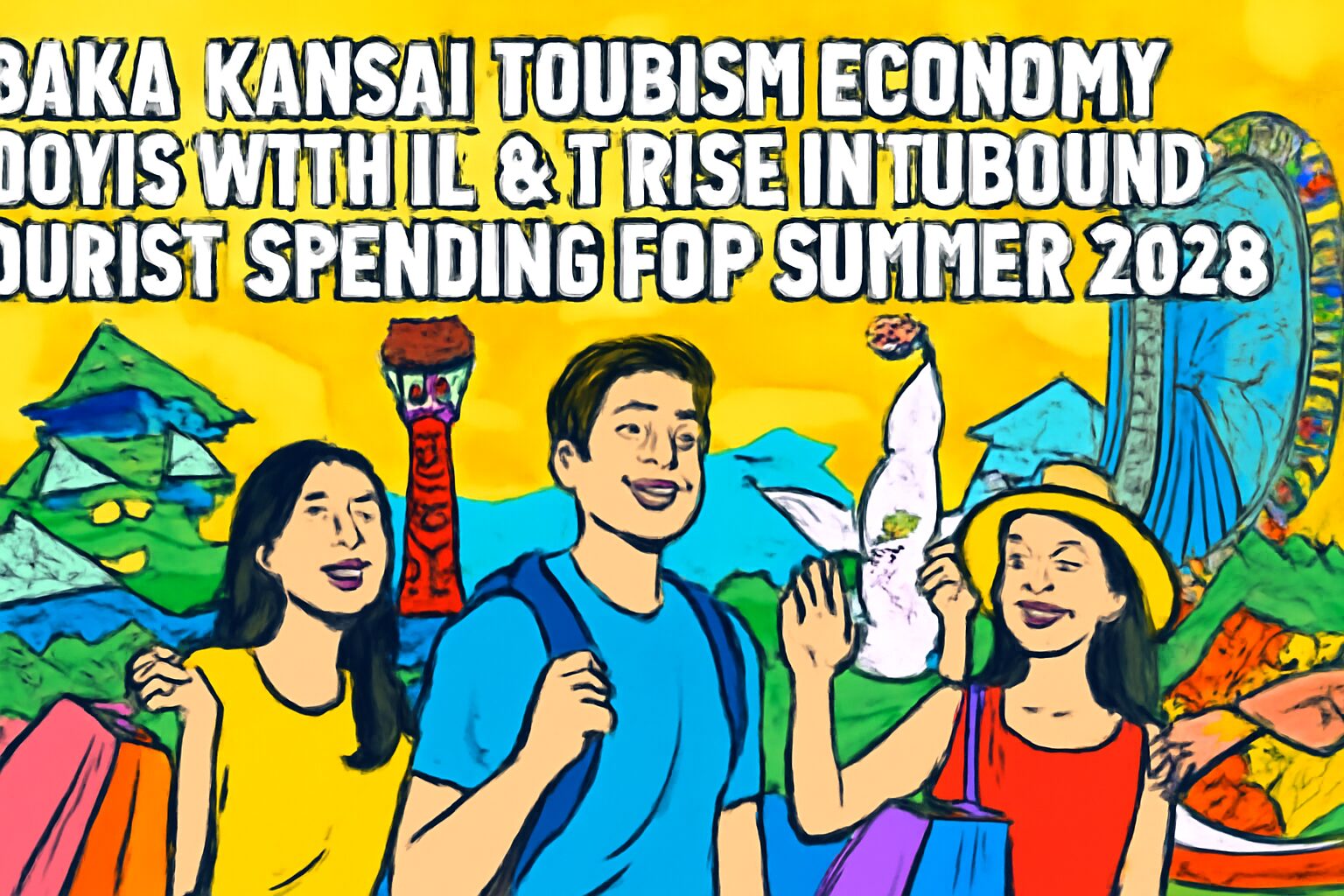
The Osaka-Kansai travel sector is currently experiencing a monumental economic upswing. As we navigate through the peak travel season in the summer of 2026, the latest market data reveals that the average spending per inbound international tourist has surged by a remarkable 14.6% year-over-year. This robust growth underscores a highly successful period for regional tourism, transforming the economic landscape of western Japan and reinforcing Osaka’s position as a premier global destination.
The Legacy of Expo 2025 and Favorable Economic Drivers
The foundations for this summer’s booming tourism economy were largely cemented by the phenomenal success of Expo 2025. Concluding last year, the mega-event not only elevated Osaka’s international profile but also left behind a permanent legacy of upgraded infrastructure, enhanced public transportation networks, and modernized hospitality facilities. International visitors are now flocking to the region to experience these world-class civic upgrades, taking full advantage of a highly developed urban landscape.
Coupled with this post-Expo momentum is the continued favorable yen exchange rate that has persisted throughout 2026. The current financial climate has significantly increased the purchasing power of inbound tourists. Rather than merely inflating the sheer volume of visitors, this economic environment is directly influencing how much each individual is willing to spend during their stay in the Kansai region.
A Strategic Shift Towards Higher-Value Tourism
The 14.6% increase in per-capita spending is a critical metric for the local travel industry. It signals a definitive, strategic shift away from sheer mass tourism and towards a higher-value tourism model. Travelers in 2026 are increasingly opting for premium accommodations, high-end dining experiences featuring local delicacies, and exclusive cultural or historical guided tours across Osaka, Kyoto, and Nara.
This transition to quality and luxury over mere quantity is significantly benefiting the broader regional economy. Local businesses, ranging from boutique hoteliers to traditional artisans, are seeing higher profit margins and increased demand for premium services. By attracting tourists who are willing to invest more deeply in bespoke local experiences, the Kansai region is building a much more sustainable and economically resilient tourism sector.
Paving the Way for the 2030 Integrated Resort
Looking toward the future, the soaring spending trends of this summer serve as a powerful catalyst for upcoming regional megaprojects. Most notably, this economic momentum is setting a strong, data-backed foundation for the Osaka Integrated Resort, which is slated to open on Yumeshima in 2030.
The current influx of high-spending tourists proves that there is a substantial and eager market for luxury entertainment and premium hospitality in Osaka. As the regional government and private stakeholders prepare for the upcoming 2030 developments, the concrete spending data from this year provides immense confidence that the multi-billion-dollar resort project will draw a highly lucrative international demographic.
For the Osakaa travel community and the broader local industry, the summer of 2026 is not just a season of profitable returns, but a definitive turning point. The 14.6% surge in inbound spending confirms that the Kansai region has successfully elevated its global brand, promising a prosperous runway for the travel industry for the remainder of the decade.