
Defying Post-Expo Slowdown Expectations
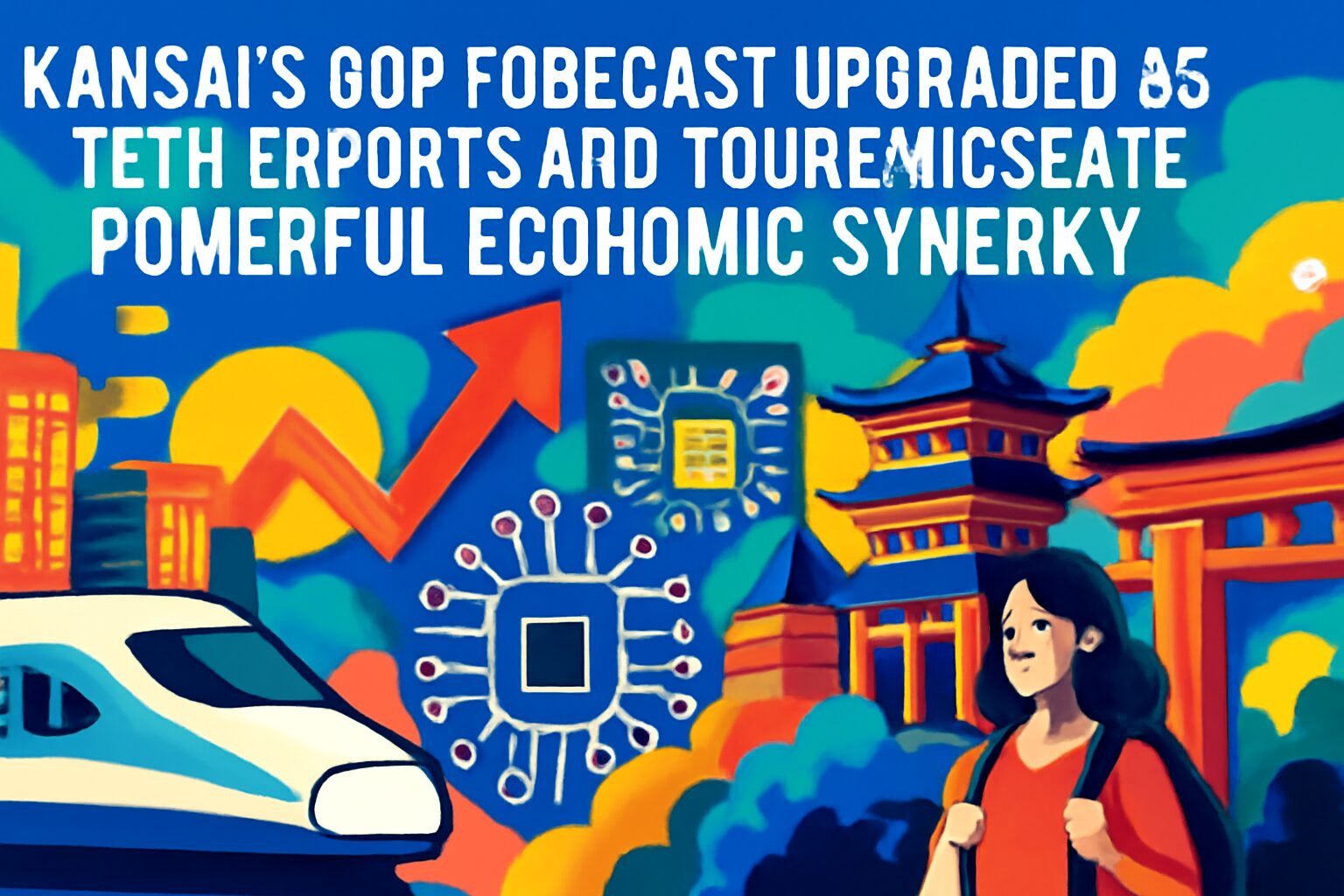
As of August 2026, the Kansai region is experiencing a remarkable period of economic expansion, effectively defying early concerns of a potential post-mega-event slowdown following the conclusion of Expo 2025. A leading Japanese think tank has officially upgraded the real Gross Regional Product (GRP) growth forecast for the Kansai area to an impressive range of 0.9% to 1.4% for fiscal year 2026. This upward revision reflects a highly resilient local economy that has successfully leveraged the momentum generated by last year’s World Expo. Rather than facing a dip in commercial activity, the region is entering a phase of sustained expansion, driven by a diversified economic foundation that sets it apart from other regional economies.
The Dual-Engine Economy: High-Tech Manufacturing and Inbound Tourism
The current economic surge in Kansai is deeply rooted in a highly effective dual-engine economy. The first engine is the robust, high-tech manufacturing sector, which is heavily concentrated in the industrial corridor spanning Osaka, Kobe, and Kyoto. This area has long been a historical powerhouse, but recent strategic investments have solidified its position in advanced technologies, such as semiconductor manufacturing, robotics, and battery production. Strong global demand for these advanced industrial exports is driving substantial revenue into the local economy and providing high-paying jobs.
The second engine is the unprecedented boom in the inbound tourism sector. Building on the massive infrastructure upgrades and global exposure from Expo 2025, Kansai has cemented its status as a premier international travel destination. The region continues to attract a record-breaking influx of overseas visitors throughout 2026. This sustained wave of tourism is injecting crucial capital into the hospitality, retail, and service industries across Osaka and its neighboring prefectures, shifting the focus from high-volume travel to high-value cultural and premium experiences.
Synergies Creating a Diversified Foundation
What makes the current economic landscape particularly robust is the unprecedented synergy between these two seemingly distinct sectors. The intersection of advanced industrial strength and high-value tourism is fostering a new premium visitor economy. Business tourism, technological showcases, and industrial tourism are drawing high-spending international corporate investors and tech-savvy travelers to the region. The comprehensive transport networks and modernized urban facilities developed for the Expo now effortlessly facilitate both the efficient movement of tech exports and the seamless travel experiences of global visitors. This strategic diversification ensures that the region is not overly reliant on a single source of income, thereby insulating the Kansai economy from external market fluctuations.
Future Outlook and Lasting Economic Impact
Looking ahead, the upgraded GRP forecast of 0.9% to 1.4% for fiscal year 2026 signals a period of long-term economic stability for the Kansai region. The successful transition from a mega-event host to a self-sustaining hub of innovation and premium tourism establishes a new blueprint for regional economic development. For travelers, this means continued access to world-class infrastructure and high-quality local experiences. For businesses and investors, it highlights Osaka and the broader Kansai area as a lucrative, high-value market. As the year progresses, this powerful economic synergy is expected to further enhance the region’s global competitiveness, ensuring that the transformative legacy of Expo 2025 translates into lasting prosperity.








