A New Era of High-Value Tourism Dawns in Western Japan
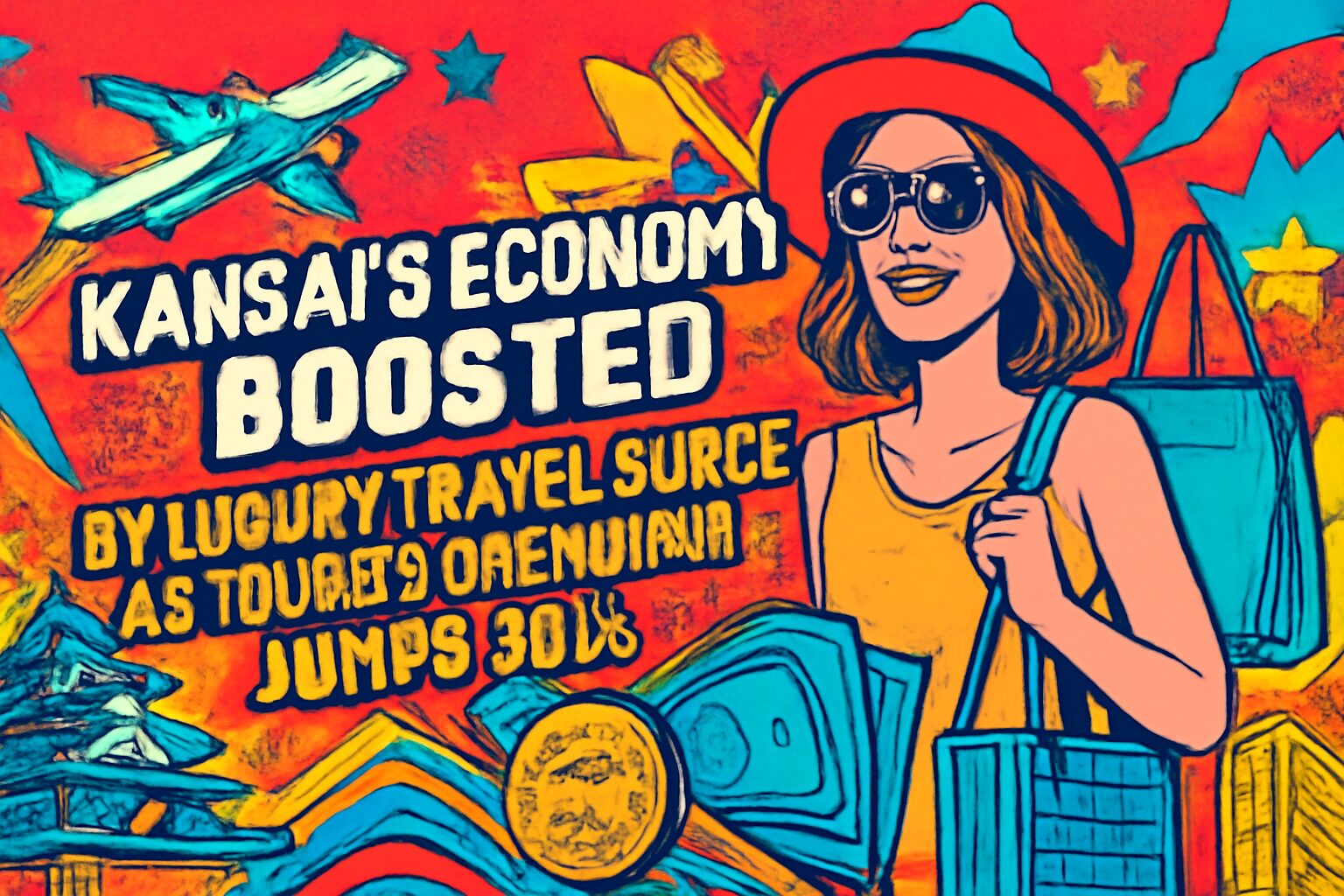
The tourism landscape in Osaka and the broader Kansai region is undergoing a dramatic transformation. Once known for attracting large volumes of tourists, the area is now emerging as a premier destination for high-end travel. A remarkable trend has taken hold: spending per international visitor has surged by approximately 30% compared to pre-pandemic levels, signaling a decisive shift from quantity to quality in the region’s tourism strategy. This economic evolution is primarily driven by a weak yen, which has significantly increased the purchasing power of foreign travelers, turning Kansai into a luxury playground.
The Driving Forces Behind the Luxury Boom
The Unprecedented Power of the Weak Yen
The most significant factor fueling this luxury consumption is the historically weak Japanese yen. For travelers holding currencies like the US dollar or the Euro, Japan has become more affordable than ever. A budget that might have secured a standard vacation package a few years ago now unlocks access to five-star hotels, Michelin-starred dining, and high-end shopping sprees. This favorable exchange rate effectively offers a discount on everything from designer handbags in Shinsaibashi to exclusive cultural experiences in Kyoto, encouraging visitors to indulge in premium goods and services.
Post-Pandemic “Revenge Travel”
The global travel shutdown during the pandemic created a pent-up demand for meaningful and memorable trips. Many travelers are now willing to spend more on “once-in-a-lifetime” experiences, prioritizing comfort, exclusivity, and unique activities over budget constraints. This “revenge travel” mindset perfectly aligns with the luxury offerings in Kansai, where ancient traditions meet modern opulence.
Where is the Money Being Spent?
The impact of this high-value tourism is being felt across multiple sectors, creating a ripple effect that is invigorating the local economy.
High-End Retail and Department Stores
Luxury retailers and major department stores in Osaka, such as those in the Umeda and Namba districts, are experiencing a massive boom. According to the Japan Department Stores Association, tax-free sales to foreign visitors have consistently surpassed 2019 levels for several months. Shoppers are flocking to purchase luxury watches, jewelry, and designer apparel, with individual spending often reaching substantial amounts. This surge is not just recovering lost ground but setting new sales records.
Luxury Accommodations and Hospitality
The demand for premium accommodation has skyrocketed. Five-star hotels in Osaka, Kyoto, and Kobe are reporting high occupancy rates and a significant increase in their Average Daily Rate (ADR). This trend has spurred investment in the sector, with several new ultra-luxury hotels, including the Waldorf Astoria Osaka, slated to open in the coming years. These establishments cater to discerning guests by offering personalized services, world-class amenities, and breathtaking city views.
Exclusive and Bespoke Experiences
Today’s luxury travelers are seeking more than just material goods; they crave unique and authentic experiences. This has led to a rise in bespoke tour services offering private access to temples, hands-on workshops with master artisans, private cooking classes with renowned chefs, and helicopter tours over the city. This shift towards “experiential luxury” allows visitors to connect with the region’s culture on a deeper level while contributing significantly to the local economy.
The Future of Kansai’s Tourism
This pivot towards high-value tourism is reshaping Kansai’s economic future and its approach to managing international visitors.
A Sustainable Path Forward
The focus on attracting high-spending tourists offers a solution to the “overtourism” challenges that plagued popular spots before the pandemic. By prioritizing value over volume, Kansai can mitigate issues like crowding and strain on public infrastructure while still maximizing economic benefits. This sustainable model ensures a better experience for both visitors and residents.
Looking Ahead to the 2025 World Expo
The upcoming Expo 2025 Osaka, Kansai, is poised to further accelerate this trend. The global event is expected to attract a significant number of affluent business and leisure travelers, providing a perfect stage for the region to showcase its premium offerings. To capitalize on this opportunity, continued investment in infrastructure, multilingual services, and the development of unique, high-end experiences will be crucial.
In conclusion, Kansai is successfully navigating a new chapter in its tourism story. By leveraging the weak yen and catering to the sophisticated demands of modern luxury travelers, the region is building a more resilient and prosperous economic future, proving that true value lies not in the number of visitors, but in the quality of their experience.