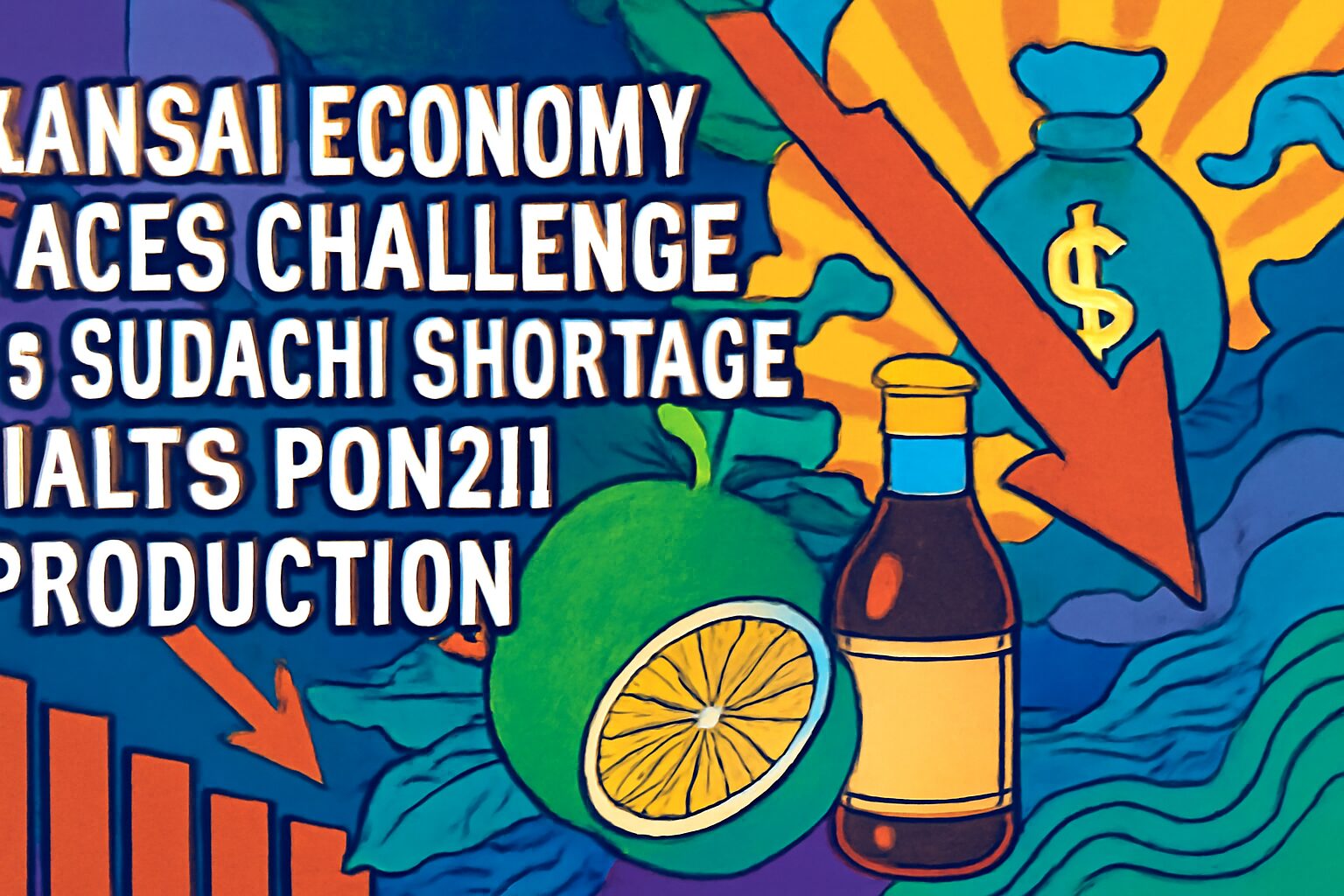
The vibrant culinary landscape of the Kansai region is currently confronting an unprecedented crisis. As of August 30, a severe shortage of sudachi—a signature Japanese citrus fruit—has forced local food manufacturers to suspend the production of the iconic ponzu sauce. A recent report published on August 28 highlighted that Tokushima Prefecture, the agricultural hub responsible for nearly 98% of the nation’s sudachi supply, is suffering from a devastating combination of an aging agricultural workforce and severe heatwaves. This shortage is sending shockwaves throughout Kansai’s economy, threatening not only local food manufacturers but also the broader hospitality and tourism sectors that rely heavily on the region’s unique gastronomic identity.
Background of the Sudachi Crisis
The roots of the current sudachi shortage lie in both demographic shifts and environmental challenges. Tokushima Prefecture has long held a near-monopoly on sudachi cultivation, blessed with the mountainous terrain and temperature variations required to produce the fruit’s signature sharp tartness. However, the agricultural sector is facing a severe demographic cliff. The average age of Japanese farmers has now reached nearly 70 years old, and the lack of young successors has led to a steady abandonment of farmland. Cultivation areas in Tokushima have shrunk drastically over the past three decades, declining from over 660 hectares in the early 1990s to approximately 400 hectares today.
Compounding the labor shortage is the escalating climate crisis. Recent summers have brought record-breaking heatwaves that severely damage citrus yields, weaken tree health, and disrupt delicate flowering cycles. The combination of these factors has triggered a dramatic collapse in sudachi harvests. Historical peaks saw production volumes of around 5,800 tons annually, but recent yields have plummeted to as low as 2,360 tons. With fewer hands to manage the orchards and unpredictable extreme weather events, the vulnerability of this highly localized supply chain has been starkly exposed.
Economic and Cultural Impact on Kansai
Ponzu sauce, deeply embedded in Kansai’s food culture, relies on the fresh, herbal acidity of sudachi to achieve its distinct flavor. With ponzu production now being halted, the economic ripple effects are hitting Osaka and the wider Kansai region hard. Local food manufacturers are the first to feel the financial strain, but the impact quickly cascades down to the food service industry.
Izakayas, traditional restaurants, and street food vendors across Osaka depend on ponzu to complement beloved local dishes such as takoyaki, fugu (blowfish) sashimi, and nabemono (hot pot). Without this staple condiment, businesses are struggling to maintain the authentic flavors their customers expect. Furthermore, this disruption poses a tangible risk to Kansai’s tourism industry. Osaka is internationally renowned as the nation’s kitchen, drawing millions of tourists eager to experience its local gastronomy. A compromise in the quality or availability of signature dishes threatens to diminish the culinary appeal that is so central to Kansai’s cultural and economic identity.
Predicted Future and the Road to 2050
The projections for the coming decades paint a concerning picture. Agricultural analysts warn that if current climate trends and demographic declines continue without significant intervention, Tokushima could face a potential total crop failure of sudachi by the year 2050. Such a scenario would mean the permanent loss of a key ingredient that has defined Japanese and Kansai regional cuisine for centuries.
To prevent this grim forecast from becoming a reality, immediate and innovative measures are required. Solutions may include increased investment in agricultural technology, the development of heat-resistant citrus strains, and government incentives to attract a younger generation of farmers to rural Tokushima. Additionally, the food and beverage industry might need to explore sustainable upcycling of imperfect fruits or alternative cultivation methods to stabilize the supply. Until these structural vulnerabilities are addressed, the Kansai economy remains uniquely exposed to the fragile fate of the sudachi harvest, facing a challenging battle to preserve its rich culinary heritage.