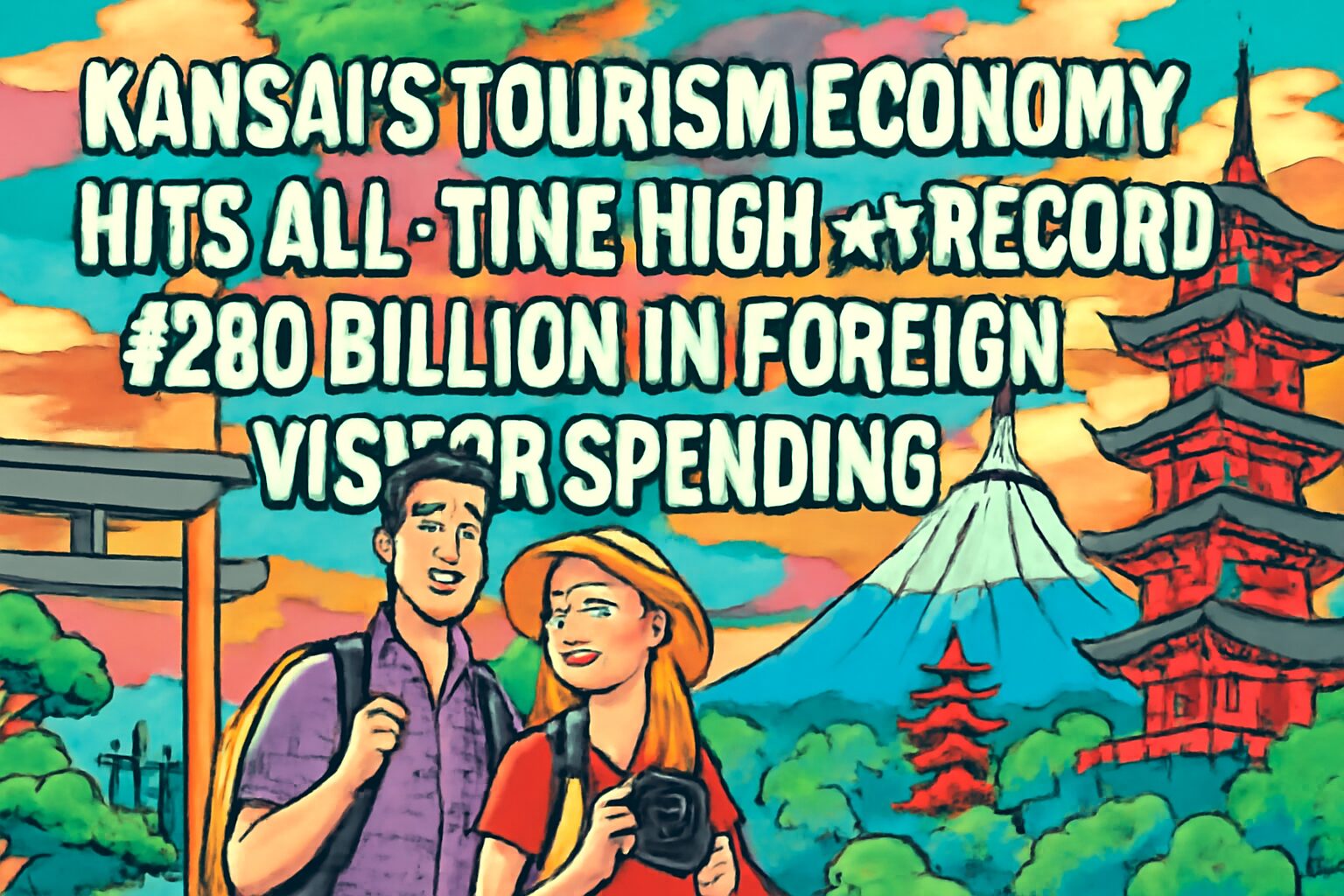
The Kansai region is experiencing a golden era of international tourism, setting new benchmarks for economic growth. In the first quarter of 2026, foreign visitor spending soared to an unprecedented ¥580 billion. This remarkable milestone represents a 30% increase compared to pre-pandemic levels, confirming that the region has not only recovered but is thriving more than ever. For those tracking the landscape at Osakaa, this surge underscores the undeniable global appeal of Osaka and the broader Kansai area.
The Lasting Legacy of the 2025 World Expo
A primary catalyst for this economic boom is the sustained legacy of the 2025 World Expo held in Osaka. Although the global event concluded last year, its impact continues to resonate deeply throughout the tourism sector. The Expo successfully placed Kansai on the radar of a new demographic of global travelers and accelerated vital infrastructure improvements across the region.
Enhanced transportation networks and modernized facilities have made exploring Osaka, Kyoto, Nara, and Hyogo smoother and more appealing. Coupled with a persistently favorable yen exchange rate, Japan remains a highly attractive destination for international tourists looking to maximize their travel budgets while enjoying world-class hospitality.
A Significant Shift Toward High-Value Travel
What makes this ¥580 billion figure particularly noteworthy is the changing nature of tourist expenditure. Rather than focusing solely on sheer volume, current data indicates a significant transition toward high-value travel. International visitors are increasingly allocating their budgets to premium accommodations, fine dining, and exclusive cultural experiences.
Luxury hotels in Osaka and traditional high-end ryokans across the region are reporting exceptionally high occupancy rates. Furthermore, tourists are showing a growing appetite for unique, immersive activities, such as private culinary tours, exclusive access to historical sites, and bespoke traditional craft workshops. This trend suggests that visitors are seeking deeper, more authentic connections with the local culture, rather than merely checking off standard sightseeing spots.
Future Outlook and the Ripple Effect on Local Communities
The continuous influx of high-spending travelers is expected to have a profound ripple effect on the local economy throughout the rest of 2026 and beyond. We anticipate a surge in investments aimed at the luxury tourism sector, including the development of new boutique hotels and the expansion of premium services tailored for international guests.
However, this rapid growth also presents challenges that local authorities and businesses must navigate carefully. The focus will increasingly need to shift toward sustainable tourism management to prevent overtourism and preserve the quality of life for local residents. By dispersing tourists to lesser-known destinations within the Kansai region and promoting off-peak travel, stakeholders can ensure that the economic benefits are distributed more evenly.
As we look toward the final quarter of 2026, Kansai’s travel economy shows no signs of slowing down. The region has successfully transitioned from post-pandemic recovery into a period of dynamic expansion, setting a powerful example of how strategic international events and a focus on premium experiences can sustainably elevate a destination’s global standing.