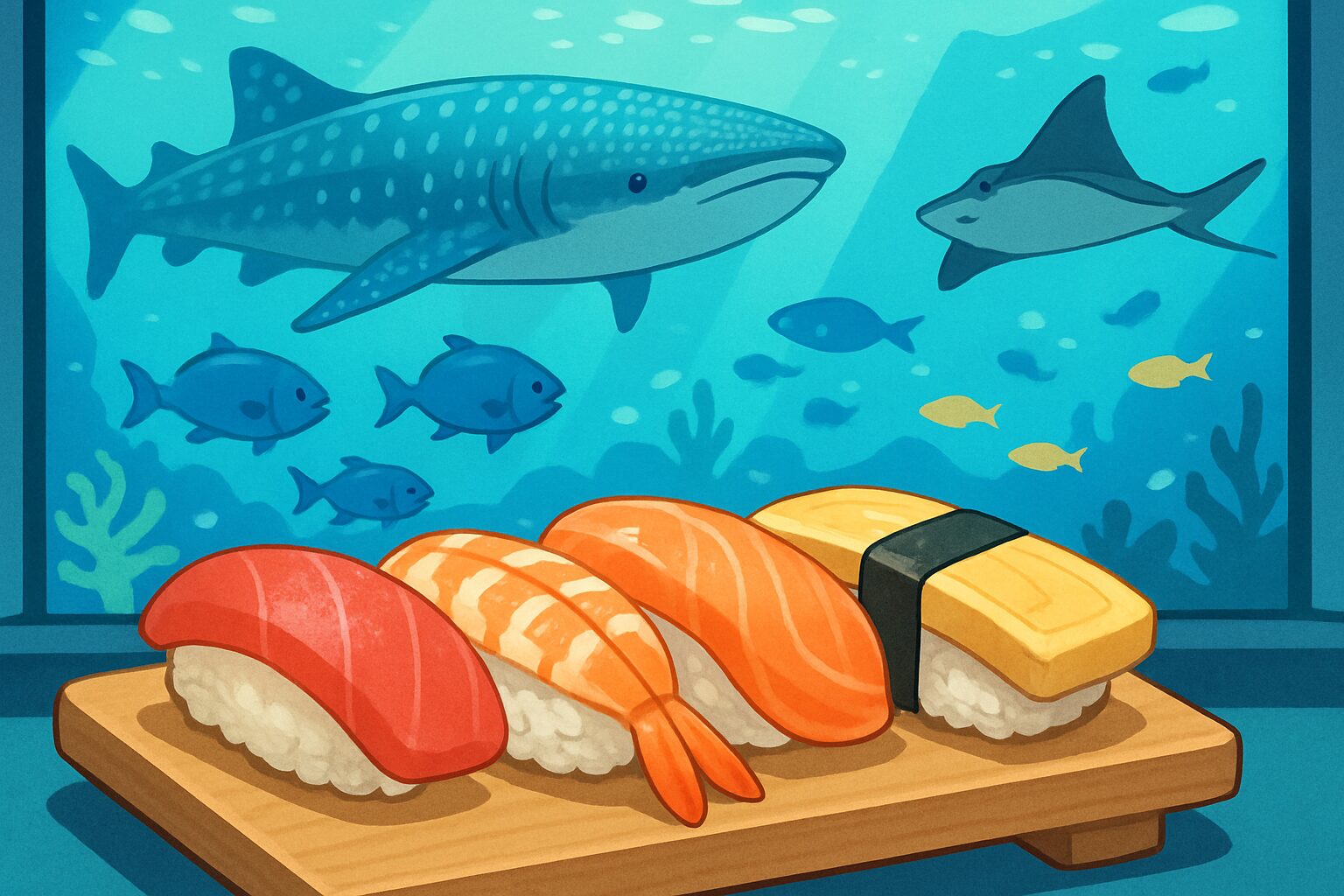
Hello, beautiful people! Sofia here, ready to take you on another journey where stunning sights meet unforgettable flavors. Picture this: you’ve just spent a magical afternoon wandering through the deep blue world of the Osaka Aquarium Kaiyukan. You’ve been mesmerized by the gentle giant, the majestic whale shark, gliding through the Pacific Ocean tank. You’ve floated alongside ethereal jellyfish, their translucent bodies pulsing with a gentle, otherworldly light. You’ve watched playful sea otters and curious penguins, feeling completely transported from the bustling city outside. The entire experience is a symphony of water, life, and wonder. As you emerge, blinking in the daylight or the early evening glow of the bay, a new sensation begins to surface, a craving sparked by the beauty you’ve just witnessed. After admiring the ocean’s incredible bounty, what could be more perfect than savoring its most delicious treasures? Welcome, my friends, to the ultimate post-aquarium quest: finding the most incredible sushi in Osaka’s vibrant Bay Area.
This waterfront wonderland isn’t just home to world-class attractions; it’s a gateway to a culinary scene that’s as deep and diverse as the ocean itself. The salty air carries with it the promise of fresh seafood, and the shimmering lights of the Tempozan Ferris Wheel seem to beckon you toward your next great meal. Forget the idea that you need to trek across the city for an authentic taste of Japan. Right here, nestled between the sea and the sky, you’ll find everything from bustling, family-friendly conveyor belt sushi joints to serene, intimate counters where master chefs craft edible art. This is where your adventure continues, where the spectacle of the aquarium transforms into a culinary celebration. So, let’s dive in, shall we? Your table is waiting.
After your sushi feast, you might also be interested in exploring the world of premium Wagyu and Kobe beef near the aquarium.
Setting the Scene: The Electric Vibe of Osaka’s Bay Area

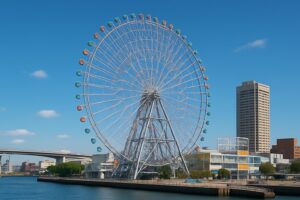
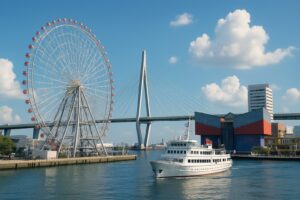
Before we even discuss the food, let’s first immerse ourselves in the atmosphere. The area surrounding Osaka Aquarium Kaiyukan buzzes with pure energy. By day, it’s a whirlwind of excitement—joyful shrieks of children, upbeat music spilling from Tempozan Marketplace, and the gentle lapping of waves against the docks fill the air. The scent of sea salt mingles with the sweetness of crêpes from nearby food stalls. The giant red steel of the Tempozan Ferris Wheel stands tall against the bright blue sky, promising panoramic views of the city and port. It’s a place alive with movement, where families create memories and travelers from around the world share a sense of discovery. The feeling is open, expansive, and full of possibility. You sense the call of adventure, whether boarding the Santa Maria replica ship for a bay cruise or exploring the quirky marketplace shops.
As the sun begins to set, however, a transformation takes place. The sky melts into shades of orange, pink, and purple, reflecting beautifully on the water’s surface. The real magic unfolds when the lights come on. The Tempozan Ferris Wheel transforms into a dazzling kaleidoscope of color, its light show a mesmerizing dance painting the night sky. The entire waterfront sparkles as the daytime energy softens into a romantic, vibrant hum. Couples stroll hand-in-hand along the promenade, the sea breeze a gentle caress. The atmosphere shifts from a lively family funfair to a chic, glittering destination. This duality makes the Bay Area truly special: it can be whatever you want—a sensory playground by day or a stunningly romantic backdrop for an unforgettable evening. And this evening glow creates the perfect ambiance for settling in to a spectacular sushi dinner, where the flavors on your plate shine as brilliantly as the city lights outside.
The Casual & Classic Choice: Kaiten-zushi Fun at Sakana-ya no Heson
For many, the ideal follow-up to the vibrant spectacle of the aquarium is a dining experience that is equally interactive and enjoyable. Conveniently located inside the Tempozan Marketplace, just steps from the Kaiyukan exit, you’ll find Kaiten Sushi Sakana-ya no Heson. This offers the quintessential conveyor belt sushi experience and is an absolute must, especially for first-time visitors to Japan. From the moment you enter, a lively chorus of “Irasshaimase!” from the chefs welcomes you, instantly making you feel part of the action. The atmosphere buzzes with the cheerful chatter of diners and the gentle clatter of plates. The centerpiece, of course, is the conveyor belt—a shimmering stream of culinary delights winding through the entire restaurant. It’s a mesmerizing sight, with jewel-toned plates of sushi gliding by, each one a tiny, perfect creation.
Finding a seat is part of the fun. You might choose the main counter, where you get a front-row view of sushi chefs at work. Their hands move with practiced, almost dance-like precision as they shape rice, slice fish, and add delicate garnishes—it’s a performance in itself. Alternatively, you might opt for a comfortable booth, ideal for groups or a more private meal, but still within easy reach of the parade of plates. The true joy of kaiten-zushi is the freedom it offers. There’s no pressure, no complex menu to figure out. You are the master of your meal. Your eyes guide you. Does that glistening piece of salmon look irresistible? Just reach out and take it. Curious about the glossy, deep-red slice of tuna? It’s yours in an instant.
Now, let’s talk about the highlights. For beginners, start with the classics. The `maguro` (tuna) serves as a great benchmark; look for a deep, ruby color, which signals its freshness. The `sake` (salmon) is always a crowd favorite, with its vibrant orange hue and rich, fatty texture that melts in your mouth. Don’t overlook the `tamago` (sweet rolled omelet), a slightly sweet and savory piece that showcases a sushi chef’s fundamental skills—and it’s often a hit with kids, too! Once you feel more confident, let your curiosity guide you. Try the `unagi` (freshwater eel), grilled and glazed with a sweet soy-based sauce for a smoky, savory, utterly delicious bite. Or perhaps the `ika` (squid), known for its unique, slightly chewy texture and clean, subtle flavor. Each plate offers a small, two-piece adventure. The pricing system is elegantly simple: the color of the plate indicates a specific price, clearly displayed on a chart. At the end of your meal, the staff counts your stacked plates. It’s brilliant!
Don’t forget the little details that enhance the experience. At your station, you’ll find a hot water tap and a container of green tea powder. Preparing your own tea is part of the ritual. You’ll also have pickled ginger (`gari`) to cleanse your palate between different fish. If you don’t spot something you’re craving on the belt, don’t hesitate to ask! You can call out to the chef or use the order forms to request your favorites fresh, made just for you. Sakana-ya no Heson is more than a meal; it’s pure, unadulterated fun. It provides a dynamic, delicious, and wonderfully accessible introduction to the world of sushi that perfectly captures the lively spirit of the Osaka Bay Area.
The Soul of Sushi: A Deeper Cultural Dive
Before delving into more sophisticated choices, let’s take a moment to appreciate sushi as an art form. What we now enjoy globally has a rich and fascinating history. It began not as a delicacy but as a practical way of preserving fish in Southeast Asia, where gutted fish was wrapped in fermenting rice. Initially, the rice was discarded, but over time, people in Japan started eating the slightly sour, preserved rice along with the fish. This was the precursor to modern sushi. During the Edo period (1603-1868) in Tokyo (then called Edo), a chef named Hanaya Yohei transformed the concept. He invented what we now know as nigiri-sushi: a slice of fresh fish from Edo Bay laid over a small, hand-pressed mound of vinegared rice. It was quick, fresh, and sold from street stalls—the original Japanese fast food.
Grasping a few key concepts can elevate your sushi dinner from a simple meal to a rich cultural experience. Surprisingly, the most crucial element isn’t the fish but the rice, called `shari`. A true sushi master, or `itamae`, will tell you they spend years perfecting the art of cooking and seasoning the rice. It must be at the ideal temperature (preferably body temperature), with the perfect blend of vinegar, sugar, and salt. Each grain should remain distinct yet slightly sticky. The quality of the shari is the foundation upon which everything else is built.
Then there is the `neta`, the topping, usually seafood. The `itamae` is skilled not only in slicing but in understanding the fish. They know which cut is best, how to age certain fish to enhance flavor, and how to score the surface to improve texture. They have an intimate knowledge of the seasons, serving only what is at its absolute peak. In spring, you might find delicate `sayori` (halfbeak) or `hotaru ika` (firefly squid). Summer features the rich flavors of `aji` (horse mackerel) and `anago` (saltwater eel). Autumn brings fatty `sanma` (pacific saury) and glossy `ikura` (salmon roe). Winter offers the buttery richness of `buri` (yellowtail) and the deep, complex tastes of various shellfish. This concept of `shun`, or peak seasonality, lies at the heart of Japanese cuisine.
Lastly, there’s the harmonious interplay between the two, united by a small dab of `wasabi` placed between the rice and fish by the chef. The wasabi serves not just for heat; its antibacterial properties were historically important, and its sharp flavor is designed to cut through the richness of the fish and enhance its natural sweetness. When dipping sushi in soy sauce (`shoyu`), proper etiquette is to lightly dip the fish side, not the rice side. This prevents the delicate shari from absorbing too much soy sauce and falling apart. It’s a sign of respect for the chef’s expertly seasoned rice. Eating sushi is a multi-sensory experience: the visual beauty of the piece, its feel in your hands or on chopsticks, the subtle aroma, and finally, the incredible burst of flavor and texture in your mouth. It’s a story of history, seasonality, and masterful skill, all delivered in a single, perfect bite.
Elevating Your Evening: The Intimate Counter at Shintake
For those evenings when you desire something more tranquil—a dining experience that feels like a quiet conversation between you, the chef, and the ingredients—you’ll need to step a little away from the immediate hustle and bustle of the marketplace. A short, pleasant walk or quick taxi ride will lead you to Shintake, a hidden gem offering a more traditional and refined sushi experience. This is the type of place you visit to celebrate a special occasion or simply indulge in the sublime artistry of a true itamae. The moment you slide open the door, you leave the bay’s energy behind and enter a sanctuary of calm. The interior is typically minimalist and elegant, centered around a stunning wooden counter crafted from Japanese cypress. The lighting is soft, the atmosphere hushed and reverent. The focus here is clear: the sushi.
Taking a seat at the counter is essential. This isn’t merely a place to eat; it’s a stage. The itamae is the star, and you have a front-row seat to the performance. There’s no conveyor belt in sight. Instead, the chef prepares each piece for you individually, often placing it directly on the counter before you or on a simple, elegant plate. The best way to enjoy a place like Shintake is to put your trust completely in the chef’s hands by ordering omakase. This Japanese phrase means “I’ll leave it up to you.” It’s a culinary journey curated by an expert. The chef will lead you through a progression of flavors and textures using only the best and freshest ingredients available that day at the market. There’s no menu and no agonizing over choices—you simply relax and receive each masterpiece as it arrives.
Your omakase experience might begin with a few small appetizers, known as tsumami, perhaps a delicate clear soup or a piece of perfectly grilled seasonal fish. Then the sushi course begins. The chef will likely start with lighter, more subtly flavored white fish (shiromi), such as tai (sea bream) or hirame (flounder). These pieces are clean and elegant, allowing you to appreciate the pure taste of the fish and the quality of the shari. As the meal progresses, the flavors grow bolder and richer. You might be served a shimmering piece of kohada (gizzard shad), a silver-skinned fish expertly cured in salt and vinegar to balance its strong flavor. Then comes the tuna course, the highlight of any high-end sushi meal. The chef might present a sequence, starting with the lean akami, moving to the marbled, medium-fatty chutoro, and culminating in the impossibly rich, melt-in-your-mouth otoro, the fattiest part of the tuna belly. Each piece is a revelation. The chef will advise you on whether a particular piece requires soy sauce or if it has already been seasoned with a delicate brush of nikiri (a sweet soy glaze) or a pinch of sea salt. This is a dialogue. The chef watches your reactions, gauging your preferences and tailoring the experience to you. It’s an intimate and extraordinarily special way to dine—a world apart from the cheerful chaos of kaiten-zushi. It’s a slow, deliberate, and deeply memorable celebration of Japanese culinary art.
Beyond the Bay: A Quick Trip for Sushi Excellence
While the Bay Area offers excellent choices for both casual and upscale dining, part of the excitement of being in a food-obsessed city like Osaka is knowing that culinary legends are just a short subway ride away. For the true foodie adventurer eager to taste what the locals rave about, catching the Chuo Line from Osakako Station is your gateway to sushi paradise. One of the most iconic names in Osaka sushi is Endo Sushi, located at the Osaka Central Fish Market. This requires some planning, as it primarily operates during the morning and early lunch hours, closing by early afternoon. But if you can schedule your Kaiyukan visit for the morning, a lunch stop at Endo offers an unforgettable experience. The atmosphere is rustic and delightfully chaotic, in the best possible way. You’ll likely share a table with local market workers, and the menu is famously straightforward. Ordering is done by the plate, with each plate featuring five different pieces of nigiri. The neta is exceptionally fresh, practically straight from the boat, and the shari is known to be slightly looser, melting in your mouth. It’s a no-frills, genuinely authentic, and incredibly delicious experience.
If your meal after the aquarium is planned for the evening, a different approach is needed. A brief subway ride toward the city center to the Fukushima or Noda areas places you in one of Osaka’s most vibrant and competitive gourmet districts. These neighborhoods are filled with small, high-quality restaurants adored by local food enthusiasts. A standout in Fukushima is Sushi Uotatsu, a spot that perfectly balances outstanding quality with a relaxed, inviting atmosphere. It’s a step above casual kaiten sushi but less formal and expensive than a top-tier omakase-only venue. Here, you can enjoy an incredible variety of seasonal fish, prepared with skill and passion. The chefs are friendly, and although it’s popular with locals, they often warmly welcome international guests who show genuine interest in their craft. Reservations are strongly recommended. Traveling from the tourist-heavy bay area to a neighborhood like Fukushima is a reward in itself. You get to experience a different side of Osaka, soak in the rhythm of the city’s local life, and savor sushi surrounded by true food lovers. It’s a small effort that yields a profoundly authentic and flavorful experience.
Practical Tips for Your Post-Aquarium Sushi Feast
Exploring a new culinary scene can be part of the excitement, but a few tips can make your sushi experience even smoother and more enjoyable. First, let’s discuss timing. Like in many places, restaurants in Japan tend to get very busy during peak dinner hours, usually between 7 PM and 9 PM. If you’re dining with family or prefer a quieter setting, consider having an earlier dinner right after the aquarium closes, around 5:30 PM or 6 PM. Alternatively, dining later after 9 PM can also be less crowded, but be sure to check the restaurant’s last order time (`rasuto-o-da-`), as smaller, independent establishments often close earlier than larger chain restaurants.
Don’t let a language barrier discourage you. In a tourist-friendly area like Tempozan, most restaurants, especially kaiten-zushi spots, offer English or picture menus to make ordering simple. Pointing is completely acceptable! It’s also enjoyable to learn a few basic phrases. Besides the fish names, knowing `o-susume wa nan desu ka?` (what do you recommend?) can introduce you to seasonal specialties. When you’re ready to leave, simply say `o-kaikei o-negai shimasu` or `o-aiso` to request the check.
Reservations are another important aspect. For casual conveyor belt sushi restaurants, you can usually just walk in, although there may be a short wait during busy times. For mid-range to high-end sit-down restaurants, especially smaller ones with limited counter seats like Shintake, making a reservation is highly recommended, if not essential. Your hotel concierge can often assist with booking a table, which is the easiest way to overcome any language barriers. Finally, let’s discuss budget. Sushi prices vary widely. At a kaiten-zushi restaurant, a satisfying meal typically costs ¥1,500 to ¥3,000 per person. A good mid-range sushi dinner might range from ¥4,000 to ¥8,000. For a high-end `omakase` experience at a prestigious venue, expect to pay ¥10,000 or more. Knowing these general price ranges can help you choose the experience that fits both your taste and budget, ensuring a delicious and stress-free end to your incredible day at the aquarium.
A Sweet Finale: The Bay After Dark
Your culinary journey doesn’t need to mark the end of your evening. In fact, after enjoying a satisfying sushi dinner, the Osaka Bay Area provides the ideal backdrop for a post-meal digestif of sights and sounds. The top activity is to take a ride on the Tempozan Ferris Wheel. While its daytime views are lovely, at night it becomes absolutely stunning. As your gondola rises, the entire cityscape spreads out beneath you like a carpet of shimmering jewels. You’ll witness the illuminated bridges crossing the rivers, the glowing city skyscrapers, and the lights of ships docked in the port. The ride is leisurely and serene, offering a moment of peaceful reflection and a truly spectacular photo opportunity. It’s deeply romantic and the perfect way to conclude a magical day.
If you’d rather stay on solid ground, a leisurely walk along the waterfront promenade is just as captivating. The sea breeze is invigorating, and the lights from the Ferris wheel and nearby buildings shimmer on the water’s surface. Numerous benches invite you to sit and soak in the view, watching the city sparkle. During certain seasons, especially winter, the area is adorned with special illuminations, adding an extra touch of enchantment to the scene. It’s an opportunity to let your delicious meal settle, enjoy the cool night air, and admire the modern beauty of Osaka’s coastline. This transforms a simple dinner into a full, unforgettable evening experience, leaving you with memories that engage all your senses.
An Unforgettable Taste of Osaka’s Coastline
From the deep blue marvels of the Kaiyukan to the glittering lights of the Ferris wheel, Osaka’s Bay Area is a visual delight. Yet, as we’ve found, it equally satisfies the palate. The transition from admiring the magnificent sea creatures to savoring the artistry of sushi feels natural and graceful. It’s a shift from observation to engagement, from awe to pleasure. Whether you opt for the lively atmosphere of a conveyor belt sushi, the serene sophistication of an omakase counter, or an exciting visit to a local favorite, you’re doing more than just eating. You’re connecting with a fundamental aspect of Japanese culture. You’re tasting the ocean’s freshness, the chef’s expertise, and a culinary tradition refined over centuries. So once you’ve bid farewell to the whale sharks and penguins, let your senses lead you to the next adventure. A world of extraordinary flavors awaits, ready to offer the perfect, flavorful finale to your day by the sea. Go ahead, dive in and experience the unforgettable taste of Osaka.