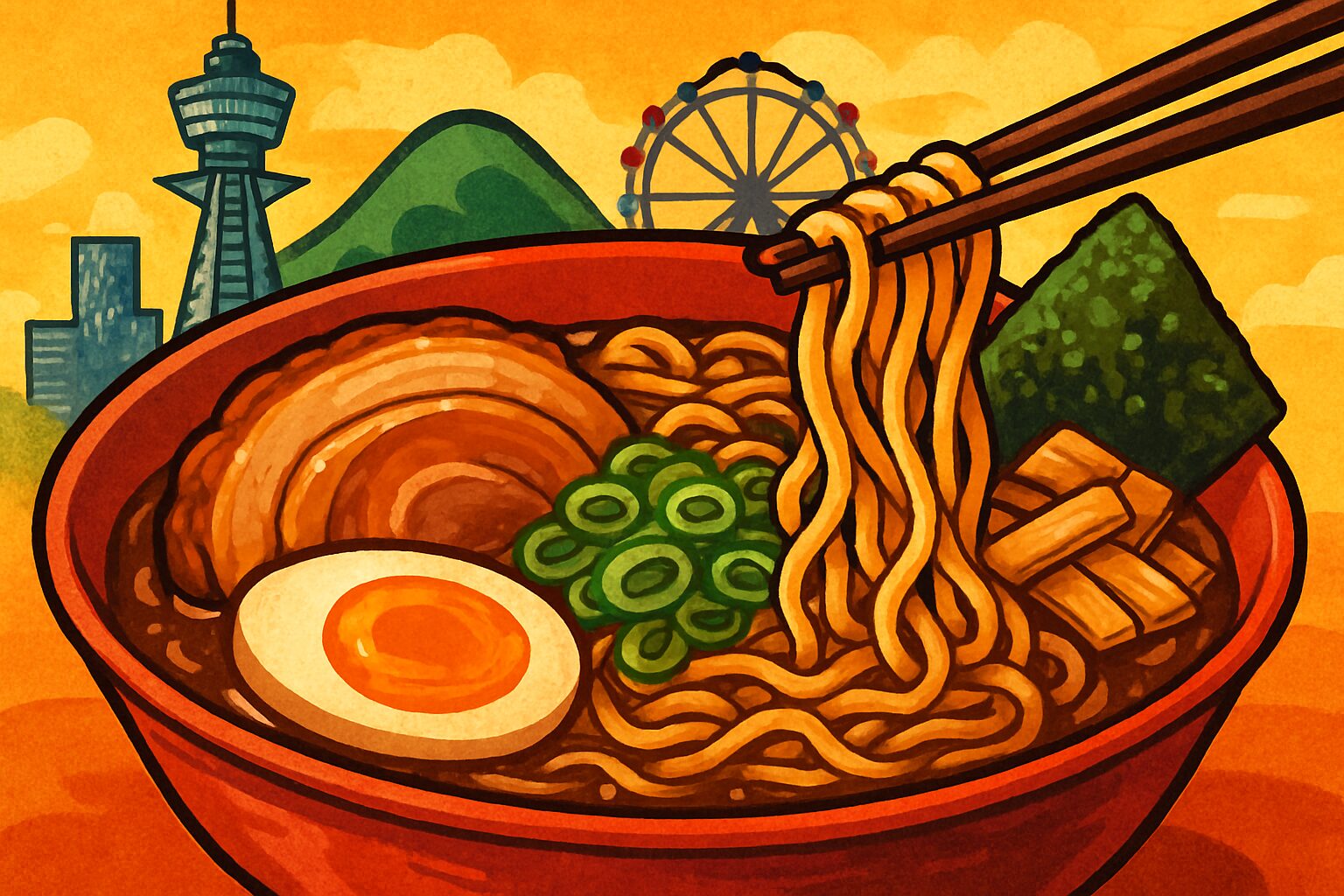
In the sprawling, energetic metropolis of Osaka, a city celebrated for its boisterous spirit and an almost religious devotion to food—a concept the locals call kuidaore, or ‘to eat oneself into ruin’—certain culinary experiences transcend mere sustenance. They become pilgrimages. Tucked away in the historic yet ever-evolving Tennoji district, a neighborhood where ancient temples stand in the shadow of Japan’s tallest skyscraper, lies one such sanctuary: Ramen Gokko. This is not a grand establishment with flashing neon signs. It is a humble, unassuming shop, yet its reputation echoes through the alleyways and across the digital world, drawing faithful patrons who are willing to perform the ultimate act of culinary devotion: they wait. They queue, sometimes for over an hour, for a bowl of ramen. But this is no ordinary ramen. This is a journey into the heart of chicken broth, a velvety, opaque, umami-laden soup so rich and profound it has the power to recalibrate your very understanding of what ramen can be. As a historian, I’ve spent my life tracing the threads of culture through artifacts, texts, and ruins. Yet, I’ve come to believe that sometimes the most potent expression of a culture’s soul can be found in a simple bowl, crafted with relentless dedication. The line at Ramen Gokko is not just a queue for food; it is a silent, patient testament to the pursuit of perfection, a modern ritual honoring an ancient commitment to craft. Here, in the heart of Osaka, the wait is not an inconvenience; it is the prelude to an epiphany.
This culinary pilgrimage is just one facet of Osaka’s rich food culture, which also boasts exquisite French pastries like those found at Patisserie Rechercher.
The Legend of the Chicken Paitan
The highlight of the meal, the very core of Ramen Gokko’s renown, is its Tori Paitan broth. The word paitan means ‘white soup,’ a term that only begins to describe the intricate transformation taking place in the kitchen’s simmering pots. Unlike the more familiar tonkotsu ramen, which owes its creamy texture to prolonged boiling of pork bones, Tori Paitan achieves its rich, opaque quality entirely from chicken. This reflects the chef’s expert precision with temperature and timing. Picture countless hours of gentle simmering, where chicken carcasses and select vegetables are coaxed into releasing every bit of flavor and—importantly—collagen. The outcome is more than just soup; it’s an emulsion. A silky velvet fluid that gently envelops the palate with an intensity that is both powerful and subtle. The initial taste is a revelation. Deeply savory, with a pure and straightforward chicken essence, yet layered with complexity—a faint sweetness from the vegetables and a nuanced aromatic depth revealing careful craftsmanship. The texture is remarkable; the high collagen level provides a luxurious, lip-coating thickness that satisfies without the heaviness often found in richer pork-based broths. It delivers a robust flavor profile while remaining clean, letting every other ingredient in the bowl stand out. This is not merely a different ingredient; it embodies a distinct philosophy. It honors the chicken at its highest expression—a broth that feels both comforting like a grandmother’s homemade soup and as intricate as a fine-dining masterpiece. This devotion to perfecting one key element embodies the essence of Japanese shokunin culture—the artisan’s spirit—and at Ramen Gokko, you can taste that spirit in every spoonful.
An Atmosphere of Humble Mastery
Discovering Ramen Gokko for the first time feels like uncovering a hidden gem. Nestled on a side street near Teradacho Station on the JR Osaka Loop Line, its exterior is understated, almost austere. There are no flashy signs, just a modest plaque and inevitably, a line of people waiting patiently. This queue serves as the restaurant’s true promotion—a living, breathing testament that speaks louder than any advertisement. Upon entering, you leave the city’s clamor behind and step into a small, focused sanctuary. The space is cozy, centered around a wooden counter that provides a front-row view of the chef’s craft. The air is rich with the aroma of simmering broth and the soft hiss of noodles being strained. The mood is one of calm focus. The chef moves with practiced efficiency, a graceful routine of ladling soup, arranging toppings, and presenting each bowl as a work of art. There is no unnecessary chatter or showiness. The attention, from both staff and diners, remains firmly on the ramen. Customers lean over their bowls, faces glowing with quiet satisfaction. The only sounds are the steady slurping of noodles—a sign of appreciation in Japan—and the occasional soft ‘gochisosama-deshita’ (thank you for the meal) as patrons leave, their culinary journey complete. This is not a place for a slow, lingering meal. It is a shrine to flavor, a setting where you are expected to eat with purpose, savoring the result of hours of effort in the fifteen or twenty minutes needed to finish your bowl. This focused, almost reverent atmosphere heightens the experience, removing distractions and allowing you to connect deeply with the rich flavors before you. The modesty of the setting contrasts sharply with the ambition in the bowl, creating a compelling dynamic that is distinctly Japanese.
Navigating the Menu: A Symphony of Toppings
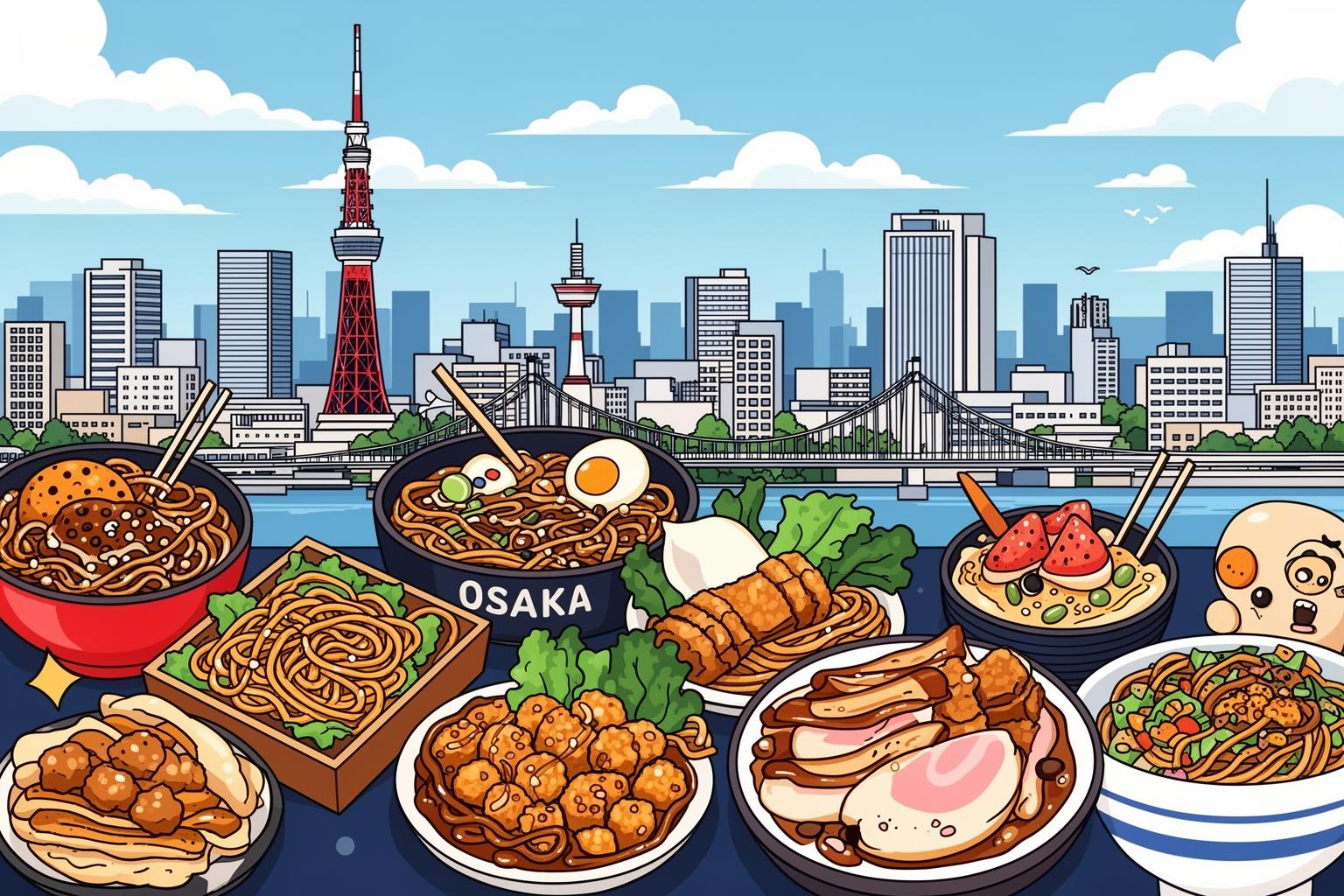
While the broth remains the unquestionable heart of Ramen Gokko, the accompanying ingredients are selected with equal precision, each functioning as a finely tuned instrument in this culinary symphony. The menu is generally simple, focusing on the signature Paitan, typically offered with a choice between a shio (salt) or shoyu (soy sauce) base. The shio version is perhaps the purest, letting the subtle flavors of the chicken broth shine with clear brilliance. The shoyu introduces a savory, fermented depth that perfectly complements the soup’s richness. The noodles are remarkable for their texture—often thin yet firm with a chewy bite, known in Japanese as koshi, designed to maintain their structure in the hot broth and efficiently convey the silky liquid to the palate. Yet, it’s the toppings, the gu, that bring the dish to completion. Here, the chashu is usually chicken rather than pork, a sensible and flavorful choice. Prepared sous-vide or gently poached, the tender chicken breast slices offer a delicate contrast to the robust soup. The ajitama, a seasoned soft-boiled egg, is a highlight—marinated until the whites are savory and the yolk a perfect, jammy molten gold, which enriches the luxurious broth upon breaking. Crisp, fermented bamboo shoots (menma) add texture and a tangy note, while finely sliced green onions (negi) or occasionally red onions provide a sharp, fresh bite that balances the richness and refreshes the palate. Every component is intentional; nothing is excessive. The bowl represents a harmonious ecosystem of flavor and texture, where tender chicken, chewy noodles, creamy yolk, and crisp vegetables meld seamlessly, all anchored by the profound, soul-stirring broth. It exemplifies how the careful harmony of simple elements can produce something astonishingly complex and beautiful.
The Tennoji Context: A Journey Before the Slurp
Visiting Ramen Gokko is more than just enjoying a meal; it’s a chance to fully immerse yourself in the captivating tapestry of the Tennoji area. This district serves as a microcosm of Osaka itself, where sacred history and towering modernity coexist in a lively, sometimes chaotic, harmony. Centering your day around ramen transforms a simple lunch into a meaningful cultural experience. Just a short walk away is Shitennoji Temple, one of Japan’s oldest Buddhist temples, established in the 6th century by Prince Shotoku. As you stroll through its tranquil grounds, with the five-storied pagoda reaching skyward, you can sense the depth and serenity of fourteen centuries of history. The temple’s intricate architecture, having withstood fires and restorations, mirrors the shokunin spirit found in your ramen bowl—a commitment to preserving and perfecting a craft through generations. From the ancient, ascend to the ultra-modern at Abeno Harukas. Standing 300 meters tall, it is Japan’s tallest skyscraper, and its observation deck, called ‘Harukas 300’, provides a stunning 360-degree view of the entire Osaka plain. Seeing the city sprawled beneath you offers a grand perspective, a reminder of the vast urban landscape where a tiny, perfect ramen shop can flourish. For a taste of another era, explore the nearby Shinsekai district, a neighborhood seemingly stuck in the Showa period. Centered around the iconic Tsutenkaku Tower, its bright, colorful streets are filled with Kushikatsu eateries and old-fashioned pachinko parlors. It’s a nostalgic, slightly rough-around-the-edges, and utterly charming glimpse into post-war Japan. By visiting these varied sites, your meal at Ramen Gokko becomes deeply connected to its surroundings. The rich broth tastes even more profound after experiencing the solemnity of an ancient temple, and its humble atmosphere feels all the more genuine after gazing out from the dizzying heights of a modern skyscraper.
The Art of the Wait: Practical Tips for Your Pilgrimage
The queue at Ramen Gokko is not a possibility; it’s a definite. Approaching it with the right mindset means recognizing it as part of the ritual. Still, a bit of strategic planning can make the experience smoother for first-time visitors. The key is to avoid peak hours. The lunch rush runs from noon to 1:30 PM, and dinner peak is between 6:30 PM and 8:00 PM, when lines are longest. Consider visiting during off-peak times—either right at opening or during the mid-afternoon lull if they remain open continuously. Weekdays tend to be less crowded than weekends. Upon arrival, observe the system. Many ramen shops in Japan use a ticket vending machine (kenbaiki). You insert cash, press the button for your chosen ramen and any extras, then receive a ticket. You hand this ticket to the staff when seated. Sometimes, you buy your ticket before joining the queue; other times, you queue first. Watch what others do—it’s the best way to learn local etiquette. Prepare for a solitary dining experience. Ramen counters are designed for efficient, individual enjoyment. This isn’t the place for loud conversation or lingering over your meal. The unspoken rule is to focus on savoring your food and then promptly give up your seat to the next hungry guest waiting patiently outside. Getting there is easy. The shop is a short walk from Teradacho Station on the JR Osaka Loop Line, which is very convenient for anyone using a Japan Rail Pass, as it connects directly to major hubs like Osaka Station (Umeda) and Tennoji Station. From Tennoji, it’s also a manageable walk, allowing you to take in some of the neighborhood along the way. Finally, bring cash. Although Japan is becoming more credit-card friendly, many small, independent eateries like this remain cash-only, especially for ticket machines. Having yen on hand ensures a smooth transaction and a swift path to ramen bliss.
A Historian’s Palate: Why This Bowl Matters
From a historian’s viewpoint, a bowl of ramen at Gokko serves as a rich text, a fluid narrative of modern Japanese culture. It embodies the concept of kodawari, the relentless pursuit of perfection. This cultural trait traces back to the master swordsmiths and potters of feudal Japan, reflecting a belief that dedicating one’s life to perfecting a single craft is a noble endeavor. The ramen master, or taisho, represents a contemporary embodiment of this artisan spirit. The dish also tells a tale of post-war innovation. Ramen prospered in the scarcity of post-war Japan as an affordable, satisfying, and tasty meal for the masses. Over time, it has transformed from humble street food into a gourmet obsession, with regional varieties and closely guarded recipes. Tori Paitan is a relatively recent yet significant chapter in this evolution, marking a shift toward a different richness that highlights the remarkable potential of one simple ingredient. Moreover, the experience captures the Japanese aesthetic of finding profound beauty in simplicity. The shop is unpretentious, the menu concise, and the presentation clean. Still, within this simplicity lies a universe of flavor and texture, a depth born from immense, unseen effort. It is a culinary expression of the same principle behind a rock garden or a single line of haiku. In this bowl, one can savor the fusion of tradition and modernity, the respect for ingredients, and the unwavering dedication that defines much of Japanese craftsmanship. It’s more than a trend; it is a living piece of culinary heritage.
A Final Sip of Wisdom
In a city teeming with dining choices—from Michelin-starred kaiseki to sizzling street-side takoyaki—the lasting appeal of a place like Ramen Gokko says a great deal. It reinforces a universal truth: genuine excellence requires no adornment. The time spent waiting outside its doors is not wasted; it is an investment in an experience, a moment of quiet reflection that sharpens the appetite and heightens the senses. When you are finally seated at the counter and the steaming, aromatic bowl is set before you, the rest of the world fades away. That first spoonful of rich, creamy chicken broth is pure, unfiltered delight. It captures the soul of Osaka—a city both modern and traditional, vibrant and introspective, always devoted to extraordinary food. A visit to Ramen Gokko is more than just tasting one of Japan’s finest bowls of ramen. It is about engaging in a ritual, honoring a craft, and realizing that sometimes the most meaningful journeys lie within the comforting simplicity of a perfect bowl. Without question, it is worth every moment of the wait.