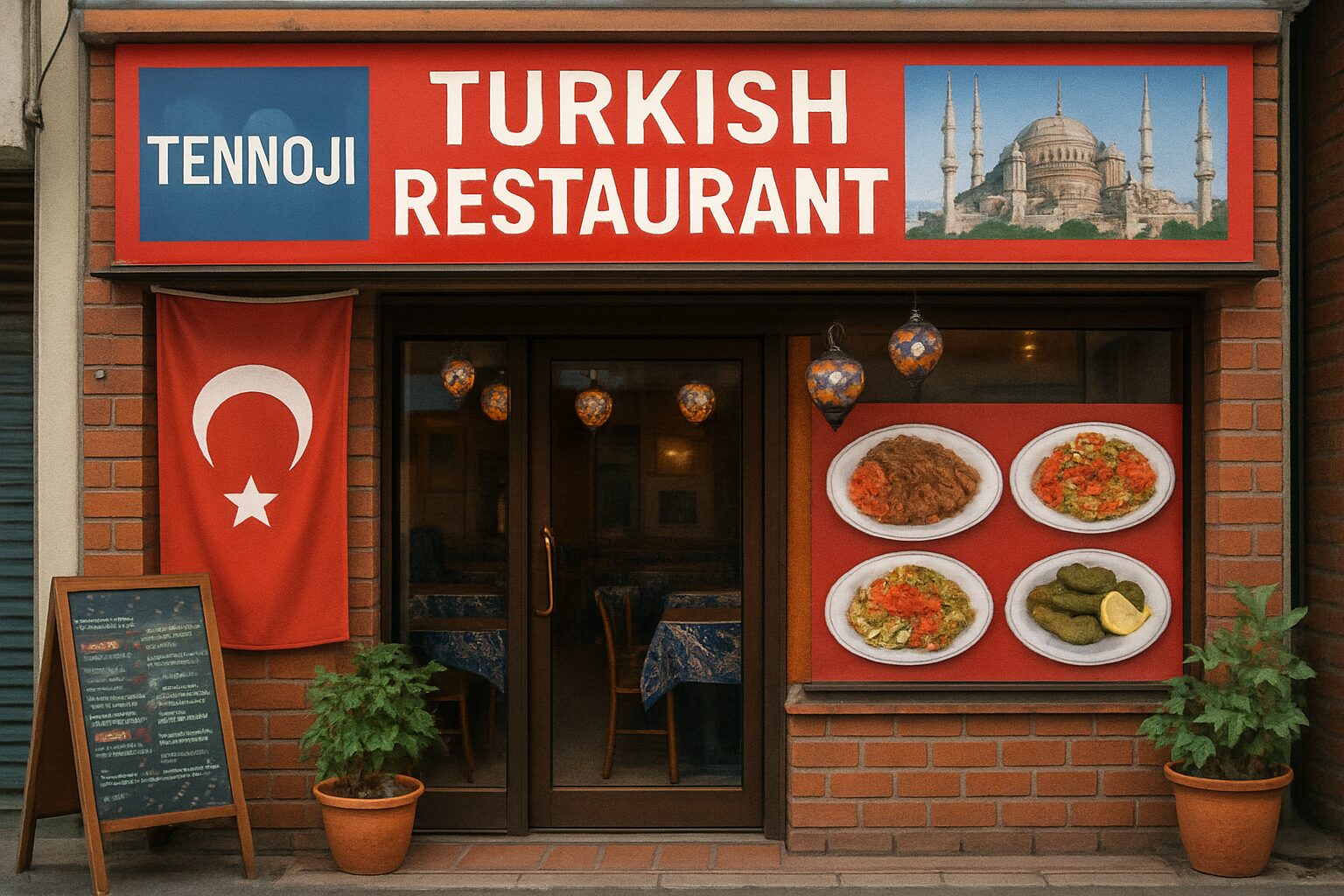
Osaka, a city that pulses with an electric energy, is a sprawling metropolis renowned for its culinary heart. Its streets, a labyrinth of tantalizing aromas from takoyaki stalls and the subtle steam of ramen dens, tell a story of profound gastronomic devotion. Here, in this capital of kuidaore—eating oneself to ruin—the narrative of Japanese cuisine is written daily. Yet, amidst the familiar and celebrated symphony of Japanese flavors, a different melody plays, one that carries the echoes of ancient empires and the sun-drenched landscapes of Anatolia. Tucked away in the vibrant district of Tennoji, a stone’s throw from one of Osaka’s busiest transport hubs, lies NazaR Turkish Restaurant. This establishment is more than just a place to eat; it is a cultural embassy, a vibrant portal offering an authentic, Halal-certified journey into the heart of Turkish culinary heritage, creating a fascinating cross-cultural dialogue in a city that has long been a crossroads for commerce and ideas.
Nestled in the shadow of the soaring Abeno Harukas skyscraper and in the vicinity of the venerable Shitennoji Temple, Japan’s first state-sponsored Buddhist temple, NazaR represents a delicious paradox. It is a modern haven of ancient traditions, offering a respite and a rich, flavorful counterpoint to the urban dynamism that defines Osaka. For the international traveler, particularly those seeking Halal options in Japan, NazaR is not merely a convenience but a destination in its own right. It stands as a testament to Osaka’s cosmopolitan spirit, a place where one can explore the deep historical roots of the Tennoji area in the morning and be whisked away to the shores of the Bosphorus by evening, all without leaving the neighborhood. This is where the story of your culinary exploration of Osaka takes an exciting, unexpected, and utterly delicious turn.
While exploring the rich culinary tapestry of Osaka, you can also discover the city’s deep-rooted love for noodles with a ramen pilgrimage in the Teradacho neighborhood.
The Ambiance: A Portal to Istanbul

Crossing the threshold of NazaR instantly transports you from the orderly bustle of urban Japan into the warm, vibrant embrace of a Turkish tavern. The shift is immediate and magical. Outside, the sounds of train announcements and the steady footsteps of commuters prevail; inside, the air is filled with the soft, melodic tones of the saz and the gentle clinking of tea glasses. The restaurant’s interior is a meticulously crafted showcase of Turkish artistry and hospitality. Your gaze is naturally drawn upward to the ceiling, where a constellation of mosaic lamps hangs, each a unique orb of intricate glasswork casting a warm, jewel-toned light throughout the space. The gentle glow bathes the walls in shades of amber, sapphire, and crimson, creating an ambiance that is both cozy and celebratory.
The walls are decorated with traditional Turkish textiles, rich carpets featuring complex geometric designs, and framed images portraying scenes of Istanbul and the expansive Anatolian countryside. Evil eye talismans, the nazar boncuğu from which the restaurant derives its name, are thoughtfully placed around, believed to protect against negativity and bring good fortune to all who enter. The seating offers comfort with choices ranging from standard tables to traditional cushioned areas where guests can recline and enjoy a more relaxed, communal dining experience. The air is infused with an irresistible blend of grilling meats, exotic spices such as sumac and cumin, and the sweet aroma of freshly baked bread—a constant, delicious reminder of the feast to come. This sensory ambiance primes your palate and soothes your soul, fostering a true sense of misafirperverlik—the renowned Turkish hospitality—that makes you feel less like a patron and more like a cherished guest in a family home.
A Culinary Journey Through Anatolia
At the core of the NazaR experience lies an unwavering dedication to authenticity, most deeply reflected in its Halal-certified menu. In a country where finding Halal food can sometimes be difficult, NazaR offers a haven for Muslim travelers and a promise of quality for all guests. The Halal certification guarantees that all meat is sourced and prepared according to Islamic principles, emphasizing ethical treatment and purity. Beyond its religious importance, this commitment results in superior ingredients and meticulous attention to detail that transform each dish from mere food into a cultural treasure.
Mezes and Appetizers: The Art of the Beginning
A traditional Turkish meal begins not with a single starter but with a lively assortment of small dishes called meze. This is more than a simple introduction—it is a slow, social ritual of sharing and conversation. At NazaR, the meze selection offers an ideal preview of the intricate Turkish flavors. The Hummus is a revelation; far from the mass-produced supermarket versions, it is a creamy, silky blend of chickpeas, tahini, garlic, and lemon juice, topped with fine olive oil and a sprinkle of paprika. Its texture is exquisite, its flavor perfectly balanced between earthy and tangy. Equally enticing is the Babagannuş, a smoky and alluring dip made from chargrilled eggplants, mashed and combined with garlic, lemon, and yogurt. The grilling imparts a profound, almost mystical smokiness that lingers on the palate.
For those who enjoy some heat, the Ezme is indispensable. This spicy and refreshing salsa features finely chopped tomatoes, peppers, onions, and parsley, bound with pomegranate molasses and a secret spice blend. It is a burst of freshness that awakens the senses. These mezes are served with freshly baked bread, often a fluffy, balloon-like lavash or a soft, dimpled pide. Tearing off a piece of warm bread to scoop up these delicious dips is a rustic and deeply satisfying ritual, setting a high bar for the dishes to come.
The Heart of the Menu: Kebabs and Grills
The essence of Turkish cuisine can be found in its expert grilling, and NazaR’s kebabs showcase this time-honored craft. These are not hurried street-food versions; rather, they embody centuries of culinary tradition. The undisputed star is the İskender Kebab, a legendary dish from Bursa. At NazaR, its preparation is a spectacle. Tender slices of döner meat, shaved from a vertical rotisserie, are carefully placed over a bed of diced pide bread soaked in rich, warm tomato sauce. A generous dollop of cool, creamy yogurt accompanies it. The final flourish happens at the table as the waiter pours sizzling melted butter over the dish, creating a dramatic sizzle and releasing an intoxicating aroma. The result is a harmony of temperatures and textures: warm, savory meat, soft bread, cool yogurt, and rich butter combine for an indulgent experience.
Then there is the Adana Kebab, a masterpiece of straightforward flavor. Named after the southern Turkish city of Adana, it is crafted from hand-minced lamb blended with red pepper flakes and tail fat, molded onto wide, flat skewers. Grilled over blazing charcoal, its exterior crisps while the interior remains juicy and tender. The flavor is bold, spicy, and deeply satisfying, capturing the region’s vibrant culinary spirit. For a different yet equally delightful option, the Beyti Sarma offers a more intricate presentation. A minced lamb or beef kebab is grilled, wrapped in thin lavash bread, sliced into rounds, and plated. It’s then topped with that signature tomato sauce and yogurt, blending smoky grill flavors with a comforting, saucy embrace.
Beyond the Grill: Stews and Baked Dishes
While kebabs take center stage, NazaR’s menu also explores the heartwarming realm of traditional Anatolian home cooking. The Güveç, a slow-cooked casserole, is a prime example. Tender chunks of lamb or chicken simmer for hours in an earthenware pot with a mix of vegetables like tomatoes, eggplants, and peppers. This slow cooking melds the flavors into a rich, harmonious stew that is rustic and nourishing. It is the kind of dish that evokes family gatherings and generations of culinary lore.
Another highlight is the Pide, often likened to Turkish pizza, though this description scarcely captures its essence. The dough is shaped into a long, boat-like form with raised edges and filled with varied toppings. A popular version is the Kuşbaşılı Pide, topped with small cubes of seasoned lamb, tomatoes, and peppers. Baked in a fiercely hot oven until golden and bubbling, it results in a savory, satisfying dish perfect for sharing—a delightful blend of bread, meat, and vegetables in every bite.
Sweet Endings and Turkish Tea
No Turkish meal is complete without a sweet finish and a moment of reflection over a traditional drink. NazaR’s dessert offerings feature classic delights that provide a fitting conclusion to the savory feast. The Baklava is a marvel of craftsmanship, with paper-thin layers of phyllo pastry filled with chopped walnuts or pistachios, baked until golden and drenched in fragrant, sweet syrup. Each bite delivers a flaky, nutty, and sugary delight.
Alternatively, the Sütlaç, a creamy baked rice pudding, offers a gentler, comforting sweetness. Often served chilled with a caramelized top and a subtle hint of cinnamon, it soothes the palate. To accompany these desserts or to simply close the meal, a glass of Turkish tea (çay) or a cup of Turkish coffee (kahve) is essential. The tea is presented in small, tulip-shaped glasses with a warm amber hue. The coffee offers a different experience—strong, unfiltered, and brewed in a special pot called a cezve. Served in a small cup, the thick grounds settling at the bottom are part of the ritual. It is a moment to pause, digest, and savor the lingering flavors of an unforgettable meal.
The NazaR Experience: More Than Just a Meal

What truly sets NazaR apart is the evident passion of its staff and the rich cultural experience it provides. The owner and chefs, all from Turkey, do more than just serve food; they share a piece of their homeland. Their warmth is sincere, and they delight in explaining the dishes, their origins, and the best ways to savor them. This personal approach turns an ordinary meal into an educational and heartwarming occasion.
On certain evenings, usually weekends, this cultural immersion is enhanced with live belly dancing performances. As the lights dim and the rhythmic, entrancing music begins, a dancer dressed in a vibrant, coin-adorned costume takes the stage. Her movements are graceful and expressive, conveying stories through the elegant flow of her body. The performance is mesmerizing, adding a festive and spectacular element to the evening. It’s a joyful and authentic experience that engages all the senses, making dining at NazaR a memorable event—ideal for special occasions or any traveler eager to experience Turkish culture in its most dynamic form.
A Historian’s Perspective: Tennoji’s Cultural Crossroads
From a historian’s perspective, the presence of a place like NazaR in Tennoji holds profound significance. Osaka has long been a city open to the world. As one of Japan’s most important historical ports, it boasts a rich and enduring history of cultural and commercial exchange. Tennoji, in particular, is an area deeply rooted in history. Its centerpiece, Shitennoji Temple, was established in 593 AD by Prince Shotoku, a key figure who promoted the introduction of Buddhism to Japan. The temple stands as a strong symbol of the nation’s capacity to absorb and adapt foreign cultural and spiritual influences.
Centuries later, the area witnessed the monumental Siege of Osaka in the early 17th century, a conflict that cemented the Tokugawa shogunate’s authority and shaped the trajectory of Japanese history. Today, the district encapsulates Japan’s journey through time. The ancient temple grounds provide a peaceful retreat, while the nearby Abeno Harukas, the tallest skyscraper in Japan, symbolizes the nation’s post-war economic resurgence and its embrace of modernity. Within this rich historical context, NazaR finds its place. It is a contemporary embodiment of the Silk Road spirit, a venue where cultures connect not through the exchange of silks and spices, but through the universal language of food and hospitality. It serves as a testament to Osaka’s identity, which has always been shaped by its engagement with the outside world, demonstrating that this tradition of cultural exchange continues to flourish in the most delightful and unexpected ways.
Practical Guidance for Your Visit

Planning your visit to NazaR is simple, thanks to its convenient location in the heart of Tennoji. The restaurant welcomes both locals and international guests, but a little preparation can help ensure your experience is smooth and even more enjoyable.
Access
NazaR is situated in the Abeno G-terrace building, just a short walk from Tennoji Station. This major transportation hub is served by the JR Osaka Loop Line, JR Yamatoji Line, JR Hanwa Line, as well as the Midosuji and Tanimachi subway lines. Upon exiting the station, follow signs for Abeno Harukas or Q’s Mall. NazaR is located on the building’s second floor, so be sure to look up. The brief walk from the station takes you through a vibrant area filled with shops and people, giving you a quick taste of the district’s lively atmosphere.
Best Times to Visit
NazaR offers distinct experiences for lunch and dinner. Lunch tends to be more casual, featuring affordable set menus (ran-chi setto) that provide an excellent and economical way to sample some signature dishes, such as a kebab plate with rice, salad, and soup. It’s a great choice for a quick, satisfying, and culturally rich midday meal while exploring Tennoji.
Dinner, on the other hand, is when NazaR truly shines. The atmosphere becomes more intimate and festive, the full menu is available, and it’s the perfect time for a leisurely, multi-course meal. If you want to catch the belly dancing performance, be sure to check the schedule on their website or call ahead, as these shows are usually held on Friday and Saturday nights. Reservations are strongly recommended, especially for weekend dinners or large groups, to secure your table and enjoy the experience without delay.
Tips for First-Timers
If you’re new to Turkish cuisine, the variety on the menu can be delightfully overwhelming. A good approach is to order family-style. Begin with a mixed meze platter (karışık meze), which offers a selection of different dips and salads. For the main course, the mixed kebab platter (karışık kebab) is an excellent option, typically including Adana kebab, shish kebab, and döner meat. This lets everyone at the table sample various grilling styles and flavors.
Don’t hesitate to ask the staff for recommendations. They are passionate about their food and happy to guide you based on your tastes. And remember, a Turkish meal is meant to be savored. Embrace the unhurried pace. Take your time with the mezes and main course, and save room for dessert and a final, soothing cup of apple tea. This relaxed approach captures the essence of Turkish dining culture.
Exploring the Tennoji Neighborhood
A meal at NazaR serves as the ideal foundation for a full day of discovery in the captivating Tennoji district. This area presents a fascinating mix of ancient and ultra-modern elements, enriching your culinary journey with a unique cultural backdrop.
Before Your Meal
Spend your afternoon delving into the local history and culture. Begin with a visit to Shitennoji Temple. Stroll through the peaceful temple grounds, take in the sight of the five-storied pagoda, and appreciate the significance of over 1,400 years of history. Then, wander through Tennoji Park, a surprisingly spacious green haven nestled in the heart of the city. Inside the park, you’ll encounter the Osaka City Museum of Fine Arts, featuring an impressive collection of Japanese and Chinese artworks.
For a stunning modern contrast, head up to the Harukas 300 observatory atop Abeno Harukas. From 300 meters high, you’ll enjoy a breathtaking 360-degree panoramic view of Osaka, and on a clear day, you can spot Kobe, the Rokko Mountains, and Awaji Island. It’s an excellent way to grasp the vast scale of the urban environment around you.
After Your Meal
Following a satisfying dinner at NazaR, continue your evening by experiencing the nostalgic allure of the nearby Shinsekai district. Literally translating to “New World,” this neighborhood offers a trip back to early 20th-century Osaka. It’s known for the iconic Tsutenkaku Tower and its vibrant, brightly lit streets packed with kushikatsu (deep-fried skewer) eateries. The lively, old-fashioned atmosphere provides a striking contrast to the sleek modernity of Abeno Harukas.
Alternatively, if you’re in the mood for shopping, the Tennoji Mio and Abeno Q’s Mall complexes—both directly connected to the station—feature a wide range of stores, from high-end fashion to quirky Japanese brands. A post-dinner walk through these bustling shopping centers offers a wonderful glimpse into contemporary Japanese city life.
A Gentle Closing

In a city renowned for its own strong culinary traditions, NazaR Turkish Restaurant offers more than just dishes from a distant land. It acts as a bridge, creating a place where cultures converge and stories unfold over plates of expertly grilled meat and cups of aromatic tea. This lively, inviting spot provides not only a delicious departure from the ordinary but also a meaningful reminder of the beauty found in cultural exchange. Dining at NazaR is a journey—a journey through flavor, history, and human connection. It enhances any visit to Osaka, leaving you with more than just a satisfied hunger. It leaves you with the warm, lasting impression of genuine hospitality and the inspiring realization that the most authentic travel experiences often arise in the most delightfully unexpected places.