Osaka. The name itself pulses with a vibrant, electric energy. It conjures images of neon-drenched streets in Dotonbori, the sizzle of takoyaki on a hot griddle, and the boisterous, welcoming spirit of its people. It’s a city that wears its heart on its sleeve, a sprawling urban canvas painted in the boldest of colors. Tourists flock here for that very energy, for the world-famous street food, the endless shopping arcades, and the sheer, unapologetic joy of a city that knows how to have a good time. And while there is an undeniable magic to that side of Osaka, there is another, quieter rhythm that plays just beneath the surface. It’s a melody found not under the flashing lights of a giant Glico sign, but in the gentle sway of a noren curtain on a quiet side street, in the hushed reverence of a neighborhood shrine, and in the steam rising from a bowl of ramen so perfect, so elemental, it feels like a secret whispered just for you. This is the Osaka I chase on my travels—the city of subtle wonders, of cherished traditions, and of culinary artisans who dedicate their lives to a single, perfect craft. It is in the pursuit of this quiet perfection that we find ourselves in Morinomiya, a neighborhood that rests in the stately shadow of Osaka Castle, searching for a place called Ramen Kosaka. This is not a shop you stumble upon; it’s a destination. A pilgrimage for those who understand that the most profound flavors often come from the simplest ingredients, and that the greatest travel memories are made when you peel back the layers of a city to discover its true, beating heart. For those who seek an authentic taste of Osaka, away from the crowds and the hype, the journey to this humble, beloved ramen-ya is the first step into a larger, more delicious world.
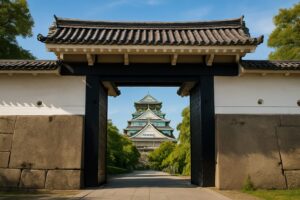
After savoring the shoyu symphony at Kosaka, consider extending your historical journey by exploring the storied walls of the nearby Osaka Castle.
The Allure of the Unseen Osaka

To truly grasp Osaka, one must learn to look beyond the dazzling spectacle. The city’s spirit lies not only in its grand landmarks but is also interwoven into the fabric of its residential neighborhoods, the shotengai (shopping arcades) where locals run their daily errands, and the small, family-run eateries that have served the same menu for generations. The area surrounding Osaka Castle perfectly illustrates this duality. The castle itself is a magnificent reconstruction, a symbol of power and history that attracts millions of visitors annually. Its expansive park is a green oasis, a spot for cherry blossom viewing in spring and peaceful strolls throughout the year. Yet, just a few blocks away from the main thoroughfares, the atmosphere shifts dramatically. The grand avenues give way to narrow streets, and the sounds of tour buses are replaced by the cheerful ring of bicycle bells. This is where the true Osaka lives and breathes. Morinomiya, located to the east of the castle park, is one such neighborhood. It’s a place of quiet apartment buildings, small offices, and a strong sense of community. It’s neither trendy nor flashy, and that is precisely its appeal. It feels grounded, authentic—a slice of everyday Japanese life unfolding in the shadow of one of the nation’s most iconic landmarks. It’s in neighborhoods like this that you discover treasures like Ramen Kosaka, establishments thriving not on tourist traffic or social media hype but on a loyal local following that values quality, consistency, and the comforting taste of home. Choosing to venture into these areas is a declaration of intent for any traveler: you are here not merely to see, but to experience. You seek connection, not just consumption. And in Osaka, a city built on the skill of its merchants and the discerning palates of its people, the rewards for such curiosity are immeasurably delicious.
A Pilgrimage to Purity: Finding Ramen Kosaka
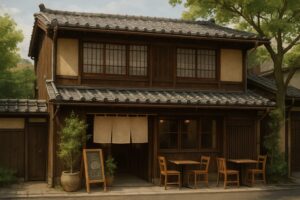
The journey to Ramen Kosaka is an experience in itself, a gradual shift from the public to the private, from the grand to the intimate. Most visitors begin at Morinomiya Station, a convenient stop on both the JR Osaka Loop Line and the Osaka Metro Chuo and Nagahori Tsurumi-ryokuchi lines. Upon exiting the station, you are met not by bustling crowds, but by a calm sense of order. You might spot students from nearby schools, office workers heading to their jobs, or families strolling to the park. The route to the shop leads away from the main road into a maze of quieter streets. The atmosphere changes. You start to notice small details: carefully tended potted plants at home entrances, neat rows of bicycles, and the faint, savory scent of cooking drifting through an open window. There are no flashy signs pointing the way. You rely on a map, feeling a subtle thrill with each correct turn. The walk is short, about ten minutes, but during that time, your senses recalibrate. You leave behind the mindset of a tourist and embrace the pace of a local. The shop itself is modest, almost blending into the residential surroundings. A simple, dark blue noren curtain hangs above the entrance, displaying the shop’s name in clean white Japanese characters: らーめん 小坂. There is no large window display, no line of influencers snapping photos. There is only the promise beyond the curtain, a promise kept for every local who knows this is where to find one of the city’s purest expressions of shoyu ramen.
The Sanctuary of Soup: Inside the Shop

Pushing aside the noren and stepping into Ramen Kosaka feels like entering a small, self-contained world devoted to a single purpose. The space is compact, cozy, and impeccably clean. The air is warm and infused with the aroma of a rich, savory chicken and soy broth—a scent that is soothing rather than overpowering. At the center of the shop is a beautiful, smooth wooden counter that seats only a few customers. This is the stage, and behind it, the master, Kosaka-san, works with quiet, focused intensity. His movements are economical and precise, a ballet of practiced gestures refined over countless hours and thousands of bowls. He is the sole performer here, managing everything from cooking the noodles to slicing the chashu and ladling the soup. There is no wasted movement, no theatrical flair—just the quiet confidence of a craftsman who has reached mastery. The atmosphere is one of serene concentration. The other diners, likely local office workers on their lunch break or neighborhood regulars, eat with respectful appreciation. The dominant sounds are the gentle clinking of spoons against ceramic and the satisfying, melodic slurp of noodles—a sound that, in Japan, is a sincere compliment to the chef. There are no televisions, no loud music, only the ambient noises of the kitchen. This environment invites you to focus entirely on the bowl before you. It’s a meditative experience, a rare moment of calm in a bustling city. For a solo traveler, especially a woman, the atmosphere feels exceptionally safe and welcoming. The emphasis is on the food, and the respectful silence of the other patrons creates a comfortable space where you can simply enjoy your meal in peace. It’s a tribute to Japanese dining culture, where the quality of the food and the skill of the chef are deeply respected.
Deconstructing Perfection: The Classic Shoyu Ramen
The menu at Ramen Kosaka exemplifies minimalism. There are no overwhelming options or trendy, limited-time specials. The undeniable highlight is the Chuka Soba, which means “Chinese Soba” but is the classic name for this style of simple, soy sauce-based ramen. This dish is what has established the shop’s reputation—a bowl that avoids modern complexity in favor of timeless, elegant flavor.
The Soul of the Bowl: A Crystalline Broth
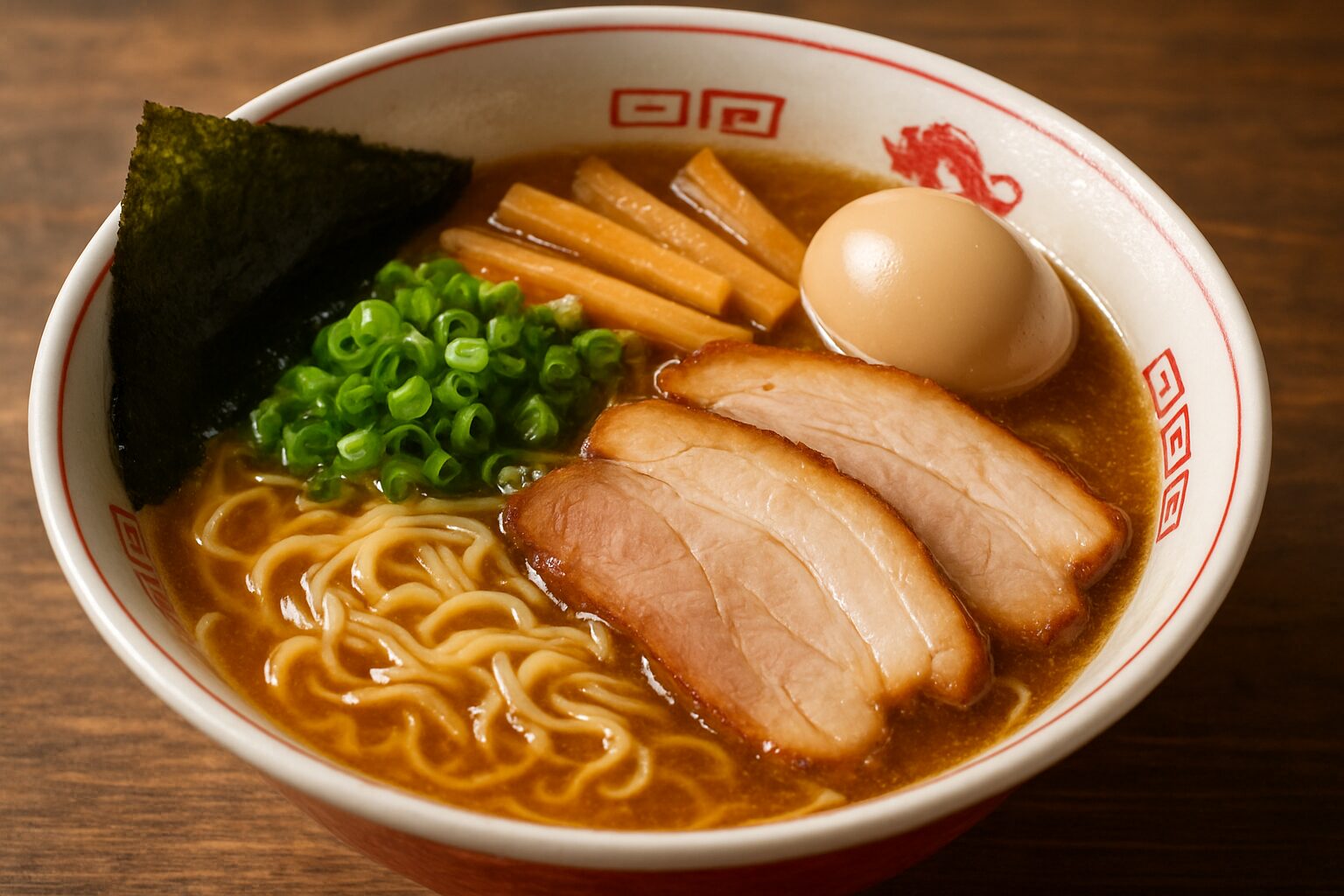
The first thing you notice when the bowl arrives is the broth. It is a stunningly clear, deep amber liquid. In a world where ramen often features thick, opaque tonkotsu or rich, heavy miso broths, Kosaka’s clear soup stands out. It reflects a different philosophy focused on purity and balance. This is a chintan (clear soup) style, typically made by slowly simmering chicken bones and aromatics, then carefully straining out impurities. The result is a broth that feels light on the palate yet deeply flavorful. The shoyu tare—the soy sauce seasoning that names the ramen—is blended with expert precision. It’s not merely salty; it carries a rounded, mellow sweetness and complex umami that unfold with every sip. It enhances the delicate chicken stock without overwhelming it. This broth can be savored on its own—a warm, life-affirming elixir that soothes and satisfies. It refreshes the palate, setting you up perfectly for the noodles and toppings ahead. It’s a masterclass in subtlety, demonstrating that powerful flavor need not come from richness or fat, but rather from clarity and perfect balance. Each sip reveals another layer, reflecting the quality ingredients and meticulous care that go into its creation.
The Perfect Partner: Noodles and Toppings
Nestled in this exquisite broth are the noodles. They are thin, slightly wavy, and cooked to a perfect al dente, maintaining a pleasant firmness that contrasts beautifully with the silky soup. They appear crafted for a single purpose: to capture just the right amount of that exquisite broth and deliver it to your mouth. While not the star, they are the ideal partner for the soup, working in seamless harmony. The toppings are just as classic and prepared with equal attention to detail. The chashu (braised pork) is tender and flavorful, sliced neither too thick nor too thin. It’s not the fatty, melt-in-your-mouth type found elsewhere, but a leaner cut that retains texture, adding a savory, meaty balance. The menma (braised bamboo shoots) are crisp and perfectly seasoned, offering a satisfying crunch and earthy flavor. Lastly, a generous scattering of finely chopped green onions adds a fresh, sharp brightness that cuts through the richness, completing the flavor symphony. Every component in the bowl serves a purpose. Nothing is superfluous or distracting from the dish’s core excellence. It is a complete, harmonious experience—a simple bowl of noodles and soup elevated to art through dedication and skill.
The Rhythm of the Locals

Sitting at the counter of Ramen Kosaka provides a glimpse into the neighborhood’s everyday life. You are more than just a customer; you become a temporary guest in a cherished local establishment. You might spot a salaryman in a crisp suit who has come here for lunch breaks over the years, ordering his usual without glancing at the menu. You might notice an elderly couple quietly sharing a meal or a young student refueling before heading home. The atmosphere flows with a comfortable, easy rhythm. Greetings are exchanged with the master, and a quiet nod of thanks is given upon leaving. This is their place, and you are fortunate to be sharing it with them. It is the opposite of a tourist trap. The value lies not in novelty but in consistency. Locals return repeatedly because they know they will receive the same bowl of high-quality, comforting ramen every time. It’s a reliable pleasure, a small but important part of their daily routine. For a traveler, this offers an invaluable experience. It’s an opportunity to step beyond the role of an observer and engage, however briefly, in the authentic culture of the city. You eat what the locals eat, in the way they eat it, and through that simple act, you create a deeper connection to the place you’re visiting.
A Practical Guide for the Curious Traveler
Visiting a local spot like Ramen Kosaka may feel daunting for a first-time visitor to Japan, but with some preparation, it becomes a smooth and highly rewarding experience. The key is to be respectful and attentive.
Navigating Your Journey
As noted, Morinomiya Station serves as your entry point. It is served by the JR Osaka Loop Line, which is very convenient for Japan Rail Pass holders, along with the Osaka Metro Chuo Line (green) and Nagahori Tsurumi-ryokuchi Line (lime green). From any of the station exits, a reliable mapping app on your phone will be invaluable. The walk is simple and takes you through safe, clean residential streets. Don’t worry if you feel a bit lost; the grid layout makes it easy to regain your bearings. Look for the plain blue noren curtain—this is your main landmark.
The Art of Ordering
Many ramen shops in Japan utilize a ticket machine (kenbaiki) for ordering, but at a small, traditional place like Kosaka, the process is usually more straightforward. The menu is likely posted on the wall and mostly in Japanese. Don’t worry. The options are limited. The main dish is Chuka Soba (中華そば). You can simply point at it or confidently say “Chuka Soba, kudasai” (Chuka Soba, please). You might be asked if you want a large serving (omori), but the regular portion is typically enough. Payment is generally made in cash after your meal. Place your money on the small tray provided on the counter. The master is focused on cooking but is kind and will understand gestures and basic English. A smile and polite demeanor will go a long way.
Timing is Everything
Ramen Kosaka is a small shop with a strong local following, so timing your visit is important. It mainly serves lunch. The busiest time is between noon and 1:00 PM, when local office workers flock in. To avoid waiting, it’s best to arrive a bit early, possibly at opening time (usually around 11:00 AM), or later in the afternoon, after 1:30 PM. Many independent ramen shops like this close for the day once their soup runs out. This reflects quality—they prepare a limited amount daily to ensure freshness. Therefore, it isn’t ideal for a late dinner. Check their hours online if you can before you go, but be prepared for an earlier closing if they sell out.
Beyond the Bowl: Exploring the Morinomiya Area

A meal at Ramen Kosaka serves as the ideal centerpiece for a delightful half-day visit to the Osaka Castle area. Naturally, the most fitting accompaniment is a tour of the castle itself. You might spend the morning exploring the impressive castle keep, wandering along the remarkable stone walls and moats, and delving into the history of Toyotomi Hideyoshi and the unification of Japan. The view from the top of the keep presents a breathtaking panorama of the modern Osaka skyline, creating a striking contrast with the historic grounds below. After immersing yourself in history, a walk through Osaka Castle Park to Ramen Kosaka for lunch offers a smooth transition. You can reflect on the history while looking forward to your meal. Following your satisfying bowl of ramen, you might take a leisurely stroll back through a different section of the park or visit the nearby Morinomiya Q’s Mall. This unique shopping center features a running track on its roof, providing a glimpse into contemporary Japanese leisure and design. It’s an excellent place to enjoy a coffee and relax before continuing your day’s explorations.
A Final Sip of Wisdom
In a world defined by constant innovation and fleeting trends, there is a profound beauty in something simple, classic, and enduring. Ramen Kosaka is more than a noodle shop; it is a caretaker of tradition, embodying the belief that perfection comes not from adding more, but from removing all that is unnecessary. Visiting here serves as a reminder that the most unforgettable travel experiences are often the quietest ones—found in the courage to explore an unfamiliar street, in the simple joy of a perfectly balanced bowl of soup, and in the shared, silent appreciation of a master’s craft. This is the true flavor of Osaka: a flavor of dedication, community, and deep respect for food. So when you visit this remarkable city, by all means, enjoy the spectacle. But then, take a small detour. Seek out the quiet spots. Follow the aroma of an honest, simple broth. Part the noren curtain and take a seat at the counter. You won’t just be having a meal; you’ll be savoring the very soul of the city.