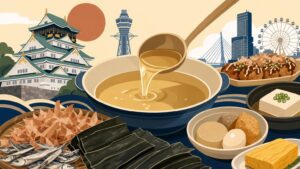
Step through the noren curtain, that simple fabric divider that separates the bustling city from a world of tranquil focus. The air inside shifts. It’s warm, scented with the clean aroma of hinoki wood, the faint, sweet smell of simmering dashi, and the sharp, oceanic tang of the sea. Before you lies not a dining room of scattered tables, but a single, immaculate counter. Behind it, a chef, the itamae, moves with a quiet, practiced grace, his knife a silver flash, his focus absolute. This is not just dinner. This is Kappo, the quintessential Osakan culinary experience, a performance, a conversation, and a direct line to the heart of Japan’s kitchen. Here in Osaka, a city famously defined by its obsession with food—a place where the greeting “Are you making money?” is often replaced with “Are you eating well?”—Kappo stands as the pinnacle of a culture that celebrates the act of eating with unparalleled passion. It is an intimate dialogue between chef, diner, and the very essence of the season, served one exquisite plate at a time. Forget the hushed, formal procession of Kyoto’s Kaiseki for a moment. Kappo is its more direct, engaging, and arguably more vibrant sibling, born from the pragmatic spirit of Osaka’s merchant class. The word itself, 割烹 (Kappo), tells you everything: 割 (katsu) means “to cut,” a nod to the artistry of the knife, while 烹 (pou) means “to simmer or boil,” representing the mastery of heat. It is a cuisine of action, of immediate creation, happening right before your eyes. You are not merely a recipient of the food; you are a witness to its birth. This is where the finest ingredients, sourced that very morning from the market, are transformed by a master’s hands into something transcendent. It’s a culinary art form that offers a unique window into the Japanese reverence for seasonality, craftsmanship, and the profound beauty of simplicity. To experience Kappo in Osaka is to understand the city’s soul, a soul that finds its deepest expression in the pursuit of deliciousness, known locally as kuidaore—the glorious act of eating oneself into ruin. But it is a ruin of the most wonderful kind, one that builds you up, enriches your senses, and connects you to a tradition centuries in the old.
This culinary passion is a key part of what defines the city’s unique character, a vibrant contrast to the more formal pace of the capital, which you can explore further in our comparison of Osaka vs. Tokyo.
The Philosophy of Kappo: Beyond the Counter
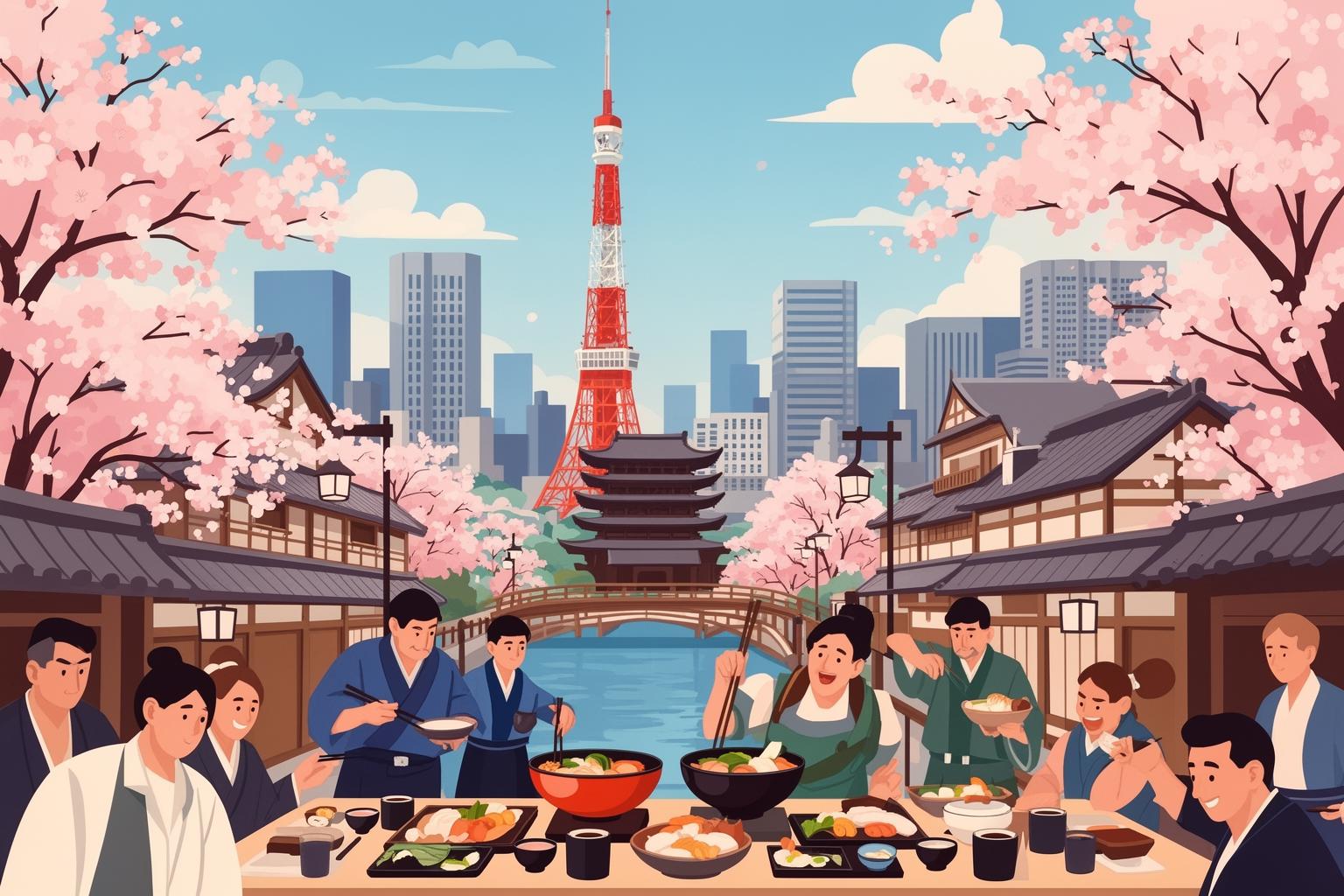
The essence of Kappo lies in its distinctive setting: the counter. This is more than just a piece of furniture; it serves as a stage, a bridge, and a sacred space. Often made from a single, stunning slab of hinoki cypress, its pale, flawless surface seems to glow beneath the soft, focused lighting. The wood offers a sensory experience, emitting a subtle, forest-like scent that soothes the mind and prepares the palate. This counter is the heart of the entire establishment, dissolving the traditional barrier between kitchen and dining room. Here, there are no swinging doors or hidden preparations. The culinary process is fully revealed, an act of transparent craftsmanship. Guests are invited into the chef’s world to witness the choreography of creation up close. Proximity is crucial. It cultivates a sense of intimacy and immediacy unattainable at a private table. You are not simply eating food; you are engaging in a living tradition, a direct heritage of skill passed down through generations.
The central figure in this performance is the itamae, a title meaning literally “in front of the board.” They are much more than a cook. The itamae is a conductor, host, artist, and storyteller. Their path to this role demands immense dedication, often involving over a decade of rigorous apprenticeship. They start by washing rice, cleaning the kitchen, and observing, gradually earning the privilege to handle fish, then master the knife, and ultimately command the counter. This demanding training fosters not only technical prowess but also a deep understanding of ingredients, an intuitive sense of timing, and the subtle art of omotenashi, or wholehearted Japanese hospitality. Watching an itamae at work resembles witnessing a master calligrapher or accomplished musician. Every motion is precise, economical, and purposeful. The swift, confident slice of the yanagiba knife through a block of tuna, the gentle patting of rice, the delicate arrangement of garnishes with impossibly long chopsticks—it’s a ballet of controlled energy. They are the gatekeepers of the season, with a menu reflecting what is at the height of flavor, or shun. They can reveal the origin of every ingredient, from the fish caught off Hokkaido’s coast that morning to the mountain vegetables foraged from a particular hillside in Nara. This profound knowledge is shared openly, transforming the meal from mere consumption into an educational, enriching experience. Yet the itamae’s role transcends the culinary. They are experts at reading their guests, observing your pace, listening to your remarks, and subtly adjusting the meal’s flow to suit your preferences. This dynamic interaction truly sets Kappo apart. You are encouraged to ask questions: “What is this fish?” “Where does this exquisite vegetable come from?” “What sake would you recommend with this dish?” The resulting dialogue deepens the connection, turning you into an active participant rather than a passive observer. It is this very conversation that elevates the Kappo experience, crafting a personal bond and a lasting memory. The culmination of this trust-based relationship is the omakase experience. While some Kappo restaurants offer à la carte options, the authentic way to dine is to surrender fully to the chef’s hands. Omakase, meaning “I leave it up to you,” is not a fixed menu. It is a bespoke culinary journey created in real time by the itamae, shaped by the freshest ingredients of the day, the season, and their perception of your tastes. It is an act of relinquishing control and placing your trust in the master’s expertise—a trust invariably rewarded with a sequence of dishes that are surprising, delightful, and perfectly balanced.
A Symphony of Senses: Deconstructing the Kappo Meal
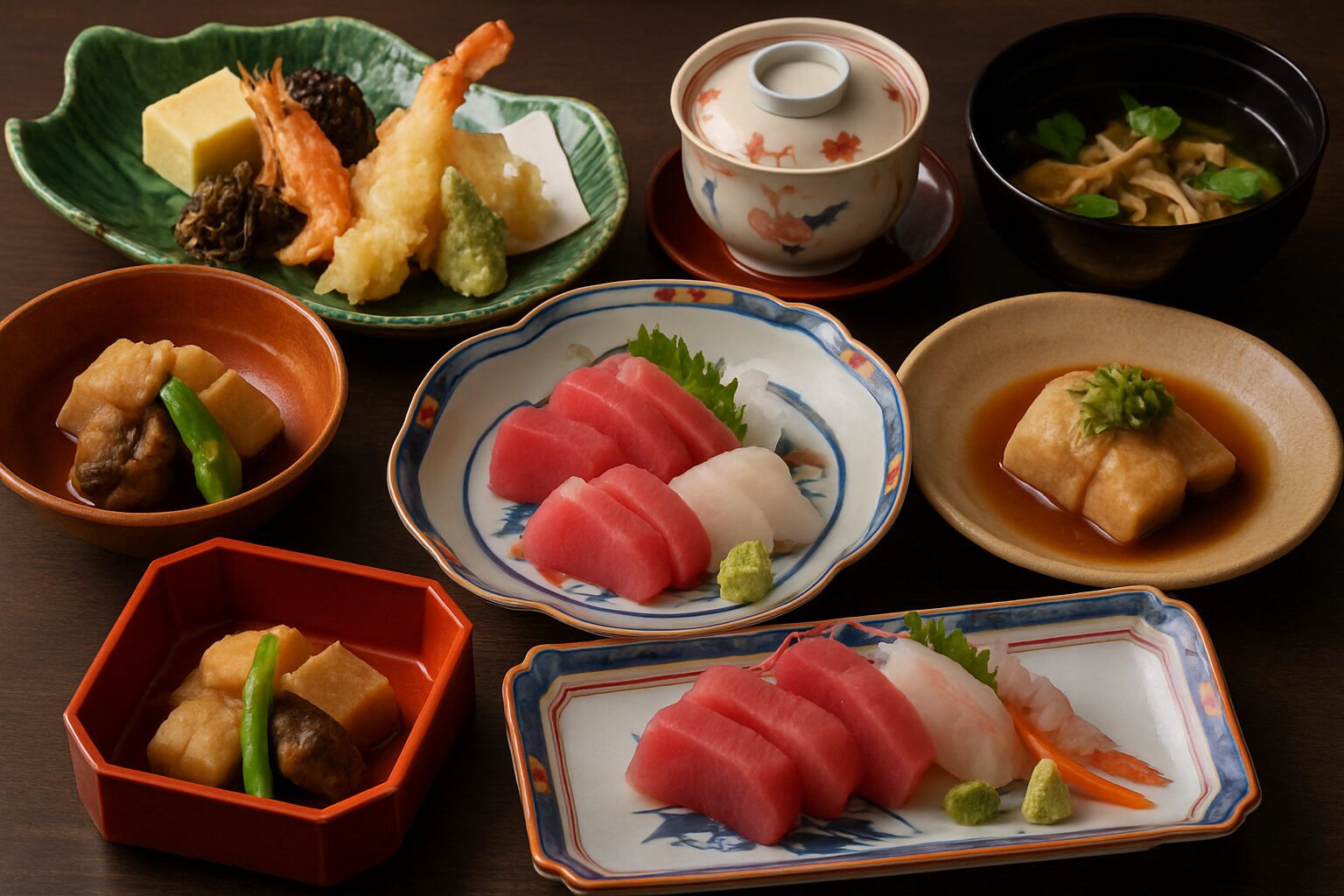
A Kappo meal unfolds like a multi-act play, with a carefully orchestrated sequence of flavors, textures, and temperatures that build upon one another to create a harmonious and satisfying whole. Each course is a miniature masterpiece, served in carefully selected ceramics that enhance the visual allure of the dish. The journey usually begins with the sakizuke, a small appetizer that acts as an overture. Picture a delicate arrangement: a few morsels of firefly squid from Toyama Bay, lightly blanched so their tiny bodies remain plump with rich innards, accompanied by a tangy sumiso (vinegared miso) dressing and a single vibrant-green kinome leaf sprig. This bite awakens the palate, with complex flavors—briny, sweet, tart, and herbaceous—heralding the quality and creativity to come. Next often comes the owan, or lidded bowl, containing a clear soup. This course is arguably the most critical, serving as the true test of a chef’s skill. Within the warm lacquerware bowl lies a seemingly simple, crystalline broth. But to call it simple would miss the point entirely. This is the sacred dashi, the cornerstone stock of Japanese cuisine, perfected over hours or even days by the itamae, who carefully extracts umami from premium kombu (kelp) and katsuobushi (dried, fermented bonito flakes). The aroma that rises when lifting the lid is subtle yet profound—a clean, restorative scent of the sea. Floating in the dashi might be a flawlessly steamed piece of sea bream, a hand-formed shrimp dumpling, or a slice of seasonal vegetable. The first sip is a revelation: pure, concentrated umami that coats the tongue and warms the soul. This single bowl embodies the Japanese aesthetic of subtraction, finding perfection through purity. The focus then moves to the raw with otsukuri, or sashimi, showcasing the “katsu” (cutting) of Kappo. The itamae selects fish from a wooden ice box and, using his long, willow-leaf-shaped knife, performs a series of impossibly precise cuts. This is no mere slicing; the angle, thickness, and technique are tailored to each fish to maximize texture and flavor. You may be served shimmering slices of hirame (flounder), so thin they are nearly translucent, arranged like flower petals, alongside richer cuts of chu-toro (medium-fatty tuna) with marbled flesh that melts on the tongue. The accompaniments are equally vital: freshly grated wasabi from Shizuoka, sharp yet fragrant rather than just fiery, and a small dish of house-brewed tosa-joyu soy sauce infused with dashi for deeper, rounder flavor. The meal continues with a cooked course, often a yakimono, or grilled dish, arriving with the scent of charcoal. Perhaps it is a filet of nodoguro (blackthroat seaperch), prized for its high fat content. Grilled over premium binchotan charcoal, its skin turns shatteringly crisp while the flesh remains succulent and moist. A single squeeze of sudachi citrus cuts through the richness. Alternatively, straw-searing might be used on bonito, imparting a smoky aroma reminiscent of an open fire. The nimono, or simmered dish, highlights the “pou” (cooking) element of Kappo. This course employs gentle, slow cooking to meld and deepen flavors. A winter favorite might be yellowtail simmered with a thick slice of daikon radish until tender and translucent, having absorbed the savory, sweet essence of the fish and soy-dashi broth. It’s a deeply comforting dish that reveals the nurturing, soulful side of Japanese cuisine. To add textural contrast, an agemono (fried dish) may follow. Often a type of tempura, it is far from heavy versions found elsewhere; the batter is ethereally light, and the oil remarkably clean. The itamae might fry a single perfect shrimp, a delicate piece of kisu (sillago), and a selection of seasonal vegetables such as tender asparagus spear or the bitter-sweet fukinoto (butterbur bud), each a crisp, greaseless parcel of flavor. As the meal nears its close, a sunomono (vinegared dish) serves as a palate cleanser: a small bowl of translucent jellyfish and thinly sliced cucumber in a sweet rice vinegar dressing, providing a sharp, refreshing pause before the final savory courses. The shokuji formally concludes the meal, consisting of a bowl of pristine, perfectly steamed white rice, a bowl of akamiso (red miso) soup brimming with tiny clams, and a small plate of tsukemono (pickles). This is no afterthought but the essential, grounding element of the Japanese meal. The quality of the rice, the depth of the miso, and the crunchy, salty tang of the pickles bring the entire experience to a gratifying and comforting close. Finally, mizumono, the dessert, rarely involves complex pastries in Kappo. More often, it is a flawless piece of seasonal fruit—a slice of muskmelon so sweet and fragrant it perfumes the air, a few perfect strawberries from a local farm, or a single exquisite white peach in summer. It serves as a tribute to nature’s sweetness, a simple, pure, and perfect finale to a complex, multi-layered culinary symphony.
The Historical Tapestry: How Osaka Forged Kappo
To truly appreciate Kappo, one must first understand the city from which it originated. During the Edo Period (1603-1868), Osaka was Japan’s commercial hub, a bustling center of trade and finance known as Tenka no Daidokoro, or “The Nation’s Kitchen.” Rice, sake, and goods from across the country flowed into its ports and were distributed from its warehouses. This fostered a powerful and prosperous merchant class with refined tastes and ample disposable income. Unlike the highly formal, aristocratic culture of Kyoto, which inspired the courtly and visually elaborate Kaiseki cuisine, Osaka’s culture was characterized by pragmatism, straightforwardness, and a passion for genuine quality. Osakan merchants demanded food that was unquestionably delicious, made from the finest ingredients, and served without unnecessary ceremony. It was in this atmosphere that Kappo culture blossomed. The counter-seat style evolved from the city’s lively yatai (food stalls) and simple eateries, where chefs prepared food directly in front of customers. As the merchant class grew wealthier, these establishments became more sophisticated, yet they preserved the core principle of direct interaction and transparent cooking. The chef was not hidden away in a kitchen but a respected artisan whose skills patrons wanted to witness firsthand. This culinary philosophy is perfectly captured by the famous Osakan expression kuidaore. Often translated as “to eat oneself into ruin,” its meaning is more subtle, reflecting a deeply rooted cultural belief that spending money on exceptional food is not extravagance, but a valuable, life-enhancing investment. It expresses a passionate, almost obsessive dedication to the pleasures of the table and a willingness to prioritize an exquisite meal over other material possessions. This spirit still permeates the city and forms the very foundation of Kappo. A Kappo meal is the ultimate embodiment of kuidaore—an investment in an experience, in craftsmanship, and in the fleeting perfection of seasonal ingredients. The history of the counter itself traces an intriguing evolution. Early counters were simple wooden planks, but as Kappo restaurants became more refined, the counter transformed into the revered centerpiece it is today. The choice of wood—often a single, knot-free plank of hinoki or keyaki wood, costing as much as a luxury car—became a statement of the restaurant’s commitment to quality. The counter evolved into more than just a place to eat; it became a stage for culinary performance, symbolizing the direct and honest relationship between creator and consumer so highly prized by the people of Osaka. After World War II, as Japan’s economy flourished, districts like Kitashinchi in Osaka emerged as centers for corporate entertainment. Kappo restaurants, with their intimate settings and impeccable quality, proved ideal venues for sealing business deals and hosting important clients. This era solidified Kappo’s reputation as a form of upscale dining. Yet it never lost its core essence. Even in the most exclusive establishments, the focus remains on the food, the chef’s skill, and the direct connection with guests. Recently, a new generation of chefs has continued to innovate, blending traditional techniques with modern sensibilities to ensure that Kappo remains a dynamic and relevant culinary art form, deeply rooted in Osaka’s distinctive history and enduring passion for great food.
Navigating the Kappo Experience: A Guide for the Uninitiated
Entering the world of high-end Japanese dining can seem intimidating, but the heart of Kappo lies in warm hospitality. A bit of preparation and understanding of customs will help ensure a comfortable and memorable experience. The first step is choosing the right restaurant. Kappo spans a wide range of price points and styles. There are the renowned, Michelin-starred temples of gastronomy found in districts like Kitashinchi, where meals can be a significant investment and reservations must be made months ahead. However, many smaller, more intimate neighborhood venues exist in areas such as Fukushima or near Namba, run by passionate chefs offering excellent quality at a more accessible price. For your first visit, seeking recommendations from a hotel concierge or a trusted local friend is a great approach. Online booking platforms like TableCheck, Pocket Concierge, or Omakase are also invaluable, often providing English-language details and reservation services. After selecting a restaurant, securing a reservation is essential. Dropping into a Kappo restaurant unannounced is almost never possible. Most venues are small, with only a few counter seats, and ingredients are purchased specifically for the expected number of guests. Reservations should be made well in advance, particularly at popular locations. When booking, you will likely be asked about allergies or dietary restrictions. Be honest and detailed; the chef will use this information to customize your omakase menu. It’s also important to understand cancellation policies, which tend to be strict due to the bespoke nature of the meal. On the day of your booking, punctuality is key. Arriving on time—or even five minutes early—is a sign of respect. Omakase meals often start simultaneously for all guests at the counter, so arriving late can disrupt the experience for everyone. A crucial etiquette point, deeply appreciated, is to avoid wearing strong perfumes, colognes, or scented lotions. The enjoyment of Japanese cuisine depends heavily on subtle aromas—the delicate scent of dashi, the fragrance of yuzu, the fresh aroma of wasabi. Strong artificial scents can overpower these subtle notes and spoil the experience for you and your neighboring guests. Once seated, the topic of photography usually comes up. It is best to politely ask the chef, “Shashin, ii desu ka?” (May I take a picture?). Most chefs will kindly agree, but never use flash. Be discreet and quick, capturing your photo before the dish cools. The chef serves the dish at its optimal temperature, and it is meant to be enjoyed right away. The counter offers a glimpse into the chef’s world, but it is also a shared space. Feel free to engage with the itamae—ask about the food or compliment a particularly delicious dish. This interaction is encouraged and part of the pleasure of Kappo. However, be considerate of your fellow diners and keep conversations at a respectful volume. The atmosphere is one of focused enjoyment, not a lively bar. While dining, some basic chopstick etiquette is appreciated. Rest them on the provided chopstick rest (hashioki) when not in use. Avoid waving them around, pointing with them, or sticking them vertically into your rice, as this is associated with funeral rituals. The most important advice is simply to relax and enjoy the experience. Don’t worry too much about making mistakes. The itamae is a professional host whose aim is to make you feel welcome. Show your appreciation by savoring each bite, and you will be the perfect guest. At the end of the meal, payment is handled discreetly. Tipping is not customary in Japan; the price you pay reflects the complete experience. A sincere “Gochisousama deshita” (Thank you for the meal, it was a feast) to the chef is the highest form of gratitude you can offer.
The Perfect Pairing: Drinks in the World of Kappo

What you drink with your meal is just as important as the food itself, and Kappo restaurants provide a carefully curated selection of beverages designed to enhance the delicate and complex flavors of the cuisine. The classic and most highly recommended pairing is, without a doubt, sake. The world of Japanese sake is vast and nuanced, much like that of wine, and the right pairing can elevate a dish from delicious to sublime. Don’t be overwhelmed by the choices—this is a great opportunity to consult with the chef or the restaurant’s sommelier. Simply share your preferences—whether you like dry or sweet, light or full-bodied—and let them guide you. They may suggest starting with a crisp, clean Junmai Ginjo from Niigata to complement the light flavors of sashimi. Its subtle fruitiness and dry finish cleanse the palate without overpowering the fish’s delicate taste. For richer, grilled dishes like fatty tuna or eel, they might recommend a more robust, umami-rich Junmai from Hyogo, possibly served gently warmed (nurukan) to highlight its earthy, rice-forward notes. For simmered dishes, an elegant and aromatic Junmai Daiginjo, the highest grade of sake, can be an ideal match, with its refined and complex profile harmonizing with the deep flavors of the broth. Many Kappo restaurants take pride in their sake collections, featuring rare and artisanal brews from small distilleries across Japan. Choosing a pairing menu, where a different sake is paired with each course, is a wonderful way to explore the diversity of this incredible beverage. Beyond sake, high-quality Japanese beer is a perfectly acceptable and refreshing way to start a meal. A light, crisp pilsner can serve as an excellent opener. Shochu, Japan’s distilled spirit, is another great choice, especially when paired with richer or fried dishes. In recent years, wine has also earned a place on Kappo menus. As the global palate has expanded, many chefs and sommeliers have become adept at pairing Western wines with Japanese cuisine. A crisp, mineral-driven Chablis or Sancerre can brilliantly complement seafood courses, their acidity cutting through richness and highlighting clean flavors. A delicate, elegant Pinot Noir pairs beautifully with dishes featuring duck or mushrooms. Even Champagne is a superb choice, its effervescence and acidity making it a versatile partner for anything from appetizers to tempura. For those who prefer non-alcoholic options, the selections are equally refined. High-grade Japanese teas are often available, such as shaded green tea gyokuro, with its intense umami and sweetness, or roasted hojicha, offering a nutty, comforting aroma. Some restaurants also provide artisanal fruit juices or sparkling waters infused with Japanese botanicals, ensuring every guest has the perfect beverage to accompany their culinary experience.
Kappo Through the Seasons: A Year at the Counter
The menu at an authentic Kappo restaurant is a dynamic creation, continually evolving to mirror the changing seasons. The concept of shun (旬)—the peak season when an ingredient is at its most flavorful and abundant—serves as the foundation of the cuisine. Enjoying Kappo throughout the year is like tasting the calendar, connecting with nature’s subtle transitions through your palate. When winter’s chill finally fades, spring (haru) bursts forth with life and a hint of refreshing bitterness. The counter is decorated with ingredients that symbolize renewal. Tender bamboo shoots (takenoko), often gently simmered with wakame seaweed or charcoal-grilled, make their appearance. Wild mountain vegetables, or sansai, briefly emerge—such as fukinoto (butterbur buds) with their distinctive fragrant bitterness, typically served as tempura, or delicate kogomi (ostrich fern fiddleheads). From the sea come hotaru ika (firefly squid) and sakura-dai (cherry blossom sea bream), its skin a lovely rosy shade, poetically tying it to the season. Spring flavors are fresh, vibrant, and clean, washing away the richness of winter. Summer (natsu) in Japan is hot and humid, and the Kappo menu adapts to highlight cooling, refreshing, and invigorating dishes. This is the season for hamo (pike conger), a formidable eel with numerous fine bones. It requires exceptional skill to make hundreds of tiny, precise cuts—a method called honegiri—that make the bones edible. The hamo is then blanched, causing it to “bloom” like a flower, and served with tangy plum paste. The sweet, delicate ayu (sweetfish) is another summer favorite, often grilled whole with salt until its skin crisps, famously presented to resemble the fish swimming upstream. Juicy eggplant (nasu), vibrant tomatoes, and sweet corn all feature in dishes crafted to be light and easy to enjoy in the heat. As the air cools and leaves turn brilliant red and gold, autumn (aki) arrives with a bounty of rich, earthy, and deeply savory flavors. This is the season of harvest, where intoxicating aromas fill the air. The undisputed star of autumn is the matsutake mushroom, revered for its unique, spicy, pine-like scent. It may be simply charcoal-grilled to release its aroma, steamed with rice in an earthenware pot (matsutake gohan), or infused into a clear dashi for a luxurious soup. The shiny, silver-skinned sanma (Pacific saury) is another autumn icon, its rich, oily flesh ideal for salt-grilling. Chestnuts (kuri), gingko nuts (ginnan), and a wide variety of other mushrooms deepen and enrich the menu. The flavors are profound, comforting, and nourishing, readying the body for the coming cold. Winter (fuyu) brings deep, concentrated flavors and hearty, warming dishes. The cold, pure waters of the Sea of Japan provide some of the year’s finest treasures. Snow crab (kani) is a luxurious delight, its sweet leg meat served sashimi-style, grilled, or in a hot pot. Winter is also the time for fugu (pufferfish), a legendary delicacy requiring a licensed chef, with firm, clean-tasting flesh often served as thin sashimi. Cold-water fish buri (yellowtail) grows fatty and rich, perfect for simmering with daikon radish (buri-daikon). Root vegetables like taro, lotus root, and turnips come into their own, offering a sweet, earthy base for many simmered dishes. A winter Kappo meal is deeply comforting, a celebration of the robust flavors that sustain us through the coldest months.
A Personal Reflection: The Enduring Allure of Kappo

In a world that accelerates constantly, where meals are hurried and connections brief, the experience of Kappo serves as a vital anchor. It offers a deliberate pause, a conscious choice to set aside external distractions and focus on the simple yet profound joy of eating well. As a researcher who spends my days exploring the stories linking Japan’s past to its present, I view Kappo as more than a culinary style; it is a living museum, a cultural practice preserving the very essence of the Japanese aesthetic. Here, at the counter, the principles of seasonality (shun), craftsmanship (takumi), and heartfelt hospitality (omotenashi) are not mere abstractions. They become tangible, edible experiences. Each dish narrates a story—the fisherman who braved icy seas, the farmer who tended the soil, and the chef devoted to honoring their efforts. The charm of Kappo lies in its perfect harmony. It is elegant yet straightforward, refined yet intimately personal. It commands respect for tradition while allowing space for the chef’s creativity. It stands as a quiet rebellion against mass production and impersonality. For anyone living in or visiting Osaka, a Kappo experience is not merely recommended; it is indispensable. It opens a gateway to understanding the city’s passionate, food-obsessed spirit. It offers a full sensory engagement—a chance to learn, connect, and be nourished in both body and soul. So, seek out a small restaurant, pass through the noren, and take your place at the counter. Trust the itamae. This is a dialogue expressed not only in words but through flavors, textures, and shared moments—a taste of Osaka’s soul, served one perfect plate at a time.