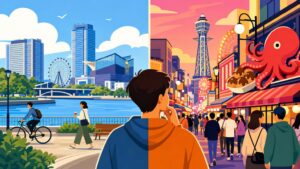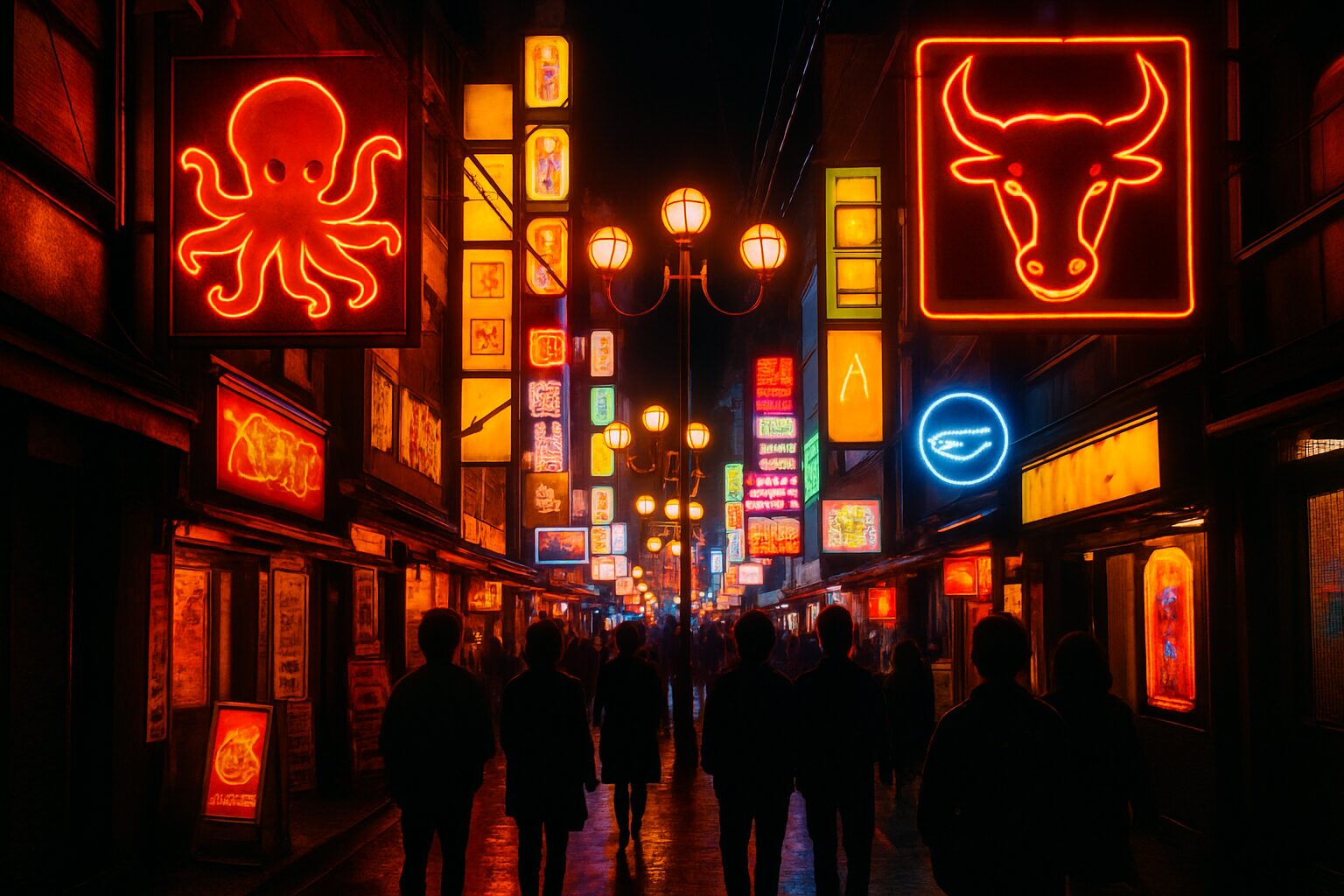
Hey everyone, Sofia here! When the sun dips below the horizon in Japan, two of its most dazzling cities, Tokyo and Osaka, awaken into entirely different nocturnal beasts. I’ve danced under the electric glow of Tokyo’s skyline and laughed the night away in the cozy backstreets of Osaka, and let me tell you, while both are spectacular, they pulse with a completely different rhythm. Tokyo, the polished, sprawling capital, offers a nightlife that’s a high-fashion runway—sleek, trendsetting, and breathtakingly grand. It’s a world-class performance you dress up for. But then there’s Osaka. Ah, Osaka! This city, with its boisterous spirit and a heart that beats in its kitchen, offers a nightlife that feels like a block party you were personally invited to. It’s less about being seen and more about joining in. It’s accessible, unpretentious, and wrapped in a warm, welcoming energy that pulls you right into its vibrant chaos. We’re about to dive deep into the neon-soaked streets of Namba and explore why Osaka’s after-dark scene feels less like a formal affair and more like coming home, even if you’re thousands of miles away. Get ready to feel the beat of Japan’s most spirited city.
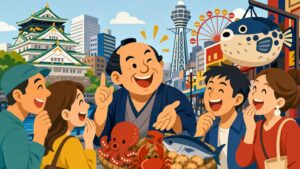
To truly understand this city’s boisterous spirit, one must explore Osaka’s unique culinary heartbeat.
The Soul of the Party: Osaka’s Warm Embrace vs. Tokyo’s Cool Grandeur
To grasp the nightlife, you first need to understand the cities themselves. Tokyo is the political and economic center of Japan, a place rich in history, power, and cutting-edge innovation. It’s a city of great refinement, where traditions are cherished and new trends emerge with dynamic energy. This spirit carries over into its nights. Take Shibuya, a district that feels like the global hub of cool. The famous Scramble Crossing is less a street and more a living entity, a surge of humanity flowing in mesmerizing, orchestrated chaos beneath massive video screens. The energy is tangible, electric, and undeniably impressive. Yet, it can also feel impersonal. You become part of a vast crowd, a single pixel in a dazzling digital tapestry. The bars are stylish, the clubs vast temples of sound, and the restaurants often culinary sanctuaries requiring reservations weeks ahead. It’s a world that runs on precision, elegance, and a certain formality—you plan your Tokyo night; you carefully craft it.
Osaka, by contrast, developed as a merchant city. It was the nation’s trading center, where rice was collected and sold, earning it the nickname “Tenka no Daidokoro,” or the Nation’s Kitchen. This history shaped a different character—practical, straightforward, prioritizing substance over style, with a strong passion for good food, good company, and a great deal. The locals are famously outgoing, quick-witted, and unpretentious. This is the essence of Osaka’s nightlife. It’s a scene you don’t so much plan as you fall into with open arms. It’s spontaneous, chaotic, and beautifully human. The city encourages you to wander, get lost, follow the aroma of grilled octopus down a narrow alley, and see where you land. It’s a conversation, not a performance, and everyone is welcome to join in.
Namba: The Neon-Drenched Heartbeat of Osaka
When discussing Osaka nightlife, the conversation almost always starts in Namba, specifically along the Dotonbori canal. Stepping into this area for the first time is an immersive sensory experience—a dazzling assault on the senses in the best way. The sheer concentration of neon lights is breathtaking. The iconic Glico Running Man, arms raised in constant victory, looks down on you. A giant mechanical crab waves its claws above a famed restaurant, while a massive octopus clings to a building, advertising the city’s best takoyaki. The air is filled with the calls of vendors beckoning passersby, the sizzle of food cooking on hot griddles, the lively buzz of arcade games, and the joyful murmur of thousands enjoying themselves. This is not just a street; it’s a living, breathing festival that unfolds every night.
The Kuidaore Philosophy: Eat Until You Drop
Osaka’s guiding principle, especially in Dotonbori, is ‘kuidaore’—a concept roughly meaning ‘eat until you drop’ or ‘eat yourself into ruin.’ It’s a badge of honor and the social glue of the nightlife here. A night out in Osaka isn’t about a single exclusive club or fancy bar; it’s a progressive feast. You begin with takoyaki from a street stall—the molten batter enveloping tender octopus, topped with tangy sauce, mayo, and dancing bonito flakes. The vendors, masters of their craft, flip the balls with lightning speed in cast-iron pans—a performance in itself. Next, you might move on to okonomiyaki, the savory pancake filled with cabbage and your choice of meat or seafood, grilled right in front of you at a teppan restaurant. Or perhaps some kushikatsu—skewered, deep-fried bites of meat, vegetables, and even cheese, dipped into a communal pot of sauce (remember the golden rule: no double-dipping!).
This is the essence of Namba’s accessibility. World-class food isn’t behind velvet ropes; it’s served on the street for a few hundred yen. You can have an incredible, fulfilling evening on a budget, hopping from stall to stall. The joy lies in sharing delicious food, breaking down barriers. No reservation or dress code is needed to enjoy Osaka’s best—you just need an empty stomach and a sense of adventure.
Beyond the Canal: Uncovering Namba’s Hidden Layers
While Dotonbori shines as Namba’s glittering, lively face, real magic resides just beyond the main artery. Here the district reveals its depth and charm, offering experiences far removed from the neon glow.
Hozenji Yokocho: A Whisper from the Past
A stone’s throw from the bustle of Dotonbori lies Hozenji Yokocho, a narrow, stone-paved alleyway that feels like a portal into old Japan. Soft, warm paper lantern light flickers on wooden facades of small, upscale restaurants and cozy bars. The air is calm, filled only with the gentle clatter of dishes and hushed conversations. At the alley’s heart is Hozenji Temple, home to the Mizukake Fudo statue of the Buddhist deity Fudo Myo-o. Over time, worshippers have poured water over the statue, now covered in a lush, vibrant green moss. Especially at night, when lanterns illuminate the steam rising from the water-doused statue, it is a spiritual and photogenic scene. I recall the first time I came upon this alley; the sudden tranquility felt like the entire city took a collective deep breath. It’s an ideal spot for a quieter, more romantic moment during your evening.
Ura Namba: The Labyrinth of Local Haunts
If Hozenji Yokocho is Namba’s elegant secret, then Ura Namba—literally “Back Namba”—is its lively, hidden heart. This is not a single street but a maze of narrow alleys and covered passages east of Nankai Namba Station, packed with tiny eateries, standing bars (tachinomi), and specialty izakayas, each accommodating only a handful of people. Here locals unwind after work, shoulder-to-shoulder, sharing sake and laughter. The atmosphere buzzes with camaraderie. Tachinomi, quintessentially Osakan, means no chairs—just a bar to lean on—encouraging quick turnover and easy conversation. It’s almost impossible to stand at a tachinomi bar without striking up a chat with the person next to you or the friendly owner behind the counter. The food is fantastic and affordable—from fresh sashimi to grilled skewers and creative small plates. Ura Namba epitomizes the city’s informal, communal spirit. No plans are necessary; simply wander until a spot catches your eye, peek inside, and join the fun. It’s the ultimate expression of Osaka’s ‘come as you are’ nightlife.
Amerikamura: Where Youth Culture Reigns
A short walk west from the main Namba-Dotonbori area takes you to Amerikamura, or ‘Amemura’ as locals call it. This is Osaka’s answer to Tokyo’s Harajuku, but with a grittier, more individualistic edge. It’s the center of youth fashion, music, and art in the city. By day, it’s full of vintage clothing shops, quirky cafes, and record stores. By night, it pulses with a different vibe. Small live music venues, or ‘live houses,’ showcase indie rock and punk bands. Hip-hop clubs and cozy DJ bars attract a creative, stylish crowd. The streets are adorned with vibrant street art and murals, while Sankaku Koen, a triangular park at its heart, serves as a gathering place for skaters, musicians, and friends. While Harajuku can feel like a curated fashion show, Amemura comes across as more organic and less self-conscious. The fashion here is bold and eclectic—a celebration of personal expression rather than trends. It’s a fantastic place to experience the creative energy of Osaka’s youth and enjoy a night out that’s alternative and far from mainstream.
Tokyo’s Nightlife Matrix: The Shibuya & Shinjuku Experience
To truly grasp the distinctive accessibility of Osaka, it’s helpful to compare it with the impressive yet often more demanding nightlife landscape of Tokyo. Let’s revisit Shibuya. After navigating the Scramble Crossing, where do you head next? The area sprawls across hills and valleys, each with its own vibe. There’s Center Gai, the main pedestrian street bustling with chain stores and fast-food outlets. Then there’s Dogenzaka, known as ‘Love Hotel Hill,’ lined with countless bars and clubs. Further in, you’ll discover exclusive, tucked-away cocktail bars where mixology is elevated to an art form. The vast scale can feel overwhelming. Finding the ‘right’ spot often means doing research, using a map, and having a clear plan. While spontaneity is possible, it’s easy to feel lost amid the crowd.
Next is Shinjuku, Tokyo’s other nightlife giant, marked by striking contrasts. The west side features towering skyscrapers with five-star hotels boasting rooftop bars that offer stunning views—and steep prices. The east side is where Tokyo’s wild heart pulses. Kabukicho, Japan’s largest red-light district, sits at its core, a dazzling, neon-soaked world of host clubs, bars, and entertainment complexes. Though generally safe for tourists, its intensity can be overwhelming. Still, hidden within this chaos are two of Tokyo’s most iconic and atmospheric drinking spots.
Golden Gai and Omoide Yokocho: Tokyo’s Intimate Hideaways
Golden Gai is a captivating remnant of post-war Tokyo, a cluster of six narrow alleys packed with over 200 tiny bars, some seating only five or six people. Each spot has a unique theme and a dedicated clientele. It’s an unforgettable experience, though it can be intimidating for newcomers. Many bars charge cover fees, some are famously exclusive, and the cramped spaces may feel claustrophobic. It offers intimacy, but often one has to earn it.
Close by, Omoide Yokocho, or ‘Memory Lane,’ is a maze of smoky alleys filled with tiny yakitori stalls. You perch on a simple stool just inches from the grill, as chefs expertly char chicken skewers. The atmosphere is warm and nostalgic. However, like Golden Gai, its popularity means it’s often crowded, making seats hard to come by. These spots are fantastic, yet they reflect a more curated, almost museum-like take on intimate drinking culture—a setting that contrasts with the effortless intimacy found widely across Osaka’s neighborhoods such as Tenma or Ura Namba.
This highlights a key difference in flow. In Tokyo, the grand spectacles and intimate gems often feel like separate destinations that require effort to find. In Osaka, the spectacle and intimacy are seamlessly intertwined, frequently coexisting within the same block. You might be captivated by the giant crab of Dotonbori and then, within a minute, step around the corner into the peaceful, lantern-lit world of Hozenji Yokocho. This smooth fusion of lively excitement and cozy, personal moments is what makes Osaka’s nightlife uniquely fluid and accessible.
The People Factor: Where Conversation is the Main Event
Beyond the city layouts and types of establishments, the greatest difference lies in the people. The typical image of an Osakan is someone loud, humorous, and remarkably friendly. While it’s always risky to generalize an entire population, Osaka’s openness is immediately noticeable. People are more inclined to strike up conversations with strangers. Bartenders and shop owners exchange playful banter. There’s a genuine curiosity and warmth that makes the language barrier feel much less daunting.
I’ve had numerous experiences in Osaka that seem unlikely to happen so effortlessly in Tokyo. An elderly shopkeeper who, after I purchased some snacks, insisted I take a free bottle of tea for my journey. A group of salarymen at a tachinomi bar who, after learning I was from Spain, spent an hour teaching me Kansai-ben (the local dialect) phrases in exchange for Spanish football trivia. This social ease is the secret ingredient of Osaka’s nightlife. The aim of the evening isn’t just to eat or drink; it’s to connect. This makes the city exceptionally welcoming to solo travelers or newcomers. You rarely feel alone for long in an Osaka izakaya.
In Tokyo, the service is flawless, polite, and professional to a fault. However, the interactions often feel more reserved and formal. There is a refined efficiency to it all, but that can sometimes create social distance. It’s not unfriendly—far from it—but it is different. Social circles can feel more closed, and joining a conversation takes a bit more effort. Osaka, on the other hand, feels as if its social circles are drawn in chalk, easily redrawn to include anyone who happens to wander by.
Beyond Namba: Other Flavors of Osaka Nightlife
While Namba serves as the quintessential starting point, Osaka’s nightlife is wonderfully varied. Each district delivers a unique flavor of entertainment, all embracing the city’s approachable and unpretentious spirit.
Umeda: The Northern Metropolis
Where Namba represents the city’s freewheeling entertainment heart, Umeda stands as its slightly more refined, sophisticated counterpart in the north. Centered around the major transport hubs of Osaka and Umeda Stations, this area is a labyrinth of gleaming department stores, office towers, and an extensive underground shopping complex. Nightlife here tends to feel more upscale, with chic cocktail bars on the upper levels of skyscrapers offering breathtaking views of the city. Rooftop beer gardens atop department stores provide a wonderful way to spend summer evenings. Despite its elegance, Umeda maintains an accessible Osakan vibe. Nestled beneath train tracks and within the alleyways around the stations, you’ll find bustling izakaya alleys like Shin-Umeda Shokudogai, which offers a lively atmosphere reminiscent of Tokyo’s Omoide Yokocho but on a larger, more sprawling scale. Umeda shows that Osaka can be ‘classy’ without ever feeling stuffy.
Tenma: The Foodie’s Labyrinth
For a truly local, vibrant, food-centric night, Tenma is unmatched. Just a stop or two from Umeda on the JR Loop Line, Tenma boasts one of Japan’s longest covered shopping arcades, the Tenjinbashisuji Shotengai. Off this main artery spreads a bewildering network of smaller alleys and covered streets filled with hundreds of izakayas, sushi bars, and specialty eateries. Around Tenma Station, especially beneath the elevated train tracks, the scene is a lively, joyful jumble of standing bars and tiny grills. Prices are remarkably low, and the quality exceptional. The atmosphere is loud, cheerful, and intoxicating. You can spend hours wandering, tasting fresh oysters from one vendor, Italian-inspired small plates from another, and a glass of craft sake from a third. Tenma is like Ura Namba on steroids—a vast, endless playground for anyone who loves to eat, drink, and be merry. In my opinion, it offers one of the finest nightlife experiences in all of Japan.
Shinsekai: A Trip Back in Time
For a night out that’s truly one-of-a-kind, venture south to Shinsekai (“New World”). This district is a vibrant, gritty, and wonderfully quirky slice of retro Japan. Built before the war, its design was inspired by Paris and New York, with the iconic Tsutenkaku Tower (modeled after the Eiffel Tower) at its heart. Today, Shinsekai feels delightfully frozen in the Showa Era (1926-1989). The streets are adorned with flashy, old-school signs, vintage pachinko parlors, and theaters. Known as the birthplace of kushikatsu, its restaurants compete with wildly flamboyant storefronts. The vibe is unapologetically loud, a little kitschy, and incredibly fun. It’s the most informal of all Osaka’s districts, a place to unwind and soak up a nostalgic atmosphere that’s impossible to replicate. It stands as a proud testament to Osaka’s embrace of its quirky, unpolished history.
A Few Parting Words of Advice
Exploring Osaka’s nightlife is a delightful and simple experience, but a few tips can help make it even more enjoyable. First, although credit cards are accepted at larger venues, many of the best places—such as the small izakayas in Ura Namba or the street food stalls in Dotonbori—only take cash. So, always carry some yen with you. Second, keep the last train in mind, as the subway typically stops running around midnight. If you intend to stay out later, your choices are either a taxi (which can be expensive) or embracing another Japanese nightlife tradition: staying out until the first train around 5 a.m. by hanging out at a karaoke box, manga cafe, or all-night eatery. Lastly, and most importantly, just jump right in. Don’t hesitate to enter a spot that looks appealing, even if you can’t read the menu. A smile and a simple gesture will go a long way, with the locals’ friendliness filling in the rest. That spontaneity is the heart and soul of a night out in Osaka.
The City That Invites You In
Ultimately, the difference between Osaka and Tokyo’s nightlife isn’t about one being ‘better’ than the other. Tokyo provides a world-class, dazzling, and unforgettable urban experience—a city that evokes awe. In contrast, Osaka offers something unique, perhaps even rarer for a metropolis of its size: a genuine sense of belonging. Its nightlife operates on a human scale, focused on the simple, universal joys of good food and warm companionship. It’s a scene that invites you to be yourself without pretense. The city doesn’t just put on a spectacle for you; it pulls you onto the stage and hands you a plate of takoyaki. Whether you’re wandering through the neon-lit streets of Namba, exploring the culinary delights of Tenma, or seeking a quiet moment in a lantern-lit alley, you’ll discover that Osaka after dark is more than just a spot to go out. It’s a place that welcomes you in. So come hungry, come curious, and get ready to fall in love with the vibrant, pulsating heart of Japan’s most spirited city.