Life in Osaka is a beautiful, relentless rhythm. It’s the pulse of the Midosuji line during rush hour, the sizzle of takoyaki on a Dotonbori grill, the electric hum of a city that never truly sleeps. We thrive on this energy, this vibrant chaos that makes Osaka one of the most exciting places on Earth. But sometimes, the soul craves a different kind of rhythm. A slower, deeper cadence. A silence that isn’t empty, but filled with the whispers of ancient trees and the echoes of centuries-old chants. For this, we turn our gaze south, towards the misty peaks of the Kii Peninsula, to a place that feels like it’s floating in a sea of clouds: Mount Koya, or Koyasan.
Koyasan is not merely a tourist destination; it’s a pilgrimage. It is the heart of Shingon Buddhism, a sacred mountain sanctuary founded over 1,200 years ago by the visionary monk Kobo Daishi, also known as Kukai. This entire mountain town is a living, breathing temple complex, a designated UNESCO World Heritage site that offers something increasingly rare in our modern world: a genuine opportunity to disconnect, to look inward, and to experience a profound sense of peace. For those of us living amidst the urban sprawl of Osaka, a weekend trip to Koyasan is more than a getaway; it’s a spiritual reset button, a journey from the profane to the sacred that is surprisingly accessible. It’s a chance to trade the concrete canyons for cedar forests, the glow of billboards for the soft light of stone lanterns, and the noise of the city for the resonant hum of a temple bell at dawn. This journey is about experiencing a night in a shukubo, or temple lodging, eating the subtle and enlightening vegetarian cuisine of the monks, and walking through the mystical, moss-covered graves of Okunoin Cemetery, one of the most ethereal places in all of Japan. Get ready to leave the city behind and ascend to a higher plane of consciousness, just a short train ride away.
After experiencing the profound silence of Koyasan, you might find a different kind of soulful respite back in the city by visiting one of Osaka’s traditional public baths.
The Ascent: A Pilgrimage from Namba’s Heart
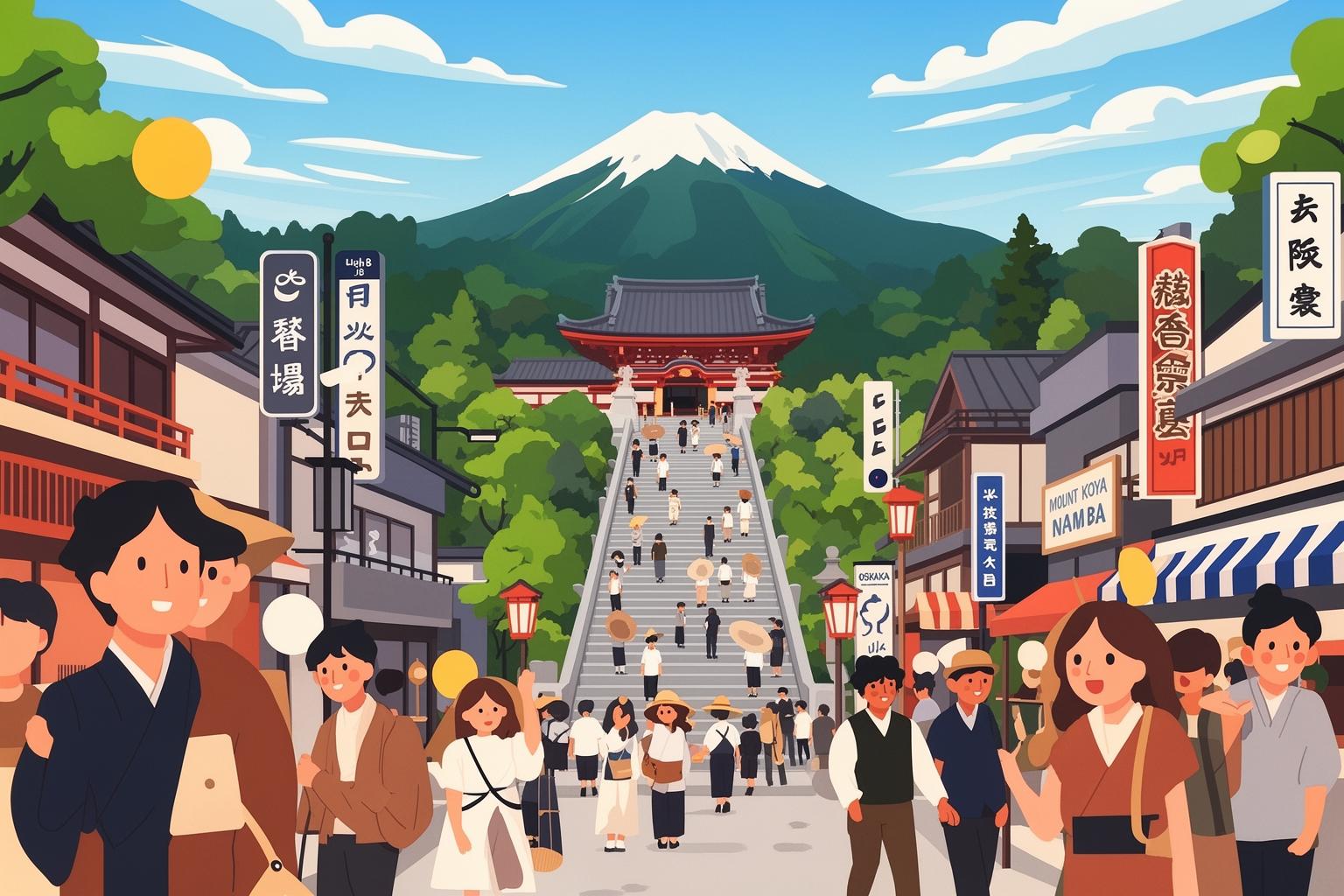
The journey to Koyasan starts in one of the most quintessentially Osakan spots: the bustling, sprawling Nankai Namba Station. It’s a scene of organized chaos, where the blend of train announcements, hurried footsteps, and electronic chimes forms the city’s soundtrack. Here lies the gateway to your spiritual retreat, the Nankai Koya Line. As you board the limited express train, grab a window seat and watch the scenery transform. The train winds through the dense urban sprawl of southern Osaka, a mosaic of apartment buildings, factories, and pachinko parlors. Gradually, the landscape softens. Concrete gives way to greenery. Buildings shrink, and the spaces between them widen, revealing rice fields, bamboo groves, and quiet suburban towns nestled at the mountain foothills.
The final leg of the train ride is where the magic truly starts. The train slows, its wheels clicking in a steadier rhythm as it climbs into the forested hills of Wakayama Prefecture. The outside air changes, growing cooler and fresher. You arrive at Gokurakubashi Station, meaning “Paradise Bridge Station,” a name that feels absolutely fitting. This is the train’s final stop but the beginning of the last ascent. From here, you switch to the Koyasan Cable Car, an impressive engineering marvel that scales an almost impossibly steep slope. As the small, angled carriage carries you up the mountainside, you are literally lifted out of the everyday world. The view expands below, and for five minutes, you hover between heaven and earth, surrounded by a thick canopy of trees. When you step off at the summit, you have arrived. The air is crisp, filled with the faint, pure scent of cedar and damp earth. A deep silence pervades, a sharp contrast to the city you left behind just hours ago. You haven’t merely traveled a distance; you’ve crossed into another realm.
For a smooth journey, consider purchasing the Koyasan World Heritage Ticket at Nankai Namba Station. This handy pass covers your round-trip train fare, the cable car ride, and unlimited local bus rides around the mountaintop town for two consecutive days. It streamlines the logistics, allowing you to fully immerse yourself in the experience ahead.
Shukubo: More Than a Stay, an Immersion
Your accommodation for the night in Koyasan will be a shukubo, a temple lodging. It is important to recognize that this is not a hotel with temple-themed decor. A shukubo is an active Buddhist temple that welcomes pilgrims and visitors, offering a rare and authentic insight into monastic life. There are more than fifty temples in Koyasan that provide lodging, each with its own distinct character—ranging from grand, historic temples that once hosted feudal lords to smaller, intimate temples with beautiful private gardens. Reservations are essential, especially during the busy spring and autumn seasons, and can be made online via various booking platforms or through the official Koyasan Shukubo Association website.
Upon arrival, a monk will greet you and guide you through the temple grounds. You will remove your shoes at the genkan, the entrance hall, stepping into an environment of polished dark wood floors, the subtle aroma of aged cypress and incense, and a silence that seems to absorb sound. Your room will be a traditional Japanese washitsu, featuring woven tatami mat floors, sliding fusuma paper doors often adorned with delicate paintings, and a simple table. Your bedding, a comfortable futon, will be set out for you in the evening by a temple attendant. There are no televisions, minibars, or distractions. The emphasis is on simplicity, mindfulness, and appreciating the beauty of the present moment. Many temples offer lovely shared bathing facilities, or ofuro, where you can relax and warm up from the mountain chill. The experience is designed to strip away the complexities of modern life and invite a sense of inner peace.
Perhaps the most memorable aspect of the shukubo stay is the cuisine. In the evening and again in the morning, you will be served shojin ryori, the traditional vegetarian fare of Japanese Buddhist monks. This is more than just vegetarian food; it is a spiritual practice and a culinary art form that balances flavor, color, and nutrition according to ancient principles. The meals come on numerous small, beautiful dishes, each a miniature work of art. You will discover textures and flavors that are both subtle and deeply satisfying. A typical dinner might feature goma-dofu, a creamy and rich sesame tofu unique to Koyasan; a clear soup with seasonal vegetables; delicate tempura made from mountain plants; simmered Koya-dofu (freeze-dried tofu); and a variety of exquisitely prepared pickles and steamed rice. The food is made without meat, fish, or pungent ingredients like garlic and onion, which are believed to stir the passions. Shojin ryori is designed to nourish the body and calm the spirit, with every bite offering a lesson in gratitude and the profound flavors nature provides.
The Morning Prayer: A Symphony for the Soul
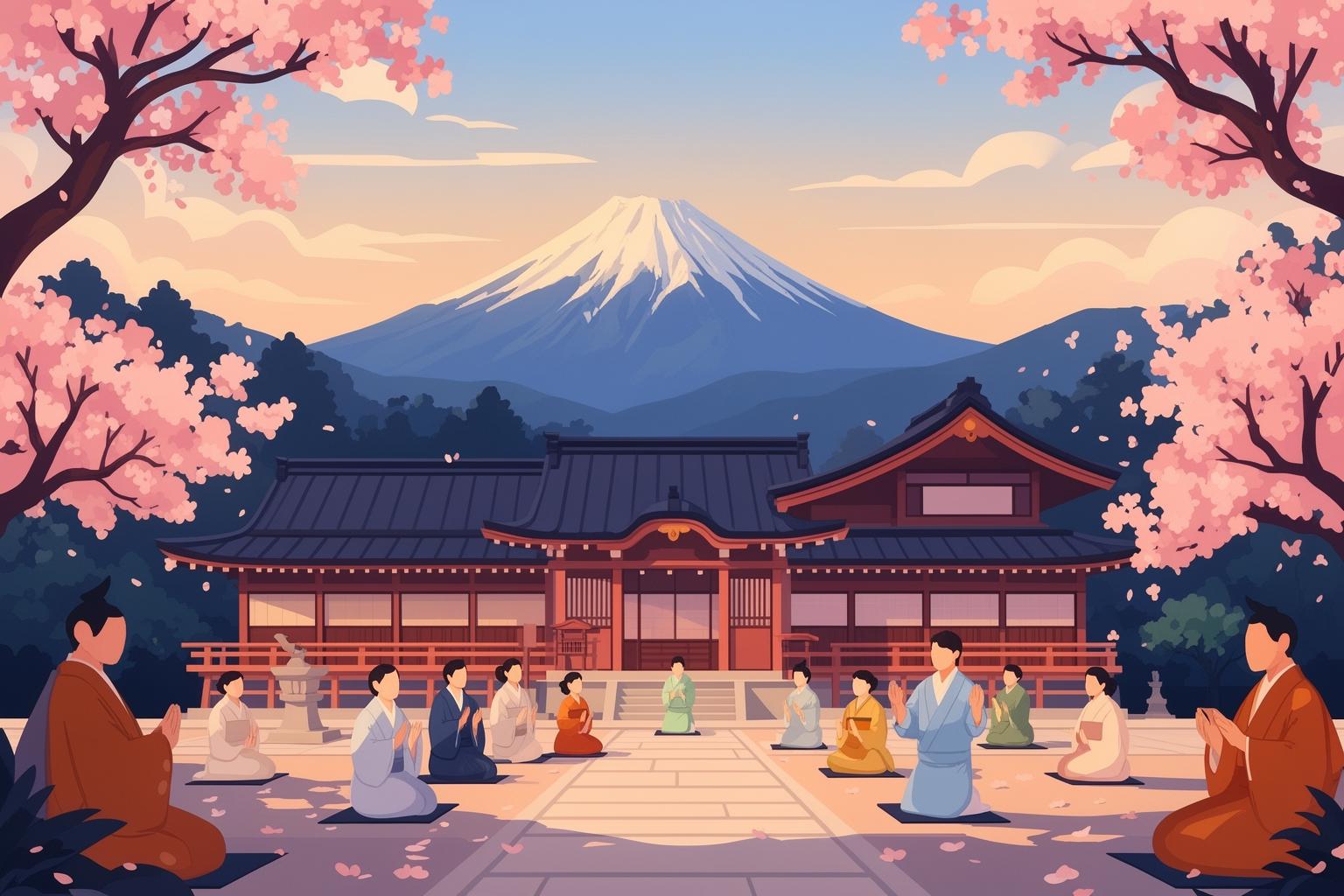
Your day at the shukubo begins before dawn. An early morning wake-up call, often a gentle knock or a soft bell, summons you to the main hall for the otsutome, or morning prayer service. Walking through the silent, chilly temple corridors in the pre-dawn darkness is a mystical experience in itself. You join the temple’s resident monks in the Hondo (main hall), a sacred space softly illuminated by candlelight, highlighting intricate altars and golden statues of Buddhist deities.
You’ll be invited to sit on the tatami floor as the head monk begins the service. The air fills with the sweet, woody scent of burning incense. Then the chanting starts—first a low, resonant hum rising from a single voice, soon joined by others, swelling into a powerful, rhythmic chorus of sutras that seems to vibrate through the floorboards and into your soul. The sound is hypnotic, ancient, and deeply moving, regardless of your personal spiritual beliefs. It is a sound that has echoed through these halls for centuries, a living connection to the long lineage of monks who have devoted their lives to this practice. You may be invited to take part in a ritual offering of powdered incense, a small but meaningful gesture of respect. Attending the otsutome is not simply an observation; it is a participation in the spiritual heartbeat of the mountain, setting a tone of mindfulness and peace that will carry you through the rest of your day.
After the service, you will often be guided through the Goma fire ritual—a powerful esoteric ceremony in which the head priest chants mantras while feeding specially prepared wooden sticks into a consecrated fire. The ritual aims to destroy negative energies and worldly desires, and watching the flames leap and dance as the monk’s voice rises in intensity is a dramatic and unforgettable experience. Following these spiritual awakenings, you’ll return to your room or a communal dining hall to enjoy your shojin ryori breakfast, a simple yet beautiful meal that perfectly complements the morning’s meditative atmosphere.
Okunoin: Walking Through a Forest of Spirits
No visit to Koyasan is truly complete without making a pilgrimage to Okunoin, Japan’s largest and most revered cemetery. Rather than being a somber or sorrowful place, it is a stunningly beautiful and deeply spiritual forest sanctuary. This is the final resting place for hundreds of thousands of souls, ranging from commoners to shoguns, and at its center lies the mausoleum of Kobo Daishi himself. Walking through Okunoin is like traveling through time, faith, and the very essence of Japan.
The main route is a two-kilometer path starting at the Ichinohashi Bridge. It is customary to bow your head in reverence before crossing, as you enter sacred grounds. Towering cedar trees, some more than a thousand years old, line the path, their tops disappearing into the sky. Their massive trunks form a dense canopy that filters sunlight, casting an ethereal, dappled glow onto the forest floor. On either side of the path stretches endless rows of moss-covered tombstones and stone pagodas, known as gorinto. These graves belong to some of Japan’s most notable historical figures, including feudal lords like Oda Nobunaga and Toyotomi Hideyoshi, as well as samurai warriors, renowned monks, poets, and even modern corporations who honor their employees here.
The atmosphere is one of deep tranquility. The only sounds are the crunch of gravel beneath your feet, the whisper of wind through cedar branches, and the occasional call of a crow. The air is cool, carrying scents of damp earth, moss, and decaying wood. It feels as if the spirits of those buried here still linger, their stories absorbed by the ancient trees and stones. Along the way, you’ll encounter small Jizo statues, often dressed with red bibs and hats, believed to be protectors of children and travelers. Take your time. This is no place for rushing. Let yourself wander, absorb the weight of history, and appreciate the sublime beauty of nature reclaiming these human-made monuments.
The path eventually brings you to the Gokusho Offering Hall, near the Gobyo Bridge, marking the final approach to Kobo Daishi’s mausoleum. Beyond this point, photography, food, and drink are prohibited. After purifying yourself with water from a small font, you cross the bridge into Okunoin’s most sacred area. Here stands the Torodo Hall, the Hall of Lanterns, whose sight will stop you in your tracks. Filled with over ten thousand lanterns donated by worshippers from all walks of life, two of these lanterns are said to have burned continuously for more than 900 years. The combined light from these countless lanterns creates a mesmerizing golden glow inside the dim hall—a sea of flickering flames symbolizing an ocean of faith.
Behind the Torodo Hall is the Gobyo, Kobo Daishi’s mausoleum. Shingon Buddhists believe he did not die but instead entered a state of eternal meditation (nyujo) in 835, awaiting the arrival of Miroku, the Buddha of the future. He is thought to still provide salvation to those who seek it. The powerful aura of reverence here is palpable. Monks continue to bring ritual meals to the mausoleum twice daily, a practice that has persisted uninterrupted for over a thousand years. Stand before this sacred site, offer a quiet prayer or moment of reflection, and feel the incredible spiritual energy that fills the air.
Visiting Okunoin during the day is magical, but a night tour, often led by a young monk from one of the temples, offers an entirely different and highly recommended experience. Walking the same path guided solely by the soft glow of stone lanterns, with the forest dark and silent around you, is an unforgettable journey into the heart of mystery and faith. The monk shares stories and legends connected to the cemetery, bringing its history alive in the darkness.
The Sacred Complexes: Danjo Garan and Kongobuji
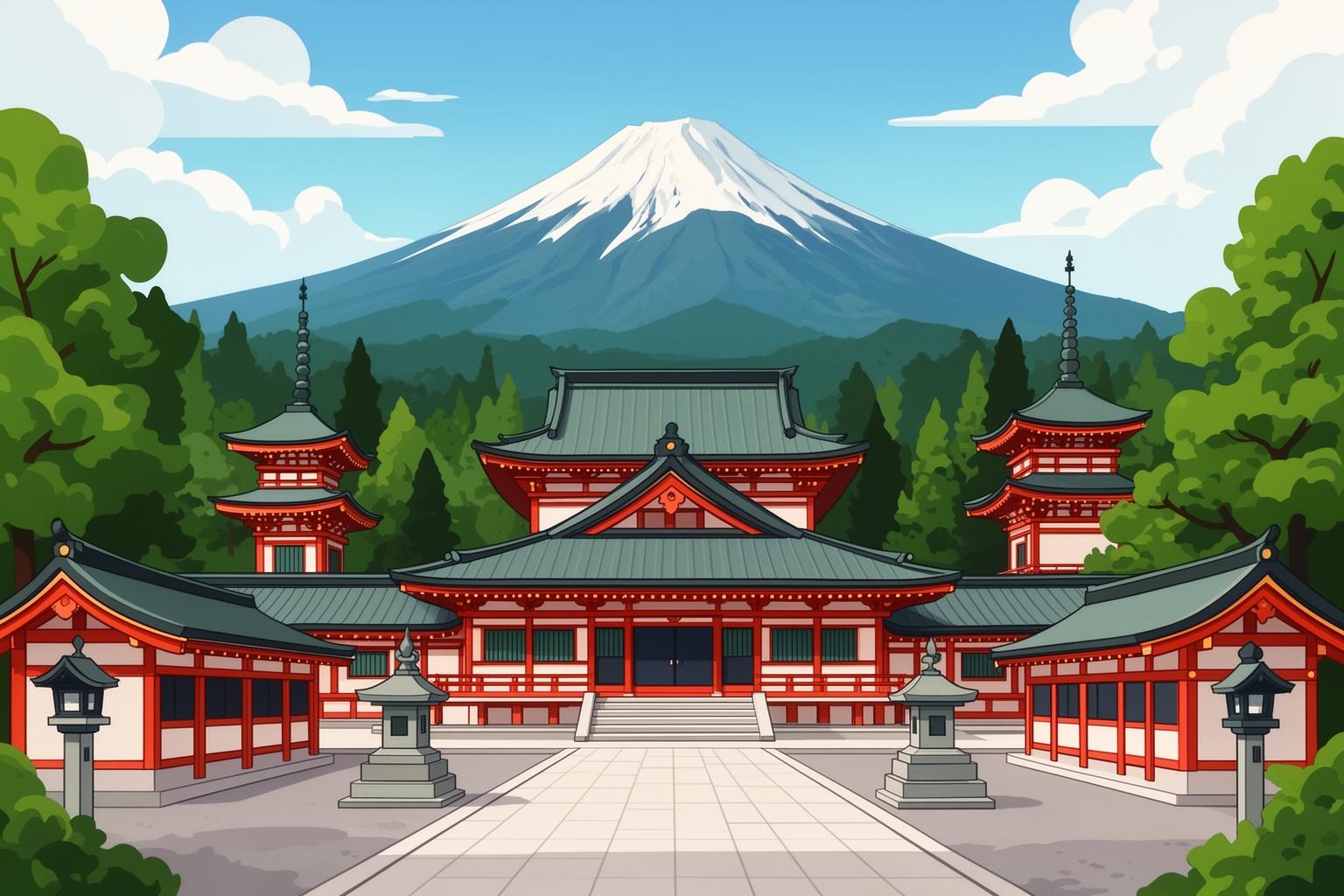
While Okunoin symbolizes the spiritual culmination of the pilgrimage, the core of Koyasan’s doctrinal and architectural essence is found in two principal complexes: Danjo Garan and Kongobuji Temple.
Danjo Garan: A Three-Dimensional Mandala
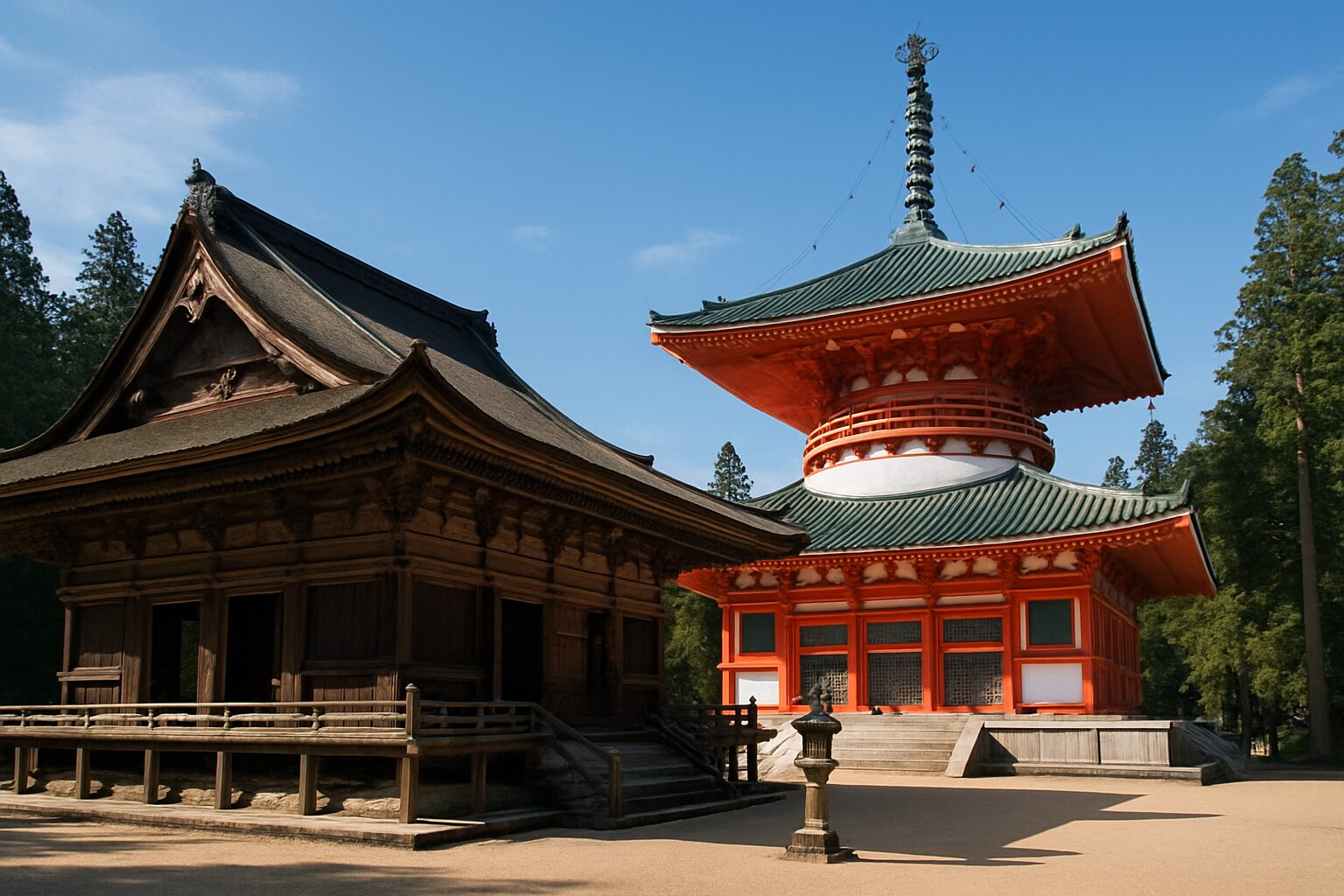
This revered temple complex marks the site where Kobo Daishi initially founded his monastic center. It is an expansive area filled with halls, pagodas, and temples that together embody the heart of Shingon Buddhist cosmology. The most notable structure is the Konpon Daito, or Great Stupa—a stunning, two-tiered vermilion pagoda nearly 50 meters tall that commands the landscape. Its vibrant hue sharply contrasts with the subdued greens and browns of the surrounding forest. Kobo Daishi designed this pagoda as a three-dimensional embodiment of the Womb Realm Mandala, a complex spiritual diagram of the cosmos. Upon entering, one is immersed in a radiant world of color and symbolism. At the center stands a golden statue of Dainichi Nyorai (the Cosmic Buddha), encircled by four other Buddhas. The surrounding pillars are adorned with vivid images of Bodhisattvas, creating a profoundly immersive spiritual atmosphere meant to aid enlightenment.
Close by is the Kondo, or Main Hall, a spacious wooden building where major ceremonies take place. Its simple yet dignified architecture reflects its significance. Another important structure is the Miedo, or Founder’s Hall, dedicated to Kobo Daishi. It is believed to enshrine a portrait of the great master and serves as a deeply revered site for his followers. Exploring the Garan complex—from the Fudodo (a national treasure and Koyasan’s oldest building) to the hexagonal sutra repository—is like traversing a living textbook of Buddhist architecture and philosophy.
Kongobuji: The Administrative Head Temple
Just a brief walk from Danjo Garan lies Kongobuji, the head temple of Shingon Buddhism. Originally built by the warlord Toyotomi Hideyoshi to honor his mother’s memory, it now functions as the administrative center for thousands of Shingon temples throughout Japan. Visiting here reveals the more refined and artistic aspects of temple life. The temple is renowned for its splendid sliding screen paintings (fusuma-e) by Kano school artists, featuring tranquil natural motifs such as cranes, plum blossoms, and willows.
You can stroll through the temple’s expansive halls, including the Ohiroma room, where important rituals and lectures take place. At the rear of the temple rests Japan’s largest rock garden, the Banryutei Garden. This vast garden displays 140 granite stones arranged to depict a pair of dragons rising from a sea of clouds, symbolically protecting the temple. The garden’s grandeur and artistry are awe-inspiring, making it an ideal setting for quiet reflection. Additionally, the temple has a new building with a spacious rest area where visitors are offered complimentary tea and rice crackers—a gracious moment of hospitality.
Practical Wisdom for the Mountain Pilgrim
To fully enjoy your spiritual weekend, a few practical tips can be very helpful. First, dress in layers. Due to Koyasan’s higher altitude, it is considerably cooler than Osaka, even during summer. A light jacket or sweater is advisable throughout the year, and in winter, make sure to bring proper winter clothing to handle snow and cold conditions. Comfortable walking shoes are essential, as you will be navigating gravel paths, stone steps, and polished wooden floors.
Although Japan is becoming more card-friendly, it is still wise to carry enough cash in Koyasan. While larger souvenir shops and temple lodgings generally accept credit cards, smaller restaurants, bus fares (without a pass), and entrance fees to some minor temples may require cash. Always observe temple etiquette: remove your shoes before entering buildings, speak softly, and be aware of restrictions on photography, especially inside sacred halls and beyond the Gobyo Bridge in Okunoin.
Embrace the natural pace of the mountain; this is not a place for a tightly packed or hurried schedule. The real gift of Koyasan is the chance to slow down. Give yourself free time to explore aimlessly, wander through backstreets, discover a quaint temple with a lovely garden, or sit quietly and listen to the forest’s sounds. Each season offers its own special charm. Spring presents delicate cherry blossoms that frame the ancient temples in pink and white. Summer brings lush greenery and a refreshing break from the city heat. Autumn is especially popular, as the maple trees blaze with fiery reds, oranges, and golds. Winter, although cold, dresses Koyasan in a tranquil, monochromatic blanket of pure white snow on temple roofs and cedar branches, creating a uniquely peaceful and uncrowded atmosphere.
The Return: Carrying the Mountain’s Silence
As you board the cable car for your descent and then take the train back toward the electric energy of Namba, you will sense a change within yourself. The journey home is a slow re-entry into the world you left behind, yet you do not return unchanged. You carry the mountain’s silence with you. The scent of cedar and incense lingers in your memory. The rhythmic chant from the morning prayer softly echoes in your mind. The profound peace of Okunoin and the vivid imagery of the Konpon Daito Pagoda become part of your inner landscape.
Koyasan is more than just a beautiful place; it is a transformative experience. It reminds you that, just a short distance from the wonderful, fast-paced life of Osaka, there lies a world of deep tranquility, ancient wisdom, and sacred beauty waiting to be explored. It is a pilgrimage every Kansai resident should undertake at least once—a spiritual recharge that nourishes the soul long after you have returned to the neon glow of the city. The mountain will be waiting for your return.