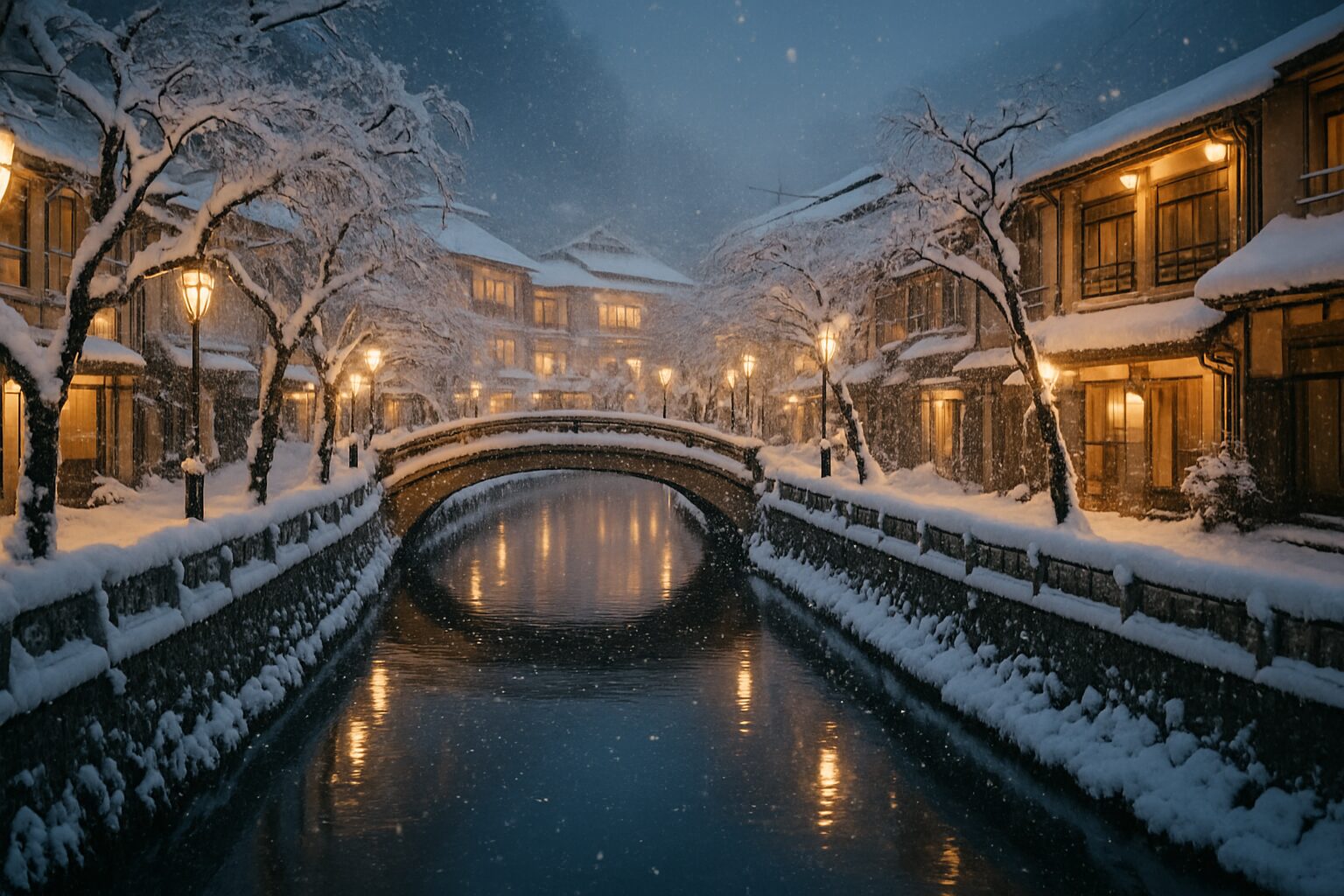
Step out of the electric hum of Osaka, leave the towering silhouettes of Umeda and the vibrant chaos of Namba behind. Imagine, for a moment, a world dialed back in time. A world where the loudest sound is the gentle clip-clop of wooden sandals on a stone bridge, where the air is thick with the faint, mineral scent of healing waters, and where the evening light isn’t the cold glow of a smartphone screen, but the warm, flickering dance of paper lanterns along a willow-lined canal. This isn’t a fantasy. This is Kinosaki Onsen, a town so utterly dedicated to the art of relaxation that its streets are considered an extension of its bathhouses, and the uniform of choice is a soft cotton yukata. For those of us living in the Kansai metropolis, Kinosaki, nestled in the northern part of Hyogo Prefecture, represents the perfect antidote to urban life—a two-and-a-half-hour train journey that transports you to a different state of being. This isn’t just a trip to a hot spring; it’s an immersion into a 1,300-year-old tradition of healing, hospitality, and communal well-being. The entire town is your spa, the river your guide, and the seven public bathhouses, the sotoyu, your destinations. It’s a place to shed the layers of city life and rediscover the simple, profound pleasure of a warm bath and a quiet moment. Prepare to trade your leather shoes for wooden geta, your business suit for a comfortable robe, and your hurried pace for a leisurely stroll. This is the ultimate onsen-hopping pilgrimage, and it’s waiting just beyond the city limits.
This serene escape is a prime example of how the Kansai region is innovating its tourism offerings, much like the broader strategy to blend business and leisure travel detailed in our article on Osaka-Kansai’s bet on ‘bleisure’.
The Soul of Kinosaki: Sotoyu Meguri, the Art of the Public Bath Crawl
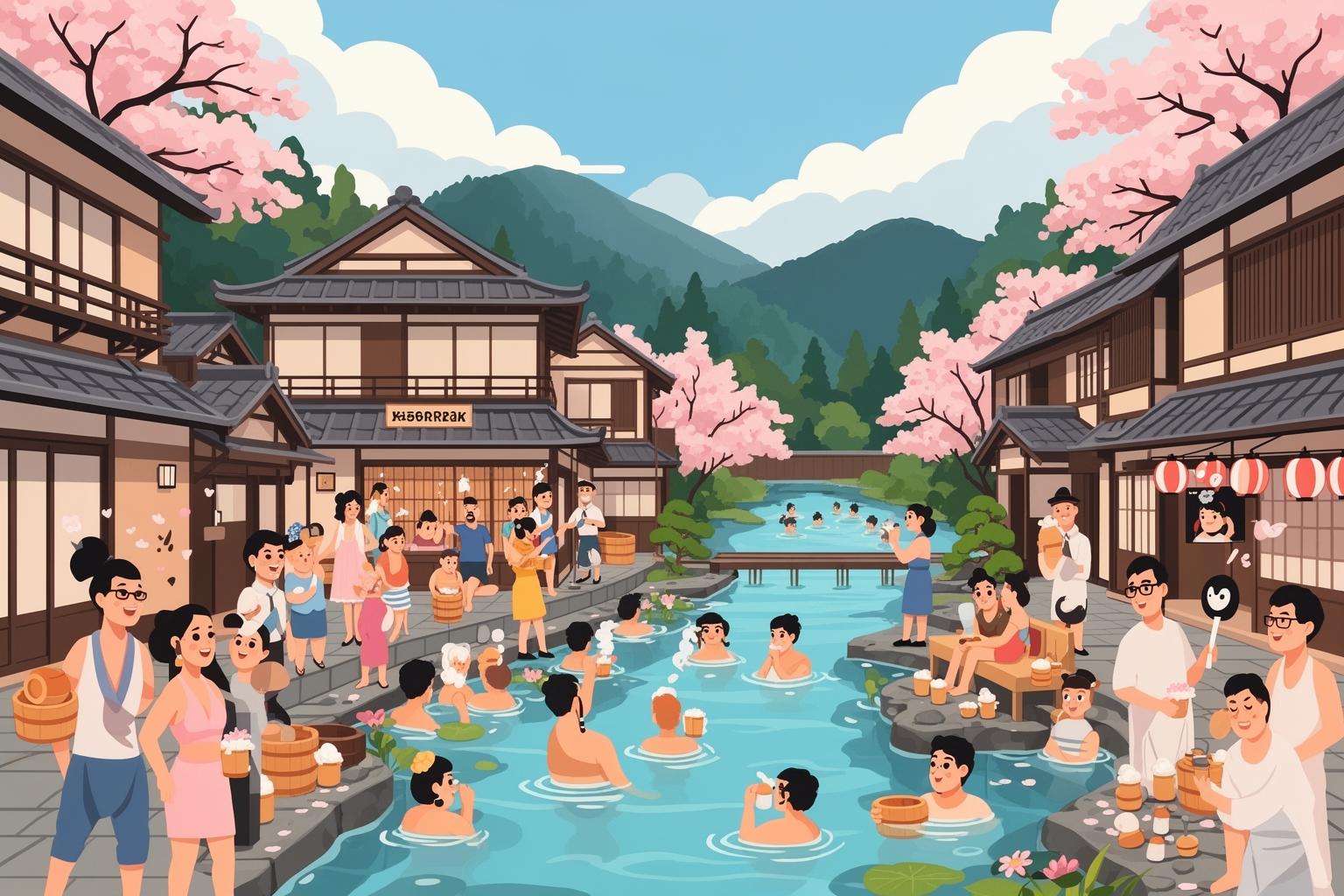
The core spirit of Kinosaki Onsen is embodied in a singular, elegant concept: sotoyu meguri, meaning “touring the outer baths.” Unlike other onsen towns where bathing mostly takes place within your own hotel or ryokan, Kinosaki invites you to explore freely. The entire town is designed as one expansive, interconnected inn. Your ryokan serves as your bedroom, the streets become hallways, and the seven public bathhouses act as shared bathrooms. This philosophy is the lifeblood of the town, a tradition that cultivates a distinctive sense of community and shared experience among both visitors and locals. Upon checking in, you are usually given a yumepa, a digital pass resembling a small barcode. This is your key to unlimited access at all seven sotoyu during your stay. The ritual begins: you don the yukata provided by your ryokan, slip your feet into the high-platformed geta, grab your small towel, and step out into the town. The karankoron, karankoron sound of your wooden clogs on the pavement becomes the rhythm of your visit, a percussive announcement that you are now part of the Kinosaki story. Each of the seven bathhouses has its unique origin story, architectural charm, and special blessing or benefit, transforming your onsen-hopping into a pilgrimage for both body and soul.
Kouno-yu: The Stork’s Healing Waters
Your pilgrimage should rightly commence where Kinosaki’s history began. Kouno-yu, meaning “Oriental White Stork Bath,” is the town’s oldest onsen. Legend has it that around 1,400 years ago, an Oriental White Stork was seen nursing its injured leg in a pool of hot water at this very spot. After several days, the stork, fully healed, flew away, revealing the spring’s miraculous healing properties to the local people. This tale established Kinosaki’s reputation as a place of therapeutic power. Tucked away from the main canal street, Kouno-yu offers a serene, almost meditative atmosphere. The bathhouse is surrounded by lush greenery, and its quiet, spacious outdoor bath (rotenburo) allows you to soak beneath the open sky, listening to leaves rustle and feeling a profound connection to the nature that gave birth to this town. The water here is believed to bring happiness in marriage and longevity, making it a peaceful first stop to set a gentle tone for your journey.
Mandara-yu: A Quest for Enlightenment
Named after the intricate Buddhist mandalas, Mandara-yu is said to have emerged after a holy priest named Dochi Shonin prayed for one thousand consecutive days to aid the local people. The onsen is believed to bring prosperity in agriculture and business, attracting those seeking a touch of divine fortune. Its architecture reflects this spiritual heritage, featuring a striking karahafu gabled entrance reminiscent of a temple. The true gem lies in its outdoor bathing area, where two unique, barrel-shaped ceramic tubs offer an intimate and deeply relaxing experience, as if cradled by the earth itself. This contemplative setting encourages quiet reflection amidst the rising steam. Its somewhat secluded location and distinctive baths make Mandara-yu a special discovery.
Goshono-yu: The Imperial Palace of Water
Entering Goshono-yu feels like stepping into a world of imperial grandeur and architectural magnificence. Also known as the “Palace of Water,” its design draws inspiration from the Kyoto Imperial Palace. The exterior is splendid, with sweeping cypress-wood roofs and intricate carvings that command attention. Inside, the opulence continues with a main bathing hall featuring an exceptionally high ceiling paneled with Japanese cypress and large panes of glass that flood the space with natural light. The highlight is the outdoor bath, carved into a rock face, where a dynamic waterfall cascades into the pool, creating an energizing soundscape. You can recline on the smooth stones and let the mineral-rich water and roar of the falls envelop you. Goshono-yu is associated with blessings against fire and the promotion of beauty. It offers an onsen experience that feels both invigorating and luxurious.
Ichino-yu: The Cave of Fortune
Centrally located in town, Ichino-yu, or the “First Bath,” is perhaps the most iconic of the seven. Its name honors a renowned Edo-period doctor who declared these waters the best in Japan after experiencing them. The bathhouse is a striking example of Momoyama-style architecture, resembling a grand Kabuki theater. Its most distinctive feature is the semi-outdoor bath nestled within a natural cave. Soaking in the steaming water surrounded by rugged boulders creates a primal and unforgettable experience. The sound of water echoing off the stone, dim lighting, and earthy aroma conjure an atmosphere of mystery and timelessness. Ichino-yu is said to bring good fortune in endeavors and academic success, and its central location makes it a bustling hub for onsen-hoppers day and night.
Yanagi-yu: The Willow’s Blessing
Yanagi-yu, the “Willow Bath,” is named after the willow trees lining the Otani River just outside. It is the smallest and perhaps the most charmingly traditional of the seven bathhouses. Its classic, rustic wooden structure exudes a deep Showa-era nostalgia. Inside, the entire bath—walls, ceiling, and tub—is crafted from fragrant cypress wood. The aromatic steam fills the space, creating an intensely therapeutic and calming atmosphere. The water here ranks among the hottest in Kinosaki, delivering a sharp and revitalizing jolt to the system. Legend holds that Yanagi-yu’s waters ensure fertility and safe childbirth, making it a special destination for couples and expectant mothers. Its intimate scale offers a glimpse into the simple, communal bathhouses of old Japan.
Jizou-yu: The Guardian’s Lantern
Jizou-yu is beloved by Kinosaki’s local residents and often buzzes with the lively chatter of families. Its name stems from the belief that a statue of the guardian deity Jizo Bodhisattva emerged from the spring’s source. The bathhouse sports a more modern, yet distinctly Japanese design. Its most notable feature is a large, hexagonal window shaped like a traditional stone lantern (toro), which has become an emblem of the bath. The interior is spacious and straightforward, with a large main tub ideal for a relaxing group soak. While it lacks an outdoor bath, its bright and welcoming atmosphere creates a comfortable, unpretentious place to unwind. Jizou-yu is associated with blessings for family safety and home well-being, reflecting its role as a communal anchor and protector of the town.
Satono-yu: The Station-Side Panorama
Located right beside Kinosaki Onsen Station, Satono-yu is often the first or last stop for visitors. It is the largest and most modern of the seven, offering a wide variety of bathing experiences. Its standout feature is the spectacular open-air bath on the third floor, which provides breathtaking panoramic views of the town and surrounding mountains. Soaking here at sunset, watching the town’s lights begin to sparkle, is a magical experience. Satono-yu also features numerous saunas, including a Finnish-style sauna and a unique mist sauna infused with aromatic herbs. Combining traditional hot spring water with modern spa facilities, it offers a comprehensive wellness experience. The bath is said to deepen your connection with nature and promote harmony. It’s the perfect place for a final, memorable soak before bidding farewell to this enchanting onsen town.
Beyond the Baths: Weaving Through Willow-Lined Streets
While the sotoyu meguri is the main attraction, the true charm of Kinosaki Onsen reveals itself in the moments between soaks. The town is a sensory delight, a living museum of Japanese aesthetics and traditions that encourages you to slow down and savor every detail. Simply being in Kinosaki, dressed in a yukata and geta, offers healing as profound as the water itself. It’s an act of shedding your everyday identity to fully embrace the town’s relaxed, timeless rhythm. As you stroll along the Otani River, you’ll cross graceful stone bridges arching over the gently flowing water, where vivid koi carp glide lazily. The willow trees, iconic to the town, dip their delicate green branches into the canal, creating a picturesque scene that has inspired countless artists and poets over centuries. At night, the warm glow of lanterns reflects on the water’s surface, transforming the streets into a scene reminiscent of classic woodblock prints. This is the perfect time for aimless wandering and discovering the little wonders that give Kinosaki its soul.
The town also serves as a culinary playground, offering delights deeply rooted in the local terroir of the Tajima region. For meat lovers, Tajima beef is an essential indulgence. This legendary black cattle breed is the source of the world-famous Kobe beef. In Kinosaki, you can savor its exquisite marbling and buttery, melt-in-your-mouth texture in many forms, from luxurious sukiyaki and shabu-shabu hot pots at your ryokan to casual Tajima beef steamed buns or skewers sold at street stalls. The aroma of grilling beef often fills the evening air, an irresistible invitation to treat yourself.
If you visit between November and March, you’ll find yourself in the peak season for another local treasure: Matsuba crab (matsuba gani). This male snow crab, caught in the nearby Sea of Japan, is renowned for its sweet, delicate meat. The town buzzes with crab fever, with local fish markets piled high with the prized crustaceans and restaurants featuring elaborate crab feasts. You can enjoy it boiled, grilled, as sashimi, or in a rich hot pot—each preparation bringing out a different aspect of its sublime flavor. Even passing by a shop, the sight and aroma of freshly grilled crab legs is an essential part of the Kinosaki winter experience.
For a more interactive culinary experience, seek out one of the onsen tamago stations, where you can buy fresh local eggs in a small net bag and lower them yourself into a basin of hot spring water. After about ten to fifteen minutes of gentle cooking in the geothermal heat, you’ll have a perfectly cooked onsen egg. The result is magical: the yolk becomes custardy and rich, while the white remains soft and delicate, almost like a savory pudding. Cracking one open and seasoning it with a pinch of salt is a simple yet satisfying ritual that connects you directly to the town’s natural thermal energy. Beyond these famous specialties, the streets are dotted with charming cafes, traditional sweet shops selling mochi and dango, and even a local craft brewery, Gubi Gabu, where you can sample beers brewed with the region’s pure water. Kinosaki nourishes not only the body with its healing waters but also the spirit with its extraordinary food.
A Ryokan Stay: The Heart of the Kinosaki Experience
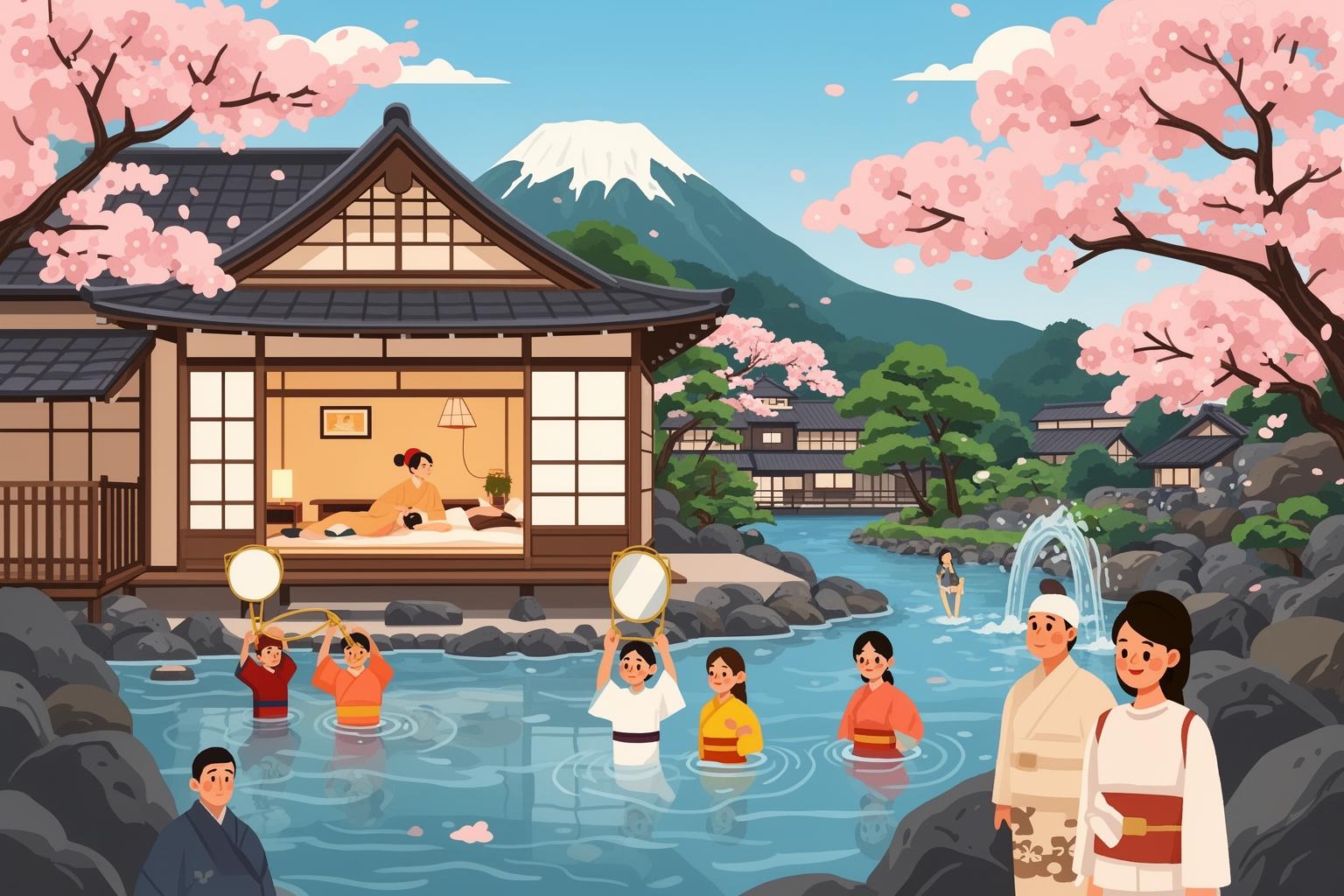
A trip to Kinosaki Onsen would be incomplete without embracing the profound hospitality of a traditional Japanese inn, or ryokan. Staying in a ryokan is more than just finding a place to sleep; it offers a deep cultural immersion, an experience as essential to understanding Kinosaki as the onsen themselves. From the moment you slide open the wooden door and are greeted with a bow by your host, you step into a world of meticulous care, elegant aesthetics, and time-honored traditions known as omotenashi. This Japanese concept of hospitality is anticipatory and wholehearted, making you feel less like a customer and more like a cherished guest in a private home. You’ll be asked to remove your shoes at the genkan (entryway), a symbolic gesture that leaves the outside world behind, before being led through quiet, wooden hallways to your room.
Your room will likely serve as a serene sanctuary of minimalist beauty. The floors are covered with woven tatami mats, which emit a faint, sweet, grassy fragrance. The only furnishings might include a low wooden table and some legless chairs (zaisu) with cushions for floor seating. Delicate paper screens (shoji) cover the windows, softening the sunlight into a gentle, ethereal glow, and a simple flower arrangement (ikebana) in an alcove (tokonoma) provides a singular artistic focal point. There are no traditional beds; instead, while you are out for dinner or your evening bath, a staff member known as a nakai-san will discreetly enter your room to lay out plush futons on the tatami floor. Sleeping on a futon is surprisingly comfortable, offering firm yet gentle support that many find incredibly restful.
The highlight of the ryokan experience is undoubtedly the evening meal: kaiseki ryori. This is not merely dinner; it is a multi-course artistic presentation that celebrates the height of seasonality and the bounty of the local region. Served either in a private dining room or in your own guest room, the meal unfolds as a procession of small, exquisitely crafted dishes, each a masterpiece of flavor, texture, and presentation. The menu reads like a poem written with ingredients. You might begin with a delicate appetizer (sakizuke), followed by a seasonal platter (hassun) capturing the essence of the current landscape. Then comes pristine sashimi (mukozuke), a simmered dish (nimono), a grilled course (yakimono), and a vinegared salad (sunomono). In Kinosaki, these often feature the renowned Tajima beef or Matsuba crab as the centerpiece. Each dish is served on carefully chosen ceramics and lacquerware that enhance its beauty. The meal concludes with rice, miso soup, pickles (tsukemono), and a light, seasonal dessert. It is a slow, contemplative journey for the senses that leaves you feeling nourished and deeply satisfied.
The following morning, another elaborate Japanese breakfast awaits, often including grilled fish, tamagoyaki (rolled omelet), tofu, rice, and various small side dishes, providing perfect fuel for more onsen hopping during the day. Many ryokans also offer private onsen baths (kashikiri-buro), available for personal booking, providing a more intimate bathing experience for couples or families. A ryokan stay is an investment, but one that yields rich rewards in cultural understanding, unparalleled service, and profound, soul-deep relaxation. It is the foundation that holds the entire Kinosaki experience together, elevating it from a simple vacation to a truly transformative journey.
Practical Magic: Planning Your Kinosaki Getaway from Osaka
One of the greatest attractions of Kinosaki Onsen for those of us living in Osaka is its wonderfully convenient accessibility. Escaping the bustling city for this peaceful retreat is surprisingly simple. The easiest and most comfortable way to get there is by train. From either Osaka Station or Shin-Osaka Station, you can board the Limited Express Konotori train, which provides a direct route to Kinosaki Onsen Station. The trip is scenic, lasting about two hours and forty minutes, taking you from the dense urban landscape of Osaka through the rolling hills and countryside of Hyogo, and finally into the mountainous area where the onsen town lies. It’s an ideal length of time to unwind, read a book, and watch the scenery change, building excitement for the relaxation ahead. Be sure to reserve a seat, especially on weekends or holidays, to guarantee a comfortable ride. For Japan Rail Pass holders, this trip is usually included, making it a great value side excursion.
Though Kinosaki is delightful to visit year-round, each season brings its own unique charm. Winter, from November to March, is arguably the quintessential Kinosaki experience. There’s nothing like soaking in a steaming outdoor rotenburo while snowflakes softly fall around you. The crisp, cold air makes the hot water feel even more indulgent, and this is, of course, the prime season for succulent Matsuba crab. Spring dresses the town in gentle shades of pink and white as cherry blossoms along the Otani River bloom, typically in early April. Walking in a yukata beneath the canopy of blossoms is an incredibly romantic and picturesque experience. Summer brings lush, vibrant greenery and a more relaxed vibe. The town hosts festivals with fireworks, and nearby Takeno Beach offers a refreshing seaside escape from the heat. Autumn rivals spring in beauty as the surrounding mountains blaze with fiery reds, oranges, and golds. The cool, pleasant weather is perfect for long walks and savoring the crisp evening air after a hot bath.
To get the most from your first visit, a little practical advice is helpful. First, travel light. The town is compact and best explored on foot. You’ll be walking between bathhouses, shops, and your ryokan, often on uneven stone paths and over bridges, so comfortable, easy-to-remove footwear for your train ride is essential. Once there, you’ll mostly be wearing geta anyway. When onsen hopping, bring the small face towel provided by your ryokan, which is used for washing and modest coverage as you walk to the baths. A larger bath towel for drying off is typically supplied in a bag by your ryokan along with your yumepa pass. Onsen etiquette is straightforward but important: always wash thoroughly at the showers before entering the main baths. The baths are for soaking, not cleaning. Tie up long hair, and never dip your small towel into the bathwater; instead, place it on your head or beside the tub. Most importantly, pace yourself. The aim isn’t to rush through all seven onsen in a frenzy. Choose three or four that appeal to you most and take your time. Linger, relax, and appreciate the distinct atmosphere of each one. Between soaks, stay hydrated by drinking plenty of water or the complimentary barley tea (mugicha) often offered in rest areas. The Kinosaki experience is a marathon of relaxation, not a sprint.
Day Trips and Deeper Dives: Exploring the Surroundings
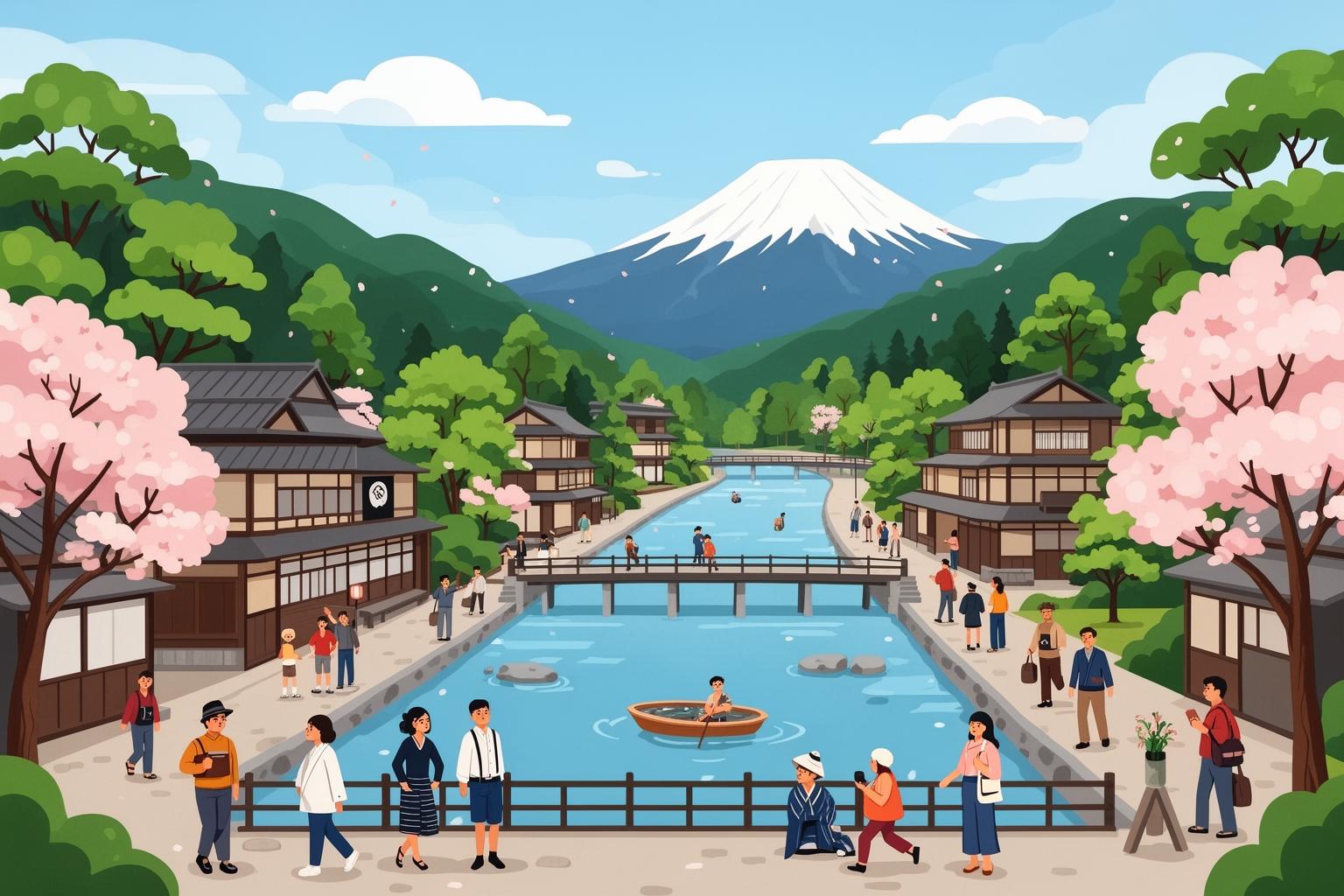
While the charming streets and seven bathhouses of Kinosaki Onsen can easily fill your entire weekend, the surrounding region offers its own treasures for those with extra time or a curiosity to explore further. A great place to begin is the Kinosaki Ropeway, located at the far end of the main town street. The seven-minute ride takes you halfway up Mount Daishi to Onsenji Temple. This sacred temple holds historical importance, as it is dedicated to Dochi Shonin, the Buddhist priest who, according to legend, founded Kinosaki Onsen. In the past, visitors were required to pray here first before entering the baths. Today, it provides a moment of quiet spiritual reflection and a deeper connection to the town’s heritage. From there, continue on the ropeway to the summit. The observation deck at the top offers a breathtaking panoramic view that puts the entire area in perspective. You can see the quaint, compact layout of the onsen town, the meandering Maruyama River, and, on a clear day, the shimmering expanse of the Sea of Japan.
Just a short bus or taxi ride from Kinosaki Onsen Station is Genbudo Park, a designated National Natural Monument and geological marvel. The park features a series of magnificent caves formed over 1.6 million years ago when magma from a volcanic eruption cooled, producing stunning vertical columns of basalt rock. These perfectly geometric, hexagonal pillars create dramatic cliff faces and cavernous interiors. It’s a powerful and humbling reminder of the volcanic forces responsible for the region’s healing hot springs. The park is also historically significant in geology, as the concept of “magnetic polarity reversal” was first proposed here, making it a place of international scientific relevance. A walk through the tranquil park, with its serene pond and impressive rock formations, offers a refreshing change of pace from the onsen town.
If you’re visiting during the warmer months, a trip to Takeno Beach is highly recommended. This stunning white-sand beach is just one train stop from Kinosaki and is consistently rated as one of the best beaches in the Kansai region. The water is crystal clear and calm, ideal for swimming and various marine activities. The surrounding landscape, part of San’in Kaigan National Park, is marked by unique rock formations and lush pine groves, providing plenty of scenic spots for a coastal stroll. It’s a wonderful way to blend the therapeutic warmth of the onsen with the refreshing cool of the sea.
For a touch of history and culture, consider a day trip to the nearby Izushi Castle Town. About a 50-minute bus ride from Kinosaki, Izushi resembles a miniature Kyoto. This beautifully preserved town features castle ruins, traditional samurai residences, an authentic kabuki theater, and a charming clock tower that serves as the town’s symbol. Izushi is also renowned for its distinctive style of soba noodles, Izushi sara soba. The noodles are served cold on small, delicately decorated porcelain plates, and the challenge is to see how many plates you can finish. Exploring the historic streets and savoring a delicious soba meal makes for an ideal cultural outing.
The Final Soak: A Lasting Impression
As your weekend in Kinosaki Onsen comes to an end, you take one last walk along the Otani River. The sound of geta tapping on the stone bridges, once new to you, has become a familiar and soothing rhythm. The scent of sulfur in the air, the sight of steam rising from the grates in the street, the soft cotton yukata brushing against your skin—these sensory details have gently etched themselves into your memory. You might visit Satono-yu for a final panoramic soak, watching the Limited Express train arrive at the station, a quiet reminder of the world you’re about to reenter. Or perhaps you’ll return to your favorite of the seven baths, offering a personal farewell to the water that has relaxed your muscles and calmed your mind. Kinosaki is more than just a destination; it’s a remedy for modern ailments. It’s an immersive therapy that compels you to disconnect from the digital and reconnect with the physical world. It reminds you of the simple, profound joy found in community, sharing a healing space with strangers who, for a moment, become fellow pilgrims on a journey of relaxation. The warmth of the onsen lingers on your skin long after you’ve dried off, but the town’s tranquility settles deeper, into your very being. Leaving Kinosaki, you feel not only cleaner but lighter, calmer, and more centered. You carry the echo of the geta’s clip-clop back to the city, a quiet reminder that this timeless world of water and willows is always there, waiting for your return.