In the electric hum of Osaka, a city that moves to a rhythm of vibrant commerce and even more vibrant appetites, there exists a counter-beat. It’s a gentle, steamy pulse found behind modest noren curtains, down quiet residential alleys, and sometimes right in plain sight, marked by a grand, temple-like roof that seems out of time. This is the world of the sento, the neighborhood public bath, and it is perhaps one of the most authentic, soulful, and deeply restorative experiences you can weave into the fabric of your life here. Forget the dazzling lights of Dotonbori for a moment, put aside the endless pursuit of the next best takoyaki. The sento offers something different: a connection not just to a tradition, but to the very community you call home. It’s a place to wash away the day’s grime, both literal and metaphorical, to soak in shared waters, and to emerge reborn, glowing, and utterly, profoundly clean. This isn’t just about hygiene; it’s about a ritual of belonging, a quiet cornerstone of daily life that has warmed the bodies and hearts of Osakans for generations. Integrating this practice into your routine is to understand the city on a completely different, more intimate level. It’s to find your sanctuary amidst the wonderful, chaotic urban sprawl.
For a similarly profound yet quiet form of community connection, consider the timeless atmosphere of a Showa-era kissaten.
The Soul of the Neighborhood: What Exactly is a Sento?
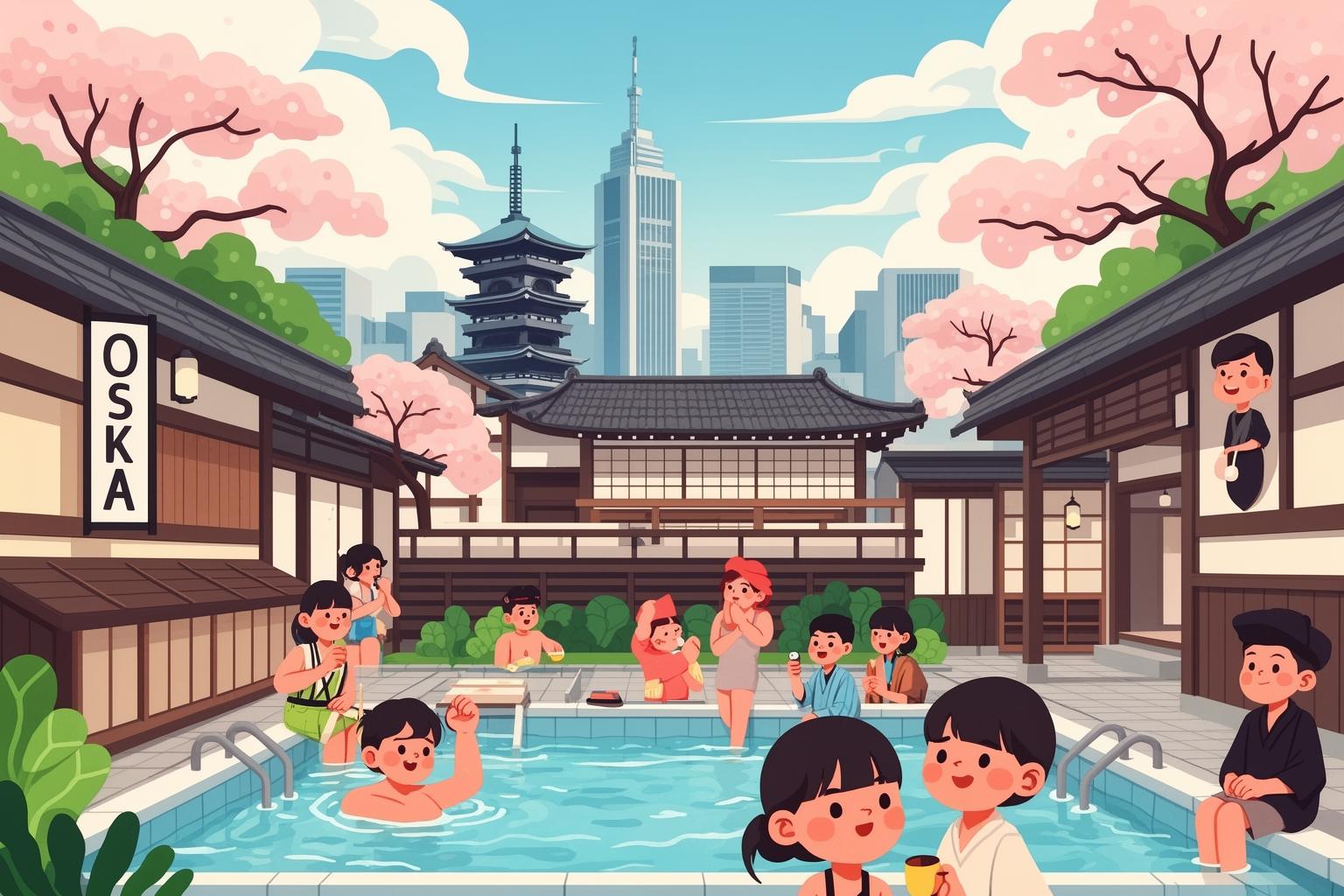
First, let’s address a common misconception. A sento is not the same as an onsen. Although both are central to Japanese bathing culture, their main difference lies in their source. Onsen are fed by natural geothermal hot springs, with waters rich in minerals from deep within the earth. Sento, by contrast, are public bathhouses that use regular tap water, often enhanced with minerals, herbs, or other therapeutic additives. This distinction is important because it shapes their purpose. Onsen are often destinations you travel to for a special retreat, while sento are hyper-local, serving as the neighborhood’s living room, its communal bathtub—a practical yet sacred space embedded in daily life.
At the heart of the sento is usually the ‘bandai,’ a raised platform or counter where the attendant, or ‘bandai-san,’ sits. From this vantage point, they collect the modest entrance fee, sell small towels and soaps, and quietly oversee the establishment. In older sento, the bandai might be placed to overlook both the men’s and women’s changing rooms—a charmingly old-fashioned feature reflecting different social norms of the past. Passing the bandai, you enter the ‘datsuijo,’ the changing room, filled with the scent of soap and wood, the clatter of plastic lockers, and soft murmurs of conversation. This is the gateway to tranquility, where the outside world with its pressures and deadlines is shed along with your clothing. The layout of the sento is a journey from public to private, from clothed to vulnerable, and from individual to communal.
The First Plunge: Your Step-by-Step Guide to Sento Serenity
For those unfamiliar, the idea of visiting a public bath can seem intimidating. The rules, nudity, and order of activities might feel like a complicated routine. However, the process is straightforward, sensible, and once mastered, becomes a soothing and meditative flow. Consider it less as a set of regulations and more as a thoughtful choreography showing respect for fellow bathers and the space itself.
Preparing and Entering
Your sento experience begins even before you leave your home. While every sento is prepared to accommodate the unprepared, bringing your own supplies marks you as a seasoned visitor. This usually includes a large towel for drying off fully afterward, and a smaller, thinner towel—commonly called a ‘modesty’ or ‘wash’ towel—that serves as your handy companion inside. You’ll also want to bring your own soap, shampoo, and conditioner, often carried in a small plastic basket by locals. If you arrive empty-handed, don’t worry. For a modest fee, towels can typically be rented and single-use toiletries purchased. Remember to bring cash, usually coins. The entrance fee is generally quite low, often set by the prefectural administration, making sento one of the city’s best entertainment bargains. You’ll either pay the bandai-san directly or buy a ticket from a vending machine, often receiving a key on an elastic band for your locker in exchange.
The Datsuijo – A Sacred Passage
The changing room, or ‘datsuijo,’ marks the start of your transformation. Locate an empty locker or take one of the traditional wicker baskets and undress completely. This is the time to shed any embarrassment—nudity here is purely practical and non-sexual. Store your clothes and large towel inside; the only items you’ll bring to the bathing area are your small towel and toiletries. The atmosphere in the datsuijo is one of calm purpose. You may see older men weighing themselves on vintage scales, friends quietly chatting while undressing, and a gentle breeze circulating from an old electric fan. It’s a shared space of vulnerability that silently nurtures a feeling of community.
The Purification Rite: The Arai-ba
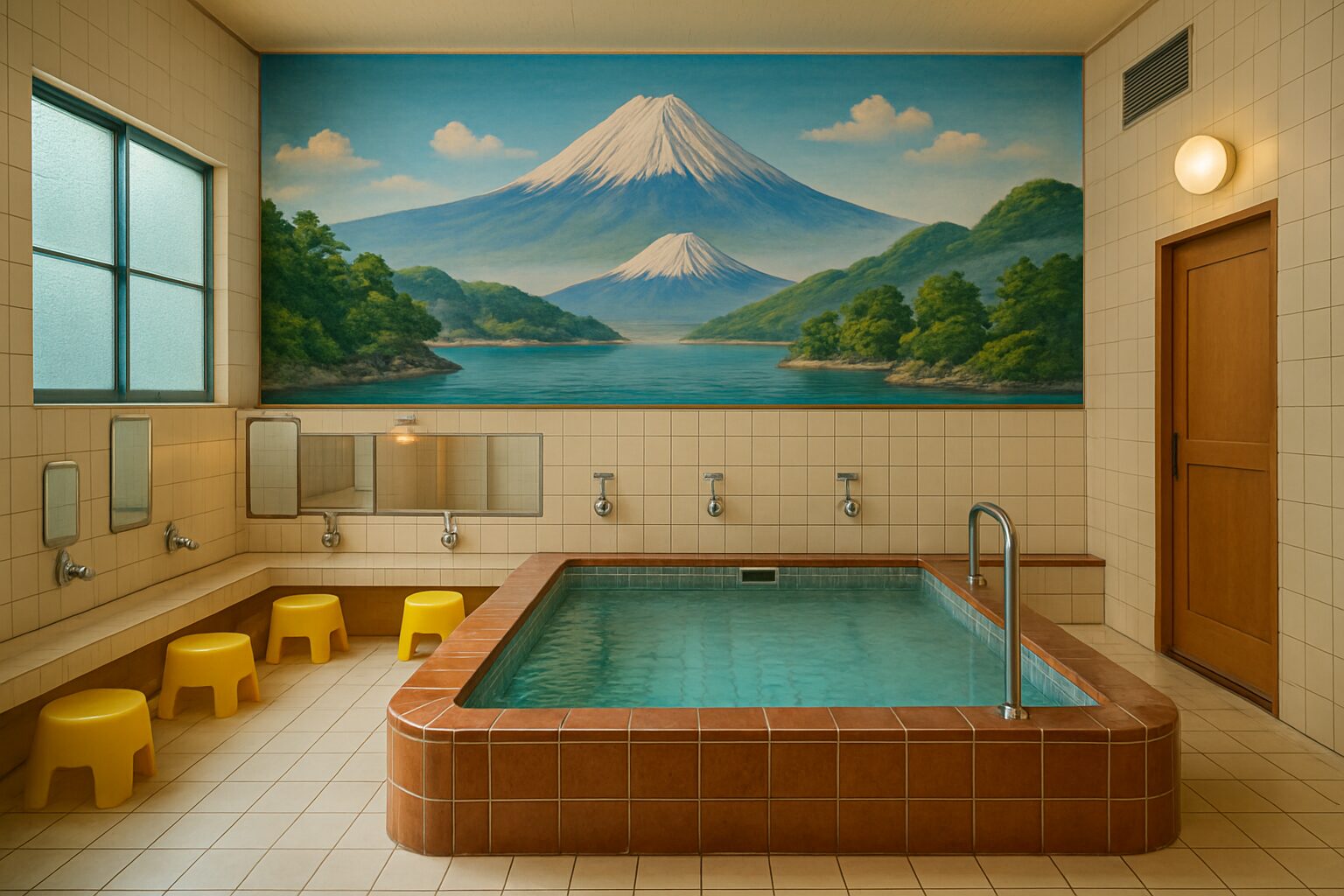
This step is the most crucial rule of Japanese bathing etiquette: thoroughly wash your body before entering the communal baths. The bathing area, or ‘yokujo,’ is intended for soaking and relaxation—not for washing. The washing area, ‘arai-ba,’ typically has rows of low stools set before taps with detachable shower heads. Take a stool and a plastic basin, sit down, and use the basin to pour water over yourself, or use the shower head. Lather with soap and scrub every part of your body. Wash your hair, then rinse thoroughly to remove all soap. This practice shows respect for the shared water, ensuring the bath stays clean for everyone. When you finish, give your stool and basin a quick rinse for the next bathers—a small act of consideration that keeps the communal system harmonious.
Immersion and Relaxation: Discovering the Baths
Now for the reward. The main bath is usually a large, deep tub filled with delightfully hot water, generally between 40-43 degrees Celsius (104-109°F). Enter slowly. The initial heat’s shock soon fades into a deep sense of relief as your muscles relax and the day’s stress dissolves. Your small towel should never go in the water; most people place it on their head, which helps regulate body temperature, or lay it beside the bath. Once acclimated, you can explore additional baths. Many sento offer various tubs, such as a jet bath with powerful underwater jets providing hydro-massage to your back and legs. There may be a ‘denki buro,’ an electric bath—with two metal plates on opposite sides delivering a low-voltage current that causes a tingling and muscle contraction sensation. It’s an unusual but surprisingly pleasant experience for some; enter slowly between the plates to try it. You might also encounter a ‘yakuyu,’ a medicinal bath infused with aromatic herbs, minerals, or seasonal ingredients like wine or coffee, intended to benefit health. Many sento also feature a sauna, usually dry Finnish style. For the adventurous, next to the sauna lies its essential counterpart: the ‘mizuburo,’ or cold plunge pool. The cycle of intense heat followed by a sudden, invigorating cold plunge is a ritual cherished by bathing enthusiasts for its reputed benefits to circulation and wellbeing. This shock to the system leaves you feeling wonderfully refreshed and alive.
Speaking the Unspoken Language: Sento Etiquette for the Modern Bather
Beyond the basic rule of washing first, there are additional subtle etiquette points that will help you blend in and show respect for the sento culture. It’s an unspoken language of shared space, understood by all who enter.
The Tattoo Taboo: Navigating Ink in the Sento World
For many foreigners, tattoos remain the biggest uncertainty. Historically, tattoos in Japan have been strongly linked to the yakuza, or organized crime. Because of this, many bathing facilities, especially upscale onsen resorts, still ban anyone with tattoos. However, local neighborhood sento can be quite different. With tattoos becoming a popular form of fashion and self-expression worldwide and among younger Japanese, many sento have adopted a more relaxed approach. Some openly welcome tattooed guests, while others may request that small tattoos be covered with waterproof patches. The safest approach is to check in advance. Look for signs at the entrance (often with pictograms) or visit the sento’s website if available. If unsure, a polite question at the front desk is perfectly acceptable. In Osaka, known for its laid-back and pragmatic vibe, many neighborhood sento are quite welcoming, recognizing that local foreign residents are not yakuza. It’s evaluated case by case, but don’t let worries about refusal keep you from trying.
Common Courtesies of the Bathhouse
The sento is a place for relaxation, so loud conversation and splashing are discouraged. Keep your voice low and respectful. When moving between baths, walk rather than run, as tiled floors can be slippery. If you have long hair, tie it up so it doesn’t touch the bathwater. As noted, never put your small towel into the tub—that’s considered unclean. Before returning to the datsuijo from the bathing area, use your small towel to lightly dry your body first. This helps prevent excessive water from dripping onto the changing room floor, which should remain dry. These small polite actions help maintain a serene and comfortable atmosphere for everyone.
A Living History: The Architectural and Artistic Heart of Osaka’s Sento
Stepping into a classic sento is like entering a living museum. Many of these bathhouses were constructed during the post-war Showa era and still possess a remarkable nostalgic charm. Look up at the facade, and you might notice a ‘karahafu,’ an ornate, curved gable commonly seen on castles and temples, deliberately chosen by early sento owners to elevate the bathhouse to a palace for everyday people. The entrance is often adorned with beautiful ‘noren’ curtains, usually featuring the character ゆ (yu), which means hot water and serves as the universal symbol for a bathhouse in Japan.
Inside, the functional design is striking. The ceilings in both the changing room and bathing area are impressively high, a clever architectural feature that allows steam and heat to rise and dissipate, preventing the space from becoming uncomfortably stuffy. The floors and walls showcase exquisite tilework, ranging from simple geometric designs to intricate mosaics. Yet, the crowning artistic feature and signature of the classic sento is the large mural that dominates the wall above the main bath. When you visit Osaka, the mural you often see is of Mount Fuji. Although it might seem unusual given the distance from this iconic peak, this tradition began in Tokyo and spread throughout the country. The Mount Fuji painting was intended to offer bathers a sense of grandeur and escape, providing a majestic view to contemplate while soaking. Gazing up at that painted mountain through the rising steam creates a transportive experience, linking you to generations of bathers who have done the exact same.
Weaving the Sento into Your Osaka Life
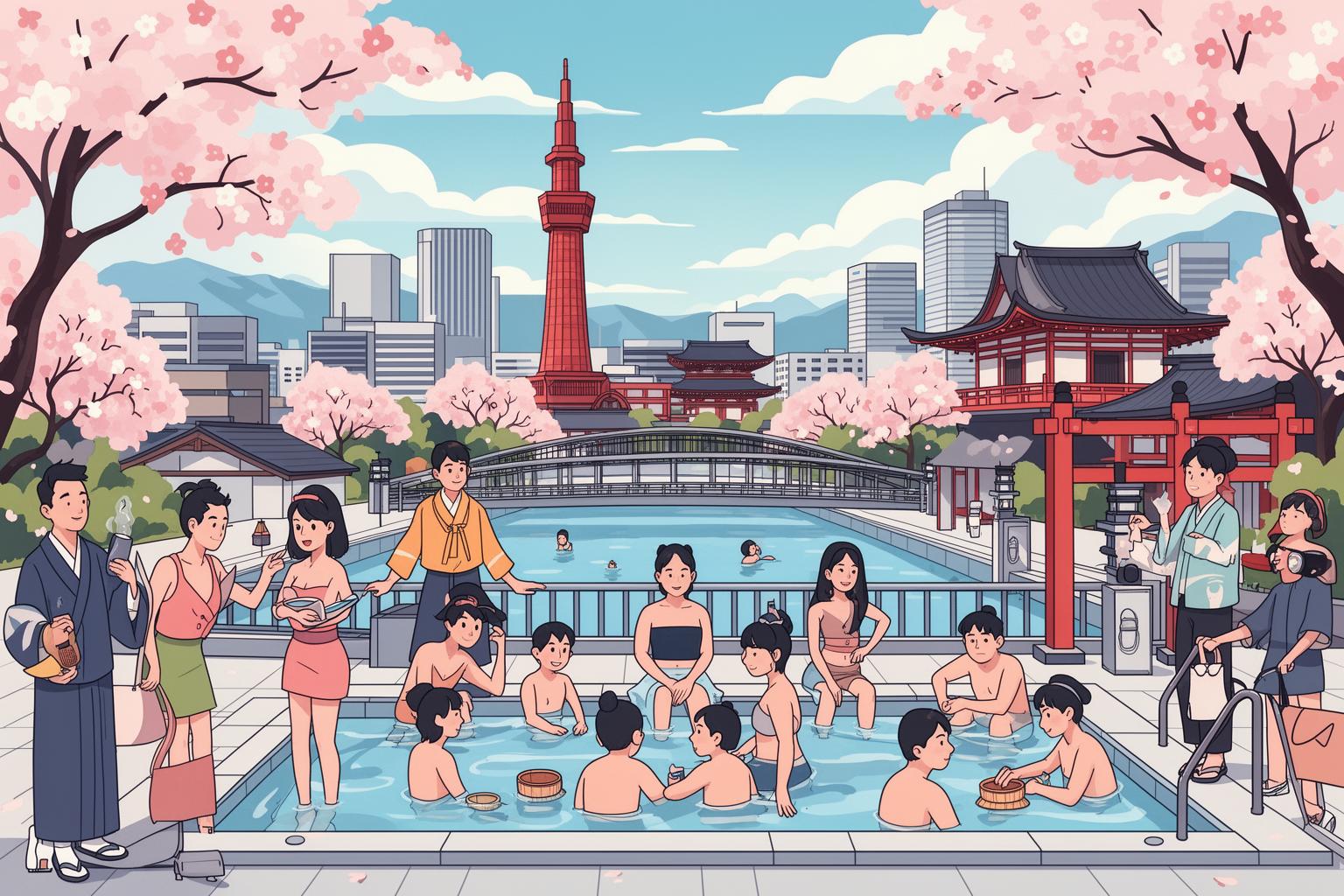
The true magic of the sento doesn’t reveal itself through a single visit, but emerges when it becomes a habitual part of your routine. It’s about turning it from a novelty into a personal ritual.
From After-Work Decompression to Weekend Tradition
Picture finishing a long day at work, packed tightly on a Midosuji Line train. Rather than heading straight home to the blue glow of your screens, you make a detour to your local sento. For the price of a cup of coffee, you can soak away the physical and mental stress of the day, leaving refreshed, relaxed, and ready for a calm evening. It can become a weekend marker, a Sunday night ritual to wipe the slate clean and prepare for the upcoming week. It serves as a powerful wellness tool, a type of active meditation that encourages you to disconnect from your phone and reconnect with your own body.
“Hadaka no Tsukiai”: The Great Equalizer
There’s a Japanese concept called ‘hadaka no tsukiai,’ which roughly means ‘naked communion’ or ‘naked friendship.’ It reflects the unique social dynamic of the sento. When everyone sheds their clothes, they also shed social status, uniforms, and professional titles. The company president and the construction worker stand as equals in the bath. This fosters a remarkably open and egalitarian atmosphere. While you shouldn’t expect lengthy, deep conversations with strangers, small friendly interactions are common—a nod, a shared sigh of relief as you enter the hot water, a brief comment about the weather. These tiny moments of connection with neighbors—people you might see at the supermarket or train station—build a subtle yet powerful sense of community. It’s in the sento that you truly feel woven into the local neighborhood fabric.
Finding Your Neighborhood Gem
Osaka is scattered with hundreds of sento, each with its own distinct character. The best way to find one is simply to stroll your neighborhood and look out for the ゆ symbol. You might discover a charming, old-school sento tucked away in the covered arcades of a shotengai, like the one in Tenma, its wooden facade rich with history. Or you might come across a modern, renovated ‘designer’ sento in a trendy area like Horie, featuring minimalist design and contemporary art. Then there are ‘super sento’—larger, resort-style complexes often offering restaurants, massage services, and a variety of baths, including outdoor rotenburo. Part of the pleasure lies in exploring different sento until you find the one that truly feels like yours—your ‘行きつけ’ (ikitsuke), or regular haunt.
The Aprés-Bath Glow: The Experience Beyond the Water
The sento experience doesn’t conclude once you towel off. The moments immediately after the bath are a treasured part of the ritual. After thoroughly drying off in the changing room and getting dressed, you’ll likely notice a wonderful, deep warmth known in Japanese as ‘pokapoka.’ Your skin tingles, your mind feels calm, and your body is light and relaxed. This is the perfect time to linger. Most sento feature a small lobby or rest area, often equipped with a television (usually showing a baseball game or a variety show), some well-used sofas or massage chairs, and most importantly, vending machines stocked with cold beverages.
Enjoying a post-bath drink is almost essential. The classic options include ice-cold milk in glass bottles—plain, coffee-flavored, or fruit-flavored. There is something uniquely satisfying about downing a cold, sweet drink after being warmed to your core. For many, a refreshing beer is the ultimate treat. Sitting in the lobby, sipping your drink, and embracing the ‘pokapoka’ sensation is the final stage of the sento experience. It’s a moment of simple, pure delight—a gentle transition back into the outside world.
A Warm Invitation
In a fast-paced city like Osaka, the sento serves as a haven of calm. It embodies the idea that some of the deepest pleasures are simple, communal, and rooted in tradition. It offers an opportunity to pause, care for yourself, and engage in a cultural practice that is both intimate and openly shared. Overcoming any initial discomfort about the customs or nudity is the first step toward experiencing one of the most enriching aspects of life in Japan. So look for the ゆ sign in your neighborhood. Bring a small towel, a few coins, and take the plunge. In the warm, inviting waters of the Osaka sento, you’ll discover more than just a place to cleanse. You’ll find a space to connect, to heal, and a bit of what it truly means to call this city home.