
Welcome to Osaka, the city that lives by the sacred creed of kuidaore—to eat until you drop. As you settle into your new life here, you’ll quickly discover the holy trinity of Osakan cuisine: the savory explosions of takoyaki, the theatrical sizzle of okonomiyaki, and the satisfying crunch of kushikatsu. These are the city’s global ambassadors, the flavors that draw millions. But what about the food that fuels the city’s soul? What do Osakans crave on a biting winter’s night, or after a long week when only the deepest, most restorative comfort will do? Step away from the neon glow of Dotonbori’s main stage and venture into the heart of local flavor. Here, you’ll find a dish that’s less of a tourist attraction and more of a warm, whispered secret: Kasu Udon. This isn’t just another noodle soup. It’s a culinary story steeped in the working-class history of South Osaka, a testament to the region’s resourcefulness and its unapologetic love for bold, powerful umami. It’s a bowl of pure, unadulterated comfort, and for those who make Osaka their home, discovering Kasu Udon is like receiving a secret handshake—a delicious initiation into the city’s true gastronomic culture.
After savoring this local secret, you might find yourself planning a longer stay to explore more of the region’s offerings, especially with the booming Kansai luxury hotel scene making it easier to find upscale accommodations.
What Exactly is Kasu Udon? The Soul of South Osaka Cuisine

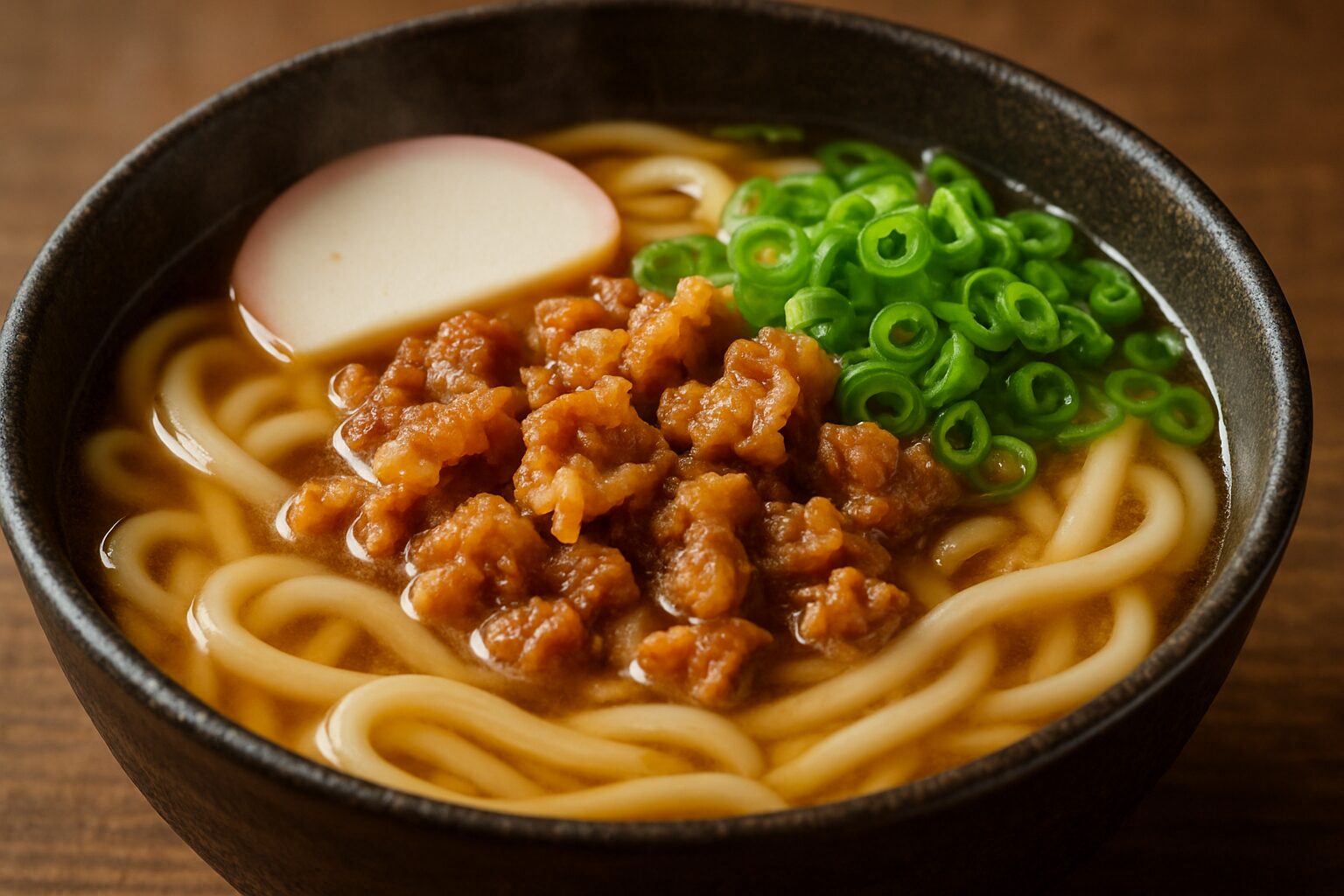
At first glance, Kasu Udon might seem deceptively simple. It consists of udon noodles in a clear, golden broth, topped with a sprinkle of chopped green onions. But lean in closer. Breathe in the steam rising from the bowl. It carries an aroma more profound and complex than typical udon—a savory, slightly sweet, beefy scent that hints at something truly exceptional beneath the surface. This magic, this transformative ingredient, is the abura kasu, the undisputed star of the dish and the secret to its deep flavor.
Deconstructing the Bowl: A Harmony of Flavors
To truly appreciate Kasu Udon, you need to understand how each element works together in perfect, heartwarming harmony. It’s a masterclass in how one extraordinary ingredient can elevate a simple dish into something unforgettable.
The Broth: A Dashi Reimagined
The foundation of any great udon is its dashi, or broth. In Osaka, this is typically a delicate, refined creation made from high-quality kombu (kelp) and katsuobushi (bonito flakes). It’s a broth known for its clean flavor and subtle oceanic umami. In a standard bowl of udon, this dashi serves as a refined backdrop for the noodles and toppings. But in Kasu Udon, this elegant base becomes the stage for a dramatic transformation. Once the abura kasu is added, it immediately begins to work its magic. The crispy pieces slowly rehydrate, releasing their concentrated essence into the soup. The clear, pale-golden dashi deepens in color, taking on a richer, amber tone. The flavor profile shifts from light and subtle to layered and robust. A profound, beefy richness, a hint of sweetness, and a wave of concentrated umami flood the broth, giving it an intensely satisfying depth and body. It’s a transformation you taste in every spoonful, a perfect union of Kansai’s refined dashi tradition and the hearty heart of its southern neighborhoods.
The Noodles: Osaka’s Soft Embrace
While some regions of Japan, like Kagawa Prefecture with its famous Sanuki Udon, favor noodles with a firm, chewy bite (koshi), Osaka has traditionally preferred a softer, more tender noodle. These noodles are gentle and yielding, designed to soak up the flavorful broth they swim in. This texture is ideal for Kasu Udon. The soft, plump noodles act like a sponge, absorbing the rich, kasu-infused dashi, ensuring that each slurp delivers the full, complex flavor of the dish. They provide a comforting, substantial base without overshadowing the main attraction. They don’t resist the broth; they surrender to it, becoming the perfect medium to carry that incredible, savory essence from bowl to palate. The experience is less about chewiness and more about the seamless fusion of noodle and soup—a comforting harmony that warms you from within.
The Star of the Dish: Abura Kasu
Now, let’s explore the heart and soul of the dish: abura kasu. The name itself can be somewhat confusing. Abura means oil or fat, and kasu can translate to dregs or lees, like the remnants of sake production (sakekasu). But here, kasu doesn’t imply a worthless leftover. Rather, it refers to a concentrated essence of flavor, a culinary treasure born from resourcefulness. Abura kasu is made from beef small intestines (horumon). These are carefully cleaned and then slow-fried at a low temperature over an extended time. This process renders out excess fat, dehydrating the intestines and transforming them into small, crispy, golden-brown nuggets. What remains is not greasy but light, crunchy morsels packed with an incredible concentration of beefy flavor and collagen.
When first encountered in the bowl, they float on top, offering a delightful textural contrast with initial crispiness. But as they sit in the hot broth, they undergo a second transformation. They soften and plump, rehydrating into juicy, gelatinous bites bursting with savory goodness. The flavor is unlike any other—deeply beefy, slightly sweet, and richly umami. It’s the kind of flavor that seems like it’s been simmering for hours, yet it infuses the bowl within minutes. This ingredient epitomizes the mottainai (no waste) philosophy deeply embedded in Japanese culture, turning a humble cut of meat into a luxurious, flavor-packed delicacy. For those curious about its health benefits, abura kasu is rich in collagen, often praised for its positive impact on skin health—an indulgent reason to enjoy this hearty meal.
The Essential Toppings
While the kasu is the star, the supporting toppings play a vital role in creating a balanced, harmonious bowl. The most important is a generous sprinkle of finely chopped green onions (negi). Their sharp, fresh, slightly pungent flavor cuts through the richness of the broth, providing brightness and preventing the dish from feeling too heavy. Another popular topping is tororo kombu, thinly shaved kelp that softens and becomes slimy in the broth. It adds an additional layer of oceanic umami and a unique, slippery texture many find irresistible. For a richer experience, some add a raw egg (tsukimi), stirred into the hot broth to create silky, creamy ribbons that thicken the soup and add a velvety mouthfeel. Variations like Niku Kasu Udon include tender slices of simmered beef for a double dose of meaty flavor, or tempura toppings for extra crunch. Each addition customizes the bowl to your taste, but the classic pairing of kasu and green onions remains the quintessential experience.
A Taste of History: The Gritty, Glorious Origins of Kasu Udon
Kasu Udon is not a dish born in a high-end kitchen. Its origins are deeply rooted in the industrial and agricultural heartland of Osaka. To truly grasp its essence, one must journey—if only in spirit—to the Minamikawachi region in southeastern Osaka Prefecture, particularly to cities like Habikino, Matsubara, and Fujiidera. This area has a rich and long-standing connection to the meat industry.
From Minamikawachi with Love
For generations, Minamikawachi has been a hub for butchery and meat processing in the Kansai region. Resourcefulness in this trade was essential. The practice of using every part of the animal wasn’t a passing trend but a way of life and an economic necessity. This is where abura kasu originated. Butchers and meatworkers found that slow-frying beef intestines created a product that was not only tasty but also shelf-stable. This clever method preserved a perishable offal cut while intensifying its flavor into something exceptional. At first, abura kasu was a highly localized ingredient, cherished only by the community that made it. It became a mainstay in home cooking and modest eateries serving the local workforce. Kasu Udon became the ideal dish for this ingredient—affordable, hearty, and richly flavorful, providing the necessary calories and warmth for a demanding day’s work. It remains working-class soul food in its purest form—unassuming, genuine, and deeply satisfying.
The Rise to Local Stardom
For many years, Kasu Udon was one of Osaka’s best-kept secrets, a culinary gem tucked away in the southern suburbs. To experience it, you had to make a deliberate trip to its birthplace. But in the 1990s, that began to change. A few visionary restaurants recognized the potential of this remarkable dish and set out to share it with a broader audience. The most prominent among them is the KASUYA chain, founded in Fujiidera. By producing a standardized, high-quality version of Kasu Udon and opening locations in more central parts of Osaka, KASUYA played a key role in its popularization. They introduced the flavor to a new generation of Osakans with no ties to the Minamikawachi area. Gradually, this humble southern dish began appearing in busy districts like Namba and Umeda. Despite its growing popularity, Kasu Udon has maintained its authentic, local character. It hasn’t been commercialized to the extent of takoyaki or okonomiyaki. Discovering and enjoying Kasu Udon still feels like belonging to an exclusive club. For foreign residents, seeking out a great bowl of Kasu Udon offers a way to connect with a deeper, more genuine layer of Osaka’s food culture, well beyond the usual tourist spots. It’s a taste of the real Osaka—a city built on hard work, ingenuity, and a passionate love for good food.
The Kasu Udon Experience: How to Order and Savor Like a Local
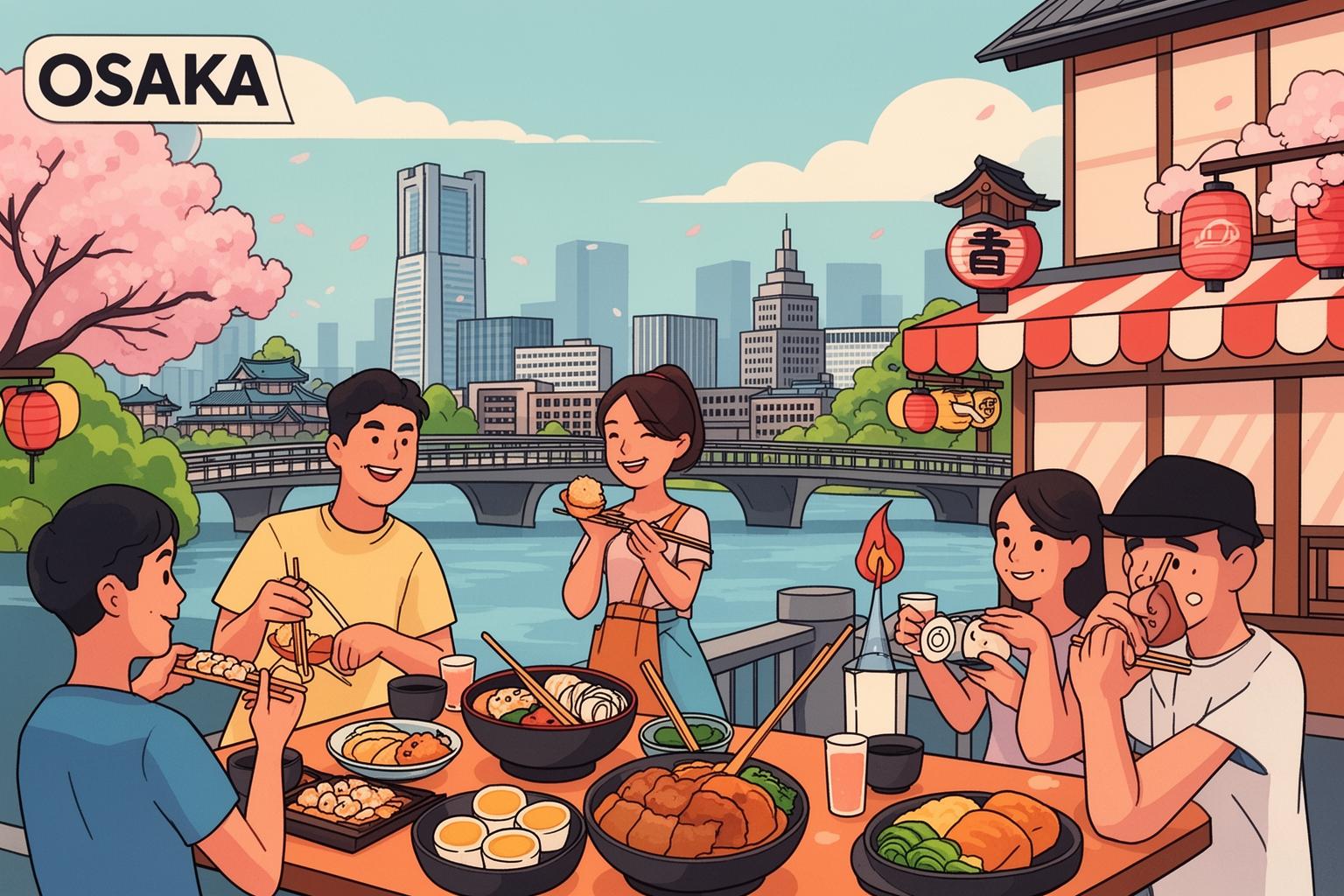
Entering a Kasu Udon shop for the first time is a full sensory experience. You’re instantly met with a cloud of savory steam that fogs your glasses and carries the rich, beefy scent of the kasu-infused dashi. The atmosphere is often lively and unpretentious, a chorus of slurping noodles, cheerful greetings from the staff, and the quiet contentment of hungry diners. This isn’t a place for quiet reflection; it’s a place for joyful, wholehearted eating.
Finding Your Ideal Bowl
Kasu Udon establishments vary widely, each offering a slightly different experience. You might find yourself in a traditional tachigui (standing-only) shop tucked beneath a railway arch, where salarymen stop for a quick, restorative meal on their way home. These spots are fast, efficient, and offer a glimpse into the city’s everyday life. Alternatively, you might visit a more modern sit-down restaurant, such as a chain like KASUYA, which provides added comfort and a wider menu—perfect for beginners. Many are small, family-run businesses, featuring just a counter and a few tables, where the owner has been simmering the same dashi recipe for decades. The decor tends to be simple and functional, with the focus squarely on the food. The vibe is warm and communal, making you feel like you’ve discovered a beloved neighborhood secret.
Navigating the Menu
Ordering is usually straightforward. Many shops, especially chains and those in busy areas, use a kenbaiki ticket machine—a common feature in casual Japanese eateries. You’ll find a panel of buttons, often with pictures and prices. Insert your cash, make your selection, and the machine dispenses a ticket (or multiple tickets if you order side dishes) to give to the staff. If no machine is available, you simply order from a menu at the counter or your table.
Here’s a quick guide to what you might see:
- かすうどん (Kasu Udon): The classic, original, and standard. This simple bowl includes udon, broth, kasu, and green onions.
- 肉かすうどん (Niku Kasu Udon): A popular upgrade with thinly sliced simmered beef added to the kasu. It’s a meat lover’s delight—rich and savory.
- カレーかすうどん (Kare Kasu Udon): A flavor powerhouse that combines the kasu udon base with thick Japanese-style curry. Spicy, savory, and complex, it’s perfect for a cold day.
- 月見かすうどん (Tsukimi Kasu Udon): “Tsukimi” means “moon-viewing,” and this variety features a raw egg cracked on top, its yolk resembling a full moon. Stir it in for a creamier, richer broth.
- スタミナうどん (Sutamina Udon): The “stamina” bowl—this energizing version often includes ingredients like kimchi, garlic, or a spicy paste.
Many places also allow customization. You might request extra kasu (highly recommended once you’re hooked), larger portions of noodles (oomori), or additional toppings like tempura. Don’t hesitate to ask!
The Art of Eating
When your steaming bowl arrives, take a moment. This isn’t a race—it’s an experience.
- First, the Aroma: Lean over the bowl and inhale deeply. Let the complex, savory, and slightly sweet aroma prepare your palate.
- Taste the Broth: Before mixing, use your spoon (renge) to sip the broth. Notice the clean dashi flavor—this is your foundation.
- Experience the Kasu: Pick up a piece of abura kasu with your chopsticks. If it’s still floating, it may be crispy; if it’s sunk, it will be plump and juicy. Savor its unique texture and burst of flavor.
- Mix and Mingle: Gently stir the kasu and green onions into the broth. Take another sip. Can you detect the difference? The broth becomes richer, deeper, and more complex. The alchemy is complete.
- Slurp with Gusto: In Japan, slurping noodles is not rude; it signals enjoyment. It also cools the hot noodles and aerates the broth, enhancing the flavor. So, slurp away!
- Drink the Soup: The broth is the heart of Kasu Udon. It’s perfectly acceptable, and encouraged, to lift the bowl and drink every last drop—this is the ultimate compliment to the chef. Many order a small bowl of rice (gohan) on the side to add to the remaining broth, creating a delicious porridge-like dish called ojiya.
Where to Find the Best Kasu Udon in Osaka: A Curated Guide
While uncovering a hidden gem on your own is part of the adventure, having a few reliable starting points is essential. Here are some of the most celebrated and accessible spots to begin your Kasu Udon journey.
The Pioneers and Legends
KASUYA (かすや)
If there’s one name synonymous with popularizing Kasu Udon, it’s KASUYA. Founded in Fujiidera, the birthplace of the dish, this chain has single-handedly introduced the flavors of Minamikawachi to the rest of Osaka and beyond. Their success lies in their consistency and accessibility. The broth is perfectly balanced—rich and savory from the kasu, yet with a clean dashi base that still shines through. It’s an impeccable introduction for any first-timer. With numerous branches spread across the city, including prime locations in Namba, Umeda, Shinsaibashi, and near major train stations, you’re never far from a KASUYA. Many of their outlets are open 24 hours, making them a godsend for late-night cravings after a night out or for shift workers seeking a hearty meal at unusual hours. The atmosphere is consistently clean, bright, and welcoming, and their ticket machine system is user-friendly, even if your Japanese is limited. For a reliable, delicious, and convenient entry into the world of Kasu Udon, KASUYA is the undisputed king.
Ryutei (龍亭) in Habikino
For the dedicated food explorer eager to make a pilgrimage to the source, Ryutei is a must-visit. Located in Habikino, deep in the heart of Minamikawachi, this legendary establishment is often cited as one of the original purveyors of Kasu Udon. This is not a slick, modern operation. Ryutei is an old-school, no-frills shop that exudes history and authenticity. The focus here is entirely on the food, prepared with the care and tradition passed down through generations. Their Kasu Udon is said to have a deeper, more rustic, and more potent flavor than many of the newer-style shops. It’s a powerful, unadulterated taste of the dish’s origins. Getting here requires a bit of a journey from central Osaka, but for those wanting to experience the true, unfiltered soul of Kasu Udon, the trip is an essential part of the experience. It’s a taste of history in a bowl.
Tachikui Kasuya (立喰いうどん・そば かすや) near Nagai Station
For an authentic, salt-of-the-earth experience, head to the standing-only Kasuya near JR Nagai Station (note: this is a separate establishment from the larger KASUYA chain). This tiny shop embodies the spirit of B-kyu guruume (B-grade gourmet)—unpretentious, affordable, and incredibly delicious food for the masses. You’ll be rubbing shoulders with locals from all walks of life, all there for one reason: a quick, satisfying bowl of udon. The pace is fast, the space is tight, and the flavor is immense. Their Kasu Udon is robust and flavorful, the perfect fuel before a soccer match at nearby Yanmar Stadium Nagai or after a walk through Nagai Park. This is the kind of place where you can feel the true pulse of the city. It’s a raw, authentic, and deeply rewarding culinary experience that connects you directly to the working-class roots of the dish.
Central Osaka Hotspots
Kasu Udon Yamamoto (加寿屋 山本) in Shinsaibashi
Conveniently located in the bustling heart of Osaka’s premier shopping and entertainment district, Yamamoto offers a fantastic Kasu Udon experience without needing to venture into the suburbs. This makes it an ideal spot for a comforting meal after a day of shopping or before a night out in Namba. The restaurant is modern and comfortable, catering to a diverse crowd of shoppers, tourists, and local workers. Their menu is extensive, offering not only the classic Kasu Udon but also a wide array of creative toppings and sides. The quality is excellent, with a rich and satisfying broth that holds its own against more traditional shops. Yamamoto proves you don’t have to sacrifice convenience for authenticity, delivering a top-tier bowl right in the city center.
Kasu-ya Dotonbori (かすうどん ぺちゃくちゃ かすや道頓堀店)
Located just a stone’s throw from the iconic Glico Running Man sign, this shop boasts a prime location for those exploring Osaka’s most famous street. While Dotonbori is crowded with food options, this Kasu-ya offers a genuine taste of local soul food amid the tourist traps. It’s a fantastic alternative when you’ve had your fill of takoyaki and want something more substantial and warming. The vibe is lively, fitting for its location, making it a great place to refuel during a long night exploring the neon-lit canals and vibrant nightlife. Their broth is deeply savory, serving as a wonderful, restorative meal that showcases a different side of Osaka’s culinary identity.
A Note on Finding Your Own Spot
While these recommendations are excellent starting points, the true joy of living in Osaka is the thrill of discovery. Kasu Udon is a dish of the people, with countless small, independent shops scattered throughout the city’s residential neighborhoods. Keep your eyes peeled for the characters 「かすうどん」 written on red lanterns (akachōchin) or shop curtains (noren). These are beacons of authentic, local flavor. Don’t be intimidated if a place looks a bit worn or lacks an English menu. Pointing and smiling go a long way. Some of the most memorable meals you’ll have in Osaka will be in these unassuming neighborhood joints, where you’ll find not only a great bowl of udon but also a warm welcome and a genuine slice of local life.
Beyond the Bowl: The Cultural Significance of Kasu Udon

To truly appreciate Kasu Udon, one must grasp its significance in the hearts of Osakans. It is much more than just a noodle soup; it serves as a cultural emblem, a beloved comfort food, and a representation of the city’s distinctive character.
The Ultimate Comfort Food
Kasu Udon feels like a warm embrace on a plate. It is the dish people seek out for comfort and renewal. On a chilly, rainy day, its rich, steaming broth offers instant warmth. After a strenuous day of work, its hearty, protein-rich composition restores depleted energy. It is also well-known as a shime no ippin—the final dish enjoyed after a night of drinking. When Osakans spend an evening out with friends or colleagues, a late-night bowl of Kasu Udon perfectly soothes the stomach and helps fend off the next day’s hangover. Its savory, collagen-packed broth is regarded as restorative, while its soothing warmth provides a satisfying conclusion to the day. The dish is deeply connected to moments of comfort, camaraderie, and straightforward enjoyment.
A Symbol of Osaka’s Spirit
If Osaka’s personality could be captured in a single dish, Kasu Udon would be a top contender. It embodies the city’s essential traits perfectly. It is humble and approachable, originating not from refined kitchens but from the working-class need for nourishment. It exemplifies the mottainai spirit through its resourcefulness, turning a simple ingredient into something remarkable. Its flavor is bold and unapologetic, favoring rich, satisfying taste over delicate presentation. This reflects the kuidaore culture, where the emphasis is on deliciousness and fulfillment rather than flawless appearance. Kasu Udon is a dish with heart, grit, and a powerful flavor punch—much like Osaka and its people.
Kasu Udon in Modern Osaka
Although deeply rooted in tradition, Kasu Udon is not confined to the past. It continues to be a dynamic and evolving part of Osaka’s food scene. As its popularity has risen, chefs and restaurateurs have begun experimenting with new twists. You might come across Kasu Udon topped with cheese, featuring tomato-based broths, or combined with international flavors. This evolution keeps the dish fresh and exciting for new generations of diners. It has successfully transitioned from a local secret to a widely recognized specialty, all while preserving the core identity that makes it so cherished. It is a striking example of how culinary heritage can honor its origins while embracing innovation.
Practical Tips for Your Kasu Udon Adventure
Ready to dive in? Here are a few final tips to ensure your first Kasu Udon experience is smooth and enjoyable.
- Best Time to Go: Kasu Udon is a year-round favorite, but it’s especially delightful during the cooler months of autumn and winter, when its warming qualities are most appreciated. It’s also a popular late-night dish, so don’t be surprised to find shops bustling after 10 PM.
- Expect a Crowd: The top shops are popular for a reason. You may find a short line, especially during busy lunch or dinner times. The turnover tends to be quick, so the wait is usually brief. Many smaller establishments offer counter seating only and can be quite cozy, so prepare for a communal dining atmosphere.
- Cash is King: While larger chains might accept credit cards or electronic payments, many smaller, older shops operate on a cash-only basis. Having some yen on hand is always a good idea, particularly if you’re using a ticket machine.
- Language Barrier?: Don’t let limited Japanese skills hold you back. Staff at these local eateries are accustomed to serving diverse customers and are generally very friendly. Simply saying “Kasu Udon, kudasai” (“Kasu Udon, please”) will get you the classic bowl. Pointing to pictures on the menu or ticket machine works perfectly as well. A sincere “Oishii!” (“Delicious!”) or “Gochisousama deshita” (“Thank you for the meal”) when you leave will be warmly appreciated.
- Price Point: One of the best things about Kasu Udon is how affordable it is. A typical bowl usually costs between 600 and 900 yen, making it one of the best value meals you can find in the city.
Your Culinary Journey Awaits
As you settle into life in Osaka, you’ll start creating a personal map of your favorite spots—the best coffee shop, the friendliest local bar, and the park with the most stunning view. Equally important is your culinary map. While the dazzling flavors of Dotonbori’s bright lights captivate you, the true taste of home often lies in the simpler, heartier dishes treasured by locals. Kasu Udon is one such dish. Seeking it out means more than sampling a new food; it’s a deeper step into the culture of your new city. It’s a journey into South Osaka’s history, a taste of the city’s resilient spirit, and an embrace of its philosophy of honest, delicious, soul-satisfying food. So on the next chilly evening, venture away from the familiar, find a small shop with a glowing red lantern outside, and order a steaming bowl of Kasu Udon. In that rich, savory broth, you’ll discover not just noodles and meat, but a warm, delicious welcome to the very heart of Osaka.








