There’s a rhythm to Osaka that you won’t find in any guidebook. It’s not in the neon glow of Dotonbori or the historic grandeur of Osaka Castle. It’s a softer, more intimate pulse, one that echoes in the quiet backstreets and residential neighborhoods. You can feel it most profoundly in the steam-filled rooms of a local Sento, the traditional Japanese public bathhouse. Step through a simple `noren` curtain, and you’re not just entering a place to wash away the grime of the day; you’re stepping into the heart of a community, a living, breathing cultural institution that offers a warmth that goes far beyond the water in its tubs. For anyone truly wanting to understand the fabric of local life in this dynamic city, the Sento is an essential, soul-soothing pilgrimage. It’s where conversations flow as freely as the hot water, where generations connect, and where the frantic energy of the city melts away into a state of pure, unadulterated relaxation. It’s an unfiltered glimpse into the everyday, a chance to participate in a ritual that has been the cornerstone of Japanese neighborhoods for centuries. Forget the tourist trails for an evening; the real Osaka, in all its unpretentious glory, is waiting for you in the gentle steam and tiled halls of its neighborhood bathhouses.
To fully immerse yourself in this community ritual, understanding the proper Sento etiquette is the key to a respectful and authentic experience.
The Soul of the Neighborhood: What Exactly is a Sento?

Before you take your first dip, it’s useful to understand the landscape. In Japan, you’ll frequently come across two terms: Sento and Onsen. While both involve blissful soaking, they are fundamentally distinct. An Onsen is a natural hot spring, with water geothermally heated and rich in minerals drawn from deep beneath the earth. A Sento, by contrast, is a public bathhouse that typically uses heated tap water. The name itself, composed of the characters for “coin” (銭) and “hot water” (湯), reflects its humble origins as an affordable, accessible place for washing.
Historically, Sento were essential. After World War II, as cities were rebuilt, many homes were constructed without private bathing facilities. The neighborhood Sento became the communal bathroom, an important part of daily life. But it was always more than that. It served as the original social network: a place to catch up on local news, for parents to share advice, and for friends to relax together. While most homes in Osaka now have their own baths, the Sento has endured, transforming from a necessity into a beloved cultural pastime—a place people visit not just out of need, but because they want to.
As you explore Osaka’s residential neighborhoods, watch for their distinctive architecture. Many traditional Sento feature a grand, temple-like entrance crowned with an impressive `karahafu` gabled roof, proudly declaring their status as a palace for the people. Look for the `noren` curtain hanging at the entrance, often decorated with the elegant calligraphy of `yu` (ゆ or 湯), the character for hot water. This curtain serves as your gateway. Traditionally, you’ll find two separate entrances, one marked for men (男) and one for women (女), often with blue and red curtains, respectively. Passing through it feels like a genuine transition from the public world outside to the intimate, communal sanctuary within.
Your First Dip: A Step-by-Step Guide to Sento Etiquette
For first-timers, the idea of visiting a public bath can feel somewhat intimidating. The rules, the nudity, and the unfamiliar routine—it’s a lot to absorb. However, the truth is that Sento etiquette is straightforward, intuitive, and founded on one core principle: mutual respect and cleanliness. Follow these steps, and you’ll be soaking like a local in no time, with all your anxieties washing away along with the soap.
The Entrance & The Getabako
Your journey starts as soon as you arrive. The first thing you do is take off your shoes in the entrance area called the `genkan`. You’ll notice rows of small lockers known as `getabako`. Find an empty one, slip your shoes inside, and take the wooden key, or `kagi`. This key often has a large wooden block attached to make it hard to lose. Keep it somewhere safe, like in your bag or pocket for now. This simple step is the first ritual, symbolizing the shedding of the outside world.
The Bandai and Your Sento Set
Next, you’ll head to the reception area. In traditional Sento, this might be a raised platform called a `bandai`, where an attendant sits with a view of both the men’s and women’s changing rooms. In more modern places, it’s just a standard front desk. Here, you’ll pay the entrance fee, which is usually quite affordable, around 500 yen. If you’re unprepared, this is your opportunity to get what you need. Most Sento sell or rent essentials like a small wash towel, a larger bath towel for drying off, soap, and single-use shampoo and conditioner packets. Many locals bring their own `sento set` in a small basket or waterproof bag—a sign of an experienced bather.
The Changing Room: Datsuijo
After paying, you proceed to your assigned changing room, or `datsuijo`. Inside, you’ll find lockers or, in very traditional places, simple wicker baskets (`kago`) on shelves. Find a free spot and this is when the moment of truth comes: you get completely undressed. For many Western visitors, this can be the biggest challenge. But it’s important to know there is absolutely no judgment here. Nudity in a Sento is entirely non-sexual and matter-of-fact. Everyone is there for the same reason—to cleanse and relax. People of all ages, shapes, and sizes are present. The best approach is to be confident, as if it’s the most natural thing in the world—because in this context, it is. Place your clothes and large towel in the locker or basket, taking only your small wash towel and toiletries with you into the bathing area.
The Kakeyu Ritual: The Golden Rule
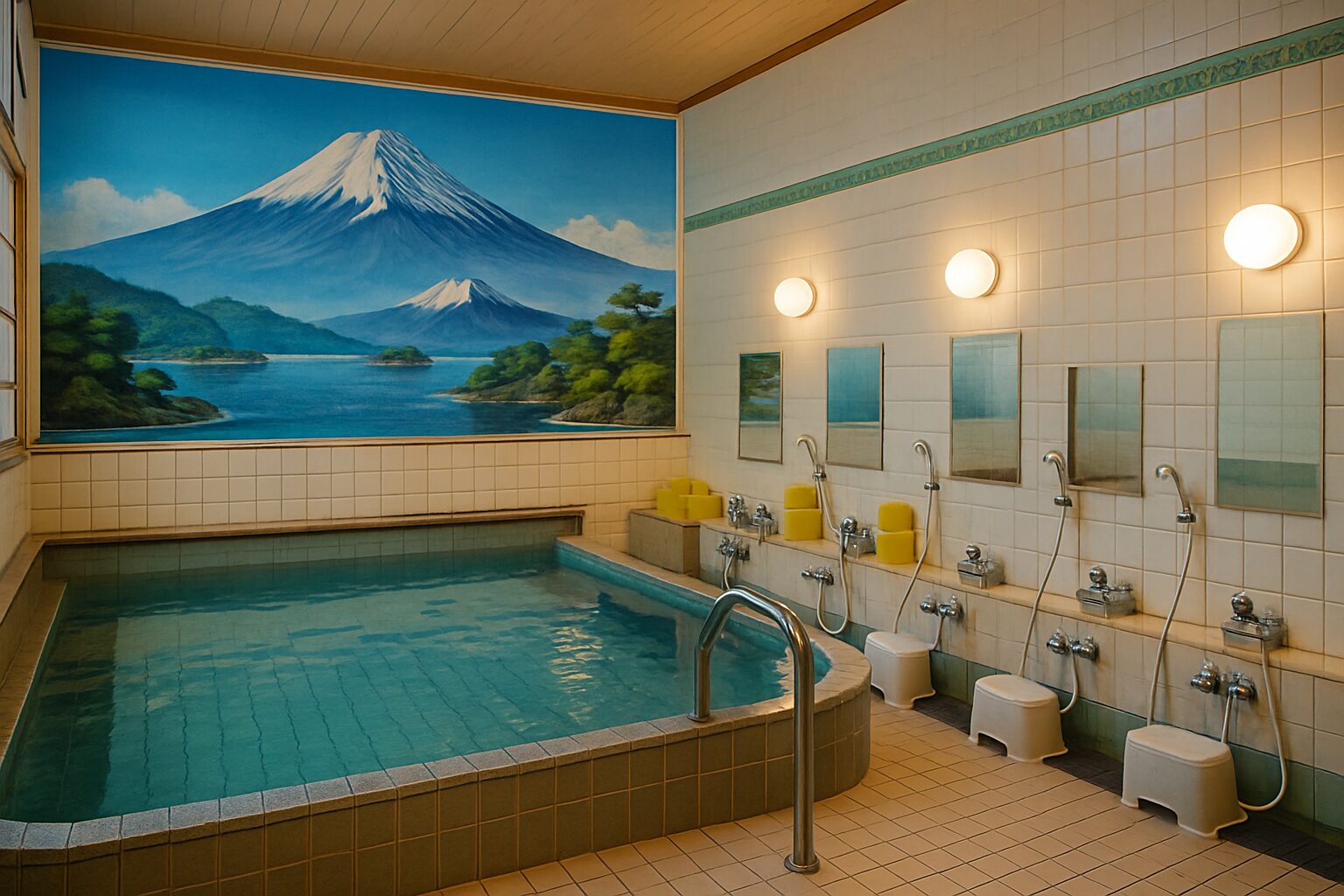
Now, with your small towel in hand, enter the main bathing area, the `yokujo`. The warm, steamy air surrounds you, filled with the sound of splashing water and quiet conversation. Before stepping into one of those inviting tubs, you must follow the single most important rule of the Sento: wash yourself thoroughly first. Near the bathing area’s entrance, you’ll see several large basins of warm water used for `kakeyu`. Take one of the provided scoops and pour water over your body, starting at your feet and working upwards. This serves two purposes: it removes surface dirt from your body before entering the shared baths and helps your body adjust to the bath water’s temperature.
After the `kakeyu`, move to a washing station, which includes a low stool, a faucet with hot and cold taps, and a handheld shower head. Sit on the stool—standing while showering is considered rude as it might splash others. Use your soap and shampoo to scrub yourself thoroughly. Wash every part of your body. Rinse completely, ensuring no suds remain on your skin or on the stool and floor around you. Only then, clean as a whistle, are you ready to enjoy the main event.
Soaking It All In: The Art of Bathing
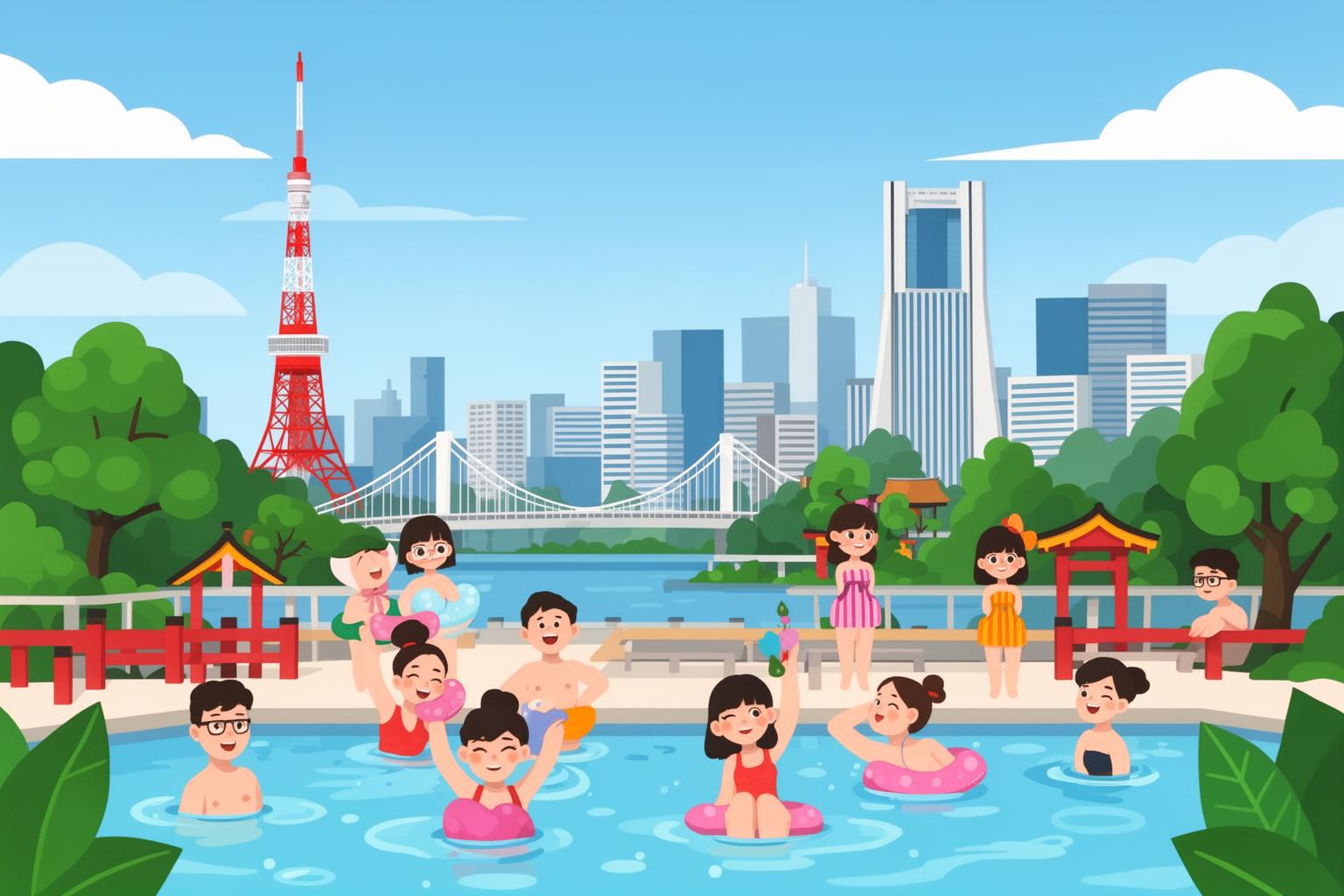
With the pre-bath rituals completed, the true joy of the Sento begins. The bathing area is a watery wonderland, featuring various tubs, or `yubune`, each designed for a different experience. This is your space for relaxation, and the key is to explore and discover what suits you best.
Exploring the Tubs
The main tub is typically quite hot, usually between 42-44 degrees Celsius (107-111 Fahrenheit). Enter slowly—don’t plunge in. Allow your body time to adjust. You might notice regulars who tolerate the heat for long periods, but for your first visit, a few minutes is enough. The aim is to warm your body deeply.
Besides the main bath, you’ll often find an assortment of others. There may be a `nuruyu` (lukewarm bath), ideal for longer soaks and peaceful reflection. Many Sento also include a jet bath, or `jetto basu`, featuring powerful underwater jets that provide a wonderful massage for sore muscles or tired legs. A unique and stimulating option is the `denki-buro`, or electric bath. This tub delivers low-level electric currents between two plates at opposite ends. Sitting between them, you’ll feel a tingling buzz that stimulates your muscles. It can be quite a surprise at first and isn’t suitable for everyone (especially those with heart issues), but it’s a classic Sento experience worth trying if you’re up for an adventure. Just proceed carefully!
You might also come across a `kusuri-yu`, or medicinal bath. This tub contains water infused with various herbs, minerals, or seasonal ingredients. Depending on the day, you could be soaking in the fragrant scent of lavender, the citrusy aroma of yuzu (a winter favorite), or the calming effects of mugwort. These baths not only relax but are also believed to offer health benefits. To finish the cycle, there’s the `mizuburo`, the cold plunge pool. The sharp contrast between the hot tubs and the icy chill of the `mizuburo` is invigorating. It shocks the system in a refreshing way, tightens the skin, boosts circulation, and leaves you feeling clear-headed and energized.
The Social Atmosphere and Your Small Towel
The Sento is a communal space, but there’s no obligation to interact. A simple nod or a quiet `konnichiwa` (hello) to someone you make eye contact with is perfectly polite. You might see regulars engaged in conversation, but it’s also completely fine to keep to yourself and enjoy the calm. This embodies `hadaka no tsukiai`, or “naked communion”—a feeling of shared vulnerability and equality that dissolves social barriers. Without clothing and status symbols, everyone is simply a fellow bather.
And what about that small towel you brought along? It serves multiple purposes. You can use it to gently scrub your body while washing. When moving between baths, it can be held modestly in front of you. Many people fold it and place it on their heads while soaking; this helps keep them cool and conveniently keeps the towel out of the water. Which brings us to an important rule: your small towel should never, ever be submerged in the bath water. It’s considered unclean. Always leave it on the side of the tub or on your head.
Beyond the Bath: The Sento’s Other Charms
The Sento experience continues well beyond leaving the water. The post-bath ritual holds equal importance and is deeply rooted in the culture. This is the moment to cool down, rehydrate, and fully absorb the profound sense of relaxation.
The Post-Bath Ritual
After your final soak, rinse your body quickly at the washing stations. Before returning to the `datsuijo`, use your small towel to wring out as much water from your body as possible. It’s considered polite to be mostly dry upon entering the changing room to avoid leaving puddles on the floor. Then, you can finally use your large, fluffy bath towel to dry off completely.
The changing room often serves as a lounge. Take your time—there’s no need to rush. You’ll notice locals relaxing in front of a television, often tuned to a baseball game or a variety show. You might come across old-fashioned, coin-operated massage chairs that will work your muscles for a hundred yen. There’s frequently a vintage, medical-grade weighing scale, a relic from when these were uncommon in private homes. This space invites lingering. Feel the cool breeze from an old electric fan during summer and simply savor the slow, peaceful atmosphere.
The Ultimate Refreshment
No Sento visit is truly complete without a post-bath drink—it’s a cherished tradition. Head to the vending machines or coolers in the changing room or lobby, where you’ll find the holy trinity of Sento beverages. The classic favorite is `Furuutsu Gyunyu` (fruit milk), a sweet, nostalgic drink reminiscent of childhood. Close behind is `Kohi Gyunyu` (coffee milk), equally sweet and comforting. And, of course, for many, nothing compares to an ice-cold bottle of beer. Arguably, there’s no better-tasting beer than the one enjoyed after a long, hot soak in a Sento. The ritual is to place one hand on your hip and chug. It’s pure, unfiltered bliss.
Finding Your Perfect Osaka Sento

Osaka is filled with Sento of various shapes and sizes, ranging from historic establishments serving their communities for over a century to modern, expansive complexes. The type you select will influence your experience.
The Classic Neighborhood Gem
For the most authentic experience, look for a small Sento hidden within a `shotengai` (a traditional covered shopping arcade) or a quiet residential street. These spots are the heart of their communities. The facilities may be somewhat dated but are impeccably clean and rich in character. You might encounter a stunning mural of Mount Fuji painted above the tubs—a tradition that remains even here in Osaka, far from the iconic mountain itself. The tilework can be exquisite, showcasing intricate patterns and beautiful `majolica tiles`. In these places, you’ll be sharing the bath almost exclusively with locals, offering a genuine slice of life. Locations like Nishikino-yu in Shinsekai or some of the tucked-away baths near Tenjinbashisuji Shopping Street offer this timeless charm.
The Super Sento Experience
If the intimacy of a small, local bath feels daunting, a “Super Sento” makes an excellent introduction. These large, modern, resort-style facilities provide a wide array of amenities. Think of them as water-themed parks designed for relaxation. Beyond numerous indoor baths, they almost always include a `rotenburo`, or open-air bath, where you can soak under the open sky. They also offer multiple types of saunas, restaurants, massage services, and relaxation rooms with reclining chairs and manga libraries. Naniwa no Yu in the Tenjinbashi area is a prime example, situated on the top floor of a building with stunning views. Although more commercial and attracting a diverse crowd, they offer a comfortable and highly enjoyable way to experience Japanese bathing culture.
Practical Tips for the Sento Seeker
A bit of preparation can make your first Sento visit entirely smooth and stress-free. Keep these final tips in mind.
The Tattoo Issue
This is a common concern for many international visitors. Historically, tattoos in Japan have been linked to the yakuza, or organized crime, which led many bathing facilities to ban them in order to maintain a comfortable environment for all guests. Today, the situation is more complex, especially in a welcoming city like Osaka. Many smaller, neighborhood Sento are quite forgiving and don’t mind small, discreet tattoos. However, larger chains and Super Sento tend to be stricter. The safest approach is to check in advance. Look for signs at the entrance (a tattoo pictogram with a red circle and slash is a clear “no”). If you’re unsure and don’t speak Japanese, try using a translation app to inquire with the staff, or choose a facility known to be tattoo-friendly. Some bathhouses explicitly mention on their websites that they welcome guests with tattoos. As a last option, waterproof tattoo cover stickers, available at many drugstores, can be a helpful solution.
Timing is Key
You can visit a Sento nearly any time during their hours, but the atmosphere varies. Late afternoon is often when the neighborhood’s elderly residents visit, offering a very local and authentic feel. Early evening, from 6 pm to 9 pm, is peak time, busy with commuters heading home and families with children. For a quieter, more reflective soak, later in the evening—an hour or two before closing—is usually your best choice.
The Sento as a Cultural Time Capsule
Visiting a Sento means doing more than just bathing; it is entering a living museum of Japanese culture, especially that of the Showa Era (1926–1989). The architectural details, tile art, Fuji-san murals, the clatter of wooden shoe lockers, and the design of milk bottles—all these elements carry a tangible history and nostalgia. It is a sensory journey through time. In today’s world of digital connection and social isolation, the Sento remains a powerful symbol of the value of real, physical community. It is one of the rare places where people of all ages gather and interact simply and openly. You might see a grandfather teaching his grandson how to wash correctly or neighbors sharing gossip while soaking side by side. It stands as a stronghold of communal spirit amid an increasingly individualistic society. This is especially evident in Osaka, a city known for its warm, straightforward, and unpretentious people. The Sento perfectly reflects the city’s character: communal, honest, and deeply comforting.
Unfortunately, the number of Sento across Japan is decreasing as more homes adopt modern baths. Yet, a new generation of owners and enthusiasts is dedicated to preserving these cultural gems, renovating old bathhouses with contemporary design elements and promoting them as unique cultural experiences. By visiting a Sento, you not only enjoy an extraordinary experience but also help sustain this cherished tradition.
When you finally step back onto the street, your body will feel warm to the core, your skin alive with tingling sensation, and your mind blissfully clear. You’ll feel renewed, refreshed, and perhaps more attuned to the city’s gentle, rhythmic flow. So go ahead—find a `noren` curtain in a quiet neighborhood, take a deep breath, and step inside. The warm water and the even warmer welcome of Osaka’s Sento culture await you.