The digital tether of the modern remote worker promises freedom, a liberation from the cubicle and the clock. We can work from anywhere, a mantra that echoes with boundless possibility. Yet, the reality often becomes a search not just for a reliable Wi-Fi signal, but for a place that nourishes the soul as much as it facilitates our work. We trade the sterile office for a sterile coffee shop, the monotonous commute for a monotonous view from a home office window. The question then becomes, where can we find a true synthesis? A place where productivity and peace, ambition and ancient wisdom, concrete cityscapes and serene green spaces not only coexist but actively enrich one another. For those of us who have chosen Osaka as our base, the answer resonates from the southern heart of the city: Tennoji. To the uninitiated, Tennoji might just be a sprawling train station, a frantic junction of steel and hurried footsteps. But to live and work here is to discover a neighborhood that holds the entire spectrum of Osaka’s identity within its bounds. It’s a place where you can begin your workday with a meditative stroll through the grounds of Japan’s oldest Buddhist temple and end it with a panoramic view from its tallest skyscraper. It is a living, breathing testament to the idea that work-life balance isn’t about a perfect 50/50 split, but about weaving the threads of our professional and personal lives into a single, vibrant tapestry. This is a guide for the digital nomad, the remote professional, the urban explorer who seeks to do more than just work in Osaka, but to truly live in rhythm with its powerful, multifaceted heartbeat. This is Tennoji, your new office, your new sanctuary, your new source of endless inspiration.
To further explore how Tennoji’s unique character compares to other major hubs in the region, consider the fascinating contrast between Tennoji and Kyoto Station.
The Green Lungs of the City: Finding Your Workspace in Nature

For any remote worker, the environment is crucial. The four walls of a home office can quickly feel like a cage, suffocating creativity and motivation. The brilliance of Tennoji lies in its effortless blend of expansive, accessible green spaces with the dense urban landscape. This goes beyond merely having a park nearby; it’s about a vibrant and multifaceted natural environment that acts as an extension of your workspace, a place to take breaks, and a continual source of renewal. The moment you step out of the controlled chaos of Tennoji Station and head toward the park, the entire sensory experience transforms. The clatter of trains fades away, replaced by the rustle of leaves and the distant laughter of children. The air feels fresher and lighter. Your shoulders relax, and your pace slows. This is the decompression space every modern professional needs, and in Tennoji, it’s right on your doorstep.
Tennoji Park: Beyond a Simple Green Space
Calling Tennoji Park just a park dramatically understates its essence. It’s an expansive ecosystem of experiences, a collection of carefully curated environments tailored to different moods and necessities. It understands the pulse of urban life, offering both vibrant social spaces and secluded areas of deep tranquility. Established over a century ago, it has grown alongside the city, reflecting Osaka’s transformation from a traditional merchant town to a futuristic metropolis. The park’s real value for remote workers lies in its diversity. It’s not a universal green zone; it’s a versatile toolkit for shaping a better workday, supplying exactly the environment you need when you need it most.
Tenshiba: The Urban Lawn Tailored for Digital Nomads
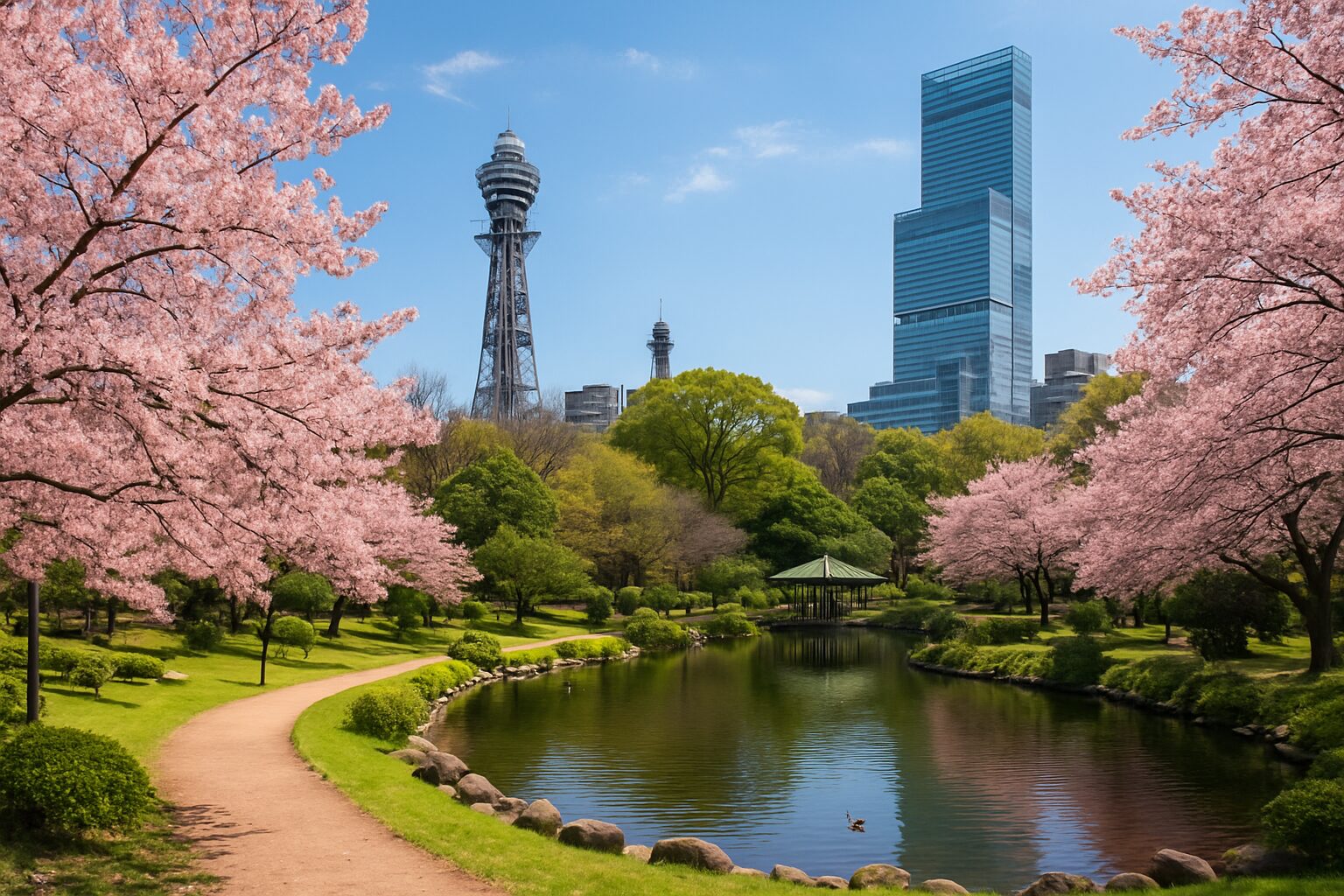
The first area you’ll likely come across is Tenshiba, and it immediately dispels any ideas of a conventional Japanese park. This is a vast, open, immaculately maintained lawn, evoking more the vibe of parks in New York or London. Its name combines Tennoji and shiba (the Japanese word for lawn), underscoring its purpose: to be used and enjoyed. Here, “Keep Off the Grass” signs are non-existent. Instead, visitors are encouraged to spread a blanket, kick off their shoes, and make the space their own. For remote workers, this outdoor lawn is an exceptional office alternative. On sunny afternoons, it is dotted with people doing just that—laptops open, headphones on, fueled by portable batteries and personal hotspots. The atmosphere balances focused energy with relaxed leisure. The view is dominated by the soaring, graceful silhouette of Abeno Harukas, a constant symbol of the city’s ambition; however, from the comfort of the grass, its presence feels grounding, not overbearing. Surrounding Tenshiba is a selection of stylish cafés and restaurants, many featuring outdoor terraces. This creates a perfect synergy—work on the lawn for an hour, then head to a café for coffee and recharging your devices before returning to your sunny spot. Weekday mornings offer the best environment to work here, with sparse crowds and only the gentle hum of city life and bird song as background. Afternoons are livelier, filled with families playing and friends gathering, making for an inspiring and creative backdrop during less concentration-intensive tasks. It’s a space that invites a flexible, fluid workday approach, showing that productivity doesn’t need to be confined to a desk.
Keitakuen Garden: A Meiji-Era Haven for Mindful Pauses
Just steps from the open stretch of Tenshiba lies a gateway to a completely different world: Keitakuen Garden. Entering its gates is like stepping back in time. This traditional Japanese stroll garden, gifted by the affluent Sumitomo clan in the 1920s, is a masterpiece of landscape architecture and a powerful counterbalance to the digital exhaustion facing modern workers. The contrast with Tenshiba is striking and deliberate. While Tenshiba is open and sociable, Keitakuen is enclosed, intimate, and deeply reflective. Designed in the chisen-kaiyu-shiki style, the garden centers around a large pond with a path that winds its way around, revealing carefully crafted scenes at every turn. Every stone, lantern, and pruned black pine has been placed with artistic care and intention. The gentle sound of a small waterfall drowns out residual city noise, and the pond’s reflective surface mirrors the sky and artfully arranged foliage, creating a sense of boundless space and profound calm. This isn’t a place to work on your laptop—it’s a place to close it. It offers a genuine mental reset. A twenty-minute, device-free stroll along its winding paths can be far more refreshing than an hour spent scrolling social media. The garden encourages mindfulness, inviting you to notice subtle details: the moss texture on a stone lantern, the flash of colorful koi beneath the water, the way light filters through maple leaves. For a remote worker stuck in a creative rut or stressed by deadlines, Keitakuen provides a fresh perspective, reminding you of patience, careful composition, and finding beauty in quiet simplicity. The garden serves as a living canvas that changes dramatically with the seasons—cherry blossoms in spring, lush greens in summer, fiery maples in autumn, and serene, stark elegance in winter. Incorporating regular visits to Keitakuen into your routine is a deeply beneficial investment in mental health and, in turn, professional productivity.
Tennoji Zoo: A Wild Escape
Next to the park sits another cherished Tennoji landmark, the Tennoji Zoo. While a zoo might not seem like a typical element of work-life balance, its presence adds a unique and enriching dimension. Established in 1915, it is one of Japan’s oldest and most historic zoos, carrying special nostalgia for many Osakans. For remote workers, the zoo functions as an ideal destination for a longer break or a way to wind down after the workday. Closing your laptop and transitioning to a stroll among elephants, polar bears, and red pandas is an unexpectedly effective way to disconnect from work-related tension. The zoo has been undergoing significant renovations to create more natural habitats, emphasizing conservation and education. The zoo’s sounds—the roar of lions, the chatter of monkeys—blend into the distinctive Tennoji soundscape, adding a wild, primal layer to the urban rhythm. It’s a reminder that even in the heart of a major city, a connection to a wild, ancient world remains. A brief visit can spark wonder and inspiration, tapping into the childlike curiosity that often gets lost in adult professional life. This escape demands no travel or planning—just a short walk from your urban “office.”
Cultural Immersion: Weaving History into Your Daily Routine
One of the greatest benefits of living in a city as ancient as Osaka is the ability to physically connect with history every day. For remote workers, this closeness to the past provides a deep sense of context and grounding. Our digital work often feels fleeting and detached, existing solely on screens and servers. Yet Tennoji is anchored by spiritual and historical landmarks that have endured for centuries, offering a compelling counterpoint to the fast-paced, transient nature of modern life. Incorporating these sites into your daily routine—not as tourist attractions to check off, but as living parts of your neighborhood—can significantly enrich your experience and offer a continual source of perspective.
Shitennoji Temple: Japan’s Oldest Buddhist Sanctuary
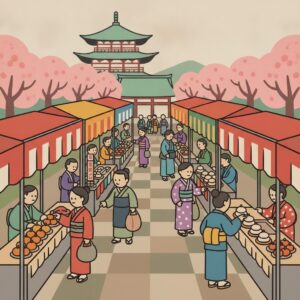
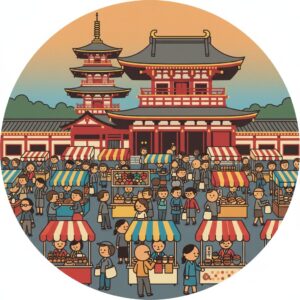
To truly understand Tennoji, you must start with Shitennoji. This is more than just a temple; it is the spiritual birthplace of Japanese Buddhism. Founded in 593 AD by Prince Shotoku, a respected figure instrumental in establishing Buddhism as a state religion, Shitennoji is officially Japan’s first state-built Buddhist temple. Its historical importance is vast, and that weight of history is tangible the moment you step onto its grounds. Passing through the grand stone torii gate—an architectural element typically associated with Shinto shrines, making it especially unique here—is like crossing into a different era. The temple complex is extensive, a city within a city, with its layout, known as the Shitennoji-style Garan, holding particular significance. The main buildings—the Chumon (Middle Gate), the Goju-no-To (five-story pagoda), the Kondo (Main Hall), and the Kodo (Lecture Hall)—are aligned in a straight line from south to north, showcasing a symmetrical and powerful style influenced by early continental designs. Although the structures have been destroyed by fire and war multiple times throughout history, they have always been carefully rebuilt to preserve their original 6th-century form. For remote workers, Shitennoji offers a mental sanctuary. Imagine beginning your day not by scrolling through emails, but with a pre-work walk around these ancient grounds. The early morning air is cool and still, carrying the subtle, soothing scent of burning incense. You may hear the deep, resonant chants of monks in the Main Hall, a sound vibrating with centuries of devotion. Walking around the pagoda, admiring its five graceful tiers, offers a moment of awe and clarity before the day’s demands take over. The temple grounds also serve as a community hub. On the 21st and 22nd of each month, a massive flea market bursts to life here. Hundreds of stalls offer everything from antique ceramics and vintage kimono to street food and handmade crafts. This lively, chaotic, and joyful event provides a perfect break from routine, a chance to dive into local culture, hunt for treasures, and feel the vibrant pulse of a community anchored by the temple for over 1,400 years.
Isshinji Temple: A Testament to Faith and Modernity
Just a short walk from the ancient solemnity of Shitennoji is Isshinji Temple, offering a distinct yet equally powerful spiritual experience. Isshinji is renowned for a unique and deeply moving practice: the creation of Okotsubutsu, or “bone Buddhas.” Since the late 19th century, the temple has accepted the ashes of deceased devotees from across Japan. Every decade, these ashes are combined with resin and sculpted into a new statue of the Amida Buddha. This tradition provides a final resting place for countless souls and forms a tangible, communal focus for remembrance and prayer. Standing in the hall before these statues—each embodying hundreds of thousands of lives—is humbling and deeply contemplative. It serves as a vivid reminder of continuity, community, and the cycle of life and death—a meaningful counterbalance to the often-isolating nature of remote work. What makes Isshinji even more striking is its bold embrace of modern architecture. The main gate, rebuilt in 1997, was designed by the temple’s head priest, who was also a respected architect. It is a breathtaking, sculptural structure of steel and concrete, adorned with celestial maidens and intricate patterns, resembling more a gateway to a futuristic gallery than a traditional temple. This daring blend of ancient faith and contemporary design perfectly symbolizes Tennoji itself, illustrating that tradition is not fixed but a living, evolving force. For remote workers seeking inspiration, Isshinji teaches a lesson in fearless innovation, showing that it’s possible to honor the past while boldly shaping the future. A visit here offers a quiet moment to reflect on your own work and life, encouraging you to consider how to blend timeless values with modern tools and opportunities.
The Urban Pulse: Fueling Creativity and Connectivity
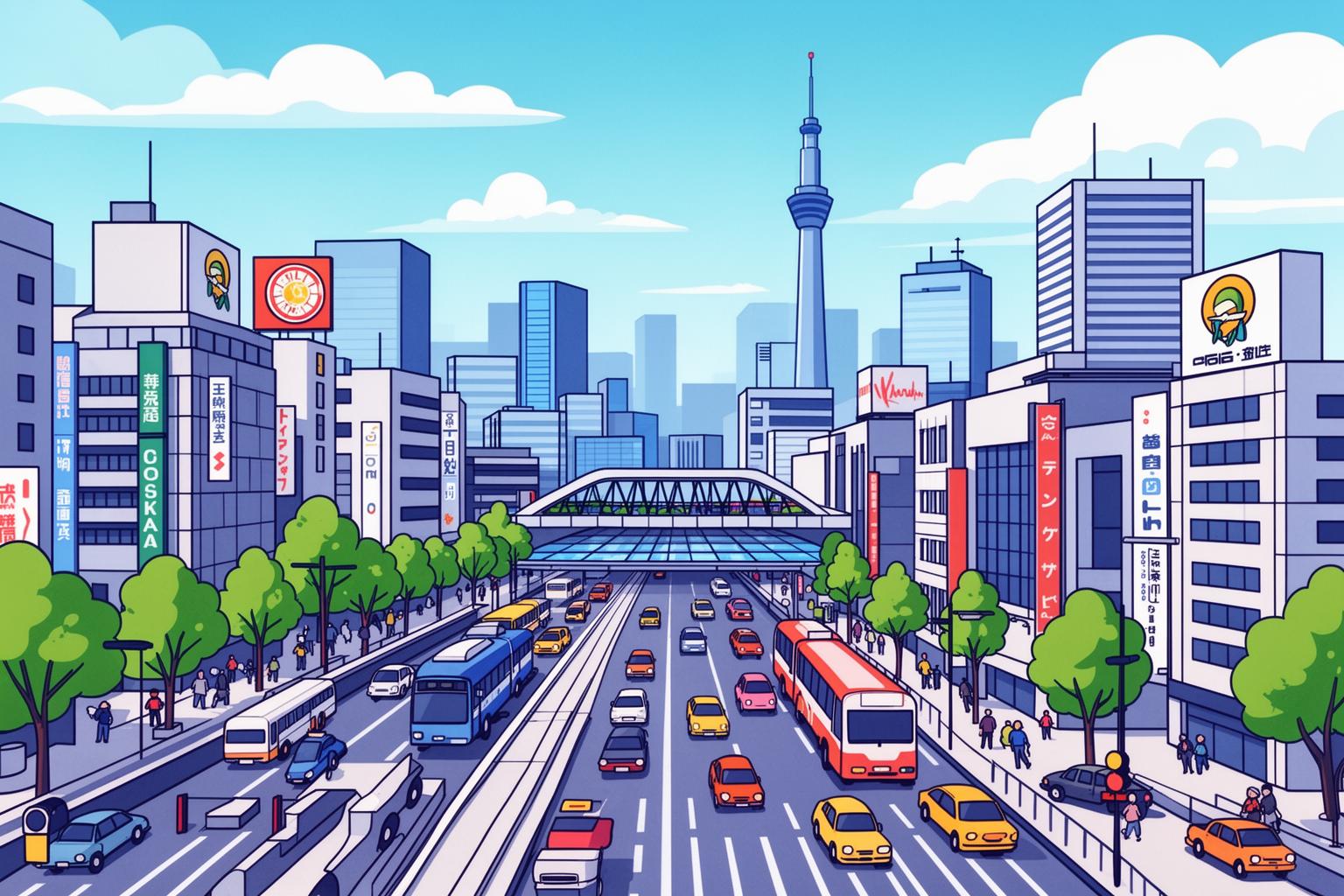
While Tennoji’s green spaces and historic landmarks provide its soul and foundation, its modern urban core acts as the driving force. Achieving a successful work-life balance means having not only tranquil places for reflection but also vibrant centers of energy, convenience, and social connection. Tennoji stands out as a commercial and transportation hub, offering everything a remote worker needs to remain productive, inspired, and engaged with the city’s lively atmosphere. Here you’ll find the best coffee, the fastest Wi-Fi, the most convenient shopping, and the most stunning views. This bustling, dynamic heart perfectly complements the area’s peaceful spirit.
Abeno Harukas: Reaching for the Sky
Towering over southern Osaka, Abeno Harukas is more than just a skyscraper; it represents a vertical city and a symbol of Osaka’s progressive ambition. At 300 meters, it is Japan’s tallest building, its presence resonating throughout Tennoji. For the remote worker, Harukas serves multiple purposes. Its base houses the Kintetsu Department Store, one of Japan’s largest and most impressive. The basement food halls, or depachika, are a culinary paradise, featuring a wide variety of premium bento boxes, fresh salads, artisanal breads, and exquisite sweets. It’s an ideal spot to gather supplies for an al fresco lunch in Tennoji Park, turning a simple picnic into a gourmet affair. On the 16th floor, the Abeno Harukas Art Museum hosts rotating world-class exhibitions. A brief visit during lunch can provide a burst of creative inspiration, introducing new ideas and aesthetics that subtly influence your own work. Yet the real highlight is the Harukas 300 Observatory, occupying the top three floors (58 to 60). The swift, quiet ascent in the high-speed elevator builds excitement, and when the doors open on the 60th floor, you’re met with a breathtaking, floor-to-ceiling 360-degree panorama of the entire Kansai region. Osaka expands beneath you like an intricate circuit board, extending to the mountains of Kobe and Nara and the glittering waters of Osaka Bay. This vantage point offers both a literal and metaphorical perspective. When overwhelmed by a complex project or stuck in details, visiting here can be a powerful mental reset. Seeing the vast cityscape and your small place within it helps dissolve problems and clarify priorities. The 58th floor features an open-air plaza and cafe, making it a spectacular though slightly distracting spot to answer emails while enjoying coffee among the clouds. Visiting at sunset, as the sky bursts with colors and city lights begin to twinkle, is an unforgettable experience marking the shift from workday to evening.
Q’s Mall and the Tennoji Mio Complex: Your Everyday Hub
If Abeno Harukas is the landmark, the neighboring shopping centers of Abeno Q’s Mall and Tennoji Mio serve as the hardworking engines that make remote work life in Tennoji not only feasible but exceptionally convenient. These expansive malls, directly connected to the station, form the practical core of the neighborhood. Here you can find everything necessary for both daily living and working. Major electronics retailers for tech emergencies, large bookstores with stationery sections, a broad range of clothing stores from major international brands to local boutiques, and, crucially for remote workers, numerous cafes. These complexes are a treasure trove of potential “third places” to work. Major chains like Starbucks offer reliable Wi-Fi and familiar settings for focused work, but the true gems are smaller, lesser-known cafes tucked away upstairs or in quieter corners. With a little exploration, you’ll discover spots with comfortable seating, accessible power outlets, and a calmer atmosphere than the busy ground-level locations. Tennoji Mio consists of two buildings—the Main Building and the Plaza Building—and is directly linked to JR Tennoji Station, while Q’s Mall is a more modern, open-air concept that also includes a large Ito-Yokado supermarket. This concentration of amenities allows seamless blending of work and life. You can power through a productive two-hour session in a cafe, then effortlessly head downstairs for weekly grocery shopping, pick up a new notebook, and grab a quick delicious dinner to take home—all without traveling far. This streamlining is a significant advantage, saving valuable time and mental energy that would otherwise be spent on errands and commuting.
Shinsekai and Tsutenkaku Tower: A Leap into Showa-Era Osaka
Just a ten-minute walk northwest of Tennoji Station lies Shinsekai, a neighborhood that feels like stepping into another era. Meaning “New World,” this pre-war area was inspired partly by Paris and New York and has since been lovingly preserved in time. It offers a gritty, vibrant, and wonderfully flamboyant counterpoint to the sleek modernity of Abeno Harukas. At its heart stands Tsutenkaku Tower, the beloved, slightly kitschy emblem of old Osaka. For remote workers, Shinsekai is the ideal spot to unwind after hours, a place to relax and dive into the city’s lively, unpretentious spirit. The atmosphere is a sensory feast. Streets are lined with giant three-dimensional signs advertising restaurants—massive fugu lanterns, crabs with moving claws, and stern-faced daruma dolls. The air is thick with the aroma of frying oil from numerous kushikatsu eateries. Kushikatsu, deep-fried skewers of meat, seafood, and vegetables, are the neighborhood’s signature dish, and enjoying them is a quintessential Osaka experience. Patrons gather around counters, dipping skewers into a communal pot of thin, sweet sauce, following the cardinal rule: “No double-dipping!” Paired with a cold beer, it’s the perfect straightforward meal to celebrate the end of a productive day. The streets also feature retro arcades and vintage shooting galleries. Statues of the Billiken—a quirky, grinning elf-like mascot said to bring good luck if you rub his feet—are scattered throughout. Shinsekai is loud, slightly chaotic, and incredibly fun. It’s the perfect place to shake off workday seriousness, observe people, and connect with the raw, joyful, deeply human energy that defines Osaka. It is the vital “life” element completing the “work” balance in Tennoji.
A Day in the Life: Crafting Your Perfect Tennoji Remote Work Routine
To truly understand Tennoji’s potential, it helps to envision how these diverse elements can be seamlessly woven into the fabric of a single day. The charm of the remote lifestyle here lies in its flexibility; no two days have to be the same. Here is one possible rhythm—a day that balances productivity, well-being, and cultural immersion.
The Morning Ritual (7:00 AM – 9:00 AM)
The alarm rings, but there’s no frantic rush or stressful commute ahead. Instead, you slip on your walking shoes. The first task isn’t to check your inbox, but to check in with yourself. A slow, intentional walk leads you to the grounds of Shitennoji Temple. Soft morning light filters through the ancient camphor trees. The air remains cool, carrying the subtle, woody scent of incense from the Main Hall. You pass the five-story pagoda, its silhouette striking against the pale blue sky. You are no tourist; you are a resident, and this is your neighborhood park—a place steeped in over a millennium of history. This quiet, mindful walk soothes your mind and centers your thoughts. On the return trip, you stop by a small, local kissaten (a traditional coffee shop) near the temple, run by an elderly couple who brew dark, strong coffee. You exchange a simple morning greeting—a small but meaningful human connection. By the time you sit down to work, you are not just awake, but grounded and present.
The First Work Block (9:00 AM – 12:00 PM)
This is your time for focused, deep work. Maybe you opt for your home office, free of distractions. Or, if you thrive with some background energy, you head to one of the quieter cafes on the upper floors of Tennoji Mio. You find a window seat, plug in your laptop, don your noise-canceling headphones, and dive into the day’s most demanding tasks. Being so close to the station hub means a dozen excellent options lie within a five-minute walk—each with its own unique vibe to suit your mood and to-do list.
The Recharge Lunch (12:00 PM – 1:30 PM)
As noon approaches, you firmly close your laptop. The sad desk lunch belongs to a previous life. Today, your destination is outdoors. A brisk walk takes you into Abeno Harukas, where you explore the dazzling underground food halls of the Kintetsu department store. You select a beautifully crafted seasonal bento box and a bottle of chilled green tea. With your meal secured, you cross the street to Tennoji Park and find an ideal spot on the expansive Tenshiba lawn. You kick off your shoes and feel the grass beneath your toes. As you eat, you watch families playing, friends chatting, and clouds drifting by, with the sleek Harukas tower standing sentinel. Afterward, craving a change of pace, you take a fifteen-minute stroll through the serene, winding paths of Keitakuen Garden nearby. You leave your phone untouched. You simply walk, breathe, and observe the light dancing on the pond’s surface. Returning to work, you feel not just refueled but mentally and spiritually recharged.
The Afternoon Sprint (1:30 PM – 5:00 PM)
The afternoon calls for a change in scenery to sustain creative energy. The weather is perfect, so you spend an hour working from a shaded bench in Tennoji Park, powered by your mobile hotspot. The gentle ambient noise is surprisingly conducive to creative thinking. Later, for a final push, you move to a bustling café in Q’s Mall, letting its vibrant energy carry you through the last tasks of the day. The variety of environments wards off the afternoon slump and keeps your mind sharp and engaged.
The Post-Work Wind-Down (5:00 PM onwards)
At five, you close your laptop. The shift is immediate. Your “commute” isn’t a packed train ride, but a deliberate choice on how to spend your evening. Tonight, you crave energy and excitement. A short walk takes you to the neon-lit streets of Shinsekai. The switch is instant. You find a lively, crowded kushikatsu joint, squeeze onto a stool at the counter, and order a cold beer with a platter of freshly fried skewers. You chat with the person next to you, laugh at the noisy spectacle around you, and soak in the unapologetically vibrant spirit of Osaka. The day that began in the serene silence of a 1,400-year-old temple ends in the joyous chaos of a Showa-era wonderland. This is the rhythm of Tennoji.
Practical Tips for the Tennoji Navigator
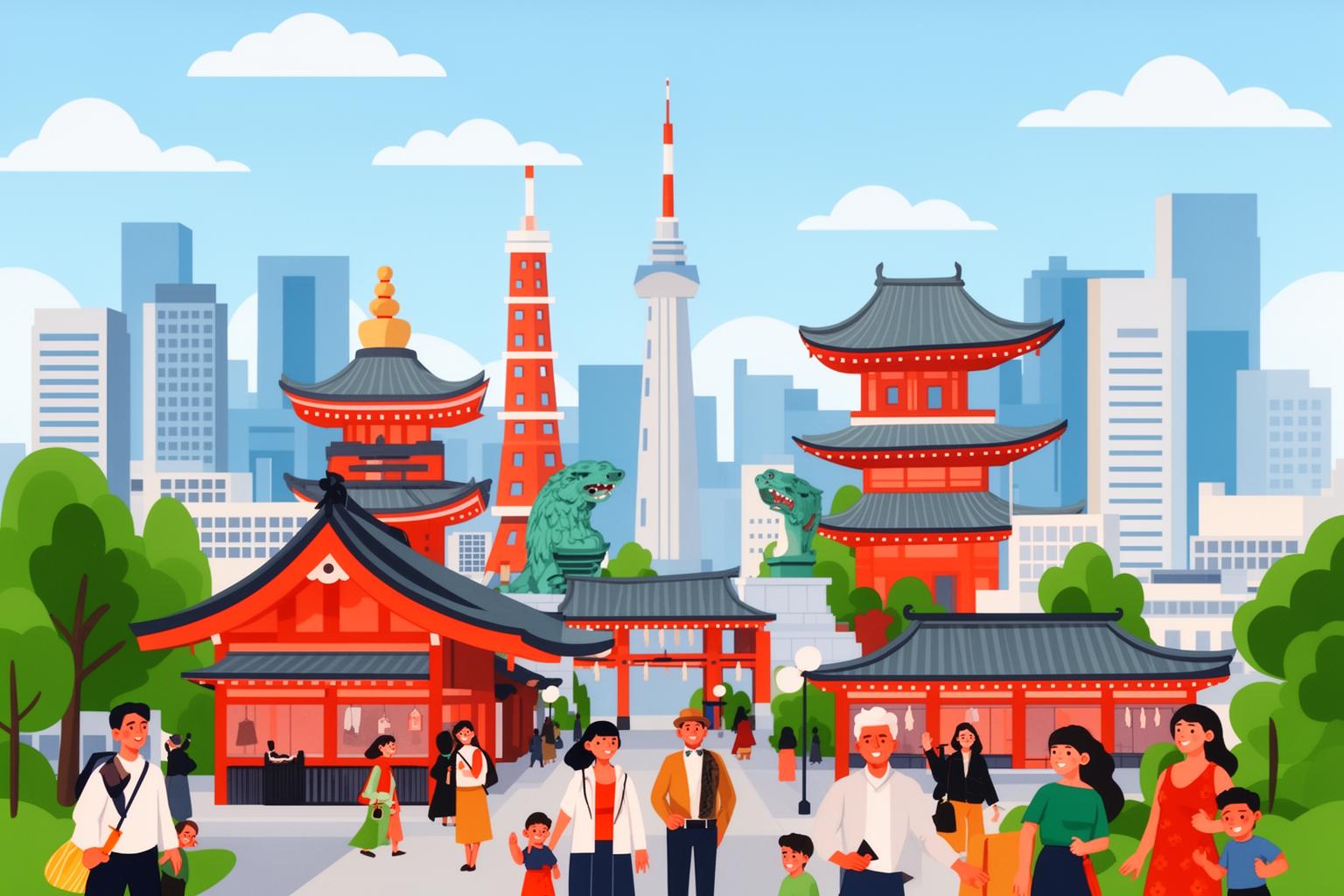
To fully embrace the Tennoji lifestyle, a few practical tips are helpful. This area is incredibly convenient, but knowing some local insights can make your experience even smoother and more enjoyable.
Getting Around
Tennoji’s greatest asset is its role as a major transportation hub. Tennoji Station connects several JR lines, including the vital Osaka Loop Line that circles the city center, and the Yamatoji Line, which provides direct access to Nara. It’s also a crucial stop on two key subway lines: the Midosuji Line (the city’s main north-south route, linking Umeda, Shinsaibashi, and Namba) and the Tanimachi Line. Additionally, the nearby Tennoji-Ekimae tram stop connects you to the charming Hankai Tramway, while Kintetsu Abenobashi Station (inside the Harukas building) serves as the terminus for lines heading south to Yoshino. This exceptional connectivity places the entire Kansai region within easy reach, ideal for weekend getaways or even midweek meetings in Kyoto or Kobe. For travel beyond Kansai, the Haruka Express offers a direct and speedy connection to Kansai International Airport (KIX).
Finding Your Nook
Although Tennoji boasts many cafes, not all are ideal for remote work. The secret is to explore beyond the usual spots. Avoid just the busy chain cafes on the ground floor and head instead to the upper levels of Mio, Q’s Mall, or the Harukas building itself. Cafes attached to bookstores typically offer a quieter, more studious environment. Window-side counter seating is often the best place to find sought-after power outlets. Don’t hesitate to use a personal Wi-Fi hotspot, as public networks can be unreliable during peak times. For those seeking a more formal workspace, several coworking spaces nearby offer day passes or monthly memberships, providing a professional and productive atmosphere.
Seasonal Rhythms
Living in Tennoji means enjoying the distinct beauty of Japan’s four seasons, each bringing its own unique charm to the neighborhood.
- Spring (March – May): Tennoji bursts into soft pinks and whites as cherry blossoms bloom in Tennoji Park and around Shitennoji Temple. The Tenshiba lawn becomes a popular spot for hanami (flower viewing) picnics. The atmosphere is filled with a sense of hope and renewal.
- Summer (June – August): The greens of Keitakuen Garden grow lush and vibrant. The heat and humidity can be intense, making air-conditioned malls and museums inviting retreats. Evenings brighten with beer gardens atop department store rooftops, offering cool breezes and scenic views.
- Autumn (October – November): This season is perhaps the most stunning. The crisp, clear air is perfect for long walks. Maple trees in Keitakuen Garden display breathtaking reds, oranges, and golds. The monthly flea market at Shitennoji feels especially festive, ideal for discovering unique seasonal crafts.
- Winter (December – February): The crowds thin out, and a serene quiet envelops the parks and temples. The stark beauty of bare trees against Shitennoji’s traditional architecture is striking. The area around the station and Abeno Harukas is illuminated with spectacular winter lights, creating a magical ambiance on cold nights and making cozy indoor cafes all the more inviting.
Work-life balance isn’t a final destination but a rhythm you build daily. It’s about consciously weaving together your personal and professional lives into a whole greater than its parts. Tennoji provides the perfect setting for this weaving, offering the strong, ancient threads of history and spirituality, the lively, colorful strands of urban culture, and the soft, natural fibers of its parks and gardens. Here, the lines between office, playground, sanctuary, and home can blur. A single walk can transport you from the 6th century to the 21st, from serene calm to bustling commerce. In Tennoji, the city itself becomes your partner in creating a richer, more integrated, and inspiring way of life. This neighborhood continually invites you to lift your gaze from the screen—to the elegant curve of a temple roof, the soaring height of a modern skyscraper, and the vast openness of the sky—and to remember that life is not just about work, but about truly living.