Step off the train from the electric hum of Namba, and you’ll feel it almost immediately. The air in southern Osaka changes. It carries a different rhythm, a scent of salt from the nearby bay, and a whisper of stories etched into old stone and weathered wood. This is Kishiwada, a city that dances to a beat all its own. For those of us living in the vibrant chaos of central Osaka, a weekend here isn’t just a trip; it’s a journey into a different facet of Japan’s soul. It’s a place where the fierce, thundering heart of a warrior festival coexists with the gentle lull of the coastal tide. Kishiwada is where you can trace the footsteps of samurai lords in the morning and savor the freshest catch from the sea by afternoon. It’s a city defined by its magnificent castle, its legendary Danjiri Matsuri, and a deep, abiding connection to the water that shapes its shores. This isn’t just another day trip; it’s an immersion into a community fiercely proud of its heritage yet warmly welcoming to those who wish to understand it. Prepare to peel back the layers of Osaka Prefecture and discover a world of raw energy, quiet beauty, and profound history, just a short ride away.
If you’re intrigued by the rich history of Osaka’s southern cities, consider extending your cultural exploration with a weekend trip to Sakai, known for its ancient tombs and legendary knife-making heritage.
The Stone Sentinel: Kishiwada Castle and Its Enduring Legacy

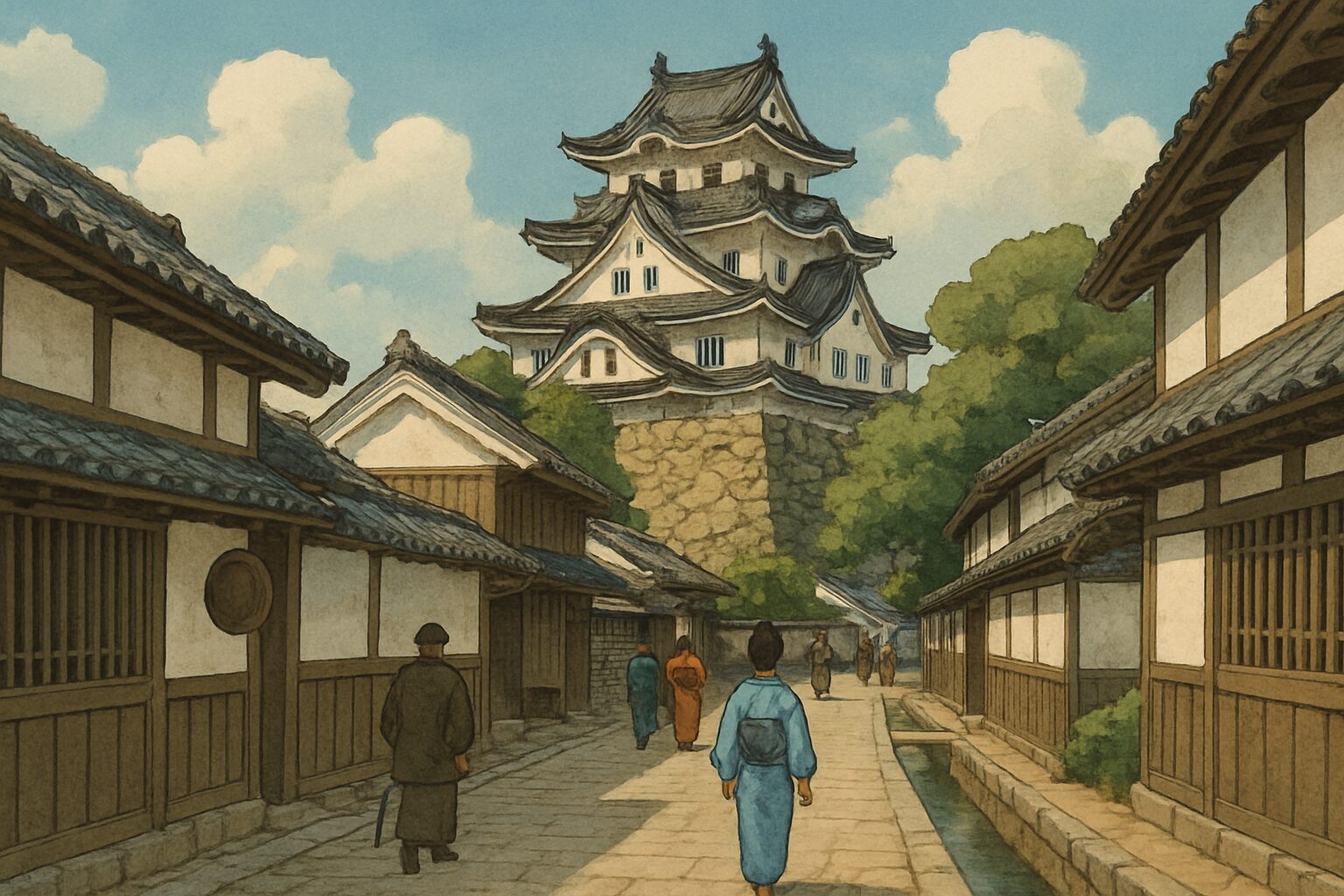
The first sight that welcomes you as you near the city’s core is the graceful outline of Kishiwada Castle. Reconstructed in 1954, the three-tiered tenshukaku, or main keep, stands proudly as a symbol of the city’s feudal heritage. Unlike the massive, tourist-packed Osaka Castle, Kishiwada provides a more personal and atmospheric experience of history. The castle’s origins date back to the 14th century, but it was under the Okabe clan’s stewardship during the Edo period that it truly thrived, becoming the political and military center of the Izumi region.
Crossing the moat and passing through the castle gates feels like stepping through a veil of time. The formidable stone walls, constructed with the uchikomi-hagi technique of fitting uncut stones together, quietly tell stories of sieges and samurai politics. These stones are uneven and rugged, organic and powerful, a tribute to the masons who crafted them and the centuries they have withstood. Inside the keep, the museum is carefully curated. It does not overwhelm with artifacts but instead presents a focused narrative about the Okabe lords, their governance, and the growth of the castle town, or jokamachi, that developed around these walls. Each ascending floor reveals more of this story, from samurai armor still shining with a fierce glow to delicate calligraphy and maps documenting the region’s evolution.
However, the true highlight is at the very top. The tenshukaku’s observation deck offers a stunning panoramic view that links Kishiwada’s past and present in one sweeping vista. To the east, the modern city stretches toward the green foothills of the Izumi Mountains. To the west, the vista opens onto the shimmering expanse of Osaka Bay, with the distant outline of Kansai International Airport serving as a reminder of the modern world just beyond the horizon. From this vantage, the strategic significance of this location becomes clear—a fortress guarding the coastline and a crucial node in the trade and travel routes of old Japan.
Don’t hurry away from the castle grounds after descending from the keep. Be sure to visit the Hachijin no Niwa garden, a remarkable work of landscape art designed by the famous Mirei Shigemori in 1953. This is not a conventional strolling garden but a karesansui, or dry landscape garden, meant to be observed and meditated upon. Its theme is based on the eight-fold battle array from the ancient Chinese military strategy classic, The Romance of the Three Kingdoms. Stones are arranged in formations representing celestial forces, generals, and soldiers, creating a dynamic and powerful composition that feels both ancient and vividly modern. Sitting on the veranda and contemplating this stone battlefield, you experience a profound sense of strategic insight and Zen calm—a perfect complement to the castle’s martial history.
The Thundering Heartbeat: Understanding the Kishiwada Danjiri Matsuri
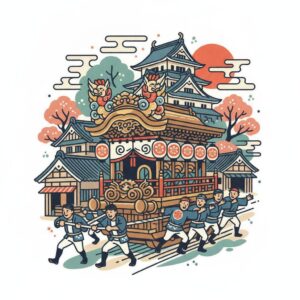
To talk about Kishiwada is to talk about the Danjiri Matsuri. This is more than just a festival; it is the city’s lifeblood, its identity, its soul expressed through wood, rope, and human spirit. Held every September, it ranks among Japan’s most thrilling and perilous festivals, showcasing raw power, extraordinary skill, and steadfast community pride. The word “danjiri” refers to the massive, intricately carved wooden floats, some weighing over four tons. These floats are not slowly pulled in a dignified procession but are raced at full speed through the narrow, winding streets of the old castle town by teams of hundreds of men.
The festival’s climax is the “yarimawashi,” a breathtaking maneuver where the enormous float is spun around a 90-degree corner at high speed without slowing. It is an astonishing display of physics and teamwork, driven by levers, ropes, and the sheer momentum of the colossal float. The most prized and dangerous role is that of the “daikugata,” the carpenter, who dances and leaps atop the swaying roof of the danjiri, acting as a human rudder, signaling directions, and embodying the float’s wild spirit. The air buzzes with energy, the ground shakes, and the roar of the crowd blends with the rhythmic chanting of the pullers and the traditional music of flutes and drums.
But what if your visit does not coincide with the festival’s two days in September? Don’t worry, as the city offers a perfect gateway to its spirit: the Kishiwada Danjiri Kaikan. This museum is an essential visit for anyone seeking to understand the festival’s scale and meaning. It provides an immersive experience far beyond static exhibits. The highlight is a multi-screen theater that immerses you in the heart of the action. The footage is vivid; you can almost feel the splash from the pullers’ feet and the G-force of the yarimawashi turns. The sound design is remarkable, capturing the cacophony and rhythm that define the event.
After the film, you can get close to an actual danjiri float from a past festival. Only here can you truly appreciate the craftsmanship. Every inch of the float is adorned with intricate wood carvings depicting scenes from Japanese history and mythology, famous battles from the Genpei War, and stories of legendary samurai. These are not mere decorations; they are masterpieces of woodcarving, filled with dynamic movement and exquisite detail. You could spend an hour simply examining the carvings on one float. The museum also explains the festival’s complex social structure, how neighborhoods are organized, and how the tradition is handed down through generations. You leave the Danjiri Kaikan with deep respect for the dedication, skill, and passion that drive this extraordinary event. It offers a year-round glimpse into the fiery heart of Kishiwada.
Echoes of the Past: Strolling Through the Jokamachi and Beyond
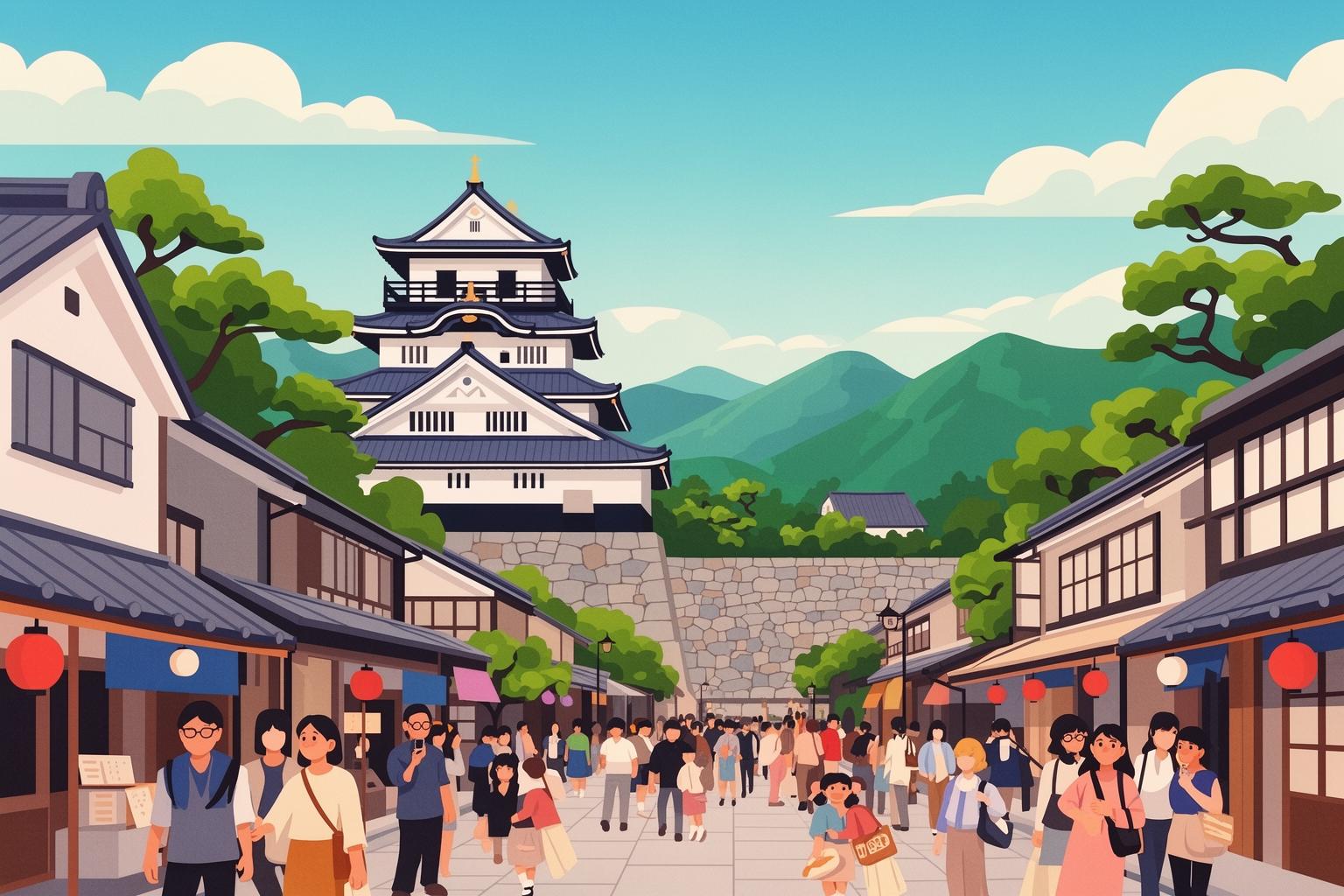
The area surrounding Kishiwada Castle, the historic `jokamachi`, is a wonderful place to wander freely and let your curiosity lead the way. The streets still follow the old, intentionally confusing layout designed for defense, making for an enjoyable and occasionally surprising exploration. One of the most distinctive spots is just a short stroll from the castle: the area around Nankai Takojizo Station.
The station itself is remarkable, built in a traditional temple style that makes it one of the most unique train stations in the Kansai region. Its name, Takojizo, means “Octopus Jizo,” derived from an intriguing local legend. During a 16th-century siege of Kishiwada Castle, it is said that a giant octopus and its army of crabs emerged from the sea to fend off the attackers, saving the castle. Later, a Jizo statue was found tangled in a fisherman’s net with an octopus, linking the two in local folklore. Today, octopus motifs appear everywhere, from the station’s architecture to the adorable octopus-shaped `ema` (wooden prayer plaques) at the nearby Tenjingu Shrine. It’s a whimsical and charming tale that adds a mythical layer to the city’s rich history.
For a moment of quiet reflection, head to Kishiki Jinja, the main Shinto shrine in the area. It’s a peaceful place with towering camphor trees and a strong sense of sacredness. During the Danjiri Matsuri, this shrine serves as a focal point where participants pray for a safe and successful festival. You can sense the weight of centuries of prayers in the tranquil atmosphere. Another haven of calm is the Gofuso, a former residence of a prominent Kishiwada merchant that has been beautifully preserved and opened to the public. The estate features a stunning Japanese garden with a large koi pond, carefully raked gravel, and elegant stone lanterns. You can stroll through the traditional rooms with tatami mats and sliding fusuma doors, imagining life in a wealthy family during pre-modern Japan. It’s a place to slow down, appreciate the aesthetics of `wabi-sabi`, and find a peaceful contrast to the city’s livelier energy.
Don’t overlook the old `shotengai`, the covered shopping arcades weaving through the city. While some show their age, they remain the heart of the local community. Here you’ll find family-run shops selling everything from pickles and fresh tofu to traditional sweets and Danjiri-themed souvenirs. It’s in these arcades that you truly feel the pulse of daily life in Kishiwada, away from the grand historical sites. Strike up a conversation with a shopkeeper, try a local snack, and simply observe the neighborhood’s rhythms. This is where the true spirit of the castle town comes alive.
The Bounty of the Bay: Kishiwada’s Coastal Identity
Kishiwada’s identity is deeply connected not only to its castle but also to the sea. The city’s western border features a long coastline that has supported its residents for centuries through fishing and trade. To truly appreciate this maritime aspect of Kishiwada, you need to visit the port. The atmosphere shifts as you near the water—the salty and diesel scents from the fishing boats permeate the air, and the cries of seagulls replace the usual sounds of urban traffic. This is a working coast, characterized by a rugged, genuine charm.
One of the best ways to dive into this seafaring culture is by making an early morning trip to the Kishiwada Kansai GCC (Gyogyo Kyodo Kumiai Center), the local fish market. Although it’s not as large as some of Japan’s famous wholesale markets, it provides an intriguing and approachable insight into the regional fishing industry. You can observe lively auctions where restaurateurs and wholesalers compete for the day’s catch. The variety of seafood is impressive, but Kishiwada is especially well-known for iwashi (sardines), shirasu (whitebait), and anago (sea eel). The bustling energy is contagious, and the speed and expertise of the fishmongers are truly remarkable.
Next to the market, there are several modest diners that serve some of the freshest seafood imaginable. This is the quintessential sea-to-table experience. A breakfast of grilled anago over rice or a bowl of glistening shirasu-don is an absolute must. The flavors are fresh, pure, and incredibly delicious—a meal that forms a direct connection to the waters of Osaka Bay.
For a more relaxed coastal outing, head a bit south to the Rinku Town area, which lies on the border of Kishiwada and its neighboring cities, Izumisano and Tajiri. Here, you’ll find Marble Beach, a distinctive shoreline composed not of sand but of smooth, white marble stones. It’s a striking and somewhat surreal landscape, especially at sunset. The beach provides stunning, unobstructed views of the Kansai International Airport bridge, where planes elegantly ascend and descend against the glowing sky. It’s an ideal spot for a leisurely walk, quiet reflection, and fantastic photo opportunities. The contrast between the historic castle town and this modern, man-made coastal park perfectly captures the intriguing duality of the region.
A Taste of the Land and Sea: Kishiwada’s Culinary Delights

A trip to Kishiwada isn’t complete without savoring its distinctive local cuisine. The city benefits from fertile land and abundant seas, producing some truly exceptional culinary gems. The undisputed highlight of Kishiwada’s produce is the mizunasu, or water eggplant. This is no ordinary eggplant—it’s rounder, with thinner, more delicate skin, and an exceptionally high water content. What sets it apart is its crispness and juiciness, allowing it to be eaten raw, often simply sliced and served with a touch of soy sauce and ginger. Its texture is exquisite, reminiscent of a pear and cucumber, with a subtle sweetness. The most popular way to enjoy it, however, is as nukazuke, pickled in rice bran. These pickles are a local specialty, available in every market and souvenir shop. They offer a refreshingly crunchy bite, perfectly balancing salty and savory flavors. Be sure to also try mizunasu tempura, where quick frying creates a creamy interior contrasted by a crisp exterior.
Two local seafood specialties stand out from the sea. The first is gatcho, the mantis shrimp. Though its alien-like appearance may deter some, those daring enough to try it are rewarded with a richer, sweeter flavor than regular shrimp. It is typically served as karaage, deep-fried until crispy. The shell becomes edible, providing a satisfying crunch that reveals tender, flavorful meat inside. It pairs perfectly with a cold Japanese beer.
The second seafood gem is anago, the saltwater conger eel. Often overshadowed by its freshwater cousin, unagi, Kishiwada’s anago is prized for its delicate, flaky texture and lighter, more refined flavor. It is served in various ways: as tempura, grilled with a sweet soy glaze similar to kabayaki, or as the centerpiece of a hearty anago-don rice bowl. Dining at a restaurant near the port specializing in anago offers a quintessential Kishiwada experience.
To discover these delicacies, explore the local eateries in the castle town’s shotengai or the small restaurants clustered around the fishing port. Don’t seek out fancy Michelin-starred spots. The best food in Kishiwada comes from humble, family-run establishments where recipes have been passed down for generations and ingredients are sourced just a few kilometers away. It’s honest, flavorful cuisine deeply connected to the land and sea of this unique region.
Practicalities for Your Weekend Escape
Planning a trip to Kishiwada from Osaka is delightfully simple. The easiest way to get there is by taking the Nankai Main Line from Namba Station. An express train will get you to Kishiwada Station in roughly 30 minutes, making it a highly accessible destination. For a more charming arrival, you can opt for a local train to Takojizo Station, which drops you right in the center of the historic district. Once in Kishiwada, the main attractions of the castle town are all within a compact, easily walkable area. Exploring on foot is the ideal way to immerse yourself in the atmosphere and uncover hidden lanes and quaint shops.
When is the best time to visit? To experience the vibrant energy of the Danjiri Matsuri, mid-September is the perfect choice. However, be prepared for large crowds and limited, costly accommodations. For a more relaxed visit, spring offers breathtaking beauty as cherry blossoms around the castle moat bloom in delicate pink against the rugged stone walls—a dream for photographers. Autumn, outside the festival period, is another excellent time to visit, with pleasant weather, clear skies, and seasonal foods at their best. The off-peak season allows for a more leisurely exploration and a deeper connection with the city’s everyday life.
For first-time visitors, a straightforward two-day itinerary can help maximize your experience. On day one, focus on the city’s historical core. Begin at Kishiwada Castle, exploring its keep and the Hachijin no Niwa garden. Then, visit the Danjiri Kaikan to gain insight into the festival’s spirit. Spend the afternoon wandering through the jokamachi, stopping by Kishiki Jinja, the Gofuso residence, and the Takojizo area. In the evening, savor local specialties at an izakaya in the central shotengai. On day two, turn your attention to the coast. Start early at the fish market for a fresh seafood breakfast, then stroll or take a short bus ride along the coastline, perhaps heading to Marble Beach for its distinctive scenery and views of KIX. Spend the afternoon exploring the port area and browsing for local products like mizunasu pickles before catching a train back to Osaka in the late afternoon. This itinerary balances Kishiwada’s two distinct sides, offering a comprehensive impression of the city.
A City of Contrasts, A Weekend to Remember

Kishiwada is a place marked by striking, captivating contrasts. It embodies the raw, untamed energy of the Danjiri against the stoic stillness of castle stones. It combines the intricate craftsmanship of a danjiri carving with the simple, perfect taste of a raw water eggplant. It reflects a deep respect for tradition alongside the modern reality of a working port facing one of the world’s busiest airports. A weekend here offers a chance to step away from the familiar and into a story still unfolding—a story of community, pride, and a profound connection to place.
You’ll leave Kishiwada with more than just photos and souvenirs. You’ll carry the phantom rumble of the danjiri in your chest, the taste of salt and mizunasu on your tongue, and a deeper appreciation for the rich, diverse tapestry of life that lies just beyond Osaka city’s borders. It serves as a reminder that sometimes the most rewarding journeys are the ones closest to home, waiting to be discovered.