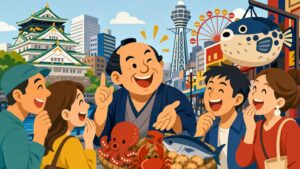
Osaka. The name itself crackles with energy, a city of neon-drenched nights, sizzling takoyaki stands, and a glorious, unapologetic love for life lived out loud. It’s the city of ‘kuidaore’—to eat until you drop—a place where the pulse is fast and the laughter is loud. But beneath this vibrant, electric surface lies a quieter rhythm, a daily ritual of steam and stillness that is the true soul of the city’s neighborhoods. It’s a ritual that unfolds behind humble doorways marked by a simple hiragana character, ゆ (yu), signifying hot water. This is the world of the sento, the public bathhouse, and it’s where Osaka comes to wash away the day, to connect with neighbors, and to find a moment of profound, democratic peace. Forget the dazzling lights of Dotonbori for a moment; the real warmth of Osaka is found in these steamy, tiled sanctuaries. This isn’t just about getting clean; it’s a deep-seated cultural practice, a way of life that offers a genuine glimpse into the heart of the city, far from the well-trodden tourist paths. It’s where generations converge, where the day’s triumphs and troubles dissolve in the water, and where you can experience the simple, restorative art of doing nothing at all.
For a similarly profound and contemplative local experience, consider exploring the world of authentic Shojin Ryori in Osaka’s temples.
The Heartbeat of the Neighborhood: What is a Sento?

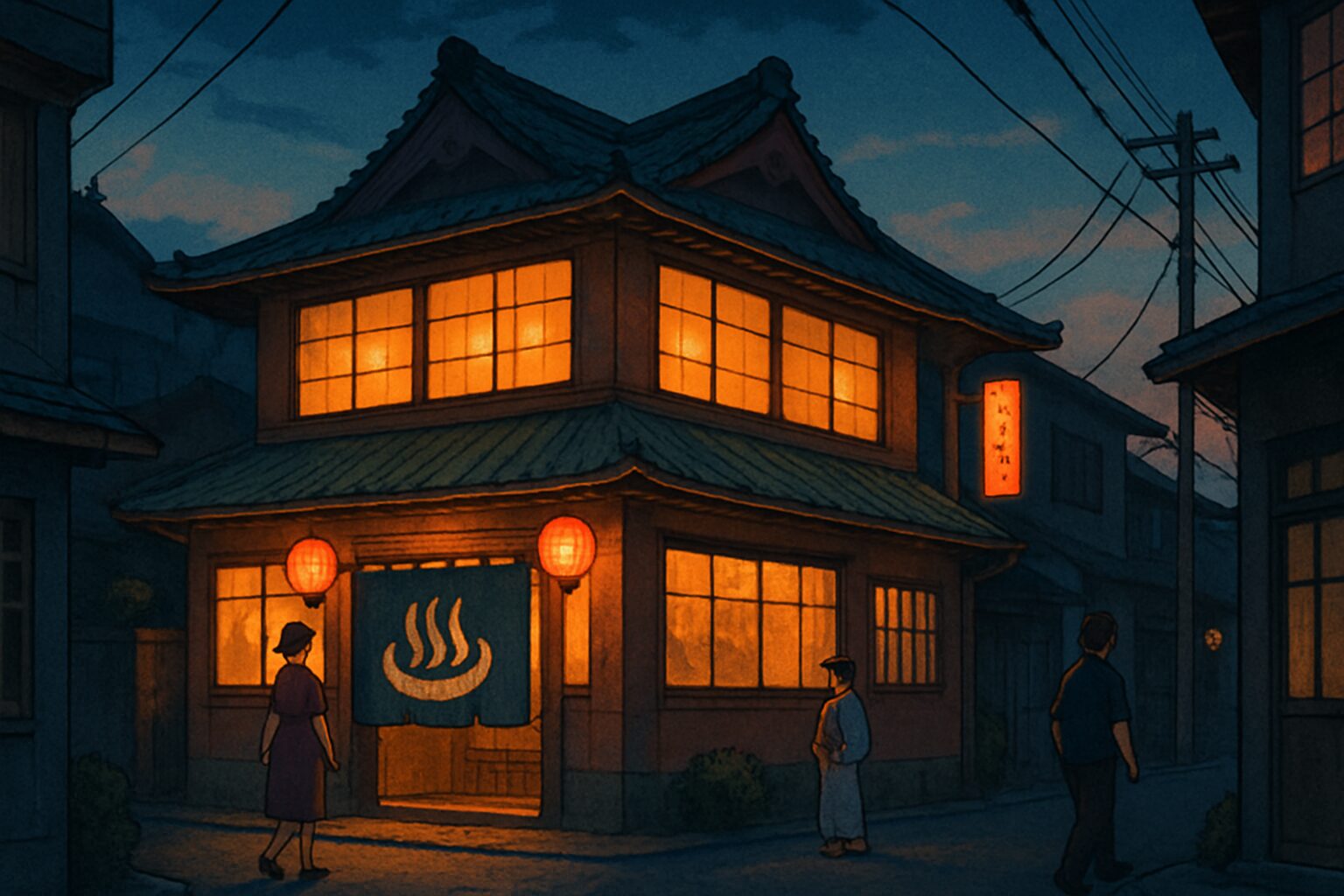
Before we dip a toe in the water, let’s first understand what a sento truly is. For many visitors to Japan, the image of bathing culture is dominated by the onsen—natural hot springs shaped by volcanic geography. A sento, however, is different, yet equally important. At its core, a sento is a neighborhood public bathhouse that uses heated tap water. While it lacks the natural minerals of an onsen, it compensates with character, community spirit, and a rich history that reflects modern Japan’s story. Its origins date back centuries, but its heyday arrived in the post-war era. As cities like Osaka rebuilt, most homes were built without private bathrooms. The sento became an essential part of daily life, serving as the communal bathroom for entire blocks. It was more than a utility; it was the neighborhood living room—a place to catch up on gossip, discuss the news, and strengthen community bonds. That history still lingers in the air today. The iconic architecture stands as a landmark itself. Look for the tall, slender chimney reaching skyward, a beacon of warmth. Many older sento feature a stunning ‘karahafu’ roof, an ornate, undulating gable above the entrance, showcasing pride in craftsmanship. Below it hangs the ‘noren’—split curtains, typically deep blue for men (男) and warm red for women (女), fluttering gently in the breeze. Passing through that noren feels like stepping back in time. Inside, the first thing you’ll see is the ‘getabako’, a wall of small wooden lockers for shoes, each with a carved wooden key. The reception counter, called a ‘bandai’, is often a raised platform, giving the attendant a clear view of both the men’s and women’s entrances—a charmingly efficient design from a bygone era. The air is thick with the scent of soap and warm, damp wood. The sounds blend into a gentle symphony: the soft clatter of wooden shoe locker keys, murmured conversations from the changing rooms, and the distant, echoing splash of water from the bathing area. This is a place built solely for relaxation, where every detail—from the worn wooden benches to vintage posters on the walls—contributes to that purpose.
Stepping Inside: A Symphony of Steam and Sound
The true magic of the sento begins when you step into the ‘datsuijo,’ or changing room. This space offers a quiet opportunity for transformation. Wicker baskets or lockers line the walls, ready to hold your clothes and, symbolically, the worries of the outside world. There is a democratic honesty to this room; stripped of our clothing, we are all equal. The CEO, the construction worker, the student, and the retiree stand side by side as equals. This embodies ‘hadaka no tsukiai,’ or ‘naked communion,’ a concept deeply rooted in Japanese culture. It suggests that without the usual markers of status, people connect on a more fundamental, human level. The ambiance is one of relaxed intimacy. You may notice elderly gentlemen weighing themselves on old, clunky scales or mothers chatting while helping their children undress. Walls often display advertisements for local businesses or vintage movie posters, adding to the nostalgic charm. From here, a sliding glass door leads to the main bathing area, where the sensory experience heightens. The room fills with dense, warm steam that softens the light and dulls sound. The echoing acoustics of the tiled hall enhance the gentle sounds of running water, rhythmic scrubbing at washing stations, and contented sighs of bathers sinking into hot pools. It is a soundscape of pure relaxation. Many traditional sento feature a stunning mural on the far wall as a visual centerpiece. While Mount Fuji is the classic symbol of Japan, Osaka sento often showcase local pride, with grand depictions of Osaka Castle, the bright lights of Tsutenkaku Tower, or tranquil coastal scenes from the nearby Seto Inland Sea. These murals serve not only as decoration but as focal points for meditation, offering a mental escape as you soak. Beneath the mural awaits an array of baths, each providing a unique experience. Almost always present is the main tub, the ‘atsu-yu,’ filled with piping-hot water that penetrates deep into your muscles, easing away tension. Those who prefer milder warmth can enjoy the ‘nuru-yu,’ a lukewarm bath designed for a longer, more contemplative soak. Specialty baths follow: a jet bath, or ‘denki-buro,’ offers a powerful hydro-massage for back and legs; the ‘kusuri-yu’ is a medicinal bath infused with seasonal herbs like iris root in May or yuzu citrus in winter, filling the air with fragrant, therapeutic aromas. For the adventurous, there’s the electric bath, also called ‘denki-buro,’ where two low-voltage electric plates embedded in the tub’s walls create a current through the water. The sensation is strange and memorable—a tingling, vibrating massage like thousands of tiny pins and needles dancing on your skin. It’s a uniquely Japanese experience worth trying at least once. The cycle concludes with the ‘mizu-buro,’ a small, deep tub of shockingly cold water. Alternating between the heat of the main baths or sauna and the invigorating chill of the cold plunge is believed to improve circulation and leave you feeling completely refreshed and alive.
The Ritual of Rejuvenation: Your First Sento Experience
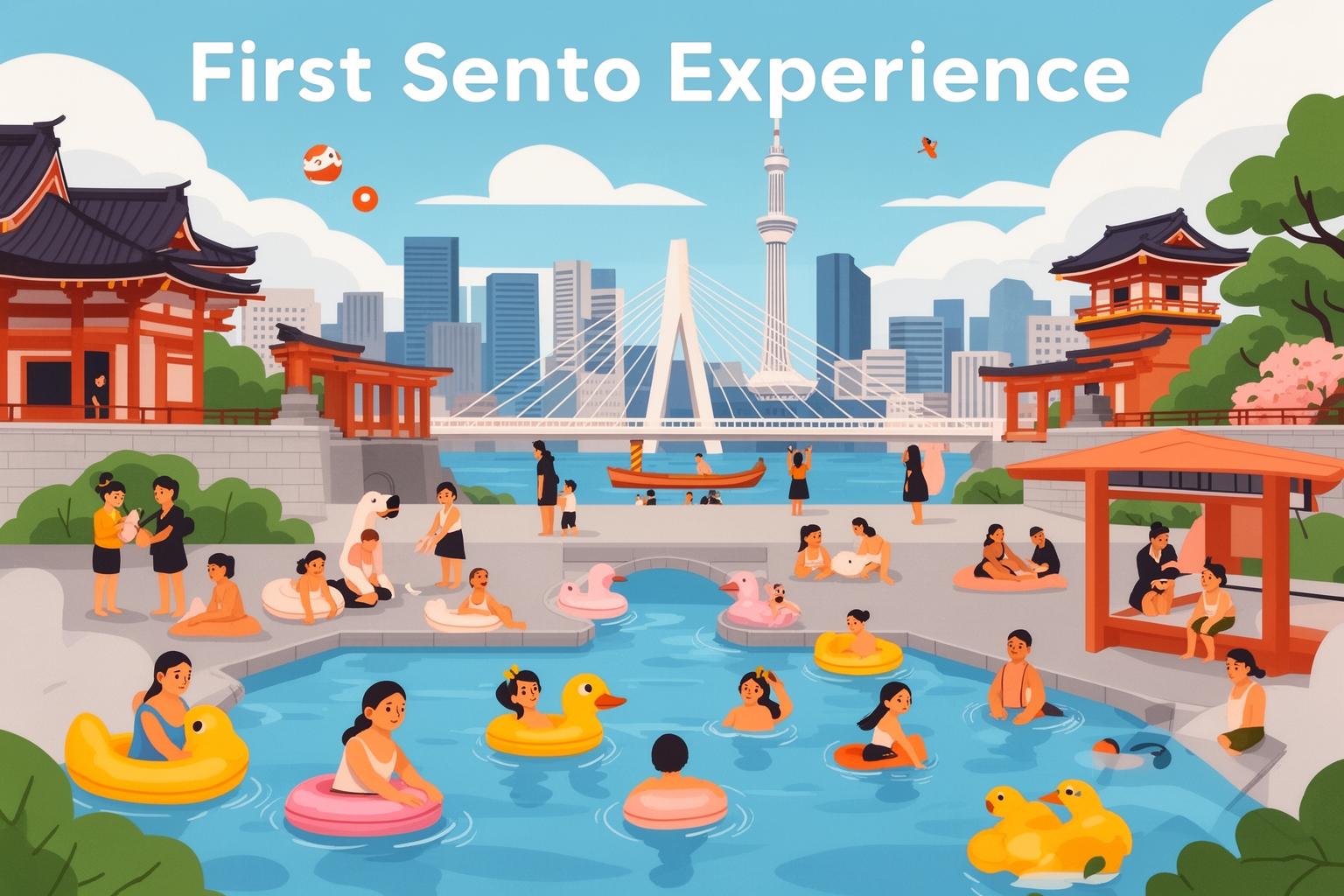
For a first-timer, the sento can feel a bit intimidating with its unwritten rules and established customs. However, the process is straightforward, logical, and designed for everyone’s comfort. Let’s take a walk through it. Your journey starts at the entrance. Slide open the door and step into the small foyer. Here, you’ll take off your shoes and place them in one of the ‘getabako’ shoe lockers. Remember to take the wooden key with you. Next, proceed to the ‘bandai’ or a modern ticket machine to pay the entrance fee, which is impressively affordable, usually around 500 yen. If you’re unprepared, don’t worry—you can purchase a ‘tebura setto’ (empty-handed set), typically including a small rental towel, soap, and single-use packets of shampoo and conditioner. After paying, you’ll be directed to the appropriate changing room—red for women and blue for men. Inside the ‘datsuijo’, find an empty locker or basket for your clothes. This is where your small towel comes in handy. This towel isn’t meant for drying your whole body; it serves multiple purposes. As you walk from the changing room to the bathing area, you can use it discreetly for modesty. Once inside the bathing area, never let this towel touch the bathwater—that is the number one rule. You can place it on your head to keep cool or set it aside by the tub. Before stepping into those inviting baths, you must wash thoroughly. This is the most important part of sento etiquette. Find an empty washing station, which includes a low plastic stool, a faucet, a handheld showerhead, and buckets. Sit on the stool—washing while standing is considered rude, as it might splash others. Use the shower to thoroughly cleanse and rinse your entire body with soap. Be considerate of those around you, keeping your shower water contained within your space. Only when you are completely clean are you ready to enter the baths. Begin with a ‘kakeyu’, scooping water from the edge of the tub with a bucket and pouring it over your legs, waist, and shoulders to help your body adjust to the hot temperature. Now, the moment you’ve been waiting for: ease yourself into the main tub. The initial heat may be intense, but let it envelop you. A quiet, involuntary sigh of contentment is not just permitted—it’s practically mandatory. Avoid splashing or swimming; the bath is for peaceful soaking. Feel free to move between the different tubs at your own pace. Try the bubbling jet bath, the fragrant herbal bath, and if you’re feeling adventurous, the tingling electric bath. After warming up, take a plunge into the cold pool. The shock is immediate and invigorating, but when you emerge, you’ll experience a refreshing sense of clarity and renewal. When you finish bathing, return to the washing station for a final rinse if you like. Before you head back to the ‘datsuijo’, use your small towel to wring out excess water from your hair and quickly wipe your body. This simple kindness helps keep the changing room floor dry and safe. Back in the changing room, use your large bath towel to dry off completely before dressing. You’ll feel a deep sense of cleanliness—a warmth that radiates from within. This is the bliss of sento.
Osaka’s Sento Scene: A Tour Through Time and Tile
Osaka’s sento scene is as varied as the city itself, offering a range of experiences from deeply traditional to sleek and modern. Exploring different types of bathhouses is a wonderful way to discover the city’s diverse character. Nestled in quiet residential neighborhoods or tucked away in covered ‘shotengai’ shopping arcades, you’ll find classic neighborhood gems. These are the sento that have served their communities for generations. The buildings may be charming wooden structures with tilework that tells a story. Their patrons are locals who have been visiting for decades, creating an atmosphere of familiar comfort. Places like Shimizuyu in the Horie district or Showa-yu in Higashisumiyoshi Ward are perfect examples of this enduring tradition. Here, the experience is less about amenities and more about authenticity. You’ll encounter the classic Fuji mural, old-fashioned massage chairs that activate with a 100-yen coin, and glass-fronted refrigerators stocked with bottles of milk. This is sento in its purest, most nostalgic form. At the other end of the spectrum lies the ‘super sento’: larger, modern complexes that expand the idea of public bathing into a full-day wellness experience. These often feature a wider variety of baths, including outdoor pools (‘rotenburo’), multiple sauna types, and relaxation lounges with reclining chairs and manga libraries. Many also offer on-site dining, massage services, and beauty treatments. Places like Nobeha no Yu Tsuruhashi blend traditional bathing with modern comforts, including Korean-style steam rooms that reflect the vibrant Korean Town nearby. While these can be pricier and sometimes less intimate than smaller neighborhood sento, they’re very accessible for beginners and offer a luxurious way to spend an afternoon or evening. Additionally, some sento are reinventing themselves through art and design to appeal to a new generation. As traditional sento numbers decline, some owners have partnered with contemporary artists to create unique, inspiring spaces. Instead of Mount Fuji murals, you might see vibrant modern art or whimsical mosaics of colorful tiles. These art-focused sento help keep the culture alive, attracting younger visitors and tourists who appreciate the blend of tradition and creativity. They show that sento are not just relics of the past but living, evolving parts of Osaka’s cultural fabric.
More Than Just a Bath: The Sento’s Role in Osaka Life
To understand the sento is to recognize its role as a cornerstone of the community. In a city where many people, especially the elderly, live alone or in small apartments, the sento offers a crucial social lifeline. It serves as a place for face-to-face interaction in an increasingly digital age. It’s where you catch the latest neighborhood news, where grandparents teach their grandchildren the proper way to wash, and where friendships are built over a shared soak. The conversations in a sento reflect everyday life—talks about the Hanshin Tigers baseball team, complaints about the summer humidity, or advice on where to find the best seasonal vegetables. For many, this daily or weekly ritual is as much about social connection as it is about hygiene. The sento is also a living time capsule, a portal to the Showa Era (1926–1989), a period filled with great change and nostalgia for many Japanese. The aesthetic of many older sento remains unchanged by time. The analog weight scales, the wooden lockers, the classic tile patterns, and even the vintage sci-fi-like hair dryers all enhance this retro atmosphere. It’s a tangible link to the past, a comforting reminder of simpler days. No sento experience is complete without the post-bath ritual. Once dressed and refreshed, head to the small lobby or relaxation area, where you’ll find the cherished post-sento refrigerator. The quintessential drink of choice is milk, served in an old-fashioned glass bottle with a paper cap. There’s plain milk, rich coffee milk, and sweet, nostalgic fruit milk. There’s a particular, highly satisfying way to drink it: place one hand on your hip and down the entire bottle in one go. It’s the perfect way to rehydrate and restore your energy. For adults, a cold bottle of beer or a refreshing Chu-hai is equally popular—the ultimate reward after a long day and a hot soak. This final moment of relaxation, sitting on a bench in the lobby while sipping your drink, is an essential part of the experience. It’s a moment to enjoy the feeling of cleanliness and warmth, letting the bath’s peace settle over you before stepping back into the busy city.
Practical Wisdom for the Sento Seeker
As you get ready to begin your own sento adventure in Osaka, a few final tips can help ensure a smooth and enjoyable experience. While many sento provide rental sets, bringing your own supplies can be more comfortable and cost-effective. The perfect kit includes a small towel for washing and modesty, a large towel for drying, and your favorite soap, shampoo, and conditioner. Pack them in a small waterproof bag, and you’re good to go. One of the most common questions from foreign visitors involves tattoos. Traditionally in Japan, tattoos have been linked to the yakuza, or organized crime, leading many onsen, gyms, and pools to enforce strict bans. However, the situation at local sento, especially in a relaxed and open city like Osaka, tends to be more lenient. Many neighborhood sento have no explicit policy and usually don’t mind small, non-threatening tattoos, especially on foreigners. Some may ask you to cover tattoos with a waterproof patch, available at drugstores. The best approach is to be discreet and attentive. If you have extensive tattoos, it’s wise to check the sento’s website in advance or look for signs at the entrance. Larger ‘super sento’ facilities are more likely to have and enforce stricter rules, so always verify beforehand. When searching for a sento, watch for the tall chimney or the ゆ symbol. Many are tucked away on quiet side streets, off the main roads. Using an online map and searching for ‘sento’ (銭湯) near your location works well. Don’t hesitate to simply explore residential areas; you might discover a hidden gem. The best time to visit depends on the experience you want. Late afternoons tend to be calm and peaceful. The busiest period is in the evening, from around 8 PM to 10 PM, when locals come to wash off the day’s work, offering a chance to enjoy the lively, communal atmosphere. Most sento have a fixed day of the week when they close, so a quick online check can prevent a disappointing visit.
A Final Soak: Embracing the Slow Rhythm of Osaka
The city of Osaka moves at a dizzying speed. It’s a place of ambition, commerce, and endless energy. Yet the sento provides a powerful contrast to that unceasing momentum. It is a space devoted to pause. It reminds us that in a world constantly demanding our focus, the most luxurious act is to slow down, to be present in our bodies, and simply to be. The warmth of the water is more than physical; it penetrates the spirit. It’s the warmth of shared humanity, of a tradition handed down through generations, of a community that still values coming together in this simple, sincere way. Leaving a sento and stepping back into the cool night is a unique experience. Your body glows, your mind is clear, and the city’s sounds seem softer. You carry the bathhouse’s peace with you. So when you find yourself in Osaka, after feasting on okonomiyaki and wandering the electric streets of Namba, I encourage you to seek out that humble ゆ sign. Leave your shoes in the locker, along with your preconceptions and worries. Step through the steam, immerse yourself in the water, and discover this profound, everyday art of relaxation. It’s more than a bath; it’s an invitation to feel the true, heartfelt rhythm of Osaka.