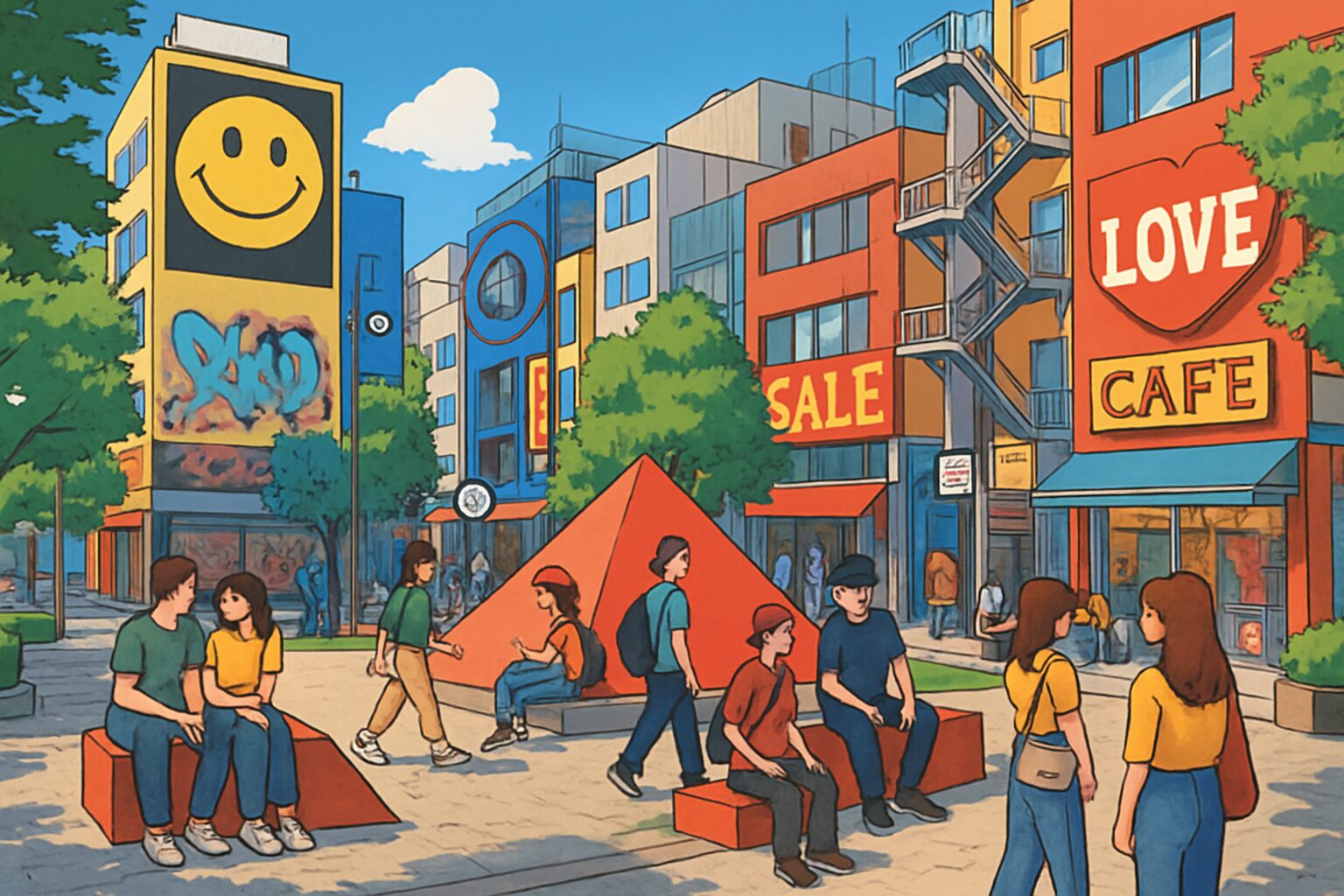
In the sprawling, energetic metropolis of Osaka, a city that dances to its own unique rhythm, there exists a concrete heart that pulses with the lifeblood of youth, fashion, and untamed creativity. This is Triangle Park, known locally as Sankaku Koen. Nestled in the very core of Amerikamura, or ‘Amemura’ as it’s affectionately called, this is not a park in the conventional sense. You will find no manicured lawns, no serene flowerbeds, no tranquil ponds reflecting the sky. Instead, you discover a triangular concrete plaza, a modern-day agora, an amphitheater of the streets where the daily drama of Osaka’s subcultures unfolds. It is a landmark defined not by its physical features, but by the vibrant, ever-changing tapestry of humanity that claims it as their own. To understand Triangle Park is to understand the soul of Amemura; it is a meeting point, a fashion runway, a skate spot, a stage for aspiring artists, and above all, the most compelling location for observing the dazzling parade of Japanese youth culture in its most authentic and unfiltered form. It’s a place where you don’t just visit; you witness, you absorb, and you become part of the pulsating energy that makes Osaka so utterly intoxicating. For anyone seeking to look beyond the ancient temples and shimmering skyscrapers, Triangle Park offers a profound and exhilarating glimpse into the living, breathing contemporary culture of Japan.
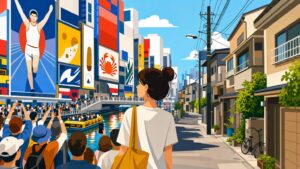
For a different perspective on Osaka’s vibrant urban culture, consider exploring the hidden secrets of Dotonbori.
The Concrete Canvas: Anatomy of an Urban Stage
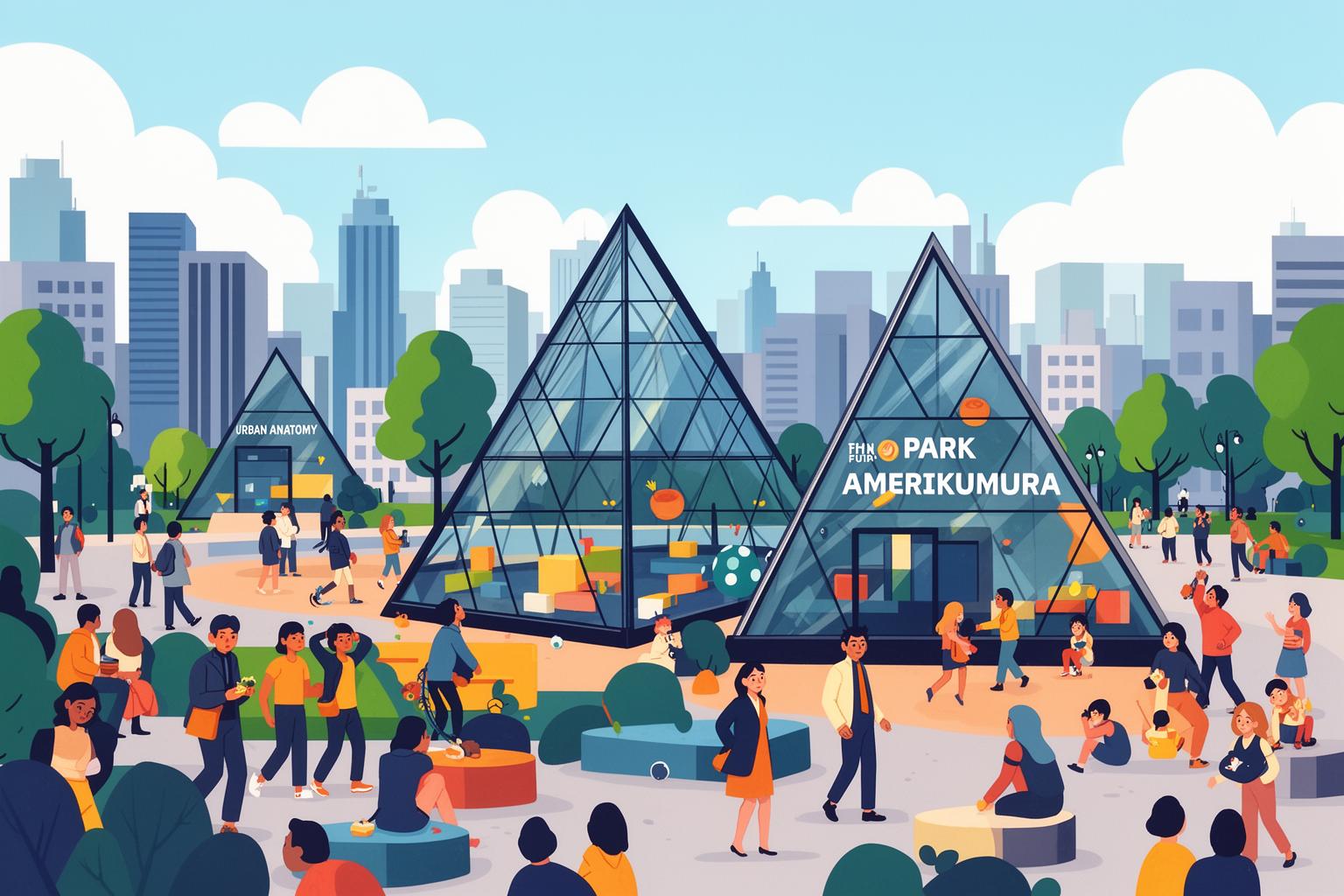
The initial impression of Triangle Park can be somewhat disorienting for those unfamiliar with it. Officially named Mitsu Park, this title is seldom used by the many who frequent the area. The park features sharp angles and urban textures, with the ground a mosaic of worn concrete and paving stones, smoothed by constant foot traffic, skateboard wheels, and bicycle tires. The triangular shape emerges from the meeting point of three streets, creating a natural focal area that attracts people from the surrounding maze-like alleys of Amerikamura. At its center are uniquely shaped, almost sculptural lampposts, now as iconic as the park itself. These lampposts serve not only as sources of light but as landmarks, gathering spots, and silent witnesses to decades of cultural changes beneath them. One side of the plaza is lined with wide, tiered concrete steps, acting as informal seating for the many who gather here. This grandstand allows visitors to find a spot, enjoy street food, and watch the world pass by. The park’s acoustics are distinctly urban: a blend of the clatter of skateboards against concrete, overlapping beats from nearby clothing stores, the sizzle of takoyaki grills, and the lively hum of conversations in numerous languages. The atmosphere carries a raw, unrefined honesty, feeling less like a planned public space and more like a territory gradually claimed and shaped by its community over time. Every surface tells a tale, covered with layers of stickers from local bands, skate brands, and street artists—a visual guestbook marking everyone who has left their imprint on this revered place.
A Counter-Cultural Genesis: The Birth of Amerikamura
To fully grasp the importance of Triangle Park, one must explore the history of Amerikamura itself. The tale begins not with a grand urban design, but with a quiet grassroots movement in the late 1960s and early 1970s. At that time, the district was a quiet area of warehouses and parking lots. A visionary retailer named Isao Yoshino, aiming to create something new, opened a small cafe and started selling imported goods directly from the United States. He would travel to the West Coast, fill shipping containers with vintage jeans, second-hand records, surfboards, and other cultural artifacts, and bring them back to Osaka. This was a bold act in a still relatively conservative post-war Japan. The appeal of American counter-culture—its music, its fashion, its spirit of rebellion and individuality—was powerful for the nation’s youth. The area quickly became a magnet for young people eager for a taste of this exotic world. More shops began to open, each focusing on a different aspect of Americana. The warehouses transformed into expansive vintage clothing stores, record shops, and live music venues. The district was named ‘Amerikamura,’ a village of America in the heart of Osaka. Triangle Park emerged not by plan, but out of necessity. As crowds grew, this small open space naturally became the unofficial town square. It was the place to meet before concerts, to show off a new vintage leather jacket, and to practice skateboarding tricks learned from American magazines. It established itself as the epicenter of this growing youth movement, symbolizing a break from mainstream Japanese society. Streetlights, crafted by local artists, were designed to resemble human figures, reinforcing the idea that this was a place for people, a stage for personal expression. This history remains tangible today. Though the styles have shifted from 70s hippies to 80s punks to today’s eclectic mix, the core spirit of defiance, creativity, and passion for imported culture continues to live on in the park’s very foundations.
The Culinary Heartbeat: Savoring the Tastes of Amemura
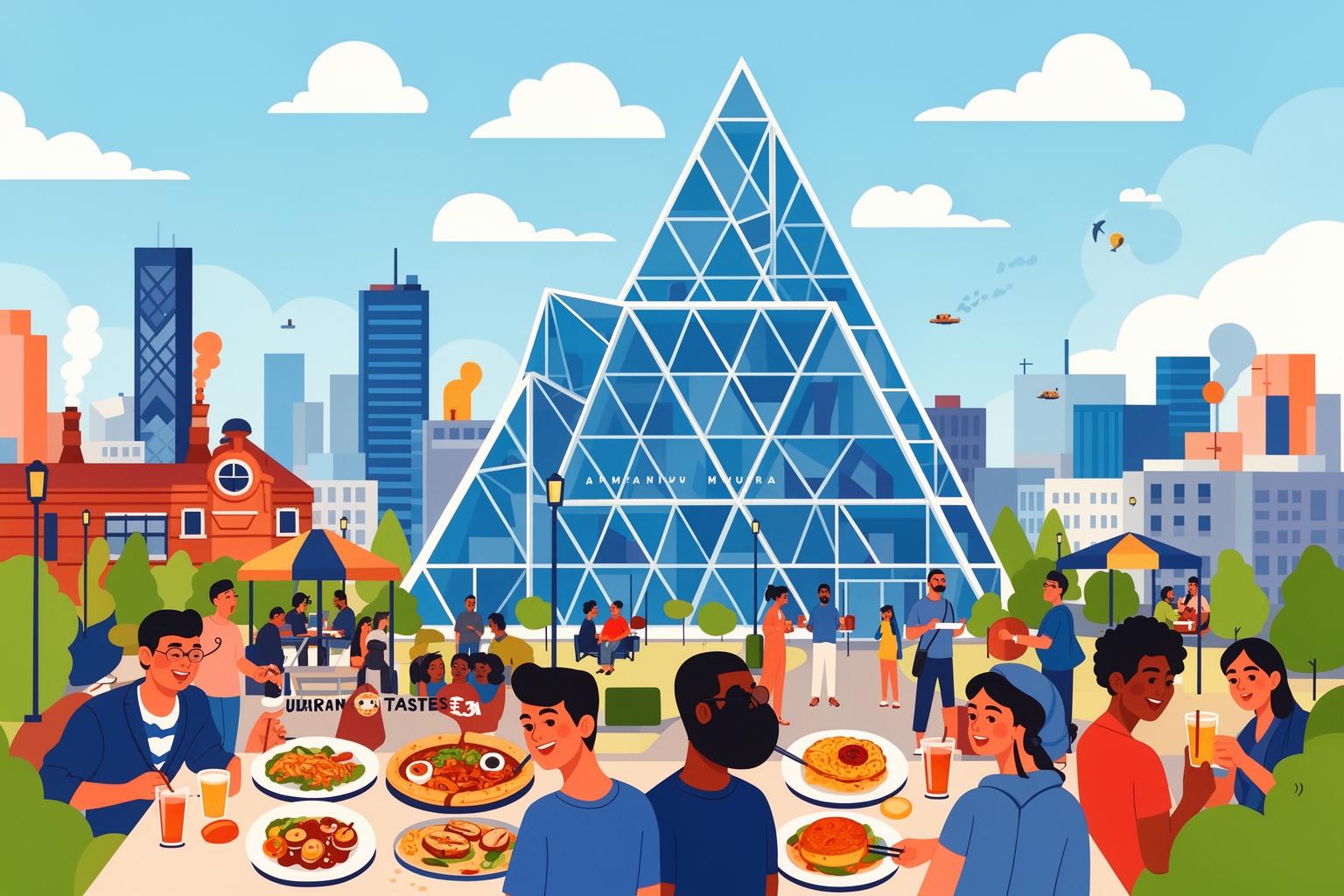
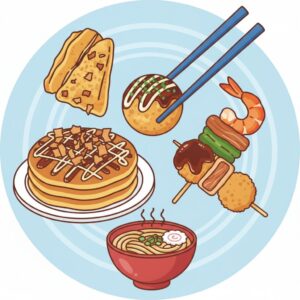
One of the most captivating sensory experiences at Triangle Park is deeply connected to its culinary delights. The air around the plaza is filled with the enticing aroma of street food, with no dish more closely associated with this location than takoyaki. Facing the park are several famous takoyaki stands, especially Kogaryu, a name cherished by both locals and visitors. Watching the vendors work is like witnessing a captivating street performance. With remarkable speed and skill, they pour the savory batter into cast-iron molds, add a piece of tender octopus, and then expertly flip the forming balls using two metal picks until they turn perfectly golden-brown and crispy on the outside. The finished dish is a boat of steaming hot takoyaki, coated in a sweet and tangy brown sauce, drizzled with Japanese mayonnaise, and topped with green aonori (seaweed flakes) and generous katsuobushi (dried bonito flakes) that ripple and curl in the rising steam. Sitting on the steps of Triangle Park, carefully savoring the molten center of a fresh takoyaki, is a quintessential Osaka experience. Yet the culinary adventure continues. Amerikamura is also renowned for its ‘ice dog,’ a fried hot dog bun filled, not with sausage, but with a towering swirl of soft-serve ice cream. It’s a delightful and slightly surreal mix of hot and cold, savory and sweet. Beyond these iconic bites, the streets around the park offer a rich variety of flavors. Trendy bubble tea shops present endless flavor options, cozy cafes serve artisanal coffee, stands sell giant rainbow-colored cotton candy, and small eateries offer everything from Turkish kebabs to Taiwanese fried chicken. This variety of food reflects the cultural melting pot of the area itself, providing quick, tasty, and affordable fuel for an afternoon of shopping and people-watching.
The Runway of the Streets: Fashion and Identity
Triangle Park is undoubtedly the most significant outdoor fashion runway in Osaka. It serves as a living lookbook, a place where trends are not merely followed but created. The styles exhibited represent a stunningly diverse and fearless expression of personal identity. On any afternoon, the park’s steps become a vibrant gallery where various subcultures coexist in harmony. You might encounter groups dressed in the intricate, layered black lace and Victorian styles characteristic of Gothic Lolita, their porcelain makeup strikingly contrasting with the gritty urban backdrop. Nearby, a group of skaters clad in baggy jeans, oversized hoodies, and coveted sneakers may be comparing gear and plotting their next trick. Others might sport the deconstructed, anti-fashion aesthetic of Japanese punk, featuring ripped fabrics, safety pins, and dramatic hairstyles. Vintage enthusiasts proudly showcase painstakingly curated outfits from the area’s numerous second-hand shops, possibly drawing inspiration from the rockabilly cool of the 1950s or the psychedelic vibes of the 1970s. The surrounding shopping district fuels this sartorial innovation. Amerikamura is not home to mainstream department stores or global fast-fashion chains; instead, its narrow streets are filled with independent boutiques, expansive vintage stores, and specialty shops catering to every niche. You can spend hours browsing racks of pre-loved American college sweatshirts, perfectly worn denim, rare band t-shirts, and military surplus items. Some shops focus entirely on hip-hop culture, others sell handmade jewelry crafted by local artisans, and record stores invite you to dig for vinyl gems from around the globe. For anyone passionate about fashion and self-expression, visiting Triangle Park is both an educational and inspiring experience. It powerfully reminds you that in Amemura, style transcends clothing—it is a language, a statement of identity, and a bold declaration of who you truly are.
Practical Navigation: A Visitor’s Guide to the Triangle
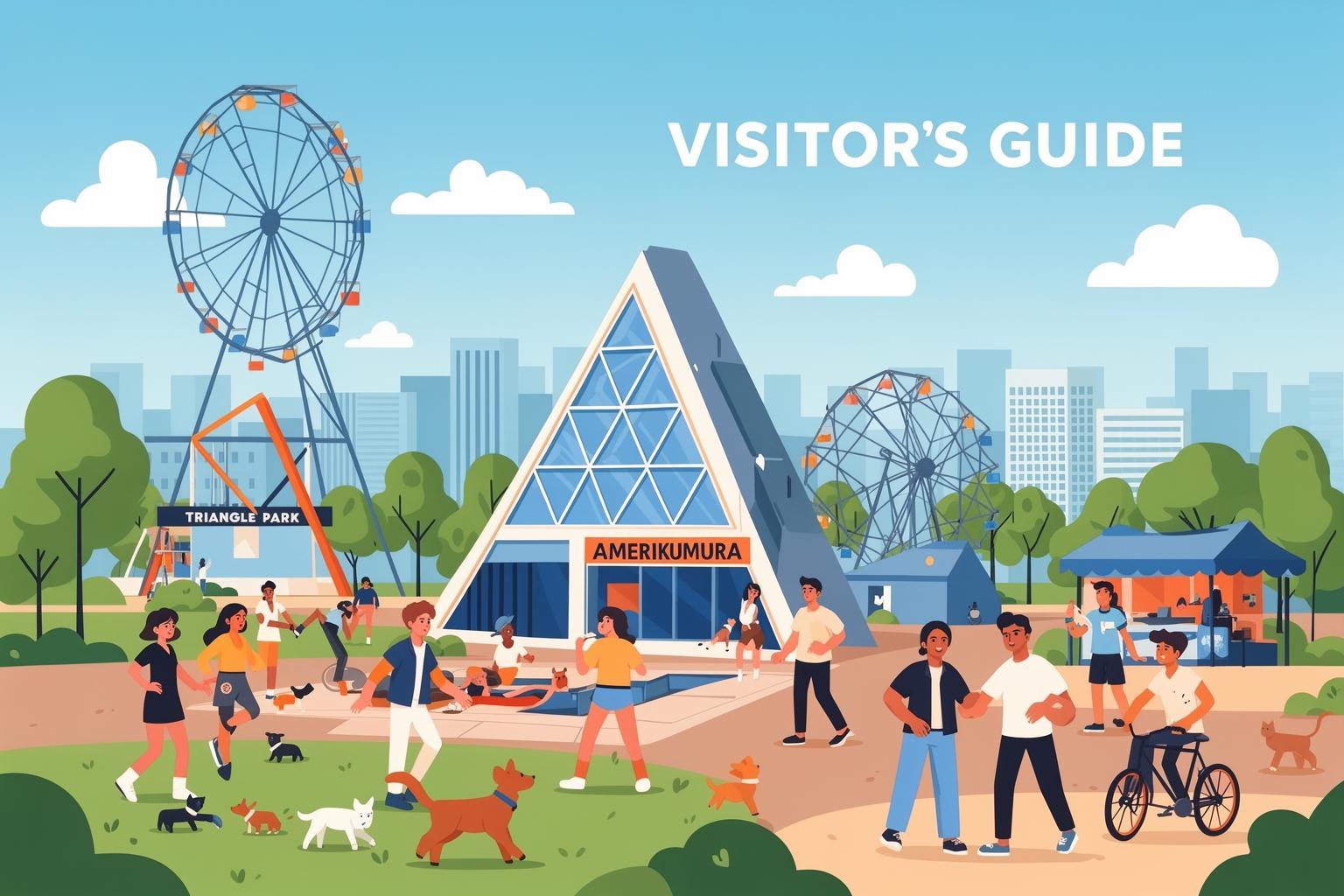
Navigating your way to this cultural hotspot is surprisingly straightforward. Triangle Park sits in the center of the Shinsaibashi area, making it highly accessible. The nearest subway stations are Shinsaibashi Station on the Midosuji and Nagahori Tsurumi-ryokuchi Lines, and Yotsubashi Station on the Yotsubashi Line. From either station, it’s an enjoyable five-to-ten-minute walk. If you’re arriving from the bustling Shinsaibashi-suji Shopping Arcade, simply head west, crossing the impressive Midosuji Avenue. You’ll notice the vibe change immediately as mainstream brands give way to the edgier, independent character of Amemura. The time of your visit will greatly influence your experience. For a quieter, more relaxed view, weekday mornings are perfect—you can watch the neighborhood wake up as shopkeepers prepare for the day. However, to see Triangle Park at its most vibrant, visit on a weekend afternoon. This is when the park truly buzzes with a diverse crowd. The energy peaks, fashion pushes boundaries, and people-watching reaches its height. Evenings bring yet another shift. As the sun sets, neon signs from nearby bars, restaurants, and “live houses” (music venues) illuminate, and the park takes on a nocturnal vibe, serving as a gathering spot for those heading out for the night. A simple yet deeply rewarding way to enjoy the area is to adopt the local pace. First, grab your favorite snack—whether takoyaki, ice cream, or coffee. Then, find a comfy spot on the concrete steps. Put your phone aside and simply observe. Take in the interactions, admire remarkable outfits, and listen to the sounds of the city. Use the park as your base camp, from which you can explore the surrounding streets. Don’t hesitate to wander down the narrowest alleys; these often hide the most interesting and unique shops. A small tip for first-timers: while the atmosphere is very welcoming, it’s important to be respectful. People here are expressing themselves rather than performing for tourists. If you want to take a close-up or portrait of someone’s striking outfit, always ask for their permission first—this is both polite and appreciated. Most will be happy to share and feel honored by your admiration for their style.
The Enduring Pulse of Osaka’s Youth
In a country often seen through the lens of quiet tradition and strict conformity, Triangle Park stands out as a lively and noisy symbol of the alternative side of Japanese identity. It is a tribute to individuality, a refuge for those who choose a different path. For decades, it has been an essential space where generations of young Osakans discover their tribe, explore their identity, and express themselves openly in a public setting. It has endured economic highs and lows, the rise and fall of numerous fashion trends, and the unstoppable advance of globalization. Yet, its fundamental spirit remains intact. It continues to be the place where an emerging street musician can test a new song, where a young designer draws inspiration from the passing crowd, and where lifelong friendships are formed through a shared passion for a specific style of music or clothing. Visiting Triangle Park is more than just a tourist experience; it is a cultural immersion. It offers a chance to understand that Japanese culture is not a single entity but a rich, complex, and wonderfully diverse ecosystem of ideas and aesthetics. It challenges stereotypes and provides a glimpse into the vibrant, creative, and endlessly fascinating world of today. So, when you visit Osaka, step away from the grand boulevards for a moment. Venture into the heart of Amerikamura, locate that small concrete triangle, and take a seat. Let the rhythm of the city’s youth wash over you. You will leave with a full stomach, a camera filled with incredible images, and a much deeper, more nuanced appreciation of what makes this city tick.