Step off the humming, futuristic efficiency of the Osaka subway, and you find yourself in a city that breathes in dualities. There’s the Osaka of dazzling neon rivers, of towering commercial fortresses, and of culinary theatrics that command a global stage. This is the city of Dotonbori’s electric glow and Umeda’s sky-piercing ambition. But then, there is another Osaka. A quieter, softer city that whispers its stories not through LED billboards, but through the grain of old wood, the gentle curve of a tiled roof, and the intimate embrace of a narrow alleyway. This is the Osaka you’ll find in Tanimachi 6-chome, a neighborhood affectionately known by locals as ‘Taniroku’. Here, nestled between the concrete giants, lies a living museum where the past is not just preserved; it is reimagined, revitalized, and pulsing with a cool, creative energy. The heart of this gentle revolution beats within the walls of the ‘nagaya’, the traditional wooden row houses that once defined the landscape of urban Japan. These long, slender homes, once bustling with the lives of merchants, artisans, and working-class families, are now undergoing a remarkable transformation, becoming the canvas for a new generation of dreamers. They are being reborn as artisanal coffee shops, avant-garde galleries, curated vintage boutiques, and intimate restaurants, creating a labyrinth of discovery that offers a profound connection to the city’s soul. To walk through Taniroku is to walk through time, to feel the texture of history under your fingertips, and to witness a beautiful conversation between then and now.
This quiet, historic neighborhood offers a beautiful contrast to the bustling, iconic landmarks of the city, such as the nearby Osaka Castle.
A Stroll Through Time: The Soul of Karahori Shopping Street

Your exploration into the heart of Taniroku’s charm often begins at Karahori Shopping Street, the neighborhood’s main thoroughfare. Unlike the shiny, weatherproof arcades found in Shinsaibashi, Karahori Shotengai feels more natural and alive. It’s a mosaic of covered segments and open-air stretches, where sunlight filters onto the pavement and the scent of rain lingers in the air. Walking here is like turning the pages of a cherished storybook. The pace isn’t driven by frantic shopping but by the steady, familiar rhythm of everyday life. You’ll hear friendly exchanges between greengrocers and regulars, the rhythmic chopping of vegetables as a deli prepares daily bento boxes, the crackling of croquettes frying in hot oil, and warm “Irasshaimase!” greetings that feel heartfelt rather than rehearsed.
The shops embody this fusion of past and present. A centuries-old tofu maker, steam curling into the morning air, might neighbor a sleek, minimalist boutique showcasing handcrafted leather goods. A traditional pharmacy, its shelves stocked with mysterious herbal remedies in glass jars, stands beside a third-wave coffee stall where a young barista carefully crafts each latte. This is the enchantment of Karahori; its history hasn’t been erased for modernity’s sake. Instead, the new has woven itself seamlessly into the existing fabric, creating a rich, vibrant tapestry. You can sense the weight of generations here—imagining the countless conversations that have echoed along the street, the children who’ve run over these paving stones, the merchants who’ve witnessed the seasons from behind their counters. It’s a place that invites you to slow down, truly see, and listen. Grab a freshly fried ‘karahori-yaki,’ a local sweet pastry, from a street vendor, and let its warm, comforting flavor fill you as you watch the world pass by. This isn’t just a shopping street; it’s the neighborhood’s living room—a space of connection, community, and quiet continuity.
The Nagaya Reborn: From Humble Homes to Creative Hubs
To truly grasp the essence of Taniroku, one must first understand the nagaya. These wooden row houses formed the foundation of urban residential life for centuries, especially thriving after the Meiji Restoration as Japan’s cities expanded. Their design was a model of practicality and space efficiency. Typically narrow at the front yet stretching deep into the land, they were often referred to as ‘unagi no nedoko’ or ‘eel’s beds’ for their distinctive shape. Families lived closely together, with shared walls creating an unavoidable—often beautiful—sense of community. Neighbors were more than strangers; they were like extended family, sharing everything from gossip and soy sauce to childcare and support through difficult times. Many nagaya in Taniroku survived the widespread devastation of World War II, making them precious architectural relics that hold the memories of Showa-era Osaka within their very beams.
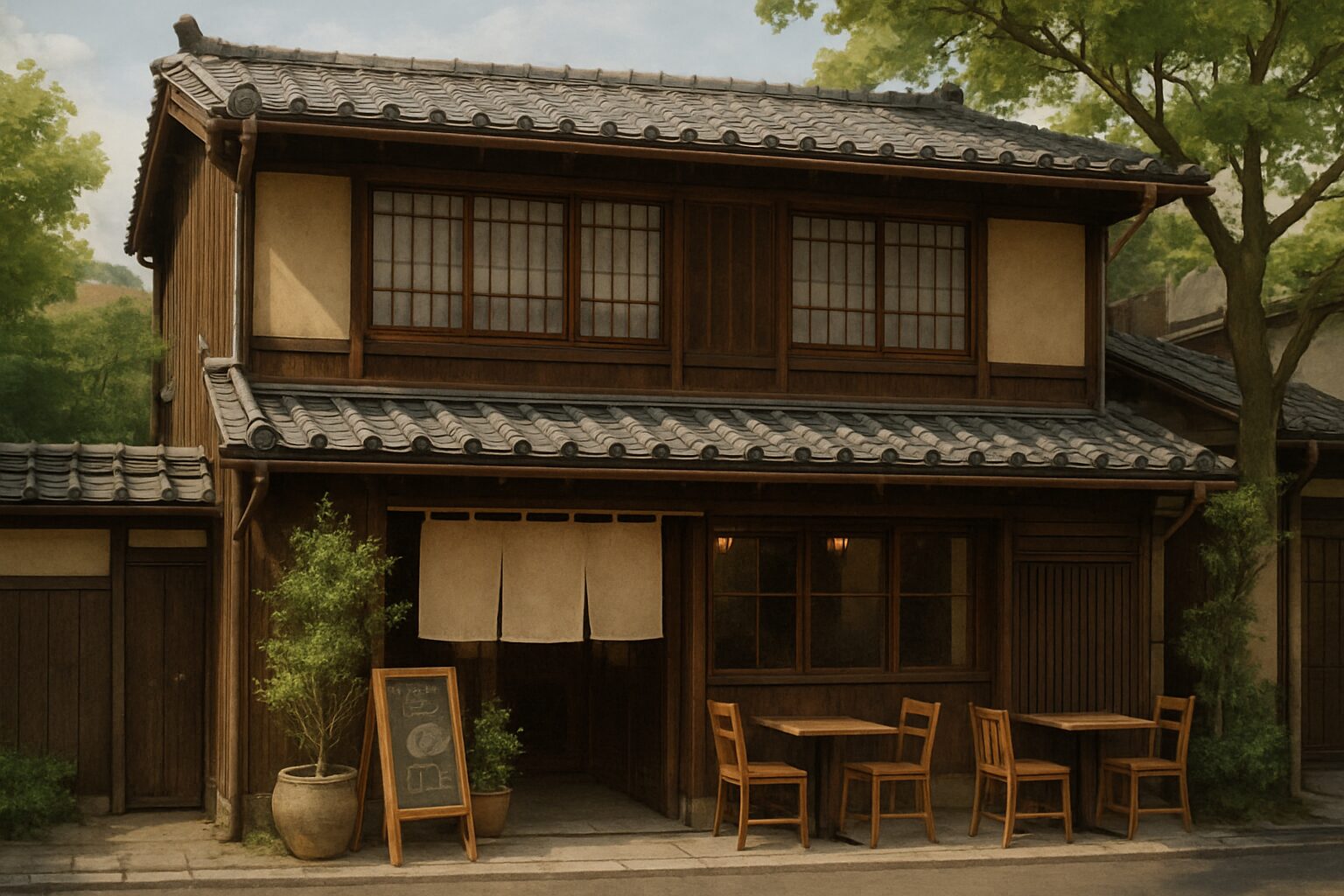
For decades, however, as Japan embraced modernity and concrete high-rises, the modest nagaya lost favor. They came to be seen as outdated, inconvenient remnants of a bygone era. Many were demolished to make way for parking lots and modern apartments. Yet in Taniroku, a different narrative unfolded. A wave of artists, architects, and young entrepreneurs saw not decay, but opportunity. They appreciated the inherent beauty in the nagaya’s simplicity, the warmth of aged wood, and the irreplaceable charm of their human scale. They initiated a quiet movement of restoration and renewal. This was not about creating a sterile, museum-like historic district but about breathing new life into old bones—respecting the original structures while adapting them for new purposes. This ‘Nagaya Renaissance’ fuels Taniroku’s unique appeal. It represents a sustainable, heartfelt form of urban development that prioritizes character over convenience and story over sterility. When you enter one of these repurposed spaces, you step into a dialogue between past and present. You can sense the spirit of the families who once lived there, even as you admire contemporary art on the walls or sip a perfectly crafted espresso.
Ho-an-ji Yokocho: A Labyrinth of Charm
Nestled deep within the residential blocks adjacent to the main shopping street, you’ll discover the most concentrated expressions of this revival. Places like Ho-an-ji Yokocho and other unnamed alleyway complexes are where the real treasure hunt begins. These are not grand plazas or wide boulevards, but intimate, human-scaled labyrinths where a cluster of nagaya have been thoughtfully restored as a unified community of shops and cafes. Finding the entrance is part of the adventure; it might be a discreet gap between two modern buildings, marked only by a small, elegant sign. Once inside, the city’s noise fades, replaced by a profound stillness. The alleys are narrow, sometimes paved with stone, others with packed earth. Above, a tangle of electrical wires crisscrosses the sky—a classic Japanese urban sight. Small, carefully tended potted plants line the walkways, adding touches of green to the wooden surroundings.
Each doorway holds a new surprise. One might reveal a tiny gallery featuring a local potter’s work, her creations displayed on shelves made from reclaimed floorboards. Another could be a vintage kimono shop, where silks dyed with traditional patterns hang like art in soft, ambient light. Further along, the rich scent of curry might lead you to a cozy eatery with just a handful of seats, its owner-chef serving a family recipe from a compact kitchen. Exploring these complexes feels like being let in on a wonderful secret. A strong sense of community exists among the shop owners, many of whom are young artisans drawn to this area for its authenticity and supportive atmosphere. They are not merely running businesses but are custodians of these historic spaces, their passion contagious. They eagerly share the story of their buildings, point out original architectural details, or simply engage in conversation about their craft.
The Allure of Imperfection: Wabi-Sabi in Action
What makes these renovated nagaya so captivating is their wholehearted acceptance of imperfection. The philosophy of wabi-sabi—the Japanese aesthetic embracing transience and imperfection—is more than a concept here; it’s a lived experience. The restorers did not attempt to erase the marks of time; instead, they celebrated them. As you explore these spaces, you’ll notice the deliberate preservation of original features that give each building its unique character. Dark, exposed wooden beams scarred by a carpenter’s tools from a century ago stretch across ceilings. Walls often retain their original earthen plaster, rough-textured and beautifully uneven. Floors might creak softly underfoot, and original lattice-fronted windows, known as ‘koshi,’ may not be perfectly straight. A ‘mushiko-mado,’ a distinctive insect-cage style window on the second floor, might have its delicate woodwork lovingly repaired, not replaced.
Here lies the magic: signs of age are not viewed as flaws to fix but as testaments to the building’s history. They tell stories of endurance and of lives lived within these walls. This historical texture is then masterfully combined with modern design elements. A sleek, polished concrete counter might stand in striking contrast to a rough, ancient pillar. Minimalist light fixtures illuminate the intricate patterns of an original ceiling. A small, serene inner garden or ‘tsuboniwa’—a classic feature of traditional Japanese homes designed to bring nature, light, and air into the deep interior—might be visible through a large pane of modern glass. This thoughtful blending of old and new creates a space that feels both timeless and completely contemporary. It encourages visitors to slow down, appreciate subtle beauty, and feel connected to the many hands that have shaped the space they occupy. It is the physical embodiment of wabi-sabi—a calming, deeply resonant experience starkly opposed to the disposable culture of today’s world.
Crafting Your Perfect Day in Tanimachi 6-chome

One of the greatest pleasures of Taniroku is that it defies a rigid, checklist approach to tourism. The best way to experience it is simply to let yourself wander and follow your curiosity. Still, a gentle structure can help you connect with the neighborhood’s distinctive rhythm and make the most of your visit. Picture a day here unfolding, not as a hurried race from one attraction to another, but as a slow, immersive journey of exploration.
Morning: Coffee and Quiet Reflection
Start your day as the neighborhood gradually comes to life. Skip the chain coffee shops and seek out one of the independent cafes nestled inside a renovated nagaya. The experience feels worlds apart from a typical morning coffee run. You might find a spot with a sliding wooden door that opens into a calm, softly lit room. The air is a soothing blend of freshly roasted coffee beans, aged wood, and perhaps a faint trace of incense. Settle by a window overlooking a tiny, moss-covered tsuboniwa, where a single maple leaf might catch the morning sun. The coffee here is crafted with care. The baristas are often artisans themselves, treating each cup as a unique work of art. As you savor your pour-over, notice the details around you: the dance of light and shadow on the earthen walls, the smooth, worn texture of the wooden counter, the quiet murmur of another guest turning the page of a book. This is more than just a caffeine boost; it’s a meditative start to your day, a moment to step away from the rush and attune yourself to the peaceful, deliberate tempo of Taniroku.
Afternoon: A Treasure Hunt Through Alleys and Shops
With the morning calm still lingering, it’s time to explore. Begin by wandering along the Karahori Shopping Street. Don’t just pass through—immerse yourself. Sample a ‘korokke’ (potato croquette) from a butcher’s, pick up a small bag of roasted tea at a family-run tea shop, and admire the vibrant hues of seasonal vegetables at the greengrocer. From the main street, let your instincts lead you down smaller side streets and into hidden yokocho alleyways. This is where the real treasure hunt begins. Don’t hesitate to get a little lost; each wrong turn opens the door to a new discovery. You might find a shop specializing in exquisite Japanese stationery, a bookstore brimming with art publications and indie zines, or a gallery where a young artist is working in their studio. Shopping here feels deeply personal. The items are rarely mass-produced; they’re handcrafted, carefully curated, and infused with the passion of their makers. Chat with the shopkeepers. Learn about their craft, their building’s history, and their ties to the neighborhood. Every conversation adds depth to your appreciation of this unique community.
Lunchtime: A Taste of Local Life
When hunger strikes, you’ll be spoiled for choice by intimate dining spots. Many of the nagaya house small restaurants that offer an experience far different from the city’s busy eateries. You might discover a place serving a traditional ‘teishoku’ set lunch featuring a main dish like grilled fish, accompanied by rice, miso soup, and several seasonal side dishes, all artfully arranged on a single tray. Or perhaps a creative venue blending Japanese ingredients with international flavors, such as a curry house where the spices are ground by hand, or a small pasta restaurant using local vegetables. The ambiance is just as important as the food. Dining in a space that was once a family’s living room, with views of a small garden, creates a cozy, almost homelike atmosphere. Because these establishments are often small, the owner is also the chef, allowing for a direct connection between the person who prepared your meal and yourself. It’s a chance to savor not only the flavors of Osaka but also its warm, unpretentious hospitality.
Navigating Taniroku Like a Local
Getting to and navigating around Tanimachi 6-chome is simple, but a few local tips can make your visit smoother and more enjoyable. The neighborhood’s charm is in the details, so being prepared lets you fully appreciate the experience. Access is very convenient. The Tanimachi 6-chome subway station is served by two accessible lines: the purple Tanimachi Line and the light green Nagahori Tsurumi-ryokuchi Line. Exiting from Exit 3 or 4 will bring you directly to the entrance of Karahori Shopping Street, making it an ideal starting point. The area is also easily reachable on foot from the nearby Matsuyamachi station on the Nagahori Tsurumi-ryokuchi line, known for its traditional doll and wholesale toy shops, adding another interesting dimension to your visit.
Timing your visit is important. For a peaceful and authentic experience, try to come on a weekday. You’ll find the narrow alleys mostly to yourself, with more chances for quiet conversations with shopkeepers. However, keep in mind that many small, independent businesses have irregular hours and are often closed one or two days a week, typically Tuesdays or Wednesdays. Approaching your visit with flexibility rather than a fixed list of must-see shops is best. Weekends, especially Saturday afternoons, tend to be livelier, with a mix of locals and visitors creating a vibrant atmosphere. If you enjoy energy and buzz, this is a great time to visit, but be prepared for cozier conditions in the small cafes and shops.
Above all, remember that Taniroku is a living residential neighborhood, not just a tourist spot. The beautiful nagaya houses you admire are often right next to private homes where people live their daily lives. Be a considerate visitor. Keep your voice low, especially in quiet residential alleys. Avoid looking into private homes or gardens. Always ask permission before photographing inside shops or taking pictures of staff. This simple respect helps preserve the welcoming atmosphere of the area. As for what to bring, comfortable walking shoes are essential. The real joy of Taniroku is discovered on foot, and you’ll cover a lot of ground, often on uneven stone paths. While Japan is increasingly card-friendly, some smaller, family-run shops and market stalls in the shotengai may still accept cash only. Having some yen on hand will ensure you don’t miss out on a tasty snack or a unique souvenir.
More Than a Neighborhood, It’s a Feeling

As dusk falls in Tanimachi 6-chome, a unique kind of magic settles over the area. The setting sun stretches long shadows across the alleys, lanterns hanging outside quaint izakayas begin to emit a warm, inviting glow, and the aroma of evening meals being cooked wafts through open windows. It is in this moment that you truly grasp that Taniroku is more than just a collection of intriguing sights. It is an experience—a connection to a city’s history, not as a static display behind glass, but as a living, evolving narrative that you can step into and become part of. It’s a deep appreciation for the hands that built these homes a century ago and the vision of those carefully preserving them today.
This neighborhood stands as a powerful counterpoint to the anonymity of modern urban life. It reminds us of the importance of community, the charm of small-scale businesses, and the immense value of safeguarding our heritage. The revival of the nagaya is not mere nostalgia; it is a forward-looking movement that advocates sustainability, creativity, and human connection. It shows that progress doesn’t always require tearing down the old to build the new. Sometimes, the most beautiful future is one rooted in the foundations of a rich and meaningful past. So, when you visit Osaka, by all means, admire the dazzling lights and iconic landmarks. But be sure to set aside time to wander through the quiet, enchanting maze of Tanimachi 6-chome. Let its stories seep into your soul, and you will depart with a deeper, more profound understanding of this remarkable city.