There are places in a city that feel like portals, doorways to another world tucked away in plain sight. You step off a train, turn a corner, and suddenly the air changes. The language you hear shifts, the smells are different, and the entire rhythm of the street beats to a new drum. In Osaka, that portal is Tsuruhashi Station. The moment the train doors slide open, you’re greeted not by the familiar scent of dashi or takoyaki, but by the unmistakable, intoxicating aroma of Korean barbecue. This is the gateway to Osaka’s Koreatown, a sprawling, energetic labyrinth of markets, restaurants, and shops that offers one of the most vibrant cultural immersion experiences in all of Japan. This isn’t just a collection of stores; it’s a living, breathing community with a rich history, a place where the soul of Korea has been woven into the fabric of Osaka for generations. It’s a sensory overload in the best possible way, a place to get wonderfully, deliciously lost. Whether you’re a long-term resident looking to spice up your weekly grocery run or a newcomer eager to understand the diverse tapestry of this city, a journey into Tsuruhashi is an absolute essential. It’s a feast for the senses, a lesson in history, and a whole lot of fun.
After immersing yourself in the vibrant energy of Tsuruhashi, you might find yourself craving a moment of quiet reflection, which you can discover by exploring the serene world of Osaka’s traditional kissaten.
The Grand Welcome: An Assault on the Senses
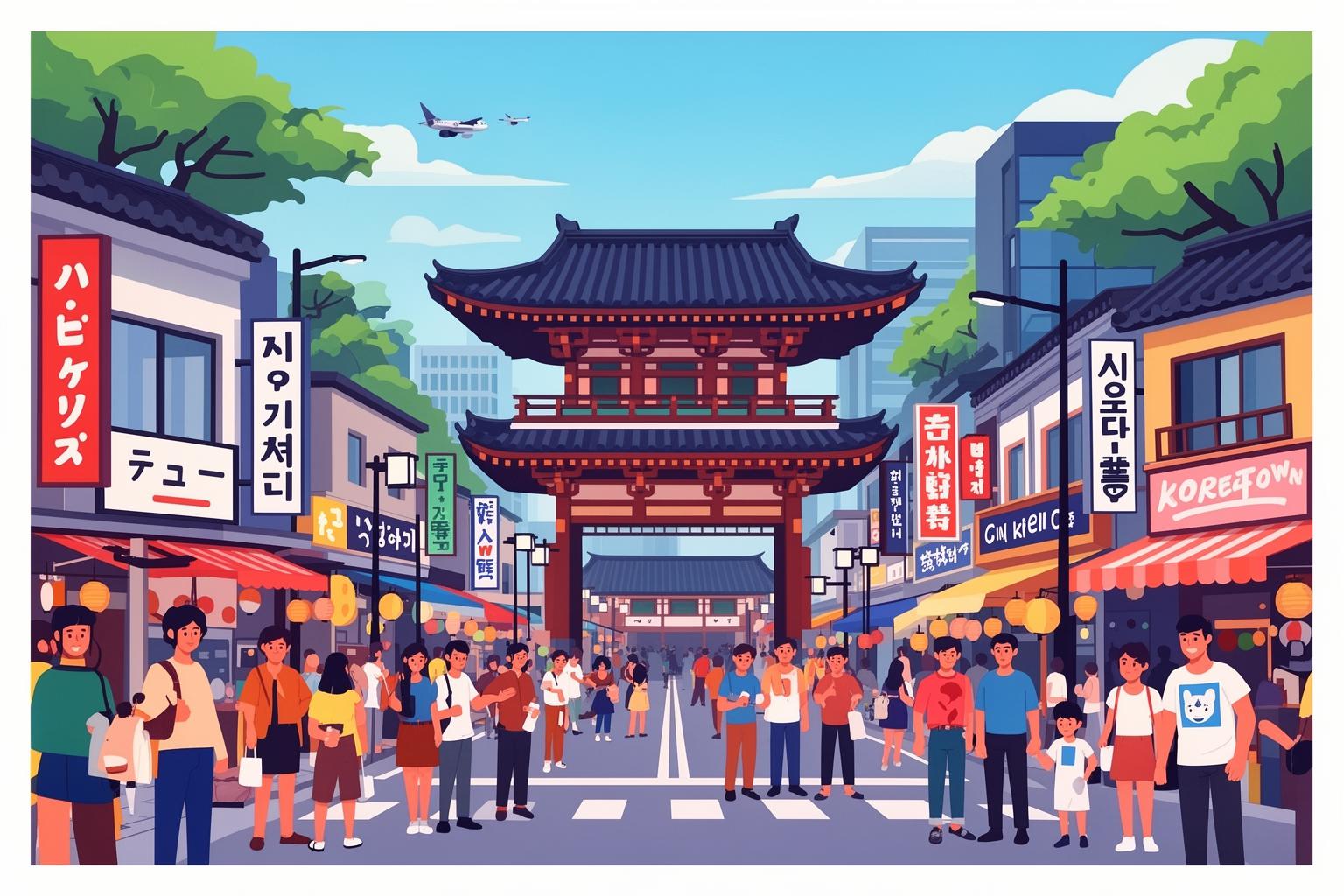
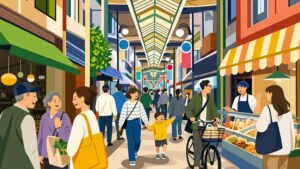
The experience begins the moment you pass through the turnstiles at Tsuruhashi Station. Multiple exits each lead to a slightly different side of Koreatown, but the centerpiece is the market that extends straight from the JR Loop Line’s west exit. It’s not a gentle introduction; it’s a full immersion. The covered shotengai, or shopping arcade, is a dimly lit, narrow labyrinth that almost feels subterranean. The air is thick and heavy with a potent aroma of grilling meat, fermenting kimchi, pungent garlic, and savory spices that clings to your clothes and hair. Vendors—many older women with decades of experience etched into their faces—stand proudly behind piles of their goods. Their calls to passing shoppers create a constant rhythmic hum that blends with the sizzle of hotplates and the lively chatter of haggling in a fluid mix of Japanese and Korean.
Exploring these initial alleyways is an adventure in itself. The paths are so tight you often brush shoulders with other visitors. With a little one in tow, a baby carrier is indispensable here; a stroller would be a logistical challenge. But the cramped quarters add to the charm, forcing you to slow down and truly take in what’s available. Your eyes jump from one stall to the next, trying to absorb it all. One vendor specializes in pig’s feet (jokbal), gleaming under the warm lights. The next offers a vibrant array of namul, seasoned vegetable side dishes in every hue of the rainbow. Then comes the kimchi. Ah, the kimchi. Towering pyramids of classic napa cabbage kimchi, fiery red and enticing, greet you. But look closer, and dozens of variations appear: cubed daikon radish (kkakdugi), crisp cucumber (oi sobagi), and even green onion (pa kimchi). Often, you can sample these—a tiny bite of spicy, fermented delight that awakens your palate and primes you for the culinary journey ahead. This first maze is the raw, pulsing heart of Tsuruhashi, a place unchanged by time, where tradition is not only preserved but celebrated with every sale and every sizzle.
The Sizzle and the Smoke: A Yakiniku Pilgrimage
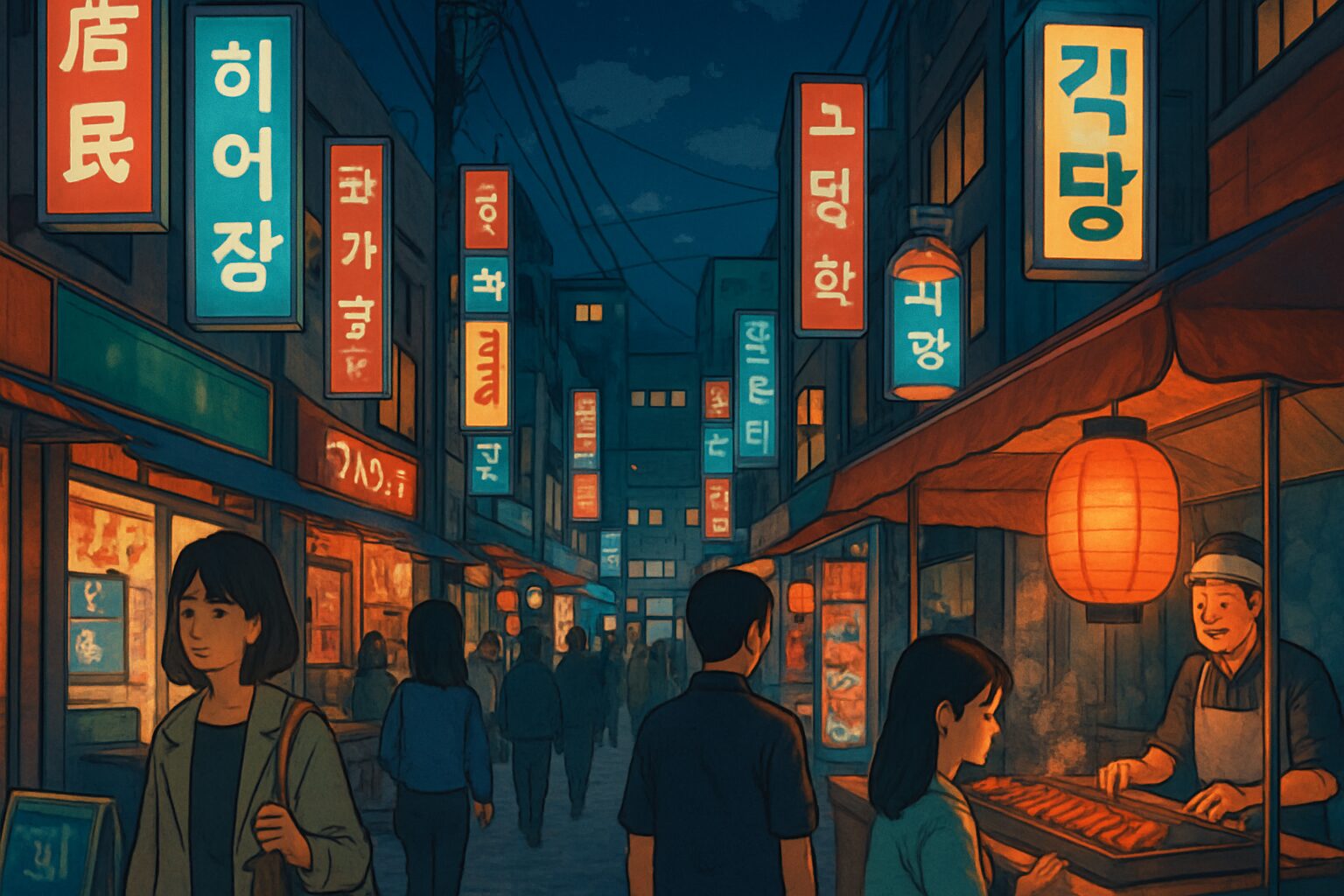
While the market stalls provide a tempting glimpse, the true culinary star of Tsuruhashi is yakiniku, the Japanese term for grilled meat with deep roots in Korean cuisine. The smoke rising from the numerous yakiniku restaurants is the very essence of the neighborhood. Following the aroma is the only guide you need. As night falls, the smoke thickens, neon signs light up, and the area becomes a haven for meat lovers. The narrow streets fill with the rich scent of marbled beef searing over hot coals, a fragrance that bypasses the mind and speaks straight to the stomach.
Choosing a restaurant can be overwhelming. Some are tiny, standing-room-only spots where you grill your own skewers over a small charcoal brazier. Others are larger, livelier venues buzzing with the clink of glasses and cheers. Many renowned establishments have been family-run for generations, passing down secret marinades and sauce recipes as treasured legacies. You’ll find every cut of beef imaginable, from prime kalbi (short ribs) and rosu (loin) to the more adventurous horumon (offal), a local specialty. What makes Tsuruhashi yakiniku special is its combination of quality and affordability. Thanks to the nearby wholesale meat market, you get exceptional cuts at a fraction of the cost of upscale downtown restaurants. The experience is communal and hands-on: a grill sits in the middle of your table, and plates of raw, beautifully marbled meat arrive. You become the chef, placing each piece on the hot grate, listening for that satisfying sizzle, and watching it cook to perfection within seconds. Dipped in a sweet and savory tare sauce, perhaps wrapped in a crisp lettuce leaf with a touch of gochujang and a slice of garlic, each bite is pure, unfiltered bliss. It’s messy, smoky, and utterly magnificent. For a truly authentic experience, seek out places with long lines of locals—they always know best. Don’t hesitate to point or gesture if your Japanese or Korean is limited; a smile and a grateful nod go a long way.
Beyond the Grill: A Universe of Street Food and Delicacies

While yakiniku reigns supreme in Tsuruhashi, the area brims with an array of equally delicious offerings, especially when it comes to street food and ready-to-eat dishes. Here, you can truly enjoy a tasting tour, sampling a bit of everything as you stroll through. A must-try is chijimi or jeon, savory Korean pancakes. You’ll spot large, sizzling pancakes in shop windows, packed with green onions, seafood, or kimchi. They are cut into squares and served hot, often accompanied by a tangy dipping sauce. The edges are satisfyingly crispy, while the inside stays soft and chewy—a perfect, hearty snack to keep you going on your explorations.
Then there’s tteokbokki, a beloved Korean street food classic. These chewy, cylindrical rice cakes are cooked in a sweet and spicy, bright red gochujang sauce, often mixed with fish cakes (eomuk) for extra flavor. It’s the ultimate comfort food, warming you from within. Beware, the spice level can range from mild to fiery, so it’s wise to request a milder version if you’re sensitive to heat or sharing with children. For those craving something sweet, hotteok is the answer. These fluffy, griddled pancakes are filled with a molten mix of brown sugar, cinnamon, and sometimes nuts or seeds. Taking a bite of a fresh hotteok is heavenly—but watch out, the filling can be scorching hot! It’s the perfect sweet balance to the savory and spicy flavors of the market. You’ll also find stalls offering kimbap, the Korean style of sushi rolls. Filled with a variety of ingredients such as seasoned vegetables, egg, and meat, they taste more savory and are richer in sesame oil than their Japanese counterparts. They make a convenient, tasty lunch on the go and are especially popular with kids.
Miyuki-dori: The K-Pop and K-Beauty Epicenter
Once you step out of the labyrinthine market alleys near the station, you’ll find yourself on the main thoroughfare of Koreatown: Miyuki-dori Shotengai, also known as Korea Town Main Street. The atmosphere here is entirely different. The arcade is broader, brighter, and brimming with youthful energy. K-pop music blares from speakers, and the shops focus on the contemporary aspects of Korean culture. This is the place to be if you love Korean dramas, music, or the globally renowned Korean beauty industry. Stores are packed to the ceiling with merchandise featuring the latest idol groups—posters, keychains, light sticks, and albums. It’s a vibrant, colorful world that captivates even if you can’t name a single BTS song.
Next to the K-pop shops, you’ll find K-beauty stores, which are like treasure chests for skincare lovers. You’ll discover all the famous brands and products you may have read about online: sheet masks in endless varieties, snail mucin serums, cushion foundations, and vivid lip tints. Prices are often better than those in department stores, and the selection is vast. It’s an ideal spot to stock up on favorites or try new products. The shopkeepers are usually very knowledgeable and can help you find items that suit your skin type. Miyuki-dori is also a wonderful place to continue your culinary adventure. The street is lined with vendors selling everything from Korean-style fried chicken, crispy and coated in a sweet and spicy glaze, to colorful and photo-worthy Korean corn dogs, covered in sugar and stuffed with cheese. There are also cozy cafes where you can relax with dalgona coffee or bingsu, a Korean shaved ice dessert piled high with sweet toppings. The vibe here is less about traditional grocery shopping and more about enjoying the trendy, pop-culture side of Korea. It provides a striking contrast to the old-world charm of the markets near the station, highlighting the vibrant evolution of the community.
The Heart of the Community: History and Culture
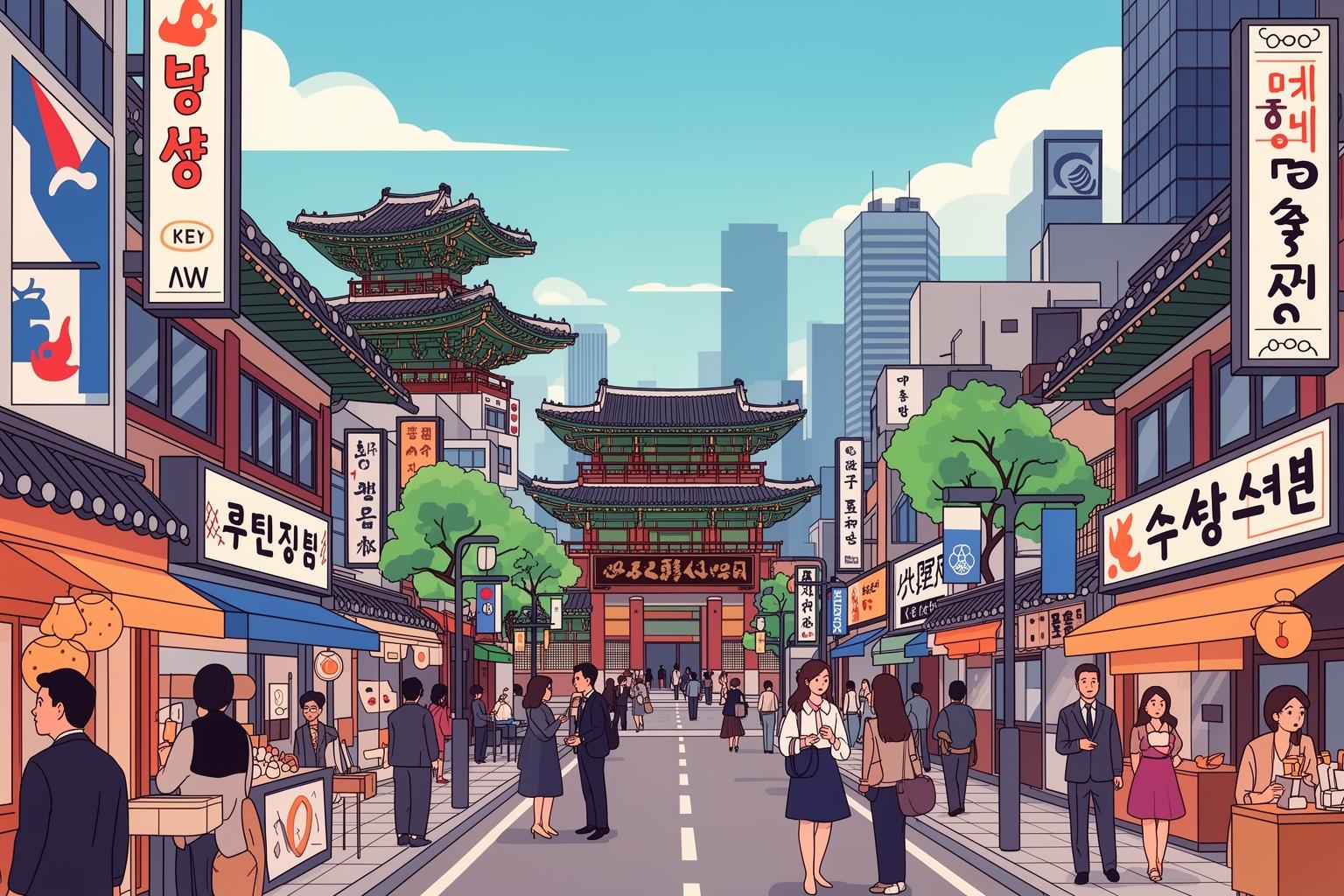
To truly appreciate Tsuruhashi, it is helpful to understand its history. The area’s identity is closely tied to the history of Zainichi Koreans, ethnic Koreans who hold permanent residency in Japan. This community largely took shape before and during World War II, when many Koreans were brought to Japan as laborers. After the war, many remained, and Osaka, especially the area around Tsuruhashi, became a central hub for the community. The markets present today evolved naturally from the post-war black markets, born out of necessity and resilience. These markets provided a space where the community could buy and sell goods while preserving their culture and culinary traditions in a new land. The aromas of kimchi and gochujang evoked a sense of home. The sounds of the Korean language offered comfort and connection.
While this history may not always be immediately visible, it is woven into the neighborhood’s fabric. It can be seen in multi-generational family businesses where grandparents work alongside their grandchildren. It appears in the traditional chima jeogori (Korean dress) shops nestled among the busy restaurants. It is heard in the conversations of elderly residents who gather at local cafes. Understanding this context turns a visit to Tsuruhashi from a mere shopping trip into a richer cultural experience. It stands as a testament to the enduring spirit of a community that has created a unique and vibrant space, enriching Osaka’s cultural landscape in the process. When you purchase kimchi from a vendor, you’re not just buying food; you’re engaging with a legacy. You’re supporting a family and honoring a tradition passed down through immense challenges and change. This depth is what makes Tsuruhashi far more than just a tourist destination.
A Practical Guide to Your Koreatown Adventure
Navigating Tsuruhashi becomes quite easy once you get your bearings. The main access point is Tsuruhashi Station, which is conveniently served by three major lines: the JR Osaka Loop Line, the Kintetsu Nara Line, and the Osaka Metro Sennichimae Line. This makes reaching it from major hubs like Namba, Umeda, or Tennoji very simple. As noted, the most atmospheric market experience is found just outside the JR station’s exits. For Miyuki-dori Shotengai, it’s about a 10-15 minute walk southeast of the station. Simply follow the crowds or use your map app; it’s a well-known route.
Timing your visit depends on what you want to see. The markets are busiest during the day, from mid-morning until late afternoon. This is the ideal time to watch butchers at work, browse the wide variety of kimchi, and pick up fresh produce. However, many yakiniku restaurants only open in the late afternoon or early evening. A good approach is to arrive in the early afternoon, spend a few hours exploring the markets and Miyuki-dori, then enjoy a delicious yakiniku dinner as night falls. Keep in mind that many smaller shops in the market arcades close one day a week, often on Wednesdays, so if there’s a particular store you want to visit, it’s wise to check its schedule beforehand. A few last tips for a smooth visit: bring cash. Although more places are beginning to accept cards, many smaller market stalls and street food vendors only take cash. Wear comfortable shoes, as you’ll be walking a lot on uneven pavement. Finally, come with an empty stomach and an open mind. Be adventurous and try something new. That’s what a trip to Tsuruhashi is all about.
Leaving with a Full Heart and a Full Bag
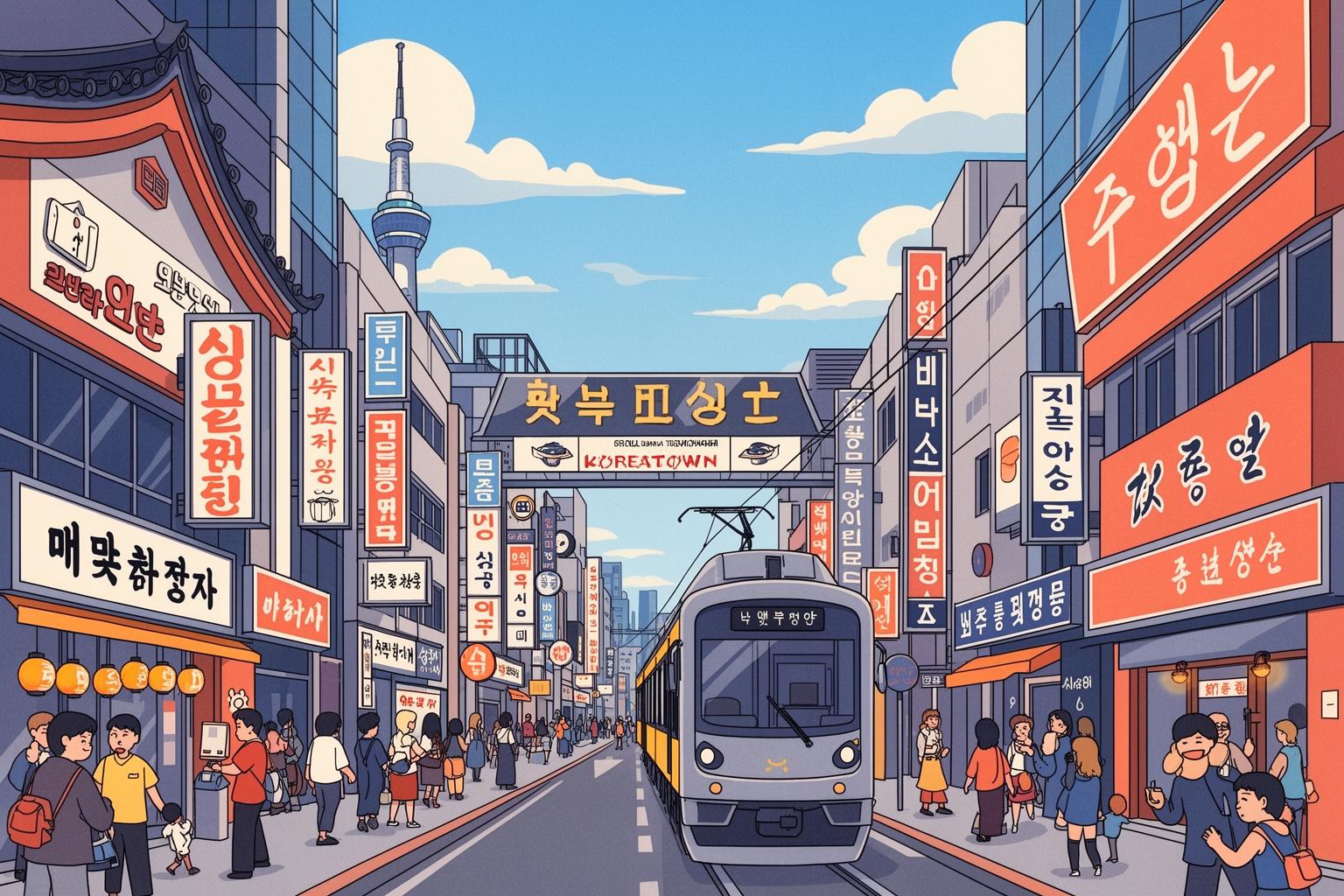
As you finally return to Tsuruhashi Station, the aromas of grilled meat and kimchi trailing behind you like a fond farewell, a profound sense of satisfaction settles over you. Your tote bag is likely heavier than when you arrived, packed with a container of freshly made kimchi, some Korean snacks, and perhaps a new face mask or two. Your stomach is full, and your senses are alive from the whirlwind of sights, sounds, and flavors. A visit to Osaka’s Koreatown is more than just an outing; it’s an experience that lingers. It’s the memory of the kind grandmother who offered you a taste of her cucumber kimchi, the sound of sizzling beef on the grill, and the vibrant energy of K-pop echoing through a modern shopping street. It’s a vivid reminder of the rich, multicultural layers that make Osaka such a captivating city. It’s a place of community, resilience, and incredible food. And as you board your train, leaving behind the smoky, savory embrace of Tsuruhashi, you know it won’t be long before you return for another taste.