Yo, fellow city dwellers, let’s talk real for a second. We live in Osaka, a city that pulses with a vibrant, electric energy. It’s a symphony of neon lights, rumbling trains, and the delicious sizzle of takoyaki on a hot griddle. We thrive on it, we love it. But sometimes, don’t you feel that constant hum deep in your bones? Don’t you crave a moment where the loudest sound is the wind rustling through ancient cedar trees, where the skyline is replaced by a jagged line of mountains, and where the air tastes so clean it feels like a reset for your soul? I know I do. That craving led me on a journey, not far from the urban sprawl, but worlds away in spirit. I found it in Chihayaakasaka, a place that holds the unique title of being Osaka Prefecture’s one and only village. Tucked away at the foot of the majestic Mount Kongō, this isn’t just a location; it’s a feeling. It’s a weekend escape that promises not just a hike, but a deep dive into the historical heartland of Osaka, a journey through landscapes that look like they’ve been painted by a master artist, and a chance to reconnect with the simple, profound rhythms of nature. This is the story of how you can trade the concrete jungle for serene mountain trails and emerald rice paddies, all within reach for an unforgettable weekend adventure. Get ready to breathe deep and discover the Osaka you never knew existed.
For a different kind of historical escape, consider a weekend trip to the preserved Edo-period town of Tondabayashi.
Whispers of History on the Kongōsan Trails
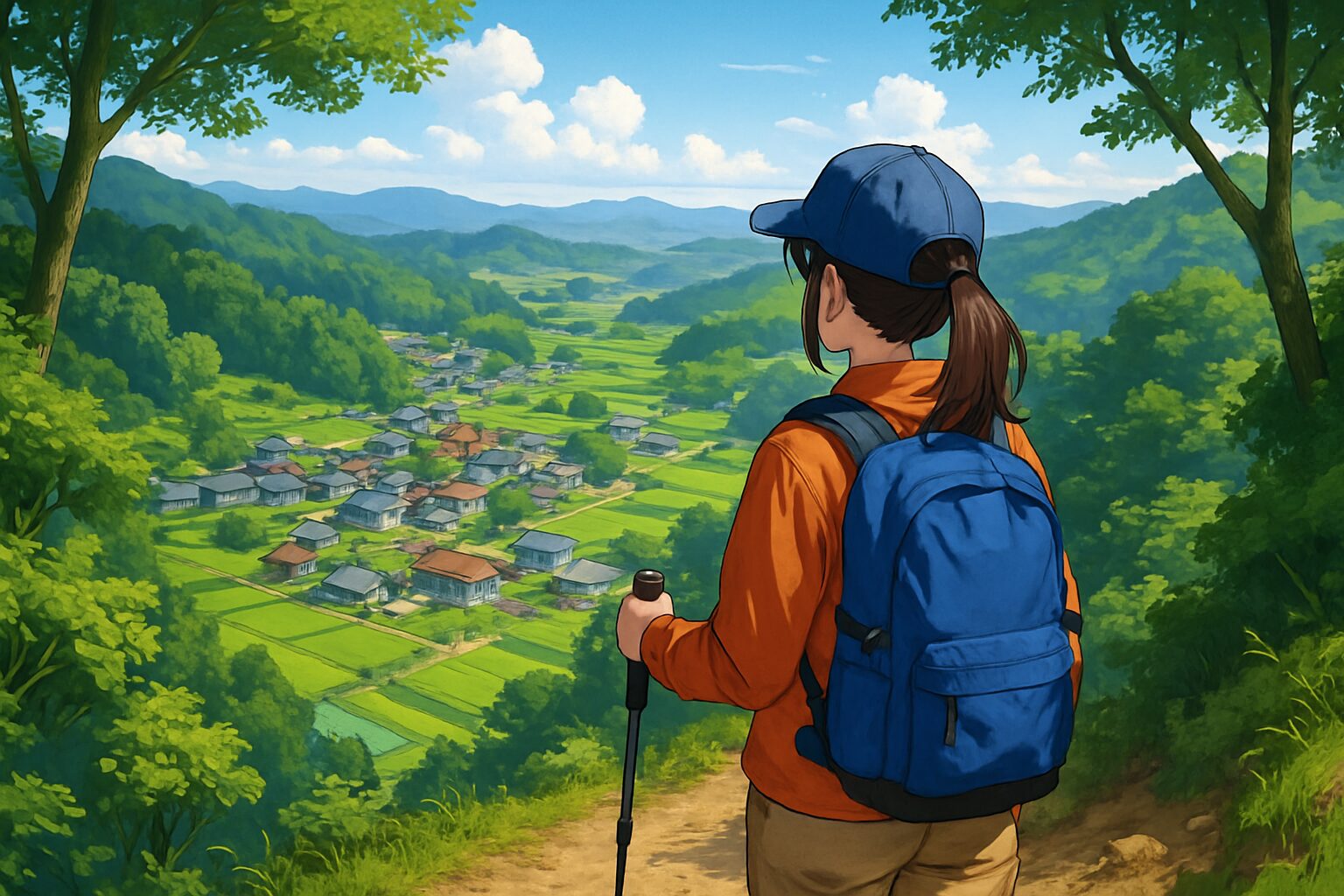
The moment your boots touch the trail on Mount Kongō, you realize this is no ordinary hike. The very ground beneath your feet seems steeped in stories. Kongōsan is not only the highest peak in Osaka Prefecture; it is a sacred mountain, a historic battleground, and a living museum. The air here feels different—rich with the scent of damp earth, pine needles, and something more… the faint, lingering whisper of centuries gone by. This is the heartland of the legendary 14th-century samurai warlord, Kusunoki Masashige. As you ascend, you are literally following in the footsteps of warriors. The mountain was his fortress. The steep slopes, dense forests, and strategic ridges that challenge you today were the very features he used to defend Emperor Go-Daigo.
You can almost hear the rustle of armor in the whispering breeze as you pass the ruins of Chihaya Castle and Akasaka Castle. These are not grand, towering castles like the one in central Osaka, but mountain fortifications now reclaimed by nature, marked only by humble stone monuments and informational plaques. Yet their presence is powerful. Standing there, you can imagine the fierce determination of Masashige and his small band of loyal samurai, holding off overwhelming shogunate armies. This history turns the hike from a mere physical challenge into a profound, almost spiritual pilgrimage. Every moss-covered stone and gnarled tree root seems to have a story to tell. You’re not just climbing a mountain; you’re ascending through layers of Japanese history, feeling the weight and drama of the Nanboku-chō period with every step upward. The trail itself becomes a narrative, and with each clearing that reveals a panoramic view of the plains below, you see the land not only as a stunning landscape but as a strategic chessboard where the fate of a nation was once decided. This deep connection to the past is what makes a hike on Kongōsan so uniquely captivating and unlike any other outdoor experience in the Kansai region.
Gearing Up for the Ascent: Choosing Your Path
Mount Kongō warmly welcomes hikers of all kinds, from experienced mountaineers to casual weekend walkers. The secret lies in selecting the trail that resonates with you. Its network of paths weaves across the slopes, each offering a unique experience and distinct rewards. Don’t be daunted; consider it a ‘choose your own adventure’ story scripted in dirt, stone, and roots. Preparation is straightforward yet vital: sturdy, comfortable hiking shoes are essential, as some trails can be rocky and slippery. Dressing in layers is key to staying comfortable, allowing you to adjust to temperature changes as you ascend. Naturally, bring plenty of water and energizing snacks—such as onigiri, nuts, or a chocolate bar to celebrate reaching the summit. The mountain provides the magic; all you need are the basics and an open heart.
The Classic Route: A Journey Through the Forest
For many first-time hikers, the adventure starts near the base of the now-defunct Mount Kongo Ropeway. Although the gondolas no longer ascend the mountain, the area remains a popular and clearly marked starting point for one of the most cherished trails. This route offers a wonderful introduction to the mountain’s beauty. It’s a steady, manageable climb that guides you through an awe-inspiring forest of towering cedar trees. The grandeur of these giants is humbling; their crowns seem to pierce the sky, creating a calm, cathedral-like ambiance. Sunlight filters through in scattered beams, lighting up patches of vivid green moss and delicate ferns carpeting the forest floor. The soundscape is purely natural: the gentle murmur of a hidden stream crossed by a small wooden bridge, cheerful birdcalls from unseen songbirds, and the rhythmic crunch of your footsteps on the trail. Along the way, you’ll pass sections with rustic wooden stairs and ancient stone steps smoothed by the passage of countless pilgrims and hikers over centuries. This path is not about extreme difficulty, but about immersion—allowing you to lose yourself in the deep green tranquility, breathe in crisp, clean air, and feel the gentle yet persistent pull of the summit drawing you ever upward.
For the Intrepid Explorer: The Diamond Trail
If you’re seeking a tougher challenge and a true sense of epic adventure, the Diamond Trail awaits. More than a trail, it is a legendary long-distance route crossing the Kongō-Izumi mountain range, linking Mount Makio in the south to Mount Nijō in the north, with Kongōsan as its magnificent centerpiece. You don’t need to hike the entire 45 kilometers; sections are easily manageable, and the climb up Kongōsan is especially rewarding. This route is rougher, more demanding, and definitely more ‘off the beaten path.’ It carries you along exposed ridges where breathtaking, wide-open vistas stretch around you. On a clear day, you can glimpse the sprawling urban landscapes of Osaka and Nara, the distant mountains of Wakayama, and even Awaji Island floating on the sea. Standing on that ridge, with the world sprawling beneath you, evokes pure exhilaration and freedom. The Diamond Trail challenges you physically with steeper climbs and more technical terrain, but the rewards are immense: a deep sense of achievement and unforgettable views etched into your memory long after the descent.
The Mountain for All Seasons
The true brilliance of Mount Kongō lies in its ability to offer a distinct yet equally stunning experience in every season. There is no single ‘best’ time to visit—only the best time for the experience you seek.
In spring, the mountain bursts into a gentle riot of colors. Trails are lined with wild cherry blossoms, their pale pink petals drifting softly like snow. The air hums with new life, and the fresh, tender green of new leaves forms a vibrant canopy overhead. It’s a season of renewal and delicate beauty.
In summer, the mountain transforms into a lush, verdant paradise. The foliage is thickest then, creating a dense tunnel of shade that offers welcome relief from the city’s heat. The ceaseless song of cicadas provides a hypnotic soundtrack to your climb, and cool mountain streams invite refreshing pauses. It’s a full sensory immersion in the fullest vigor of nature.
Autumn arguably brings the most dramatic spectacle. The mountain ignites in a breathtaking display of fiery reds, brilliant oranges, and golden yellows. Japanese maples, or ‘momiji,’ steal the spotlight, their leaves contrasting beautifully against the deep greens of the cedars and the intense blue autumn sky. Hiking during the ‘koyo’ season is a visual feast that draws visitors from across Kansai.
For many, winter reveals Kongōsan’s most enchanting transformation. As temperatures drop, moisture freezes onto summit trees, forming ‘juhyo’ or ‘ice monsters.’ Trees become coated in delicate, feathery ice crystals, turning the landscape into an ethereal ice palace. The sight of sunlight glittering on these frozen sculptures is truly unforgettable. Winter hiking demands more preparation—proper gear like microspikes is essential—but the reward is a serene, silent, sparkling white world, as if stepping into a fairy tale.
More Than a Mountain: The Charms of the Village
While it’s tempting to spend your entire weekend exploring the mountain trails, doing so means missing the other half of Chihayaakasaka’s essence: the village itself. Descending from the heights of Kongōsan and stepping into the village feels like traveling back in time. The pace of life slows considerably. The air, once crisp and pine-scented on the mountain, now carries the earthy fragrance of farmland mixed with the faint sweetness of woodsmoke drifting from a distant chimney. This is rural Japan at its most genuine and charming. Here, community traditions are treasured, the bond with the land is tangible, and every narrow lane and traditional farmhouse tells its own story. It’s a place to explore without a map, let your curiosity lead the way, and uncover the quiet beauty found in the rhythms of everyday life. This is where you’ll discover the cultural heart of Osaka’s only village, a serene contrast to the wild nature of the mountain looming above.
A Stroll Through Time: Exploring the Tanada Rice Terraces
Get ready to be breathless. Just a short distance from the village center lies an agricultural masterpiece: the Shimo-Akasaka no Tanada, or the Terraced Rice Paddies of Shimo-Akasaka. Recognized as one of the “100 Best Terraced Rice Paddies in Japan,” this landscape transcends simple farming, becoming a living work of art. Hundreds of small, curved paddies cut into the hillside follow its natural contours in a cascading series of steps that appear to flow down the valley. The view is utterly captivating, a tribute to generations of human creativity and harmony with nature.
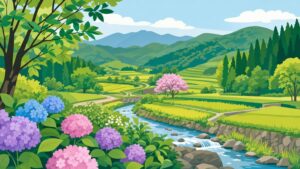
The character of the tanada shifts dramatically with the seasons, presenting a new masterpiece with each visit. In late spring, after planting, the paddies fill with water, creating a mosaic of mirrors that reflect the vast blue sky and drifting clouds. During summer, they turn into a vibrant, uniform carpet of the richest emerald green imaginable. As autumn nears, the green yields to a shimmering sea of gold as the rice ripens, ready for harvest. Perhaps the most enchanting moment to visit is during the annual autumn light-up festival, usually held in November. Thousands of small lanterns line the edges of every terrace. At dusk, the lanterns are lit, and the entire hillside glows with a warm, flickering light, tracing the beautiful curves of the paddies against the night sky. It’s an utterly romantic and poignant scene, celebrating the harvest and the timeless beauty of this traditional landscape. Walking through these ancient fields evokes a deep sense of peace and a connection to the enduring cycle of planting, growing, and harvesting that has sustained this village for centuries.
A Taste of Rural Osaka: Local Flavors and Crafts
Exploring Chihayaakasaka delights all the senses, with taste playing a key role. The fertile soil and pure mountain water yield some of the most delicious local specialties, making a weekend here the perfect chance to indulge. Keep an eye out for roadside stalls and local markets, especially the ‘michi-no-eki’ (roadside station), a treasure chest of village produce. Depending on the season, you might find exceptionally sweet strawberries, juicy ‘mikan’ oranges, or earthy shiitake mushrooms. The village is also famous for its ‘konnyaku,’ a healthy, gelatinous food made from the konjac plant, often sold in rustic, handmade blocks.
When dining, seek out the small, family-run eateries. These spots may lack flashy signs or English menus, but they offer something even better: genuine, home-style cooking prepared with love and fresh, local ingredients. Picture sitting down to a simple lunch of soba noodles made with mountain spring water or a hearty ‘donburi’ rice bowl topped with seasonal vegetables foraged from nearby hills. The food is honest, nourishing, and deeply rooted in the local environment. This is also a wonderful opportunity to sample local ‘sake’ if you find a brewery or shop that carries it, as the region’s pure water lends itself to producing excellent rice wine. Don’t hesitate to point and smile—the warmth and hospitality of local shopkeepers and restaurant owners are integral to the Chihayaakasaka experience. Purchasing a bag of freshly harvested vegetables or a jar of homemade jam is more than just a transaction; it’s a way to support the local community and bring a delicious piece of the village home with you.
Finding Your Sanctuary: Where to Stay for the Weekend
To fully immerse yourself in the peaceful atmosphere of Chihayaakasaka, spending the night is essential. Waking up to the sound of birds rather than traffic and witnessing the morning mist cling to the mountainside is a key part of the experience. The village offers a variety of accommodations that allow you to deeply engage with the local culture and natural beauty, transforming your hiking trip into a truly restorative retreat. Whether you prefer traditional luxury, rustic charm, or a close-to-nature adventure, you’ll find the perfect place to rest your head and rejuvenate your spirit.
The Traditional Ryokan Experience
For an authentic cultural immersion, indulge in a stay at a ‘ryokan’, a traditional Japanese inn. This is much more than just lodging; it’s a comprehensive experience meant to soothe and delight every sense. From the moment you slide open the door and are greeted with a bow, you enter a world of serene hospitality. You’ll exchange your shoes for slippers, your clothes for a comfortable ‘yukata’ (a cotton robe), and your worries for a deep sense of peace. Your room will likely feature a beautiful, minimalist design with fragrant ‘tatami’ mat floors, sliding ‘shoji’ paper screens, and a low table where welcoming green tea is served. The highlight of a ryokan stay is often twofold. First is the ‘onsen’, or hot spring bath. Soaking in the mineral-rich, steaming waters—often in an outdoor bath (‘rotenburo’) overlooking a forest or tranquil garden—relaxes your muscles after a long hike. This ritual of cleansing and relaxation is deeply embedded in Japanese culture. The second highlight is the ‘kaiseki’ dinner, a multi-course culinary masterpiece where each small, exquisite dish is crafted from the finest seasonal and local ingredients. The meal is a feast for both eyes and palate, with careful attention paid to every detail, from the plating to the ceramics. While a ryokan stay is an investment, it offers an unforgettable journey into the heart of Japanese aesthetics and hospitality.
Cozy Minshuku and Guesthouses
For a more intimate and budget-friendly yet equally authentic experience, consider staying at a ‘minshuku’. These family-run guesthouses are often located within the owners’ homes. Staying at a minshuku feels less like being a tourist and more like being a welcomed guest. Rooms tend to be simpler than those in a ryokan—often traditional Japanese-style with futons laid out on tatami floors—but are clean, comfortable, and full of charm. The true appeal of a minshuku is the personal connection you forge with the owners, who are usually wonderful sources of local knowledge and happy to share advice on the best hiking trails, hidden spots, or village events. Meals, known as ‘katei ryori’ (home-style cooking), are a major highlight—they are generous, delicious dishes prepared by the family, offering a genuine taste of local life. Sharing a meal in a communal dining area is also a fantastic opportunity to meet other travelers and exchange stories. A minshuku stay provides a warm, personal glimpse into the everyday life of Chihayaakasaka, leaving you with a sense that you’ve not only visited but truly connected with the place and its people.
Camping Under the Stars
For the ultimate communion with nature, nothing compares to spending a night beneath the stars. Chihayaakasaka and Mount Kongō cater to adventurous spirits with well-maintained campgrounds where you can drift off to the soothing sounds of the forest. The main campground near the summit of Mount Kongō is a fantastic choice for those who want to wake up already at the peak, ready to witness a breathtaking sunrise. Imagine unzipping your tent to the cool morning air and a panoramic view, with a sea of clouds filling the valleys below—it’s truly magical. Campsites in the foothills and within the village offer a slightly less rustic but equally beautiful atmosphere. Camping provides ultimate flexibility and is a wonderfully budget-friendly option. It’s an opportunity to unplug from the digital world, gather around a crackling campfire, and marvel at a night sky unspoiled by city lights, where the stars shine with remarkable brilliance. It’s a simple, pure, and powerful way to experience the wild heart of Chihayaakasaka.
The Spiritual Side of the Summit
Reaching the summit of Mount Kongō is a true moment of triumph. Your legs may feel fatigued, but your spirit will be soaring high. The sense of accomplishment is overwhelming, yet you’ll soon realize the summit is more than just a scenic overlook; it is a vibrant and sacred place. It serves as a destination, a community gathering spot, and a site of profound spiritual meaning. The air at 1,125 meters is distinct—thin, crisp, and alive with a special kind of energy. Here, the realms of nature, community, and spirituality blend in a unique and beautiful harmony.
Katsuragi Shrine and Tenporin-ji Temple
At the very peak, you’ll discover the intersection of Japan’s two major religions. Katsuragi Shrine, a Shinto shrine honoring the mountain deities, features a simple wooden structure that blends seamlessly with its natural surroundings. Nearby stands Tenporin-ji, a Buddhist temple believed to have been founded by the legendary ascetic En no Gyōja, the originator of Shugendō, a syncretic mountain ascetic practice. The presence of both shrine and temple on the summit beautifully exemplifies the historical fusion of Shintoism and Buddhism in Japan. You can offer a prayer, ring the temple bell, or simply sit in quiet reflection, sensing the centuries of devotion embedded in this sacred ground. For many, the hike is a pilgrimage, and reaching these holy sites marks the spiritual peak of their journey.
The Summit Vibe: A Community of Climbers
What truly makes the summit of Kongōsan special is the remarkable sense of community you’ll encounter there. This is not an isolated, windswept peak. Instead, it is a lively, welcoming gathering place. You’ll see groups of friends and families spreading picnic blankets, sharing meals, and sipping hot tea from flasks. You might even catch sight of regulars enthusiastically performing their morning radio exercises (‘rajio taisō’). The most endearing tradition is the ‘kaisūhyō’ stamping system. Many hikers—especially devoted locals who climb the mountain daily—carry a special stamp book. At a small office on the summit, they collect a stamp for every ascent. As their climbs accumulate, they earn special badges and recognition. This wonderful system nurtures a spirit of camaraderie and friendly competition. Hikers proudly compare their stamp tallies, their faces glowing with health and happiness. Don’t hesitate to start a conversation; the regulars are welcoming and often eager to share their passion for the mountain with newcomers. This shared space, full of laughter, encouragement, and a mutual love of nature, truly embodies the heart and soul of the Mount Kongō experience.
Practicalities for a Perfect Weekend Getaway
A bit of planning can greatly ensure your trip to Chihayaakasaka is smooth, relaxing, and exactly as you envisioned. Although it may seem like a world away, it’s surprisingly easy to reach. Here’s a guide on how to get to this rural haven and make the most of your visit.
Getting to Chihayaakasaka
Your trip from central Osaka starts on the Kintetsu Nagano Line, boarding at stations such as Ōsaka Abenobashi Station in Tennoji. Your stop is Tondabayashi Station. The train journey itself is part of the charm, as the dense cityscape slowly transitions into suburbs, then lush fields and rolling hills. Upon arrival at Tondabayashi Station, exit to the bus rotary and look for the Kongo Bus—your ride to the mountains. There are several bus routes, so pay close attention to the destination signs. Choose a bus bound for ‘Kongōsan Ropeway-mae’ (金剛山ロープウェイ前) for the main trailhead, or select stops serving the village center depending on your accommodation’s location. An important tip: these buses run less frequently than city buses, so checking the schedule online in advance to coordinate with your train arrival is advisable. The bus ride offers a scenic journey winding along narrow mountain roads with tempting views of valleys and forests awaiting your exploration.
Navigating the Village
In Chihayaakasaka, walking is the best way to explore the trails and nearby village areas. Most main attractions are linked by charming country lanes. However, the village is quite spread out, and some points of interest, like the terraced rice paddies, may require a longer walk from the main bus stops. If you want the freedom to explore every corner, renting a car in Osaka and driving down is a great choice. This lets you easily travel between the trailhead, rice terraces, local shops, and viewpoints. If relying on public transport, be sure to keep an eye on bus schedules and plan accordingly. A bit of walking adds to the rural experience, so enjoy it!
Small Tips for a Big Adventure
- Bring Cash: Although Japan is becoming more card-friendly, rural locations still mostly operate on cash. Small guesthouses, local eateries, and farm stands generally accept only yen, so carry enough cash with you.
- Pack for the Weather: Mountain weather can change rapidly. Even on sunny days, the summit is often much cooler. Always bring a waterproof jacket and an extra warm layer just in case.
- Communicate Simply: English is limited here, but don’t let that discourage you. A smile speaks volumes. Learning a few basic Japanese phrases like ‘Konnichiwa’ (Hello), ‘Arigatou’ (Thank you), and ‘Sumimasen’ (Excuse me) will be warmly received and enrich your interactions.
- Respect the Trail: Stick to marked paths to protect the local environment. Carry out all your trash—leave no trace behind. The beauty of this place depends on our collective effort to preserve it.
A Gentle Closing: The Rhythm of the Village
Returning to Osaka after a weekend in Chihayaakasaka brings a peculiar and wonderful kind of reverse culture shock. The city’s familiar energy feels intensified, its lights brighter, its sounds louder. Yet, you carry with you a trace of the village’s tranquility. It lingers in the memory of the summit view, the taste of fresh mountain water, the sensation of cool forest air on your skin, and the quiet dignity of the ancient rice terraces. Chihayaakasaka is more than a destination; it’s a remedy. It reminds you that just beyond the urban horizon lies a place where time is marked not by train schedules, but by the changing seasons. It’s a place to challenge your body on mountain trails and to soothe your soul in peaceful village lanes. So, when the city begins to feel overwhelming, you know exactly where to go—to find the village’s rhythm and, in doing so, discover a calmer, more peaceful rhythm within yourself.