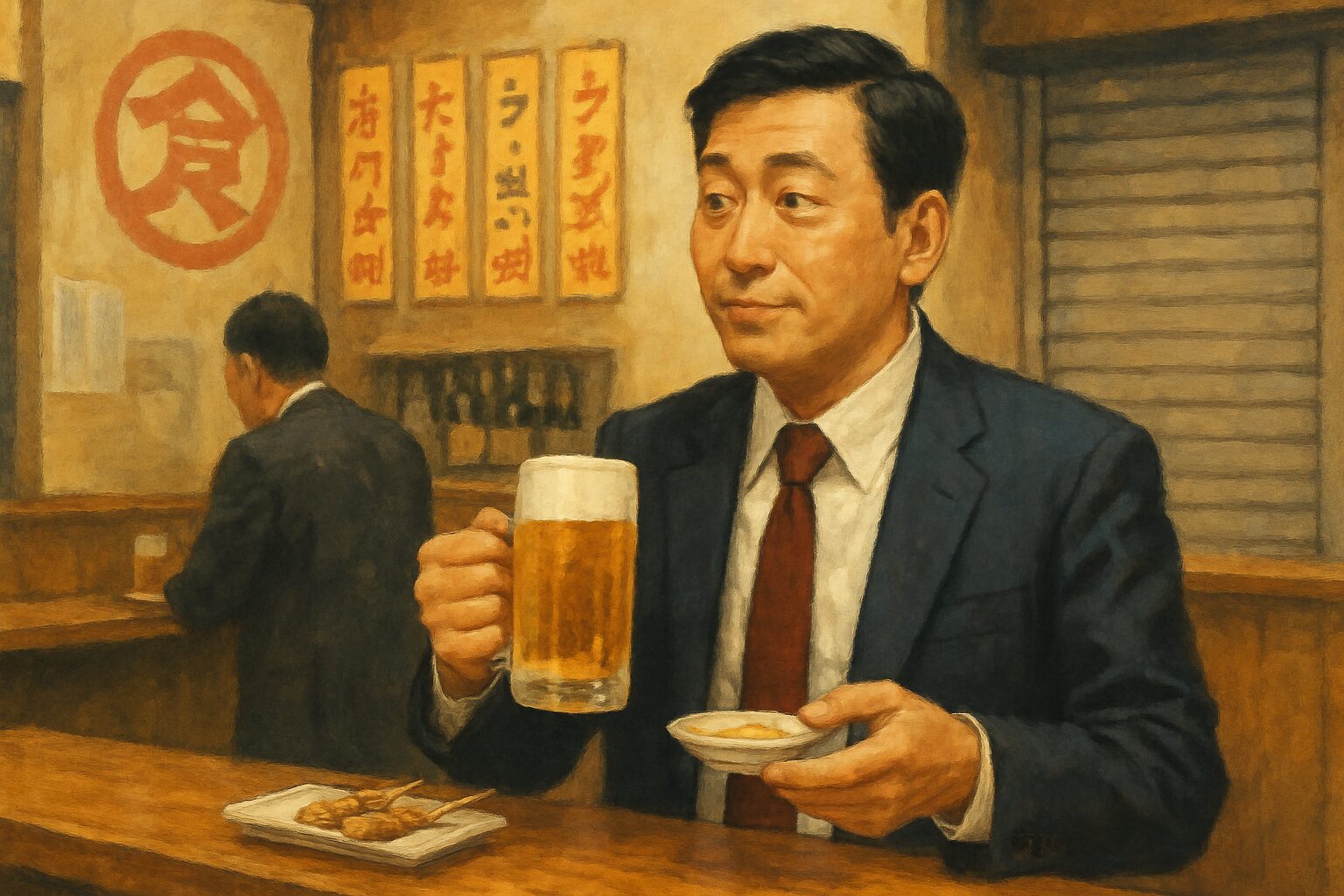
The air hums with a distinct frequency, a kinetic blend of sizzling oil, clinking glasses, and the percussive rhythm of Kansai-ben, the local dialect spoken with a speed and passion that feels like the city’s own heartbeat. This is the authentic soundtrack of Osaka after dark, emanating from the glowing doorways and steamed-up windows of its countless tachinomi, or standing bars. These are not grand, opulent establishments designed to impress tourists. They are something far more vital: the social arteries of the city, compact spaces where salarymen, local shopkeepers, and lifelong residents converge for a brief, restorative ritual. To the uninitiated, these crowded counters can appear as impenetrable fortresses of local culture, guarded by unspoken rules and the formidable presence of seasoned regulars, the johren. But to venture past the fluttering noren curtain is to seek more than just a quick drink and a skewer; it is to seek a genuine connection with the unfiltered soul of Osaka, a city that prides itself on its warmth, its humor, and its profound sense of community. The journey from outsider to participant is a delicate dance of observation, respect, and courage, but the reward is an experience of Japan that no guidebook can ever truly capture. It’s here, in the squeeze and the clamor of a Tenma back alley or a Kyobashi underpass, that the city truly reveals itself, one shared kanpai at a time.
For a similarly profound, yet more tranquil, immersion into the rhythms of local life, consider exploring the unspoken rules of Osaka’s neighborhood sentō.
The Soul of the Tachinomi: More Than Just a Bar
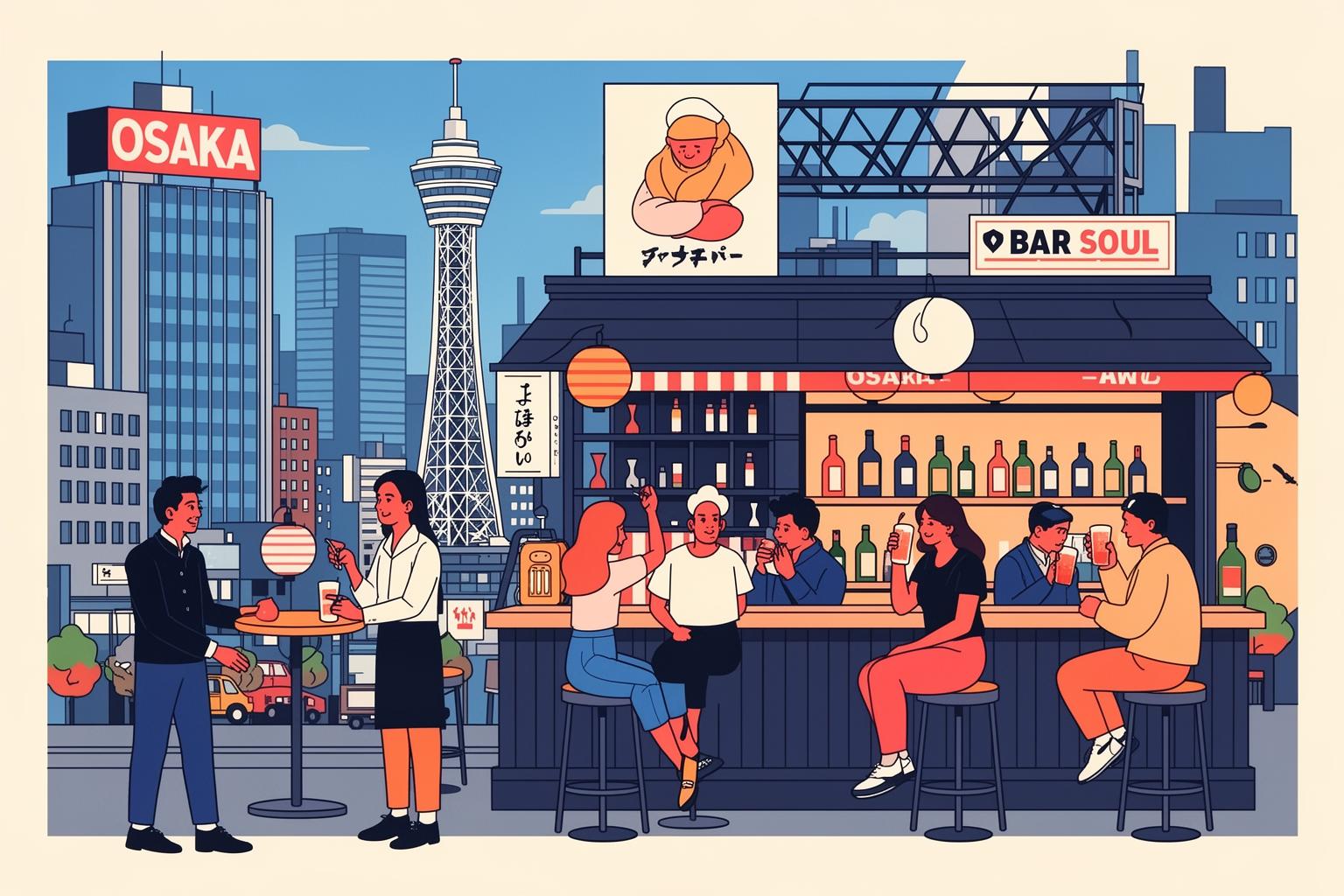
To truly grasp the modern standing bar, one must first recognize its deep origins in Japan’s social and economic history. These venues are far from a recent fad; they represent the present-day continuation of a tradition that spans centuries. Appreciating this background transforms the visit from a mere outing into an engagement with an ongoing cultural story.
A Historical Perspective on Communal Spaces
The idea of quick, standing service is deeply embedded in Japanese urban culture. During the Edo period (1603-1868), as cities like Edo (Tokyo) and Osaka grew with merchants, craftsmen, and laborers, the demand for fast, affordable food arose. Street stalls, or yatai, flourished, offering everything from soba noodles to tempura and sushi. These lively, practical spots allowed people to grab a quick meal and perhaps a cup of sake before continuing on. There was no pretentiousness, just the shared goal of satisfying hunger and thirst. The tachinomi is a direct heir to this tradition. After World War II, as Japan rebuilt, these bars became even more vital. They served as affordable havens for the working class—places where one could find comfort and companionship after a hard day’s work, stretching limited resources into moments of community warmth. They remain what sociologist Ray Oldenburg described as a “third place”—an essential social anchor separate from home and work. It is a space where social hierarchies can momentarily dissolve, and the simple act of standing side by side with strangers fosters a fleeting but meaningful sense of belonging.
The Unwritten Rules of the Standing Bar
The design of a classic tachinomi is a brilliant example of social engineering. These spaces are almost always compact, intimate, and centered around a single counter. This arrangement isn’t coincidental. The counter serves as a stage, a communal table, and a subtle divider that both separates and connects the patrons with the bar’s master, the taisho. The close quarters are intentional, promoting social awareness and gently encouraging interaction. You are, quite literally, rubbing elbows with fellow drinkers. Within this environment, the johren, or regulars, form the foundation. They are the guardians of tradition—individuals who have frequented the bar for years, sometimes decades. Their relationship with the taisho is often marked by deep, unspoken understanding. They know the menu by heart, grasp the rhythm of the evening, and frequently set the social atmosphere. To newcomers, their bond might feel exclusive, yet they also act as the bar’s social regulators, subtly enforcing the unspoken rules: don’t overstay your welcome, keep your volume down, respect personal space. Their presence helps maintain the bar as the safe and orderly refuge it has always been.
Decoding the Atmosphere: Sound, Smell, and Sight
A tachinomi offers a complete sensory experience. Close your eyes, and the environment reveals itself through distinct signatures. The air is rich with a layered aroma: the deep, savory scent of doteyaki (slow-braised beef sinew) simmering in a miso broth, the sharp hiss of skewers of kushikatsu frying, the clean, slightly sweet fragrance of dashi from a simmering pot of oden, and beneath it all, the malty note of draft beer. The soundtrack is just as textured. There is the steady hum of the extractor fan, the crisp pop of a beer bottle opening, the rhythmic sounds of a knife chopping on a well-used board, and above everything, the lively flow of conversation. In Osaka, this energy is especially vibrant. The local Kansai dialect is spoken with a melodic, rapid-fire cadence, punctuated by warm laughter. Visually, the scene is organized chaos. Walls are often covered with handwritten menus, their calligraphy announcing daily and seasonal specials. Bottles of sake and shochu line shelves like a curated collection. The taisho moves with practiced efficiency, a silent dance of pouring, grilling, and serving. Lighting is typically warm and functional, casting a golden glow that makes simple food and drink feel celebratory. The atmosphere is both stimulating and soothing—a lively bubble of life, separate from the city beyond.
The Cast of Characters: Understanding the Salaryman and the Johren
To truly connect within a standing bar, one must first grasp the motivations and roles of those who frequent it. Every individual at the counter has a purpose, engaging in both a personal and communal ritual. Identifying these archetypes is the essential first step in finding your own place among them.
The Salaryman’s Refuge
The ever-present Japanese salaryman is a staple in many tachinomi, particularly during the weekday golden hours between the end of work and the last train home. For these office workers, the standing bar is more than just a drinking spot; it serves as a crucial decompression zone. After a day navigating the strict hierarchies and intense pressures of corporate life, the tachinomi offers a space of relative freedom. Here, the burdens of titles and responsibilities can be momentarily set aside. A department manager might stand side-by-side with a junior employee from another company, their status equalized by their place at the counter. This differs from the more formal nomikai, or official company drinking gatherings, often seen as an extension of work life. Visiting a tachinomi alone is a more personal experience. It’s a time to quietly reflect on the day, hold conversations unrelated to sales targets or deadlines, or simply enjoy a comfortable silence among strangers. The salaryman in a tachinomi often adopts a more open, contemplative demeanor, making them surprisingly approachable when the moment feels right.
The Johren: Pillars of the Community
The regulars, or johren, are the living heart of any long-standing tachinomi. They aren’t a uniform group; they may be retired locals from the neighborhood, owners of nearby small businesses, or off-duty artisans. What binds them is their deep loyalty to that particular bar. Their presence signifies quality and authenticity. They’ve witnessed the bar through changing seasons and eras, and their relationship with the taisho frequently goes beyond that of customer and owner; it’s a friendship built over countless drinks and shared stories. The johren serve as informal hosts and cultural custodians. They’re often the first to know about the freshest fish of the day, the best way to enjoy a dish, or the bar’s history. Watching their interactions offers a crucial lesson in tachinomi etiquette. They seldom speak loudly, make room for newcomers without being prompted, and know exactly when to engage and when to leave someone in peace. Earning a nod of recognition from a johren is a meaningful step toward becoming a familiar face.
The Foreigner’s Role: From Outsider to Participant
For a non-Japanese person entering this deeply local setting, it’s natural to feel like an outsider. All eyes may momentarily focus on you, and conversations may briefly pause. This is seldom hostility; rather, it’s simple curiosity. Many patrons find a foreigner choosing their modest local bar over numerous other options intriguing, even a source of pride. The challenge is to shift this initial status as a curious anomaly into that of a welcomed participant. This is achieved not through bold or loud gestures, but through quiet respect, genuine curiosity, and a readiness to be a little vulnerable. Any attempts to speak Japanese, no matter how imperfect, are almost always met with encouragement. Questions about the food will be answered enthusiastically. The real barrier is less about language and more about intent. If you show respect for their space and a sincere desire to experience their culture, that barrier will quickly fade. You are a guest in their home, and by acting graciously, you open the door to being treated as a friend.
A Practical Guide to Breaking the Ice

Navigating the social dynamics of a tachinomi requires a mix of observation, cultural sensitivity, and a few essential practical skills. It’s not about strictly following a script, but rather having the tools to improvise confidently, transforming what might seem intimidating into an enjoyable and fulfilling experience.
Choosing Your Stage: Where to Start Your Tachinomi Adventure
Osaka is a haven for standing bars, with each district offering unique atmospheres. Picking the right neighborhood for your initial visits can greatly influence your comfort and overall experience.
Tenma: The Maze of Drinks
Tenma, sprawling from JR Tenma Station alongside the vast Tenjinbashisuji Shotengai, is arguably the heart of Osaka’s tachinomi scene. It’s a dense, captivating maze of covered arcades and lantern-lit alleys, packed with dozens of small bars. The high concentration means tough competition and excellent quality. In Tenma, you’ll find everything from decades-old bars serving time-honored dishes to sleek, modern standing bars focused on craft sake, natural wine, or Italian-inspired small plates. For beginners, Tenma’s diversity and lively, festival-like vibe are advantages. The steady flow of visitors makes it easier to blend in. A smart approach is to begin at a bar on a main street before venturing into the narrower, more intense side alleys, where the energy grows more local and intimate.
Kyobashi: Gritty, Genuine, and Raw
If Tenma feels like a sprawling festival, Kyobashi is a concentrated burst of authentic Osaka. Just east of Osaka Castle, the area around the station, especially beneath the train tracks, is a gritty, lively hub of working-class tachinomi. It prioritizes tradition, value, and speed over trendiness. Here you’ll find some of the city’s most cherished no-frills spots, known for generous servings of fresh tuna sashimi at unbelievable prices or perfectly crispy kushikatsu. The crowd tends to be more seasoned, the spaces tighter, but the welcome is equally warm if you approach with the right mindset. Kyobashi is the perfect place to immerse yourself in senbero culture—the art of getting delightfully tipsy for a thousand yen—in its purest form. It offers an unfiltered, thrilling slice of Osaka life.
Namba and Ura-Namba: The Blend of New and Old
Namba is Osaka’s southern entertainment center; while busy spots like Dotonbori attract many tourists, the backstreets hold hidden tachinomi gems. Ura-Namba, or “Back Namba,” around the Misono Building, has become a hotspot blending tradition with innovation. Historic bars sit side-by-side with new-wave establishments run by younger chefs adding creative touches to izakaya classics. The crowd usually mixes locals, office workers, and savvy tourists, making it a friendlier environment for newcomers. The atmosphere is a bit more polished than Kyobashi, yet the fundamental tachinomi values—good food, prompt service, and communal spirit—remain thoroughly present.
The First Ten Minutes: Setting Your Opening Scene
How you enter and behave during your first moments sets the tone for your entire visit. It’s about showing respect to the place and its people from the instant you step inside.
Entering and Claiming Your Spot
Pause briefly before entering to assess how crowded it is. If it’s packed shoulder-to-shoulder, consider trying elsewhere. If there’s space, gently slide the door open instead of pushing it abruptly. Your first task is to make eye contact with the taisho. A simple nod and a quiet “Ii desu ka?” (“Is it okay?”) is a polite way to ask if space is available. The taisho will either gesture to an open spot or indicate the bar is full. Once inside, avoid squeezing into the first gap you spot. Observe the rhythm and look for a natural opening at the counter. Standing near the end often works well, as it’s less intrusive than wedging between people deep in conversation. Keep your bag at your feet or on a hook if there is one to minimize your footprint. Your body language should be open and unassuming. Greet those nearby with a slight bow or a quiet “Konbanwa” (“Good evening”).
The Crucial First Order
Your first order is important. You don’t want to delay the busy taisho by struggling with a complicated menu. This is where the phrase “Toriaezu, biru” comes in handy. It means roughly “For now, a beer.” This common, universally understood phrase is a smooth opener in almost any Japanese bar. It shows you understand the basics and gives you time to get oriented and examine the menu. A small glass of draft beer (nama biiru, shou saizu) is an ideal start. If you’re not a beer fan, a lemon chuhai (shochu highball) or a simple highball (haiboru) are excellent alternatives. Start with small portions. See what your neighbors are eating; if something looks appealing, politely catch their attention and ask, “Sumimasen, sore wa nan desu ka?” (“Excuse me, what is that?”). Alternatively, point to an item on the counter or menu. Ordering one or two small, classic dishes like edamame or yakitori skewers is a safe, respectful way to begin.
The Art of Conversation: Moving from Silence to Shared Stories
Connecting with locals is the ultimate goal but should happen naturally and respectfully. Begin with non-verbal cues and progress gradually, honoring the space and mood of those around you.
The Non-Verbal Prelude
Before speaking, your actions and attention communicate volumes. Spend time observing. Watch the easy rapport between the taisho and regulars, noting the rhythm of ordering, eating, and drinking. This quiet observation signals your appreciation for the environment, not just consumption. The food itself is your greatest social tool. When your dish arrives, take a moment to appreciate it. A small, audible expression of enjoyment—a quiet “Umai!” (“Delicious!”) or a nod—serves as a shared, universal language. If someone nearby receives an intriguing dish, a glance and smile can open a connection. Complimenting the taisho in a way the neighboring patrons can hear, such as “Kono doteyaki, saikou desu ne” (“This doteyaki is amazing, isn’t it?”), often invites agreement and a brief exchange.
Essential Japanese Phrases for Tachinomi
While basic greetings help, a few phrases specific to the tachinomi environment can greatly enhance your ability to connect. These demonstrate deeper interest and respect:
- “O-susume wa nan desu ka?” (What do you recommend?): A powerful phrase that shows respect by asking the taisho or a seasoned regular for their suggestion. This often ensures you’ll try something exceptional.
- “Kore, oishii desu yo. Tabete mimasu ka?” (This is delicious. Would you like to try?): A more advanced approach, offering a small, untouched bite to a neighbor you’ve started talking to. It’s an extraordinary gesture of goodwill—use it thoughtfully.
- “Hanshin Tigers, kachimashita ne!” (The Hanshin Tigers won, didn’t they!): Baseball is almost a religion in Osaka, and discussing a local team’s win quickly sparks connection.
- “Itsumo koko ni?” (Are you always here?): A casual way to confirm if someone is a regular, which acknowledges their presence as part of the place and invites them to share their story.
- “Mata kimasu” (I’ll come again): Saying this to the taisho upon leaving is more meaningful than a simple “thank you.” It’s a promise and a compliment, signaling you enjoyed your visit and intend to return. This marks the start of becoming a familiar face.
Steering Conversations
Once a chat begins, keep it light and positive. Good topics include your background—where you’re from, why you came to Osaka, and what you like about Japan. Food is a universal bridge; ask about favorite local dishes or the best takoyaki spots. Sports, especially local teams, are great conversation starters. Be an attentive listener. Often, salarymen or regulars aren’t seeking debate but simply someone interested in their day’s stories or passions. Avoid sensitive or complex subjects like politics or workplace grievances unless raised by your companion. Your role is to be friendly, curious, and positive.
Tachinomi Etiquette: The Unwritten Rules
Beyond stated guidelines, a subtle code governs tachinomi behavior. Following it shows your understanding and respect for the culture.
The Taboo of Lingering
Tachinomi bars are designed for quick visits. The unwritten norm is to have two or three drinks and a few small dishes over an hour or maybe ninety minutes maximum. Taking up a valuable counter spot for hours with a single drink is considered poor manners. The goal is to enjoy the food and atmosphere briefly, interact socially, and move on, freeing space for others. Think of it as a social pit stop rather than your evening’s final destination. This approach is embodied in hashigozake—bar hopping—a popular way to enjoy places like Tenma. Often, tachinomi bars serve as the first or second stop on a longer evening out.
Being Mindful of Space
In the compact quarters of a standing bar, spatial awareness is crucial. Keep your belongings consolidated, avoid sprawling across the counter, and move carefully to prevent bumping into others. Payment methods vary; many traditional bars are cash-only. Sometimes you pay at the end, other times it’s on delivery, placing money in a small tray while the taisho collects payment item by item. Watch what others do when you arrive. If unsure, ask the taisho, “O-kanjou wa saki desu ka? Ato desu ka?” (“Is payment now or later?”). This question shows consideration and foresight.
Making a Polite Exit
How you leave matters as much as how you arrive. Don’t just leave abruptly. When ready, wait for a moment when the taisho isn’t busy, catch their eye, and say, “O-kaikei onegaishimasu” (“The check, please”). After paying, express gratitude with a sincere “Gochisousama deshita” (“Thank you for the meal”), which is more respectful than a simple thank you. If you’ve been chatting with neighbors, it’s customary to nod slightly and say, “Osaki ni shitsurei shimasu” (“Pardon me for leaving before you”). This small formality signals social grace and leaves a positive lasting impression. It’s the elegant final act in a successful tachinomi visit.
Beyond the Beer: Savoring the Culinary Soul of Osaka
Though the social aspect is crucial, the core of any great tachinomi lies in its food. These establishments are not venues for elaborate haute cuisine; instead, they serve as temples of straightforward, deeply flavorful dishes that capture the culinary essence of Osaka, a city famously known as tenka no daidokoro, or “the nation’s kitchen.”
The Holy Trinity: Kushikatsu, Doteyaki, and Oden
Within the realm of Osaka tachinomi fare, a few dishes stand as foundational to the experience. These are the timeless classics and comfort foods cherished by generations of Osakans.
- Kushikatsu: Skewers of various ingredients—meat, seafood, vegetables, even cheese—are coated in a light panko crust and deep-fried to a golden crisp. The charm of kushikatsu lies in its variety and interactive ritual. You order by the skewer, which arrives piping hot, accompanied by a communal container of thin, savory dipping sauce. This leads to the most important rule in all Osaka dining: NO DOUBLE-DIPPING. Once a skewer touches your lips, it must not be returned to the shared sauce pot. This rule of hygiene and respect is sacrosanct, and breaking it is a major faux pas. Instead, use a slice of cabbage provided to scoop sauce onto your plate if you need more.
- Doteyaki: This dish represents the soul-warming spirit of Osaka. It consists of beef sinew, or suji, slow-cooked for hours in a rich, slightly sweet broth of miso, mirin, and dashi until it becomes melt-in-your-mouth tender. The aroma alone is intoxicating, and its deep, complex umami flavor pairs perfectly with a cold beer or glass of sake. Often, a large, shallow pot of it will be simmering on the counter, offering constant, delicious temptation.
- Oden: Especially favored during colder months, oden is a one-pot marvel. Various ingredients gently simmer in a light, elegant dashi broth. Traditional items include daikon radish softened and translucent, perfectly boiled eggs imbued with broth flavor, jiggly blocks of konnyaku, and assorted fish cakes and tofu pouches called kinchaku. Guests point to their choices, and the taisho retrieves them from the steaming pot, often serving with a dab of sharp karashi mustard. It is the ultimate Japanese comfort food.
The Daily Catch: Insights from the Handwritten Menu
While the classics are always on offer, the true magic of a tachinomi often lies in its daily specials. Pay attention to any handwritten menus on the walls or small blackboards on the counter. Here, the taisho highlights the freshest ingredients of the day, particularly seafood. Recognizing a few key kanji characters can open up a world of culinary treasures. Look for 魚 (sakana – fish), which typically marks the sashimi (otsukuri or sashimi) section. Characters for specific fish like 鮪 (maguro – tuna), 鯖 (saba – mackerel), or 鰤 (buri – yellowtail) indicate what’s freshest that day. This handwritten menu is a direct message from the chef to the diner, showcasing what is seasonal, fresh, and proudly served. Trusting this daily menu connects you to the local market’s rhythm and the taisho’s expertise.
Pairing Perfection: Matching Drinks to Food
Though beer is the usual starting point, trying other drinks can enhance your dining experience. The crisp, clean finish of a dry sake, or karakuchi nihonshu, is an ideal complement to the richness of fried foods like kushikatsu, cleansing the palate between each skewer. A refreshing lemon chuhai, with its bright citrus notes, cuts through the fatty, savory flavors of doteyaki. The recent rise in popularity of the whisky highball is no coincidence; its clean, effervescent character makes it an extremely versatile pairing that complements nearly everything on a tachinomi menu without overpowering the dishes. Don’t hesitate to ask the taisho for a recommendation (sake no o-susume wa?), as they will know which bottle from their collection best suits your chosen dish.
The Long-Term Investment: Becoming a Johren Yourself

Breaking the ice is one thing; forging a lasting connection is quite another. For any foreign resident who loves tachinomi culture, the ultimate goal is to shed the identity of “visitor” and earn the quiet, respected status of a johren. This is a long-term pursuit founded on consistency, respect, and genuine affection for the establishment.
The Power of Consistency
The single most crucial factor in becoming a regular is repetition. Pick one or two bars that you truly enjoy—places where you appreciate the food, the atmosphere, and the taisho—and make it a point to return. It doesn’t need to be every night, but visiting consistently once a week or every other week will quickly make an impression. The taisho, who encounters hundreds of faces, will begin to recognize yours. Other regulars will notice that you’re not merely a one-time tourist. This consistency shows a commitment and appreciation that go beyond casual curiosity. You are no longer just exploring; you are engaging.
From “Guest” to “Familiar Face”
The transition is subtle and happens in small, gradual steps. It starts with a nod of recognition from the taisho as you enter. Then, one day, they might start pouring your usual beer without your asking. A regular who was once a silent presence next to you might greet you with a “Mydo” (a casual Osaka hello) and save a spot for you at the counter if they see you coming. They might even ask where you were last week if you missed your usual visit. These small gestures mark significant milestones. They indicate that you have crossed an invisible boundary. You are no longer an outsider; you have become part of the bar’s unique, unofficial family.
The Rewards of Belonging
The benefits of this status are invaluable. The tachinomi experience shifts from something you simply consume to something you truly belong to. It becomes your third place, a dependable anchor in an often-overwhelming city. You’ll gain access to local stories and jokes that you won’t hear anywhere else. You’ll receive insider tips on other great restaurants or hidden neighborhood spots. Your Japanese skills will improve greatly through regular, low-pressure conversations. Most importantly, you’ll build a small, genuine community for yourself—a network of friendly faces that offers real connection and belonging. In a foreign land, this is a treasure beyond measure.
A Gentle Closing: The Enduring Warmth of the Counter
From the outside looking in, the vibrant chaos of an Osaka tachinomi can appear as an intimidating world, filled with its own language and secret codes. Yet, beyond that initial sense of overwhelm lies a realm of remarkable warmth, humor, and humanity. It is a reflection of Osaka itself—a city that may seem brash and fast-paced on the surface but is grounded in a strong sense of community and a passion for good food and good company. Building connections with the salarymen and regulars at the counter is not about grand gestures but rather small, consistent acts of courage and respect: a polite nod, a clumsy yet genuine attempt at Japanese, a shared laugh over a tasty skewer. Each visit offers a new chance to learn, to listen, and to gradually weave yourself into the vibrant social fabric of the bar. As you step away from the warmth of the counter into the cool night air, you’ll carry with you more than just the flavors of great food and drink. You’ll take with you the lasting glow of human connection, a deeper insight into the city’s soul, and the quiet fulfillment of knowing you didn’t just visit Osaka—you truly experienced it.