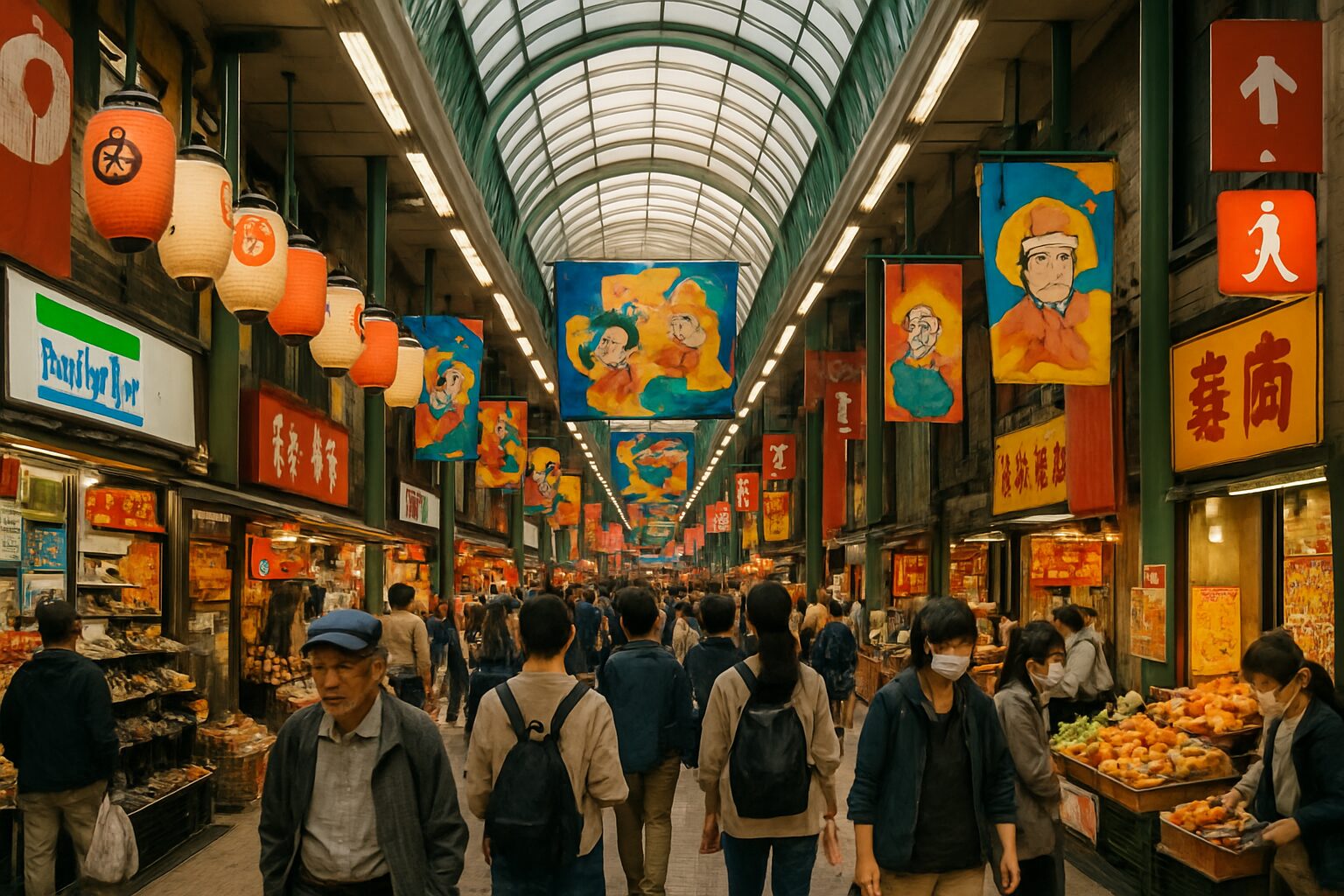
Welcome, seeker of the authentic urban pulse, to a journey down the very spine of Osaka’s mercantile soul. We’re talking about Tenjinbashisuji Shopping Street, a name that rolls off the tongue with a certain rhythm, much like the endless, hypnotic procession of shops that defines it. This is not just any shopping street, or shotengai as they’re known in Japan; this is the undisputed king, the marathon runner, the granddaddy of them all. Stretching an astonishing 2.6 kilometers from north to south, it holds the official title of Japan’s longest. Lined with an ever-shifting mosaic of around 800 shops, it’s a covered city within a city, a relentless river of commerce, community, and calories that flows through the northern heart of Osaka. But its legendary length begs a very practical question, especially for the time-conscious traveler or the newly-arrived resident: Is this epic trek truly worth the walk? Does its quantity translate to quality, or is it simply a long, repetitive corridor of the mundane? This guide is here to dissect that very question, to weigh the undeniable pros against the potential cons, offering you a deep, honest look into this landmark. We won’t just tell you what’s there; we’ll explore the feeling, the history, and the strategy needed to conquer—and, more importantly, enjoy—this uniquely Osakan experience. Prepare to dive deep into a world where Showa-era charm collides with modern convenience, where the calls of vendors are the local soundtrack, and where the true spirit of this city is found not in a single landmark, but in the vibrant, sprawling, and utterly human tapestry of its longest street.
If you’re looking for a more compact and bohemian alternative to this sprawling shotengai, consider exploring the charming, retro streets of Nakazakicho.
The Allure of the Endless Arcade: The Unquestionable Pros
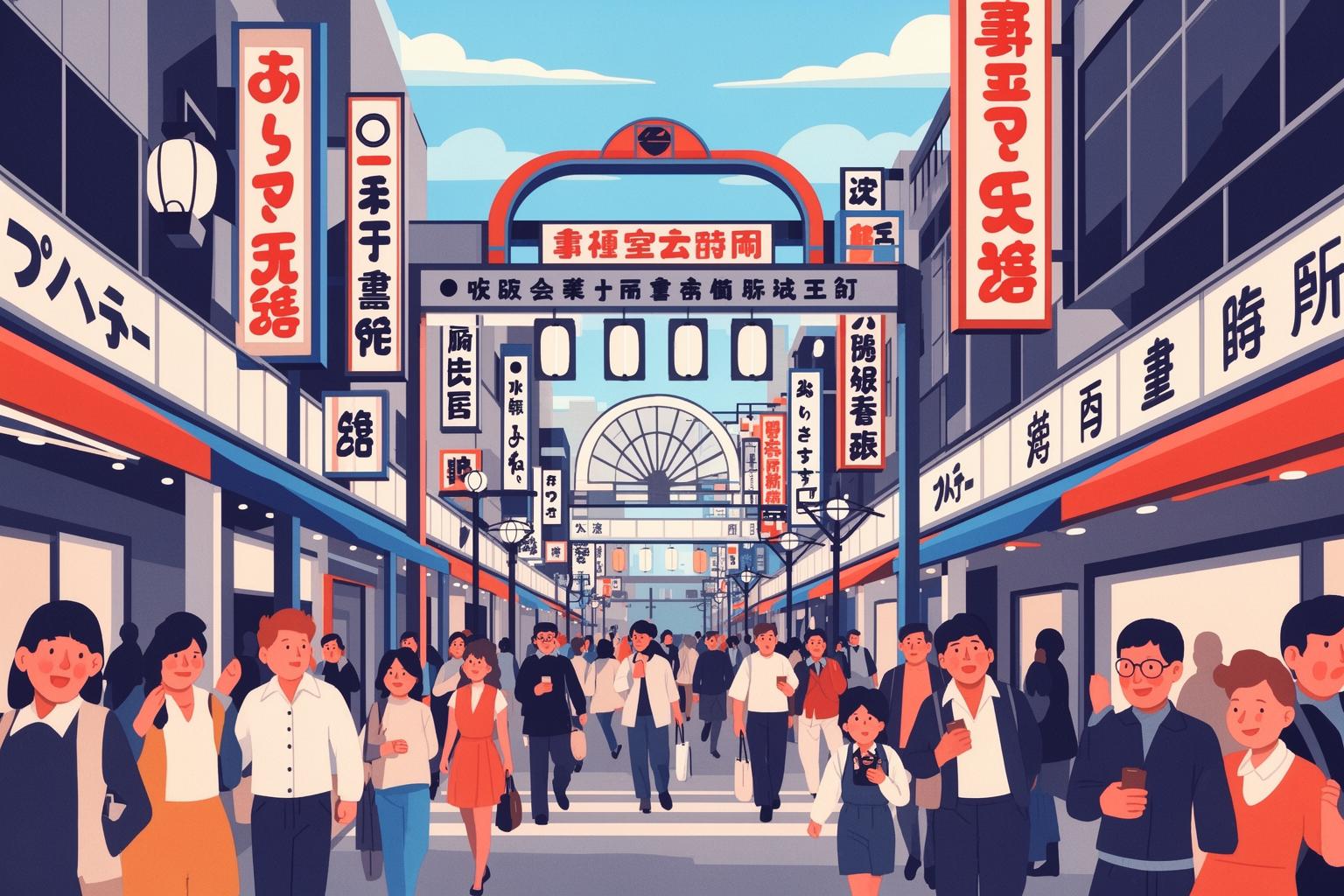
To truly appreciate Tenjinbashisuji, one must first recognize its scale not as a drawback but as its greatest strength. Its immense and overwhelming length is where its charm lies, forming a self-contained world where nearly any everyday need or spontaneous wish can be fulfilled. This is the essence of its deep allure—a magnetic attraction for locals and an intriguing anthropological exploration for visitors.
A Universe of Commerce All Beneath One Roof
Picture a single covered street where you can purchase everything from a hand-forged kitchen knife to a vintage kimono, from prescription glasses to freshly pounded mochi rice cakes. This is the reality of Tenjinbashisuji. Its brilliance lies in its astonishing variety. Unlike the groomed, brand-conscious arcades of Shinsaibashi, this shotengai is a lively, democratic mashup of every imaginable type of business. Gleaming, modern drugstores stocked with the latest Japanese cosmetics stand side by side with dusty, dimly lit bookstores that appear untouched since the 1960s. Fast-moving 100-yen shops, paragons of exceptional value, share space with family-run tea shops whose proprietors trace their heritage back generations.
This street acts as a living directory of Japanese retail. Specialty shops disappearing elsewhere thrive here: stores devoted solely to kombu (kelp), shops selling only traditional geta sandals, and small stalls painstakingly crafting intricate wagashi sweets by hand. It’s a place where you can get a key cut, have a suit tailored, buy a cheap umbrella on a rainy day, and pick up fresh tofu for dinner—all within a few hundred meters. This isn’t a street designed for tourists; it’s made for everyday life. Its very survival attests to its importance to the local community. For a foreigner residing in Osaka, it’s an invaluable resource—a one-stop shop to furnish an apartment, stock a pantry, and observe authentic daily Japanese living. The true standout here is authenticity. Nothing feels staged. Prices cater to locals, goods serve locals, and the rhythm is set by the needs of those who call this neighborhood home.
A Culinary Marathon: Savoring the Soul of Osaka
Osaka is famously dubbed Tenka no Daidokoro, or “The Nation’s Kitchen,” and Tenjinbashisuji functions as its bustling, endlessly long dining table. Walking along this street is a culinary pilgrimage. The air carries a complex bouquet of savory, sweet, and smoky scents: the rich, vinegary aroma of takoyaki batter hitting a hot griddle, the sweet soy glaze caramelizing on grilled eel, the deep, comforting fragrance of coffee brewing in a Showa-era kissaten, and the unmistakable sizzle of deep frying.
This is the homeland of konamon (flour-based dishes) and B-kyu gurume (B-grade gourmet, meaning tasty and affordable food). You are never more than a few steps from a world-class snack. Perhaps the most iconic is the humble croquette from Nakamura-ya, a butcher shop whose deep-fried potato-and-mince beef creations draw long lines down the street. Biting into one—the shatteringly crisp exterior giving way to a fluffy, savory interior—is a definitive Tenjinbashisuji experience. Legendary sushi spots like Harukoma Sushi, known for generous cuts of fresh fish served at standing-bar prices, offer a lively and joyful atmosphere. Hidden in the maze-like Tenma Market just off the main street, you’ll find ramen shops like Gunjo, serving thick, soul-warming broth to the initiated. Beyond the famous names, dozens of independent stalls sell okonomiyaki, kushikatsu (deep-fried skewers), and taiyaki (fish-shaped pastries filled with red bean paste). The advantage is not just variety but accessibility—you can build a multi-course progressive meal simply by walking, grabbing a snack here, a main dish there, and a dessert farther down, all for a fraction of what a formal restaurant would charge.
An Unbeatable Value Proposition
In a country that can sometimes feel pricey, Tenjinbashisuji stands as a proud bastion of affordability—arguably one of its greatest attractions. The street operates on an economic model that feels distinctly Osakan: high volume, low margins, and fierce but friendly competition. Vendors are unreserved, their vibrant calls of irasshaimase! (welcome!) and announcements of daily specials forming an ever-present, lively soundtrack. Prices here are noticeably lower than in more polished shopping districts like Umeda or Namba. From clothing and accessories to groceries and household goods, the emphasis is on value. Bargain bins overflow with discounted gems, fruit vendors sell impeccably fresh produce at unbeatable prices, and pharmacies engage in price wars that benefit customers. This spirit of competition guarantees a fair, local price. It’s a place where you can feel the beat of a working-class economy, where people stretch their yen and expect quality in exchange. For residents, this makes it a frequent destination for weekly shopping. For visitors, it offers a chance to purchase souvenirs and goods without the burden of tourist markups. The value extends beyond shopping; a full, satisfying lunch can easily be found for under 1,000 yen, and a coffee break in a classic kissaten provides a moment of calm for just a few hundred yen.
A Walk Through Time: Living History and Culture
Tenjinbashisuji is not a modern invention; its origins run deep, intertwined with the spiritual heart of the area, Osaka Tenmangu Shrine. The street began centuries ago as a monzen-machi, a town that naturally developed near a major shrine or temple to serve pilgrims and worshippers. Osaka Tenmangu, established in the 10th century, is dedicated to Sugawara no Michizane, the deity of scholarship and learning. The southern end of the shotengai, in the 1-chome and 2-chome districts, still holds a more traditional, subdued atmosphere that echoes this history. Walking from south to north is, in a sense, walking forward in time—from this spiritual anchor to the modern commercial bustle at the northern end.
This historical connection is most vividly celebrated during the Tenjin Matsuri in late July, one of Japan’s three greatest festivals. The streets and nearby river burst with color, sound, and tradition, with portable shrines paraded through the arcade and thousands dressed in traditional yukata. Experiencing Tenjinbashisuji during this festival reveals its very soul—a joyful, chaotic, and deeply spiritual celebration of community. Even on ordinary days, history whispers through the architecture. You see it in the curved karahafu gables of old merchant houses, the stained-glass windows of Showa-era cafes, or faded kanji signs on businesses that have endured for over a century. The arcade is a living museum—not preserved behind glass, but continually evolving while honoring its deep, unwavering roots.
The Marathon’s Toll: The Potential Cons and Challenges
No honest guide would be complete without considering the other side of the coin. The very qualities that make Tenjinbashisuji remarkable—its length, density, and unyielding energy—can also be its greatest disadvantages. Tackling this 2.6-kilometer giant without a plan or the right mindset can result in frustration and fatigue rather than enjoyment.
The Exhaustion Factor: More Than Just a Stroll
Let’s be straightforward: 2.6 kilometers is a substantial distance. On a map, it appears as a simple straight line, but in reality, it is a significant physical challenge, especially with constant stopping, starting, and weaving through crowds. The biggest error a first-timer can make is underestimating the physical strain. This is far from a leisurely walk in the park. The pavement is hard, crowds can be dense, and there are surprisingly few benches within the main arcade itself. Trying to cover the entire length end to end without resting is a surefire way to end up with sore feet and a bad mood. This is the most commonly cited downside, and rightfully so. Comfortable shoes are not merely advised; they are an absolute, non-negotiable must. The sensory input is also relentless—the noise, the smells, the visual clutter—leading to sensory overload that can be as draining as the physical effort. After an hour or two, the charming chaos may begin to feel like mere chaos. Without a clear purpose or planned breaks, the experience can quickly shift from an exciting adventure into a grueling endurance challenge.
Navigating the Maze: A Lack of “Wow” Moments?
For visitors used to the instant, high-impact spectacle of places like Dotonbori with its giant Glico Running Man and animatronic crab, Tenjinbashisuji might feel somewhat understated. Its appeal is a slow burn, not a fireworks show. Most storefronts are functional and unpretentious rather than flashy. The architecture is a mixed bag from various eras, lacking the curated charm of a historic preservation area. This might be a drawback for those hoping for iconic, Instagram-worthy shots. The “wow” moments exist but tend to be smaller, subtler, and require more effort to notice: the fine detail on a piece of pottery in a tiny shop, the artful arrangement of seasonal fruit at a greengrocer, the quiet dignity of an older shopkeeper. The street’s uniform structure—a long, covered arcade—can become monotonous for some. After the first kilometer of similar shops repeating, a feeling of “Is this it?” might arise. The magic of Tenjinbashisuji is cumulative, built from numerous small, authentic encounters and discoveries. It doesn’t serve up highlights on a silver platter; it asks you to look closer, be patient, and find beauty in the everyday—a demand that might not suit every visitor’s preferences or timetable.
The Local’s Territory: Feeling Like an Outsider?
While Osakans are known for their friendliness and warmth, it’s important to remember that Tenjinbashisuji primarily serves local residents. It is not a polished tourist attraction. This authenticity—a definite positive—also has a flip side. The pace is often brisk and business-like, with people heading to work, running errands, or doing their weekly grocery shopping. Tourists who suddenly stop in the middle of the crowded street to take photos or check maps can cause subtle, unspoken friction. Additionally, while major shops may offer some English support, many smaller, family-run businesses do not. Menus might be Japanese only, with communication relying on pointing and gestures. For some, this is part of the adventure and a chance to practice Japanese; for others, it can be a daunting barrier, making them feel more like awkward spectators than participants. Understanding unspoken etiquette—such as not eating while walking in busy areas or following the flow of foot traffic—can also challenge first-time visitors to Japan. It requires cultural sensitivity and a willingness to adapt to the local tempo.
Crafting Your Perfect Journey: A Strategic Approach to Tenjinbashisuji
So, how can you maximize the benefits and minimize the drawbacks? The key is strategy. Rather than trying to conquer Tenjinbashisuji in one go, learn to flow with it. By approaching the street with a plan, you can turn what might seem like a challenge into one of your most unforgettable experiences in Osaka.
Divide and Conquer: Breaking Down the Giant
The best approach is to give up the idea of walking the entire 2.6 kilometers all at once. Instead, think of the street as a collection of distinct neighborhoods, each with its own vibe, conveniently marked by subway stations. The street is numbered from 1-chome at the southern end to 7-chome at the northern end.
- The Historical & Spiritual Beginning (1 & 2-chome): Start your journey at Minami-morimachi Station (Tanimachi and Sakaisuji subway lines). This southern-most section is the oldest, leading directly to Osaka Tenmangu Shrine. It’s quieter, more traditional, and a perfect place to soak up some history. Visit the shrine, explore the traditional shops, then head north.
- The Bustling Center (3 & 4-chome): Crossing the major road near Ogimachi Station (Sakaisuji Line), the energy ramps up. This is the commercial core of the shotengai, filled with restaurants, clothing stores, and lively crowds. Ogimachi Park, just to the east, offers a peaceful green space to rest and watch local families enjoy their day.
- The Vibrant Northern End (5, 6, & 7-chome): Centered around Tenjinbashisuji 6-chome Station (Tanimachi, Sakaisuji lines, and Hankyu Senri Line), this area buzzes with standing bars, affordable eateries, and pachinko parlors. It’s also home to the impressive Osaka Museum of Housing and Living, located right above the station—a perfect cultural finale to your stroll.
You can tailor your itinerary however you like. Foodies might begin in the north and make their way south, history enthusiasts might do the opposite, and bargain hunters might focus on the center. The subway system is your friend, allowing you to hop on and off and enjoy the street in manageable, fun sections.
The Art of the Detour: Venturing into Side Streets
The real charm of Tenjinbashisuji is discovering that the main arcade is only the beginning. The magic multiplies when you explore its many side streets branching off like veins. Step under a noren curtain into a narrow alley and you might find a hidden shrine, a tiny bar with just five seats, or a craftsman’s workshop. The area near Tenma JR station, east of the arcade, is a maze of restaurants and izakayas that come alive after dark. These side streets provide a welcome break from the linear intensity of the main street. Quieter and more intimate, they often hold the most unique and memorable spots. Don’t hesitate to get a little lost; Osaka’s grid-like street system means you’re never far from the main arcade or a train station. These detours aren’t distractions—they are part of the experience.
Timing is Key: When to Visit and When to Avoid
Your experience on Tenjinbashisuji can change greatly depending on the time and day. For first-timers, a weekday afternoon (between 2 PM and 5 PM) is usually ideal. It’s lively enough to feel the buzz but not so crowded that navigating becomes difficult. You can browse shops at a leisurely pace and have a better chance of finding seats at popular eateries. Weekends, especially Saturday afternoons, are peak times. The street can become packed shoulder-to-shoulder, which can be thrilling but also overwhelming. Evenings have their own appeal, as lanterns illuminate the street and the area transforms into a hub for dining and drinking, especially near Tenma. Keep in mind many traditional, family-owned shops close relatively early, often by 7 PM or 8 PM, while restaurants and bars stay open much later. Also, many small shops observe a fixed closing day (often Wednesday or Thursday), so it’s smart to check their hours in advance if you have specific spots in mind.
Deeper Dives: Unmissable Stops and Experiences
To fully appreciate the richness of Tenjinbashisuji, it helps to have a few specific destinations in mind. These are more than mere points on a map; they represent experiences that capture the essence of the street.
For the Palate
- Nakamura-ya’s Croquettes: Situated in the 3-chome section, this is more than just a snack—it’s a local institution. Although the line may appear long, it moves swiftly. For about 90 yen, you receive a piping hot, golden-brown croquette wrapped in a simple piece of paper. The brilliance lies in its simplicity: perfectly seasoned minced beef and fluffy potato encased in an irresistibly crisp panko crust. It is a taste of everyday luxury, a cherished local ritual that you can and should partake in.
- Harukoma Sushi (春駒): This famed sushi spot in 5-chome exemplifies Osaka-style sushi: straightforward, incredibly fresh, generous in portion, and great value. Don’t expect quiet elegance here. It’s a lively, bustling, stand-or-sit setting where you write your order on a slip of paper and hand it to the chefs. The toro (fatty tuna) and unagi (eel) are especially renowned. The queue speaks to its quality, and the experience is pure, joyful, and delicious.
- Kissaten Culture: Seek out the traditional coffee shops known as kissaten. These tranquil time capsules often feature velvet seats, dim lighting, and the soothing sound of siphon coffee makers. A place like Kohi no Ie (珈琲の家) offers a glimpse into a bygone era. Order a “morning set” (moningu setto) before 11 AM for a great-value breakfast of thick toast, a boiled egg, and a small salad served with your coffee. It’s the perfect way to start your walk or take a well-deserved break.
For the Culturally Curious
- Osaka Tenmangu Shrine (大阪天満宮): No visit is complete without paying respects at the shrine that inspired the street. Located a short walk east from the 1-chome entrance, it is a beautiful and serene place. As a shrine dedicated to learning, you’ll often find students praying for success in their exams and leaving wooden ema plaques with their wishes. Take time to admire the intricate woodwork of the main hall and enjoy the peaceful atmosphere—a sharp contrast to the vibrant commercial energy of the shotengai.
- The Osaka Museum of Housing and Living: Located at the northern end of the street, this museum is a must-see attraction. Its highlight is a stunning, life-sized re-creation of an entire Osaka neighborhood from the late Edo Period (around the 1830s). You can stroll through the streets, enter shops and homes, and observe the shifting light from morning to night. It offers invaluable historical context for the merchant city you’ve just wandered through.
- Kunishige Knife Shop (國重): For a glimpse of world-renowned Japanese craftsmanship, visit this knife shop in 2-chome. The range and quality of blades are impressive. Even if you’re not a professional chef, the staff are usually happy to explain the different types of steel and their purposes. A beautifully crafted Japanese knife is both a practical tool and a work of art, making it a truly special and lasting souvenir.
The Final Verdict: Is the Walk Worth It?
After walking the walk and weighing the evidence, we return to our central question: Is Tenjinbashisuji Shopping Street worth the effort? The answer is a clear, yet nuanced, yes.
It’s not suited for the hurried tourist or those seeking sleek, modern luxury. If your travel style is about checking off iconic photo ops, the subtle, sprawling nature of Tenjinbashisuji may leave you feeling underwhelmed and fatigued. It requires time, patience, and a willingness to look beneath the surface.
However, if you are a traveler aiming to grasp the true spirit of a place, to immerse yourself in the rhythm of daily life, and to connect with a city on its own terms, then Tenjinbashisuji is more than worth it—it’s essential. It offers one of the most authentic urban experiences Japan has to offer. It is a masterclass in Osakan culture: pragmatic, unpretentious, friendly, food-obsessed, and fueled by a relentless mercantile spirit. The walk is not merely a physical journey from one end to the other; it’s a passage through the heart of a community. The reward isn’t a single breathtaking view, but a thousand small, unforgettable moments: the warm smile from a shopkeeper, the taste of a perfect croquette, the sound of laughter from a standing bar, the discovery of a quiet shrine tucked away in a hidden alley.
So, lace up your most comfortable shoes, clear your schedule, and arrive with an empty stomach and an open mind. Don’t see it as a street to be conquered, but as a river to be explored. Dip in and out, follow the currents that catch your interest, and let its energy carry you along. Tenjinbashisuji isn’t just a shopping street; it’s a living, breathing story of Osaka, told one shop, one smile, and one delicious bite at a time. The question isn’t whether you can finish the walk, but how much of Osaka you’ll discover—and how deeply you’ll come to love it—along the way.