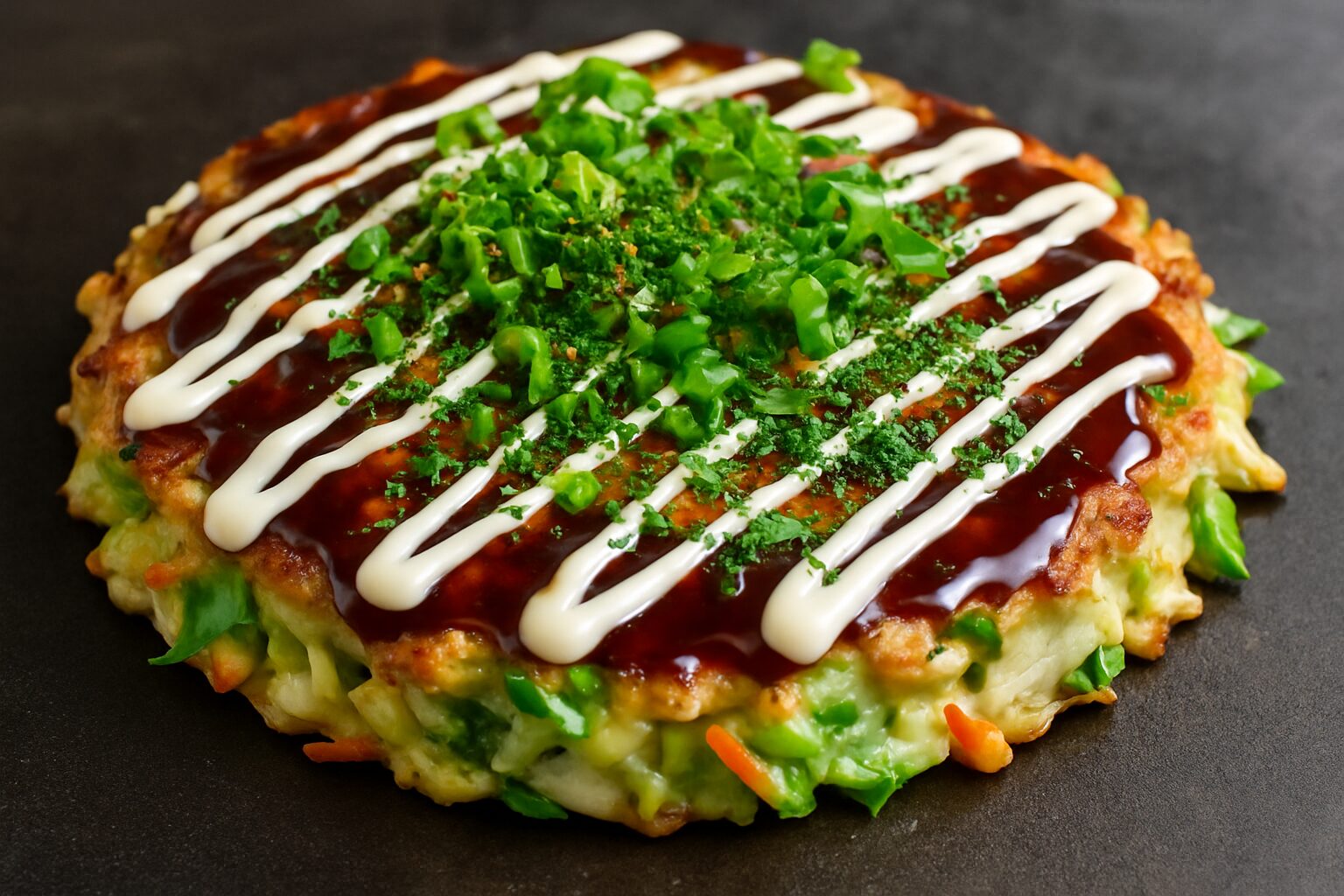
Welcome to Osaka, the city that dances to the rhythm of a sizzling teppan. Here in Japan’s kitchen, the air is thick with the savory-sweet perfume of street food, a culinary symphony where every sizzle and pop tells a story. At the heart of this gastronomic world is a dish that is more than just food; it’s an identity, a warm embrace on a plate. It’s Okonomiyaki. The name itself is a declaration of freedom: okonomi meaning “what you like” and yaki meaning “grilled.” It’s a canvas of cabbage, batter, and toppings, a dish built on personal expression and shared joy. For anyone living in this vibrant metropolis, understanding Okonomiyaki is understanding the soul of Osaka itself—its boisterous, friendly, and deeply comforting nature. But for those of us navigating life here with dietary restrictions, this quintessential experience can sometimes feel just out of reach. The traditional recipes, rich with dashi made from bonito flakes and built upon a wheat-flour foundation, present a challenge for vegetarians, vegans, and those who avoid gluten. Fear not. This city, with its boundless energy and spirit of innovation, is adapting. A quiet revolution is happening on the griddles of Osaka, where dedicated chefs are reimagining this classic dish, making it accessible to everyone. This is a journey into the heart of Okonomiyaki, not just as a taste of Osaka, but as a taste for all. We’ll explore the hidden corners and celebrated spots where you can find vegetarian and gluten-free Okonomiyaki, proving that Osaka’s soul food truly has a soul big enough for everyone.
After enjoying your meal, you can easily explore more of the city’s vibrant culture by navigating the Midosuji Line, Osaka’s main subway artery.
Unfolding the Layers: The Essence of Traditional Okonomiyaki

Before we dive into the realm of modern adaptations, let’s first appreciate the masterpiece in its original form. To truly value innovation, we must first pay homage to tradition. Imagine a bustling, cozy restaurant tucked away in a Namba back-alley. The air buzzes with conversation, while the clatter of metal spatulas against the hot iron griddle—the teppan—provides a steady, rhythmic backdrop. The aroma is a rich blend of grilled cabbage, savory batter, smoky pork, and the sweet, tangy hint of caramelizing sauce. This is the sensory world of Okonomiyaki.
At its heart, the dish is a beautiful fusion of simple ingredients. It starts with the batter, the very essence of the pancake. Traditionally, this consists of wheat flour, grated nagaimo (a type of mountain yam that imparts a fluffy, creamy texture), and a carefully crafted dashi. This dashi, a cornerstone of Japanese cuisine, is typically an umami-packed broth made from katsuobushi (dried, fermented, and smoked bonito flakes) and kombu (dried kelp). Here lies the first challenge for vegetarians, as the dashi imbues the entire dish with a subtle yet essential seafood flavor. The batter is then generously combined with a mountain of finely shredded cabbage, which softens and sweetens on the grill, forming the body and substance of the Okonomiyaki. It’s this abundance of cabbage that keeps the pancake surprisingly light and texturally pleasing, preventing it from becoming a heavy, doughy lump.
Into this base mixture go the supporting ingredients. Tenkasu, crispy bits of deep-fried tempura batter, are sprinkled throughout, adding pockets of crunch and richness. Pickled red ginger, or beni shoga, provides sharp, zesty bursts that cut through the savory flavors, cleansing the palate with every bite. Often, an egg is cracked into the mix, binding all the ingredients together while adding an extra layer of flavor and creaminess. Then comes the protein, most traditionally thin slices of pork belly laid across the top, which crisp to a beautiful golden brown as the pancake cooks, the rendered fat bathing the entire creation.
Watching a chef prepare Okonomiyaki is like witnessing a performance. With skilled, practiced movements, they pour the batter onto the teppan, shaping it into a perfect circle. They flip it with a dramatic flourish using two metal spatulas known as kote or hera. Timing is crucial. It must cook long enough to be fluffy and fully cooked inside, while developing a perfectly crisp, golden-brown crust on the outside. Once ready, it’s transferred to your plate—or in many traditional establishments, it remains on the section of the teppan built into your table to keep it piping hot.
Now comes the final act: the toppings. A thick, sweet, and savory brown sauce, often simply called Okonomiyaki sauce, is generously brushed over the surface. This complex condiment resembles a Japanese Worcestershire sauce but is thicker and sweeter, with hints of fruits and spices. Then, a lattice of creamy Japanese mayonnaise is drizzled on top. Finally, the dish is completed with a sprinkle of aonori, fragrant green seaweed flakes that add a touch of oceanic freshness, and a delicate, waving blanket of katsuobushi. These paper-thin bonito flakes dance and curl from the heat, making the dish appear alive. This final flourish, while visually stunning, confirms the dish as non-vegetarian. Understanding these fundamental components is key to navigating the quest for plant-based and gluten-free alternatives. It’s a journey of substitution and creativity, seeking ways to capture the soul of the dish while respectfully altering its form.
The Green Griddle: Osaka’s Vegetarian and Vegan Okonomiyaki Scene
The search for a truly vegetarian Okonomiyaki in Osaka once felt overwhelming. The hidden dashi, the default pork belly, the katsuobushi finish—it involved a string of special requests and often resulted in a compromised, less satisfying version of the dish. However, the city’s culinary scene is evolving beautifully. A new generation of restaurateurs and chefs, attuned to diverse dietary needs and passionate about plant-based cuisine, have risen to the occasion. They are creating Okonomiyaki that is not just “vegetarian-friendly” but celebrated for being wholly, deliciously plant-based from the ground up.
These contemporary spots have reinvented the dish from its core. The essential fish-based dashi is swapped for a richly flavored broth made from kombu and dried shiitake mushrooms. This blend imparts a different, earthier, and deeper umami that perfectly complements the sweetness of the cabbage. While the batter recipe remains a closely guarded secret in many places, it often features smart combinations of flour, nagaimo, and this special vegetable dashi to achieve the classic fluffy texture without eggs, making it entirely vegan.
Spotlight: OKO – Fun Okonomiyaki Bar
Nestled in the vibrant, neon-lit heart of the city, not far from Dotonbori’s lively scene, is a small eatery that has become a haven for vegetarian and vegan diners: OKO – Fun Okonomiyaki Bar. This isn’t your traditional, smoky Okonomiyaki spot. The atmosphere is modern, inviting, and explicitly inclusive. The menu proudly offers a full range of vegetarian and vegan choices, removing the uncertainty and stress that often come with dining out on dietary restrictions in Japan. The friendly staff, fluent in English, are eager to share their unique interpretation of this classic dish.
Here, the vegetarian Okonomiyaki is not an afterthought—it’s the highlight. They’ve perfected their kombu-shiitake dashi, lending the batter a rich, savory complexity. Instead of pork, you can opt for various inventive fillings. A favorite is the mochi and cheese combo—a delectably gooey, chewy, and satisfying option that adds an excellent textural contrast to the tender cabbage. Other choices include hearty mushrooms, sweet corn, or even chunks of konnyaku for a distinctive, jelly-like bite. For vegans, cheese can be omitted or substituted with a plant-based alternative if available. The egg that usually binds the batter is excluded in the vegan version, with nagaimo and a carefully balanced batter ensuring it holds together perfectly.
The final presentation is equally thoughtful. The Okonomiyaki is generously coated in a rich, tangy sauce confirmed as vegan, and a special egg-free mayonnaise is offered, which is surprisingly creamy and delicious. While katsuobushi is omitted, you can still enjoy a finishing sprinkle of aonori. Sitting at the counter, watching your custom-made, plant-based Okonomiyaki sizzle on the grill right before you, is a quintessential Osaka experience, reimagined for a new generation of food lovers. It’s a place where you can fully enjoy the experience without having to compromise your values.
Spotlight: Megumi
Another standout in Osaka’s vegetarian scene is Megumi. This restaurant offers a slightly different, perhaps more traditional ambiance while fully embracing vegan cuisine. Their approach is holistic, focusing on wholesome, natural ingredients to recreate Japanese comfort food classics. Their Okonomiyaki perfectly embodies this philosophy. It feels nourishing and clean, yet never sacrifices the hearty, satisfying essence of the original dish.
Megumi’s batter is a masterful blend, often incorporating brown rice flour alongside wheat flour to deliver a nuttier, more complex flavor (be sure to ask about a fully gluten-free option if needed, as we’ll discuss later). The fillings highlight the beauty of Japanese vegetables—you may find sweet kabocha squash, earthy burdock root, or a variety of seasonal mushrooms in your Okonomiyaki. They make their own sauces and condiments in-house, ensuring every ingredient is completely free of animal products. Dining at Megumi feels like being welcomed into someone’s home. The care and intention behind each element shine through. Compared to the lively energy of many traditional shops, it offers a quieter, more reflective Okonomiyaki experience—a moment of peaceful indulgence for plant-based diners.
These are just two examples of a growing trend. As you explore Osaka, look out for restaurants advertising shojin ryori (traditional Buddhist vegetarian cuisine) or those with a modern, health-conscious focus. Increasingly, places are acknowledging the demand and beginning to offer at least a basic vegetarian option, often a simple pancake with vegetables, mochi, or cheese. The key is to always ask, communicate your needs clearly, and be open to discovering a new, delicious interpretation of Osaka’s most beloved dish.
The Freedom of Flour: Conquering Gluten-Free Okonomiyaki

For those with celiac disease or gluten sensitivity, finding a safe and delicious Okonomiyaki can be even more challenging than it is for vegetarians. The main ingredient in the batter is wheat flour, making the dish seemingly off-limits. Additionally, sauces and mayonnaises often contain hidden gluten in the form of soy sauce or vinegars. The risk of cross-contamination on a shared teppan, where flour-based batter is continuously cooked, is another serious concern that cannot be ignored.
However, much like the vegetarian movement, dedicated chefs and health-conscious café owners in Osaka are leading a gluten-free revolution. The key lies in alternative flours. Given Japan’s rich culinary heritage with rice, it’s no surprise that komeko, or rice flour, has emerged as the star ingredient for gluten-free Okonomiyaki. Rice flour produces a batter somewhat different from the original—it tends to be a bit denser and chewier, with a subtle sweetness. Some chefs have refined their blends, combining rice flour with other gluten-free options such as tapioca or chickpea flour to create a texture that comes remarkably close to the light, fluffy nature of the traditional version.
Crafting a truly gluten-free Okonomiyaki demands meticulous attention that extends well beyond the batter. The Okonomiyaki sauce must be made with tamari, a gluten-free soy sauce alternative. Every component, from tenkasu (which usually contains wheat batter) to any additional fillings, must be carefully checked. The most conscientious establishments maintain a separate, designated gluten-free area on their teppan or use entirely different pans and utensils to eliminate any risk of cross-contamination.
Spotlight: Cafe ABSOLUT.
Though not solely an Okonomiyaki restaurant, Cafe ABSOLUT. has gained an excellent reputation in Osaka’s gluten-free community for its dedication to providing safe and tasty meals. They serve a fantastic gluten-free Okonomiyaki that showcases how wonderful the dish can be when thoughtfully reimagined. Their batter is rice-flour-based, resulting in a pancake that is delightfully chewy with a slightly crispy edge. It offers a unique experience that stands on its own, rather than merely mimicking the original.
The team at Cafe ABSOLUT. is highly knowledgeable about celiac disease and cross-contamination. They take the time to explain their cooking process and assure you of your meal’s safety. This level of care offers invaluable peace of mind, allowing you to relax and enjoy your food. Their version often comes loaded with fresh vegetables, and you can typically add toppings like cheese or a fried egg. They also provide gluten-free sauce and mayonnaise, ensuring the experience is seamless and complete. This café is a sanctuary for gluten-free diners, a place where you can finally enjoy one of Osaka’s iconic food traditions without worry or compromise.
Other Gluten-Free Strategies
Beyond dedicated cafés, some contemporary Okonomiyaki restaurants are beginning to offer gluten-free batter options upon request. These places often cater to vegetarians as well, as they are used to modifying their recipes. When you find a potential spot, communication is key. You should be able to ask, in Japanese or via a translation app, whether they offer a gurooten-furii option. It’s also essential to inquire about how they prevent cross-contamination (kurosu-kontamineshon). Do they thoroughly clean a section of the grill? Do they use fresh utensils? Asking these questions clearly and politely will help ensure a safe dining experience.
Another strategy is to look for restaurants specializing in modan-yaki, a popular Okonomiyaki variation where yakisoba noodles are pressed into the pancake. While the Okonomiyaki batter still contains gluten, some places may be able to prepare gluten-free yakisoba using rice noodles, served with vegetables and your choice of protein. It’s not exactly Okonomiyaki, but it offers a similar teppanyaki experience with the fun of the sizzling grill and savory sauces. The search for a gluten-free Okonomiyaki takes a bit more effort, but the reward—a hot, savory plate of Osaka soul food that’s safe to eat—is well worth it.
The Art of the Ask: Navigating Any Okonomiyaki Restaurant
While dedicated vegetarian, vegan, and gluten-free restaurants are the safest and most enjoyable choices, you might find yourself dining with friends or family at a traditional Okonomiyaki restaurant. Living in Osaka means learning to navigate these social dining situations. With some knowledge and a few key Japanese phrases, you can often customize your order to better meet your needs, even in places without a special menu. This is the true spirit of okonomi—what you like!
First, evaluate the style of the restaurant. Are you at a place where chefs cook everything for you behind a counter, or is it a setting where you receive a bowl of ingredients to cook yourself on the teppan at your table? The latter provides much more control and can be a better choice for those with dietary restrictions.
For Vegetarians and Vegans
Your main goal is to avoid meat and seafood-based ingredients. Here are some essential phrases and the ideas behind them:
- “Niku nashi de, onegaishimasu.” (No meat, please.) This is the simplest request to ensure they omit pork belly or any other meat typically included. You can also be more specific: “Butaniku nashi de.” (No pork.)
- “Watashi wa bejitarian/biigan desu.” (I am a vegetarian/vegan.) Declaring your dietary preference upfront can help staff understand your requests better. Keep in mind the understanding of veganism varies, so it’s important to specify ingredients.
- “Katsuo-dashi o tsukatte imasu ka?” (Do you use bonito dashi?) This is a crucial question. The answer is often yes. Sometimes the batter cannot be made without it as it’s pre-mixed, but some restaurants—especially smaller ones—might prepare a simple batter using just flour, water or kombu dashi, yam, and egg.
- “Katsuobushi wa nuki ni shite kudasai.” (Please leave off the bonito flakes.) This is an easy request most restaurants can accommodate. Be sure to ask as they add the toppings at the end.
If you are at a cook-it-yourself restaurant, you have more control. You can order a basic vegetable-only Okonomiyaki base, request it without pre-mixed dashi if possible, and manage your toppings yourself. You can ask for fillings like mochi, chiizu (cheese), kon (corn), or extra negi (green onions). This DIY style can be a fun and safer way to enjoy the meal.
For Gluten-Free Diners
Navigating a traditional restaurant as a gluten-free diner is much more challenging due to the wheat-flour base and high risk of cross-contamination. It is generally not advisable unless the restaurant explicitly accommodates gluten-free needs. However, if you find yourself in this situation, you can shift your focus from Okonomiyaki to other teppanyaki dishes.
Look for yasai-yaki (grilled vegetables) or tonpei-yaki without the sauce. Tonpei-yaki is a simple dish of grilled pork wrapped in a thin egg omelette. You could ask for it with vegetables instead of pork (“Niku no kawari ni, yasai de dekimasu ka?” – Can you make it with vegetables instead of meat?) and confirm that the sauce is not applied (“Soosu nashi de, onegaishimasu.”).
You can also order straightforward grilled items like mushrooms (kinoko), tofu (yakidofu), or potatoes with butter (jagabataa). This lets you join the social, teppan-side experience, enjoying the atmosphere even if you can’t have the main dish. Always carry a small bottle of gluten-free tamari with you—it can be a lifesaver, allowing you to add flavor to plain grilled items safely.
The key in any situation is to be polite, patient, and clear. A warm smile and sincere effort to communicate go a long way. Osaka’s staff are known for their hospitality, and while they may not always fulfill every request, they usually strive to help you have a positive experience.
The Final Flourish: Embracing the Okonomiyaki Spirit

Okonomiyaki is more than just a savory pancake; it represents Osaka’s ingenuity, originating in post-war times when people utilized whatever ingredients they had, grilling simple batters of flour and water mixed with available vegetables. It is a dish of resilience and creativity. That spirit continues today, seen not only in the numerous traditional shops scattered throughout the city but also in innovative kitchens pushing the limits of what Okonomiyaki can become.
Living in Osaka offers a unique chance to witness this culinary evolution firsthand—to see chefs honoring tradition while welcoming inclusivity. The rise of vegetarian, vegan, and gluten-free Okonomiyaki is not a departure from the dish’s essence; rather, it is the fullest expression of its founding principle: okonomi, meaning “what you like.” It declares that everyone is welcome at the table, or more fittingly, at the teppan.
So, I encourage you to explore. Step into the warmth of a modern vegan restaurant or a dedicated gluten-free cafe. Experience the familiar sizzle and intoxicating aroma, reimagined just for you. But don’t hesitate to enter that old, timeworn shop in your neighborhood. Bring along a few key phrases, a polite smile, and an adventurous spirit. Chat with the chef. Try creating your own version. You may be surprised by the connections you make and the delicious results you discover.
This is your city now, and this is its most cherished food. Finding your perfect plate of Okonomiyaki—whether it’s a classic pork belly-topped masterpiece, a gooey mochi-and-cheese vegetarian delight, or a chewy, rice-flour-based gluten-free creation—is a rite of passage. It’s a way to connect with the heart of Kansai and participate in a ritual that has brought joy and comfort to generations. Go find your yaki. Make it your own. That, truly, is the soul of Osaka.