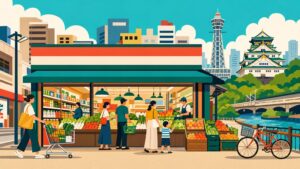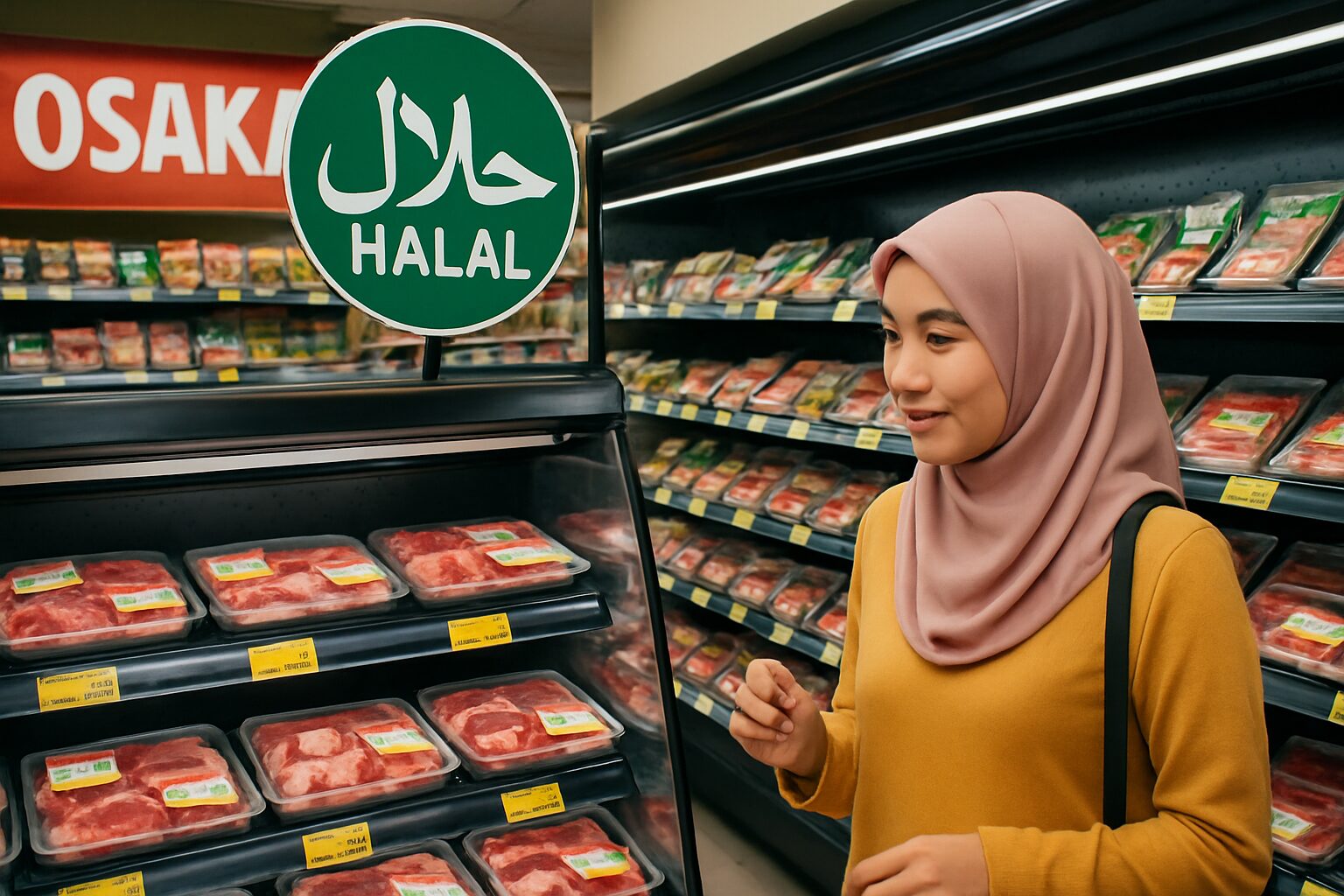
Welcome to Osaka, the city that lives and breathes food. They call it Tenka no Daidokoro, the Nation’s Kitchen, and for good reason. The air hums with the sizzle of takoyaki, the scent of savory okonomiyaki batter hitting a hot griddle, and the deep, comforting aroma of ramen broth simmering for hours. It’s a culinary paradise, a non-stop feast where every street corner offers a new delight. But what happens when the feast is over and you need to stock your own kitchen? What if your dietary needs go beyond the standard menu? For those of us navigating the vibrant aisles of Japanese supermarkets with halal, vegan, or allergy-friendly requirements, the hunt for groceries can feel like a quest of epic proportions. It’s a journey filled with unfamiliar packaging, cryptic kanji, and the ever-present mystery of what’s really in that sauce. But fear not, fellow food adventurer. This isn’t a story of restriction; it’s a story of discovery. This guide is your map and your compass, designed to help you not just survive, but thrive in Osaka’s grocery scene. We’re about to unlock the secrets of the Japanese supermarket, transforming a potentially daunting task into an exciting exploration of culture, community, and incredible food. You’ll learn to read the labels like a pro, discover hidden gems, and fill your cart with confidence. Osaka’s kitchen is vast and generous, and trust me, there’s a delicious, safe, and satisfying place at the table for everyone. Let’s get shopping.
For more tips on navigating dietary restrictions when dining out, check out our guide to finding vegetarian and gluten-free okonomiyaki in Osaka.
The Lay of the Land: Understanding Japanese Supermarkets
Before you grab a basket, let’s familiarize ourselves with the key players in Osaka’s grocery scene. Each chain has its own character, pace, and unique treasures just waiting to be discovered. Entering a Japanese supermarket for the first time is an experience in itself. The spotless floors shine under bright fluorescent lights, produce is artfully arranged, and the atmosphere is a gentle hum of quiet shoppers, polite announcements, and the friendly irasshaimase! (welcome!) from the staff. It’s a world of order and abundance, but knowing where to focus your attention is essential.
Gyomu Super: The International Powerhouse
Let’s begin with the giant, the cult favorite, Gyomu Super (業務スーパー). The name literally means “Business Supermarket,” and it lives up to that with bulk sizes and a straightforward, warehouse-style vibe. The aisles are wide, shelves piled high, and the emphasis is on value. For those with dietary restrictions, Gyomu is often the go-to spot. Why? Because its business model centers on importing goods directly from around the world. Here you’ll find a massive tub of hummus from the Middle East, bags of frozen berries from Poland, or liters of coconut milk from Thailand at a fraction of the usual cost. For halal shoppers, Gyomu is a treasure trove. Their freezer sections are famous, frequently stocked with halal-certified chicken, beef, and sometimes even ready-made items like samosas or parathas. The packaging is usually in the language of the product’s country of origin but clearly displays halal certification. For vegans, the vast selection of frozen vegetables, plant-based milks, imported beans, and spices is a dream come true. You can find vegan-friendly puff pastry, large bags of lentils, and unique sauces not typically seen in regular supermarkets. The feel here is less about a calm shopping experience and more about a treasure hunt. You have to be willing to search a bit, but the rewards are enormous. It’s the ideal place to stock your pantry for the month, leaving victorious with a cart full of international delights.
AEON & Daiei: The Dependable All-Rounders
If Gyomu is the adventurous importer, AEON and its subsidiary Daiei are the dependable, family-friendly giants. These sprawling, multi-level supermarkets are often found anchored to shopping malls. They have everything, with a focus on comprehensive service. The atmosphere is bright, clean, and highly organized. AEON stands out for dietary-conscious shoppers thanks to its private brand, TopValu. Within TopValu is a sub-brand called “Green Eye,” which emphasizes organic and healthier products. While not exclusively vegan or allergy-focused, these goods often feature simpler ingredient lists that are easier to understand. More notably, AEON has been improving its clear labeling, with allergen icons becoming more prominent. They also have an expanding “health food” section where you might find gluten-free pasta, soy meat, or almond milk. While their halal selection is usually much smaller than Gyomu’s, some larger AEON stores in areas with higher international populations have begun stocking a limited range of halal-certified items, such as specific soy sauce brands or frozen products. Shopping at AEON is safe and predictable—you’ll find fresh produce, household goods, and a solid range of basic groceries, and with a careful eye, you can definitely gather everything needed for a delicious, diet-friendly meal.
Life, Mandai, & Hankyu Oasis: The Neighborhood Staples
These supermarkets form the heart of Osaka’s residential neighborhoods. Life, Mandai, and the slightly more upscale Hankyu Oasis are where most people shop daily or weekly. Smaller than AEON, these stores are nevertheless meticulously stocked with the freshest seasonal produce, high-quality meat and fish, and all everyday essentials. Their strength lies in convenience and strong community ties. For those with dietary needs, navigating these stores requires a bit more skill as their selection of imported or specialty items is limited. However, they excel in providing the foundation for any meal. This is where you’ll find the best tofu selection—from silken (kinu) to firm (momen) and fried (aburaage). You’ll find many mushroom varieties, fresh seasonal vegetables like bamboo shoots in spring or kabocha squash in fall, and a wide variety of seaweeds, pickles, and other naturally plant-based Japanese staples. These stores are where your label-reading skills will really pay off—you’ll need to check bread for milk or lard, salad dressings for dashi, and snacks for hidden allergens. The atmosphere is lively yet friendly, offering a genuine slice of daily life in Osaka. Shopping here feels less like a special outing and more like becoming part of the local rhythm.
Kaldi Coffee Farm & Seijo Ishii: The Specialty Treasure Chests
These aren’t typical supermarkets, but they are essential allies. Kaldi Coffee Farm, often found in train stations or shopping arcades, is a wonderland of imported goods packed into cozy, narrow spaces. You’re greeted by the aroma of roasting coffee beans and offered a small paper cup of their daily brew upon entering. Kaldi is a haven for vegans and allergy sufferers, offering a reliable selection of oat milk, gluten-free crackers, vegan chocolate, Thai curry pastes, and an impressive array of international spices and canned goods. Their stock constantly changes, so each visit brings new discoveries. Seijo Ishii is Kaldi’s more refined, upscale cousin, featuring a curated selection of high-quality imported and domestic products. The aisles are wider, lighting softer, and prices somewhat higher. Seijo Ishii is a superb source for premium olive oils, imported cheeses (including some vegan options), organic snacks, and an excellent selection of gluten-free pasta and grains. Both stores are vital for finding specific items that elevate your cooking from basic to exceptional—the things that make home-cooked meals truly taste like home.
Decoding the Labels: Your Japanese Grocery Rosetta Stone
Alright, you’re standing in the aisle with the product in hand. Now comes the crucial moment: reading the label. This can be the most daunting part of the process, but with a bit of knowledge, you can become an expert decoder. Japanese food labeling laws are actually quite thorough, especially regarding allergens. Let’s break it down.
The Allergy Gauntlet (アレルギー表示)
Japan takes food allergies very seriously. There is a system of mandatory and recommended allergen labeling that becomes incredibly helpful once you know what to look for. This information is usually found in a box on the back of the package, often near the ingredients list. The key is to recognize the kanji for the most common allergens.
The Mandatory 7 (特定原材料7品目): By law, these must be listed if present in the product.
- Egg: 卵 (tamago)
- Milk: 乳 (nyuu)
- Wheat: 小麦 (komugi)
- Shrimp: えび (ebi)
- Crab: かに (kani)
- Buckwheat: そば (soba) – Essential for noodle fans!
- Peanuts: 落花生 (rakkasei)
The Recommended 21 (特定原材料に準ずる21品目): Manufacturers are encouraged, but not obligated, to list these. Most major companies do.
This list includes items like soy (大豆 – daizu), almonds (アーモンド – aamondo), walnuts (くるみ – kurumi), salmon (さけ – sake), chicken (鶏肉 – toriniku), pork (豚肉 – butaniku), beef (牛肉 – gyuuniku), and gelatin (ゼラチン – zerachin). You might see phrases like 「原材料の一部に大豆、小麦を含む」 (genzairyou no ichibu ni daizu, komugi wo fukumu), meaning “Contains soy and wheat as part of the ingredients.” Learning the characters for your specific allergens is the single most powerful tool you can have.
Vegan & Vegetarian Quest
This part gets a bit more complicated. The terms “vegan” (ヴィーガン) and “vegetarian” (ベジタリアン) are becoming more common in Japanese, but they are not legally defined for food labeling. A product may be plant-based but produced on the same line as meat products, or a seemingly simple vegetable soup might be made with fish or chicken stock. You’ll need to become a food detective.
Hidden Animal Ingredients to Watch Out For:
- Dashi (だし): The base of much Japanese cuisine. Most dashi is made from bonito flakes (katsuobushi – 鰹節) or other fish. For a vegan alternative, look for kombu (昆布) or shiitake (椎茸) dashi.
- Extracts (エキス): This term appears frequently. チキンエキス (chikin ekisu – chicken extract) or ポークエキス (pooku ekisu – pork extract) can be found in items ranging from potato chips to crackers.
- Gelatin (ゼラチン): Present in jellies, marshmallows, and some desserts.
- Lard (ラード): Sometimes used in bread (especially shokupan, the fluffy white bread), pastries, and curry roux.
- Milk Products: Besides 乳, watch for terms like 全粉乳 (zenfunnyuu – whole milk powder), 脱脂粉乳 (dasshifunnyuu – skim milk powder), and バター (bataa – butter).
Boost Your Vegan Vocabulary:
- 動物性不使用 (doubutsusei fushiyou): Does not use animal products.
- 植物性 (shokubutsusei): Plant-based; often seen on margarine or soy milk.
- 肉・魚不使用 (niku・sakana fushiyou): Meat- and fish-free.
- 乳製品不使用 (nyuuseihin fushiyou): Dairy-free.
Embrace Japan’s naturally vegan staples! Soy products are abundant and affordable. Tofu, natto (fermented soybeans), edamame, and tounyuu (豆乳 – soy milk) are delicious and widely available. Miso paste, most plain rice, and many seaweeds are also excellent options.
The Halal Hunt (ハラル)
For those seeking halal foods, the investigation requires a similar approach with some special considerations. The most reliable sign is a Halal certification mark (ハラル認証 – hararu ninshou). These marks, issued by various international and Japanese organizations, provide assurance. You’re most likely to find these on imported goods at Gyomu Super or in dedicated halal shops.
In typical supermarkets, the search is more subtle. You’ll want to identify foods that are halal by nature and also those to avoid.
Key Ingredients to Watch For:
- Pork and derivatives (豚肉 – butaniku, ラード – raado, ゼラチン – zerachin): These can lurk in many processed foods, from sweets to soup stocks. Allergen labeling of pork and gelatin is very helpful here.
- Alcohol (アルコール or 酒 – sake): A significant concern. Many essential Japanese ingredients contain alcohol as a preservative or flavor enhancer.
- Soy Sauce (醤油 – shouyu): Most standard soy sauces include small amounts of alcohol from fermentation. Look for halal-certified varieties or those labeled アルコール無添加 (arukooru mutenka – no added alcohol).
- Mirin (みりん): This sweet cooking wine is common in many Japanese sauces and contains alcohol. Sometimes you’ll find mirin-fu choumiryo (みりん風調味料), a mirin-style seasoning with little or no alcohol, but you need to check the label carefully.
- Vinegar (酢 – su): While most grain vinegars are generally considered permissible, it’s best to verify ingredients if you have concerns.
Finding halal-certified meat in a regular supermarket is very rare. Your best option is to rely on seafood, tofu, and vegetables from these stores, and obtain meat from a specialty halal butcher.
Specialty Havens: Where to Go When the Supermarket Isn’t Enough

Sometimes, you need to call in the experts. When the regular grocery store lacks that essential ingredient, Osaka offers a growing number of specialized shops tailored to your needs. These places are more than just stores; they serve as community hubs, filled with the familiar tastes and aromas of home.
Halal-Specific Stores
In a city as diverse as Osaka, there are several excellent halal grocery stores, often located in neighborhoods with larger Muslim populations, such as around the Osaka Masjid in Nishiyodogawa or in the lively, multicultural area of Nippombashi. Visiting a store like Osaka Halal Food or Global Halal Mart feels completely different from shopping at a typical Japanese supermarket. These shops are usually smaller, family-run businesses, and the moment you walk in, you’re greeted by the fragrant scents of spices like cumin, coriander, and turmeric. The shelves are stocked with familiar brands from Indonesia, Malaysia, Pakistan, and the Middle East. You’ll find everything from properly butchered halal chicken and beef to basmati rice, dates, specialty flours, and your favorite instant noodle brands from back home. The owners and staff are knowledgeable and welcoming—don’t hesitate to ask questions, as they’re usually happy to help you find what you need or offer cooking tips. These stores are more than just places to buy food; they are vital cultural and community connections where you can speak your language and find comfort in familiar flavors.
Vegan & Organic Sanctuaries
For those following a plant-based or organic diet, specialty stores provide a carefully curated and stress-free shopping experience. Chains like Bio-c-Bon, a French organic supermarket with locations across the Kansai region, are a real blessing. Stepping into Bio-c-Bon is like entering a clean, green, and airy environment. Everything is displayed beautifully, from fresh organic vegetables to an impressive variety of vegan cheeses, plant-based yogurts, gluten-free breads, and organic wines. You can shop here with the confidence that the products have been chosen with health and sustainability in mind. Although prices are higher than at regular supermarkets, these stores are invaluable for hard-to-find specialty items. Another great option is to visit local farmers’ markets, or marche (マルシェ), that appear on weekends in parks or public squares. There, you can buy produce directly from the farmers who grew it, ask about their farming methods (many employ little to no pesticides), and enjoy the freshest, most seasonal vegetables possible. It’s a wonderful way to support the local economy and connect with your food on a deeper level.
Online Warriors: The Digital Aisles
Don’t underestimate the convenience of online shopping in Japan. For many, it’s the easiest way to get exactly what they need, delivered right to their door. Websites like iHerb are extremely popular among expats due to their vast selection of vitamins, supplements, and health foods, including many vegan, gluten-free, and organic items that are hard to find in stores. For halal groceries, online retailers like Al-Flah and Baticrom offer a wide variety of halal meats, spices, and pantry staples. Although you miss out on the in-person experience, the convenience and range offered by these online options are truly game-changing, especially if you live far from a specialty shop.
Putting It All Together: A Sample Shopping Trip
Let’s get practical. Theory is valuable, but witnessing it in action is even better. Picture a few scenarios to explore how you might combine different stores to craft the perfect meal.
The Vegan Voyager’s Curry Night
Your task: prepare a rich, creamy, and entirely plant-based Japanese curry. Your first stop is the local Mandai supermarket. You head straight to the produce section, vibrant with color. You pick up onions, carrots, potatoes, and a stunning dark green kabocha squash. Next, you visit the tofu aisle and grab a block of atsuage (厚揚げ), which is deep-fried tofu—firm and ideal for soaking up curry sauce. Now, for the curry roux. You scan the boxes, searching for the key phrase: 動物性不使用 (doubutsusei fushiyou). You check popular brands like Golden Curry and Vermont Curry, but today they all contain milk powder or pork extract. No problem, time for plan B. You hop on the train to Kaldi Coffee Farm at the nearest station. Navigating the charming, cluttered aisles, you find the international foods section. Success! You discover a vegan-friendly curry paste from Thailand and a can of full-fat coconut milk. On your way to the checkout, you spot a bag of vegan marshmallows and decide to treat yourself. Your curry night is saved, with dessert to enjoy.
The Halal Hero’s Weekend Barbecue
You’ve invited friends over for a barbecue, with grilled chicken as the main attraction. Your first and most important stop is a dedicated halal butcher. You buy several kilos of fresh, certified halal chicken, and while there, you also pick up large flatbreads and a jar of your favorite chili sauce. With the protein secured, you head to a large AEON for the rest of your ingredients. You breeze through the produce section, filling your cart with bell peppers, zucchini, onions, and corn on the cob. Now for the marinade. You want to make a teriyaki-style sauce, which requires soy sauce. You approach the vast soy sauce aisle and carefully read the labels. You skip those listing アルコール (alcohol) among the ingredients. Then you spot it: a bottle of Kikkoman soy sauce bearing a prominent halal certification mark on the front. A huge win! You grab it along with ginger and garlic. You also pick up a big bag of rice and some drinks. Before checking out, you browse the snack aisle for rice crackers, carefully checking the アレルギー表示 (allergy information) on the back to ensure they don’t contain any unwanted extracts. You leave with a full cart, ready for a fantastic weekend feast.
Beyond the Shelves: Tips and Cultural Etiquette

Navigating a grocery store involves more than just finding food; it also means adapting to a different culture. A few tips can help make your experience smoother and more enjoyable.
- Tech is Your Best Ally: Download the Google Translate app. Its camera feature, which lets you point your phone at Japanese text and receive an instant translation, is incredibly helpful. While not always perfect, it’s sufficient to help you understand ingredient lists.
- Patience and a Smile Go a Long Way: When asking staff for assistance, be polite and patient. They want to help, though they may be unfamiliar with terms like “vegan” or “halal.” Having the Japanese words written down or saved on your phone can be very useful. A simple Sumimasen (Excuse me) accompanied by a smile can open many doors.
- Embrace Japanese Staples: Don’t get so focused on replicating meals from home that you overlook the amazing, naturally friendly foods around you. Learn to appreciate tofu’s versatility. Explore the various types of miso. Try the many varieties of Japanese mushrooms. Incorporating these local staples into your diet will make shopping easier, cheaper, and tastier.
- Find Your Community: You’re not alone on this journey. Numerous Facebook groups and online forums exist for expats and foreigners living in Osaka. These communities provide invaluable, up-to-date information. Members frequently share their latest grocery store discoveries, recommend restaurants, and answer questions. Joining one is like having hundreds of friends on the same journey as you.
Grocery shopping in a new country, especially with specific dietary needs, can seem like a formidable challenge. But in Osaka, it’s an adventure waiting to happen. It’s a chance to engage with Japanese culture on a daily, practical level. Every trip to the supermarket is an opportunity to learn a new word, to discover a new vegetable, to understand the rhythm of the seasons, and to connect with the community around you. The aisles of Gyomu, the pristine shelves of AEON, and the bustling energy of your local Mandai are all part of the rich tapestry of life in the Nation’s Kitchen. It requires a little preparation, a dash of curiosity, and a willingness to explore. But the reward is a pantry, a refrigerator, and a plate full of food that is not only safe and delicious but is also a testament to your successful navigation of this incredible city. So grab your eco-bag, fire up your translation app, and get ready to explore. A world of flavor awaits.
If possible, please make slight modifications to the entire sentence without altering its original meaning.