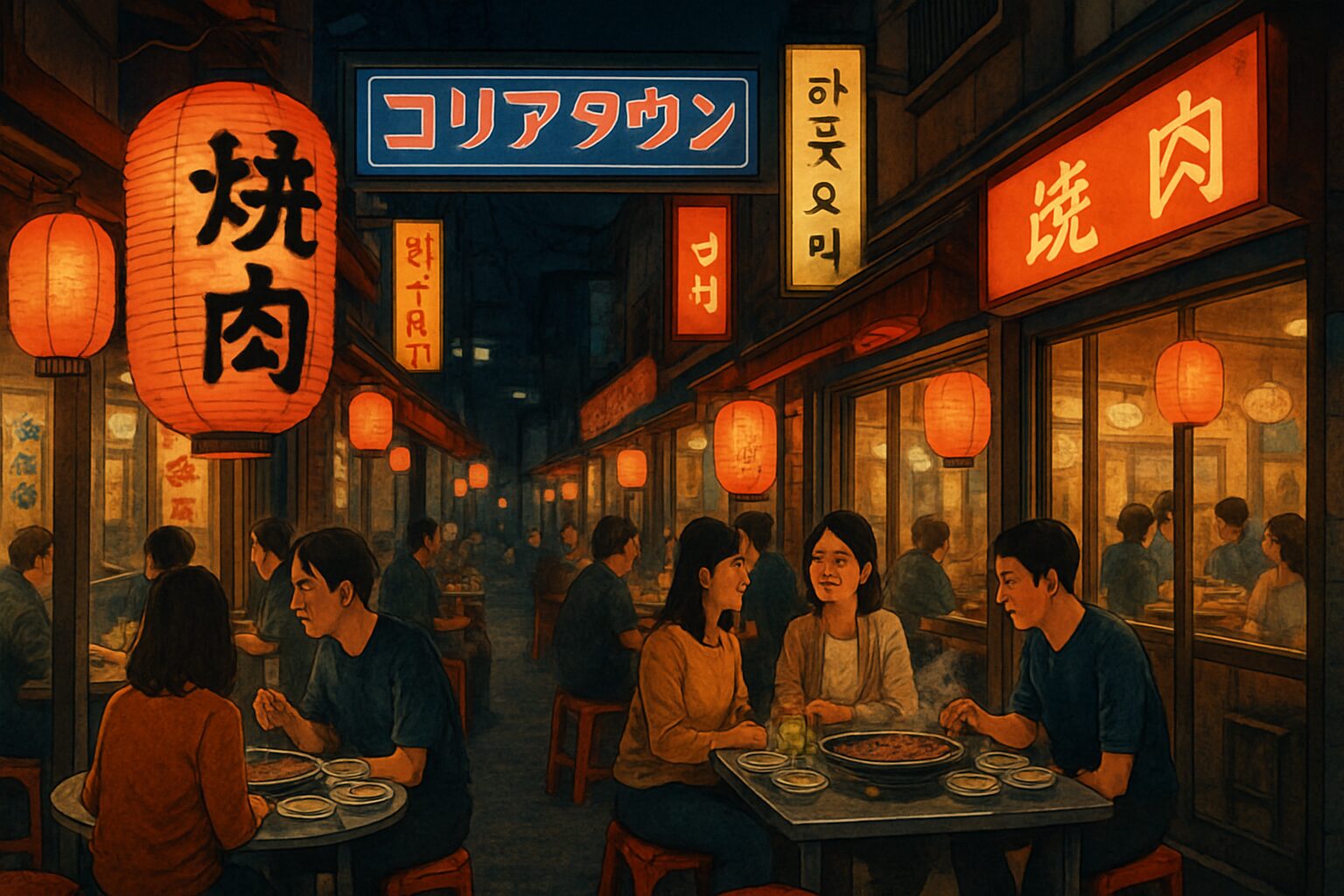
Step off the train at Tsuruhashi Station, and the world transforms. You don’t just exit onto a platform; you plunge headfirst into a whirlwind of sensory delight. The air itself changes, suddenly thick with the irresistible, smoky perfume of grilled meat, the sharp, invigorating tang of fermented kimchi, and a subtle sweetness from simmering broths. The soundtrack of Osaka’s urban hum is immediately layered with the vibrant pulse of K-Pop beats spilling from storefronts and the animated chatter of vendors and shoppers, a lively conversation flowing seamlessly between Japanese and Korean. This isn’t just a neighborhood; it’s an experience. Welcome to Tsuruhashi Koreatown, the largest and most dynamic enclave of Korean culture in Japan, a place where food is not merely sustenance, but the very language of community, history, and connection. Here, a simple meal becomes a boisterous celebration, a shared grill becomes a round table for friendship, and every alleyway holds a story whispered in sizzles and spice. It is a corner of Osaka that beats with its own distinct, powerful heart, inviting you to come, taste, and belong, if only for an afternoon.
After immersing yourself in this vibrant community, you can easily explore more of Osaka’s urban rhythm by riding the Midosuji Line.
The Heartbeat of Tsuruhashi: The Shotengai Experience
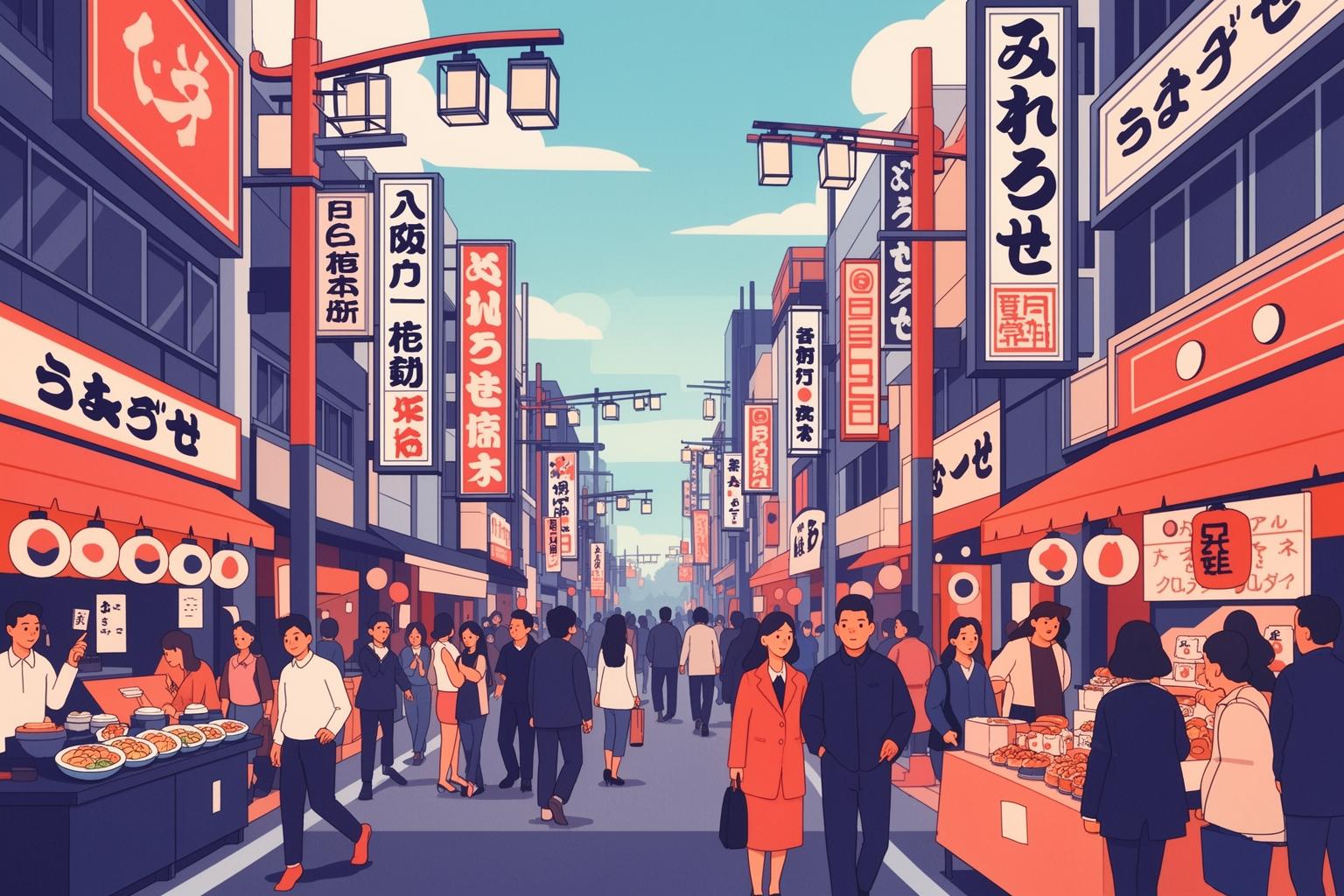
The essence of Tsuruhashi is found within its expansive network of covered shopping arcades, known as shotengai. Stepping beneath the weathered awnings and into the twisting alleys, you leave behind the modern city and enter a world shaped by tradition, flavor, and commerce on a deeply human level. The air grows warmer, thick with steam rising from giant pots of stew and smoke curling up from countless grills. The narrow passageways form a vibrant mosaic of sights and sounds, a steady, flowing current of people weaving past shops piled high with colorful goods. It’s an immersive, nearly overwhelming experience—a sensory feast in the most delightful way. This is not a polished, curated tourist spot; it’s a raw, living marketplace, a vital organ of the community that has thrived for generations. Here, everyday life rituals unfold openly, offering an authentic glimpse into the culture that has shaped this extraordinary district.
A Tapestry of Shops and Flavors
A walk through the shotengai is a culinary pilgrimage. Each storefront reveals a piece of a larger narrative, a tribute to family recipes and time-honored techniques passed down through generations. The most iconic and unmissable are the kimchi specialists. These are not simple shops; they are galleries of fermentation. Gleaming stainless-steel tubs and glass displays hold heaping mounds of crimson-hued cabbage kimchi, its fiery heat balanced by deep, savory flavors of fish sauce and garlic. But the journey doesn’t end there. You’ll find glistening cubes of radish kimchi (kkakdugi), crisp cucumber kimchi (oi-sobagi), and delicate bundles of green onion kimchi (pa-kimchi). The women who run these stalls, often with hands stained from decades of spice mixing, are artisans. They are the matriarchs, the ajumma, who will gladly offer you a sample, their faces shining with pride. Watching local residents—from elderly grandmothers to young couples—arrive with their own containers to be filled with their favorite varieties is to witness a beautiful, enduring community ritual.
Going deeper, you’ll find the Korean grocery stores, serving as the community’s pantry. The shelves form a vibrant mosaic of unfamiliar and tempting packages. Towering piles of instant noodles promise a world of flavor far beyond what’s typical in a standard Japanese supermarket. There are tubs of rich, dark red gochujang (chili paste) and earthy doenjang (soybean paste), foundational pillars of Korean cooking. Bottles of sesame oil, bags of roasted seaweed, colorful snack boxes, and unique drinks like pear juice and sweet rice punch fill the shelves. These stores are more than places to stock up on essentials; they serve as a direct link to the tastes of home, a source of comfort and cultural continuity for Tsuruhashi’s residents.
The irresistible aroma of street food accompanies you constantly as you walk. You’ll hear the sizzle before you see the source: vendors expertly flipping golden-brown savory pancakes, chijimi or buchimgae, dotted with green onions, seafood, or kimchi. The air is alive with the rhythmic tapping of spatulas on hot griddles. Nearby, a pot of bubbling, fiery red tteokbokki offers chewy rice cakes swimming in a spicy, sweet sauce that warms you from within. There are vendors selling hotteok, sweet pancakes filled with molten brown sugar, cinnamon, and nuts, providing a perfect counterpoint to the surrounding savory fare. And of course, there’s Korean-style fried chicken, with its impossibly crispy skin glazed in either a sweet and spicy sauce or a savory garlic-soy blend. This is the heartbeat of casual social dining in Tsuruhashi, where friends gather around small stalls, sharing quick, delicious bites, their laughter blending with the sounds of the market.
Yet, nothing defines Tsuruhashi’s culinary identity quite like its deep connection to yakiniku. The district is lined with butcher shops that serve as temples of meat. Behind spotless glass counters lie carefully arranged cuts of beef, from richly marbled karubi (short rib) to deep red slices of rosu (loin). Handwritten signage details the various parts available, reflecting the nose-to-tail philosophy central to Tsuruhashi’s yakiniku culture. This is more than selling meat; it’s an act of honoring the animal and appreciating the unique flavor and texture of each cut. The history of yakiniku in Osaka is tightly woven with the post-war story of the Korean community here—a tale of resourcefulness and elevating humble ingredients into a celebrated culinary tradition. These butcher shops are the starting point of that tradition, supplying the many nearby restaurants that, in a few hours, will light their grills and fill the night air with that signature, mouthwatering aroma.
The Art of Social Dining: Yakiniku and Beyond
Dining in Tsuruhashi Koreatown is seldom a solitary experience. It is inherently social, delightfully lively, and deeply communal. Sharing a meal is woven into the neighborhood’s cultural fabric, and this is most apparent within the revered walls of its many yakiniku restaurants. Sitting down for yakiniku means engaging in a ritual centered as much on connection and conversation as on the food itself. It is a shared experience that breaks down barriers and fosters bonds over the glow of an open flame.
Yakiniku: More Than a Meal, It’s a Ritual
Forget a quiet, introspective dining outing. Yakiniku is a symphony of sounds and movements. You are not just a passive eater served a plated dish; you are an active participant, the conductor of your own culinary ensemble. A small charcoal or gas grill takes center stage on your table, becoming the evening’s focal point. Plates of raw, beautifully marinated meat arrive, and the process begins. Using tongs, you place slices of meat onto the hot grill, instantly filling the air with a dramatic sizzle. The smoke, rich with the aroma of caramelizing soy sauce, garlic, and meat, rises up to be drawn away by powerful vents hanging like metallic chandeliers above each table. The experience is loud, interactive, and captivating. Everyone at the table cooks together, flipping the meat and serving one another to ensure perfectly cooked bites for all. Conversations flow easily, punctuated by the clink of beer mugs, the grill’s sizzle, and exclamations of delight when a particularly delicious piece is lifted from the fire.
Selecting your yakiniku spot is part of the adventure. Tsuruhashi provides a range of options. You might find yourself in a legendary Showa-era establishment, its walls stained with decades of smoke, exuding a gritty, authentic atmosphere utterly free of pretense. Here, the focus is on meat quality and traditional marinades. In such places, you sit on simple stools, elbow to elbow with locals, soaking in the unfiltered spirit of Tsuruhashi. Alternatively, there are modern, sleek venues with advanced ventilation and comfortable booths that offer a more refined yet equally delectable experience. The real secret—locals will tell you—is to venture off the main streets. The most cherished gems often hide in narrow, unassuming alleys, marked only by a simple curtain and the unmistakable scent of grilling meat.
To truly navigate the menu and unlock yakiniku’s full potential, it helps to know the terminology. Karubi (short rib) reigns supreme, its rich marbling melting on the grill to create tender, juicy bites. Rosu (loin) offers a leaner but equally flavorful alternative. For the adventurous, there’s tan (tongue), which, when grilled, boasts a unique, satisfyingly crisp texture. Yet the true soul of Tsuruhashi yakiniku lies in horumon—offal. This category includes everything from liver (rebā) to tripe (mino) and intestines (maruchō). In the post-war era, when prime meat cuts were rare, the Korean community skillfully transformed these less-desired parts into culinary treasures through meticulous cleaning and flavorful marinades. Enjoying horumon in Tsuruhashi is tasting history—a delicious tribute to the resilience and resourcefulness of those who built this community.
Beyond the Grill: A Culinary Universe
While yakiniku steals the spotlight, Tsuruhashi’s social dining scene is a rich, diverse mosaic. In recent years, other communal dishes have surged in popularity, reflecting the evolving tastes and trends of modern Korean cuisine. Samgyeopsal, thick slices of unmarinated pork belly grilled at the table, is now a favorite. The ritual involves grilling the pork until golden and crispy, cutting it into bite-sized pieces with scissors, then wrapping it in fresh lettuce with garlic, kimchi, and a dollop of savory paste. Each wrap delivers a perfect explosion of flavor and texture.
Another crowd-pleaser is cheese dakgalbi. This dish delights both the eyes and palate. A large round pan is brought to the table, piled with spicy marinated chicken, cabbage, sweet potatoes, and rice cakes. It’s stir-fried in front of diners, and just before serving, a generous lane of mozzarella cheese is poured around the edges. As the cheese melts into a gooey, bubbling moat, diners dip spicy chicken into it, creating a sinfully delicious blend of heat, savory tastes, and creamy richness. It’s a messy, fun, and highly shareable meal that captures the modern spirit of Korean social dining.
For those seeking comfort and warmth, Tsuruhashi’s eateries offer an impressive array of soups and stews. A bubbling pot of sundubu-jjigae (soft tofu stew), served piping hot in a traditional earthenware vessel, provides the perfect remedy for a cold day. Its fiery broth, silky tofu, and mix of meat or seafood deliver a complex, deeply satisfying experience. Samgyetang (ginseng chicken soup), featuring a whole young chicken stuffed with glutinous rice, ginseng, and garlic, is prized for its restorative qualities. These are not just dishes but soul-nourishing bowls often shared among family and close friends in a quieter, more intimate setting than the lively yakiniku dining rooms.
Tsuruhashi’s evolution is also evident in its growing café culture. Nestled among old-world grocers and traditional restaurants are stylish, modern cafés that serve as social hubs for a younger crowd. Here, you’ll find elaborate, refreshing bingsu—fluffy shaved ice mountains topped with everything from fresh fruit and sweet red beans to cheesecake and brownies. Trendy dalgona coffee and beautifully crafted pastries are also on offer. These cafés prove that Tsuruhashi is not a community frozen in time but one dynamically blending its rich heritage with contemporary trends from global Korean culture, creating fresh spaces for connection and community.
A Living History: The Roots of Tsuruhashi Koreatown
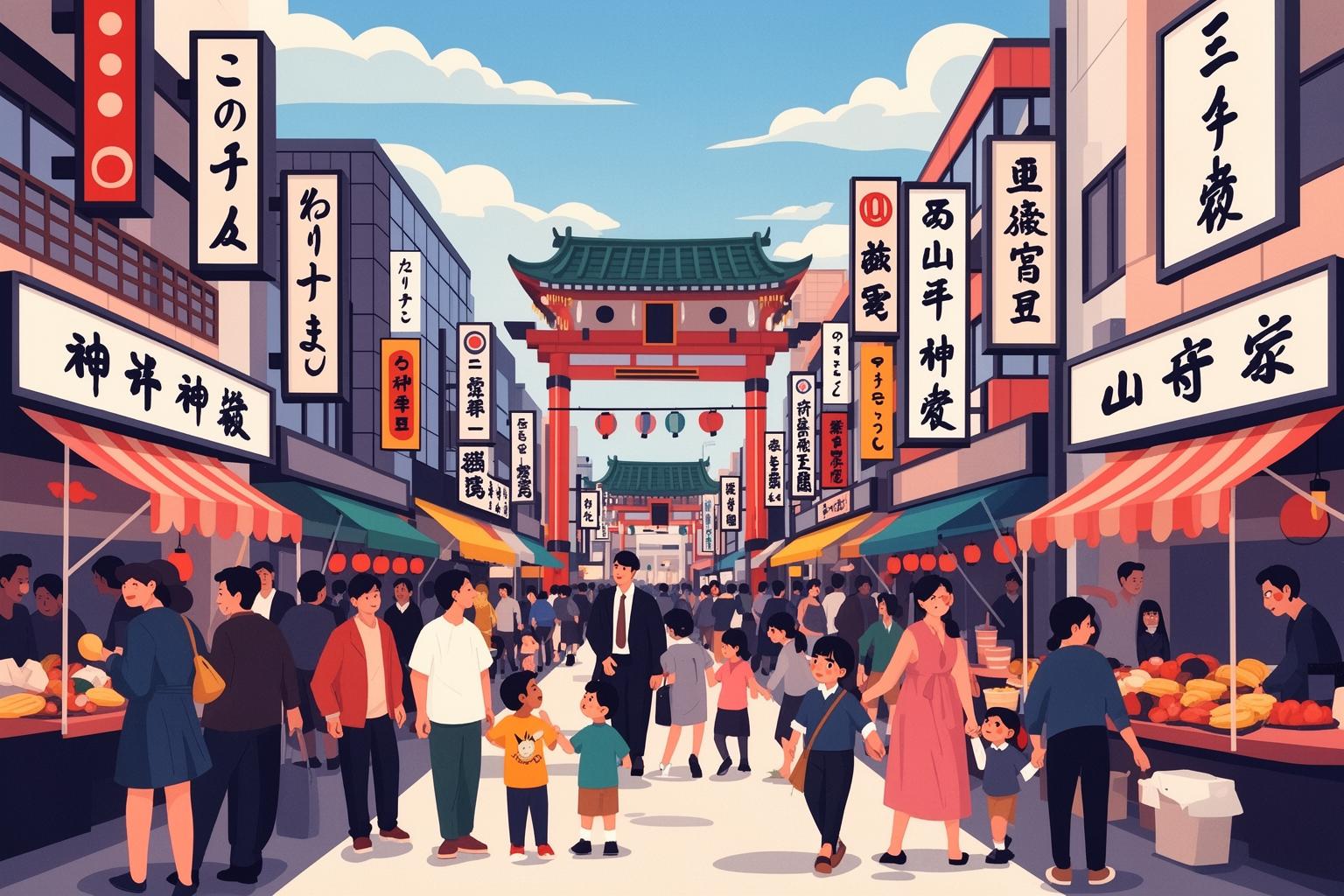
To truly appreciate the vibrant present of Tsuruhashi Koreatown, one must first grasp its profound and often poignant history. This neighborhood is not a fabricated cultural theme park; it is a living, breathing community shaped by history, migration, and remarkable resilience. Its roots lie deeply embedded in the story of the Zainichi Koreans—the ethnic Koreans who have made Japan their permanent home, many with families spanning generations. Tsuruhashi stands as a powerful testament to their journey, a place where cultural identity has been fiercely preserved and celebrated, ultimately enriching the entire city of Osaka.
From Marketplace to Metropolis
The story of Tsuruhashi as it is known today begins in the aftermath of World War II. The area around Tsuruhashi Station, a major transportation hub, became the site of a sprawling black market—a chaotic but essential center of commerce in a time of scarcity. It was here that many Zainichi Koreans, facing discrimination and limited economic opportunities in mainstream society, began to build their livelihoods. Starting with simple stalls selling food and goods, a community gradually formed. The market became a place of resourcefulness where culinary traditions from their homeland were adapted and shared. It was in this environment that the culture of grilling horumon, the less-desirable cuts of meat, took root and eventually flourished into the celebrated yakiniku culture that now defines the area.
Over the decades, this informal market evolved. Stalls transformed into permanent shops, and the community expanded, establishing restaurants, grocery stores, and cultural institutions. They turned a humble marketplace into a thriving economic and cultural hub. The shotengai arcades that now shelter shoppers from the elements symbolize this transformation, representing the creation of a lasting, enduring presence. Walking through these alleys is like moving through layers of history. You can still sense the echoes of that post-war market energy, even as the community has grown and modernized around it. Tsuruhashi tells the story of building a home and a vibrant community from the ground up—a narrative of perseverance visible in the very bricks and mortar of the neighborhood.
Miyukidori Shotengai: The Modern Cultural Epicenter
While the entire Tsuruhashi area is known as Koreatown, the heart of its modern cultural identity is concentrated along a specific street called Miyukidori Shotengai, often simply referred to as “Koreatown.” Stepping onto this street feels like being transported to a bustling shopping district in Seoul. The atmosphere here differs from the more traditional, food-centered markets near the station. This street serves as the epicenter of contemporary Korean culture in Osaka.
Miyukidori Shotengai is a vibrant showcase of everything Hallyu (the Korean Wave). K-Pop merchandise shops line the street, with windows filled with posters of famous idols and speakers playing the latest chart-topping hits. Fans, young and old, flock here to purchase albums, light sticks, and other memorabilia of their favorite groups. Alongside them are cosmetic stores, their shelves stocked with the latest in K-beauty—from sheet masks and serums to innovative makeup products that have revolutionized the global beauty industry.
Yet tradition remains honored on Miyukidori. Shops sell beautiful, colorful hanbok (traditional Korean clothing), with elegant silks and intricate embroidery providing a striking contrast to the modern pop culture surrounding them. Stores specializing in Korean housewares offer everything from traditional metal chopsticks and spoons to earthenware pots used for cooking stews. Naturally, the street is also lined with food stalls and restaurants serving everything from street food classics to trendy new dishes. Miyukidori Shotengai embodies the dynamic identity of the Zainichi community—proud of its heritage, deeply connected to tradition, and fully engaged with the contemporary culture of modern Korea. It is a place where past and present don’t just coexist; they dance together in a vibrant, colorful celebration of identity.
Navigating Tsuruhashi Like a Pro: Practical Tips and Etiquette
A trip to Tsuruhashi Koreatown is truly an adventure, and like any great journey, a bit of preparation and local insight can make it even more enjoyable. The neighborhood is vibrant and welcoming, but its busy, maze-like layout can feel overwhelming to first-time visitors. Equipped with a few practical tips, you can confidently navigate its lively streets and fully immerse yourself in its unique atmosphere.
Getting There and Getting Around
One of Tsuruhashi’s greatest advantages is its excellent accessibility. Situated at a major transit hub, it’s easy to reach from anywhere in Osaka. Tsuruhashi Station is served by three key lines: the JR Osaka Loop Line, the Kintetsu Nara Line, and the Osaka Metro Sennichimae Line. As soon as you exit the station gates—especially from the JR station’s West Exit—you’re immediately greeted by the unmistakable scent of yakiniku. There’s no gradual build-up; you’re instantly in the heart of the action. The main food markets and yakiniku restaurants are concentrated in the shotengai arcades surrounding the station. The Miyukidori Shotengai, which has a more pop-culture vibe, is a pleasant 10-15 minute walk away. The best way to explore is on foot—allow yourself to wander the maze of alleys, where some of the most interesting discoveries await.
The Rhythm of the Day: Best Time to Visit
Tsuruhashi follows a dual rhythm. For exploring markets and shops, daytime is unquestionably the best time. The shotengai buzzes with life from mid-morning through late afternoon, when kimchi vendors are active, grocery stores bustle, and street food stalls thrive. Visiting on a weekday offers a more authentic, local vibe as you shop alongside residents running errands. Weekends, however, bring a different energy, turning the area into a lively, festival-like destination filled with visitors from all around. The atmosphere is electric, but expect crowds. Keep in mind that many market stalls and small shops close fairly early, often by 6 or 7 PM. Yet as the sun sets and these shops close up, Tsuruhashi’s second rhythm begins. Yakiniku restaurants and bars light up, their red lanterns casting a warm glow on the narrow streets. Evening is prime dining time, filled with the joyful sounds of grilling, laughter, and clinking glasses.
Cash is King
Although Japan is increasingly adopting cashless payments, Tsuruhashi Koreatown still retains many traditional practices, including a strong preference for cash. Many smaller food stalls, family-owned market shops, and older, traditional restaurants operate on a cash-only basis. Larger establishments and chains might accept credit cards, but it’s always wise to carry enough Japanese yen. This ensures you won’t miss the chance to sample a tempting street food snack or purchase a unique souvenir simply because you can’t pay electronically. Having cash on hand guarantees a smoother, more relaxed experience.
A Woman’s Perspective on Safety
As a travel writer who often explores cities solo, I’m always attentive to my surroundings, and I can confidently say that Tsuruhashi feels overwhelmingly safe and welcoming. The area is continuously bustling with people—families, couples, and groups of friends—which creates a lively and secure environment. However, the shotengai’s narrow, often crowded alleyways mean it’s wise to remain mindful of your belongings, just as you would in any busy market. Keep your bag zipped and close to you to avoid the risk of pickpocketing. At night, when yakiniku restaurants are busy, the main streets stay well-lit and populated. If exploring alone after dark, it’s best to stick to these brighter, busier routes rather than venturing into quieter, darker side alleys. The community is friendly and helpful, but maintaining standard urban awareness will help ensure your visit is enjoyable and safe.
Language and Communication
The soundscape of Tsuruhashi is a delightful blend of Japanese and Korean. Although Japanese is the main language of business, you’ll hear Korean everywhere—among shopkeepers, friends, and from the music playing in stores. Don’t be intimidated by any language barriers. Vendors are used to visitors from around the world and are generally patient and welcoming. Much communication in the market is visual—you can simply point to what you want to buy or try. A smile and a polite greeting go a long way. Learning a few basic phrases can enhance your experience. A friendly “Konnichiwa” (hello in Japanese) or “Annyeonghaseyo” (hello in Korean) will be warmly welcomed. After tasting something, saying “Oishii!” (delicious in Japanese) or “Masisseoyo!” (delicious in Korean) will surely bring a smile to the vendor’s face.
The Deeper Connection: Finding Community in a Bowl of Kimchi
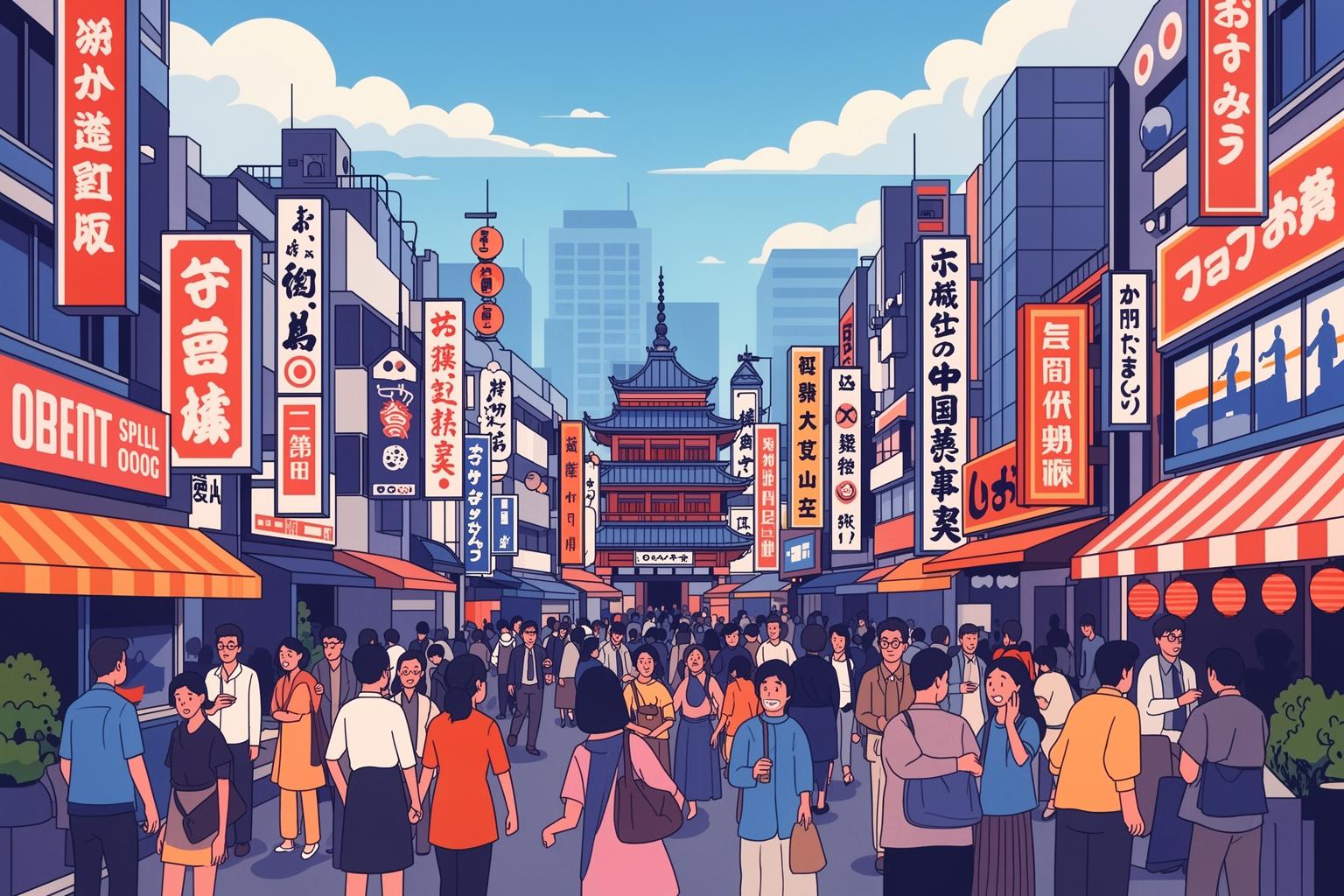
To visit Tsuruhashi Koreatown and regard it solely as a place to eat is to overlook its very essence. This neighborhood tells a profound story of how food can build and sustain a community, preserve a culture, and create a space where people truly belong. The true magic of Tsuruhashi lies not only in the flavors of its dishes but in the human connections formed over shared meals and everyday interactions. It’s a place that invites you to look beyond the surface and engage with the heart and soul of the community.
The Power of Omoni’s Cooking
In Korean culture, there is a concept called son-mat, which literally means “hand taste.” This idea embodies how a cook’s love, care, and unique touch are infused into the food they prepare. This is the secret ingredient found throughout Tsuruhashi. Much of the food—especially kimchi and side dishes (banchan)—is made with the spirit of omoni, the Korean word for mother. The food here is not a product of industrial-scale manufacturing; it is an extension of home cooking, recipes passed down from mother to daughter, perfected over generations. When you buy kimchi from a vendor who prepared it by hand that very morning, you aren’t just purchasing a food item; you are being invited to share in a piece of her heritage. I encourage you to engage with the shopkeepers. Even if only through gestures and smiles, ask what they would recommend. Show genuine curiosity. These small moments can transform a simple transaction into a meaningful human connection, allowing you to taste the son-mat that makes the food here so special.
The Rhythms of the Seasons
Like any community deeply rooted in culinary traditions, Tsuruhashi flows with the rhythm of the seasons. The market’s offerings are ever-changing throughout the year, reflecting the best of what nature provides. In late autumn, you will see vendors involved in gimjang, the traditional preparation of large batches of kimchi to last through winter. This is a deeply communal and culturally significant event. During the hot, humid Osaka summers, restaurants serve cooling dishes like naengmyeon (cold noodle soup) to provide relief from the heat. In winter, hearty, warming stews and soups take center stage. Observing these seasonal shifts deepens your appreciation for the living, breathing nature of the culinary culture here. It’s a reminder that the food is not just a product but part of an ongoing, natural cycle.
The Magic of the Side Alleys
While the main shotengai arcades offer an exhilarating experience, I encourage you to be adventurous. The true spirit of Tsuruhashi often reveals itself in quiet moments and unexpected discoveries just off the beaten path. Step into a narrow side alley, and you might find a tiny, family-run diner serving the same perfect bowl of soup for fifty years. You might come across a tranquil tea shop offering traditional Korean teas and sweets—a peaceful oasis amid the market’s bustle. Or you may find a small grocery store where elderly residents gather to catch up on the day’s news. These moments offer a glimpse into the authentic, everyday life of the community. Don’t hesitate to wander and let your curiosity lead the way. This is how you move from being a tourist to becoming a true explorer, creating your own unique story of Tsuruhashi.
As you prepare to leave Tsuruhashi, with the lingering taste of spice on your tongue and the smoky aroma of yakiniku on your clothes, you take with you more than just a full stomach. You carry the memory of a place that is defiantly and joyously alive. Tsuruhashi Koreatown stands as a vibrant testament to food’s power to unite, preserve history, and create a home. It’s a corner of Osaka that teaches us how a shared meal can be one of the most profound forms of communication. So come with an open mind, an adventurous palate, and an empty stomach. Come ready to listen to the stories told in the sizzle of the grill and the chatter of the market. You’re not just visiting a neighborhood; you’re being welcomed into a community, one delicious, heartfelt bite at a time.