Umeda doesn’t just wake up; it ignites. Before the sun fully crests the Ikoma mountains, a low hum begins in the subterranean veins of Osaka Station, a vibration that grows into a city’s morning roar. This is the northern heart of Osaka, a place that exists in a state of perpetual motion, a dazzling confluence of commerce, transit, and ambition. For the untethered professional, the digital nomad, the remote worker charting a course through Japan’s urban landscapes, Umeda presents itself not as a mere district, but as a dynamic, sprawling ecosystem. It’s a vertical city stacked with possibilities, a labyrinth of glass and steel where the pulse of productivity beats in a relentless, intoxicating rhythm. To work here is to plug directly into the mainline of Kansai’s energy, to find your own quiet corner amidst the organized chaos. It’s a place where you can source inspiration from the kinetic ballet of the crowds, fuel your focus with world-class coffee, and then disappear into a soundproofed pod to build your own corner of the world. This guide isn’t just about finding a seat with a power outlet; it’s about navigating the current, finding your flow, and mastering the art of remote work in one of Japan’s most formidable urban arenas.
Once you’ve found your perfect workspace, consider exploring the nearby Tenjinbashisuji Shopping Street, Japan’s longest shotengai, for a unique break from the digital world.
The Electric Atmosphere: Why Umeda Pulses with Potential

To truly grasp Umeda, you must first appreciate its function as a hub. It is more than just a train station; it is a layered universe where seven distinct railway lines intersect, releasing and absorbing millions of commuters every day. The atmosphere itself feels charged with intention. Standing in the expansive concourse of Osaka Station City, beneath the sweeping, whale-shaped glass roof, you witness an extraordinary display of human coordination. Crowds move with an unexpected elegance, a flowing river of people parting and converging around pillars and information stands. The soundscape forms a continuous symphony: the steady rhythm of footsteps, the melodic chimes signaling train departures, and the soft hum of countless overlapping conversations. This is the vibrant energy that remote workers can harness. It’s a setting that dispels the sluggishness of working alone in a silent apartment. The sheer magnitude—the towering Grand Front Osaka, the iconic Umeda Sky Building reaching the clouds, the sparkling facade of the Hankyu Department Store—serves as a constant emblem of ambition and opportunity. Yet, amidst this grand spectacle, pockets of calm can be found, provided you know where to look. Umeda’s true brilliance lies in its density. You are never more than a five-minute walk from a world-class bookstore, a Michelin-starred eatery, a quiet shrine nestled between skyscrapers, or, importantly for our needs, an ideal spot to set up your laptop. This vertical blending of life, work, and leisure allows you to effortlessly move from focused work to a gourmet lunch from a depachika, then to an uplifting walk through a rooftop garden, all without needing a taxi. It’s a self-contained world crafted for both efficiency and experience, a perfect playground for the modern professional who seeks both.
Sanctuaries of Focus: Navigating Umeda’s Cafe Culture
The Japanese café, or `kissaten`, has a rich and storied tradition as a “third place” — a sanctuary between home and office. This custom persists today, adapting to the needs of a new generation of workers. Umeda’s café scene is a vibrant mosaic, offering everything from grand coffee temples to simple, efficient workspaces. Choosing the right spot depends entirely on the work you need to do and the environment that energizes you.
For a Premium Experience: Starbucks Reserve Store, Lucua 1100
Set aside everything you associate with the familiar green mermaid. The Starbucks Reserve Store on the 2nd floor of the Lucua 1100 building is an entirely different experience. It celebrates coffee as an art form, creating an immersive environment designed to awaken the senses and spark creativity. As soon as you enter, the atmosphere changes. The lighting is warmer, the décor more refined, featuring rich wood tones, copper highlights, and a variety of comfortable seating that encourages lingering. The centerpiece is the polished Reserve Bar, where skilled baristas, dressed in black aprons, perform a delicate dance of brewing techniques — Siphon, Pour-Over, Clover — each method drawing out a distinct character from rare, small-lot beans. The air is thick with the aroma of freshly ground coffee, far more enticing and complex than in a typical store. This venue is perfect for deep focus, tasks that demand creativity and a touch of luxury. Settling into a plush armchair by the window, you are treated to a panoramic view of the station’s intricate flow of trains and bustling crowds below. It’s a moving scene that feels both distant and connected, providing an inspiring yet unobtrusive backdrop. Power outlets are abundant but sought after, and the Wi-Fi is strong. Ordering a Siphon-brewed single-origin coffee feels less like a transaction and more like an investment in your afternoon productivity. The clientele fits the mood: designers sketching on tablets, writers absorbed in manuscripts, and professionals holding quiet, important discussions. The space encourages focus and respect, making it an ideal choice when you have significant work to accomplish.
The Dependable Spot: Tully’s Coffee, Grand Front Osaka
Sometimes, you don’t need a spectacle; you just need a solid stage. Tully’s Coffee, especially the roomy location in the South Building of Grand Front Osaka, serves as that perfect setting. It’s a classic Japanese work café, exemplifying reliability, space, and practicality. Grand Front itself is a hub of innovation, featuring tech showrooms and flagship stores, and Tully’s feels like a natural extension of that professional vibe. Its main advantage is its generous size and diverse seating options. You can opt for large communal high-top tables ideal for spreading out, intimate two-person booths for privacy, or a long counter with ample power outlets that’s a refuge for laptop users. The atmosphere hums with steady productivity. It’s never silent, but the ambient noise—the gentle clinking of ceramics and the soft murmur of conversation—creates a white noise that many find conducive to concentration. The Wi-Fi is reliable, essential for handling large files or video meetings. The menu is broad and practical, offering coffee, tea, and a satisfying selection of pasta, sandwiches, and pastries that carry you comfortably from breakfast through late afternoon. This makes it perfect for extended work sessions, eliminating the need to leave for a meal elsewhere. It’s an inclusive space, welcoming students, shoppers, and remote workers alike. While it may lack the artisanal charm of a specialty café, it delivers precisely what it promises: a comfortable, convenient, and utterly dependable place to get things done. It’s the reliable studio within the city’s creative gallery.
The Artisan’s Refuge: Whitebird Coffee Stand
For the true coffee enthusiast, someone who values both the quality of the brew and the speed of the Wi-Fi, a visit to Whitebird Coffee Stand is essential. Nestled in a quieter area west of the main station complex, this spot pares away all distractions to focus on the essentials: exceptional coffee. The design is pure Japanese minimalism—clean lines, light wood, and a stark white counter that directs attention to the gleaming espresso machine and the careful movements of the barista. This is not a place for loud conversations or large meetings. It is a haven for quiet reflection and focused work. The space is smaller and more intimate, fostering a shared sense of purpose among patrons. Everyone seems engaged in creative or intellectual pursuits. The baristas are not mere servers; they are artisans passionate about their craft. They can share the beans’ origin story, detail the tasting notes of your pour-over, and describe the exact temperature of the milk in your latte. This dedication to craft is inspiring and can motivate a similar precision in your own work. Although power outlets are fewer than in larger chains, the quality of the experience more than makes up for it. One perfectly brewed cup here can fuel a more productive hour than three average ones elsewhere. It’s the ideal spot for writing, editing, or any task requiring a clear mind and a refined setting. Working at Whitebird feels like being let in on a local secret—a quiet corner of excellence amid Umeda’s commercial bustle.
Hubs of Collaboration: The Co-working Space Frontier

When a cafe environment falls short—when you require guaranteed high-speed internet, meeting rooms, and a community of like-minded professionals—Umeda’s co-working scene comes into play. These spaces provide a more structured, amenity-rich option for serious remote workers or traveling entrepreneurs.
The Global Standard: WeWork, Hankyu Grand Building
WeWork has become synonymous worldwide with a specific style of co-working: stylish, community-oriented, and packed with amenities. The Hankyu Grand Building location, situated in a prime part of Umeda, perfectly exemplifies the brand’s appeal. Stepping off the elevator, you enter a space filled with designer furniture, art-adorned walls, and sweeping city views. The atmosphere is modern and energetic, blending local startups, international freelancers, and satellite teams from major corporations. Flexibility is key—you can choose a hot desk in the common areas for the freedom to work from different spots daily or a dedicated desk for more stability. The real advantage, however, lies in the infrastructure. The internet is incredibly fast and reliable. Soundproof phone booths offer privacy for important calls. Meeting rooms boast the latest audiovisual technology. And naturally, there’s a steady supply of micro-roasted coffee, fruit-infused water, and even craft beer on tap in the afternoons. Community managers host regular networking events, workshops, and social gatherings, making this an excellent choice for newcomers to Osaka seeking to build a professional network. Working at WeWork Umeda feels like plugging into an international business hub right in the heart of Osaka. It’s a polished, professional, and powerful productivity tool.
The Local Connector: The DECK
For those looking to engage with Osaka’s local tech and creative community, The DECK presents a compelling alternative to global chains. Just a short walk from the main station, this space radiates a distinct energy. It’s less about polished corporate style and more about fostering authentic community and collaboration. The DECK serves as a hub for makers, developers, and entrepreneurs. Beyond the usual hot desks and meeting rooms, it features a fabrication space with 3D printers and laser cutters, reflecting its hands-on, innovative spirit. The community is lively and involved, with a packed schedule of events including tech meetups, coding boot camps, guest lectures, and pitch nights. The atmosphere is open and welcoming, with members frequently sharing ideas, collaborating on projects, or simply offering advice. Bright and functional, the space is designed to encourage interaction. Working at The DECK feels less like renting a desk and more like joining a club. It provides a valuable chance to tap into local expertise, find collaborators for new ventures, or make friends passionate about building Osaka’s future. It’s an authentic, grassroots co-working experience that offers deeper integration into the city’s professional landscape.
The Premium Sanctuary: The Executive Centre, Hankyu Grand Building
Sharing the prestigious Hankyu Grand Building with WeWork but serving a different audience, The Executive Centre epitomizes premium serviced office space. This is the place for those seeking an environment that is not only professional but flawlessly so. The ambiance is one of quiet, focused luxury. Interiors are sophisticated and understated; the service, discreet and five-star. The clientele mainly includes established corporations, senior executives, and consultants who demand complete confidentiality and impeccable support. The focus here is less on open-plan collaboration and more on private, secure offices and exclusive lounges. Services are comprehensive, featuring a dedicated multilingual reception team to manage calls and mail, enterprise-grade IT infrastructure, and boardrooms designed to impress. This solution suits remote workers needing to host high-stakes meetings, want a prestigious Osaka business address, or simply thrive in an environment of absolute tranquility and premium comfort. It’s a level above typical co-working, offering a polish and prestige that can elevate your business presence in the city. Though the cost is higher, the productivity boost and enhanced brand image can be invaluable for the right professional.
The Rhythm of a Remote Day: Weaving Work and Life in Umeda
Mastering Umeda as a remote worker means establishing a rhythm—a daily flow that takes full advantage of the district’s remarkable density. Picture a typical day. At 9:00 AM, you emerge from the subway into the organized chaos of the station. Skipping the long lines at major chains, you head to a small, local kissaten in the Whity Umeda underground mall for a “morning service” set—thick toast, a boiled egg, and a simple coffee for just a few hundred yen. It’s a quiet, efficient way to start the day, ideal for clearing emails and planning your tasks.
By 11:00 AM, you’re ready to focus. You make your way to Starbucks Reserve, claim a prime window seat, and immerse yourself in your main project, fueled by a carefully brewed pour-over. The sweeping city view offers a meditative backdrop, and the hours slip by in deep concentration.
Lunchtime, around 1:30 PM, is an exploration. You descend to the basement of the Hanshin Department Store, a food haven known as a depachika. The incredible variety is exhilarating: jewel-like sushi boxes, intricate bentos with numerous compartments, gourmet sandwiches, and salads from renowned Tokyo delicatessens. You select a seasonal bento—an edible miniature masterpiece—and take the elevator to the rooftop garden of Osaka Station City. Here, surrounded by unexpected greenery and panoramic city views, you savor your meal in the fresh air, enjoying a crucial moment of disconnection and sensory delight.
For the afternoon, you seek a fresh setting with reliable power. Crossing the skywalk to Grand Front Osaka, you settle into your reserved hot desk at The DECK. The shift in atmosphere is immediate and refreshing, enveloped by the quiet buzz of innovation. You tackle your remaining work, possibly striking up a conversation with a fellow developer about a new framework or getting a tip on an excellent new restaurant.
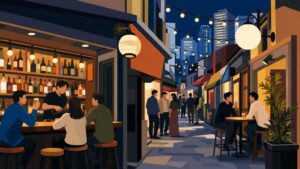
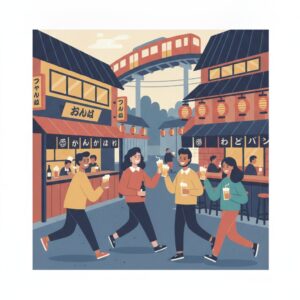
At 6:00 PM, you close your laptop. Though the workday ends, the evening is just beginning—Umeda’s final gift. Already in the heart of the action, you might meet a friend for a standing-bar drink in the retro-cool Shin-Umeda Shokudogai, browse the endless floors of Yodobashi Camera for the latest gadgets, or catch a movie at Toho Cinemas. The shift from work to leisure is seamless. There’s no commute, only the simple closing of a laptop and stepping into the vibrant Osaka night. This effortless blend is what makes Umeda not just a place to work, but truly a place to live.
The Urban Nomad’s Codex: Practical Advice for Success

Navigating Umeda takes some local know-how. First, connectivity: while most cafes and co-working spaces provide free Wi-Fi, the quality can be inconsistent. For crucial work, a personal pocket Wi-Fi device or a SIM card with a robust data plan is your most dependable option. Second, the ongoing hunt for power. Power outlets, or `konsento`, are a valuable resource. Arrive early to secure a good spot, and always keep a fully charged portable battery pack on hand. It’s the most essential item in your remote work toolkit. Third, learn to navigate by landmarks rather than exit numbers. The Umeda station complex is a famously confusing maze. Instead of memorizing “Exit 6-2,” orient yourself by the major department stores (Hankyu, Hanshin, Daimaru) and key landmarks (the big clocks, the water clock fountain). Getting lost is almost a rite of passage, but these reference points will help you find your way back. Finally, observe local etiquette. In cafes, avoid occupying a large table alone during the lunch rush. Keep phone calls short and quiet or step outside. It’s customary to purchase something every couple of hours if you plan to stay long. These small acts of consideration go a long way in preserving the harmonious atmosphere that makes these spaces so pleasant for working.
Umeda is more than just a network of buildings and train lines. It’s a living, breathing entity—a city within a city—that offers a dynamic platform for the modern remote worker. It is a place of striking contrasts, where you can experience both the electric energy of a million people on the move and the serene calm of a perfectly brewed cup of coffee. It challenges you with its scale but rewards you with its convenience and richness. By learning its rhythms, uncovering its hidden gems, and tapping into its unceasing energy, you can create a work life that is not only productive but also profoundly fulfilling and endlessly inspiring. So charge your laptop, choose your sanctuary, and dive in. Your office is ready.