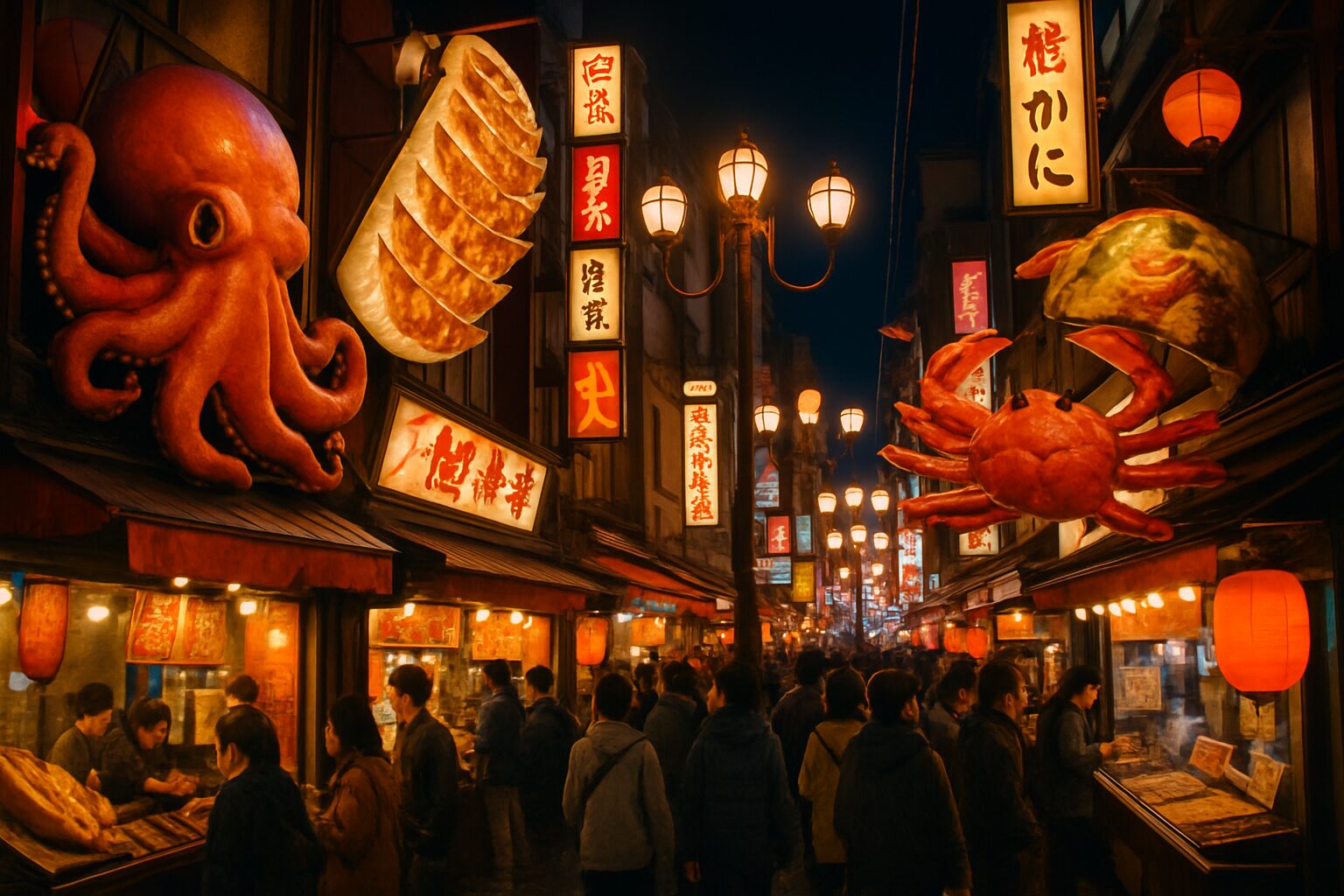
Welcome, fellow traveler, to the electric, beating heart of Osaka. Step out of Namba Station, and it hits you—a tidal wave of sound, light, and a symphony of sizzling, savory aromas. This is Dotonbori, a place that doesn’t just buzz with energy; it crackles, it pops, it sings a loud, joyful song of pure, unadulterated indulgence. Known as Osaka’s kitchen and the embodiment of the local philosophy of kuidaore—to eat until you drop—this iconic canal-side promenade is a feast for the senses. Its massive, three-dimensional signs, from the giant mechanical crab of Kani Doraku to the iconic Glico Running Man, feel like gatekeepers to a culinary wonderland. For any food lover, this is sacred ground. But for the Halal-conscious traveler, it can also present a delicious challenge. Navigating a landscape famous for pork-laden ramen and octopus-filled takoyaki might seem daunting, but I’m here to tell you a secret: Dotonbori’s generous spirit of hospitality extends to everyone. The city’s kuidaore culture is evolving, opening its arms wider than ever before, offering incredible Halal-friendly dishes that don’t just meet a dietary need but celebrate the very essence of Osakan cuisine. So, grab your appetite and your sense of adventure. We’re about to dive headfirst into the neon-drenched streets and uncover the Halal treasures that make Dotonbori a paradise for every palate. This isn’t just about finding food you can eat; it’s about experiencing the soul of Osaka, one incredible, permissible bite at a time.
To fully embrace the kuidaore spirit, be sure to explore the wider world of Dotonbori’s iconic street food beyond its Halal-friendly options.
The Electric Heartbeat of Osaka’s Food Scene
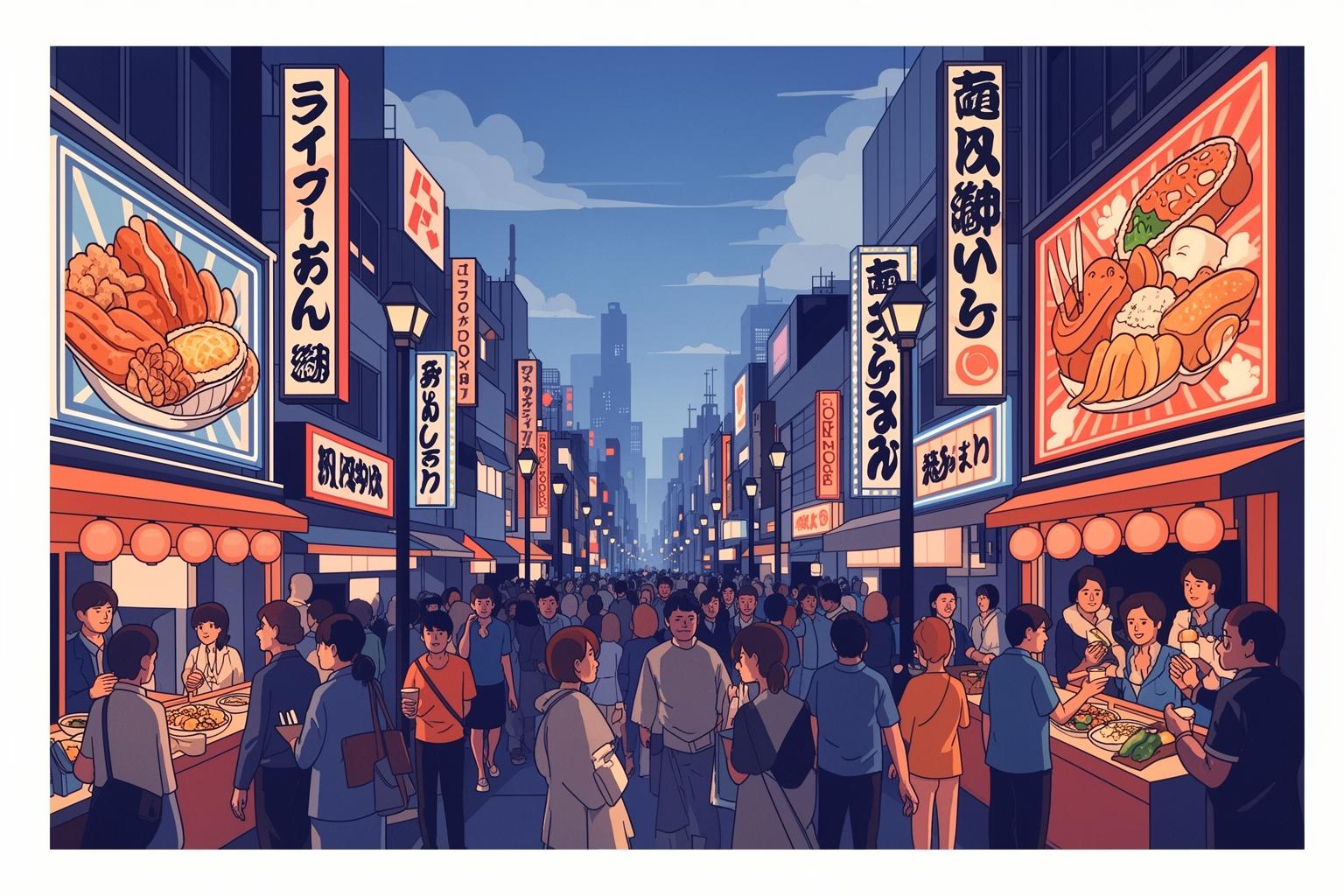
Before we even discuss the food, let’s focus on the atmosphere. Walking through Dotonbori feels like stepping onto a movie set crafted by a visionary, food-obsessed futurist. The air is thick with anticipation, carrying the aroma of sizzling oil from countless grills, sweet soy sauce caramelizing, and the faint, salty scent of the Dotonbori Canal that cuts through this vibrant chaos. By day, it’s a bustling street, with shoppers and early-morning tourists weaving through the arcades. But by night, Dotonbori truly comes alive. The switch flips, and the district bursts into a dazzling display of light. Neon signs, some glowing for decades, color the sky in electric blues, fiery oranges, and brilliant pinks. Their shimmering reflections ripple on the canal’s surface, where yellow tour boats glide past, passengers gazing up in awe. This isn’t just a street; it’s a living entity, sustained by the shared joy of people from around the world united by one passion: food. The soundtrack is a symphony of vendors shouting their specialties, the sizzle of okonomiyaki on hot teppans, the rhythmic clatter of takoyaki picks, and the hum of a hundred languages. It’s loud, crowded, and utterly intoxicating. The spirit of kuidaore is alive here—in the way eyes light up at the sight of the next meal, in the carefree laughter echoing down the street, and in the sheer concentration of eateries packed into this compact area. To be in Dotonbori is to surrender to its flow, to let your senses lead the way, and to savor the pure joy of a meal shared in a place that feels like the heart of the universe.
Kicking Off the Halal Adventure: Savory Starters
Your culinary journey in Dotonbori deserves the perfect starting point—a dish that grounds you in authentic Japanese flavors while setting the tone for the feast ahead. And what better way to begin than with a soul-soothing bowl of ramen? Traditionally made with a pork-based broth, the world of Halal ramen has flourished in Japan, with Osaka boasting one of its brightest gems. Just a short, exciting walk from the main Dotonbori strip, you’ll discover a haven welcoming both Muslim travelers and ramen lovers alike.
A Steaming Bowl of Comfort at Ayam-YA NAMBA
Nestled on a slightly quieter side street, Ayam-YA is a beloved name within Japan’s Halal food scene. Stepping inside, you’re greeted not by the bustling chaos of Dotonbori but by a warm, inviting ambiance and the irresistible, comforting aroma of simmering chicken broth. The setup is classic ramen-ya style: a counter where you can watch chefs at work and a handful of tables for small groups. Ordering is straightforward and efficient—you use a vending machine, a common practice in Japan that keeps things smooth even if you don’t speak the language. The menu is clear, featuring pictures and English descriptions, and crucially, it carries the reassuring Halal certification.
What to Order: The Rich Tori Paitan
The standout dish at Ayam-YA is their Tori Paitan ramen. Forget everything you thought about chicken soup—this is in a league of its own. The broth is creamy and opaque, a golden elixir packed with deep, soulful chicken flavor, simmered for hours until it transforms into a rich, collagen-filled delight. It’s savory, complex, and coats your palate with an unforgettable luxuriousness. Nestled in this exquisite broth are perfectly cooked noodles with just the right chew, clinging to the soup with every slurp. But the toppings are what truly make it legendary. Replacing the traditional pork chashu are delicate, tender slices of chicken, a perfectly seasoned soft-boiled egg (ajitama) with a molten, jammy yolk, and fresh, crisp green onions that balance the richness. Every bite is a revelation—a perfect harmony of textures and flavors. It’s a meal that warms you from the inside out, ideal fuel for a long night of exploring Dotonbori’s vibrant streets.
Pro Tip for Visitors
Ayam-YA is far from a secret and can get quite busy, especially during peak lunch and dinner times. Lines often form outside its modest storefront. To avoid the wait, try visiting during off-peak times—perhaps a late lunch around 2:30 PM or an early dinner before 6:00 PM. While turnover is relatively quick, securing a guaranteed seat by timing your visit right is well worth it. This essential first stop proves that a Halal culinary adventure in Dotonbori is not about compromise but about delicious discovery from the very start.
The Quest for Halal Takoyaki: A Dotonbori Staple Reimagined

You can’t visit Osaka without trying takoyaki. More than just a snack, it’s a cultural icon representing the city’s lively and down-to-earth culinary spirit. These small balls of battered, grilled octopus are found on nearly every corner, their enticing aroma filling the air. The challenge is that the batter and sauces sometimes contain non-Halal ingredients. However, the search for authentic, Halal takoyaki leads you to a fantastic spot that offers not only a meal but an unforgettable experience.
The Sizzle and Pop at Matsuri
Welcome to Matsuri—which means “festival”—a name that perfectly captures the vibrant, celebratory atmosphere of this restaurant. Designed with inclusivity in mind, Matsuri proudly displays prominent Halal and Muslim-friendly signs, assuring you a safe and welcoming environment. The restaurant excels by offering a broad variety of Japanese favorites prepared following Halal standards, including the Dotonbori must-have: takoyaki.
A Taste of Osaka, Guilt-Free
What sets Matsuri’s takoyaki apart isn’t just that it’s Halal; it’s the fact that you get to make it yourself! Many tables come equipped with a takoyaki griddle, along with a pitcher of seasoned, Halal-certified batter, a bowl of fillings (including tender octopus), and all the tools you need. This DIY experience is pure fun. You pour the batter into the round molds, add the fillings, and then comes the tricky part: skillfully turning the cooking batter balls with a small pick until they become perfectly golden-brown spheres. It takes some practice, and your first attempts might be a bit uneven, but the laughter and sense of achievement make it all part of the enjoyment. Watching the batter sizzle and pop is mesmerizing. Once crisp on the outside and gooey and molten inside, you get to dress them up—smother them with sweet and savory takoyaki sauce, drizzle Japanese mayonnaise, and top with a generous sprinkle of aonori (green seaweed powder) and katsuobushi (bonito flakes) that famously “dance” from the heat. The first bite is a delightful explosion of textures and flavors—the crunchy exterior gives way to a soft, savory interior with chewy octopus at its heart. It’s the ultimate Osaka street food experience, fully accessible and incredibly interactive.
Beyond Takoyaki: A Feast of Options
Matsuri’s strength lies in its variety. Whether you’re visiting with friends or want to sample more Osakan specialties, this is your ideal destination. They also serve a fantastic Halal okonomiyaki, another Osakan favorite. This savory pancake, packed with cabbage and your choice of protein (such as Halal beef or seafood), is grilled on a teppan and topped with the same delicious sauces as the takoyaki. Additionally, they offer Halal ramen, Japanese curry, and even Halal Kobe beef skewers. It’s a place you can visit multiple times to explore new dishes, always assured by their clear commitment to Halal preparation, including separate cookware and utensils. Matsuri isn’t just a restaurant—it’s a solution, a welcoming answer to the Halal traveler’s prayers right in the heart of Dotonbori.
A Sweet Interlude: Desserts and Drinks Along the Canal
After savoring the delicious flavors of ramen and takoyaki, your palate will welcome a refreshing change. Dotonbori’s lively streets are filled with numerous stalls and shops offering sweet treats, making the experience of exploring them a delightful adventure. While many traditional Japanese sweets are naturally free from non-Halal ingredients, it’s always prudent to stay cautious. Fortunately, there are some excellent certified options available that deliver both great taste and peace of mind.
Going Bananas at 7 DAYS BANANA
Amid the bright lights and savory aromas, you’ll spot a cheerful yellow storefront offering a simple, wholesome, and wonderfully refreshing treat: banana juice. 7 DAYS BANANA has gained popularity for good reason. Their concept is straightforward: blending whole, ripe bananas with milk to create a thick, creamy, and naturally sweet beverage. It’s the perfect palate cleanser after a rich meal and an ideal way to recharge as you continue exploring Dotonbori. What makes this spot especially appealing for Muslim travelers is its clearly displayed Halal certification. This eliminates any uncertainty or concern about hidden ingredients. You can simply order and enjoy. The juice is incredibly fresh and satisfying, delivering a pure banana flavor unmasked by artificial sweeteners or additives. It provides a moment of calm, healthy indulgence in the heart of the city’s most indulgent area.
Other Sweet Discoveries
Beyond certified shops, keep an eye out for other simple delights. Many soft-serve ice cream stalls serve classic flavors like vanilla, matcha, and Hokkaido milk, typically made from just milk, sugar, and flavoring. While it’s wise to ask about the presence of any alcohol-based vanilla extract or gelatin, a polite question is usually met with helpfulness. Crepe stands are another potential treat. These thin, delicate pancakes can be filled with many Halal-friendly options such as fresh fruit, whipped cream, and chocolate sauce. Again, a quick inquiry about the batter ingredients ensures a worry-free indulgence. The key is to seek out treats with simple, recognizable ingredients. Exploring Dotonbori’s dessert offerings is like a treasure hunt, and with a little curiosity, you’ll discover plenty of sweet rewards.
The Grand Finale: A Halal Wagyu Experience
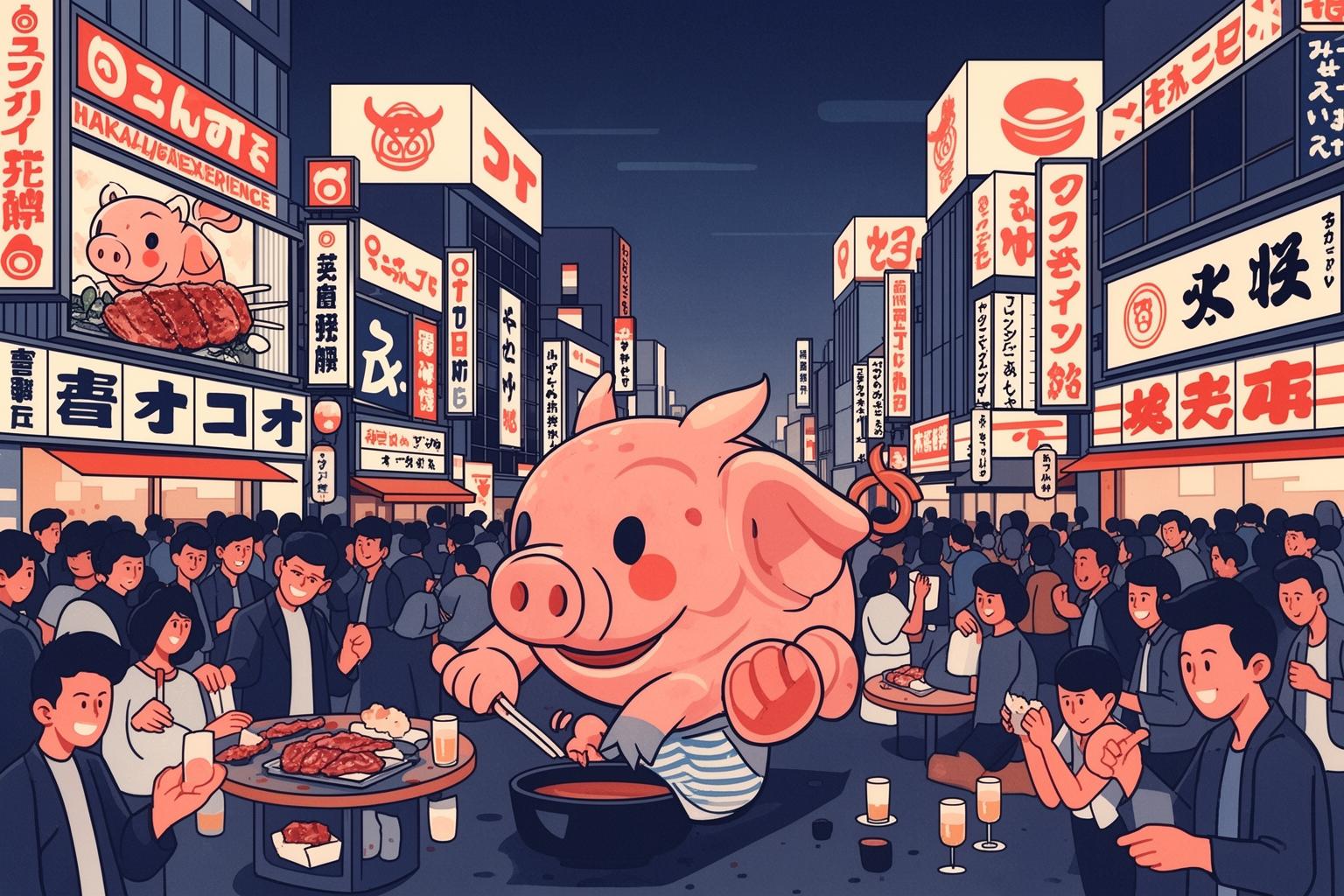
For the ultimate culinary indulgence and a truly unforgettable dining experience, Dotonbori presents the pinnacle of Japanese gastronomy in a fully Halal format: the world-famous Wagyu beef. This is more than just a meal; it’s a bucket-list experience and an opportunity to savor the legendary, melt-in-your-mouth beef that has fascinated food enthusiasts around the world. Several venues in the Namba and Dotonbori districts cater to this craving, offering a luxurious finale to your food journey.
The Supreme Indulgence at 3tecafe (Sanchakaba)
Just a short walk from the lively heart of Dotonbori is 3tecafe (also known as Sanchakaba), a restaurant dedicated to serving premium, Halal-certified Kobe beef. The ambiance here contrasts with the bustling street food atmosphere; it’s more intimate and refined, providing a peaceful and cozy setting for a special dining occasion. The welcoming staff are experienced in accommodating Muslim guests and will immediately make you feel comfortable. They proudly present their Halal certification for the beef and explain their cooking methods, allowing you to relax and fully enjoy the experience.
Melt-in-Your-Mouth Excellence
Wagyu, meaning “Japanese cow,” refers to several cattle breeds known for their exceptional marbling. Kobe beef is a highly prized variety of Wagyu, from the Tajima strain raised in Japan’s Hyogo Prefecture. The intricate intramuscular fat is what makes this beef extraordinary. At 3tecafe, it can be prepared in various ways, with yakiniku-style grilling being particularly popular. Here, you grill thin slices of the exquisite meat yourself over a small tabletop grill. As the beef hits the hot grill, it sizzles vividly, releasing a deeply rich and enticing aroma. It requires only a few seconds on each side. The fat melts quickly, basting the meat in its own luxurious flavor. The result is beef so tender it truly melts in your mouth. The taste is unlike any steak you’ve had before—buttery, intensely beefy, with a subtle sweetness lingering on the palate. Paired with a special Halal-certified dipping sauce, it creates a moment of pure gastronomic delight. While it is an investment, for a special occasion or devoted food lovers, tasting authentic, Halal Kobe beef in its homeland is an unforgettable experience.
Securing Your Spot
Halal Kobe beef restaurants are popular and seating is often limited. It is strongly recommended to make a reservation well in advance. This can usually be done through their website, social media platforms, or by asking your hotel concierge for assistance. This way, you’ll avoid disappointment and can enjoy your special meal without any worry. It’s the perfect grand finale for your Dotonbori food tour—a taste of pure luxury and a testament to how inclusive Osaka’s iconic food scene has become.
Navigating Dotonbori: Tips for a Seamless Halal Journey
Exploring Dotonbori’s culinary scene is an adventure, and like any great journey, a bit of preparation can make all the difference. Beyond knowing where to eat, understanding how to navigate the area and communicate your needs will help ensure your experience is smoother, more enjoyable, and completely stress-free.
Look for the Signs
Japan’s Halal food market is expanding, and many businesses are eager to welcome Muslim customers. Watch for official Halal certification logos displayed on restaurant windows, doors, or menus. Common certifications are issued by organizations such as the Japan Muslim Association (JMA) or the Japan Halal Foundation (JHF). Even if not fully certified, many restaurants will label themselves as “Muslim Friendly” or “Pork-Free.” While these do not offer the same assurance as full certification, they show awareness and an effort to accommodate Muslim diners. This is a good starting point for discussing ingredients.
Communication is Key
Although many people in Dotonbori’s tourist-heavy areas speak some English, learning a few essential Japanese phrases can be very helpful and is always appreciated. Here are some useful ones to have ready:
- “Kore wa hararu desu ka?” (これはハラルですか?) – Is this Halal?
- “Butaniku nuki de onegaishimasu.” (豚肉抜きでお願いします。) – No pork, please.
- “ArKOHru haitte imasu ka?” (アルコール入っていますか?) – Does this contain alcohol? (Helpful for checking sauces like mirin or soy sauce).
Having a translation app on your phone is also a handy tool for reading ingredient labels or asking more detailed questions.
Best Time to Explore
Dotonbori offers two very different experiences. A daytime visit (from late morning to late afternoon) is relatively peaceful. The crowds are smaller, making it easier to walk the streets, browse shops in the Shinsaibashi-suji Shopping Arcade, and capture photos of the famous signs without throngs of people. At night, however, Dotonbori truly comes alive. Starting around 6:00 PM, neon lights illuminate the area, the atmosphere intensifies, and the district transforms into the iconic spectacle it’s known for. To enjoy the full sensory experience, seeing it after dark is a must. A great plan might be to arrive in the late afternoon for some early exploration, then stay as the sun sets to witness the magical transformation and enjoy your evening food tour.
Getting There and Around
Dotonbori is very easy to access. The main transit hub is Namba Station, served by multiple train and subway lines, including the Midosuji (Red), Yotsubashi (Blue), and Sennichimae (Pink) subway lines, as well as the Nankai and Kintetsu-Nara lines. From any exit at Namba Station, it’s just a 5-10 minute walk. Follow the crowds and look for signs directing you toward the Dotonbori Canal. Once there, the best way to explore the area is on foot. The main promenade and surrounding smaller streets and alleys are where the action happens.
Finding a Place for Prayer
For Muslim travelers, knowing where to pray is important. While Dotonbori itself doesn’t have a dedicated public prayer room, the nearby Shinsaibashi Mosque is a convenient and welcoming option. Located about a 15-20 minute walk or a short subway ride from central Dotonbori, planning your visit around a stop at the mosque can offer a peaceful, spiritually grounding break from the lively pace of sightseeing and food exploration.
The Flavorful Heart of Osaka Welcomes You

As the neon lights of Dotonbori shimmer in your eyes and the last delicious bite of your meal lingers on your palate, a wonderful realization will dawn upon you. This legendary food paradise, this vibrant canal of dreams, is not a place of exclusion but one of ever-expanding welcome. The spirit of kuidaore goes beyond eating until you drop; it embodies the boundless joy and communal celebration that food brings—a universal language. Osaka is a city that delights in feeding people and is continuously learning, adapting, and innovating to ensure everyone can partake in its incredible feast. From a comforting bowl of chicken ramen to the interactive joy of making your own takoyaki, and even the sublime luxury of Halal Kobe beef, Dotonbori offers a complete, thrilling, and deeply satisfying culinary journey for the Muslim traveler. So arrive with an empty stomach and an open heart. Immerse yourself in the brilliant chaos, follow the savory scents, and let the electric energy of Osaka’s kitchen be your guide. The flavor-filled heart of this remarkable city beats strong, and it welcomes you warmly.