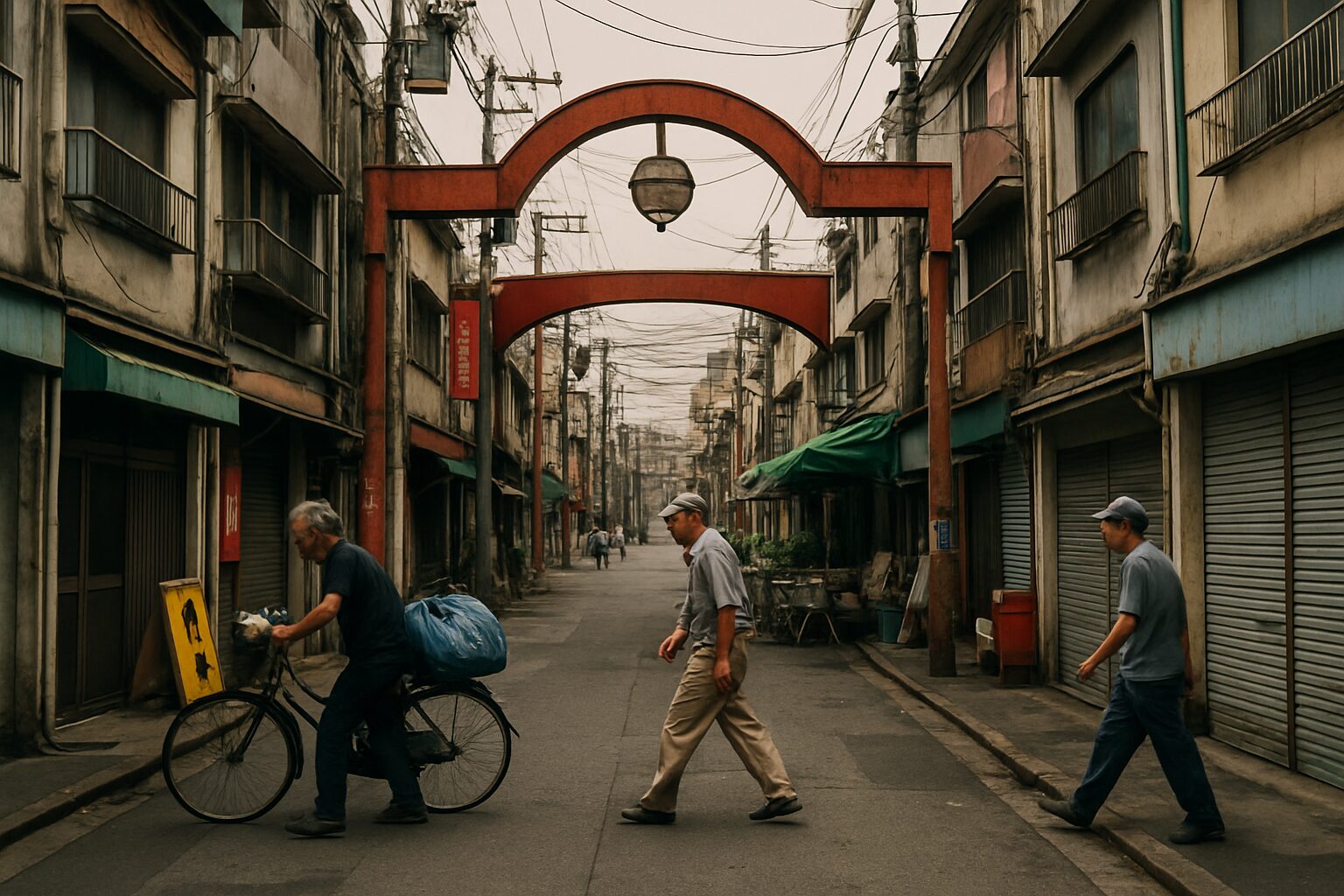
Step off the train at Shin-Imamiya, and the air changes. It’s a subtle shift, a downbeat in the rhythm of the city. The polished chrome and hurried footsteps of Umeda and Namba dissolve into something grittier, something with a pulse you can feel in the soles of your shoes. This is Nishinari Ward, a name that echoes with a thousand stories, whispered in conversations about Osaka’s underbelly, its most authentic heart. Forget what you’ve read on sterile travel blogs; we’re going deeper. We’re not just talking about a place on a map; we’re talking about a living, breathing organism, a corner of Japan that has stubbornly refused to be sanitized. For the foreigner looking to truly live in Osaka, not just exist in an expat bubble, Nishinari presents a proposition that is as challenging as it is compelling: life stripped down to its essentials, with a price tag that seems to belong to a bygone era. This article isn’t about glamorizing poverty or selling you a romanticized struggle. It’s a boots-on-the-ground, yen-in-the-pocket breakdown of what it truly costs—financially, emotionally, and socially—to call Osaka’s most infamous neighborhood home. We’re peeling back the layers of reputation to find the reality, a reality that’s more complex, more human, and infinitely more interesting than the rumors suggest. Before we dive into the numbers and the soul of this place, get your bearings. This is the stage where our story unfolds.
To truly understand the social dynamics that shape this area, consider exploring the vibrant community and characters of Shinsekai, a neighboring district that shares Nishinari’s raw, authentic pulse.
The Nishinari Vibe: Beyond the Numbers
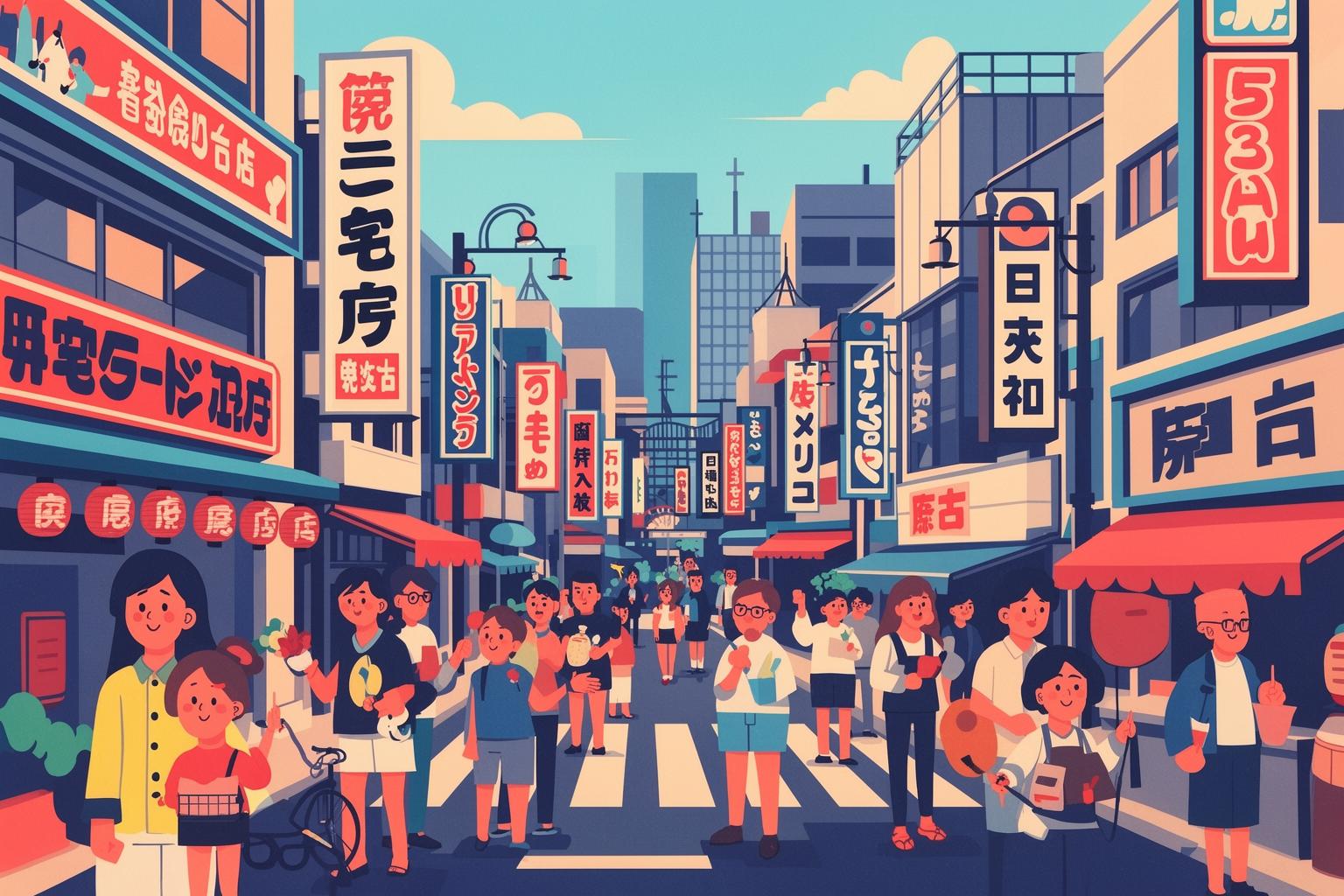
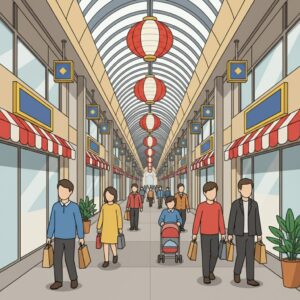
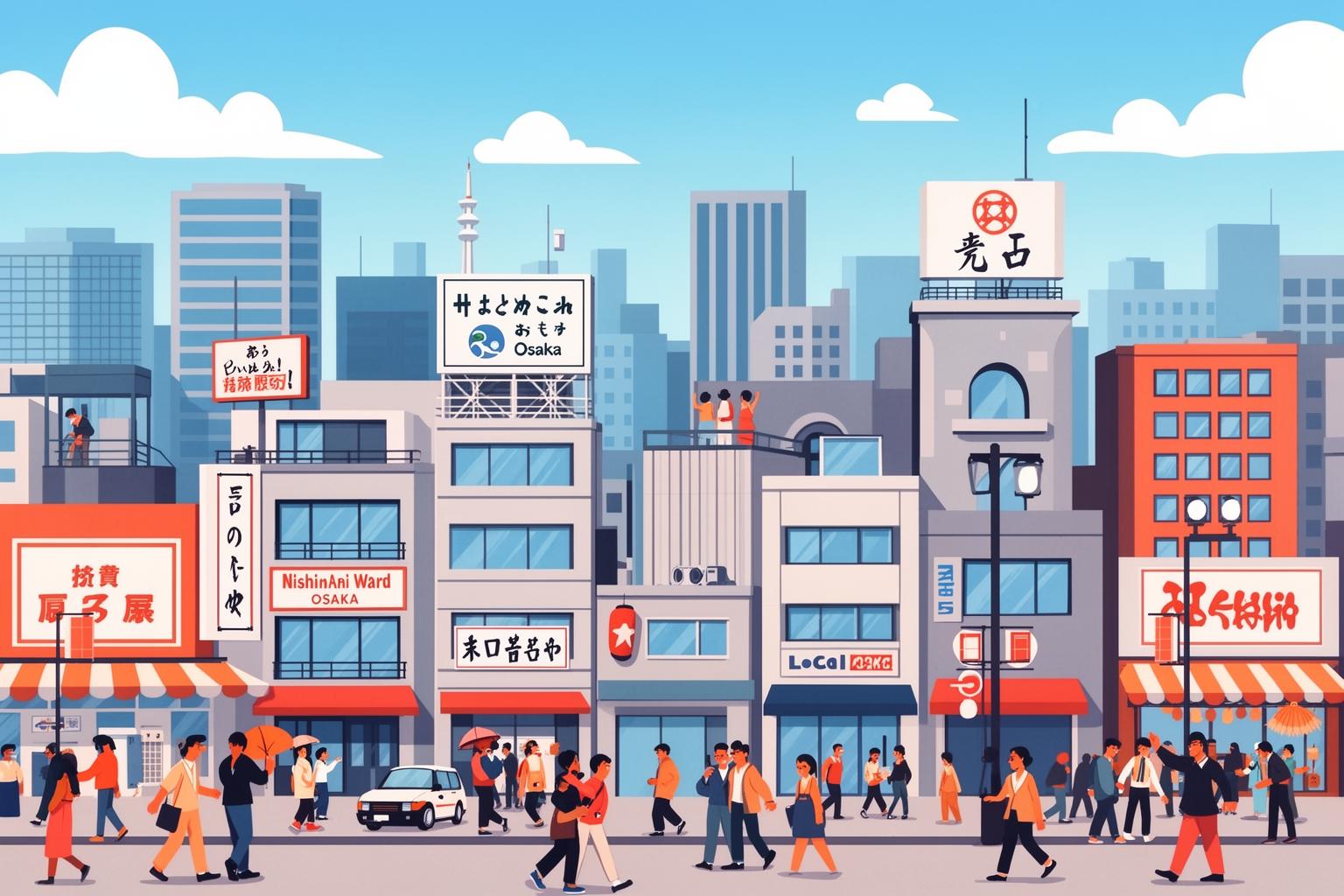
Before a single yen is counted, you must first grasp the currency of Nishinari: character. The atmosphere is dense, an unmistakable mix of Showa-era nostalgia, defiant resilience, and an almost total lack of pretension. As you stroll through the covered arcades, the shotengai, you’re not simply shopping—you’re entering a time capsule. The aroma of grilled offal (horumon) from a tiny seven-seat diner blends with the faint sweetness of inexpensive sake drifting from the ever-open doors of a standing bar, or tachinomi. The incessant clatter of pachinko balls forms a chaotic backdrop, interrupted by the raspy laughter of elderly men playing shogi on a makeshift sidewalk table. This isn’t a staged experience; it is raw, unfiltered life footage. The buildings themselves narrate a story—weathered façades, faded hand-painted signs, and a charmingly tangled mess of electrical wires overhead that would make modern city planners recoil. There is an aesthetic of beautiful decay, a feeling that every crack in the pavement holds a tale. The people are the ward’s soul. This is a place of day laborers—the men who constructed Japan’s gleaming skyscrapers—now older, their faces marked by years of hard labor. It’s home to artists and musicians drawn by the affordable cost of living and abundant inspiration. It is where elderly residents, living on modest pensions, maintain a dignified, communal life. Increasingly, it attracts young Japanese and foreign adventurers weary of the consumerist rat race, seeking something more tangible, more authentic. You must recognize the ward’s history, centered on the Kamagasaki district (now officially called Airin-chiku), long the heart of Japan’s day-laborer culture and crowded with doya, cheap flophouses. This brings a visible presence of homelessness and poverty that can shock those used to Japan’s pristine mainstream. But to label it a slum misses the point entirely. Within this struggle lies a fiercely protective and deeply connected community. People look out for one another. Grassroots support networks, free meal services run by religious and NPO groups, and an unspoken code of mutual respect thrive here. It’s a place that wears its heart openly, its struggles and joys laid bare. Living here means redefining wealth—less about possessions, more about your ties to the community, your skill in navigating a complex social fabric, and your appreciation for the simple, profound beauty found in daily life.
Cracking the Code: The Unbeatable Cost of Housing
Now, let’s get down to the essentials. The single most compelling reason people are attracted to Nishinari is the incredibly low cost of housing. Without exaggeration, it is the cheapest place to rent a roof over your head in any major Japanese city. The prices are so low they might seem like typos to anyone familiar with rental markets in Tokyo or even other parts of Osaka. This isn’t just a slight difference; it represents a fundamental shift in financial reality that can dramatically change your life. It marks the difference between working to live and living to work. The freedom gained from drastically reduced housing costs is Nishinari’s ultimate luxury.
Renting a Slice of Old Osaka
Most of the housing stock in Nishinari consists of older, low-rise apartment buildings, commonly called apaato. These are generally wooden or light steel-frame structures built in the 60s, 70s, and 80s. They lack the amenities found in modern condos—forget about auto-lock doors, fancy delivery boxes, or soundproof walls—but they offer something much more valuable: affordability. A typical one-room apartment (1R or 1K layout), usually between 15 and 25 square meters, can be rented for as little as 20,000 to 40,000 JPY per month. Let that sink in. In central neighborhoods like Namba or Umeda, a similar-sized apartment, even if old, would easily start at 60,000 JPY and quickly rise toward 100,000 JPY. In Nishinari, you can find entire two-room apartments (2DK) in older buildings for under 50,000 JPY. These apartments are often basic. You’ll likely have a small kitchen unit, a compact bathroom (sometimes with the toilet and shower sharing the same small ‘unit bath’ room), and a main room with tatami mats or older wooden flooring. Air conditioning is usually included, but you’ll need to provide your own washing machine, refrigerator, and microwave. The real game-changer, however, is the frequent absence of the hefty upfront costs typical in Japanese apartment rentals. The notorious ‘key money’ (reikin), a non-refundable gift to the landlord, is often waived. The security deposit (shikikin) is also frequently zero or just one month’s rent. This dramatically lowers the barrier to entry. While in other parts of the city you might need 4-5 times the monthly rent to move in, in Nishinari, you can sometimes get the keys for little more than the first month’s rent plus some administrative fees. This is a huge advantage for students, artists, freelancers, or anyone starting out without substantial savings. The trade-off lies in modernity and convenience. Your walls may be thin. There might not be an elevator. The building may show its age. But everything functions. The water is hot, the electricity stable, and you have a secure, private space to call your own for a fraction of the usual cost. It forces you to prioritize: do you want granite countertops, or do you want an extra 40,000 yen in your pocket every month?
The Doya Experience: A Different Kind of Living
For the ultimate in low-cost, flexible living, understanding the doya is essential. These simple lodging houses define the Airin-chiku area. Historically serving day laborers who needed a place to sleep for a night or a week, they now cater to a diverse clientele including budget backpackers, long-term residents on a minimal budget, and people undergoing life transitions. The concept is straightforward: a very small, private room, usually no bigger than three tatami mats (about 4.5 square meters). Inside, you’ll find a futon, a small television, maybe a tiny fridge and a fan or air conditioner. That’s it. Toilets and bathrooms are communal, often separated by gender, and sometimes there is a shared kitchen or a large public bath (sento). The price is the main draw. Rooms in a doya can be rented for as little as 1,000 to 2,200 JPY per night. For monthly stays, rates often drop significantly, ranging from 30,000 to 50,000 JPY, usually with utilities included. There are no contracts, no key money, no deposits. You pay, you stay. This provides unparalleled flexibility. Although this lifestyle isn’t for everyone, it offers a vital safety net and a practical housing option for many. For a solo traveler or someone saving for a larger apartment, spending a few months in a doya can be a smart financial strategy. It’s a minimalist existence stripped down to the basics, and in that simplicity, some find a unique kind of freedom. It’s also a deeply social environment. You’ll share common spaces with a fascinating cross-section of humanity, hearing stories you wouldn’t find in a sterile high-rise apartment. It’s a microcosm of Nishinari itself: raw, communal, and unapologetically real.
Fueling Your Life: The Daily Grind of Groceries and Food
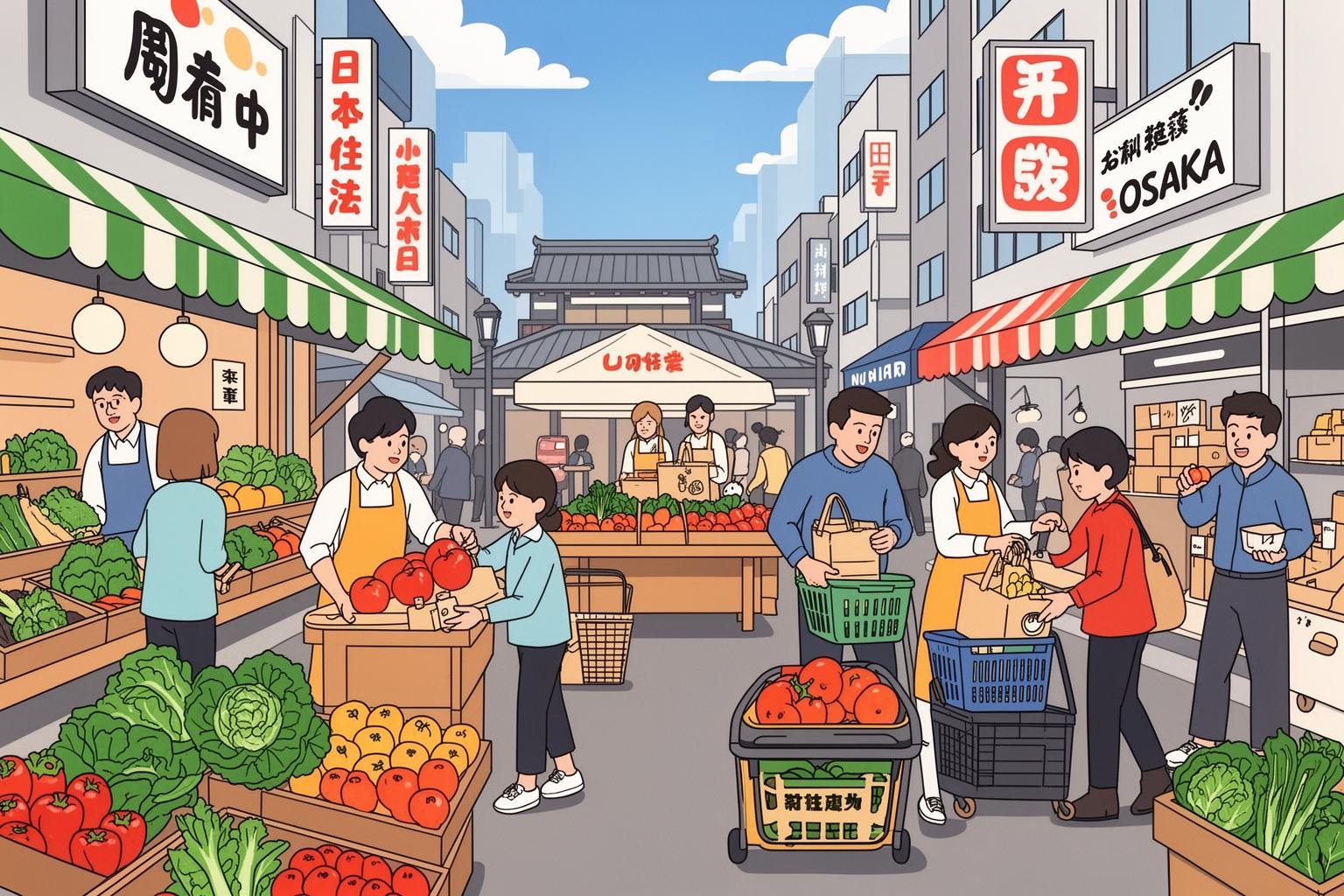
Your rent might be low, but if daily expenses are high, the benefit disappears. This is where Nishinari truly excels, solidifying its reputation as a budget-friendly living haven. The cost of food, whether cooking at home or dining out, is remarkably affordable. The ward functions as a self-sufficient ecosystem of inexpensive nourishment, centered around legendary supermarkets and a vast selection of cheap, delicious eateries. Living here means you can enjoy hearty, quality meals on a budget that would be nearly impossible to maintain in most other parts of urban Japan.
Supermarket Stars: Every Yen Matters
Any conversation about affordable groceries in Osaka must begin with one name: Super Tamade. This local supermarket chain is legendary—a wild burst of garish neon lights, loud jingles, and prices that seem unreal. Entering Tamade is a sensory overload: everything is bright yellow and red, pachinko-style lights flash overhead, and the sheer volume of products is overwhelming. But you come here for the prices. Tamade is renowned for its ‘1 Yen Sales,’ where, with a minimum purchase (typically 1,000 yen), you can buy selected items—whether a carton of eggs, a block of tofu, or a packet of noodles—for just a single yen. Their prepared food section is iconic. You can buy huge bento boxes for 250 JPY, trays of sushi for 300 JPY, and fried cutlets for under 100 JPY. The quality is basic but perfectly edible, and for thousands of residents, it forms the backbone of their daily meals. Beyond Tamade’s spectacle, the local shotengai, or covered shopping arcades, are the true heart of the community. Places like Tsurumibashi Shotengai or Haginochaya Shotengai are lively avenues lined with independent grocers, butchers, fishmongers, and tofu shops. Prices here are set by locals for locals. You can buy fresh, seasonal vegetables from an elderly vendor who has managed her stall for fifty years or get custom cuts of meat from a butcher who knows his customers personally. This is where you find genuine bargains—onions for 100 JPY a bag, a whole daikon radish for the same price, freshly made croquettes for 50 JPY each. Shopping in the shotengai is more than just purchasing goods; it’s a social experience. It’s about building relationships and sourcing the best quality at the lowest prices, far removed from the polished, pre-packaged aisles of upscale supermarkets.
Eating Out on a Budget
Cooking at home is inexpensive in Nishinari, but dining out is so affordable it often makes more sense. The ward reigns supreme as the kingdom of ‘B-kyu-gourmet’ (B-class gourmet), referring to cheap, unpretentious, and delicious food. The local dining scene is dominated by three staples: tachinomi (standing bars), horumon-yaki (grilled offal) joints, and simple udon/soba shops. Visiting a tachinomi is a must-have Nishinari experience. You squeeze into a small spot, stand shoulder to shoulder with locals from all backgrounds, and order drinks and small plates. A large bottle of beer might cost 350 JPY, sake around 200 JPY. Small dishes like stewed beef tendon (doteyaki), macaroni salad, or sashimi rarely exceed 200-300 JPY each. You can enjoy a couple of drinks and a hearty meal for under 1,000 JPY. The true value here is the conversation—these spots are social hubs where strangers quickly become friends over a shared drink. Then there’s the horumon. Nishinari is famous for it. Small smoky grills are set up in tiny storefronts or even on the street, cooking various cuts of beef and pork offal on skewers. It may sound daunting, but it’s packed with flavor and incredibly cheap, with skewers often priced under 100 JPY each. It’s a filling, protein-rich meal that has sustained the area’s laborers for generations. For a quick, affordable, and comforting meal, udon shops are unbeatable. A simple bowl of kake udon (noodle soup) can be had for as little as 180 to 200 JPY. Add a piece of tempura for another 100 JPY, and you’ve got a complete, satisfying meal for a price less than a convenience store coffee elsewhere. There are even 24-hour vending machine restaurants offering cheap noodles and rice bowls. In Nishinari, hunger and poverty simply aren’t an option. The whole ward is designed to provide filling, tasty food at the lowest possible prices.
Utilities, Transport, and the Hidden Costs
While housing and food offer significant opportunities for cost savings, other aspects of living in Japan tend to be more standardized. It’s essential to have a realistic understanding of these fixed expenses to create an accurate budget. The good news is that, although you won’t find special “Nishinari discounts” on your electricity bill, the ward’s exceptional location and connectivity provide another kind of saving: time and transportation costs.
Keeping the Lights On
Your monthly utility bills in Nishinari will be largely comparable to those elsewhere in Osaka because they are regulated by regional providers like Kansai Electric Power (KEPCO) and Osaka Gas. For a single person living in a small one-room apartment, a typical monthly utility budget might look like this: electricity can range from 2,000 JPY during mild seasons to 5,000 JPY in the height of summer (due to air conditioning) or winter (if using electric heating). Gas, mainly for hot water and cooking, typically costs between 2,000 and 3,000 JPY per month. Water bills are usually issued every two months, averaging around 2,000 JPY monthly. Overall, budgeting around 8,000 to 12,000 JPY per month for basic utilities is reasonable. Internet is another standard expense. High-speed fiber optic connections from various providers cost about 4,000 to 6,000 JPY monthly, depending on the plan and provider. Some older buildings may have slower VDSL connections, but high-speed internet is generally easily available. One hidden winter expense to watch for is heating. Many older Nishinari apartments have poor insulation. Although winters in Osaka are relatively mild, it can still get chilly. Relying on an air conditioner’s heating function alone can be costly. Many residents choose a kotatsu (a low table with a built-in heater and thick blanket) or a small kerosene heater, which can be more economical; however, the latter requires proper ventilation and purchasing kerosene from gas stations.
Getting Around: Nishinari’s Connectivity
This is Nishinari’s secret advantage. While rents are suburban-low, the location is urban-prime. The ward is a major transportation hub, making it an incredibly convenient base for exploring Osaka and the broader Kansai region. This connectivity saves you not just money on long commutes but also valuable time. The central station is Shin-Imamiya. This single station connects you to the JR Osaka Loop Line—the city’s lifeline linking you to Osaka Station (Umeda), Tennoji, Osaka Castle, and more. It’s also a key hub for the Nankai Railway, offering a direct line to Kansai International Airport (KIX) in about 40 minutes for under 1,000 JPY, as well as access to southern Osaka and Wakayama. Just steps from Shin-Imamiya is Dobutsuen-mae Station, serving two of Osaka’s essential subway lines. The Midosuji Line is the city’s main artery, taking you directly to Tennoji, Namba, Shinsaibashi, Umeda, and Shin-Osaka (for the Shinkansen bullet train). The Sakaisuji Line runs north-south, giving easy access to the Nipponbashi electronics district and intersecting with other major lines. Further south in the ward is Tengachaya Station, another important Nankai Line hub and the terminus of the Sakaisuji subway line. Practically speaking, this means you can live on a tight budget yet be in Namba—the city’s entertainment heart—in under five minutes by train. Umeda’s business district is just 15 minutes away. The accessibility is outstanding. Many residents skip buying train passes altogether and rely on bicycles for daily commutes. The area is completely flat, allowing easy cycling to Namba, Tennoji, or the trendy Shinsekai district in 10–15 minutes. This zero-cost transportation further reduces the daily budget. The ability to live affordably without being forced into an inconvenient, isolated suburb is perhaps the greatest practical benefit of living in Nishinari.
The Intangibles: What Money Can’t Buy
If you focus solely on the numbers, you overlook the true value proposition of Nishinari. The ward provides a wealth of experiences and a quality of life that, in their own way, are priceless. It’s about human connections, freedom from social pressure, and the daily encounter with a side of Japan that is raw, honest, and deeply resonant. These are the things that don’t appear on a budget spreadsheet but have a profound impact on your well-being.
A Community Unfiltered
In the anonymous, transient world of modern city life, Nishinari feels like a village. There is a strong, undeniable sense of community here that has faded in more affluent, modernized neighborhoods. People talk to one another. The elderly woman at the tobacco stand knows your name. The owner of the local coffee shop (kissaten) asks how your day is going. Neighbors look out for each other. This is especially evident in the shotengai and the neighborhood sento (public baths), which function as vital community hubs. The sento, in particular, is a place where social boundaries dissolve. Tattooed old men, young artists, and local laborers all share the same hot water, exchanging stories and advice. It’s a level of social intimacy uncommon in the 21st century. This community fabric offers a strong social safety net. There’s a sense that if you were in trouble, someone would be there to help. This stands in stark contrast to the isolation many people, particularly foreigners, experience in big cities. Nishinari encourages engagement. It’s not a place for passive observation. You become part of the ecosystem, and that involvement is deeply rewarding. There’s also a freedom here. The crushing social pressure to conform, maintain appearances, or buy the latest things simply melts away in Nishinari. People are accepted for who they are, not what they own or where they work. There is a ‘live and let live’ attitude that’s incredibly freeing. You can dress as you please, follow your passions without judgment, and live authentically. For creatives, this environment is fertile ground. The visual richness, human stories, and unfiltered reality provide a constant source of inspiration.
Safety, Perception, and Reality
Let’s address the issue often whispered about: safety. Nishinari has long had a reputation as a dangerous area, a place to avoid. It would be dishonest to dismiss this entirely. The ward, especially around the Airin-chiku center, has a higher concentration of poverty, alcoholism, and mental health challenges than other parts of Osaka. At night, some streets can feel intimidating. It’s wise to exercise general urban street smarts: be aware of your surroundings, avoid flaunting valuables, and steer clear of deserted alleys late at night. However, the perception is often far more dramatic than the reality. Most residents, including a growing number of single women, live their daily lives without trouble. Violent crime is extremely rare, a truth consistent across Japan. The issues in the area tend to be self-contained. The greatest risk is not personal safety, but bike theft—so a sturdy lock is essential. The best advice for prospective residents is to visit and experience the neighborhood firsthand. Spend a day exploring. Visit in the morning when the shotengai bustle with shoppers, and again in the evening when the tachinomi bars fill with laughter. Talk to people and get a sense of the place’s rhythm. You’re likely to find that the frightening stories are exaggerated, and that the ward is home not to criminals, but ordinary people living their lives, many of whom are welcoming and kind. The reputation serves a purpose: it keeps the area affordable and preserves its unique character by deterring the kind of gentrification that has sanitized so many other vibrant urban neighborhoods.
Is Nishinari Right for You? A Self-Assessment
Nishinari is not a one-size-fits-all solution. It provides a distinctive lifestyle that can be a dream for some and a nightmare for others. It demands a particular mindset and a readiness to exchange conventional comforts for financial freedom and genuine experiences. Before you begin browsing apartment listings, it’s essential to honestly evaluate whether your personality and priorities align with what the ward has to offer.
Who Thrives in Nishinari?
Those who thrive in Nishinari are often adventurers at heart. They might be budget-conscious travelers trying to stretch their savings, international students surviving on scholarships, or English teachers wanting to send money home rather than spend it all on rent. They are artists, writers, musicians, and photographers who value inspiration over insulation. For them, the gritty textures, intriguing faces, and endless stories of the ward serve as creative fuel that no sterile, modern apartment could ever provide. They are sociologists, documentarians, and urban explorers eager to understand the complex workings of society by examining its fringes rather than its polished center. These individuals are weary of consumer culture and the pressure to maintain a certain image. They seek freedom—freedom from debt, from a 9-to-5 job they dislike, and freedom to pursue passion projects. They are resilient, open-minded, and not easily unsettled. They find beauty in imperfection, humanity in struggle, and community in chaos. If you value experiences over possessions and believe the richness of life lies in human connection rather than square footage, Nishinari might be the perfect fit for you.
Who Might Want to Look Elsewhere?
On the other hand, many would find Nishinari an unsuitable place to live. If your priority is modern comfort and convenience, this is not the right spot. If you prefer a pristine, quiet, and orderly environment, the constant sensory input of Nishinari may feel overwhelming. The sights, sounds, and smells are intense and unrelenting. Families with young children should also reconsider. Although not inherently dangerous, the area is not designed for children, lacking parks, playgrounds, and family-friendly amenities commonly found in suburban neighborhoods. Visible poverty and public drinking may also raise concerns for parents. If you are easily distressed by non-conformity or visible social issues such as homelessness and addiction, living here could be consistently stressful. It requires the ability to see the humanity behind hardship, an outlook not everyone possesses. Additionally, if you seek a curated ‘expat experience’ with trendy cafes, organic markets, and English-speaking social hubs, you will likely be disappointed. Nishinari is unapologetically Japanese—specifically, unapologetically Osakan. While locals are often friendly, a basic level of Japanese is necessary to navigate daily life and truly engage with the community. It is a place for immersion, not for living in a comfortable bubble.
A Final Word from Your Local Guide
I’ve wandered these streets for years, and each time, Nishinari unveils something new to me. It’s a place of deep contradictions—it can be tough, yet it harbors incredible kindness. It may feel chaotic, but beneath it lies an unspoken order. This neighborhood stands as a living museum of a Japan that is rapidly fading, a reminder of a time when community was forged not in online forums, but on street corners and in public bathhouses. Defining Nishinari solely by its affordability is like reading only the first page of a rich and compelling story. Yes, it is undoubtedly the most affordable area to live in urban Japan. The financial freedom this offers can be transformative, unlocking opportunities that would remain out of reach in pricier neighborhoods. But Nishinari’s true value isn’t measured in yen. It’s found in the stories you’ll hear, the people you’ll meet, and the perspective you’ll gain. It teaches resilience. It fosters compassion. It reveals beauty in unexpected places. Living here means choosing to step off the beaten path, trading polish for soul, and embracing a side of Japan that is deeply, beautifully, and powerfully real. If you have an adventurous spirit and a heart open to the full, complex spectrum of human experience, Nishinari might not just be a cheap place to live— it could be the place where you genuinely begin to live.