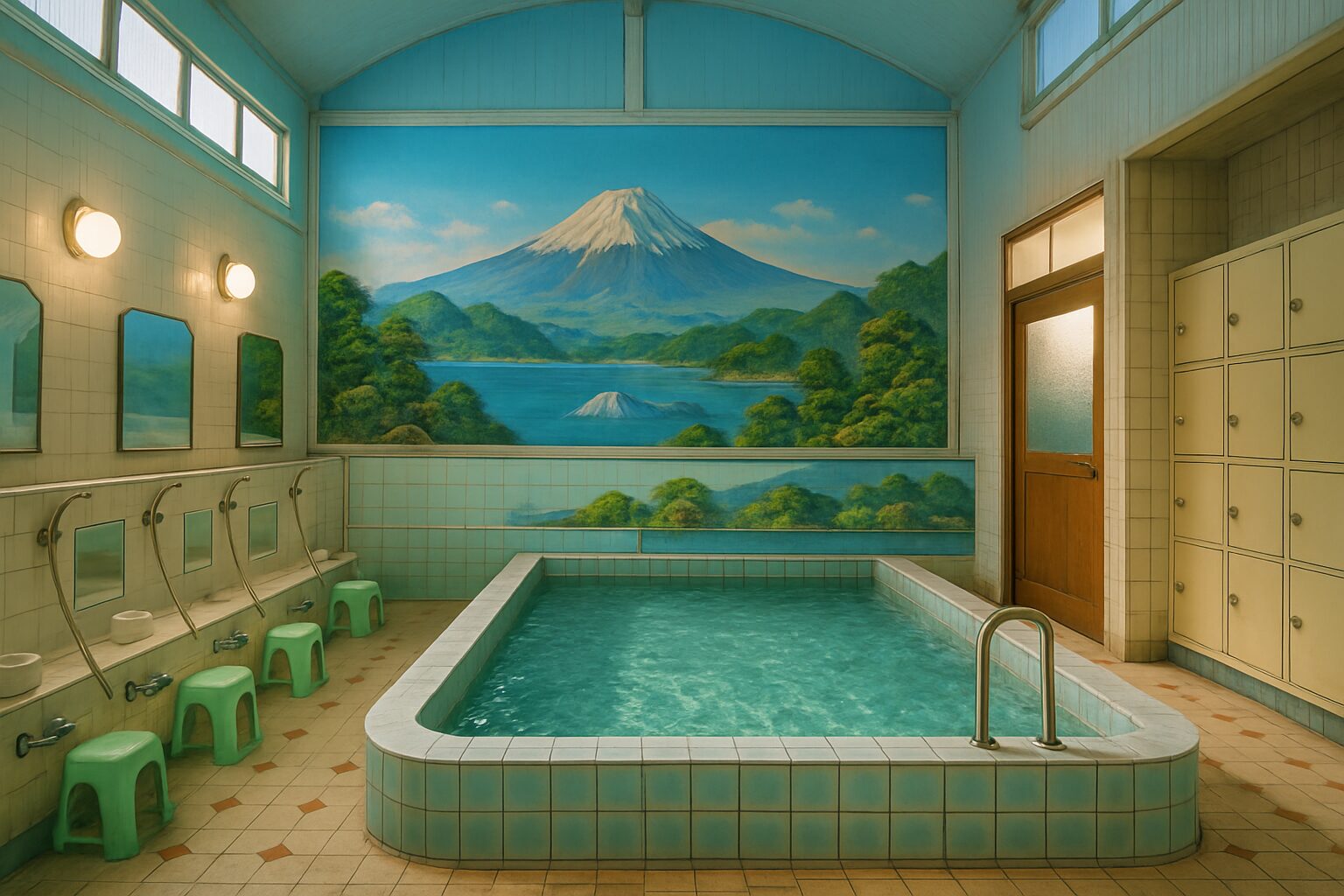
Osaka, oh, my vibrant, electric Osaka! A city that buzzes with a relentless energy, a symphony of sizzling takoyaki, booming market calls, and the neon glow that paints the Dotombori canal every single night. It’s a place of forward momentum, a metropolis that’s always hustling, always hungry for the next big thing. But when the sun dips low, casting long, dramatic shadows between the tightly packed buildings, a different kind of rhythm begins to emerge. The frantic pace softens. Shopkeepers roll down their shutters, the scent of evening meals drifts from apartment windows, and a quiet, collective sigh of relief seems to hang in the humid air. It’s in these moments, tucked away in the labyrinthine residential streets far from the tourist trails, that you find the city’s true heart, its soul. And that soul, my friends, is bathed in steam and wrapped in the warm, welcoming embrace of the neighborhood sentō.
For the uninitiated, a sentō is a public bathhouse. But to call it just that is like calling a Spanish fiesta just a gathering. It’s an understatement of epic proportions! The sentō is a living, breathing institution, a cornerstone of community life that has scrubbed away the worries of generations of Osakans. It’s a place where the barriers of age, profession, and status dissolve in the rising steam, where the simple, profound act of sharing a hot bath fosters a connection that modern life often forgets. It’s a daily ritual, a social club, a wellness retreat, and a time capsule all rolled into one glorious, tiled sanctuary. Forget the flashy spas and the sterile hotel gyms; this is where you experience Japan raw, real, and wonderfully relaxed. It’s where you’ll hear the best local gossip, learn the nuances of the Kansai dialect, and discover a profound sense of peace in the communal act of cleansing. My own journey into the world of Osaka’s sentō began with a mix of curiosity and a healthy dose of nervous hesitation, but it has since become my most cherished evening ritual, a way to wash away the city’s delightful chaos and plug directly into its warm, communal current. So come, let’s push past that charmingly faded noren curtain together and dive into the steamy, story-filled world of the local bathhouse.
To truly understand the daily rhythm of the city, it’s also essential to grasp the unspoken rules of navigating Osaka’s complex train system.
Crossing the Noren: Your First Step into a Timeless World
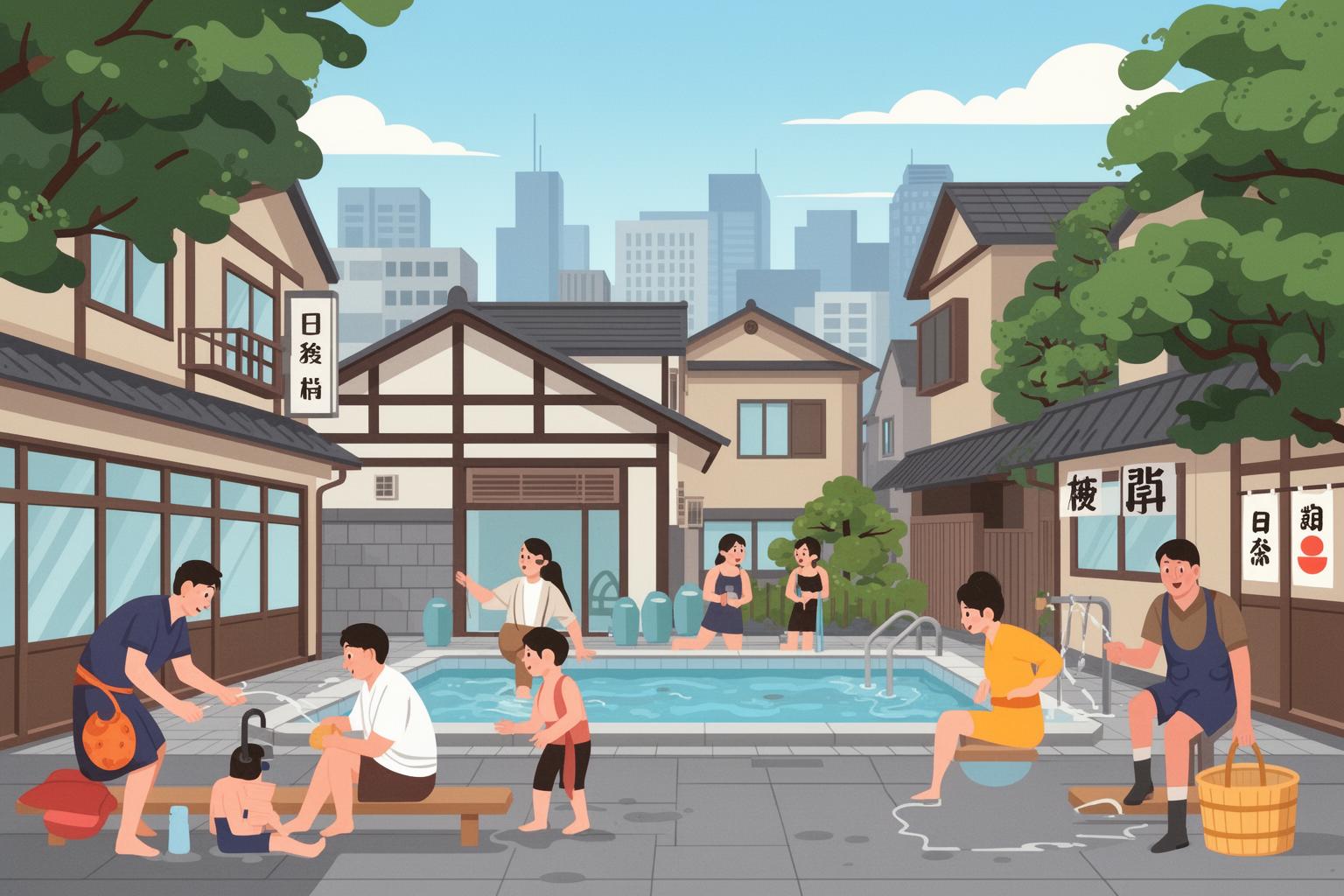
The adventure begins on a quiet side street, where the only hints of the magic within are a tall, slender chimney reaching skyward and the soft, welcoming glow of a lantern adorned with a single, elegant kanji character: 湯 (yu), meaning “hot water.” This symbol serves as a beacon for the weary, promising warmth and rest. The entrance itself often showcases understated traditional architecture, featuring a sweeping tiled roof and a sliding wooden door that offers a gentle rattle of welcome as you pull it open. Stepping inside feels like crossing into another era. The city’s frantic energy quickly fades, replaced by a deep calm and a unique blend of scents—the clean, earthy aroma of damp wood, the subtle fragrance of cypress from shoe lockers, and the faint, ever-present scent of soap and steam.
The Scent of Cypress and Steam
Your first task is straightforward: remove your shoes. The entryway, or genkan, is where the outside world stays behind. You’ll find rows of small wooden lockers, each with a long, rectangular wooden ‘key’ attached. After locating an empty locker, you slip your shoes inside, slide the wooden block into place, and in this simple act, the ritual begins. The floorboards beneath your feet might feel cool and smooth, worn by the many footsteps of locals who have traveled this path before you. The air feels thick yet clean, humid yet refreshing. This sensory welcome immediately calms your mind, preparing you for the relaxation ahead. You are no longer a tourist or outsider; you are now a participant in a tradition that has sustained this community for decades, if not centuries.
The Guardian of the Bath: Meeting the Bandai-san
As you move forward, you’ll reach the heart of the sentō’s operations: the front desk. In older, traditional establishments, this may be the famed bandai, an elevated platform where an attendant, often an elderly man or woman (bandai-san), watches over both the male and female changing rooms with a warm yet vigilant eye. It is a remarkably efficient architectural feature from a bygone era. In more modern sentō, you’ll likely see a conventional counter, but the role remains the same. This is where you pay the modest entrance fee, usually just a few hundred yen, often via a charmingly retro ticket vending machine that clunks and whirs as it dispenses your pass. Here, you can also rent or purchase forgotten items: a small washing towel, a larger drying towel, soap, shampoo, or even a razor. The bandai-san has seen it all. They are the gatekeepers, the unofficial historians, and the friendly faces of the establishment. A simple nod and a quiet “konbanwa” (good evening) is all it takes to be welcomed into their world. They might hand you a locker key attached to a coiled plastic bracelet you wear on your wrist or ankle—your lifeline to your belongings as you venture further inside.
A Tale of Two Curtains: Red for Women, Blue for Men
With your ticket and supplies in hand, you face your next choice, guided by the iconic noren curtains. These fabric dividers, often beautifully dyed and bearing the bathhouse’s name, mark the separate entrances. Traditionally, a rich blue or purple curtain leads to the men’s side (男), while a bright red or pink one marks the women’s (女). Passing through your designated curtain feels like a final farewell to the world you know. You enter the datsuijo, the changing room—a space both practical and deeply atmospheric. The floor may be covered with cool tatami mats or dark, polished wood. Rows of lockers line the room, some modern metal, others charmingly rustic wooden cabinets with intricate latticework. You might spot large wicker baskets for clothing, a reminder of times before lockers were common. An ancient mechanical weight scale may rest in a corner, ready to weigh you in kilograms. An old-fashioned clock ticks rhythmically on the wall beside faded ads for local businesses and classic Japanese soft drink posters. In summer, a powerful wall-mounted fan oscillates slowly, stirring the humid air. This room is a living museum, honoring decades of daily life. Here, you undress, folding your clothes neatly into your locker or basket, leaving behind everything except your small wash towel and toiletries. The initial vulnerability quickly gives way to a sense of freedom. In this space, everyone is equal.
The Sacred Art of the Wash: More Than Just Getting Clean
Now, with nothing but your small towel, you slide open the final door—usually made of foggy glass—and step into the main bathing area. The change is immediate and striking. The air is thick with swirling clouds of steam, the sounds of splashing water and cheerful chatter bounce off the high, tiled walls, and the warmth wraps around you like a soft blanket. This is the inner sanctum. But before you can even consider settling into one of those inviting hot tubs, the most essential part of the ritual must be observed: the wash. This is more than a quick rinse; it’s a thorough, respectful cleanse that lies at the heart of the sentō experience. The tubs are meant for soaking and relaxing, not for cleaning. Entering the communal waters with a soapy or unwashed body is the greatest breach of etiquette imaginable.
Kakeyu: The Opening Ceremony
Just inside the bathing area, you’ll find a large basin or several faucets with buckets (oke) available. This is the kakeyu station. Using a bucket, you scoop up hot water from the basin—water drawn directly from the main baths—and pour it over yourself from the shoulders down. You repeat this several times, washing over your legs, feet, and torso. This isn’t about lathering up; it’s a preliminary rinse with the very water you are about to enter. This act has two purposes. First, it cleanses the surface of your body of any loose dirt or sweat. Second, and just as importantly, it helps your body adjust to the high temperature of the bath water, preventing the shock of sudden immersion. It is a moment of quiet preparation, a respectful nod to the shared space and its occupants. Watch the regulars, and you’ll notice they perform this ritual with unhurried, practiced grace. It marks the official beginning of your bathing journey.
The Wash Station Symphony
After the kakeyu, you move to the arai-ba, the washing area. This usually consists of rows of low faucets lining the walls, each accompanied by a small plastic stool and a handheld shower head. This is your personal space for the next ten to fifteen minutes. You take a stool and an oke, find a free spot, and settle in. The water pressure from the showers is often surprisingly strong and satisfying. The faucets themselves can be a playful puzzle; many older sentō have a dual-button system—a red one for hot, a blue one for cold—that you press simultaneously to get a steady flow of mixed-temperature water lasting about thirty seconds before you need to press them again. It’s a small, water-saving quirk that quickly becomes second nature. Here, you lather and scrub thoroughly. You wash your hair, your body, every inch, until you are squeaky clean. You must ensure that every trace of soap and suds is rinsed off before you even think about approaching the tubs. This is no place for timidity; everyone’s focused on their own ritual. The sounds of the arai-ba create a unique kind of music: the rhythmic pressing of faucet buttons, the steady spray of showers, the gentle sloshing of water in buckets, the soft scraping of washcloths on skin—all mixed with the echoes of friendly conversations. It’s a symphony of cleanliness.
A Sudsy Social Club
The washing area is also where much of the sentō’s social magic unfolds. While the main baths tend to be spaces of quiet contemplation, the arai-ba is alive with chatter. You’ll see mothers gently washing their young children, who giggle and splash with delight. You’ll overhear elderly women catching up on the week’s news, their voices warm and familiar. It’s common for a regular to strike up a conversation with you, perhaps commenting on the weather or asking where you’re from. It is here, seated on a tiny plastic stool, surrounded by suds and steam, that the ice is truly broken. The shared vulnerability of the place fosters easy camaraderie. There are no pretenses. It’s the essence of hadaka no tsukiai—naked communication—where conversations flow more freely because external markers of identity have been washed away. You are simply two people sharing a space and enjoying a simple, human ritual. It’s a beautiful, humbling experience that connects you to the community in a way a café chat never could.
A Universe in a Tub: Exploring the Waters of the Sentō
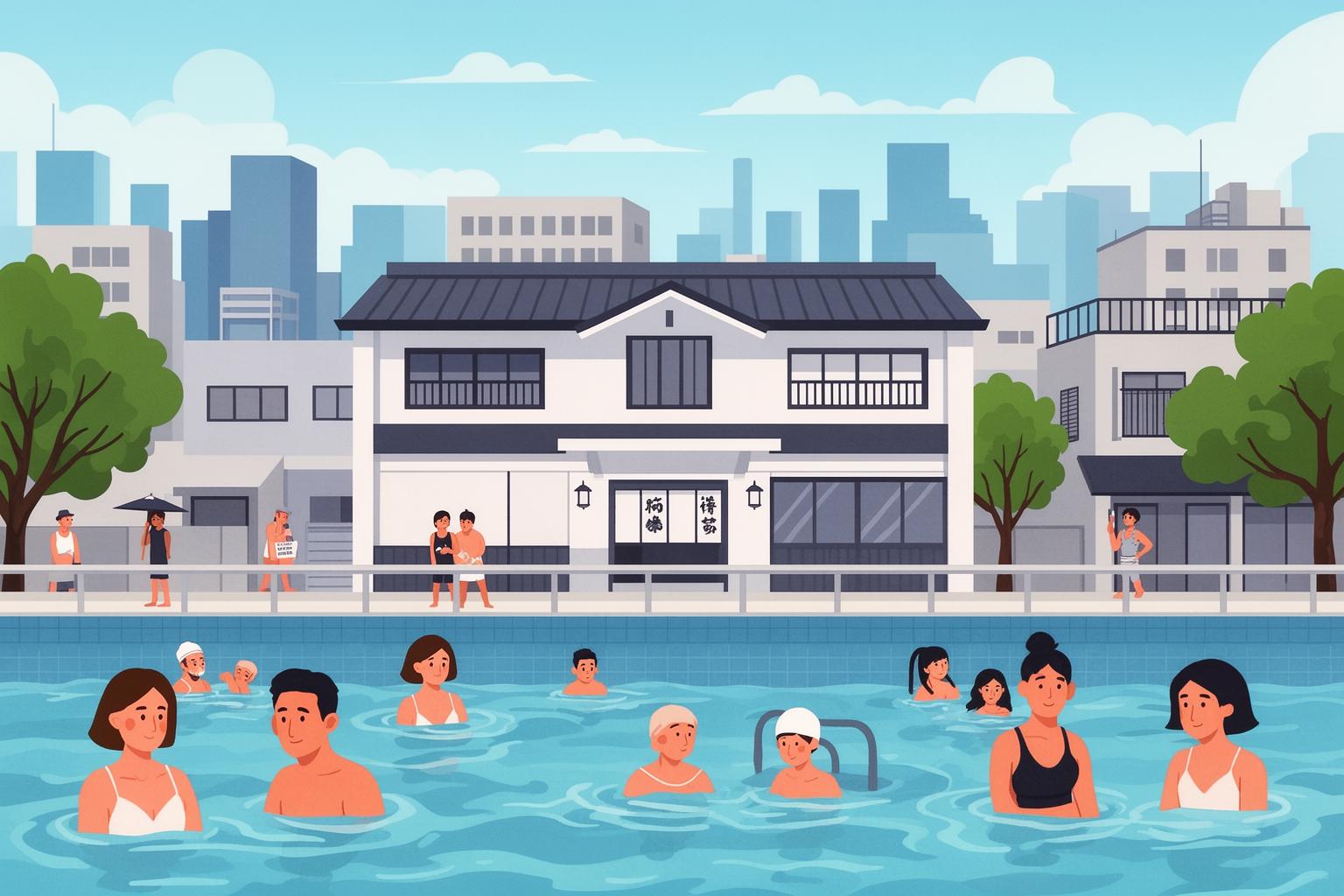
At last, the time has come. Spotlessly clean and thoroughly rinsed, you are ready to plunge into the healing waters. An Osaka sentō is rarely just a single hot tub; it is a carefully curated assortment of aquatic experiences—a playground for the senses meant to relax, rejuvenate, and sometimes even challenge you. Your small wash towel has one final, essential duty: it must remain out of the water. You can fold it neatly and place it on your head—a classic sentō style that also helps prevent dizziness in the heat—or simply set it on the edge of the tub. Allowing your towel to touch the communal water is a serious no-no. With this in mind, you are free to begin your exploration.
The Main Attraction: The Atsuyu Bath
Every sentō features a main bath, the atsuyu, which is usually the largest and often the hottest, sometimes reaching a blistering 42-44 degrees Celsius (108-111 Fahrenheit). As you approach, enter slowly and without splashing as a mark of respect for others already soaking. The initial immersion may take your breath away. The heat is intense, a fiery embrace demanding your full attention. However, after a minute or two, as your body acclimates, the intensity transforms into a deep sense of relaxation. Every muscle seems to unclench at once. The weight of the world, the aches from a long day’s walking, the mental noise—all dissolve into the impossibly hot, pristine water. This is the deep, meditative soak. People often sit quietly, eyes closed, wearing expressions of pure bliss. You might only last five minutes the first time, which is perfectly okay. The goal is not endurance but surrender.
Bubbles, Zaps, and Herbs: The Specialty Baths
Beyond the main bath lies a realm of hydrotherapeutic delights. You will almost always find a jaakuji, or jet bath. These tubs feature powerful underwater jets targeting specific areas such as the lower back, calves, and shoulders. Positioning yourself before these jets feels like receiving a deep-tissue massage. The bubbling, churning water works out knots of tension you didn’t realize you had. It’s noisy, invigorating, and immensely satisfying. Then there is the uniquely Japanese, slightly intimidating denki-buro—the electric bath. This small tub has low-voltage electric currents passing between two plates on opposite walls. Sitting between them produces a distinct, pulsating tingle that causes your muscles to contract rhythmically. It may sound frightening but is a gentle, controlled sensation that many older visitors swear by for easing joint and muscle pain. Your first experience will be bizarre and memorable—a real traveler’s story to take home. Many sentō also offer a yakusoyu, or medicinal bath. The water in this tub is infused with an array of herbs, minerals, or seasonal ingredients, turning it opaque green, milky white, or fragrant amber. You might soak in lavender, ginseng, chamomile, or even red wine. In winter, a bath filled with floating yuzu citrus fruits is a common, wonderfully aromatic treat believed to ward off colds. Each infusion carries distinct therapeutic benefits and offers a delightful sensory variation to your soak.
The Trial by Fire and Ice: Sauna and Mizuburo
For those seeking to elevate their relaxation, the ultimate ritual combines the sauna and the mizuburo, the cold plunge pool. Most sentō include a small, dry sauna, often with a television tuned to a baseball game or variety show. The heat is intense—a dry, oppressive warmth pushing your body to its limits. You sit on tiered wooden benches, sweat pouring from every pore, sharing the space with others in silent, perspiring solidarity. After about ten minutes, when you feel you can’t endure another second, you step out, rinse off the sweat under a nearby cold shower, and then face the final test: the mizuburo. This tub contains icy water, typically around 15-18 degrees Celsius (59-64 Fahrenheit). Stepping into it after the scorching sauna heat delivers a primal shock to your system. For a breathtaking moment, your body protests vigorously. Yet as you force yourself to remain submerged, a remarkable transformation takes place. The shock fades into a tingly, euphoric clarity. Your mind becomes utterly empty. Your skin feels invigorated. Exiting the cold water, your body resets, flooding you with energy and a profound sense of wellbeing. Repeating this cycle two or three times is the secret to achieving the ultimate state of relaxation—a sensation the Japanese call totonou—a perfect state of balance and harmony.
The Naked Truth: Understanding Sentō Culture and History
To fully appreciate the Osaka sentō, it is helpful to understand the cultural and historical influences that flow through its waters. This is more than just a place to get clean; it is a deeply rooted social institution with a rich history and a philosophy that still resonates in modern Japan. The tradition of communal bathing dates back centuries, but the sentō as we know it thrived during the Edo period (1603–1868), when most homes lacked private bathing facilities. They became vital centers of city life, serving hygiene, health, and social interaction. After World War II, as cities were rebuilt, the sentō experienced a golden age, becoming the warm, vibrant heart of recovering neighborhoods.
Hadaka no Tsukiai: Communication Beyond Clothes
The core philosophy of the sentō is perhaps best expressed by the phrase hadaka no tsukiai, meaning “naked communion” or “naked friendship.” The idea is that by shedding one’s clothes, one also removes the external markers of status, wealth, and occupation. In the bath, the company president and the factory worker stand as equals. This creates a uniquely egalitarian social space where communication can be more direct, honest, and open. I’ve witnessed this myself. Once, while sharing the medicinal bath with an elderly woman, a bāchan, I used my broken Japanese alongside her patient gestures. We spoke of nothing profound—the weather, the quality of the bathwater, the taste of persimmons—but in that warm, simple environment, we built a genuine human connection that went beyond language and culture. This is the magic of the sentō. It’s a place that reminds us of our shared humanity, laid bare without pretense.
Art on the Walls: Why Mount Fuji?
Looking up from the baths, you are often greeted by a grand, towering mural painted on the wall dividing the men’s and women’s sides. More often than not, this mural depicts Mount Fuji. But why choose Japan’s most iconic peak, especially here in Osaka, hundreds of kilometers away? The tradition is believed to have begun in a Tokyo sentō in 1912, when the owner wanted to offer patrons an inspiring, uplifting view while they soaked. The idea caught on, and Fuji-san, with its perfect and aspirational silhouette, became the standard. These murals are crafted by a small, dwindling group of specialized painters, known as penki-eshi, who wield massive brushes to complete these landscapes within just a few hours. Beyond the Fuji mural, closer inspection of the tilework reveals exquisite Kutani-yaki or Arita-yaki tile mosaics, called tairu-e. These often depict vibrant koi fish swimming gracefully, scenes from local folklore, or idyllic landscapes. The changing rooms themselves may showcase intricate wooden carvings, known as ranma, above the doorways. The sentō serves as a functional art gallery, celebrating Japanese craftsmanship and aesthetics, adding another layer of beauty to the experience.
A Fading Tradition?: The Story of the Sentō
Despite their cultural importance, the number of sentō throughout Japan has steadily declined for decades. With nearly every modern home now equipped with a private bath, the original function of the public bathhouse has diminished. Many old, family-run establishments have struggled to maintain their aging facilities and have been forced to close permanently. However, a passionate movement is emerging to preserve and reinvent these vital community spaces. Young entrepreneurs are revitalizing historic sentō, renovating them with contemporary design while respecting their traditional charm. Some have incorporated craft beer bars, cafés, libraries, or even co-working spaces into their lobbies, turning them into multifaceted community hubs. They are no longer just places to bathe but places to connect, create, and relax in new ways. By visiting a sentō, you not only enjoy a truly authentic experience but also support the preservation of this cherished part of Osaka’s living cultural heritage.
The Afterglow: The Perfect Post-Bath Ritual
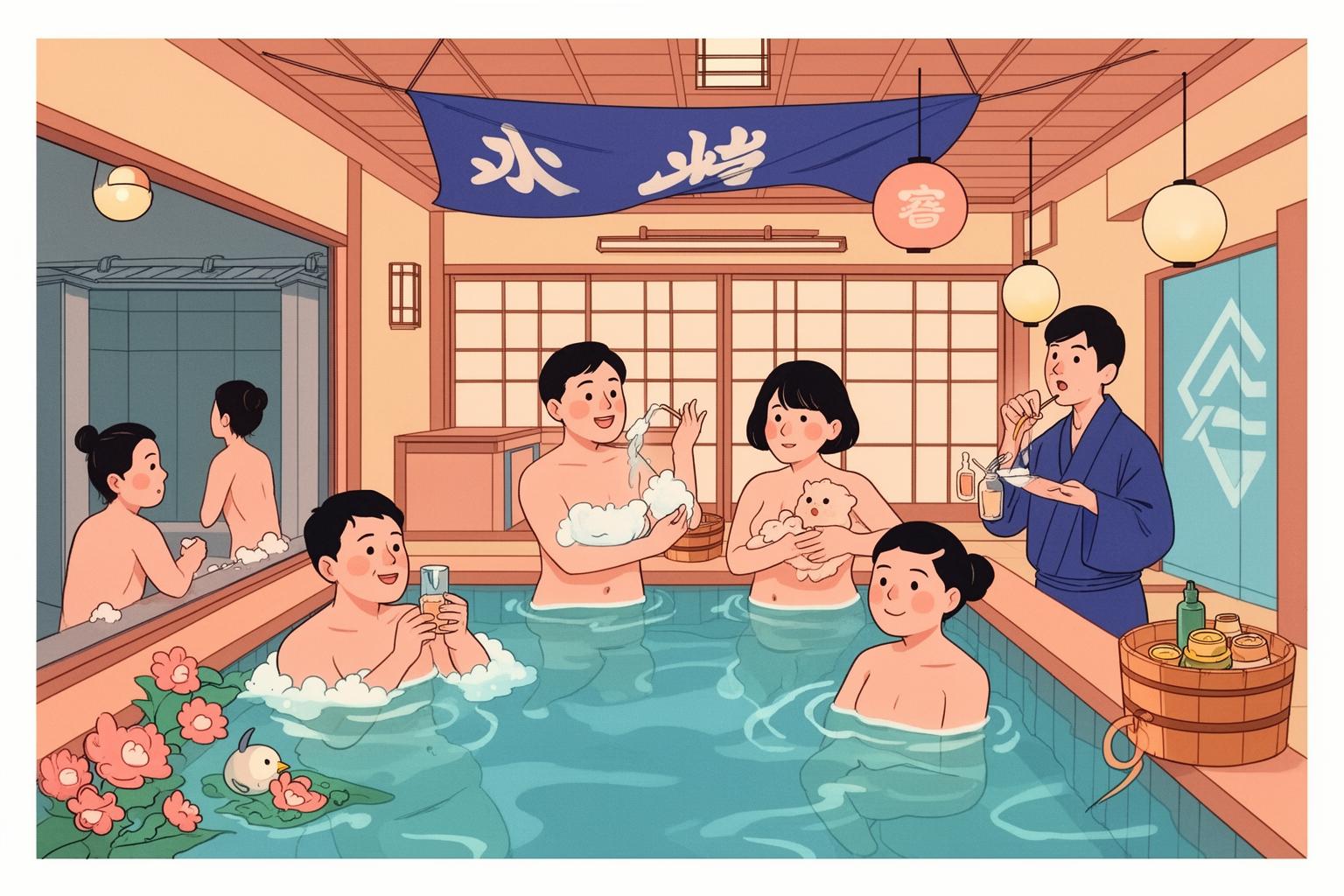
The sentō experience doesn’t conclude the moment you step out of the water. In fact, some of the most memorable moments occur in the warm, relaxed state of yuagari, the post-bath glow. After drying off and dressing in the changing room, the ritual continues with a few final, treasured steps that are just as important as the soak itself.
The Nectar of the Gods: A Cold Bottle of Milk
There is no pleasure more pure or perfect than enjoying an ice-cold drink after a long, hot soak. In the world of sentō, the undisputed champion of post-bath beverages is milk. Head to the lobby or changing room, and you’ll inevitably find a vintage-looking refrigerator or vending machine filled with small glass bottles. The classic options include plain milk, rich coffee-flavored milk, or a sweet and tangy “fruit milk” (which resembles a yogurt drink). Drinking it involves a specific, satisfying ritual: place one hand on your hip, tilt your head back, and down the entire bottle in one go. The sensation of the cold, sweet liquid soothing your throat and cooling your core is pure bliss. It’s a simple, nostalgic delight that has been part of the sentō tradition for generations and remains absolutely essential.
The Community Living Room
The changing room and lobby act as a communal living room—a space to linger and let relaxation fully settle in. Don’t rush to leave. Take a seat on one of the worn vinyl couches or, if you’re fortunate, a powerful, coin-operated massage chair that kneads your freshly relaxed muscles into jelly. People gather around an old television, perhaps watching a sumo match or the evening news, commenting on the action. This is another chance for casual conversation, an opportunity to chat with the bandai-san or other patrons. It’s a moment to slowly return to the real world, feeling refreshed, renewed, and deeply connected to the small community you’ve just shared a bath with. Stepping back out into the cool night air after this entire ritual—your skin tingling, your mind clear, your body heavy with relaxation—is simply sublime.
A Gentle Guide for the Curious Bather
Visiting a sentō for the first time can feel intimidating, but the rules are straightforward, grounded in common sense and respect. Be sure to wash thoroughly before entering any of the baths. Keep your towel out of the water. Enter the pools slowly and avoid splashing. Most importantly, relax and observe. Japanese people are very understanding and don’t expect you to know everything. Maintaining a quiet and respectful attitude will serve you well. Tattoos often raise questions; although historically linked to the yakuza, attitudes are shifting quickly, especially in laid-back cities like Osaka. Many, if not most, local sentō in Osaka welcome guests with tattoos. If you have extensive body art, it’s courteous to check at the front desk, but you will likely be greeted warmly. Don’t let shyness hold you back. The initial awkwardness of being naked around strangers fades quickly once you realize no one is paying attention. The sentō is a judgment-free space focused on your comfort and relaxation.
More Than a Bath
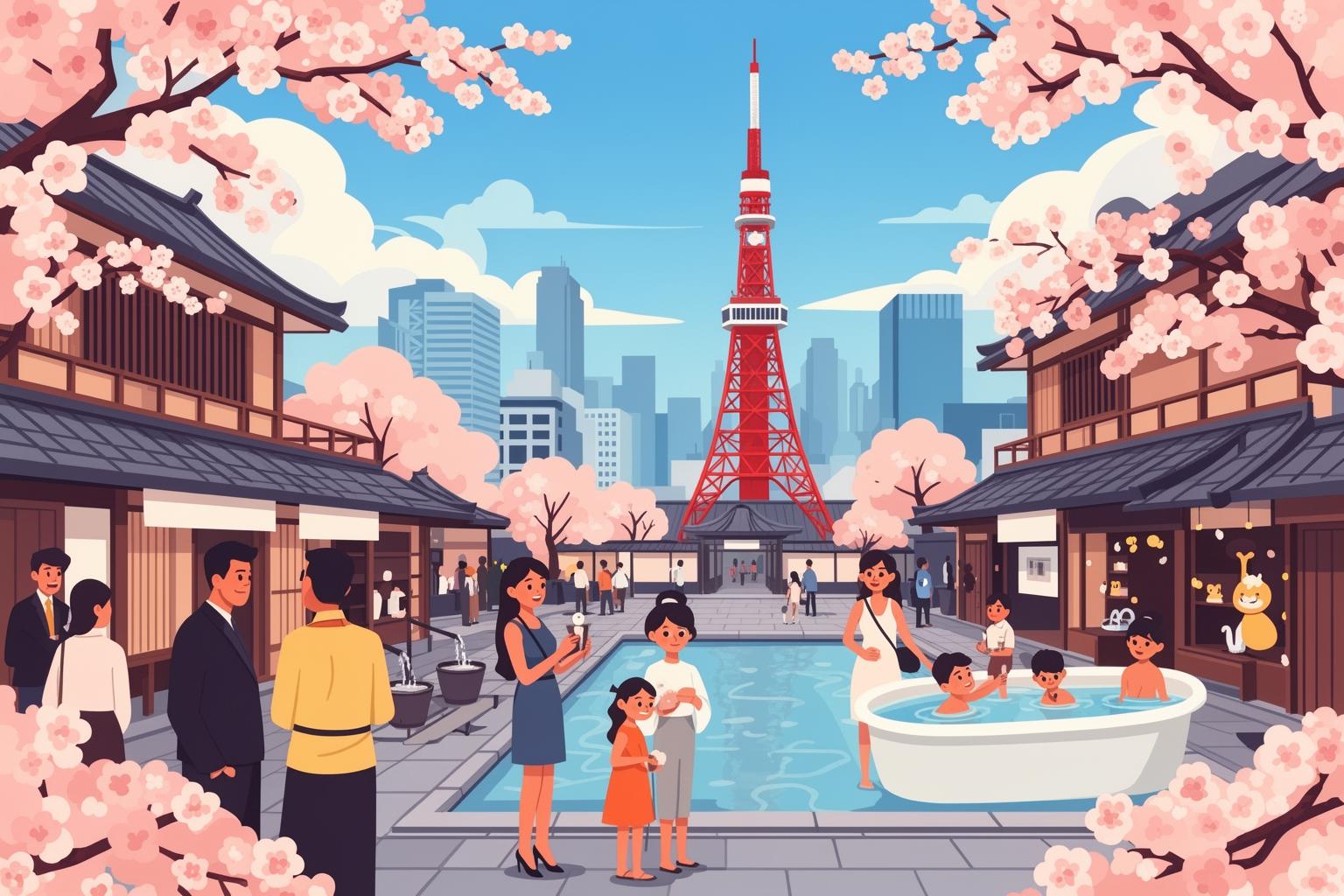
An evening spent at a local sentō is far more than just a way to clean up. It offers a deep immersion into the essence of Osaka’s culture. It provides an opportunity to take part in a daily tradition that unites people, nurturing a sense of community often missing in our hectic, modern lives. It serves as therapy for both body and soul—a place to wash away not only the city’s dirt but also the burdens weighing on the mind. In a world that frequently feels disconnected, the sentō remains a warm, steaming symbol of the power found in shared experiences and simple joys. So, during your next evening in Osaka, when you notice the soft glow of a lantern bearing the 湯 symbol, don’t just pass by. Take a deep breath, slide open the door, and step inside. A realm of warmth, hospitality, and deep relaxation awaits you.