Welcome to Osaka, a city that pulses with an energy all its own. Before the neon lights of Dotonbori flicker to life, before the aroma of takoyaki fills the air, and before the grand department stores of Umeda open their doors, a quiet and sacred ritual unfolds across the city. It’s a ritual steeped in the rich, dark aroma of siphon-brewed coffee, the comforting warmth of impossibly thick toast, and the gentle rustle of a newspaper. This is the world of the Kissaten (喫茶店), Japan’s traditional coffee houses, and the heart of this world beats strongest in the morning. For decades, Osaka’s salarymen, its office workers, its artists, and its grandmothers have started their day not with a frantic grab-and-go cup, but with a moment of seated tranquility, partaking in the institution known as “Morning Service” or mōningu sābisu. As a Tokyo event planner, I’m accustomed to the capital’s relentless pace, where mornings are often a blur of crowded trains and convenience store onigiri. But here in Osaka, I discovered a different rhythm, a culture that insists on starting the day with intention and simple pleasure. This isn’t just about breakfast; it’s a deep dive into the soul of Showa-era Japan, a living museum of taste and time that offers a profound connection to the local way of life. For any foreigner looking to understand the real Osaka, to live as the locals do, the journey begins here, in a plush velvet booth, with a porcelain cup of coffee and a plate that holds more than just food—it holds a story. Forget the sterile efficiency of modern café chains; we’re about to unlock the door to a world where time slows down, and the day begins with grace.
If you’re looking to experience the full spectrum of Osaka’s unique urban culture, from its serene morning rituals to its vibrant exclusive nightlife in Kitashinchi, this guide is your perfect companion.
The Soul of the Kissaten: More Than Just Coffee
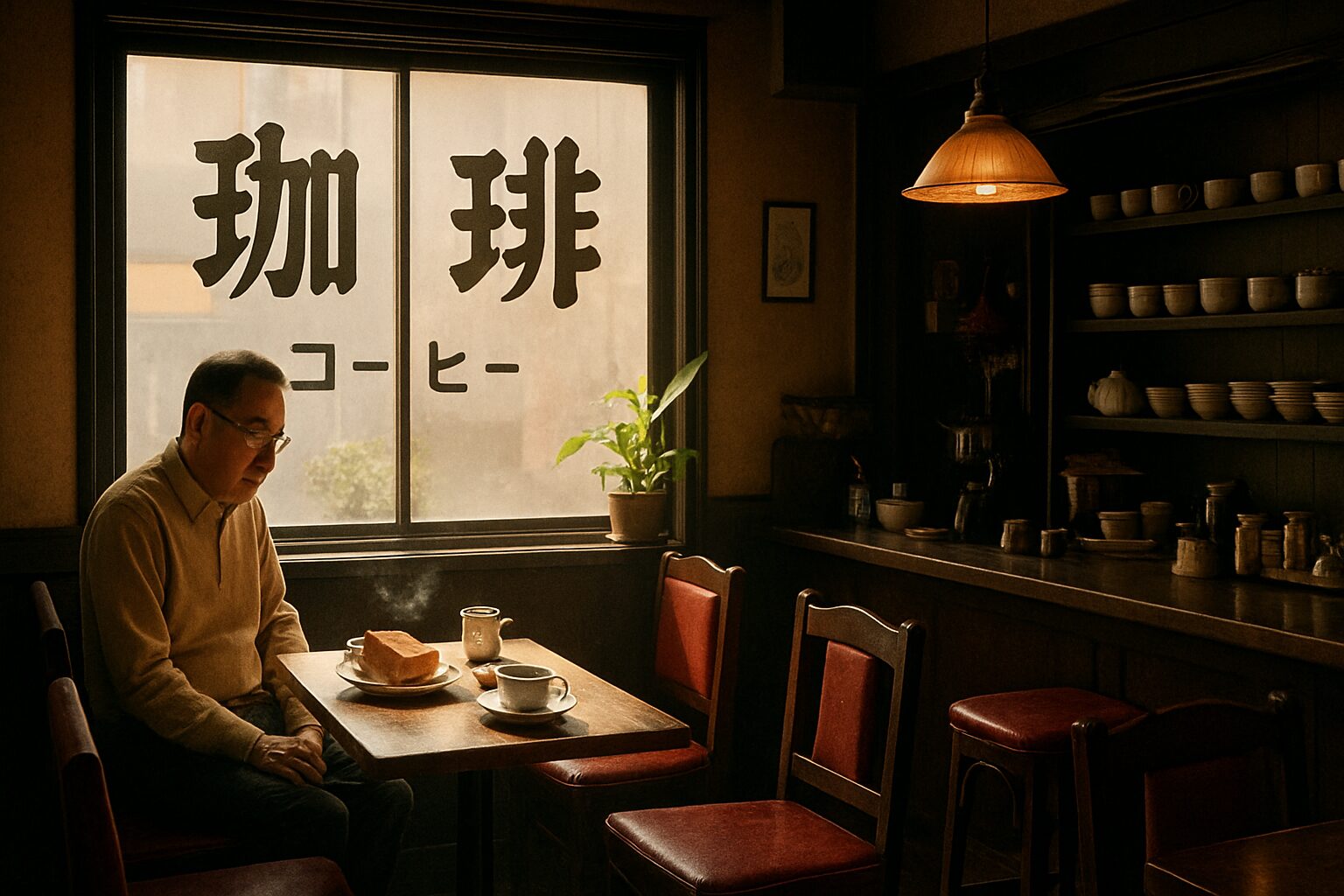
Stepping into a classic Osaka Kissaten means crossing a threshold into another era. The atmosphere feels distinct—thicker, warmer, infused with the lingering spirits of countless conversations and the ever-present aroma of dark-roast coffee. There’s a quiet reverence that sharply contrasts with the city’s boisterous energy just beyond the door. This space is a sanctuary, a third place that is neither the strict formality of the office nor the private chaos of home. It invites contemplation, quiet connection, and the simple, unadulterated joy of being. The aesthetic is a testament to Showa-era nostalgia. Picture walls clad in dark, polished wood, floors of worn parquet or intricately tiled patterns. The seating isn’t designed for quick turnover but for lingering; booths upholstered in plush velvet or worn leather in hues of burgundy, forest green, or deep brown. The lighting is always dim and atmospheric, cast by ornate Tiffany-style stained-glass lamps or brass fixtures that bathe the room in a warm, golden glow. Sunlight, if it filters in at all, passes through lace curtains, creating a soft, dreamlike ambiance far removed from the harsh glare of modern life.
The Kissaten’s soundtrack is a subtle symphony. Gentle clinks of porcelain cups on saucers, the soft hiss of a coffee siphon behind the counter, and the quiet rustle of a newspaper being folded by an elderly gentleman in the corner compose the background. Occasionally, classical music or mellow jazz plays softly from a vintage sound system, a carefully curated selection by the owner, known respectfully as the “Master.” This figure, often a man or woman who has presided over this small realm for decades, is the heart and soul of the Kissaten. The Master is more than just a barista; they are a conductor, confidant, and silent witness to the daily human dramas unfolding within these walls. They move with unhurried, practiced grace, knowing regulars’ orders without a word, polishing glasses with the meticulous care of a sculptor finishing a masterpiece. Their presence is a steady, reassuring anchor amid the city’s shifting tides. For foreign residents, watching the quiet, respectful exchanges between the Master and the regulars offers a lesson in Japanese community culture—a glimpse into relationships built over years of shared morning rituals.
It’s essential to grasp the fundamental difference between a Kissaten and a modern café. Starbucks or Tully’s is a place of transaction and transience—you order, pay, maybe sit briefly, but the environment prioritizes efficiency. A Kissaten, however, is a place of experience and existence; it’s a destination in itself. You aren’t just purchasing coffee; you’re renting a small piece of tranquility for a while. The emphasis is on craft, atmosphere, and the individual. That’s why you’ll often find patrons—solitary salarymen preparing for the day, pairs of older women catching up on neighborhood gossip, young students absorbed in their textbooks—lingering an hour or more over a single cup of coffee. No one rushes you. The unspoken agreement is that you are welcome to stay, read, think, or simply be, as long as you honor the quiet harmony of the space. One important note for first-time visitors from abroad: many of these bastions of Showa culture haven’t updated their smoking policies. The faint, sweet smell of tobacco is often woven into the nostalgic tapestry of the air. While some venues now offer non-smoking sections or are entirely smoke-free, many classic spots still allow smoking. It’s wise to be prepared for this, as it remains an authentic, if sometimes challenging, part of the traditional Kissaten experience.
Deconstructing the “Morning Set”: A Culinary Symphony of Simplicity
The mōningu sābisu, or “Morning Set,” stands as the foundation of the Kissaten experience and perfectly embodies Osaka’s practical, value-focused spirit. The concept is straightforward and ingenious: for the cost of a single cup of coffee, or just a bit more (usually between 400 and 600 yen), you receive a complete breakfast platter. This marketing masterstroke emerged during the post-war economic boom, aimed at attracting morning commuters and cultivating a loyal clientele. However, to view it merely as a bargain misses its true essence. The Morning Set is a perfectly balanced, ritualistic meal—a culinary trio of coffee, toast, and egg—elevated to an art form. It has fueled Osaka for generations.
Starting with the coffee, the undisputed centerpiece. This is not the light, acidic, fruity brew favored by the third-wave coffee movement. Coffee at a Kissaten is a homage to a bygone era of brewing. Typically, it’s a dark, potent, full-bodied roast crafted to deliver a strong caffeine kick and a deep, comforting flavor. The brewing process itself is often a spectacle, with many Masters mastered in siphon (or vacuum pot) brewing. This elaborate device, with glass globes and open flames, is more than mere showmanship. It allows precise temperature control, producing a coffee intensely aromatic, clean on the palate, low in acidity, and rich with a smooth finish. Watching the water defy gravity as it rises to the upper chamber, mingles with the grounds, and then flows back down as brewed coffee is mesmerizing morning theater. Some establishments prefer the neru dorippu, or flannel drip method, where hot water is carefully poured by hand in a slow, circular motion over grounds in a cloth filter. This demanding technique creates a velvety, nearly syrupy coffee with extraordinary depth. Tasting Kissaten coffee is like sipping history, its flavor profile unchanged for decades.
Next is the toast, an item deeply revered in Japan. The bread used is shokupan, a fluffy, pillowy white milk bread sliced into impossibly thick pieces—often an inch or more. This is no ordinary slice. When toasted, the exterior turns a perfect golden brown, delivering a satisfying crunch that yields to a cloud-like, steamy, tender interior. Traditionally, it’s spread with salted butter that melts into every nook, sometimes served alongside a small pot of strawberry jam or orange marmalade. Osaka’s Kissaten culture offers delightful twists, too. You might find ogura toast, a Nagoya specialty embraced here, featuring a generous layer of sweet, chunky red bean paste (azuki) atop the buttered toast—a unique sweet and savory combination. Other variations include cheese toast, pizza toast, or cinnamon sugar versions. Regardless of topping, the quality of the shokupan is essential, serving as the comforting, carbohydrate-rich base of the meal.
Rounding out the holy trinity is the egg, typically prepared with elegant simplicity. Most often, a single, perfectly hard-boiled egg (yude tamago) is served in a small porcelain cup with a shaker of salt. There’s a meditative pleasure in tapping the shell, gently peeling it, and seasoning the warm, creamy yolk. This simple, unadorned protein boost is perfect. Some Kissaten might offer a small portion of scrambled eggs, a miniature fried egg (tamago-yaki), or a tiny omelet. The aim is not a hearty American-style breakfast but a balanced, satisfying element to complete the meal. Often, the set includes thoughtful extras: a small mound of shredded cabbage salad with tangy dressing provides a fresh, crisp contrast to the richness of the toast; a slice of ham or a couple of cocktail sausages may appear. Sometimes a small glass of yogurt or a piece of fruit, like a banana or orange slice, finishes the platter. Every component is intentional, creating a harmonious, deeply satisfying start to the day—for a price that feels like a generous gift from a bygone era.
A Journey Through Time: The History of Kissaten Morning Culture
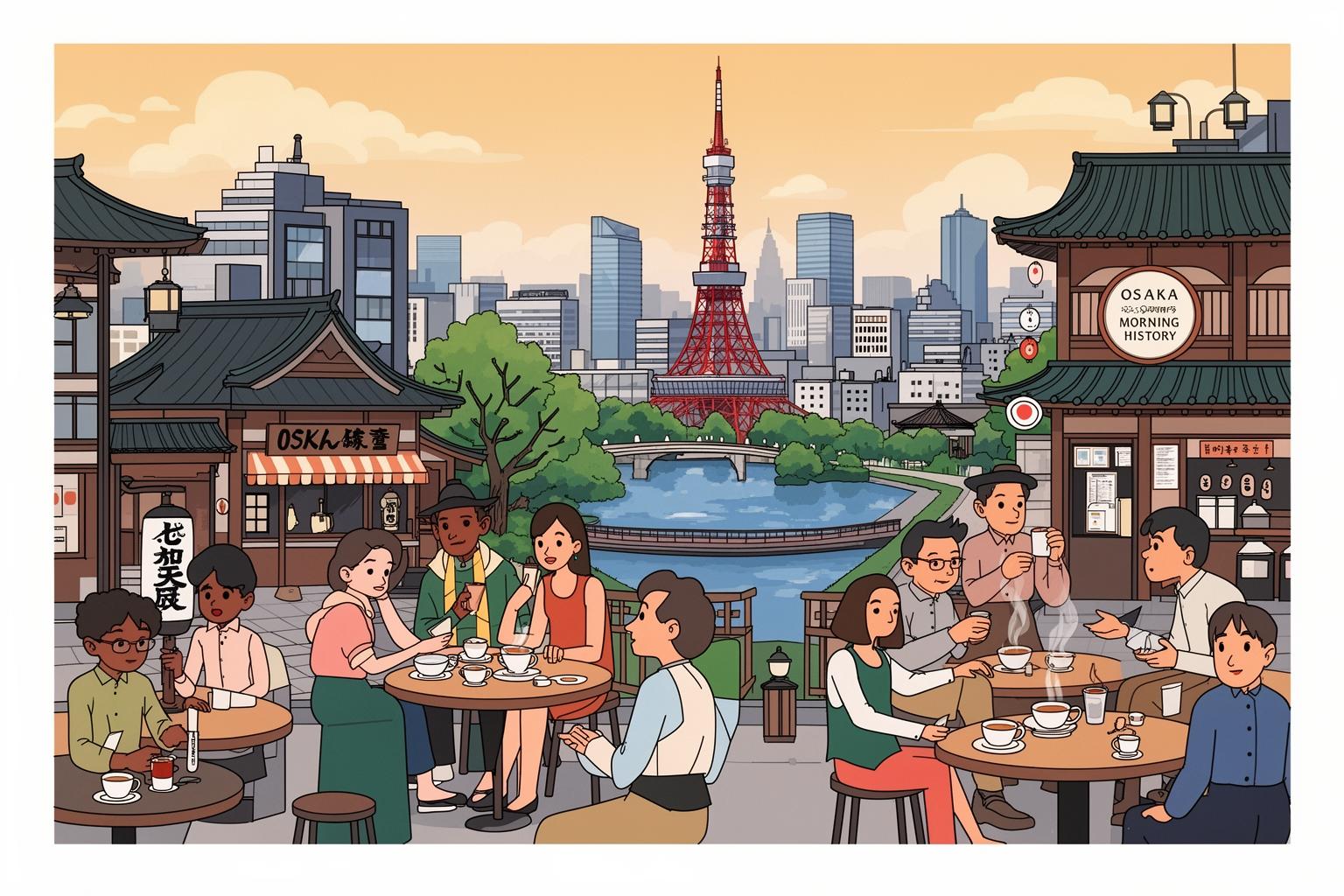
The story of the Kissaten is closely linked to Japan’s path toward modernization and its intricate engagement with Western culture. The concept first appeared during the late Meiji and Taisho periods (late 19th to early 20th century), inspired by the elegant coffee houses of Paris. These early Kissaten served as meeting spots for artists, writers, and intellectuals—centers of avant-garde ideas where literature and politics were discussed over a cup of the foreign new drink, coffee. They symbolized modernity and cosmopolitanism, standing in sharp contrast to the traditional teahouses that had long dominated Japan’s social scene. However, it was after World War II, amid Japan’s remarkable economic recovery, that the Kissaten truly became an integral part of everyday life and gave rise to the “Morning Service.”
The origin of the Morning Set is somewhat debated, but it is broadly believed to have begun in the Chubu region, especially in Nagoya and Gifu, around the 1950s. The story goes that an inventive Kissaten owner, observing that many patrons bought coffee alongside separate orders of toast and eggs, decided to combine them into a set at a discounted price to attract more customers. The idea quickly proved popular. In the rapidly industrializing Japan, a new worker class emerged—the salaryman. These white-collar employees needed a quick, affordable, and hearty meal before heading to the office. The Morning Set perfectly fulfilled this need. The concept spread rapidly across Japan but found particularly fertile ground in Osaka. With its long history as a merchant city, Osaka developed a strong culture of pragmatism, hospitality, and, importantly, a passion for a good bargain (akindo shuhai). The Morning Set, with its great value, resonated deeply with Osakan sensibilities. Kissaten owners in Osaka competed to offer the most generous and tasty morning sets, incorporating local touches and transforming the simple breakfast into a cherished local tradition.
Today, visiting a Kissaten feels like stepping back in time. Most of these establishments are living relics from the Showa period (1926-1989), an era marked by optimism, rapid transformation, and a distinctive aesthetic now cherished as Showa Retoro. Everything from the dark wooden interiors and vinyl booths to the menu typography and the shape of the sugar bowls recalls this era. For older Japanese generations, these spaces provide comforting memories of youth. For younger people and foreign visitors, they offer a tangible link to a past that feels both stylishly vintage and authentically Japanese. The lasting appeal of the Kissaten lies in its resistance to change. In a nation constantly reinventing itself, the Kissaten remains a steady anchor—a place where past rituals are preserved and practiced daily, offering a break from the relentless progress of time. By taking part in the morning service ritual, you are not merely having breakfast; you are engaging in a cultural tradition handed down through generations, connecting with the spirit of the salarymen who helped build modern Japan, one cup of coffee and one thick slice of toast at a time.
How to “Kissaten”: A First-Timer’s Etiquette Guide
Navigating your first Kissaten experience can feel a bit daunting, as these cafes operate with a set of unspoken rules and possess a distinctly local character. However, with a little guidance, you’ll soon be starting your day like a seasoned Osaka local. The first step is finding one. Unlike common café chains, Kissaten don’t usually occupy prime locations. They are often hidden gems, tucked away on quiet side streets, nestled within the covered shopping arcades called shotengai, or found in modest spaces in the basements of old office buildings near train stations. Watch for tell-tale signs: faded, old-fashioned signs often featuring elegant Japanese calligraphy or retro katakana script; a glass display case near the entrance with remarkably realistic plastic food models (shokuhin sanpuru) of their menu items; and an ambiance that feels more like a cozy living room than a commercial spot. The name itself can be a hint; look for names ending in “-ken” (軒) or simply labeled “Coffee” (珈琲) or “Kissa” (喫茶).
Once you’ve discovered a promising place, take a breath and step inside. You’ll be welcomed with a warm but often quiet “Irasshaimase!” (Welcome!). Unlike many Western restaurants, you usually don’t need to wait to be seated. Just find an open table or a spot at the counter that appeals to you. A staff member or the Master will quickly bring you a glass of iced water and an oshibori, a rolled, damp towel. In summer, it will be refreshingly cold; in winter, soothingly warm. This moment is for refreshing your hands and settling in. The menu might be entirely in Japanese, which can be tricky. However, your goal is simple. You are here for the Morning Set. Look for the characters モーニングサービス (mōningu sābisu) or just モーニング (mōningu). Often, there will be pictures or those handy plastic models in the window that you can point to. The most useful phrase to learn is “Mōningu setto, kudasai” (Morning set, please). They may ask if you want your coffee hot (hotto) or iced (aisu). “Hotto de, onegaishimasu” (Hot, please) is a safe choice.
The atmosphere inside encourages quiet reflection. While soft conversation is fine, loud talking or phone calls are considered major faux pas. Many customers will be alone, reading the newspaper (often provided by the Kissaten on wooden racks), a paperback, or simply enjoying a peaceful moment. This is an ideal time to do the same. Bring a book, update your travel journal, or watch the world outside the window. As mentioned, expect the possibility of cigarette smoke, as smoking is part of the traditional setting in many older shops. If you’re sensitive to smoke, it’s wise to peek inside before committing to a seat. When you’re ready to pay, the process differs slightly. Usually, the bill (o-kanjō) will be placed on your table in a small tray, often face down. You take this bill to the cash register near the entrance as you leave. Tipping is not practiced in Japan. Simply pay the bill amount. Many smaller, older Kissaten accept cash only, so having some yen on hand is a good idea. As you exit, a simple “Gochisousama deshita” (Thank you for the meal) is a polite and appreciated gesture. Following these easy steps will ensure a smooth, respectful, and deeply rewarding experience, helping you blend in with the locals and fully appreciate the unique cultural space of the Kissaten.
Iconic Osaka Kissaten: Where to Begin Your Morning Adventure
Osaka is a treasure trove of historic and character-rich Kissaten, each boasting its own unique charm and devoted clientele. While part of the fun lies in discovering your own hidden neighborhood gem, a few legendary establishments serve as ideal introductions to this captivating world. These institutions have shaped the city’s coffee culture and continue to greet visitors with timeless elegance.
Marufuku Coffee (丸福珈琲店 千日前本店)
No conversation about Osaka’s Kissaten scene is complete without Marufuku. Established in 1934, this is more than just a coffee shop; it’s a living piece of history. The Sennichimae main store (honten) is a pilgrimage destination for coffee enthusiasts. Stepping inside feels like entering a time capsule. The interior is dim and cavernous, with sturdy wooden beams, tiled floors, and an ambiance saturated with the aroma of their famously strong, proprietary dark roast. Founder Sueo Ihue was a perfectionist who crafted his own roasting and brewing equipment to produce a coffee that is exceptionally deep, rich, and low in acidity. That tradition persists today. Their coffee is brewed using the nel drip method, creating a bold and intense experience—not for the faint-hearted, but unforgettable nonetheless. The Morning Set here is classic: thick toast, a perfectly cooked egg, a slice of high-quality ham, and a small salad, all designed to complement the strength of their signature brew. While visiting, be sure to try their other acclaimed items, like the fluffy, golden-brown hotcakes (pancakes) and rich, savory curry rice. Although Marufuku now has several branches, the Sennichimae flagship remains the best place to experience its undiluted, historic essence. Located in the lively Namba district, it’s an accessible and essential stop on any Kissaten tour.
American (アメリカン)
Just a short walk from the Dotonbori canal, American is another grand dame of Osaka’s Kissa culture, operating since 1946. Its name and impressive facade reflect the post-war era’s fascination with Western culture. The interior is remarkably opulent, more akin to a European ballroom or a grand hotel lobby than a coffee shop. With its soaring double-height ceiling, sparkling crystal chandeliers, intricate plasterwork, and sweeping staircases, it’s a place that makes you feel dressed for a special occasion. Despite the grandeur, the atmosphere is warm and unpretentious. Their Morning Set is simple and delicious, but the true draw here is to soak in the magnificent surroundings. Find a seat in one of the cozy booths and admire the unapologetic splendor. Popular among locals for meetings and catch-ups, you can feel the layers of history embedded in its walls. American stands as a testament to the ambition and optimism of post-war Osaka, a venue that believed in creating beautiful spaces for everyday people.
Coffee Shop Sun (喫茶サン)
For a more casual, neighborhood vibe, head to the incredible Tenjinbashisuji Shotengai, Japan’s longest covered shopping arcade. Nestled within this bustling hub of local life is Coffee Shop Sun, a perfect example of a beloved community Kissaten. Unlike the grand halls like American, this is a cozy, intimate spot that feels like an extension of the owner’s living room. The master here is renowned for his warmth and meticulous care. The coffee is brewed with precision, and the Morning Set is a lesson in simple perfection. What makes a place like Sun truly special is the chance to observe everyday life up close. You’ll see local shop owners grabbing their coffee before opening, elderly couples on their daily stroll, and regulars from all walks of life who have been coming here for years. It’s less of a tourist destination and more of an authentic cultural experience. The pace is slow, the conversations quiet, and the coffee excellent. Visiting Sun offers a deeper appreciation of the Kissaten’s role as a community hub—a steady, comforting presence in the lives of those it serves.
Le Bresso (ル・ブレッソー)
While many Kissaten focus primarily on coffee, Le Bresso has earned its reputation by perfecting the other key element of the Morning Set: the toast. This modern establishment, with several locations including one near the Umeda Sky Building, specializes in gourmet toast and coffee. They bake their own shokupan daily, creating extraordinary quality. Their “Morning Toast Set” lets you choose from a variety of homemade jams—such as pistachio and milk, rum raisin, or salted butterscotch—served alongside a perfectly toasted, thick slice of their signature bread. The coffee, a contemporary specialty roast, pairs beautifully with the toast. Although it lacks the nostalgic Showa-era charm of older spots, Le Bresso represents the evolution of morning culture, demonstrating how the core elements of coffee and toast are being reimagined for a new generation. It’s an excellent choice for those passionate about high-quality bread who want to see the tradition both preserved and innovated. It proves that the spirit of the Morning Set—simple, high-quality ingredients served with care—is timeless.
Beyond the Morning Set: The All-Day Allure of the Kissaten
While the Morning Service is the quintessential Kissaten ritual, the appeal of these cafés extends throughout the entire day, adapting to meet the needs of their customers as time passes. To truly appreciate the Kissaten, one must recognize its role as an all-day sanctuary, offering various forms of comfort and nourishment from dawn to dusk. After the 11 AM cutoff for the Morning Set, a new menu appears, featuring a collection of nostalgic, Western-inspired Japanese dishes known as yōshoku. These comfort foods from the Showa era hold a special place in the hearts of many Japanese people.
The undisputed star of the Kissaten lunch menu is Napolitan spaghetti. This is not an authentic Italian dish but a distinctly Japanese creation from the post-war era. It consists of tender spaghetti noodles stir-fried with onions, green peppers, mushrooms, and sausage or ham, all coated in a sweet and tangy tomato ketchup-based sauce. It’s a vibrant, satisfying, deeply nostalgic dish rarely found in formal restaurants but a staple at the Kissaten. Another classic choice is Japanese curry rice, a milder, thicker, and sweeter take on its Indian counterpart, often served with pickled vegetables (fukujinzuke). You might also encounter pilaf (seasoned fried rice often with shrimp or chicken), doria (a baked rice gratin with creamy béchamel sauce and cheese), or the traditional katsu sando (a breaded and fried pork cutlet sandwich). These meals are hearty, unpretentious, and lovingly made, evoking childhood memories for many locals.
As afternoon arrives, the Kissaten transforms into a refuge for the weary shopper, diligent student, or professional seeking a midday respite. This is the time for indulgence, featuring sweets and elaborate drinks that delight both the eyes and the palate. The Cream Soda is a hallmark of Kissaten culture—a jewel-toned glass of bright green melon-flavored soda crowned with a perfect scoop of vanilla ice cream and a maraschino cherry. It embodies pure, bubbly, retro joy in a glass. Another favorite dessert is Coffee Jelly, cubes of sweetened, firm coffee gelatin served with whipped cream or fresh cream. It’s a sophisticated, refreshing treat ideal for a warm afternoon. Of course, there are also parfaits—towering combinations of ice cream, fruit, cake, corn flakes, and whipped cream served in tall glasses, monuments to decadent pleasure. For those craving something warm, the hotcakes (thick, fluffy pancakes) often served with butter and maple syrup provide a comforting option. Afternoons at a Kissaten invite slowing down, indulging, and escaping the summer heat or winter chill in a cozy, welcoming setting.
Ultimately, the Kissaten is a versatile and adaptable space. It serves as a quiet place to work, neutral ground for a business meeting, a warm spot for a first date, and a familiar haven for a solitary reader. Its lasting charm lies in its ability to become whatever its visitors need at any given moment. It is a constant, reliable presence amidst the ever-changing landscape of the Japanese city—a place where one can always find a good cup of coffee, a comforting meal, and a moment of tranquility. For a foreigner living in Osaka, discovering the all-day rhythm of a favorite Kissaten is a way to become woven into the fabric of the neighborhood, finding a home away from home in the heart of the city.
The Future of Retro: A Culture Worth Preserving
In a world driven by speed, efficiency, and globalized brands, the modest Kissaten stands as a subtle form of resistance. Yet, these strongholds of Showa-era culture face an uncertain future. Many are family-owned businesses, and as the original Masters grow older, there is often no successor willing to take on the demanding, low-margin work. Rising rent costs, competition from sleek, modern café chains, and shifting consumer habits all threaten their survival. With each closure, a small fragment of Osaka’s history and cultural identity disappears forever. The distinctive atmosphere, age-old recipes, and strong community ties they nurture are irreplaceable.
However, there is a hopeful glimmer ahead. In recent years, interest in Kissaten culture has notably resurged, especially among younger Japanese and international tourists. The Showa Retoro aesthetic has gained immense popularity, fueled by social media platforms like Instagram, where vintage interiors, elegant porcelain, and artfully crafted cream sodas and parfaits are perfect content. Young people seek out these authentic, non-corporate spaces, valuing their unique charm and a nostalgic connection to an era they never experienced firsthand. This renewed enthusiasm goes beyond looks; it reflects a deeper respect for the slowness, craftsmanship, and human connection that Kissaten embody—qualities often missing in modern life.
This revival offers a vital chance. For foreigners living in or visiting Osaka, choosing to support these small, independent establishments is more than a simple transaction; it’s an act of cultural preservation. By visiting a Kissaten for your morning coffee, you cast a vote for authenticity over uniformity. You help keep a tradition alive and ensure the stories within these walls endure for future generations. Each cup of siphon-brewed coffee, every plate of thick-cut toast, contributes to preserving an invaluable part of Japan’s cultural heritage. Exploring Osaka’s Kissaten allows a deeper connection with the city—its history experienced not through textbooks but through the taste of coffee and the warmth of its hospitality.
So, my advice is this: step off the main street. Wander down a narrow side alley. Push open that heavy wooden door with the small brass bell that jingles as you enter. Find a seat in a worn velvet booth. Order the Morning Set. Take a moment to put away your phone and engage with your surroundings. Listen to the subtle symphony of the room. Savor the rich, deep flavor of the coffee. Feel the city’s rhythm as it awakens around you. In that simple, quiet moment, you’ll discover more than just a delicious, affordable breakfast—you’ll find a portal to the past, a moment of genuine peace, and the real, beating heart of Osaka.