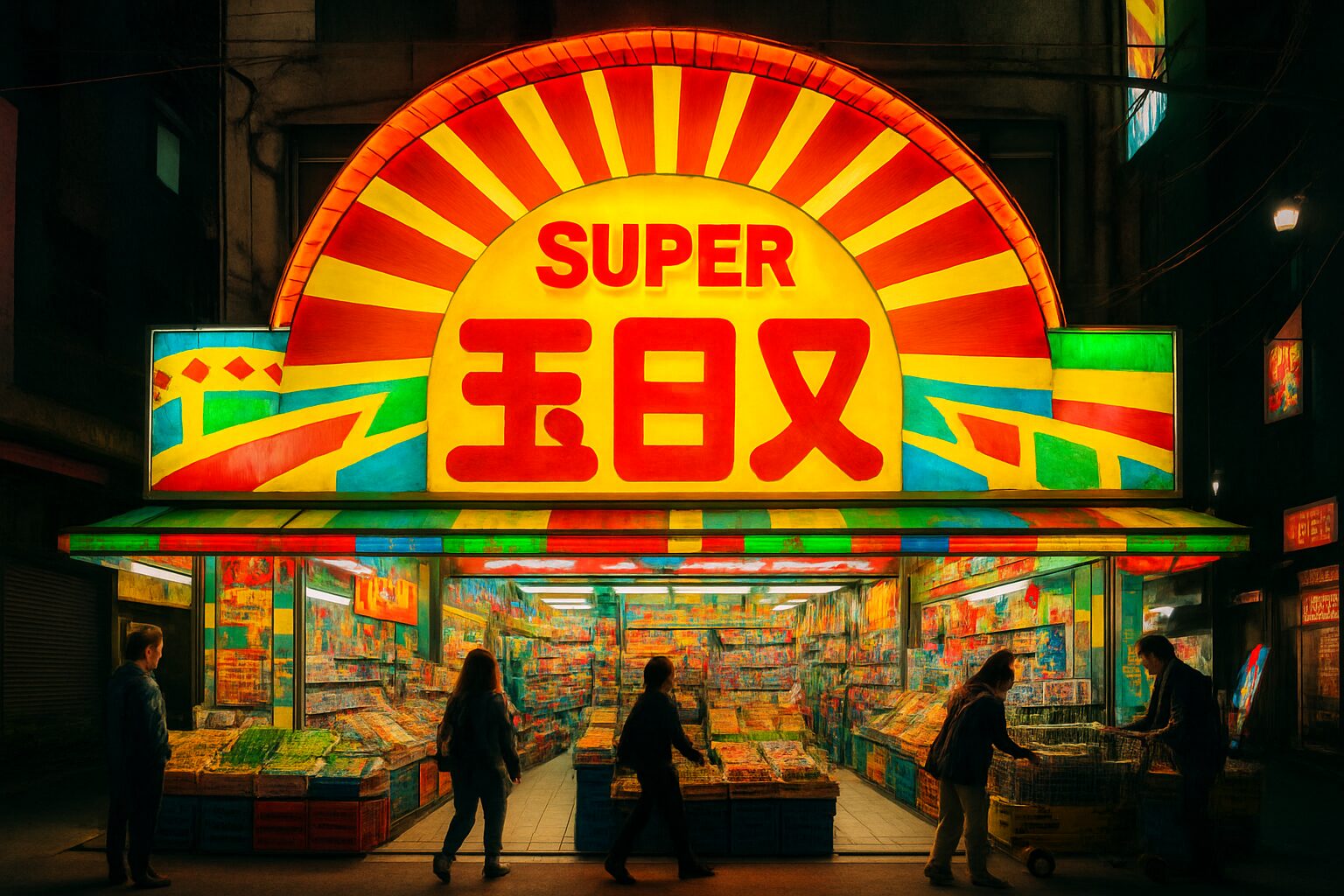
Welcome to the electric heart of Osaka’s culinary soul, a place that hums with a chaotic, vibrant energy all its own. This isn’t your serene, minimalist Japanese grocery store. This is Super Tamade, a blazing beacon of bargains that screams Osaka louder than a chorus of street vendors in Namba. For anyone living in this magnificent city, Tamade is more than just a place to buy groceries; it’s a rite of passage, a cultural touchstone, and your absolute best friend when your wallet is feeling a little light but your appetite remains fiercely Osakan. It’s a universe painted in the most audacious shades of yellow and red, where the air thrums with a relentless J-pop jingle and the promise of a one-yen sale can cause a polite but determined stampede. Here, the bento box isn’t just a meal; it’s a statement of survival, a testament to the city’s pragmatic genius for crafting deliciousness out of simplicity and affordability. Tamade is where you go to understand the real, unfiltered rhythm of daily life in Osaka, to witness the art of the deal perfected, and to walk out with a feast fit for a king, paid for with the change in your pocket. Forget the glossy food magazines for a moment; this is where the city truly eats.
To truly immerse yourself in the city’s unfiltered rhythm, you’ll want to understand the local dialect, so be sure to check out this ultimate guide to Osaka-ben.
The Electric Dreamscape: Deciphering the Tamade Vibe

Walking into a Super Tamade for the first time is an immersive sensory experience, a baptism by neon fire. The exterior alone is a spectacle, often decorated with a chaotic array of blinking lights, loud signs, and sometimes, inexplicably, a giant bowling pin or a surreal boat. It feels less like a supermarket and more like a pachinko parlor that decided to dabble in the grocery trade. This aesthetic is no accident; it’s a carefully designed sensory bombardment meant to snap you out of your daily routine and heighten your bargain-hunting alertness. The philosophy is pure Osaka: be loud, be proud, and never dull. Inside, the sensory onslaught continues. The lighting is relentlessly bright, almost clinical, making every package and price tag visible from afar. There are no soft, warm hues here, only the stark clarity of the deal. Over it all, a maddeningly catchy jingle loops endlessly, interrupted by announcements shouted over the PA about the day’s specials. It’s a symphony of commerce, a disorienting yet exhilarating atmosphere that strips away pretense and gets straight to business.
This intentional chaos sharply contrasts with typical Japanese retail, which often values tranquility, minimalism, and refined order. In a country that has mastered subtlety, Tamade stands out as a bold, unapologetic exception. Its design philosophy is rooted in Osaka’s boisterous merchant culture, a city built by traders who knew making a sale meant first grabbing attention. The cramped aisles, piled high with goods, create a treasure-hunt vibe. You don’t simply walk through Tamade; you navigate, strategize, and weave through crowds of determined grandmothers and savvy students, all on the same quest. There’s a tangible energy in the air, a shared understanding among shoppers that everyone is playing this grand daily game of thrift. It fosters a silent camaraderie. You might exchange a knowing nod with someone who just grabbed the last half-priced sushi platter, a quiet recognition of a shared win. This atmosphere is Tamade’s secret ingredient. It’s not just about saving money; it’s the thrill of the chase, the satisfaction of outsmarting the system, and the sense of belonging to a uniquely Osakan subculture.
A Symphony of Savings: The Philosophy Behind the Price Tag
The entire existence of Super Tamade is founded on a single, powerful idea: radical affordability. The founder, Kaku Yasutsugu, built his empire on a deep understanding of the Osakan mindset, which deeply respects value and has a sharp eye for a good deal. This isn’t merely about being cheap; it’s about offering a lifeline to the city’s large population of students, freelance workers, elderly residents on fixed incomes, and families stretching every last yen. To grasp how Tamade manages its famously low prices, one must examine its entire business model, a masterclass in frugal efficiency. They frequently buy goods in massive bulk, sometimes acquiring entire inventories from overstocked suppliers. They are known for purchasing produce that may be slightly irregular in shape or size but is perfectly fresh and delicious, saving it from being discarded and passing the savings on to customers. This approach aligns beautifully with the Japanese concept of mottainai, the deeply ingrained cultural regret about waste.
One of the most legendary aspects of the Tamade experience is the “1-Yen Sale.” These are not a myth. On certain days or during special promotions, the store offers a selection of items—perhaps a carton of eggs, a bag of onions, or a block of tofu—for a single yen, provided customers spend a minimum amount (usually around 1,000 yen) on other groceries. This is a brilliant piece of marketing theater. It generates buzz, attracts crowds, and creates a sense of excitement and urgency. While the savings on the promotional item might be only about a hundred yen, the event transforms a routine grocery trip into an experience. The true financial brilliance, however, is displayed every evening in the prepared foods section. This is where the art of the waribiki (discount) sticker is practiced with ritualistic precision, a fascinating spectacle to watch. As the day progresses, staff wielding sticker guns mark down bento, sushi, and sōzai in stages. It begins with modest discounts of 10% or 20%, then rises to 30%, 50%, and in the final hour before closing, sometimes even more. This dynamic pricing model minimizes food waste and gives shoppers an incredible chance to get a hearty meal at a bargain. The strategy has become so embedded in local life that a particular type of shopper—the “waribiki hunter”—emerges each evening, patiently waiting for prices to drop to their lowest.
The Bento Battlefield: Your Guide to Tamade’s Ready-Made Universe

For many locals, the true spirit of Super Tamade pulses in its extensive prepared foods section. This is the frontline of affordable dining, a vast and vibrant array of bento boxes, onigiri, sushi platters, and individual side dishes called sōzai. It’s a culinary democracy where just a few hundred yen can buy you a complete, satisfying, and surprisingly tasty meal. Mastering this section is an art, requiring a sharp eye and quick decision-making, especially during the evening discount rush.
The Classics: Bento Box Staples
The cornerstone of the Tamade meal empire is the classic bento. These lunch boxes are models of efficiency, packing a world of flavor and texture into a simple plastic container. Let’s examine some of the staples you’re likely to find. The Karaage Bento is a longtime favorite, featuring several pieces of Japanese-style fried chicken—golden-brown and juicy—set against a generous bed of steamed white rice. It’s often paired with a bright yellow slice of takuan (pickled daikon radish) for a sharp, crunchy contrast, sometimes accompanied by a small scoop of potato salad or a heap of kinpira gobo (braised burdock root and carrot). Another standout is the Sake (Salmon) Bento, showcasing a simple yet elegant grilled salted salmon piece, with skin perfectly crisped and flesh flaky and savory. It’s a taste of classic Japanese home cooking, offering a lighter but just as satisfying option. Then there’s the heavyweight contender, the Tonkatsu Bento, boasting a breaded and deep-fried pork cutlet, often pre-sliced for easy eating and served with a rich, sweet, and tangy tonkatsu sauce. These bentos, along with many variations like Chicken Nanban or Ginger Pork, embody Tamade’s core appeal: familiar, comforting flavors at prices that seem almost like a mistake.
The Sōzai Spectrum: Build Your Own Feast
Beyond the self-contained realm of bentos lies the vast, modular world of sōzai. These individual side dishes offer ultimate customization. This section is a lively patchwork of Japanese home cooking. You’ll find golden, crispy korokke (croquettes), filled with creamy potato or savory ground meat. There are skewers of yakitori, glazed with a sweet soy sauce. You’ll see mounds of tempura, ranging from shrimp and squid to sweet potato and shiitake mushrooms. There are also healthier, more traditional options. Look for small packs of hijiki seaweed simmered with carrots and soybeans, or kiriboshi daikon (dried shredded radish) stewed in a gentle dashi broth. You might come across goma-ae, green beans or spinach dressed in a sweet and nutty sesame sauce. The beauty of the sōzai section is its flexibility. You can buy a simple container of rice and then create a personalized, multi-course meal from these choices—perhaps a piece of fried fish, a small portion of stewed pumpkin, and a bit of seaweed salad. This approach is not only economical but also lets you sample a broad range of flavors in one meal. It’s how many singles and busy families in Japan assemble a varied and balanced dinner without having to prepare every element from scratch.
Sushi and Onigiri: Raw Deals and Rice Balls
No Japanese supermarket would be complete without sushi and onigiri, and Tamade offers both in abundance. The sushi section can be a source of great bargains and slight apprehension for newcomers. You’ll find everything from single nigiri packs to large platters for sharing. Is it the finest sushi in Osaka? Certainly not. But for the price, it’s often surprisingly good. The key is to buy it fresh the day it’s made and, if possible, to grab one of the half-price platters in the evening for a truly guilt-free sushi feast. It’s ideal for a casual night in when you want sushi without the restaurant tab. Onigiri (rice balls) are a safer and consistently excellent choice. They’re the ultimate portable snack or light meal. Tamade’s onigiri selection goes beyond the usual convenience store offerings of tuna-mayo and salmon. You might find rice balls mixed with seasoned vegetables, topped with fried chicken, or wrapped in a thin sheet of fried tofu (inarizushi). They’re incredibly cheap, often under 100 yen, making them perfect for a quick lunch or to hold you over until dinner. Grabbing two different onigiri and a small pack of sōzai is a classic Tamade power lunch that rarely costs more than a few coins.
Beyond the Bento Box: Navigating the Aisles of Wonder
Although the siren call of the ready-made meal section is strong, to truly savor the grandeur of Super Tamade, you must delve deeper into its maze-like aisles. There, you’ll find the raw ingredients for your own culinary creations, often priced so low they’ll make you question the economics of every other supermarket you’ve ever visited. Each section reveals a story about the local cuisine, the seasons, and Osaka’s relentless pursuit of value.
The Produce Section: A Treasure Trove of Beautiful Bargains
Tamade’s fruit and vegetable section bursts with color and proves that delicious produce doesn’t have to be perfectly symmetrical. You’ll find piles of seasonal goods: in spring, bamboo shoots and strawberries; in summer, shiny eggplants, cucumbers, and huge watermelons; autumn brings mushrooms, sweet potatoes, and persimmons; winter offers daikon radish, napa cabbage, and bright citrus fruits. Prices can be astonishingly low—a whole cabbage costs less than a canned coffee, a bunch of green onions just a few dozen yen. This is achieved by embracing imperfections. Carrots might be crooked, bell peppers slightly smaller than usual, but all are fresh and flavorful. This is the kind of produce real people use for everyday cooking. It’s an excellent spot to stock up on Japanese cooking essentials—ginger, garlic, daikon, leeks—and experiment with seasonal vegetables without worrying about spending too much. For foreign residents, it’s a godsend for making everything from stir-fries and soups to hearty hot pots (nabe) on a budget.
The Meat and Fish Counters: From Chicken Thighs to Fugu Fins
The butcher and fish counters at Tamade buzz with activity, filled with the sounds of cleavers and lively conversations. The meat section is a practical carnivore’s paradise. You’ll find large trays of chicken thighs, thinly sliced pork for ginger pork or shabu-shabu, and ground beef perfect for burgers or mapo tofu. The emphasis is on affordable protein for everyday meals. While you won’t find premium marbled wagyu, you will find everything needed to feed a family for a week without overspending. The fish counter is even more thrilling, reflecting Osaka’s identity as a port city. Depending on the catch, you’ll see whole horse mackerel (aji), gleaming sardines (iwashi), and fillets of salmon and cod. For the adventurous, Tamade is famously one of the few supermarkets regularly selling fugu, the notorious pufferfish, offered pre-prepared and licensed, ensuring it’s perfectly safe. Buying a fugu sashimi platter from Tamade in winter is a distinctly Osakan experience, a luxury at a working-class price. This section is also ideal for fresh squid or octopus for takoyaki, or pre-marinated fish ready to grill for a quick dinner.
The Dry Goods Labyrinth: A Treasure Hunt for Pantry Essentials
Exploring the central aisles of Tamade is like wandering through a vast library of flavors. Shelves tower with an almost overwhelming variety of sauces, spices, snacks, and instant noodles—the place to stock your pantry. You’ll find every type of soy sauce, mirin, sake, and dashi, often in large, economical bottles. The instant noodle selection is a world unto itself, featuring not only major brands but also obscure local varieties. The snack aisle is a wonderland of Japanese junk food—rice crackers (senbei), chocolate-covered biscuits, and potato chips in unusual flavors like plum or wasabi beef. It’s also surprisingly good for finding international ingredients at great prices. Hidden on lower shelves, you might spot a bargain on coconut milk, Korean gochujang, or Chinese oyster sauce. And of course, there’s rice—huge sacks from various regions of Japan, at prices much lower than boutique stores. This section rewards patient explorers: take your time, scan the shelves, and you’re sure to uncover a new favorite sauce or snack, all while saving significantly on your monthly grocery bill.
The Tamade Time Machine: When to Go for Peak Performance

Visiting Super Tamade is not just about what you purchase, but when you make your purchase. The store follows a distinct rhythm, a daily ebb and flow that shapes the shopping experience and determines the availability of the best deals. Timing your visit wisely can turn a routine grocery trip into a clever exercise in economic efficiency. Grasping this schedule is essential to fully unlocking the supermarket’s potential.
Morning and Midday: The Calm Before the Storm
If you prefer a quieter shopping experience, the morning hours are ideal. The store has just opened, shelves are fully stocked, and the aisles remain relatively clear. This is the perfect time to do a major shop for your weekly essentials. The produce is at its freshest, and the bento and sōzai sections are filled with the day’s first offerings. While discounts aren’t available at this time, you’ll enjoy a wide selection and the freedom to browse at your leisure. The midday hours, from late morning to early afternoon, maintain this calm atmosphere. It’s a good moment for a quick trip to pick up a bento for lunch or grab a few forgotten items. The crowds remain manageable, and although the earliest shoppers may have taken some popular products, there’s still plenty to choose from.
The Golden Hour: The Evening Discount Frenzy
Everything changes as the afternoon progresses. As dusk falls over Osaka, a new energy builds inside Tamade. This signals the start of the evening discount frenzy. It begins quietly, usually a few hours before closing. A staff member appears, armed with a pricing gun and rolls of red and yellow stickers. This serves as a signal. An unspoken alert ripples through the store. Shoppers who were previously browsing casually become more focused, moving with purpose. They follow the staff member at a respectful distance, keeping the bento and sushi sections in their sightline. The first round of stickers offers a modest 20% off. This is for the cautious, those wanting to secure dinner before the best items disappear. But seasoned shoppers know this is just the opening act. About an hour later, the staff return, this time with stickers indicating 30% off or, more enticingly, 半額 (hangaku)—half price. This is when the real excitement begins. The polite early-evening pace gives way to a swift, decisive rush. People converge on the shelves, grabbing their chosen meals. The atmosphere isn’t aggressive, but the pace is fast. Hesitate, and your preferred tonkatsu bento will be gone. This golden hour at Tamade is a thrilling meeting point of supply, demand, and the relentless passage of time. For those mindful of their budget, it’s the most important time of day—a chance to dine like royalty at a pauper’s price.
An Osakan Institution: Tamade in the Local Culture
Super Tamade is more than just a chain of low-cost supermarkets; it’s a cultural phenomenon deeply woven into Osaka’s identity. It captures the city’s famed kuidaore (“eat ’til you drop”) spirit, but adapts it for the everyday individual. While tourists flock to Dotonbori for takoyaki and okonomiyaki, countless Osakans head to Tamade for their daily meals. It powers the city’s appetite, fueling students as they study, workers as they labor, and families as they dine. The supermarket’s bold, no-frills style perfectly reflects Osaka’s character—a city that values substance over appearance, practicality over pretense, and a good laugh over solemnity.
In many respects, Tamade plays a role similar to traditional shotengai (shopping streets) or the well-known Kuromon Market, but updated for the pace and economic demands of modern life. It’s a community hub where neighbors meet and daily life unfolds. You’ll spot elderly couples carefully choosing daikon radishes, students pooling money for a shared hot pot, and parents soothing their kids in the snack aisle. The supermarket holds particular importance in older, working-class neighborhoods like Nishinari, where it serves as a vital resource. It offers affordable, fresh food in places that might otherwise lack access—a statement of social value that recognizes everyone deserves to eat well, no matter their income.
Comparing Tamade to its rivals highlights its distinct niche. Supermarkets like LIFE or Hankyu Oasis cater to a more middle-class crowd, boasting polished floors, spacious aisles, and carefully curated gourmet selections. Gyomu Super, another discount chain, targets businesses and large families with bulk, frozen, and industrial-sized items. Tamade occupies a sweet middle ground. It’s designed for individuals and small households who need a meal for tonight. Its garish yellow plastic bags frequently appear on the city’s trains and streets, a subtle badge of honor among insiders and a symbol of the savvy shopper who has triumphed in the day’s bargain hunt. For those of us who call Osaka home, mastering Tamade feels like earning a local’s card. It means you’ve looked past the polished exterior of Japan and discovered the vibrant, chaotic, and deeply human heart beneath.
Your first visits may feel overwhelming. Embrace the chaos. Let the jingling sounds surround you. Don’t hesitate to try something new, especially when it’s half off. If possible, chat with the staff; they’re often friendly and helpful despite the hectic atmosphere. More than just a store, Super Tamade is an experience: loud, bright, and a delicious slice of authentic Osaka life. It reminds us that a good meal doesn’t need to be costly, and sometimes the greatest treasures lie beneath the glow of neon, wrapped in plastic, and marked down by fifty percent. Go forth, explore, and eat well—that, after all, is the Osakan way.