
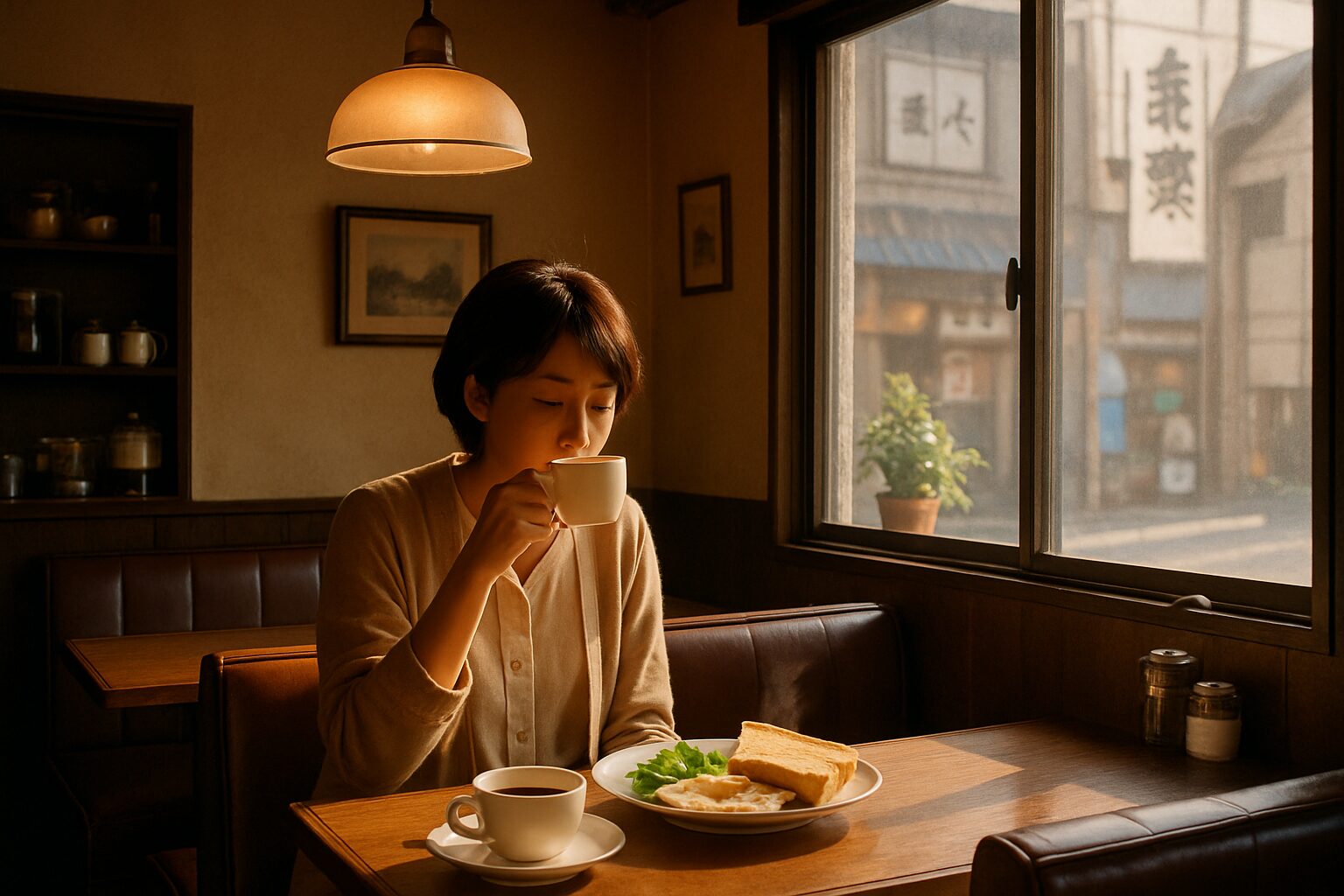
There’s a certain kind of magic that settles over Osaka in the early hours. It’s a quiet hum that precedes the city’s famously vibrant roar. Before the neon of Dotonbori fully awakens and the rush of commuters floods the subway stations, there’s a moment of calm, a collective breath. And in that quiet space, thousands of Osakans begin their day not at home, but in the warm, coffee-scented embrace of their neighborhood kissaten. For a visitor or a new resident, it’s easy to miss this subtle, yet essential, thread in the city’s fabric. You might grab a convenient rice ball from a konbini or a pastry from a modern bakery chain, and you wouldn’t be wrong. But you’d be missing out on a ritual that is as fundamental to understanding Osaka as takoyaki or the Hanshin Tigers. I’m talking about the institution of the ‘Morning Set,’ or as it’s more affectionately known, ‘Morning Service’ (mōningu sābisu). This isn’t just breakfast; it’s a cultural phenomenon, an economic statement, and a warm, daily handshake between a shop and its community. It’s the simple, beautiful act of starting your day with a cup of meticulously brewed coffee, a slice of impossibly thick toast, and a perfectly boiled egg, all for a price that feels like a delightful secret. This is the story of how to start your day like a true Osakan, by stepping through the doors of a time capsule and embracing the profound comfort of the kissaten morning.
While this morning ritual offers a timeless glimpse into Osaka’s soul, the city is also actively shaping its future, as seen in recent developments like the court’s approval for nuclear power operations in Kansai.
The Soul of the Kissaten: An Atmosphere Frozen in Time
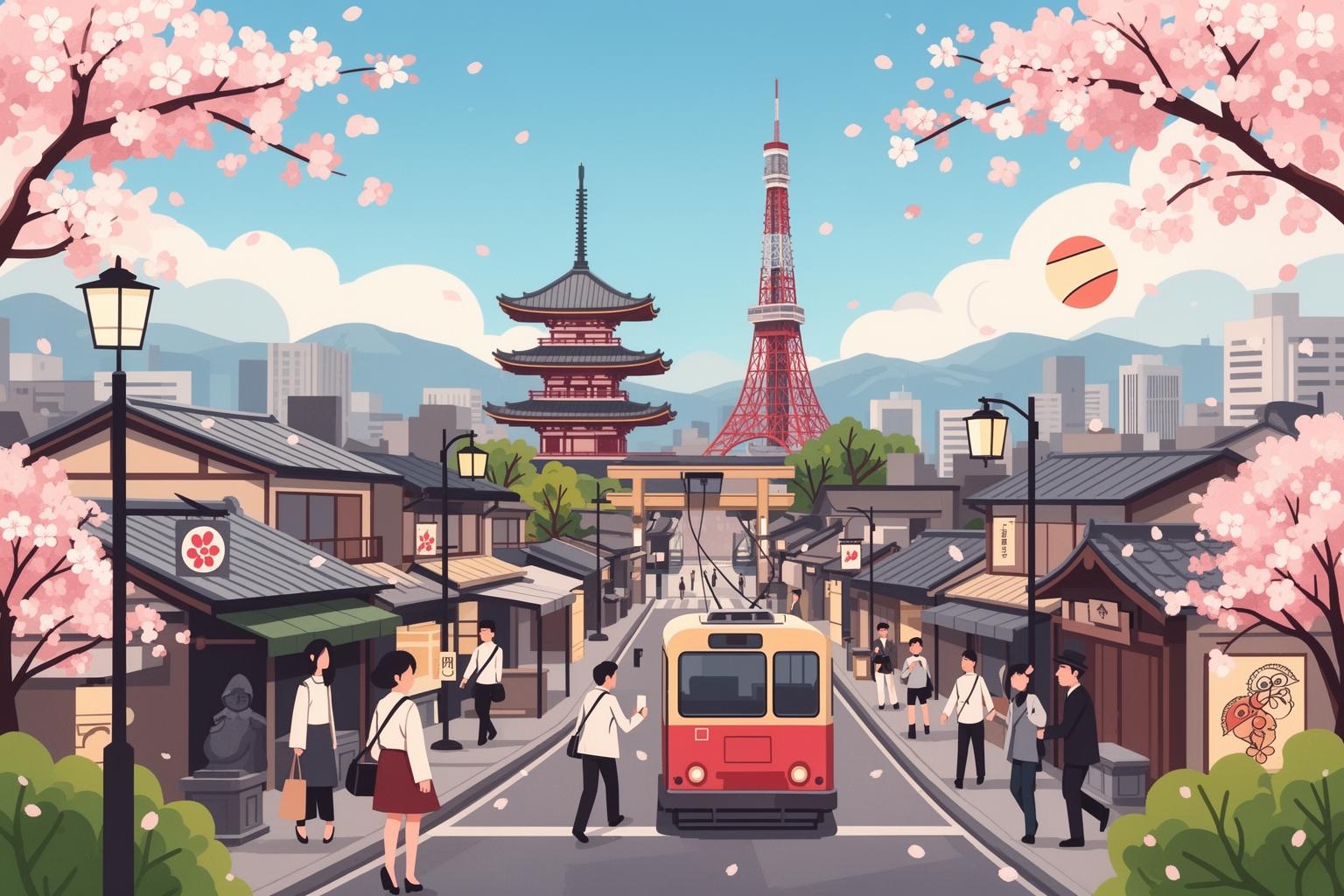
Before we even discuss the food, you need to appreciate the vessel that holds this ritual. A kissaten (喫茶店) is not a café in the modern Western sense. There are no minimalist white walls, no hastily scribbled chalkboard menus offering oat milk, no baristas with carefully curated indie pop playlists. To enter a classic kissaten is to step into another era, often the Showa Period (1926–1989), a time of post-war economic growth and the rise of coffee culture in Japan. The atmosphere feels different—thicker, infused with the aromas of decades of dark-roast coffee, a faint, sweet hint of toasted bread, and, in many traditional shops, the nostalgic scent of tobacco smoke lingering in the air. This is an important note for newcomers: many of these cherished places remain sanctuaries for smokers, a holdover from a bygone age. While Japan’s smoking laws have tightened substantially, private establishments like these typically have their own policies. It’s always a good idea to check for a non-smoking section (kin’en seki) or to accept it as part of the authentic, unfiltered experience. The décor is a rich blend of textures and tones that evoke comfort and permanence. Imagine walls clad in dark, polished wood, floors tiled intricately or softened with patterned, plush carpet. Seating is rarely just chairs; it invites you to sink into deep, button-tufted velvet or worn vinyl booths, the kind that encourage lingering. Lighting is consistently low and warm, cast from ornate, sometimes slightly dusty chandeliers or Tiffany-style lamps that spill golden pools of light on the tables. It’s a setting made for quiet reflection, hushed conversations, and the solitary rustle of a newspaper. The soundtrack here isn’t the frantic hiss of an espresso machine but the gentle gurgle of a siphon brewer, the soft clink of porcelain cups on saucers, and mellow jazz or classical music playing from an old stereo. At the center of it all is the ‘Master,’ the owner and proprietor, who moves with quiet, practiced grace behind a long wooden counter. They are not just a barista but a guardian of the space, a figure of quiet dignity who knows the regulars by name and remembers their orders by heart. Watching the Master prepare coffee, perhaps with a dramatic siphon resembling a science experiment, is a kind of theatre in itself. This atmosphere embodies the essence of the kissaten. It’s a refuge from the frantic pace of modern life, a steady anchor in a city that’s always changing. It’s a place where time slows, where you can read a book, collect your thoughts, and simply be. This deep sense of place is what transforms the Morning Set from a simple meal into a treasured experience.
The Anatomy of a Classic Morning Set: A Trinity of Comfort
So, what exactly arrives at your table when you order a ‘Morning Set’? While variations exist, the classic, pure version is a sacred trio of simple, satisfying components. It embodies the Japanese philosophy of discovering beauty and depth in simplicity. Often, the price is the most surprising aspect. In many places, the entire set—coffee, toast, and egg—costs little more than coffee alone. This is the ‘service’ aspect of the ‘Morning Service.’ It’s a gesture of gratitude from the shop owner, a way to build loyalty and ensure a steady flow of customers during the quieter morning hours. It reflects the Osakan appreciation for a good deal, valuing more than just the monetary. It’s not about being cheap; it’s about being clever, and this breakfast is one of the smartest, most soul-satisfying bargains in town.
The Coffee: A Dark, Rich Base
The coffee served here is worlds apart from the bright, acidic, fruity notes of third-wave coffee. Kissaten coffee typically features a deep, dark roast, brewed to be strong, bold, and low in acidity. The beans might come from Brazil or Colombia, but the roasting and brewing styles are distinctly Japanese. The most visually impressive technique is the siphon, where steam pressure pushes hot water from a lower glass bulb to an upper one to steep the grounds, before a vacuum draws the brewed coffee back down through a filter. It’s a process that combines performance with flavor, yielding a cup that is incredibly clean, smooth, and aromatic. Another popular method is the Nel Drip, which uses a flannel cloth filter said to produce a richer, fuller-bodied brew. Whichever method is chosen, the result is coffee with a bold, straightforward character. It’s served in a thick, often beautifully ornate porcelain cup that retains heat, accompanied by a small pitcher of cream and a bowl of sugar cubes. This coffee is designed to awaken you, cutting through the morning haze with its rich, comforting bitterness. It forms the solid, dependable base on which the rest of the meal is built.
The Toast: A Fluffy, Golden Cloud
Japanese toast is a revelation. Forget the thin, flimsy slices you might know. The star here is shokupan, Japanese milk bread. Baked in a lidded pan, it has a perfectly square shape and an exceptionally fine, soft, moist crumb. For a Morning Set, this shokupan is sliced thickly, often an inch or more. It’s toasted precisely to achieve the perfect balance: a lightly crisp, golden-brown crust giving way to an interior as soft and fluffy as a cloud. This textural masterpiece is almost always served with a generous pat of butter that melts into its warm folds. Sometimes, a small dish of jam—usually strawberry or a lively, tangy orange marmalade—is included. In its simplest form, it’s among the most comforting foods imaginable. The contrast of the crisp crust and pillowy inside, the simple interplay of salty butter and sweet bread—it’s a carb-lover’s dream and the ideal gentle start to the day. Some places elevate their toast further with options like cheese toast, cinnamon sugar toast, or Ogura toast (a Nagoya specialty, but popular everywhere), topped with sweet red bean paste called anko. Yet the classic buttered toast remains unbeaten, a tribute to the power of simplicity done exceptionally well.
The Egg: A Humble Sphere of Perfection
The final element of this classic trio is the humble egg, or yude tamago. Typically, it’s a warm, hard-boiled egg served in a small dish. You peel it yourself—a small, satisfying ritual. You tap it gently on the table, crack the shell, and reveal the smooth, white sphere inside. Sometimes a small salt shaker is provided for seasoning. It’s simple, it’s protein, it’s perfect. The egg offers a savory counterpoint to the toast and a hearty bit of sustenance to carry you through the morning. At some kissaten, the egg may be soft-boiled, inviting you to dip toast soldiers into its golden yolk. Others might serve a small, perfectly seasoned fried egg or a tiny portion of fluffy scrambled eggs. Regardless of preparation, the egg’s role is essential. It completes the meal, turning it from just coffee and toast into a balanced, deeply satisfying breakfast. It’s the final, quiet note in a harmonious morning composition.
A Cultural Ritual: Why the Morning Set Resonates in Osaka
The Morning Set is much more than just the sum of its parts. It stands as a deeply rooted cultural institution, and its popularity—especially in a city like Osaka—reveals much about the local character. Although the tradition is said to have originated in the neighboring Aichi Prefecture (home to Nagoya), Osaka embraced and refined it with its trademark pragmatism and flair. This concept flourished during Japan’s rapid economic growth in the mid-20th century. As more people joined the workforce and coffee became a trendy modern drink, kissaten evolved into essential ‘third places’—spots outside home and work where people could gather, relax, and conduct business. The Morning Service was a clever business move. By offering a hearty breakfast for the price of a coffee, shop owners attracted customers during otherwise slow morning hours, building a loyal clientele who often returned for lunch or afternoon coffee. This idea fit perfectly with the Osakan mindset, which highly values practicality, good sense, and what is locally known as ‘cost performance.’ Osakans love a good bargain, and the Morning Set is arguably one of the best deals nationwide. It’s an affordable indulgence, a way to treat yourself without overspending. Yet, its cultural importance goes beyond economics. The kissaten morning routine offers a sense of structure and community. For elderly regulars, it’s a vital social hub—a place to meet friends, read the newspaper, and fight loneliness. For local salarymen, it’s a quiet moment to mentally prepare for a busy workday. For students, it’s an economical spot to fuel up before classes. It’s a microcosm of the neighborhood, where diverse lives intersect over the simple, shared act of breaking bread. In a large and sometimes impersonal city like Osaka, the local kissaten and its Morning Set provide a grounding sense of belonging. It’s a familiar space with familiar faces, a predictable and comforting start to an unpredictable day. This daily ritual is both a quiet act of self-care and community connection, strengthening the neighborhood’s social fabric one cup of coffee at a time.
How to Find Your Perfect Kissaten Morning: A Guide for Newcomers
Embarking on your own Morning Set adventure is one of the most rewarding experiences you can enjoy while living in Osaka. It offers you a chance to see a side of the city that many tourists often overlook. Here’s how to approach your first experience with confidence. The first step is learning how to identify a kissaten. Forget sleek, modern storefronts—you’re searching for signs of history and character. Look for faded awnings, intricate, sometimes katakana-heavy signage (喫茶店 is the kanji for kissaten), and the iconic plastic food models displayed in a glass case by the entrance. These models, or shokuhin sampuru, are invaluable for non-Japanese speakers, as they clearly show what the Morning Set includes. The best kissaten are often found not on main streets but tucked away down side alleys, in basements of old office buildings, or hidden deep within the sprawling covered shopping arcades called shotengai. Strolling through an arcade like Tenjinbashisuji in the morning feels like a treasure hunt for the perfect kissaten. Once you’ve picked your spot, take a deep breath and step inside. The process is straightforward. A staff member may greet you and direct you to a seat, or you can simply choose an open table. Don’t be surprised if you’re promptly served a glass of ice water (omizu) and a warm, damp towel (oshibori)—a traditional gesture of Japanese hospitality. The menu might be entirely in Japanese, but don’t worry. Look for the key word: モーニング (Mōningu). Often, there will be various sets, labeled with letters like ‘A Set,’ ‘B Set,’ ‘C Set.’ The ‘A Set’ typically includes the classic toast, egg, and coffee. Other sets may come with extras like a small salad, a piece of ham, or yogurt. When you’re ready to order, simply catch the staff’s attention and say, “Sumimasen” (Excuse me). Then, pointing to the menu or the plastic model, say, “Mōningu setto, kudasai” (Morning set, please). They might ask whether you want your coffee hot (hotto) or iced (aisu). When your lovely breakfast arrives, take your time. This isn’t a place to rush. Enjoy the coffee, savor the toast, read your book, and watch the world pass by. When it’s time to leave, you’ll usually find the cash register near the entrance. Just take your bill (often left on your table) to the front and pay. It’s a smooth, simple, and warmly welcoming process. Keep in mind that timing is important. The Morning Service is a limited-time offer, generally available from the shop’s opening (around 7 or 8 AM) until about 11 AM. Arriving later means you’ll miss your chance. Discovering your favorite kissaten is an ongoing adventure. Don’t hesitate to explore different places. Each one has its own character, a slightly different twist on the classic set, and its own community of regulars. It’s a delightful and heartwarming journey.
Exploring Osaka’s Kissaten Scene: Neighborhood Spotlights
Osaka is a city of distinct neighborhoods, each offering a unique take on the kissaten experience. Searching for a Morning Set is a wonderful way to discover the city’s varied character.
Namba and Shinsaibashi: Grand Dames and Showa Elegance
In the lively core of the city, amidst theaters, department stores, and bustling crowds, you’ll find some of Osaka’s most historic and theatrical kissaten. These are often grand, multi-story venues that have welcomed customers for generations. A prime example is the legendary Marufuku Coffee Shop (丸福珈琲店), whose Sennichimae main branch stands as a true institution. Stepping inside is like entering a grand, dimly lit salon from a past era, with dark wood, stained glass, and the rich, almost intoxicating aroma of their famously strong proprietary coffee blend. Their Morning Set is classic, but the real highlight is the ambiance. It’s a place to see and be seen, a living piece of history right in the heart of Osaka’s entertainment district. Another notable spot, American Coffee, despite its name, is a quintessentially Japanese kissaten in Shinsaibashi, cherished for its retro charm and dependable Morning Set. Exploring kissaten in this area feels like discovering pockets of serene nostalgia amid modern chaos.
Umeda and Kita: The Salaryman’s Elegant Escape
Around the commercial center of Umeda and Osaka Station, the kissaten culture adopts a slightly more polished, businesslike atmosphere. Many are tucked away in the maze-like underground malls or the lower floors of towering office buildings. These are the morning retreats for the city’s salarymen and office ladies. The pace is quicker, but the dedication to quality remains strong. Here you’ll find places like Yamamoto Coffee, where the emphasis is on outstanding beans and brewing methods. The mood is less about lingering and more about a high-quality, efficient, and invigorating start to the workday. Seeking out a Morning Set in Umeda offers a wonderful glimpse into the daily routines of Osaka’s white-collar workforce before you dive into the area’s impressive shopping and dining options yourself.
Tenjinbashisuji Shotengai: A Neighborhood Gem
For what I consider the most authentic and unpretentious kissaten experience, head to Tenjinbashisuji Shotengai, Japan’s longest covered shopping arcade. This 2.6-kilometer street is a vibrant artery of local Osaka life. Nestled between fruit stands, kimono shops, and pharmacies, you’ll discover dozens of small, family-owned kissaten, many boasting decades of history. Prices here are often remarkably affordable, and the atmosphere is pure neighborhood warmth. You might find yourself sitting next to grandmothers chatting, shop owners taking a brief respite, and families beginning their day. Discovering a kissaten here feels like being let in on a local secret. There’s no standout famous name to highlight, and that’s part of the charm. The best approach is simply to stroll the arcade, glance through windows, and choose the spot that calls to you. It could be a tiny shop with only a counter and a few tables, run by an elderly couple perfecting the same toast recipe for fifty years. Here, the Morning Set feels less like a business transaction and more like a friendly invitation into someone’s home.
Shinsekai and Tennoji: Rich in Nostalgia and Authenticity
In the delightfully gritty and nostalgic neighborhood of Shinsekai, beneath the iconic Tsutenkaku Tower, the kissaten are unmatched time capsules. This area is steeped in Showa-era history, and its coffee shops reflect that heritage beautifully. They tend to be humble, well-worn, and full of personality. Here, you can enjoy a classic Morning Set while sitting in a booth that has witnessed it all, soaking in the local conversations of one of Osaka’s most distinctive communities. The experience is raw and deeply atmospheric. It’s the ideal way to recharge before exploring the retro charms of Shinsekai or the peaceful beauty of nearby Shitennoji Temple and Tennoji Park. The kissaten here don’t try to be retro; they simply are. And within that genuine character lies their true allure.
My Favorite Morning Moment
I recall a particular morning in early spring when a soft, steady rain fell over the city, turning the asphalt streets into glistening ribbons of grey. I wandered through the quiet residential backstreets of Nakazakicho, a neighborhood known for its bohemian charm and beautifully preserved old wooden houses. The usual city buzz felt muffled and distant. I slipped into a tiny kissaten I had never noticed before. Its sign was wooden and worn, with windows slightly fogged from the warmth inside. The moment I opened the door, a small bell tinkled, and I was greeted by the incredible aroma of coffee and the sound of a crackling vinyl record playing a gentle piano sonata. There were only five or six tables, and an elderly woman with a kind smile welcomed me from behind the counter. I ordered the Morning Set. It arrived on a beautiful, mismatched porcelain plate. The toast was thick and golden, the butter melting perfectly into it. The coffee was served in a delicate, hand-painted cup, and the boiled egg was still warm in its little dish. Sitting by the window, I watched the rain trace patterns on the glass, feeling a profound and complete sense of peace. It was just me, the soft music, the comforting food, and the rhythm of the rain. In that moment, I wasn’t an influencer or a tourist; I felt part of the neighborhood’s quiet, steady heartbeat. That simple, inexpensive breakfast was one of the most luxurious experiences I’ve had in Japan, reminding me that the most beautiful moments are often the simplest—a warm cup of coffee, a perfect slice of toast, and a safe, quiet refuge from the rain.
Embrace the Slow Start
In a world that constantly urges us to move faster, optimize our mornings, and boost productivity, the Osaka Morning Set serves as a quiet act of rebellion. It invites us to slow down, savor the moment, and connect. It’s more than just enjoying an affordable, delicious breakfast—it’s about engaging in a daily ritual that unites the city. It offers a moment of stillness before the vibrant chaos of Osaka life sweeps you away. It’s also a chance to support small, local businesses that form the heart and soul of their communities, preserving a culture gradually fading amid modernity. So, whether you’re new to Osaka or have lived here a while, I encourage you to step away from the convenience store. Wander down a side street, push open a heavy wooden door, and settle into a velvet booth. Order the Morning Set. Inhale the rich aroma of dark coffee. Listen to the soft jazz. Watch the neighborhood come to life. In doing so, you’ll realize the best way to begin your day in Osaka is not in a rush, but through a ritual. You’ll discover the true value in this humble offering and gain a deeper, more meaningful understanding of the city and its wonderful people.








