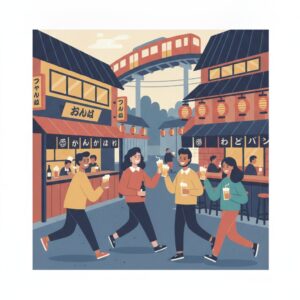
Step off the humming train at JR Tenma Station, and you don’t just arrive at a place; you plunge into an atmosphere. The air itself feels different here, thick with the savory promise of grilling meats, the faint, sweet scent of sake, and the low, rumbling symphony of a city at play. This isn’t the electric, neon-drenched spectacle of Dotonbori. This is something deeper, more granular, more real. Tenma is Osaka’s living room, a sprawling, chaotic, and utterly charming labyrinth of tiny bars and eateries where the true spirit of the city’s “kuidaore” (eat till you drop) culture thrives. It’s a world away from polished tourist traps, a place where salarymen loosen their ties, friends roar with laughter over shared plates, and the stories of the city are told not in guidebooks, but in the warm, welcoming spaces of its legendary izakayas. But to truly understand Tenma, you need to learn its secret language. It’s a language spoken not just in words, but in gestures, in the clatter of glasses, and most importantly, in the unique dialogue you share with the figures at the heart of it all: the ‘Okan’ and the ‘Taisho,’ the mistresses and masters of these beloved local haunts.
To fully immerse yourself in Osaka’s nightlife, consider exploring the exclusive allure of Kitashinchi.
The Soul of Tenma: More Than Just Food and Drink

Strolling through the narrow alleyways of Tenma after 5 PM means being immersed in a wave of pure, unfiltered human energy. You’ll pass by curtains, called noren, each proudly displaying the emblem of the establishment inside. Peering through a gap, you witness a scene repeated countless times: a small counter with perhaps ten seats at most, packed shoulder-to-shoulder. The air is thick with the tempting aroma of smoke from a charcoal grill. The sounds create a rich tapestry—the sizzle of kushikatsu frying in hot oil, the sharp thwack of a knife on a well-worn cutting board, and the lively chorus of conversations spoken in the distinctive, melodic Kansai-ben dialect. This flood of sensations is intoxicating, but it’s only the backdrop. The heart of these places, and the reason they’ve thrived for decades, is the connection. In an era of impersonal service and digital menus, the Tenma izakaya remains a stronghold of genuine human interaction. Here, the servers are more than just employees; they embody the very spirit of the establishment. And to truly grasp that spirit, you must first meet its two main guardians.
Meet the Masters: Understanding ‘Taisho’ and ‘Okan’
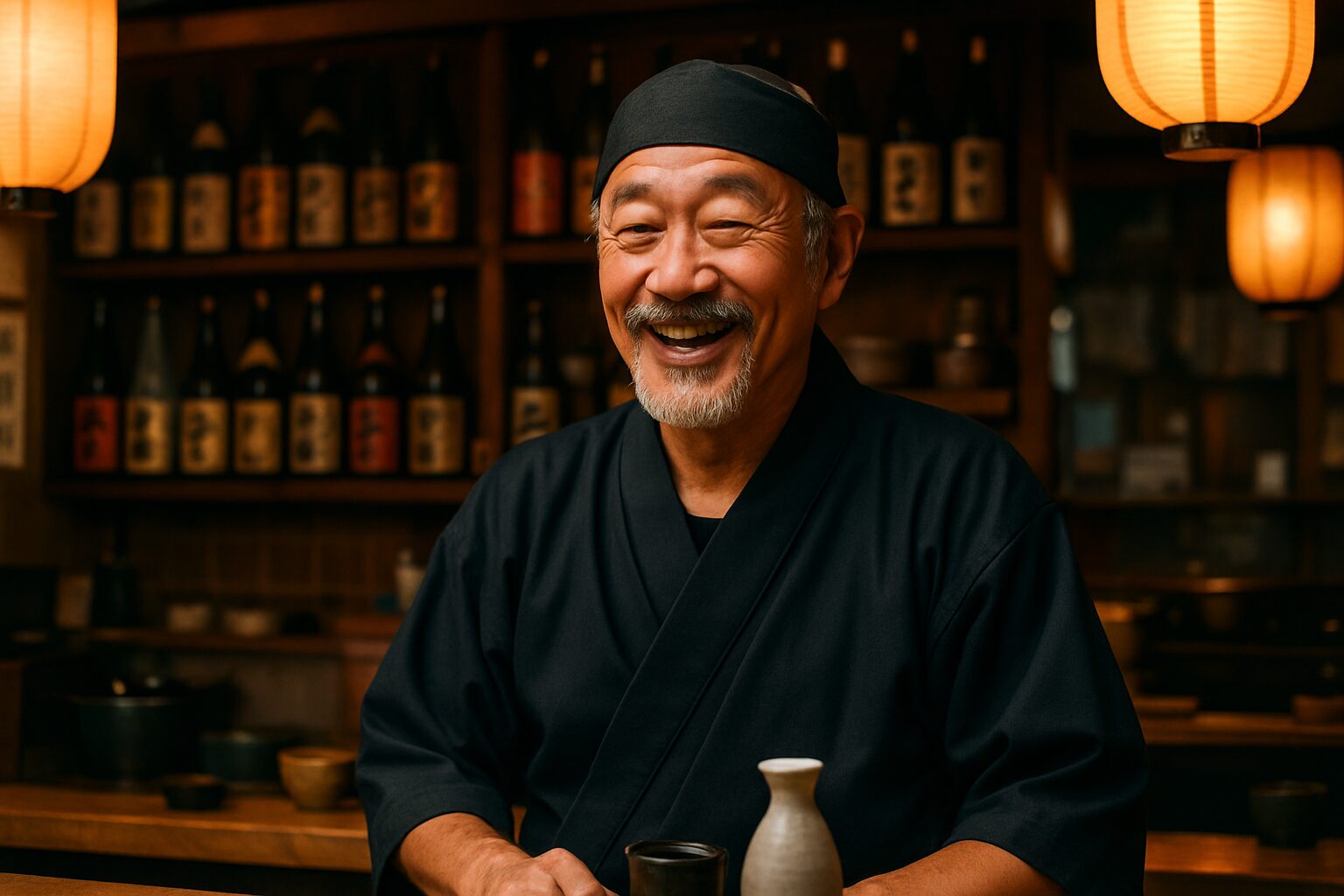
Within the small universe of a local izakaya, two figures usually dominate the space, each playing a unique and essential role. They are known as the ‘Taisho’ (the master) and the ‘Okan’ (the mistress). These titles go beyond simple job descriptions; they are expressions of respect and affection, recognizing their status as owners and the soul of the cozy retreat they’ve built. They serve as the sun and moon around which the tiny world of their bar revolves, and understanding their rhythms is the key to unlocking a truly memorable experience.
The ‘Taisho’: The Steadfast Captain of the Ship
The ‘Taisho’ is often, though not always, the man behind the counter, the culinary cornerstone of the establishment. He might be the one expertly skewering chicken for yakitori, his hands moving with a practiced economy of motion that reveals decades of mastery. He could be the one tending a simmering pot of doteyaki (slow-cooked beef sinew), sampling the broth with a discerning palate. The Taisho is usually a man of few words, wholly absorbed in his craft. His communication is most often expressed through his cooking. He may not welcome you with a loud greeting, but he will quietly present a perfectly grilled fish with a pride that speaks louder than words.
To a newcomer, this quiet demeanor can sometimes be mistaken for gruffness or disinterest. It is far from that. It is the focused, meditative attention of a craftsman. He listens to the sizzle of the oil, watches carefully for the exact moment a scallop is done, ensuring every dish leaving his station meets the high standard he has set. The best way to connect with the Taisho is not through casual talk but through genuine appreciation of his work. A simple, heartfelt “Oishii!” (Delicious!) or the more robust, masculine “Umai!” after your first bite will often earn a subtle nod or a rare, small smile. That is the essence of a meaningful exchange. Ask about the food, not about his day. Point to an ingredient and inquire what it is—this shows respect for his expertise. He is the guardian of flavor, the silent captain steering his ship through the bustling night, and winning his approval through sincere appreciation of his craft is a quiet triumph for any guest.
The ‘Okan’: The Warm Heart of the Home
If the Taisho is the anchor, the ‘Okan’ is the breeze filling the sails. The word ‘Okan’ literally means ‘mother,’ perfectly capturing her role. She is the social center, the orchestrator of the entire customer experience. She is the one who welcomes you with a warm, understanding smile as you peek through the noren, quickly assessing whether there is a spot for you. She manages the drinks, remembers the regulars’ favorite shochu, and takes your food orders, often without jotting anything down, committing everything to an impressive mental ledger. The Okan conducts the izakaya’s symphony, ensuring the evening’s rhythm flows effortlessly.
Her chatter is the lifeblood of the bar. She banters with the regulars, inquires about their work, playfully warns a customer drinking too fast, and makes newcomers feel noticed and welcomed. She is a master multitasker, seamlessly moving between pouring sake, tallying bills, and sharing a laugh, all the while keeping a watchful eye over her small kingdom. Your main point of contact will almost always be the Okan. Engage with her. A warm “Konnichiwa” upon entering sets a friendly tone. When the handwritten, cryptic menu leaves you unsure what to order, don’t hesitate—catch her eye and ask the magic question: “Osusume wa?” (What do you recommend?). This is an invitation, a show of trust that allows her to guide you. Her face will brighten as she points out the freshest catch or the stew the Taisho has been slowly perfecting for hours. She is the gatekeeper, the welcoming committee, and the heart of the izakaya. Making a connection with the Okan is like being embraced by a family, even if just for one evening.
Cracking the Code: The Unspoken Language of the Izakaya

The lively atmosphere of a Tenma izakaya can feel overwhelming. Conversations move quickly, the spaces are cramped, and the rules often seem unspoken. But rather than viewing it as a challenge, think of it as a dance. Once you learn a few fundamental steps, you can flow with the rhythm of the place and become part of the performance yourself. Mastering this dance involves observation, confidence, and a handful of key phrases.
The Art of the Entrance
Your journey starts before you even take a seat. Most Tenma izakayas are small, and from outside, it may be hard to tell if there’s room inside. The proper way to enter is to slide the door open just a crack, peek in, and make eye contact with the Okan or Taisho. A simple smile and holding up fingers to show the number of people in your party is a universal sign. If the place is full, they might cross their arms in an ‘X’ or say, “Gomen nasai, manseki desu” (Sorry, we’re full). The correct response is a polite nod, a smile, and a quiet retreat—no fuss, no drama. Then, move on to the next inviting noren curtain down the alley. If there is space, you’ll be welcomed in with a gesture. As you navigate the tight quarters to your seat, a quiet “Sumimasen” (Excuse me) to patrons you’re passing is always appreciated.
Ordering Like a Regular (Even When You’re Not)
Once you’ve settled, the clock starts ticking—but don’t worry. The first move in any izakaya is almost always the same: order a drink. Here, the phrase “Toriaezu, biru” (For now, beer) is your best friend. It acts as a conversational icebreaker, signaling that you’re settling in and buying yourself some time to survey your surroundings and consult the menu, which often consists of wooden plaques or handwritten strips of paper on the walls, usually without English translations.
This is the moment to rely on the expertise of your hosts. Instead of struggling silently, embrace the chance to interact. Pointing is perfectly acceptable. Spot a tempting dish on a neighbor’s plate? Point and say, “Are, onegai shimasu” (That one, please). See a large bowl of simmered daikon and tofu at the counter? Point and ask, “Kore, nan desu ka?” (What is this?). But your strongest phrase is, “Osusume wa nan desu ka?” This transforms you from a passive guest into an engaged participant. The recommendations you receive won’t just be delicious—they’ll also be a source of pride for the person who made them. Remember, an izakaya meal isn’t a three-course feast ordered all at once. It’s a series of small plates. Order one or two dishes at a time, savor them with your drink, and order the next round when you’re ready. This unhurried pace is the heart of izakaya culture.
The Symphony of Sounds: Listening to the Chatter
You don’t need to be fluent in Japanese to grasp the conversation in an izakaya. The key is to listen to the rhythm, not just the words. Tune into the flow of interactions. Hear the sharp, staccato calls between the Okan and Taisho—an order being passed along, a request for a fresh plate. Notice the warm, flowing banter between staff and a joren-san (a regular). You’ll catch phrases like “Itsumo no!” (The usual!), a clear sign of a long-standing connection. Hear the crescendo of laughter following a shared joke. This is the background music of Tenma. By simply being present and observant, you start to understand the social dynamics. You learn that the gruff man at the bar has been coming every Tuesday for twenty years, and the Okan knows not only his favorite drink but the names of his children. You are a guest in their world, and listening is the deepest way to show your respect.
Your Lines in the Play: Essential Phrases and When to Use Them
While observation is crucial, having a few phrases of your own will elevate your experience from spectator to participant.
- “Sumimasen!” (Excuse me!): Your all-purpose phrase for getting attention. Use it to place orders, ask for the check, or request a refill. Say it clearly and confidently, but never harshly.
- “Oishii!” (Delicious!): The most important word in your toolkit. Use it generously and sincerely. Making eye contact with the Taisho while saying it after tasting their food is the highest compliment.
- “Gochisousama deshita!” (Thank you for the meal!): This is non-negotiable. Say it when you leave, as it carries far more meaning than a simple thanks. It acknowledges the effort, the ingredients, and the full experience. Say it to everyone as you head for the door.
- “Mata kimasu.” (I’ll come again.): A powerful phrase that tells the Okan and Taisho you enjoyed your time and value their establishment. It’s the first step toward becoming a familiar and welcome face rather than just an anonymous customer.
Navigating the Tenma Labyrinth: A Practical Guide
With a grasp of the cultural nuances, it’s time to dive into the logistics. Tenma is wonderfully chaotic yet ultimately navigable, with its own unique rhythm.
Getting There and Getting Around
Your primary access points are JR Tenma Station on the Osaka Loop Line and Ogimachi Station on the Sakaisuji subway line. They’re just a short walk apart, with the area between serving as the center of activity. The main thoroughfare is Tenjinbashisuji Shotengai, Japan’s longest covered shopping arcade, but the real charm is found in the narrow, lantern-lit alleys branching off from it, particularly on the east side of the railway tracks. Don’t hesitate to get lost—in fact, expect it. The best izakayas in Tenma are the ones discovered by chance, lured by a tempting aroma or laughter spilling from behind a sliding door.
The Rhythm of the Night: When to Go
Tenma’s vibe shifts significantly depending on the time of your visit.
- Early Evening (5:00 PM – 7:00 PM): This is the ideal time. The noren have just been hung, and the first wave of customers—mostly office workers on their way home—starts to arrive. The atmosphere is relaxed, making it your best opportunity to snag a seat at a popular spot without waiting.
- Peak Time (7:00 PM – 10:00 PM): The area comes alive fully. Every seat is taken, the energy buzzes, and noise reaches a joyful crescendo. This is Tenma at its most vibrant. If you’re arriving during these hours, be prepared to wait and stay flexible.
- Late Night (10:00 PM onwards): The initial rush tapers off. The crowd narrows to dedicated night owls and regular patrons. Conversations become more personal, and you might find the Taisho or Okan more available for a chat. This is when some of the most meaningful connections happen.
Izakaya Etiquette 101
A few unwritten customs will help you navigate like a local.
- Cash is King: While some larger establishments now accept credit cards, most classic, small izakayas in Tenma remain cash-only. Come prepared.
- Space is Precious: These places are intimate. Keep your bags and coats close to you, be mindful of your elbows and volume. You’re sharing a close-quarters experience.
- Understanding ‘Otoshi’: Shortly after you order your first drink, a small snack you didn’t order will be brought to you. This is the otoshi, or table charge. It’s not a scam; it’s a common izakaya practice. Think of it as a seating fee accompanied by a welcome appetizer. Enjoy!
- Sharing is Caring: Izakaya dishes are meant to be shared. Order a variety of plates for the table instead of individual meals. This way, everyone can sample a broader range of the Taisho’s offerings.
A Taste of Tenma: What to Eat and Drink

While every izakaya has its own specialty, there are some iconic Osaka flavors you should definitely seek out in the alleys of Tenma.
The Holy Trinity of Osaka Izakaya Food
- Doteyaki: This is Osaka’s soul-warming stew. Beef sinew is slow-cooked for hours in a rich, slightly sweet miso and soy-based broth until it becomes incredibly tender, practically melting in your mouth. Often garnished with a sprinkle of green onions, it pairs perfectly with a cold beer or a glass of sake.
- Kushikatsu: These skewers of meat, seafood, and vegetables are breaded in fine panko crumbs and deep-fried to a golden crisp. They come with a communal pot of thin, tangy dipping sauce. Here’s the cardinal rule: NO DOUBLE-DIPPING! Dip your skewer once and only once. If you want more sauce, use the provided cabbage leaf to scoop some onto your plate.
- Oden: A classic winter warmer enjoyed year-round. Various ingredients such as daikon radish, boiled eggs, tofu cakes, and fish balls simmer in a light, flavorful dashi broth. You simply point to the items you want from the large simmering pot on the counter.
Beyond the Basics
Watch out for other treats. Many counters offer large bowls of obanzai, pre-prepared side dishes like simmered pumpkin, spinach with sesame dressing, or potato salad. These are an excellent way to add vegetables to your meal. Fresh sashimi (otsukuri), savory rolled omelets (dashimaki tamago), and perfectly charred chicken wings (tebasaki) are also staples you won’t want to miss.
Quenching Your Thirst
The drink menu is just as crucial as the food. Draft beer (nama biru) is the standard starter. For a more traditional option, explore the world of sake. Don’t be daunted by the variety—simply tell the Okan whether you prefer it hot (atsukan) or cold (hiya), and ask her to recommend a good local sake (jizake). Shochu, a distilled spirit, is also popular, often enjoyed with water (mizuwari) or hot water (oyuwari). And of course, the ever-popular highball—Japanese whisky and sparkling water—is a crisp, refreshing choice that perfectly cuts through the richness of the fried and grilled dishes.
The Final Bow: Leaving a Lasting Impression
As your evening comes to a close, how you leave is just as significant as how you arrived. Catch the Okan’s attention and say “O-kaikei, onegai shimasu,” or simply cross your index fingers in an ‘X’ shape—the common signal for “check, please.” Payment is typically made at a small register near the entrance, not at your seat. Once you’ve settled the bill, this is the moment for your final, important phrase. As you make your way to the door, turn back toward the counter, establish eye contact with the Okan and Taisho, offer a slight bow, and say a loud, clear, and heartfelt “Gochisousama deshita!” It’s a gesture of ultimate respect and gratitude, the perfect closing note to your izakaya experience.
A night in Tenma is more than just a meal; it’s a cultural immersion. It offers a chance to step into the rhythm of local life, connecting with others over shared food and drink in a way that feels increasingly rare in our modern world. The chatter of the Okan and the quiet craft of the Taisho aren’t merely background noise; they are the centerpiece. They are the keepers of a precious, welcoming tradition. So cast aside any hesitation, push aside that noren curtain, and find a seat at the counter. A simple smile and a willingness to participate are all the credentials you need. The heart of Osaka beats in these narrow alleys, and it’s waiting to share a drink with you.