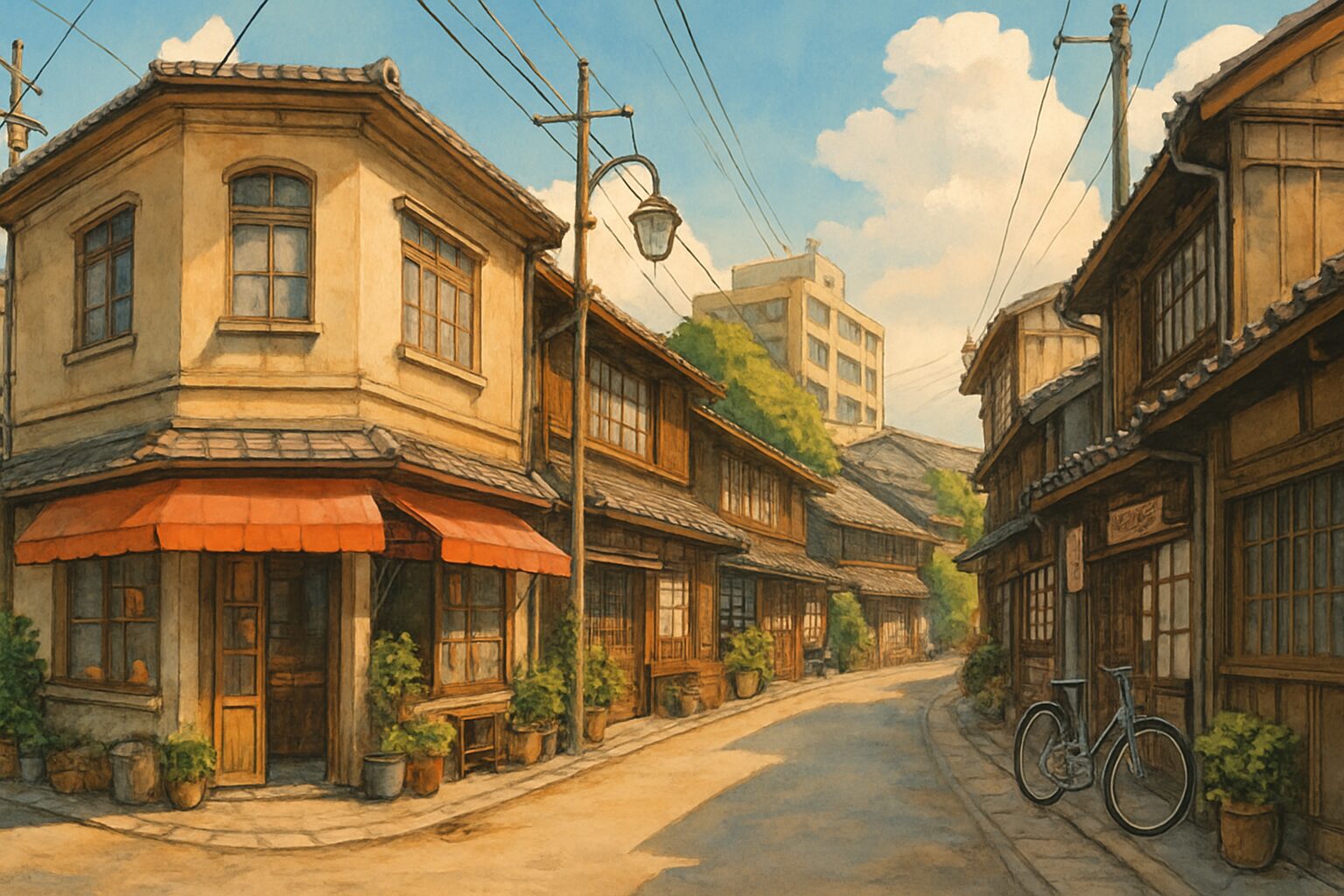
Forget the neon rivers of Dotonbori for a moment. Peel back the curtain of towering skyscrapers in Umeda. Beyond the frantic, futuristic pulse that defines modern Osaka, there lies a different rhythm, a softer heartbeat echoing from a bygone era. This is the world of the Karahori Shopping Street, a magical labyrinth tucked away in the quiet neighborhood of Tanimachi Rokuchome, affectionately known by locals as “Tanroku.” This isn’t just another quaint shopping arcade; it’s a living, breathing museum, a precious fragment of pre-war Japan that miraculously survived the fiery maelstrom of World War II. While much of Osaka was reduced to ash, this resilient pocket of the city held on, preserving its narrow, winding alleys, traditional wooden townhouses, and an atmosphere so thick with nostalgia you can almost taste it. To walk through Karahori is to time-travel, to step into a story where generations of merchants, artisans, and families have woven a rich tapestry of community and culture. It’s a place where the frenetic energy of a metropolis gives way to the gentle hum of daily life, where trendy, modern creativity finds a home within the beautifully weathered walls of the past. This is the soul of old Osaka, waiting to be discovered not with a map, but with a curious heart and a willingness to simply wander.
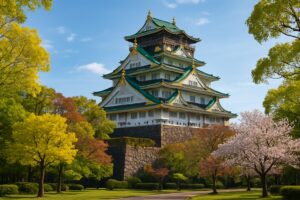
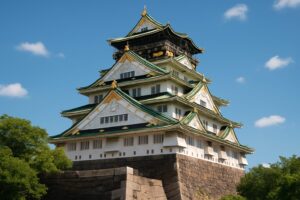
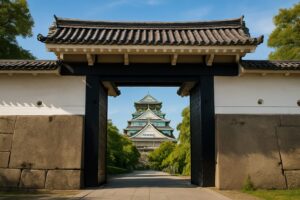
To truly understand the layers of history that define this area, consider reading about the experience of living next to Osaka Castle Park.
The Vibe: A Living Museum Where Time Slows Down
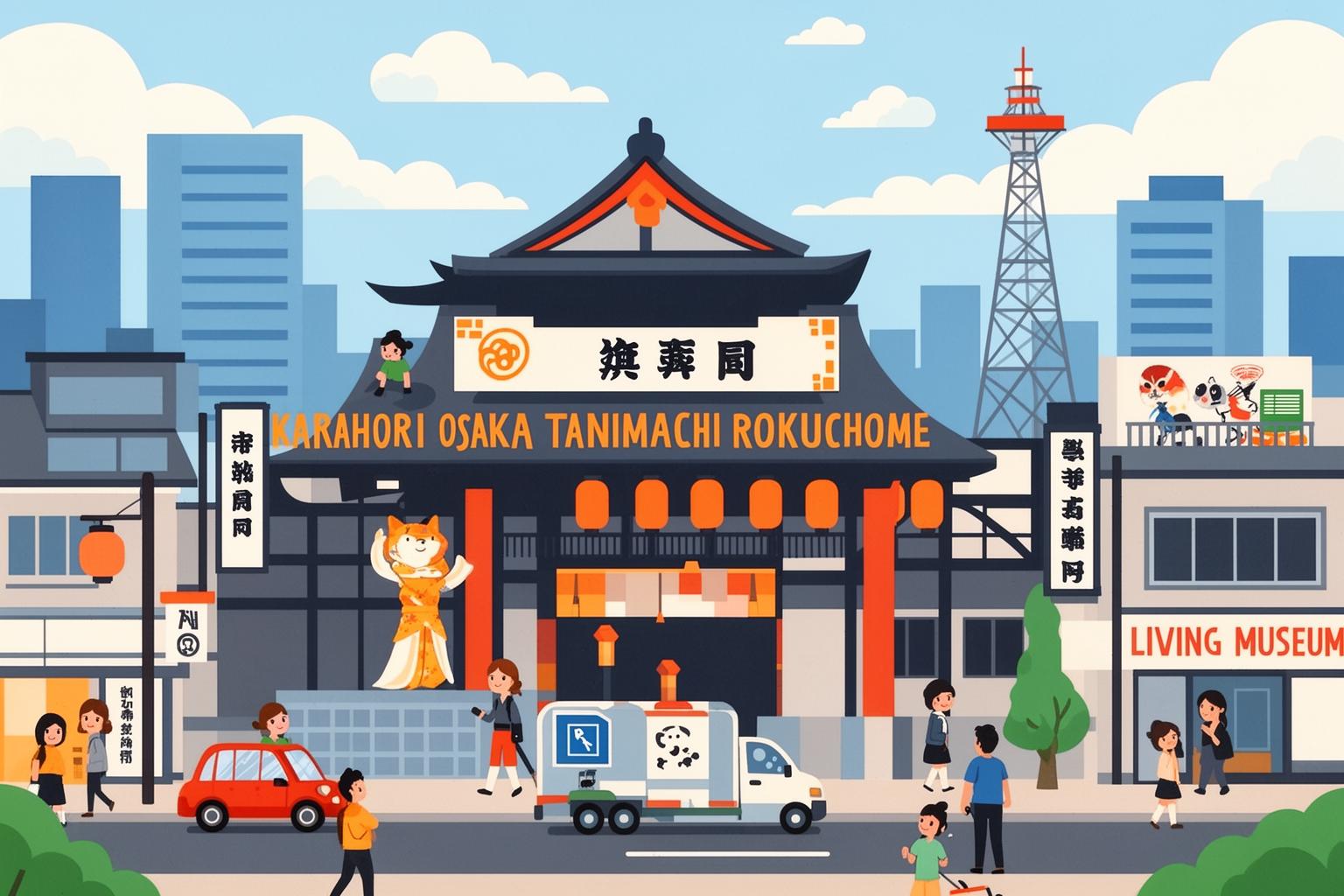
Entering Karahori Shopping Street brings a shift to the senses. The noise of traffic on the main Tanimachi-suji avenue fades away, replaced by a soft, continuous murmur. The air seems to transform, growing cooler beneath the translucent arcade roof, carrying faint, blended aromas of roasting tea leaves, savory dashi broth simmering in a nearby noodle shop, and the sweet, earthy scent of aged wood. This is not a polished tourist spot; it exudes a tangible soul and a lived-in authenticity that feels both inviting and deeply personal. The pace here is set by the slow, deliberate movements of its residents. An elderly woman with a colorful shopping trolley stops to chat with the tofu maker, their laughter gently echoing. A shopkeeper sweeps the sidewalk in front of his store with a bamboo broom, the rhythmic swish-swish serving as a soothing metronome for the afternoon. There are no loud advertisements or frantic sales pitches. Instead, you’ll find hand-painted signs with elegant calligraphy, faded paper lanterns casting a warm glow, and window displays arranged with care spanning decades.
The soundscape is a delicate blend. It’s the gentle clinking of a bicycle bell, the distant rumble of the subway far below, the cheerful call of “Irasshaimase!” (Welcome!) from a doorway, and the soft notes of enka, a traditional Japanese ballad, drifting from an old radio. This is a place that encourages you to slow your pace and truly observe and listen. Notice the intricate wooden latticework, known as koshi, that decorates the fronts of the old buildings. Look up at the beautifully weathered roof tiles, some still bearing the family crests of their original owners. This district rewards the attentive eye. The atmosphere evokes a deep sense of peace and continuity. In a city constantly reinventing itself, Karahori stands as a tribute to the beauty of endurance. It feels less like a commercial street and more like the sprawling, communal hallway of a close-knit neighborhood. You get the impression that everyone knows each other, with stories and histories shared over cups of green tea and plates of pickled vegetables. For visitors, this creates a feeling of being let in on a wonderful secret, a glimpse of an Osaka that is intimate, gentle, and deeply rooted in its heritage.
A Walk Through History: Surviving the Flames
The story of Karahori is, above all, a tale of survival. To grasp its significance, one must first recognize what was lost. Before World War II, Osaka thrived as a bustling metropolis, a city of merchants known as the “nation’s kitchen,” interlaced with canals and filled with extensive districts of wooden machiya and nagaya homes. It was a hub of lively commerce and rich cultural activity. Then came 1945. A series of destructive air raids ravaged Osaka, unleashing fires that consumed nearly a third of the city. Entire neighborhoods disappeared overnight, replaced by rubble and ash. The historic core of the city was largely destroyed, along with a substantial portion of its architectural and cultural heritage.
Yet, thanks to a mix of sheer luck and its mainly residential, non-industrial nature, the Tanimachi Rokuchome area, including the Karahori district, escaped major damage. It became a pocket of the past, a sanctuary of wood and tile amid a sea of post-war concrete and steel. This is why a stroll through Karahori feels so extraordinary. The buildings here aren’t replicas; they are authentic, silent witnesses to a century of change. To truly appreciate the area, one must understand the language of its architecture.
The Anatomy of a Machiya
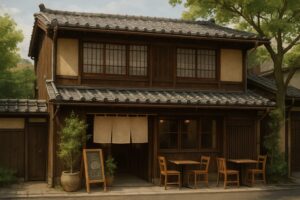
Many of the most beautiful structures you’ll encounter are machiya, traditional wooden townhouses that historically combined residence and business. They are marked by their narrow street frontage and remarkable depth, a design often called unagi no nedoko, or “an eel’s bed,” which was developed in response to taxes based on the width of the road-facing property. The front of a machiya typically housed the shop, with goods displayed behind sliding wooden panels or lattice screens. The family’s living quarters were located at the back and on the upper floors. These homes were expertly designed for comfort and airflow in Japan’s humid climate. A key element is the tori-niwa, a long, earth-floored passageway running from the front entrance to the back of the house, serving as a kitchen and workspace. This passage often opens to a small, private inner garden called a tsuboniwa. This tiny courtyard acted as the home’s green lung, bringing light, air, and a touch of nature into the deep interior. It was a place for quiet reflection, a connection to the changing seasons, and a smart form of passive climate control. Notice the distinctive mushiko-mado, or “insect cage windows,” on the second floors—these thick plaster and wooden-barred windows provided both decorative appeal and security.
The Communal Spirit of the Nagaya
Among the machiya stand even older buildings known as nagaya, or “long houses.” These are essentially row houses—long wooden structures divided into several smaller residences under one roof. Nagaya were homes for artisans, laborers, and lower-ranking merchants. Life in a nagaya was highly communal. Thin walls and shared alleyways meant daily life flowed seamlessly between households. Neighbors cooked, cleaned, and raised children together, fostering a strong sense of community. The architecture itself encouraged interaction. A single well might serve multiple families, and the narrow roji (alleys) between the buildings functioned as communal living spaces. Today, many of Karahori’s most vibrant places—cafes, galleries, and shops—are housed in these renovated nagaya. The developers have thoughtfully preserved the communal spirit of the original buildings, creating interconnected complexes where visitors can roam from one small business to another, much like neighbors would have moved between homes a century ago. Walking through Karahori is like stepping into a living blueprint of Japanese social history, a tangible reminder of a time when community was not just an idea but an everyday reality built into the very walls of the neighborhood.
The Karahori Experience: What to See, Do, and Discover
Karahori is not a destination for ticking off checklists. Its greatest charm lies in the joy of aimless wandering, allowing your curiosity to lead the way. The area can be broadly divided into the main covered shopping arcade and the maze of side streets and renovated complexes that extend from it. Each offers a distinct yet equally captivating experience.
The Main Arcade: A Nostalgic Walk
The Karahori Shotengai is the lifeblood of the neighborhood. Here, local life unfolds in its most genuine form. Unlike a tourist-oriented market, the shops primarily meet the daily needs of residents. You’ll encounter a family-run fruit and vegetable stand, its produce beautifully arranged, with the owner ready to smile and suggest what’s in season. Further along, a quaint, old-fashioned pharmacy lines wooden shelves with glass bottles and mysterious herbal remedies. A hardware store brims with everything from bamboo brooms to specialized cooking pots, a treasure trove of practical Japanese household items. The air often carries the nutty scent of freshly roasted green tea from a senmonten (specialty shop), where you can sample various types and learn about the detailed art of the Japanese tea ceremony. Don’t miss the local tofu maker, where fresh tofu blocks float in cool water, a world apart from supermarket vacuum-sealed packets. Or the konbu (kelp) shop, reflecting Osaka’s fame as the home of dashi culture, its walls lined with diverse dried seaweed varieties, each adding a unique umami flavor to Japanese cuisine. This is a place to watch, to absorb the gentle rhythms of a community sustained through generations.
Exploring the Labyrinth: Ren, So, and Ho
Karahori’s true magic begins when you step beyond the main arcade into the redeveloped nagaya complexes—beautifully restored historical buildings revitalized as centers for art, craft, and culture. These complexes are named Ren, So, and Ho.
Karahori “Ren” (練)
Ren, meaning “to refine” or “to polish,” is perhaps the most elegant of the complexes. Its restoration is impeccable, a flawless fusion of old and new. The original dark wooden beams and earthen walls have been carefully preserved, now contrasted with modern gallery lighting and minimalist design. The shops inside Ren live up to its name. You might find a high-end leather artisan crafting wallets and bags with meticulous care. A gallery may present the work of a local ceramicist, their pieces a contemporary take on traditional Japanese pottery. Often, there’s a refined cafe tucked inside—a quiet retreat to enjoy pour-over coffee and delicate pastries while gazing at a perfectly tended tsuboniwa. Ren feels curated and peaceful, honoring the highest levels of Japanese craftsmanship.
Karahori “So” (惣)
If Ren is refined, So is wonderfully eclectic and bohemian. The name “So” can mean “all” or “whole,” and the complex feels like a lively collection of everything creative and quirky. The atmosphere is grassroots and playful. Wandering through its connecting corridors, you might discover a tiny shop selling whimsy handmade jewelry crafted from vintage kimono fabric. Another space could be a vintage clothing store filled with unique finds from the Showa era (1926-1989). There could be a bookbinder’s workshop, filled with the scent of paper and glue, or a small studio where an artist creates intricate paper-cut works. So is a hub for independent makers and dreamers—a place of discovery where each doorway opens onto a new passion project, a different creative realm. The energy is youthful, inventive, and deeply inspiring.
Karahori “Ho” (萌)
Ho, meaning “to sprout” or “to bud,” emphasizes fresh beginnings and interactive experiences. This complex often hosts workshops and businesses inviting hands-on participation. Imagine a “letter-writing cafe,” a serene space stocked with beautiful stationery, vintage typewriters, and sealing wax, where you can unplug from the digital world to craft a heartfelt message. Perhaps a custom chopstick workshop, where you design and carve your own pair under a master craftsman’s guidance. Or a small shop dedicated to incense, where you learn about various scents and create your own blend. Ho nurtures new ideas and creativity, embodying the spirit of renewal that has enabled Karahori not only to survive but to thrive in the 21st century.
Beyond the Complexes: The Delight of Getting Lost
The best advice for exploring Karahori is to put away your phone and simply get lost. The district’s true heart lies in the unnamed alleys twisting between the main complexes. These roji reveal the most authentic scenes—a row of potted plants tenderly tended by an unseen resident; a calico cat basking on a warm tiled roof, blinking slowly at passersby; the faint sound of shamisen practice behind a sliding paper screen. You might stumble upon a tiny, unmarked shrine nestled between two houses, a quiet spot for local prayers. Or catch sight of a potter at the wheel in an open studio. These moments of serendipity make a visit to Karahori unforgettable. They remind us that the most beautiful travel experiences are often the ones left unplanned.
A Taste of Tanimachi: Culinary Delights, Old and New
Exploring Karahori is sure to stir up an appetite, and the area presents a delightful range of culinary experiences, from Showa-era staples to contemporary, artisan cafes.
Old-School Eateries
For a taste of authentic nostalgia, look for a local shokudo, a no-frills neighborhood diner. These establishments are often run by an elderly couple and serve a menu of timeless Japanese comfort food classics. The air will be filled with the soothing steam of udon noodle soup, the rich scent of slow-cooked beef curry, or the sizzle of tonkatsu (breaded pork cutlet) hitting the deep fryer. It’s hearty, straightforward, and exceptionally tasty. Another must-try experience is visiting a kissaten, a traditional coffee shop. These places are worlds unto themselves, often featuring dark wood paneling, velvet seats, and a lingering haze of cigarette smoke from bygone days (though many now ban smoking). Here, coffee is more than just a quick caffeine fix; it’s a ritual. It’s often prepared using a siphon, a dramatic process involving glass globes and open flames that produces a remarkably smooth brew. Pair it with a thick slice of shoku-pan (Japanese milk bread) toast, generously spread with butter and sweet red bean paste, for an ideal afternoon treat.
Modern Cafes in Historic Settings
Contrasting with these pillars of tradition are the contemporary cafes that have emerged within renovated machiya and nagaya buildings. These spots offer a distinct kind of enjoyment, blending historical charm with modern flavors. Picture sipping a perfectly made latte inside a 200-year-old townhouse. You’ll sit on minimalist furniture placed atop traditional tatami mats, gazing beyond exposed wooden beams to a tranquil inner garden. These cafes often focus on high-quality, single-origin coffee beans, artisanal cakes crafted with seasonal Japanese ingredients like matcha, yuzu, or sakura, and wholesome, beautifully arranged lunch sets. They stand as a testament to Karahori’s remarkable ability to honor its past while embracing the present. They attract a younger crowd of artists, designers, and writers, adding yet another layer to the area’s rich community tapestry. Whether you long for the comforting warmth of a Showa-era diner or the sleek calm of a modern design cafe, Karahori has a welcoming table for you.
Practical Grooves: Your Guide to Visiting Karahori
Reaching this hidden gem is easy, but a few pointers will help you fully enjoy your visit. Karahori is best appreciated at a leisurely pace, so plan to spend at least half a day exploring without a tight schedule.
Getting There
The area is very accessible via Osaka’s excellent subway system. Your stop is Tanimachi Rokuchome Station, served by two lines: the purple Tanimachi Line (T23) and the light green Nagahori Tsurumi-ryokuchi Line (N18). From the station, head for Exit 4. Once you’re above ground, the entrance to the main Karahori Shopping Street arcade is just a short walk away. To orient yourself, look for the covered entrance marking the start of the shotengai.
From major city centers, the route is straightforward. From Umeda (Osaka Station), take the Tanimachi Line southbound for about 10 minutes. From Namba or Shinsaibashi, use the Nagahori Tsurumi-ryokuchi Line eastbound for a few stops. Its central location makes Karahori a convenient and rewarding side trip from the busier tourist districts.
Best Time to Visit and Local Tips
For the most authentic experience, visit Karahori on a weekday afternoon. The atmosphere is calmer, with locals going about their daily lives. Weekends, especially Saturday afternoons, are livelier and festive, but the narrow streets can become crowded.
It’s important to know that Karahori isn’t a 24/7 commercial area. It operates on a traditional, more human scale. Many small, family-run shops close one day a week, usually Tuesday or Wednesday, and often shut by 5 or 6 PM. If there’s a specific store or café you want to visit, it’s best to check opening hours online beforehand if possible. Otherwise, embrace the spontaneity; if one place is closed, it’s a chance to discover another.
For a smooth and respectful visit, keep these tips in mind:
- Wear comfortable shoes, as you’ll do a lot of walking on uneven stone paths and old wooden stairs.
- Bring cash. Although many newer cafés and boutiques accept cards, quite a few older, smaller shops are cash-only.
- Be a considerate photographer. This is a residential area where people live and work. Always respect privacy—avoid photographing homes or shops without permission and ask before photographing people.
- Take your time. The charm of Karahori lies in escaping the rush. Sit down, enjoy a tea, and watch the world go by. Don’t try to see everything; aim instead to truly feel the place.
- Consider combining your visit with nearby attractions. Karahori is within walking distance (about 20–25 minutes) of Osaka Castle, offering a perfect blend of Osaka’s grand and intimate historical experiences.
The Enduring Soul of Osaka
In a world that moves relentlessly forward, places like Karahori have become more precious than ever. It is more than merely a collection of old buildings or an eccentric shopping street; it serves as a repository of memory, a testament to the community’s resilience, and a deep connection to the authentic, human-scale spirit of Osaka. This is a place where the past and present engage in a beautiful dialogue, with tradition not as a relic preserved under glass but as a living foundation on which new creativity can thrive. Visiting here is a gentle, restorative experience that encourages you to find beauty in small details, to prioritize craftsmanship over mass production, and to appreciate the quiet strength of things built to endure. So when you come to Osaka, after enjoying the dazzling lights and iconic sights, make your way to Tanimachi Rokuchome. Explore the labyrinth of Karahori, let yourself wander through its alleys, and listen carefully. You may just hear the true, enduring heartbeat of this remarkable city.