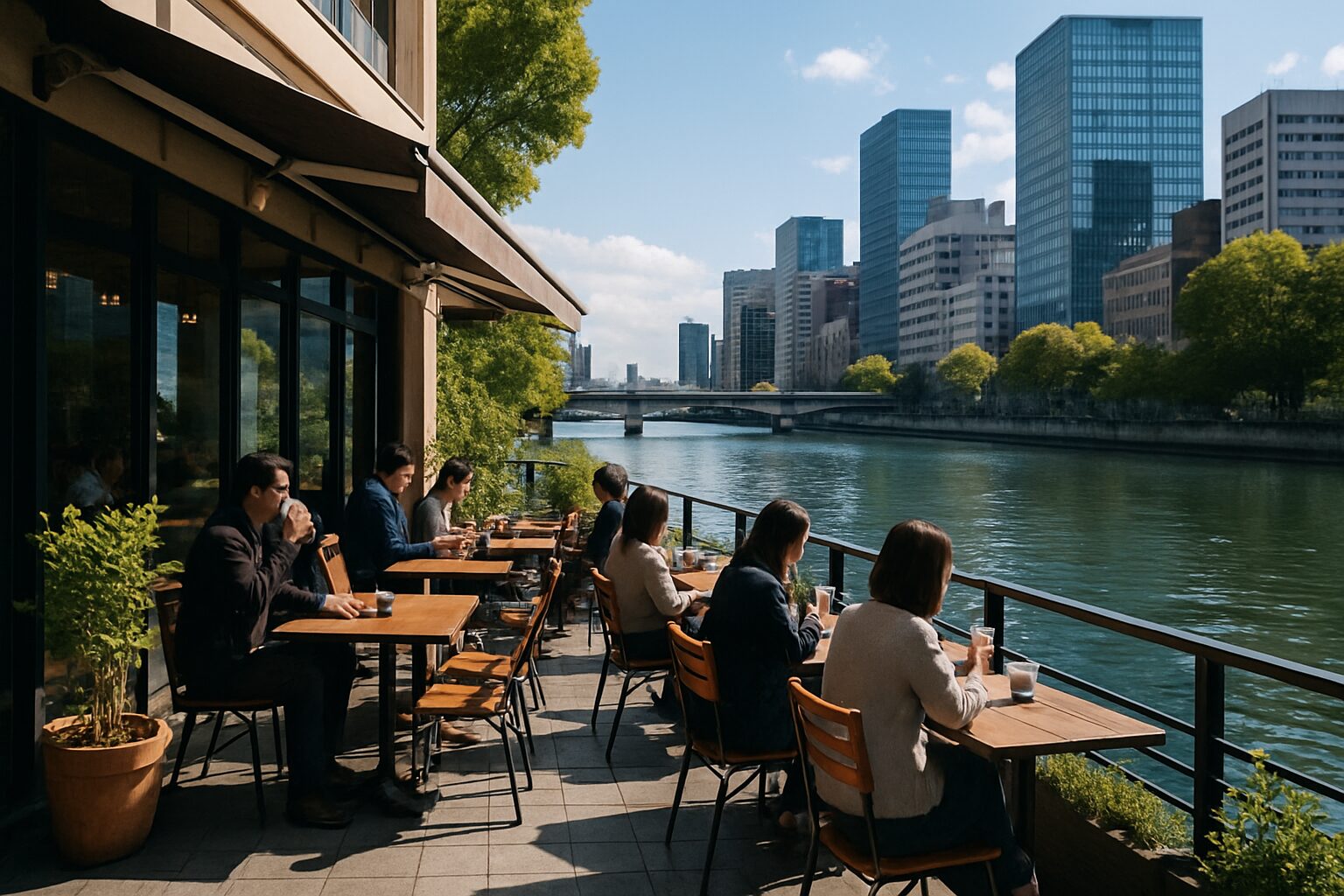
In the heart of Osaka, a city that pulses with an electric, non-stop rhythm, there exists a pocket of serene European elegance, a place where the water whispers stories and the coffee is always brewing. This is Kitahama, a district that gracefully balances its identity as Osaka’s financial core with a new reputation as the city’s premier destination for riverside relaxation. Forget the neon glow of Dotonbori for a moment; we’re stepping into a different current, a slower stream of life that flows along the banks of the Tosa Hori and Dojima Rivers. This isn’t just about finding a good cup of coffee. It’s about finding a front-row seat to the soul of the city, a view that pairs the grandeur of historic architecture with the gentle, constant motion of the water. The cafes here, strung along the waterfront in what’s affectionately known as the Kitahama Terrace, are more than just establishments; they are urban sanctuaries, glass-fronted havens and breezy terraces that invite you to pause, breathe, and simply watch the world float by. It is here, between the formidable stone facades of century-old buildings and the shimmering reflection of the sky on the water, that you’ll discover a side of Osaka that is sophisticated, contemplative, and utterly captivating. This guide is your invitation to explore that world, one perfect riverside cafe at a time.
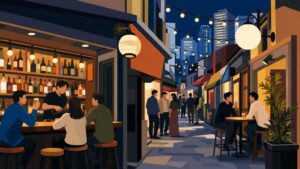
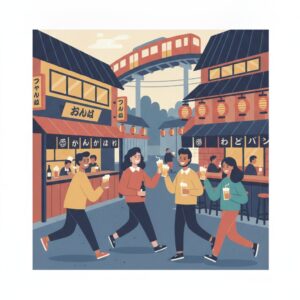
For a different kind of authentic Osaka nightlife experience, explore the vibrant world of its traditional izakaya culture in Tenma.
The Soul of the City’s Waterfront: Why Kitahama Captivates
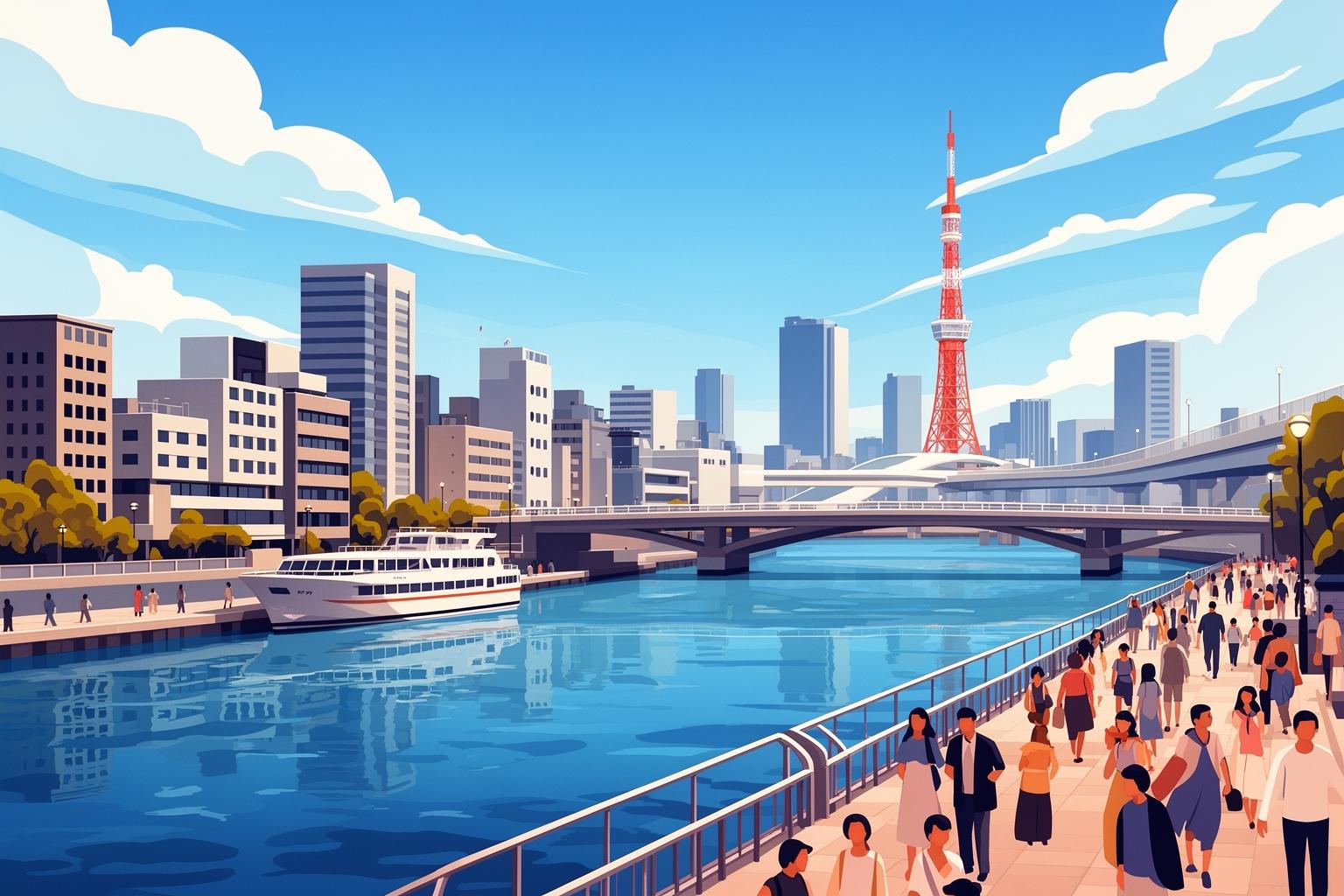
To truly grasp the magnetic appeal of Kitahama, you need to look beyond the modern cafe scene and delve into the currents of its past. This district did not emerge from a desire for stylish brunch spots; its origins lie deeply in the commerce and ambition that shaped Osaka itself. During the Edo period, it was the center of Japan’s rice trade, a bustling hub where feudal lords from across the country traded rice for money. The grand warehouses and stately merchant houses that once lined the banks have now been replaced by the imposing headquarters of banks and securities firms, yet the sense of significance, of being at the core of activity, still lingers. This historical gravity creates a compelling contrast with the relaxed atmosphere of the cafes. You find yourself sipping a latte in a place where fortunes were made and lost, where the economic destiny of a nation was once decided.
Kitahama’s physical landscape is a conversation between past and present. Stroll along the waterfront, and you’ll notice sleek, modern office buildings standing side-by-side with exquisite examples of Meiji and Taisho-era architecture. This contrast is most strikingly captured by the view across the river to Nakanoshima Island. This narrow sandbank, nestled between the Tosa Hori and Dojima rivers, is more than just a park; it’s an open-air museum of architectural gems. From any Kitahama cafe terrace, these magnificent structures dominate the view, creating a backdrop that resembles a European capital rather than a Japanese city. The atmosphere here exudes a calm grandeur. The city’s noise seems to soften, replaced by the gentle lapping of water on stone embankments, the distant chime of a tram, and the murmur of conversations floating from the terraces. It’s a place both connected to the urban core and pleasantly detached from its turmoil, offering a unique insight into Osaka’s multifaceted character.
A Symphony of Sights and Sips: The Cafe Experience
The Kitahama riverside cafe experience is a sensory journey that shifts with the changing light, weather, and seasons. It transcends the flavors of coffee and the artistry of the food; it’s about the complete feeling of being in that unique place at that precise moment. Securing a terrace seat on a beautiful day feels like winning a small lottery. The world unfolds before you: water taxis rhythmically cutting through the river, leaving transient V-shaped wakes; cyclists gliding along the paths of Nakanoshima Park; and businesspeople in sharp suits striding purposefully across the iconic bridges. The view itself is a masterpiece. The stoic, red-brick Osaka Central Public Hall, with its proud domes and arches, stands as the crown jewel—a constant, reassuring presence. Beside it, the stone-clad Osaka Prefectural Nakanoshima Library radiates an air of scholarly dignity. These buildings are not mere static monuments; they come alive, their colors shifting with the sun’s passage across the sky.
Each season paints the scenery with a different palette. In spring, the air is perfumed with the sweet, delicate scents of cherry blossoms and roses from Nakanoshima Park. The terraces buzz with renewed energy as people emerge from the winter chill, eager to bask in the gentle sunshine. Summer cloaks the park’s canopy in lush, deep green, offering a verdant escape from the city’s heat. The riverside breeze provides a welcome relief, and the clinking of ice in cold-brew coffees becomes the soundtrack of the afternoon. Autumn is perhaps the most enchanting season. Ginkgo and zelkova leaves turn brilliant shades of gold and crimson, and the low, soft sunlight bathes the historic architecture in a warm, nostalgic glow. Even winter holds its own stark beauty. The crisp, clean air sharpens architectural details with remarkable clarity, and warming up inside a cozy cafe with a hot drink while watching the steely gray water flow by offers a profound sense of comfort and contentment. The experience is dynamic and ever-changing, guaranteeing that no two visits feel quite the same.
MOTO COFFEE: A Minimalist Tribute to the River
Hidden away behind a nearly invisible entrance, MOTO COFFEE is a sanctuary for true coffee lovers and quiet observers alike. This is not a place for loud energy but rather a space of hushed reverence for the craft of coffee and the beauty of the view. The journey begins as you descend a narrow staircase into an environment that feels both intimate and expansive. The interior is a masterclass in Japanese minimalism: warm, light-colored wood, smooth concrete walls, and almost no decoration. This isn’t due to a lack of style but a deliberate design choice. The space directs your full attention to the one element that matters most: the large, floor-to-ceiling window framing the river and Nakanoshima Island like a living painting.
The true magic of MOTO COFFEE lies in its terrace. It’s a small, narrow balcony with just a handful of seats, yet it offers an unparalleled connection to the water. You’re so close that you can hear the gentle lapping of the river against the embankment and see the intricate details of the Central Public Hall’s facade. It feels less like you’re observing the river and more like you’re part of it. The coffee service matches the design’s meticulousness. The baristas are knowledgeable and passionate, treating pour-over coffee with surgical precision. You can select from a carefully curated range of single-origin beans, each boasting a distinct flavor profile. Watching them prepare your drink is a calming ritual itself. The menu is simple and refined, often featuring a small selection of exquisite cakes and pastries designed to complement rather than overshadow the coffee. A slice of their rich Basque cheesecake paired with a fragrant Ethiopian brew, enjoyed as the sun sets behind the library, captures a quintessential Kitahama moment. MOTO COFFEE is ideal for a solo retreat, a quiet conversation, or anyone seeking a moment of deep peace amidst the urban landscape.
Northshore Cafe & Dining: A Vibrant Slice of Sunshine
If MOTO COFFEE is a quiet poem, Northshore Cafe & Dining is a lively, sun-drenched song. Located just a short walk away, it offers a completely different yet equally compelling riverside experience. From the moment you enter, you are wrapped in waves of vibrant energy. The atmosphere is bright, breezy, and unreservedly cheerful. Lush green plants hang from the ceiling and fill every corner, creating a tropical, greenhouse-like vibe that feels far removed from the concrete and steel of the financial district. The soundscape is a lively blend of upbeat music, blender whirs, and the joyful chatter of friends catching up over brunch.
Northshore is renowned for its food, which is as beautiful as it is delicious. The menu celebrates fresh, wholesome ingredients, focused on colorful salads, towering sandwiches stuffed with fruit and cream, and spectacular acai bowls that are artworks in their own right. These dishes delight the eye as much as the palate, and the sight of vibrant creations arriving at tables is a constant pleasure. The terrace is larger and more social than many others, a place for groups to gather, laugh, and share meals under the open sky. The vibe here is less reflective and more festive. It’s a destination where people come specifically for the food, atmosphere, and, of course, the magnificent view. On sunny weekends, the line can stretch down the street, a testament to its popularity. A visit to Northshore feels like a mini-vacation. It is a burst of color and flavor, leaving you energized, nourished, and with a camera roll full of envy-inducing photos. It perfectly captures the modern, health-conscious, and social facet of Osaka’s cafe culture.
Brooklyn Roasting Company: An Industrial Haven with a Global Pulse
Bridging the gap between quiet reflection and vibrant social scenes is the Brooklyn Roasting Company. Occupying a spacious, high-ceilinged ground-floor space, it brings a distinctly cool, industrial-chic vibe to the Kitahama waterfront. The atmosphere recalls a converted warehouse in its New York namesake—exposed ductwork, polished concrete floors, and a mix of communal wooden tables, cozy sofas, and smaller seats. The centerpiece is an impressive coffee roasting machine, a stunning piece of industrial equipment that constantly reminds visitors of their serious coffee commitment. The air is thick with the rich, intoxicating aroma of freshly roasted beans, a scent that promises quality.
This versatile space serves a diverse crowd. Mornings see remote workers tapping away on laptops, fueled by strong, expertly pulled espresso shots. At midday, it becomes a popular spot for lunch meetings and casual hangouts. Seating by the large windows offers fantastic views of the river and the Naniwabashi Bridge, often called the “Lion Bridge” for the proud stone lion statues guarding its entrances. Though there is a terrace, the indoor space is so open and airy that you feel connected to the outdoors even from inside. The coffee menu is extensive, ranging from classic espresso drinks to single-origin pour-overs and refreshing iced coffees. They pride themselves on ethically sourced beans and New York heritage, delivering a bold, no-nonsense coffee experience. The food menu includes bagels, pastries, and sandwiches—ideal for a quick, satisfying bite. Brooklyn Roasting Company is a hub where different worlds intersect. It is both a neighborhood coffee shop and a global brand, a place to work and to unwind, perfectly embodying the dynamic, international essence of modern Osaka.
Beyond the Coffee Cup: Exploring the Kitahama Neighborhood
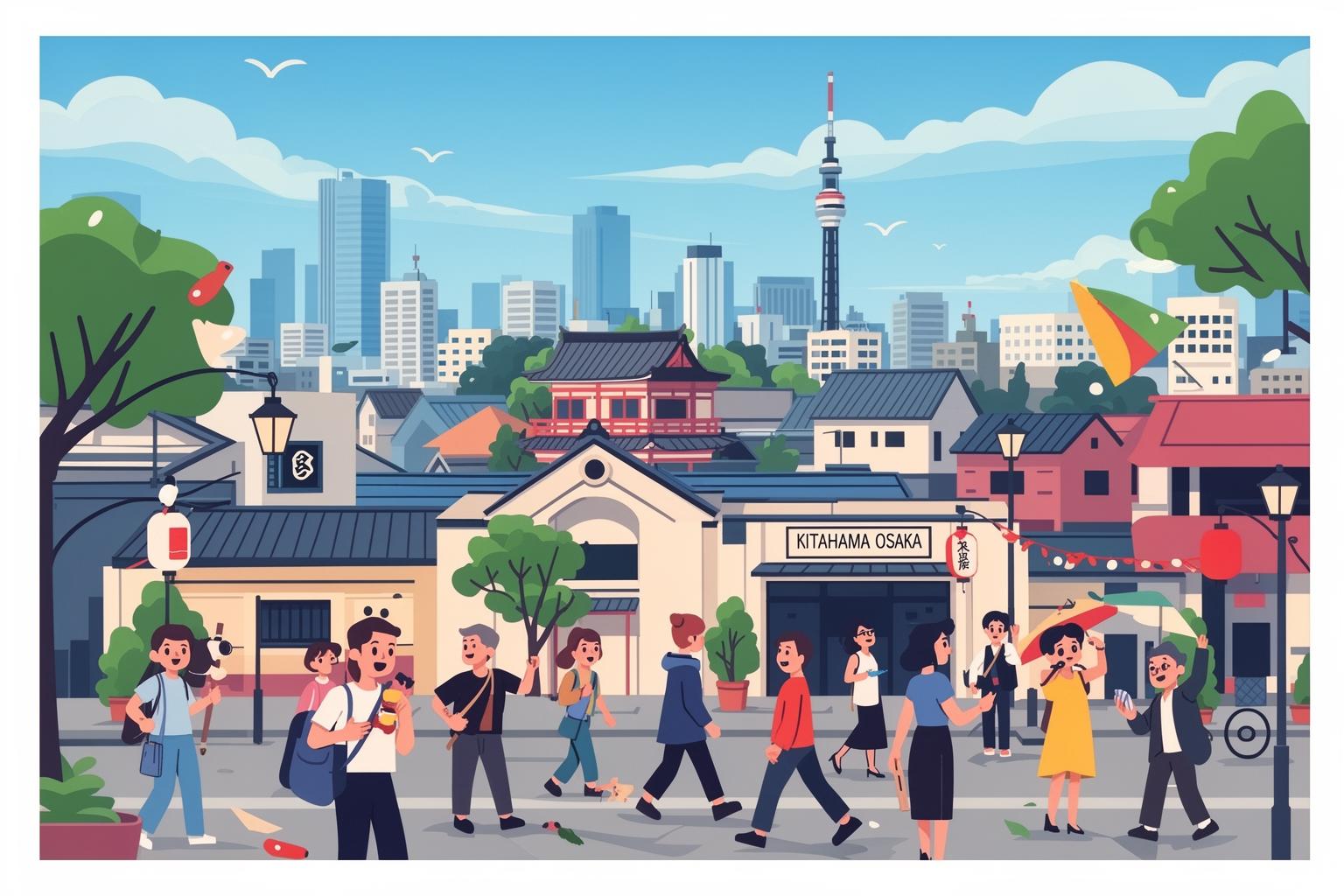
While the cafes are the main attraction, the true charm of Kitahama lies in using them as a starting point to explore the rich tapestry of the surrounding area. The riverside offers more than just a view; it’s an invitation. Step off the terrace and take a leisurely walk through Nakanoshima Park, the green oasis that the cafes so beautifully overlook. Opened in 1891 as Japan’s first public park, it remains a cherished retreat for city dwellers. Follow the paths winding through lush lawns and under the shade of mature trees. The park’s highlight is its stunning rose garden, home to over 300 varieties. The garden bursts with color and fragrance at its peak in mid-May and again in October. Wandering through the carefully tended beds, with the city skyline as a backdrop, is an unforgettable experience.
Your walk should also serve as an architectural tour. Take the time to truly appreciate the buildings that frame your cafe view. Cross one of the bridges for a closer look at the Osaka Central Public Hall. Completed in 1918, this Neo-Renaissance masterpiece, with its distinctive red brick and granite façade and bronze domes, symbolizes Osaka’s ambition during a period of rapid modernization. It still hosts concerts and lectures today, with interiors as impressive as the exterior. A few steps away is the Osaka Prefectural Nakanoshima Library, a stately Neo-Baroque building from 1904. Inside its main atrium, you can admire the soaring domed ceiling and classical columns, a space reminiscent of a grand European capital. Don’t forget to admire the bridges themselves. The Naniwabashi Bridge is a work of art, offering stunning panoramic views of the Kitahama Terrace. Further west, the elegant arch of the Yodoyabashi Bridge is another landmark, connecting Kitahama to the bustling Yodoyabashi district. As evening falls, the entire area transforms. The historic buildings and bridges are illuminated with artful lighting, their reflections shimmering on the dark river. The atmosphere turns deeply romantic, and a post-dinner stroll along the riverbank is the perfect way to end a day in Kitahama.
Practical Guidance for Your Riverside Retreat
Finding your way to this urban oasis is delightfully straightforward, showcasing Osaka’s excellent public transportation network. The quickest option is to take the Keihan Main Line or the Osaka Metro Sakaisuji Line to Kitahama Station. Multiple exits from the station lead directly onto the street parallel to the river, just moments from the main cluster of cafes. Alternatively, Yodoyabashi Station—a key hub on the Midosuji Line (the city’s primary subway line) and another stop on the Keihan Line—is only a five to ten-minute walk away. This makes Kitahama conveniently reachable from major districts like Umeda, Namba, and Shinsaibashi, smoothly transitioning you from the city’s bustling areas to this serene waterfront.
To fully enjoy your visit, timing matters. For a calm, reflective experience, aim to come on a weekday morning. You’ll have a better chance of snagging a prized terrace seat and can savor your coffee accompanied by the gentle stirrings of the city waking up. Weekends, particularly sunny afternoons, present a different vibe. The area buzzes with energy but expect crowds and possible lines at popular spots like Northshore. Patience is essential, though the spirited atmosphere is part of the charm. For photographers and romantics, the golden hour just before sunset is unmatched. The warm, soft light bathes the water and historic buildings in a magical glow, offering stunning photo opportunities. A small but useful tip for first-time visitors: although most cafes accept credit cards, it’s smart to carry some cash when in Japan. Additionally, during busy periods, some cafes may impose a time limit on terrace seating (usually around 90 minutes) to accommodate other guests. This is common practice, so just keep an eye on the time. A simple, ideal itinerary for a first visit might be: arrive mid-morning for coffee and brunch at your preferred cafe, then take a long, leisurely stroll through Nakanoshima Park to admire the roses and architecture, finishing by crossing back over a different bridge as afternoon light starts to fade.
A Final Sip of Serenity

Kitahama’s riverside is more than a mere collection of cafes; it embodies a feeling, a mood, and a unique way to experience Osaka. It is where the city’s unceasing forward drive converges with the timeless, steady flow of the river. Each cafe provides a distinct perspective on this beautiful duality—whether through the quiet minimalism of MOTO, the bright exuberance of Northshore, or the industrial chic of Brooklyn Roasting Company. Sitting here means joining a quiet tradition of observation, watching the city’s daily life unfold against a backdrop of remarkable beauty. It powerfully reminds us that even in the busiest metropolises, there are pockets of tranquility waiting to be discovered. So, when Osaka’s energy feels overwhelming, head to Kitahama’s water’s edge. Find a seat, order your favorite drink, and let the gentle rhythm of the river restore your own. This experience will linger long after the last sip of coffee, a treasured memory of the city’s softer, more reflective side.