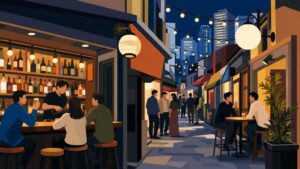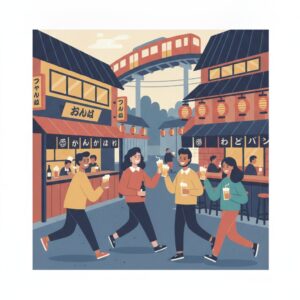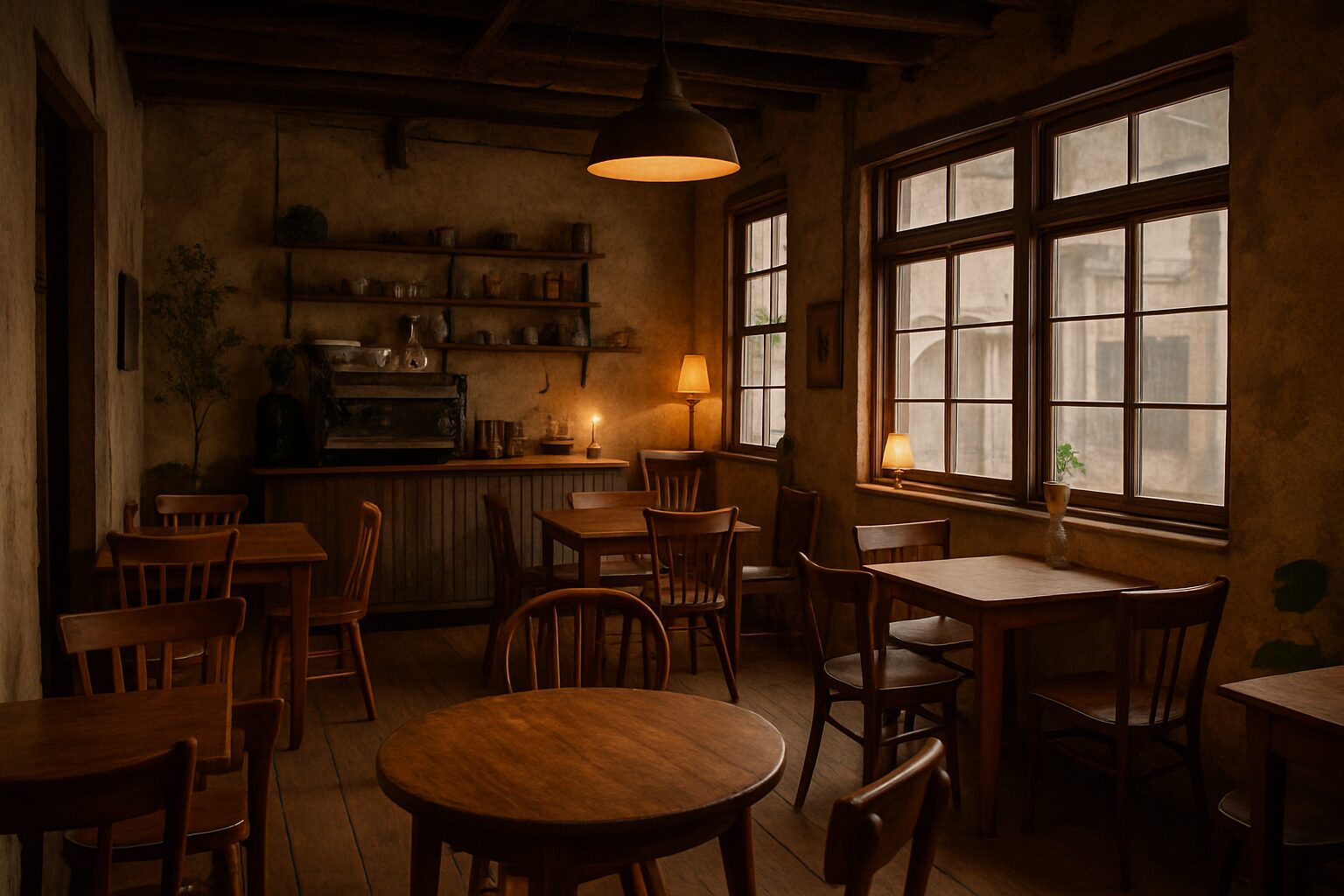
Just a ten-minute walk from the glittering canyons of Umeda, where skyscrapers pierce the clouds and train station crowds flow like a relentless river, lies a world that time seems to have forgotten. This is Nakazakicho, a quiet, resilient pocket of Osaka that whispers stories of a bygone era. Here, the frantic pulse of the modern metropolis fades into a gentle, rhythmic heartbeat. Narrow alleys, too small for cars, twist and turn like secret passages between weathered wooden houses. Ivy creeps over tiled roofs, potted plants spill onto the cobblestones, and the air smells of damp earth, roasting coffee, and the sweet perfume of nostalgia. For the digital nomad, the freelance creative, or anyone seeking a sanctuary to think, write, and create, Nakazakicho isn’t just a neighborhood; it’s a muse. It’s a living, breathing testament to the idea that true inspiration often thrives not in the sleek and new, but in the textured, the imperfect, and the deeply authentic. In this labyrinth of Showa-era charm, a remarkable collection of cafes has blossomed, each one a unique haven for remote work, offering not just Wi-Fi and caffeine, but a priceless commodity: atmosphere.
For a different vibe, you can also explore the best work-friendly cafes in Umeda, just a short walk from Nakazakicho’s retro charm.
The Soul of a Bygone Era: Stepping into Nakazakicho’s Time Capsule
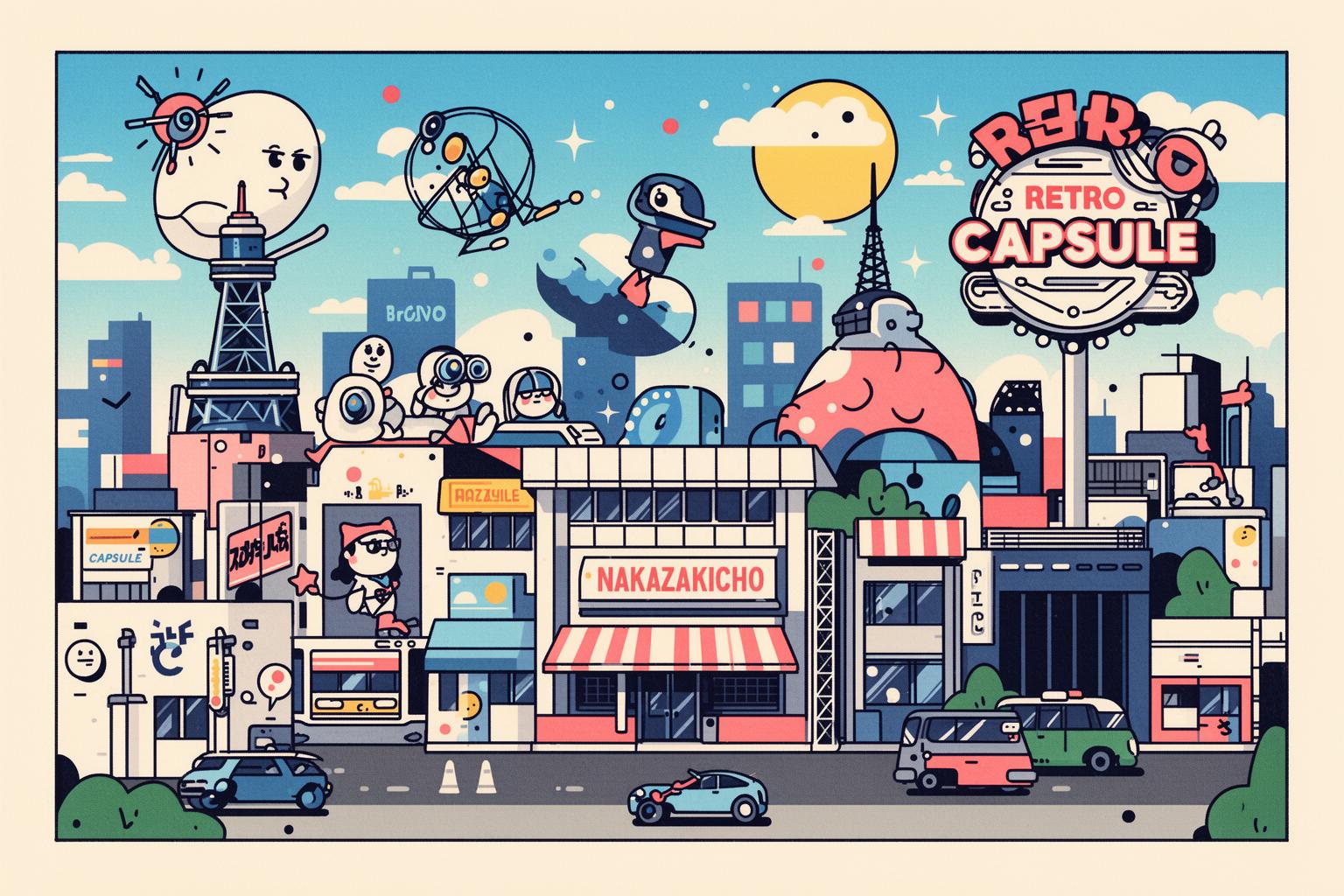
To truly appreciate the magic of Nakazakicho’s cafes, one must first grasp the essence of the neighborhood itself. Its existence is nothing short of miraculous. While nearby areas, including the bustling commercial center of Umeda, were devastated by the extensive air raids of World War II, this small cluster of streets was surprisingly spared. As a result, it remains one of the few places in central Osaka where you can stroll through a pre-war townscape. The buildings are not grand temples or castles; rather, they are modest nagaya (long wooden row houses) and merchant homes designed for everyday life. This history is not preserved behind glass in a museum; it is still lived in. Laundry flutters from second-story windows, the clatter of a local resident’s bicycle echoes through the lane, and the faint sound of a television drifts from an open doorway. This tangible link to the past fosters a profound sense of calm and continuity. It serves as a powerful counterbalance to the fleeting nature of digital work, where projects and emails often feel temporary and disconnected. Here, surrounded by buildings that have endured decades of change, your own work feels rooted and more meaningful. There is a distinct sense of wabi-sabi, the Japanese aesthetic embracing impermanence and imperfection. The peeling paint on a window frame, moss growing in the cracks of a stone wall, and the subtle warp in a wooden floorboard are not defects, but signs of a life well-lived and stories told. This environment naturally nurtures a different way of thinking—one that values thoughtful, deliberate creation over rapid productivity. It slows your pace and sharpens your senses. You begin to notice the interplay of light and shadow in the alleyways, the intricate patterns of a wrought-iron gate, and the quiet dignity of an elderly shopkeeper. This heightened awareness becomes fertile ground for new ideas to flourish.
The neighborhood’s survival has fostered a strong spirit of independence that endures today. As younger generations moved to more modern homes, the area might have faded into obscurity. Instead, a new wave of artisans, shop owners, and creatives recognized the charm in these aging structures. They began carefully restoring the nagaya, transforming them into a vibrant network of independent businesses: vintage clothing boutiques, handmade accessory shops, small art galleries, and, naturally, wonderfully unique cafes. This change was not driven by corporate redevelopment but emerged as an organic, grassroots movement. This spirit permeates every establishment. The cafes here are far from cookie-cutter chains. They are deeply personal expressions of their owners’ passions, each with its own distinct character and story. They are spaces made by dreamers, for dreamers.
The Art of the ‘Third Place’: Finding Your Creative Haven
In urban sociology, a ‘third place’ refers to a setting outside the primary environments of home (the first place) and work (the second place). These locations serve as anchors of community life, encouraging broader and more creative interactions. For the modern remote worker, the boundaries between these spaces have become increasingly blurred. Home often doubles as the office, making the need for a genuine third place—a spot for focus, inspiration, and a subtle sense of public life—more important than ever. Nakazakicho’s cafes embody the ideal third places, perfectly suited for the creative mind. They provide a delicate balance: the quiet solitude necessary for deep work alongside the gentle, invigorating buzz of human presence. The soft clinking of a spoon against a ceramic cup, the gentle hiss of a milk steamer, and the murmur of nearby conversations create a comforting soundscape that can be far more conducive to concentration than the sterile silence of an empty room. Before settling in for a work session, it’s important to remember the unspoken etiquette. These are small, independent businesses—not corporate co-working spaces. The unspoken agreement is straightforward: be a considerate patron. Order regularly, perhaps starting with a coffee and returning later for a slice of cake. Be aware of your impact, especially during busy lunch hours. If the cafe is crowded with people waiting, it may be time to pack up or find another spot. Keep your voice low during calls, wear headphones, and respect the quiet atmosphere you came to appreciate. This mutual respect is what ensures these special places remain viable and welcoming for everyone.
Sanctuaries of Steam and Stillness: A Deep Dive into Nakazakicho’s Cafes
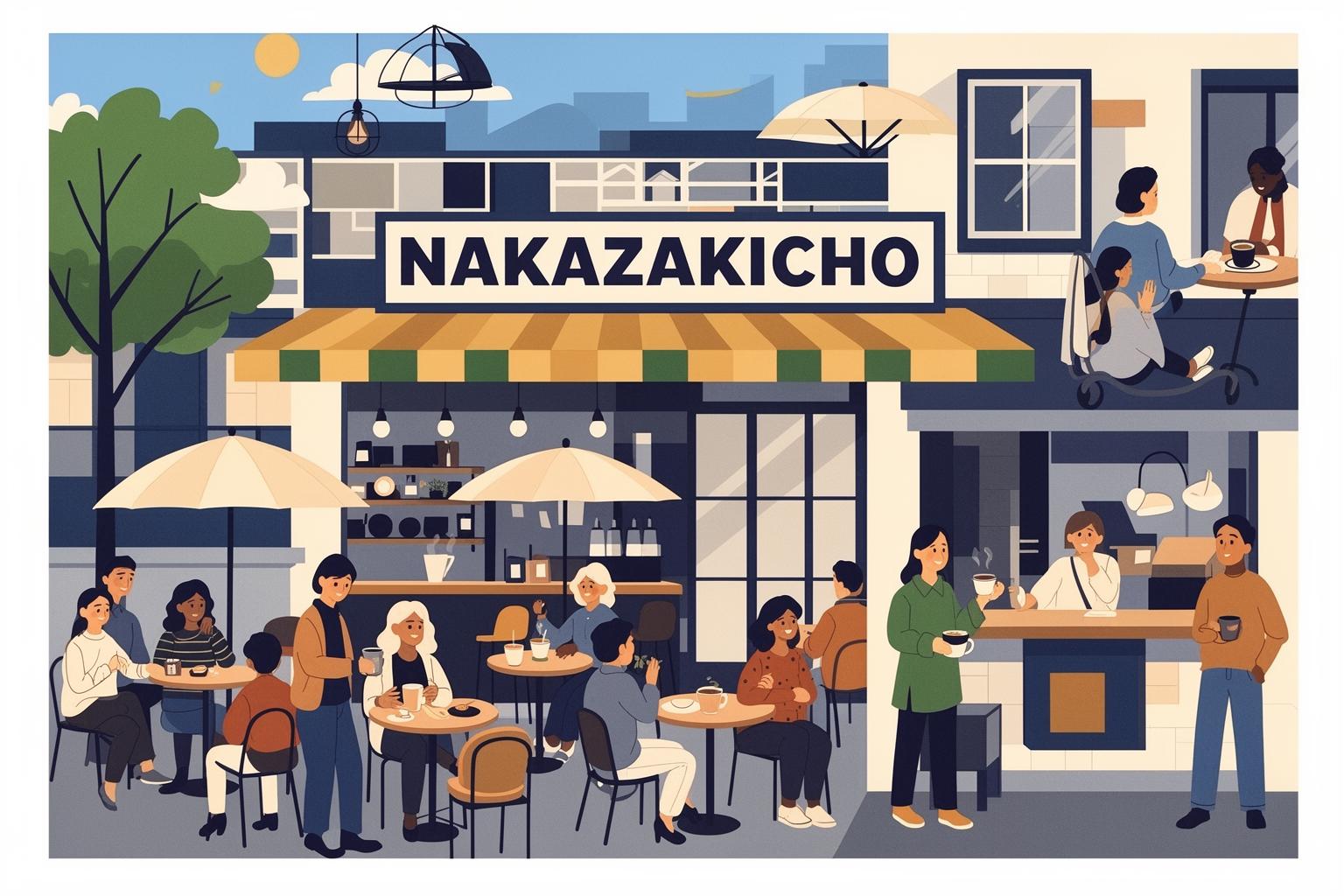
Exploring the maze of Nakazakicho in search of the ideal workspace is an adventure in itself. Each door, often small and unpretentious, opens into a different world. Here are some of the neighborhood’s most atmospheric spots, each offering a unique source of inspiration.
Salon de AManTo: The Pulse of the Community
Calling Salon de AManTo merely a cafe doesn’t do it justice. It serves as the spiritual and historical cornerstone of Nakazakicho’s revival. Founded over twenty years ago by artist Jun Amanto, it was the pioneering project that revealed the potential of these old nagaya. Housed in a beautifully preserved building more than a century old, AManTo functions more as a community art project, cultural salon, and neighborhood living room than just a coffee shop. Finding it is part of the journey—you wander down a narrow lane and just when you start to feel lost, a beautiful dark-wood facade appears. Stepping inside feels like entering a labyrinth of creativity. The space is expansive, with multiple rooms linked by creaky wooden stairs and narrow hallways. Each room has its own character—one filled with mismatched vintage sofas and armchairs, another arranged with small tables overlooking the alley, and another dedicated as a gallery for local artists. The walls serve as a canvas for art, event posters, and handwritten notes. Lighting is warm and soft, filtering through old glass panes, casting long, gentle shadows. For remote work, the key is to find your perfect spot—settle into a worn leather armchair in a quiet corner, and you’ll sense the creative energy seeping from the wooden beams that have held stories for decades. The Wi-Fi is stable, but power outlets are limited, so come with a fully charged device. The true appeal here isn’t digital connectivity, but human connection. The staff are artists and creatives, and the patrons a mix of locals, students, and fellow creative travelers. The menu is hearty and straightforward—rich dark-roast coffee served in distinctive handmade ceramic cups, herbal teas, and delightful homemade cakes. Ordering the cheesecake is a must; dense, not overly sweet, and like a loving recipe from your grandmother. Working at AManTo is an immersive experience. It’s not ideal for those needing perfect silence, but for those who thrive in a gentle, bohemian hum. It’s a place to write, sketch, dream, and feel part of something larger—a living, evolving story of art and community.
89Cafe (Hakuchi Cafe): A Nostalgic Attic of Dreams
If Salon de AManTo is the neighborhood’s living room, 89Cafe is its secret attic filled with treasures. Tucked away on the second floor of a modest building, this cafe requires a little searching but delivers a rich reward. Climb the steep, narrow staircase and push open a heavy door to enter a space that instantly wraps you in a warm, nostalgic glow. The name ‘Hakuchi’ can mean ‘idiocy’ or ‘foolishness,’ a playful nod to the owner’s passion for collecting what others might discard. The interior is a masterclass in curated clutter—every inch brims with antiques and curiosities: stopped clocks, vintage typewriters, sepia photos, dusty books, scientific tools, and worn leather suitcases. It feels less like a cafe and more like the private study of an eccentric, well-traveled scholar from a long-ago era. The lighting is exquisitely moody, with low-hanging lamps casting golden pools of light on dark wooden tables. It’s a sanctuary for focused, deep work. Secure a small table by the window and watch Nakazakicho drift by in slow motion from your cozy perch. The atmosphere is mostly quiet, with patrons respecting the studious, library-like ambiance. This is the spot to wrestle with a difficult chapter, dive deep into research, or let your mind wander among relics of the past. The coffee is excellent, made with care. A variety of teas and delectable homemade sweets are also available. Their chocolate cake is legendary—dark, rich, and deeply satisfying. Power outlets at some seats make it practical for longer work sessions. The true gift of 89Cafe is its power to transport you. Surrounded by echoes of stories past, your own storytelling—whether in words, code, or design—feels elevated. It reminds you of the beauty in details, the value of patience, and the magic hidden in the objects we leave behind.
Utena Kissaten: A Reverent Tribute to Showa-Era Slow Time
For a journey into the heart of Japanese coffee culture, Utena Kissaten is a must-visit. This is not a modern ‘cafe’; it is a kissaten, a traditional coffee house recalling the Showa period (1926–1989). As you slide open the wooden door, you step back in time. The interior is a rich blend of dark wood—from the polished counter to paneled walls and sturdy chairs. The air is thick with the aroma of coffee, mingled with a faint, pleasant trace of old paper and tobacco (though many now smoke-free, a ghost of the scent remains). Dim, intimate lighting creates a serene, sheltered atmosphere. The master, or owner, moves with calm, deliberate grace behind the counter, fully absorbed in the ritual of coffee making. Often, you’ll see a gleaming siphon—a beautiful, theatrical brewing method involving glass bulbs, open flames, and vacuum pressure principles. The result is coffee that is exceptionally clear, aromatic, and smooth. The menu is simple and classic: a few coffee blends, perhaps a toast set, and a light dessert. Don’t come expecting Frappuccinos or flavored lattes. A kissaten celebrates coffee in its purest form. For remote work, Utena Kissaten offers a unique environment. It’s deeply quiet. Conversations are kept to hushed tones, and the main sounds are the gentle bubbling of the siphon and soft classical or jazz music playing quietly. This is not a spot for team calls or group work. It’s a temple for solitary contemplation. Bring a notebook and pen rather than a laptop, or if you use a computer, prepare for tasks requiring intense, uninterrupted concentration. The experience is meditative. Watching the master brew your coffee is a lesson in mindfulness. The kissaten’s slow pace is a powerful antidote to the frantic digital world—prompting you to slow your thoughts, work deliberately, and reach a state of deep flow. It is a place that offers not just coffee but a moment of pure, unfiltered peace.
Picco Latte: A Modern Breeze in a Vintage Setting
Nestled within Nakazakicho’s retro fabric, Picco Latte offers a somewhat different, more contemporary experience while still honoring the neighborhood’s artisanal soul. Whereas many local cafes embrace dark, moody interiors, Picco Latte is a breath of fresh air—literally. The space is bright, with white walls, light wood accents, and large windows that flood the room with natural light. It embodies the new generation of Nakazakicho creatives, blending modern minimalism with the warmth and craftsmanship defining the area. This is a haven for coffee purists who appreciate specialty beans and expert preparation. The owners are passionate, evident in every cup. The espresso is perfectly pulled, and the lattes are known for their intricate art and velvety microfoam. Single-origin beans are often featured, and the staff are happy to explain flavor profiles. For remote work, Picco Latte is an excellent choice for those energized by light and a livelier atmosphere. The vibe remains relaxed but is more social and vibrant than a traditional kissaten. It’s ideal for morning work sessions, fueled by some of Osaka’s finest coffee. The bright environment suits tasks demanding clear thinking and sharp focus, like editing, design, or planning. Wi-Fi is strong, and power outlets are thoughtfully placed. The food menu shines as well, often featuring delicious baked goods, sandwiches, and quiches that elevate typical cafe fare. Their pastries, in particular, perfectly complement a fine cup of coffee. Picco Latte proves that ‘retro’ doesn’t mean ‘dark.’ It celebrates quality and craftsmanship in a bright, uplifting space, showing how modern sensibilities can harmonize beautifully within a historic neighborhood.
Beyond the Coffee Cup: Fueling Creativity in the Alleys
Your workday in Nakazakicho shouldn’t be limited to the four walls of a café. The neighborhood itself serves as an extension of your creative space. Taking breaks to stroll through the alleyways isn’t procrastination; it’s a vital part of the process. This is where unexpected sparks of inspiration often arise.
The Thrill of the Hunt: Zakka Shops and Vintage Finds
The streets are sprinkled with zakka-san, or general goods stores, which are treasure troves of unique, often handmade items. These aren’t typical souvenir shops; rather, they are carefully curated spaces reflecting the owner’s distinct taste. You might encounter a shop specializing in delicate, handmade silver jewelry, another filled with whimsical stationery and illustrations from a local artist, or one dedicated to elegant, minimalist ceramics. Exploring these shops is a sensory delight. Stroke the texture of handmade washi paper, admire the intricate glaze on a teacup, or uncover a piece of art that resonates with you. The vintage clothing stores are another highlight, often packed floor to ceiling with garments from various eras. Sifting through the racks feels like an archaeological dig, unearthing stories from the past. You might find a perfectly tailored Showa-era dress or a stylish denim jacket from the 80s. Even if you don’t purchase anything, the act of browsing and appreciating the craftsmanship and design of others can open new pathways in your own mind. It’s a reminder that creativity takes many forms.
A Canvas in Every Corner: Art Galleries and Street-Side Murals
Nakazakicho is a gallery without walls. The creative spirit of its residents spills onto the streets. You’ll discover small, independent galleries nestled in the ground floors of old houses, showcasing work by emerging local artists. These spaces are intimate and inviting, often with the artist present to discuss their creations. Beyond formal galleries, stay alert for subtle art adorning the neighborhood: a beautifully painted mural on a roll-down shutter, a tiny ceramic figure tucked into a wall nook, or a creatively arranged collection of potted plants—these small acts of public art add to the area’s charm and whimsy. They stand as a testament to a community that cherishes beauty and self-expression in everyday life. Letting yourself get lost is the best way to uncover these hidden gems. Put away your map, follow a cat down a particularly narrow lane, and see where you end up. This aimless wandering is a form of active meditation, clearing your mind and making space for new ideas to emerge.
A Practical Guide to Your Nakazakicho Workday
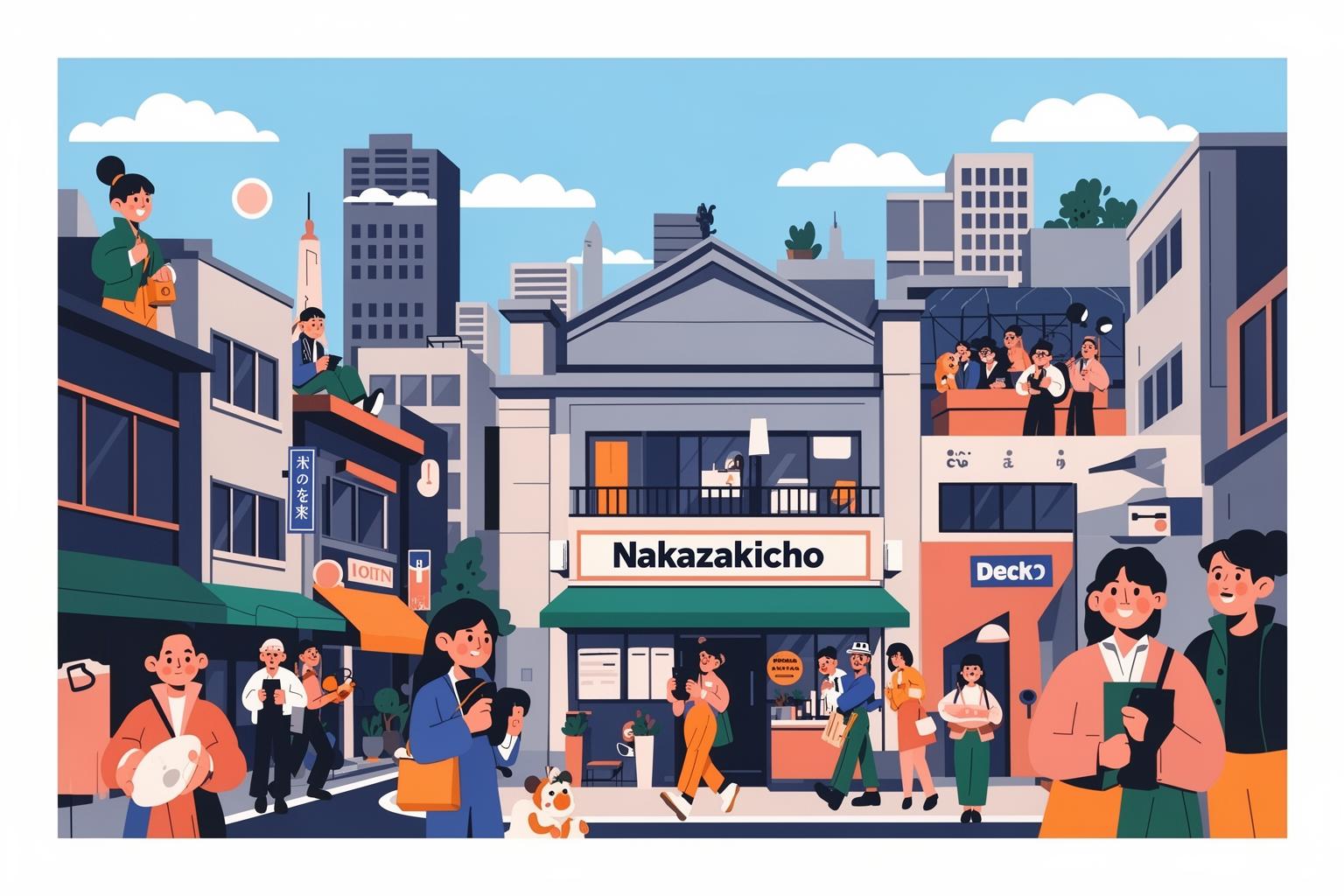
Navigating Your Way to Nostalgia
Reaching this hidden gem is surprisingly easy. The most straightforward way is to take the Osaka Metro Tanimachi Line to Nakazakicho Station. Upon exiting at Exit 2 or 4, you immediately find yourself immersed in the neighborhood’s quiet streets. Alternatively, you can enjoy a pleasant 10-15 minute walk from the bustling Hankyu Umeda Station or JR Osaka Station. Simply head east, passing under the elevated train tracks, and you’ll soon notice the scenery transitioning sharply from towering buildings to low, wooden houses. This walk serves as a wonderful buffer, helping you unwind and shift your mindset from the city’s hustle to a calm, creative space.
The Rhythm of the Neighborhood
Nakazakicho runs on a slower schedule. Many cafes and shops tend to open late, often around noon or even 1 PM, so this isn’t an early bird’s neighborhood. The quietest and most productive time for work is weekday afternoons, when the streets are calm and finding a seat in your favorite cafe is easy. On weekends, the area fills with visitors, creating a livelier, more bustling atmosphere. While this energy can be inspiring, it may not be ideal for tasks requiring deep focus. Plan your visit according to your work style. Most places close relatively early, around 6 or 7 PM, making this more of a daytime working destination.
The Unwritten Rules of Cafe Camping
As noted, working in these cafes comes with the responsibility of being a thoughtful guest. A good guideline is to order something new every 90 minutes to two hours—consider it paying rent for your creative space. Always ask permission before taking photos, especially inside, as some owners prefer to keep a private, undisturbed environment. While many cafes provide Wi-Fi, the connection may not be very fast; this is part of the charm, encouraging you to focus on offline tasks like writing or sketching and to use your online time more intentionally. Lastly, bring cash. Although more places accept cards now, many smaller, family-run spots still prefer cash. Being prepared avoids any awkward moments.
Finding Your Own Story in the Streets of Nakazakicho
Nakazakicho is more than just a collection of quaint streets and cozy cafes; it’s an experience. It’s the tranquility of a quiet alley, the comfort of a carefully brewed cup of coffee, and the inspiration drawn from being surrounded by history, art, and a community of independent spirits. It reminds us that in today’s fast-paced, hyper-connected world, there is great value in slowing down, appreciating the details, and creating spaces with soul. As a remote worker, your office can be anywhere, but in a place like Nakazakicho, your work can truly find its heart. So, bring your laptop, but don’t forget your notebook. Come for the coffee and Wi-Fi, but stay for the atmosphere. Wander without a destination, find your own favorite corner, and let the gentle, resilient spirit of this timeless Osaka neighborhood enrich your work with a new depth of creativity and meaning. Your next great idea might just be waiting for you around a cobblestone lane you’ve never noticed before.