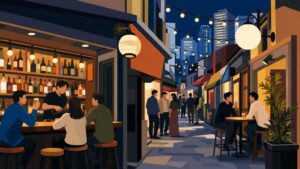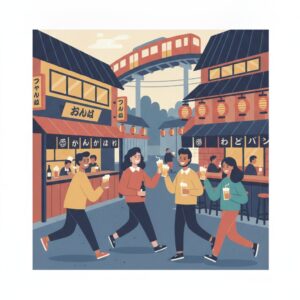
Step off the train at JR Tenma Station, and you’re not just stepping onto a platform; you’re stepping into a different dimension of Osaka. The air itself seems to crackle with a unique energy, a thrumming, joyous hum that’s part sizzling yakitori, part clinking beer mugs, and part the boisterous laughter of a city that truly knows how to unwind. This isn’t the polished, high-rise gleam of Umeda or the theatrical, tourist-filled canals of Dotonbori. This is Tenma, the undisputed, rough-around-the-edges, and utterly intoxicating heart of Osaka’s local nightlife. Forget your guidebooks for a moment. Forget meticulously planned itineraries. Tenma is a place to be experienced, a labyrinth of lantern-lit alleys and hidden watering holes where the best plan is to have no plan at all. It’s where salarymen loosen their ties, where friends gather for a cheap and cheerful feast, and where a curious traveler can, for the price of a beer, find the authentic, unfiltered soul of this incredible city. For anyone living in Osaka and wanting to peel back the layers to find what makes this city tick, a night spent adrift in the neon sea of Tenma is nothing short of a rite of passage. This is where you learn the language of ‘kanpai,’ not from a textbook, but from the smiles of strangers in a crowded standing bar.
For a different pace after a night of revelry, explore the quiet charm of Osaka’s retro Nakazakicho neighborhood with its atmospheric cafes perfect for remote work.
The Electric Atmosphere: A Symphony of Sights, Sounds, and Smells
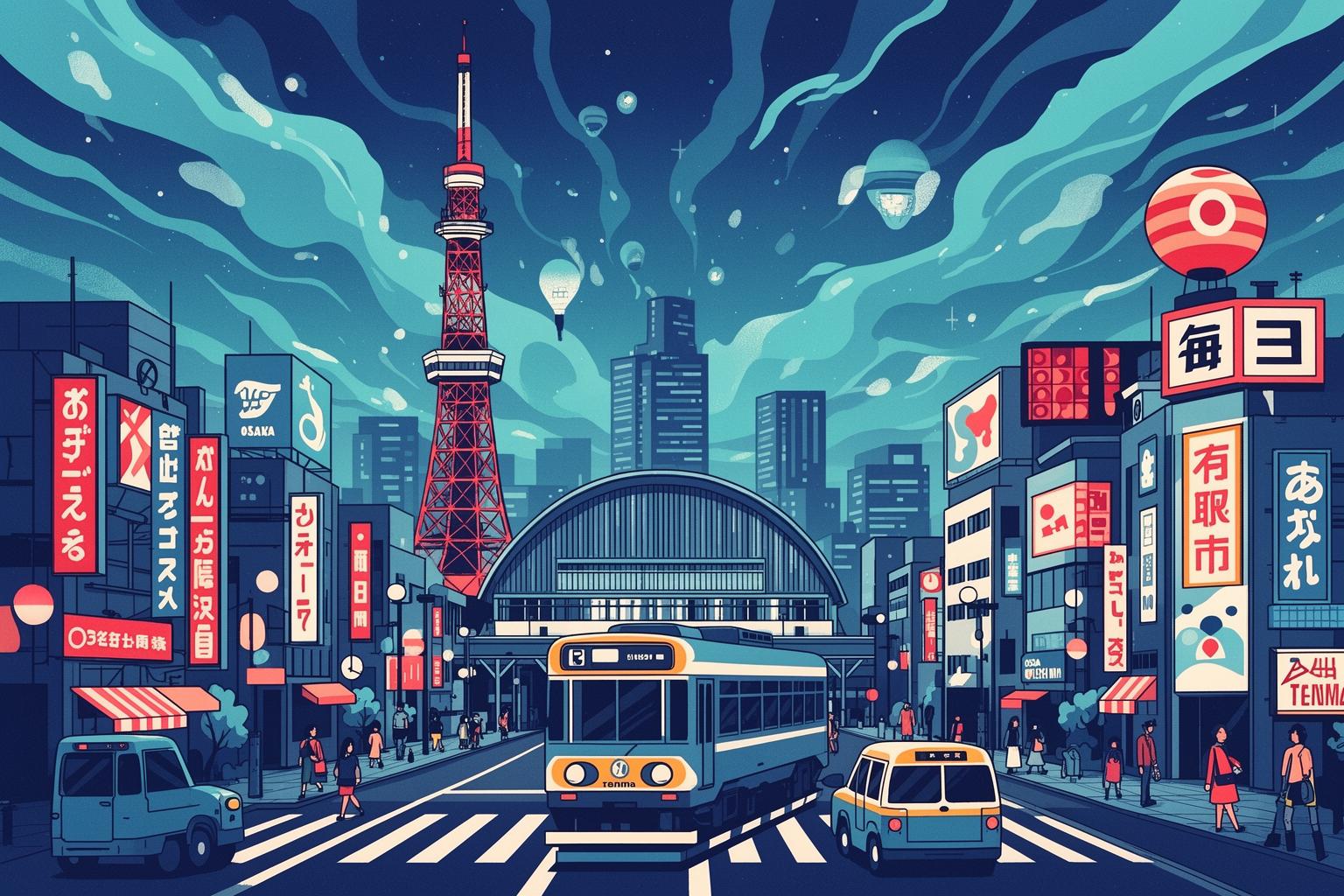
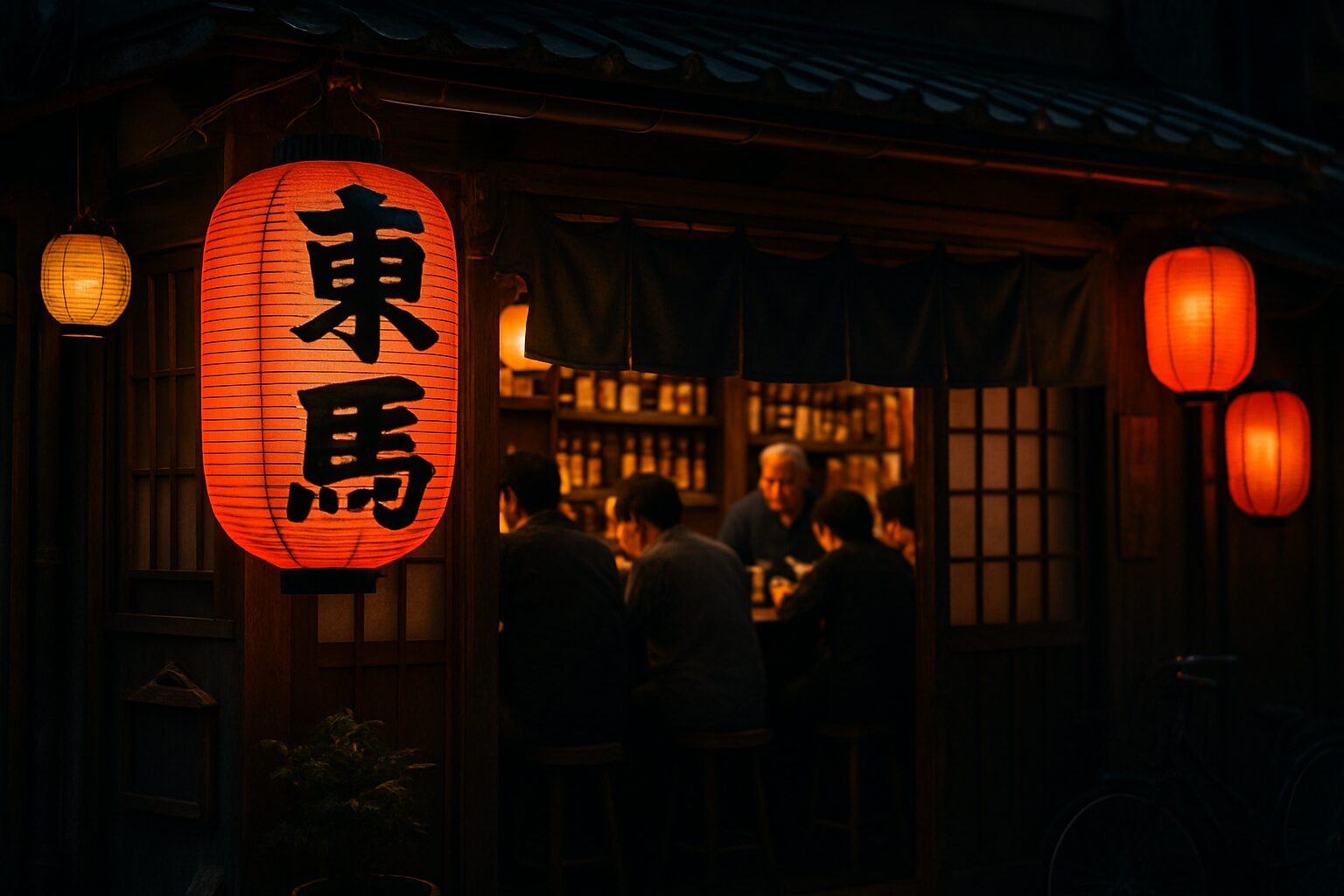
To truly grasp Tenma, you must first give in to its sensory overload. It’s a beautiful, exhilarating chaos. As dusk falls, the neighborhood stirs to life, and hundreds of red paper lanterns, or chochin, flicker on, casting a warm, inviting glow over the narrow streets. They hang along the alleys like strings of ruby gems, each one inscribed with the name of a business in elegant calligraphy, whispering promises of delicious food and flowing drinks. The air thickens with an irresistible aroma—the smoky, savory char of chicken grilling over charcoal, the sweet and tangy fragrance of simmering doteyaki stew, and the sharp, clean scent of fresh seafood being sliced for sashimi. It’s a culinary symphony, and you are standing right at its center.
The sounds of Tenma are just as rich. It’s the constant, welcoming chorus of “Irasshaimase!” (Welcome!) roaring from every doorway, making you feel like the most important guest to arrive. It’s the sizzle of oil as kushikatsu skewers hit the fryer, the rhythmic clinking of dishes from open kitchens, and above all, the lively murmur of conversation and laughter spilling from every bar and restaurant. Unlike quieter parts of Japan, Tenma is loud. It’s a joyful, communal noise—the sound of a city letting loose. You’ll hear glasses clinking as new friends toast, colleagues animatedly dissecting their day, and diners expressing satisfied groans over truly spectacular food. This isn’t a place for quiet reflection; it’s a space for spirited participation.
Visually, the district is a maze made for getting deliciously lost. The area around the station is a dense network of tiny streets, some barely wide enough for two to pass. Wires crisscross overhead, and neon signs in every color imaginable vie for your attention, advertising everything from 300-yen draft beer to premium sake. Many establishments are tiny, seating only a handful, with kitchens and counters open to the street. This fosters an amazing sense of intimacy and transparency. You can watch your food being prepared, see the bartender mixing your drink, and feel like part of the action, not just a customer. The architecture is a patchwork of old and new, with sleek modern facades nestled beside rustic wooden storefronts that seem unchanged for fifty years. This blend of grit and charm is Tenma’s visual trademark. It feels lived-in, authentic, and utterly unpretentious.
The Genesis of a Gourmet Ghetto: A Dash of History
Tenma’s vibrant present is deeply anchored in its past. Its identity is closely tied to two significant local institutions: the Osaka Tenmangu Shrine and the Tenjinbashisuji Shopping Street. The shrine, dedicated to Sugawara no Michizane, the deity of scholarship and learning, has served as a spiritual center for the area for over a thousand years. It also hosts the Tenjin Matsuri, one of Japan’s most renowned festivals, a dazzling summer celebration that fills the streets and rivers with parades, boats, and fireworks. This rich cultural heritage imbues the neighborhood with a strong sense of tradition and community. The festival’s lively energy seems to permeate the air throughout the year, enhancing the area’s spirited atmosphere.
Even more impactful on its culinary identity is the neighborhood’s history as a market hub. For centuries, the area around Tenma was a major Osaka market, where fresh fish, vegetables, and goods from across the region were traded. This legacy explains why, even today, Tenma is synonymous with exceptional quality and affordability. Restaurateurs and bar owners here maintain close ties with suppliers, and the competitive market environment guarantees that only the freshest, best ingredients reach your plate. That glistening sashimi you’re enjoying at an incredibly low price? It’s a direct product of this history. This market heritage fostered a culture of kuidaore—eating until you drop—long before it became a city-wide motto. The bars and eateries that sprang up to serve market workers were, out of necessity, fast, affordable, and delicious. They catered to working people seeking a good meal and a stiff drink with no fuss. This practical, high-value approach is embedded in Tenma’s dining scene and is what makes it so attractive to both locals and discerning travelers. It’s a living museum of Osaka’s merchant culture, where the exhibits are edible and the history is served on a skewer.
Navigating the Labyrinth: Your Guide to the Zones of Tenma
Thinking of Tenma as a single entity is a beginner’s mistake. It’s actually a collection of micro-neighborhoods, each offering its own unique vibe and rhythm. Mastering the navigation of these areas is essential to unlocking Tenma’s full potential and creating your ideal night of hashigo-zake, the Japanese art of bar-hopping.
The Heart of the Action: Around JR Tenma Station
The moment you exit the ticket gates of JR Tenma Station, you find yourself at the very epicenter. The concentration of bars and restaurants here is astounding. This is the starting point of your adventure. Covered arcades and narrow alleys radiate from the station, packed shoulder-to-shoulder with all kinds of establishments. You’ll encounter lively izakayas with plastic crate seating, brightly lit sushi bars where chefs expertly slice fish right before your eyes, and smoky yakitori spots where the grill master is a local legend. This area is ideal for your first stop. The energy is electric, and the sheer variety can feel overwhelming yet thrilling. Don’t overthink it—choose a spot with an open seat, a welcoming atmosphere, and a menu that intrigues you. The beauty of this area lies in its accessibility; it’s an excellent place to warm up your palate and get a sense of the Tenma buzz before exploring further.
The Iconic Alley: Chochin-dori (Lantern Street)
A short walk from the station takes you to one of Tenma’s most picturesque and atmospheric locations—a narrow alleyway known unofficially as Chochin-dori. Here, a canopy of red paper lanterns hangs overhead, casting a magical, cinematic glow. It feels like stepping onto the set of a film depicting old Japan. The small, intimate places lining this street often specialize in cozy izakayas featuring seafood or unique regional dishes. While its visual appeal draws many visitors, the quality of the food and drink truly lives up to expectations. Even if you don’t stop here, strolling down this alley is a must-do in Tenma. It perfectly captures the romantic, nostalgic spirit of Japanese nightlife, delivering it with genuine warmth and exceptional flavors.
The Insider’s Choice: Ura-Tenma
For those eager to delve deeper, there’s Ura-Tenma, which means “Back Tenma.” This slightly more concealed area hosts some of the neighborhood’s most intriguing and innovative spots. It carries a more modern, almost bohemian vibe, yet retains Tenma’s characteristic grit. You might discover a standing bar devoted to craft sake, a tiny bistro serving Japanese-Italian fusion, or a chic wine bar tucked away in an old building. Ura-Tenma is where local chefs and young entrepreneurs experiment and reinvent the classic izakaya experience. It feels more curated and less chaotic than the area around the station, making it an excellent choice for your second or third stop of the night, when you’re ready for a change of pace and fresh discoveries. Unearthing a hidden gem in Ura-Tenma feels like being let in on a local secret.
The Endless Corridor: Tenjinbashisuji Shotengai
Running parallel to the main bar-hopping hubs is the expansive Tenjinbashisuji Shopping Street, Japan’s longest covered shopping arcade, which stretches an impressive 2.6 kilometers. While it functions primarily as a retail street by day, its atmosphere shifts at night. The main passage quiets down, but numerous side streets and the areas near its entrances become extensions of Tenma’s nightlife. Many great bars and restaurants are tucked just off the main arcade. You might begin your evening with a leisurely stroll through the shotengai, snacking on street food, before diving into one of the side alleys to commence your bar-hopping adventure. Serving as both a landmark and a conduit of commerce and culture, the shotengai feeds the tributaries of Tenma’s vibrant nightlife. The contrast between the vast, straight shotengai and the winding, narrow alleys of the bar district stands as a perfect metaphor for the neighborhood’s multifaceted character.
The Language of the Bar: Mastering the Different Styles of Drinking
In Tenma, a bar is far more than just a place to drink. The style of the establishment shapes the experience, the etiquette, and the social interactions. Grasping these subtleties will transform your evening from a simple pub crawl into a true cultural immersion.
Tachinomi: The Art of Standing
Arguably the most iconic Tenma experience is the tachinomi, or standing bar. These are usually small, no-frills spots where you stand at a counter or high table to enjoy your drinks and food. The concept is straightforward: fast, affordable, and social. Tachinomi bars aren’t meant for long stays. They are lively, fluid spaces where people stop by for a quick beer and a few skewers on their way home from work or as a brief pause during a longer night out. The charm of tachinomi lies in its communal atmosphere. Standing shoulder-to-shoulder with strangers breaks down social barriers. It’s remarkably easy to strike up a conversation with the person next to you, with the friendly staff behind the counter, or with a group celebrating a small success. The menu tends to focus on quick, simple, and tasty bites—think grilled skewers, small sashimi plates, or simmered dishes. Prices are often surprisingly low, enabling you to sample a broad range of food and drink without spending much. For a first-timer, a tachinomi is the ideal introduction to Tenma’s social scene. Just find a spot at the counter, order with a smile, and be ready for the conversations that will naturally ensue.
Izakaya: The Japanese Living Room
The izakaya is the quintessential Japanese pub, a home away from home for many. Unlike Western bars where drinking takes center stage, izakayas place equal emphasis on food. Indeed, many visit izakayas primarily for the meal. The atmosphere is warm and social, a place to relax with friends and share various small dishes over several rounds of drinks. In Tenma, you’ll discover an incredible range of izakayas. There are smoky, old-fashioned yakitori spots where the air is rich with the aroma of charcoal and grilling meat. Bustling seafood izakayas let you choose a live fish from a tank and have it served fresh as sashimi moments later. Cozy, traditional venues specialize in oden, a soothing winter stew. When you take a seat at an izakaya, you’ll often be served a small appetizer called otoshi or tsukidashi. This isn’t complimentary; it’s part of a nominal cover charge and a customary practice. Think of it as your ticket to the table. The menu tends to be extensive, and the best approach is ordering a variety of dishes to share with your group. This shared dining style is central to the izakaya experience—it’s about connecting, chatting, and savoring the moment together.
The Specialists: Sake, Craft Beer, and Beyond
While Tenma is renowned for its traditional bars, it’s also a neighborhood that’s continually evolving. Recently, a new wave of specialty bars has appeared, catering to more specific preferences. You can find sake bars where a knowledgeable master (taisho) guides you through tasting flights of artisanal brews from various regions of Japan, explaining the subtle flavor differences. These establishments provide a fantastic introduction to Japan’s national drink. Likewise, the global craft beer trend has firmly taken root in Tenma. Several bars now feature an impressive selection of Japanese and international craft beers on tap, offering a hoppy alternative to conventional lagers. There are also wine bars with carefully curated selections and even bars specializing in particular spirits like shochu or gin. These specialty venues provide a distinct, more focused experience. They’re perfect for those who want to dive deep into a specific type of drink and learn from passionate experts. They add another layer of richness to Tenma’s already diverse tapestry, proving this neighborhood has something to satisfy every palate.
A Culinary Treasure Map: What to Eat in Tenma
Bar-hopping in Tenma is just as much about the food as it is about the drinks. The quality and variety available are truly astonishing. Each small bar and restaurant specializes in perfecting a handful of dishes passed down through generations or innovating with the freshest local ingredients. Here’s a selection of what you absolutely must try.
Yakitori and Kushiyaki: The Soul on a Skewer
The sizzle and smoke of a yakitori grill form the heartbeat of Tenma. Yakitori (grilled chicken skewers) and Kushiyaki (a broader term for all grilled skewers) are the ultimate accompaniment to drinks. The menu can be overwhelming at first, featuring various chicken parts, some more adventurous than others. Begin with the classics: momo (thigh meat), negima (thigh and green onion), and tsukune (minced chicken meatballs). You’ll usually be asked to select your seasoning: shio (salt) or tare (a sweet and savory soy-based glaze). A good guideline is to order shio for simpler cuts to savor the meat’s flavor, and tare for richer parts or meatballs. Don’t hesitate to explore. Kawa (crispy skin) and bonjiri (tail) are delicious, and for the adventurous, hatsu (heart) and sunagimo (gizzard) offer distinctive textures and flavors. Watching a skilled chef expertly fan the charcoal flames and turn the skewers is a performance in itself.
Kushikatsu: Osaka’s Golden Rule
If Osaka has a signature dish, it could well be kushikatsu—deep-fried skewers of meat, seafood, and vegetables. In Tenma, you’ll find numerous spots dedicated to this golden, crispy delight. The process is straightforward: you receive a menu (or simply point at the ingredients on display), and your choices are battered, fried, and served sizzling hot. The key element is the communal dipping sauce. A large container of thin, savory sauce sits on the counter, where the most important rule of Osaka dining applies: NO DOUBLE-DIPPING. You dip your skewer once, and only once, before taking your first bite. If you want more sauce, use the provided cabbage leaves to scoop some onto your plate. Breaking this rule is the ultimate faux pas. The variety is endless, including beef, pork, shrimp, scallops, quail eggs, shiitake mushrooms, and even cheese. The light, crispy batter paired with the tangy sauce is addictive, perfectly complemented by a cold, crisp beer.
Seafood Sensations: Fresh from the Market
Thanks to its market heritage, Tenma is a haven for seafood lovers. The freshness is evident, and prices are far lower than what you’d find in more formal restaurants. Look for places with chalkboards advertising the day’s catch. A plate of sashimi moriawase (assorted raw fish) is a must-try. You’ll be impressed by the quality of tuna (maguro), sea bream (tai), and squid (ika). Many establishments also excel at grilled and simmered fish. A simple piece of salt-grilled mackerel (saba shioyaki) or a comforting bowl of simmered rockfish (mebaru nitsuke) can be a deeply satisfying culinary experience. In winter, seek out fresh oysters (kaki), served raw, grilled, or fried. The straightforward preparation showcases the quality of the ingredients—a testament to the confidence Tenma’s chefs have in their suppliers.
Comforting Classics: Doteyaki and Oden
For an authentic taste of Osaka soul food, you must try doteyaki and oden. Doteyaki is a rich, hearty stew of beef sinew slow-cooked in a sweet and savory miso and mirin broth. It’s incredibly tender, melting in your mouth, making it perfect for a cool evening. You’ll often see it simmering in large pots on the counters of many izakayas. Oden is another classic winter warmer, though it’s enjoyed year-round. It’s a one-pot dish where ingredients like daikon radish, hard-boiled eggs, tofu cakes, and fish cakes are gently simmered in a light, dashi-based broth. You simply point at the items you want, and they are served with a dab of sharp Japanese mustard (karashi). Both doteyaki and oden define comfort food—simple, deeply flavorful, and incredibly satisfying. They embody the humble, heartwarming side of Osaka cuisine.
Practical Tips for Your Tenma Adventure
A little preparation can greatly enhance your night in Tenma, making it smooth, enjoyable, and genuinely local. Keep these tips handy as you begin your adventure.
Timing is Key
Tenma truly comes alive in the evening. Most bars and izakayas open around 5:00 PM or 6:00 PM. To experience the area like a local, try to arrive on a weeknight. That’s when the after-work crowd gathers, creating a lively but not overwhelmingly busy atmosphere. You’ll have a better chance of getting a seat at popular spots and more opportunities to chat with locals. Weekends, especially Friday and Saturday nights, are much busier. The vibe is more like a street party, but expect queues and crowded venues. The ideal time to arrive is often around 6:00 PM, allowing you to watch the neighborhood shift from dusk to bustling nightlife. While many places stay open late, some smaller, family-run spots may close earlier, so don’t save your favorite stop for the very end of the evening.
Cash Remains King
Though Japan is gradually adopting cashless payments, many small, independent, and traditional establishments in Tenma still only accept cash. Don’t get caught off guard. It’s a good idea to withdraw yen from an ATM before your evening out to ensure you have enough to cover food and drinks. This not only prevents any awkward moments at checkout but also speeds up service in these busy, fast-paced bars. Paying with cash is part of the neighborhood’s old-school charm.
Master the Art of the Quick Visit
The essence of hashigo-zake (bar-hopping) is to sample many places rather than staying in one spot all night. This is especially important in smaller venues like tachinomi. The unspoken rule is to have a drink or two, enjoy a couple of small plates, and then move on so others can use the space. Lingering for hours over a single drink is generally frowned upon. This steady turnover of patrons gives Tenma its vibrant energy. Aim to visit at least three or four different places during the evening to experience a true variety of what the area offers. Each stop brings a new vibe, new flavors, and new people to meet.
A Little Japanese Goes a Long Way
You don’t need to be fluent, but learning a few basic Japanese phrases can transform your experience. Staff and fellow customers will genuinely appreciate the effort. Start with the essentials: Sumimasen (Excuse me, to get attention), Nama biru, kudasai (A draft beer, please), Kore, kudasai (This one, please – while pointing at a menu item), Oishii (Delicious!), and Gochisosama deshita (A polite way to say “Thank you for the meal” when leaving). And of course, Kanpai! (Cheers!). A simple smile combined with a few words in Japanese can lead to wonderful interactions and help you feel less like a tourist and more like a part of the scene.
Don’t Hesitate to Dive In
For first-timers, Tenma can feel a little intimidating. Crowded alleys, menus only in Japanese, and a lively atmosphere can be overwhelming. The best advice is to be courageous and just dive in. Don’t hesitate to enter a place that looks interesting, even if you’re unsure what it is. Most places warmly welcome foreigners. If there’s no English menu, use pointing, gestures, or a translation app on your phone. Staff and other customers are often eager to help. Some of the best discoveries in Tenma come from taking a chance on places you know little about. Embrace the adventure, stay open to new experiences, and let the neighborhood’s spirit lead the way.
A Night to Remember
As your night in Tenma comes to an end and you make your way back to the station, you’ll carry more than just a full stomach. You’ll take with you the echoes of laughter, the warmth of shared sake, the flavor of perfectly grilled chicken, and the memories of numerous small, friendly exchanges. Tenma is more than just a collection of bars; it’s a vibrant, welcoming community that embraces you wholeheartedly. It’s a place that shows you that the best travel experiences aren’t found in polished landmarks, but in the lively, joyful chaos of everyday life. It’s a true slice of Osaka, a city proud of its friendliness, its passion for good food, and its down-to-earth approach to enjoying a night out. So go ahead, lose yourself in its lantern-lit alleys. Order something you can’t quite pronounce. Raise a glass to a stranger. A night spent bar-hopping in Tenma is a night spent falling in love with the real Osaka—one delicious skewer and one heartfelt ‘kanpai’ at a time.