
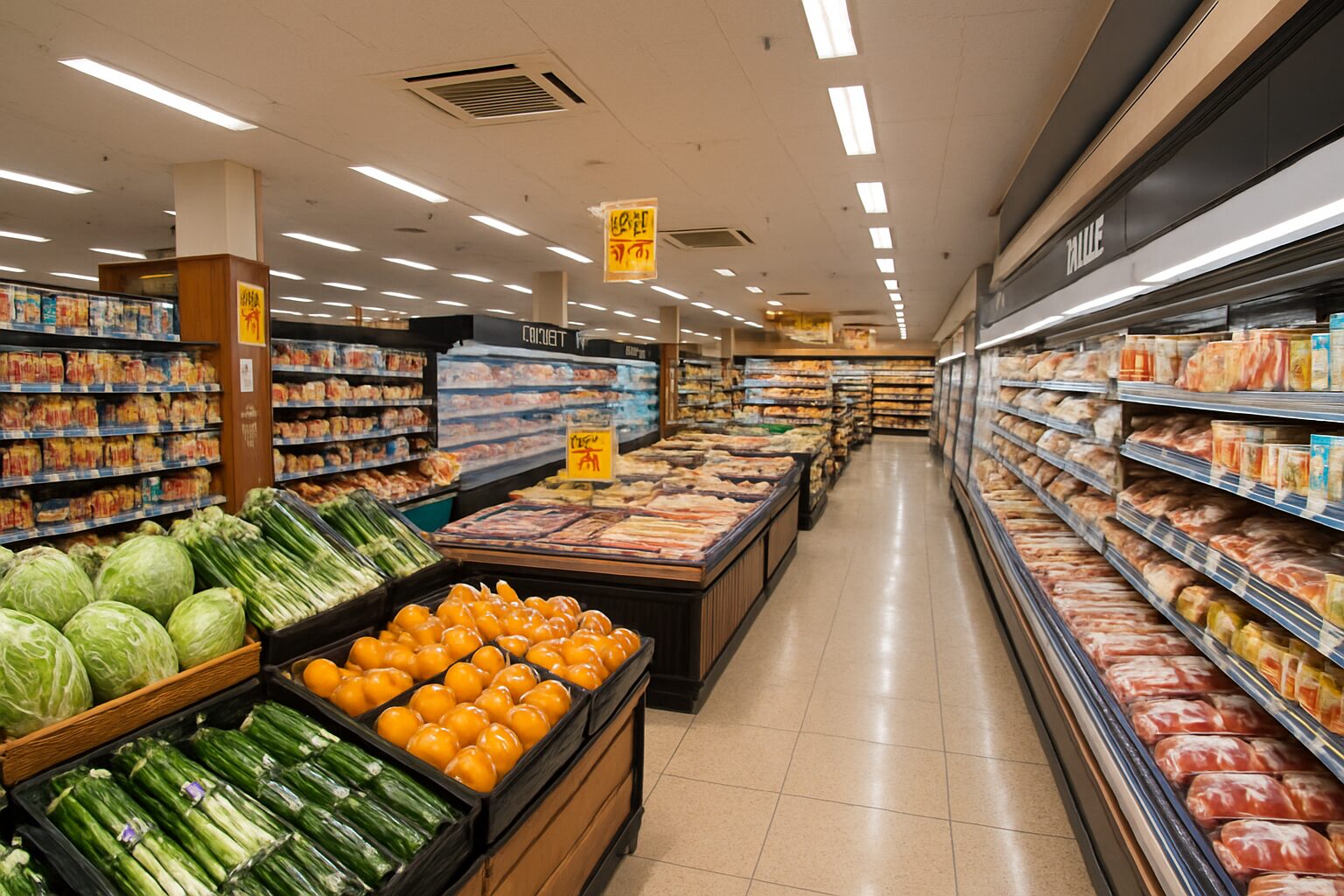
Step off the bustling main street, away from the neon glow of Dotonbori and the towering silhouette of Umeda Sky Building, and you’ll find the true, rhythmic heartbeat of Osaka. It doesn’t pulse in the tourist hotspots, but rather under the fluorescent lights of a place that is both mundane and magical: the neighborhood supermarket. For those of us who call this vibrant city home, the local ‘suupaa’ is more than just a place to buy groceries. It’s a community hub, a culinary classroom, and a daily ritual that offers an unfiltered glimpse into the soul of Osakan life. It’s where grandmothers meticulously select daikon radishes for tonight’s stew, where office workers grab a life-saving bento box, and where the changing seasons are announced not by a calendar, but by the arrival of fresh bamboo shoots or the sweet perfume of new-harvest strawberries. To understand Osaka, you must understand its supermarkets. They are the stage upon which the quiet, delicious drama of everyday existence unfolds, a world of subtle etiquette, incredible freshness, and a deep-seated appreciation for food that borders on reverence. This is not just shopping; it’s a cultural immersion, one cart-full at a time.
This daily rhythm of life is also reflected in how the region adapts to change, as seen in the way Kansai hotels are implementing AI-driven dynamic pricing.
The Grand Entrance: A Welcoming Jingle and the Promise Within
Your journey into this microcosm of Osaka life starts with a sound familiar to anyone who has lived in Japan: a cheerful, electronic jingle that rings out as the automatic glass doors slide open. This simple melody serves as the prelude to the symphony within. It’s a welcoming chime that marks your transition from the outside world into a carefully curated realm of sustenance and flavor. The first breath you take inside carries a complex blend of clean linoleum, the faint, earthy aroma of root vegetables, and perhaps a savory hint of freshly fried tempura from the deli section. It’s a scent of comfort and domesticity. Before you stretches a row of shopping carts, or ‘kaato’, often cleverly designed with a lower rack for heavy items and a smaller upper basket for delicate ones. You’ll also find stacks of hand-held baskets, ‘kago’, for those on a quicker errand. The choice between a cart and a basket is the first decision in a long chain of culinary choices you’re about to make. The lighting is bright, even, and shadowless, intended to highlight the vibrant colors of the food on display. There are no dramatic spotlights, only a consistent, honest glow that says, ‘what you see is what you get.’ This initial experience embodies order, cleanliness, and a subtle, underlying efficiency that permeates every aspect of the Japanese retail experience. It’s the calm before the delightful storm of choices that awaits in the aisles ahead.
The Produce Paradise: A Celebration of Seasonality (Shun)
Turning the corner from the entrance, you’re instantly welcomed by the most visually striking section of any supermarket in Osaka: the produce department, or ‘seikabutsu-uriba’. This area is more than just a collection of fruits and vegetables; it serves as a vibrant testament to the Japanese concept of ‘shun’ (旬), representing the peak of seasonality. The cultural reverence for enjoying foods at their absolute best is central here, making this aisle its sacred space. In spring, the scene is dominated by the delicate green of Takenoko (bamboo shoots), often accompanied by a small packet of rice bran for proper preparation. You’ll find tender spring cabbages, so soft they barely require cooking, alongside piles of strawberries, carefully packaged to protect each perfect berry, their sweet aroma filling the air. Summer brings an explosion of color. Large, dark-green watermelons, some sold in halves or quarters due to their size, sit next to bright yellow corn from Hokkaido, famed for its exceptional sweetness. Peaches wrapped in individual foam nets like precious jewels and shiny purple eggplants (nasu), essential in many summer dishes, are proudly displayed. With autumn comes a shift to warmer, earthier hues. The comforting scent of yaki-imo (roasted sweet potatoes) may waft from a dedicated heater near the entrance. Persimmons (‘kaki’) of various shapes and sizes, from crisp Fuyu to succulent Hachiya, are stacked in pyramids. A diverse assortment of mushrooms appears: maitake, shimeji, enoki, and the prized matsutake, whose intoxicating pine-like aroma commands a high price. Winter introduces hearty root vegetables. Large piles of daikon radish, long, white nappa cabbages for nabe (hot pot), and the citrusy scent of yuzu, a knobby, fragrant fruit used to flavor broths and desserts, define the season. Presentation is as crucial as the produce itself. Vegetables are often pre-cut for convenience—julienned carrots for salads, chopped cabbage for okonomiyaki, mixed roots for a hearty ‘tonjiru’ soup. Everything is impeccably clean, sorted by size and quality, and displayed with artistic care that turns grocery shopping into an appreciation of nature’s beauty and abundance. Here, you learn that in Osaka, you don’t simply eat; you savor the season itself.
Local Pride: Naniwa no Dento Yasai
Be sure to look for a special label: ‘Naniwa no Dento Yasai’, meaning traditional vegetables of Naniwa (the ancient name for Osaka). These heirloom varieties have been cultivated in the region for centuries, each carrying a unique history and flavor. You might come across items such as ‘Torigai Mitsuba’, a fragrant trefoil with a crisp texture, or ‘Kema Kyuri’, a short, stout cucumber with a rich flavor perfect for pickling. Purchasing these vegetables is not only about taste but also about connecting with Osaka’s agricultural heritage. Supermarkets take great pride in sourcing from local farms, often displaying signs with photos of the farmers who grew the produce, creating a tangible connection between consumer and grower. This transparency builds trust and fosters a sense of community, reminding shoppers that their purchase supports a local family and a tradition that has nourished the city for generations. It’s a quietly beautiful form of storytelling happening in the most unassuming of places.
The Ocean’s Bounty: The Seafood Section (Sengyo)

Moving further into the store, you’ll notice a subtle change in the air—a fresh, briny scent that marks your arrival at the ‘sengyo’ or fresh fish section. This area is often the liveliest part of the supermarket. The sounds shift to the rhythmic chop of a knife on a wooden board, the hum of refrigeration units, and occasional calls from staff announcing special offers. The visual display is equally captivating. Whole fish, with clear eyes and shining scales—the unmistakable signs of true freshness—are presented on beds of crushed ice. Depending on the season, you might spot sanma (Pacific saury) in autumn, shimmering like silver swords, or plump, oily buri (yellowtail) in winter, a prized catch for sashimi and teriyaki. Yet the real charm of the Japanese seafood counter lies in its accessibility. For those who prefer not to clean and fillet whole fish, the choices are abundant. Perfectly portioned fillets of salmon, mackerel, and sea bream are neatly arranged in trays. Some are pre-seasoned with miso or herbs, ready to be pan-fried or grilled for a quick, tasty meal. The true highlight for many is the sashimi corner. Here, you’ll find blocks (‘saku’) of tuna ranging from the deep red ‘akami’ (lean) to the marbled, melt-in-your-mouth ‘chu-toro’ (medium fatty) and ‘o-toro’ (prime fatty). There’s also salmon, squid, octopus, scallops, and a variety of other seasonal delicacies, all sliced and ready to be enjoyed with a dab of wasabi and a splash of soy sauce. The quality is often so exceptional that it rivals what you might find in a mid-range restaurant. You’ll also encounter a remarkable selection of processed seafood products. Shirasu (tiny whitebait), tubs of mentaiko (spicy cod roe), and several types of seaweed—wakame for miso soup, kombu for making dashi stock, and nori for wrapping onigiri—are all staples. This section stands as a masterclass in the Japanese diet’s profound connection to the sea, illustrating how every part of the ocean’s bounty is used with respect and creativity.
The Heart of the Meal: Meat, Tofu, and Dairy
Next to the seafood, you’ll discover the ‘seiniku’ or meat counter. Like every other section, it exemplifies precision and variety. The meat, especially beef, is often graded by its marbling, showcasing beautifully patterned Wagyu for special occasions. What stands out most to a newcomer is how the meat is cut. Instead of just thick steaks and roasts, large quantities are sliced paper-thin for beloved Japanese dishes like shabu-shabu (hot pot where you briefly swish the meat in broth) and sukiyaki. Thicker, bite-sized pieces are packaged for yakiniku (Japanese BBQ), while ground pork and beef blends are ready for hamburger steaks or gyoza fillings. Chicken is equally diverse, with neatly trimmed thighs, breasts, wings, and even cartilage (nankotsu) ideal for grilling. The focus is always on providing customers with exactly what they need for specific dishes, minimizing preparation. This attentiveness defines the shopping experience.
Nearby is the refrigerated section for tofu, soy products, and noodles. The variety of tofu can be astonishing. There’s firm ‘momen’ for stir-fries, silken ‘kinu’ for chilled dishes like hiyayakko, and ‘atsuage’ (deep-fried tofu) that absorbs flavors in simmered dishes. You’ll also find ‘aburaage’ (thin fried tofu pockets) used for stuffing with sushi rice to make inari sushi, plus soy milk in various flavors. This area is a haven for plant-based eaters and a tribute to the versatility of the humble soybean. The noodle selection is just as extensive. Fresh udon, soba, ramen, and yakisoba noodles come packaged with their respective soup bases, providing a quick and satisfying meal. These aren’t the dry, brittle noodles from packets; they are fresh, with superior texture and flavor that can elevate a simple home-cooked dish.
The dairy section may seem more familiar but possesses its own distinct character. Yogurts come in an impressive variety, many promoting unique health benefits with specific probiotic strains highlighted on the packaging. Drinkable yogurts in small bottles are popular as a breakfast choice. Milk is sold in cartons with a strong focus on freshness, clearly marked with production dates. Although the cheese selection has expanded over the years, sliced processed cheese remains prevalent, perfect for Japanese-style breakfast toast, alongside a carefully chosen variety of natural cheeses.
The Lifeline of the City: The惣菜 (Sozai) and Bento Wonderland
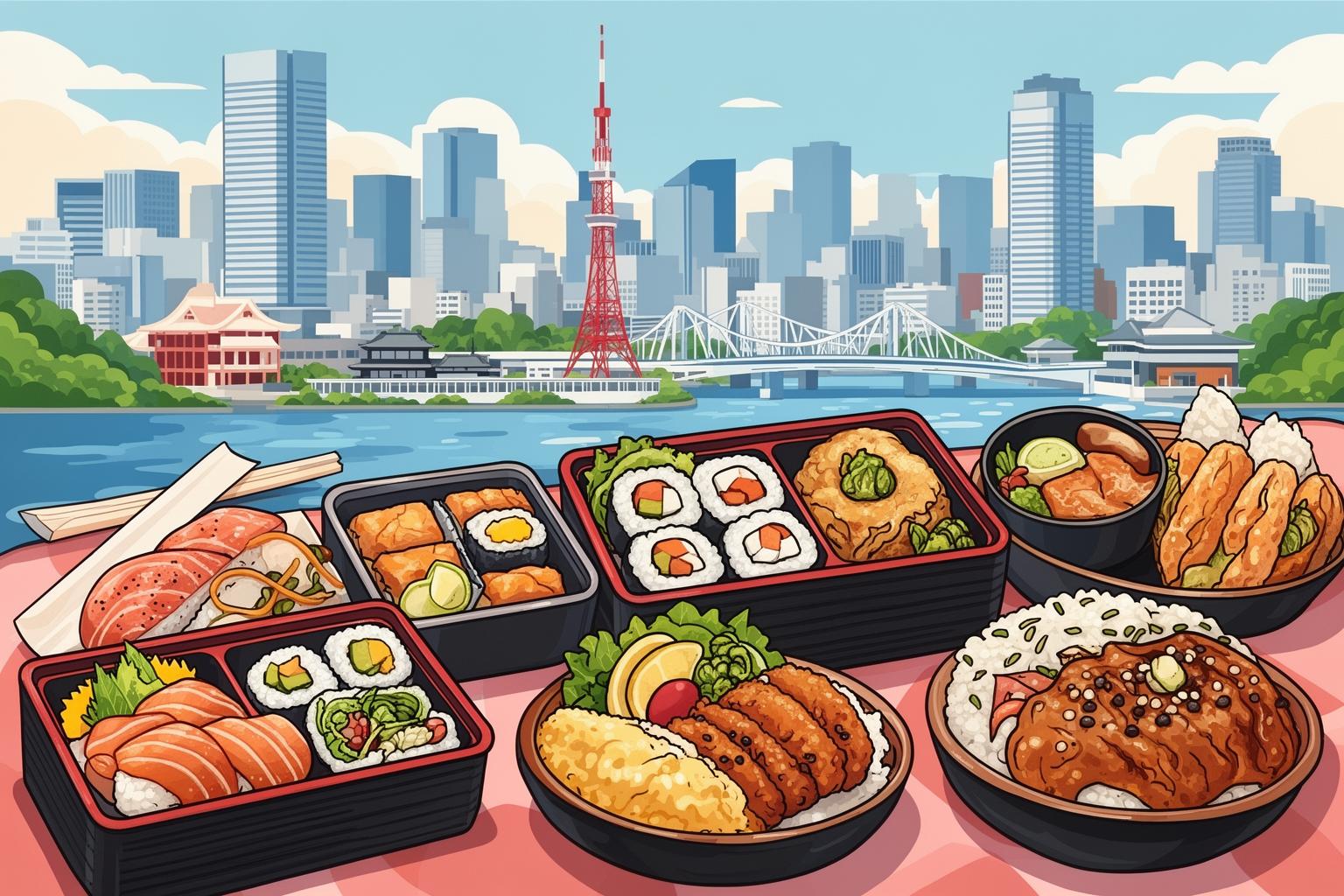
If there is one area that truly captures the rhythm and priorities of contemporary life in Osaka, it is the ‘sozai’ and bento aisle. This is much more than just a deli; it serves as a lifeline for busy students, hardworking parents, single professionals, and anyone seeking a tasty, home-style meal without the time needed to cook from scratch. The air here is filled with the enticing aromas of fried chicken (karaage), sizzling gyoza, and sweet soy glaze. The selection is a feast for the eyes. Golden-brown korokke (croquettes) filled with potato or cream, crispy tempura prawns and vegetables, grilled fish, savory tamagoyaki (rolled omelet), and a variety of vegetable side dishes are all displayed under warm lighting. This is not just fast food; it is a thoughtfully prepared assortment of traditional Japanese dishes. Many supermarkets have their own kitchens where these items are freshly made throughout the day. The bento boxes are a world unto themselves, ranging from simple onigiri (rice balls) with a few pickles to elaborate ‘makunouchi’ bentos featuring compartments of rice, grilled fish, simmered vegetables, a slice of tamagoyaki, and a small dessert. There are bentos with tonkatsu (breaded pork cutlet), chicken teriyaki, hamburger steak, and seasonal specialties. They are nutritionally balanced, visually enticing, and incredibly convenient. For many Osaka residents, picking up a bento from the local supermarket for lunch or dinner is a regular and much-valued part of their routine. This section perfectly exemplifies the Japanese talent for blending convenience with quality, ensuring that even a quick meal never compromises on flavor or nutrition.
Navigating the Aisles: A World of Sauces, Snacks, and Sips
Beyond the fresh food sections lie the long, orderly aisles of dry goods, which can feel like a maze of culinary discovery for newcomers. Here, you’ll encounter the essential staples of Japanese cuisine. One aisle may be dedicated entirely to soy sauce (‘shoyu’), featuring varieties from light (‘usukuchi’) to dark (‘koikuchi’), along with reduced-sodium options and artisanal brews. Another area is reserved for miso paste, offering different types based on region and ingredients—white, red, and mixed—for making miso soup and marinades. Shelves hold bottles of mirin (sweet cooking wine), rice vinegar, and sake used for cooking. At the core is dashi, the fundamental Japanese soup stock. Although it can be made from scratch using kombu (kelp) and katsuobushi (bonito flakes), supermarkets provide a dazzling range of instant dashi powders and packets, making home cooking very accessible. Additionally, there are numerous curry roux blocks, pre-made pasta sauces with a Japanese twist (such as mentaiko or sea urchin), and virtually every condiment you can imagine.
The snack aisle, or ‘okashi’ section, is a vibrant explosion of color and creativity. It’s a spot where global brands sit alongside uniquely Japanese treats. You’ll discover a wild assortment of KitKat flavors, from matcha green tea to sake, which have become famous worldwide. But don’t overlook the local favorites. Senbei (rice crackers) come in many shapes and sizes, flavored with soy sauce, seaweed, or chili. Pocky, the thin biscuit stick dipped in chocolate or other flavors, remains a timeless classic. There are also traditional sweets like mochi and dorayaki, alongside Western-style cookies and chocolates. This diversity reflects Japan’s ability to embrace and adapt foreign influences while preserving its distinct culinary identity.
The beverage aisle is equally remarkable. The tea selection is staggering—green tea (sencha), roasted green tea (hojicha), brown rice tea (genmaicha), and barley tea (mugicha), available in tea bags, loose leaf, and countless bottled options. The canned coffee culture is immense, with rows of small cans from brands like Boss and Fire, offering everything from black coffee to sweet café au lait, served hot or cold from vending machines often found inside the store. The alcohol section includes a broad range of Japanese beers, from major brands like Asahi and Kirin to an expanding selection of craft brews. You’ll also find sake, shochu (a distilled spirit), and umeshu (plum wine), providing a comprehensive overview of Japanese alcoholic beverages.
The Rhythm of the Supermarket: Timing, Discounts, and the Art of the Deal
An Osaka supermarket is far from a static environment; it follows a distinct daily rhythm, and understanding this is essential to shopping like a local. Mornings, just after opening, are usually busy with elderly shoppers and stay-at-home parents. The aisles are crowded, but the pace remains steady. During this time, the shelves are at their most pristine and stocked with the freshest items of the day. Early afternoon tends to be the quietest period, ideal for those who prefer a more relaxed, uncrowded shopping experience. You can leisurely browse the aisles and read labels without feeling rushed.
The real excitement, however, kicks off in the late afternoon and early evening. This is when the magic of ‘waribiki’ (discounting) starts. As closing time nears, staff armed with sticker guns move through the fresh food sections, especially sushi, bento, and sozai aisles, placing discount stickers on items that need to be sold that day—20% off, 30% off, and the coveted ‘hangaku’ (半額)—50% off. This practice is deeply connected to the cultural concept of ‘mottainai,’ a sense of regret over waste. It’s a brilliant system that cuts down food waste while offering incredible deals to savvy shoppers. The atmosphere becomes electric, charged with anticipation as shoppers—from students to office workers on their way home—circle the deli section like patient predators. There’s an unspoken etiquette to this discount hunt: no pushing or shoving, yet a clear sense of urgency prevails. When staff apply a fresh round of deeper discount stickers, items can vanish in an instant. It’s a thrilling, fast-paced experience that turns a routine task into a sport. Securing a high-quality sashimi platter or a tasty bento at half price feels like a true victory, a reward for your patience and timing. This daily ritual is a key part of the city’s economic and social fabric, a dance of supply and demand unfolding each night under the fluorescent lights.
Practical Tips and Etiquette for Your First Visit
Navigating a supermarket in Osaka for the first time is straightforward, but a few local tips can help make the experience even smoother. First, upon entering, take a small, damp towel (‘oshibori’) from the dispenser typically found near the produce section. This is for cleaning your hands before handling fresh items, a small yet important detail reflecting the strong emphasis on hygiene. When you’re ready to check out, place your basket on the counter. The cashier (‘reji’) will be impressively efficient and polite, scanning your items with remarkable speed. In most supermarkets, the cashier will also transfer your items into another basket after scanning. Your task is to bring this second basket to a separate bagging counter (‘sakugyodai’), where you will bag your own groceries. This system helps keep the checkout lines moving quickly. Most locals bring their own reusable bags, called ‘my bag’ (マイバッグ), since plastic bags usually come with a small charge. The bagging counters provide free plastic rolls for wrapping wet or leaking items and tape for sealing them. Payment is simple. While cash is always accepted, most places also readily take credit cards and, most commonly, IC cards like ICOCA or Suica—just tap your card on the reader for a quick and smooth transaction. Be sure to check out the supermarket’s point card (‘pointo kaado’) program. These loyalty cards are widespread and earn points with every purchase, which can be redeemed for discounts later. It’s essential if you plan on shopping there regularly. Finally, a note on politeness. Although stores can get crowded, the atmosphere is almost always one of mutual respect. A simple nod or a quiet ‘sumimasen’ (excuse me) suffices to navigate a busy aisle. The staff are always helpful, so don’t hesitate to ask for help, even if you need to use gestures. This shared etiquette allows thousands of people to move through the store harmoniously every day.
More Than a Store: The Supermarket as a Community Pillar

To view the Osakan supermarket as simply a retail space is to overlook its deeper importance. It serves as a genuine cornerstone of the local community. It’s where neighbors meet by chance and exchange brief conversations. It’s where one can notice subtle shifts in the city’s collective appetite. Spot a sudden surge in ingredients for nabe? A cold snap is likely approaching. See displays of intricate food platters and festive cakes? A holiday is near. The supermarket is a dependable companion in everyday life. Its consistent hours, familiar layout, and dedication to quality offer a sense of stability and comfort. Many larger supermarkets also feature small play areas for children, rest spots with free water or tea for elderly shoppers, and community bulletin boards. These spaces are designed to be welcoming, not just efficient points of sale. They reflect the society they serve: practical, thoughtful, community-centered, and deeply passionate about good food. Spending an hour wandering these aisles reveals more about the real Osaka—its tastes, rhythms, and values—than any guidebook ever could. Here, culture is not an abstract idea but a living, breathing presence, seen in the perfect sheen of a grain of rice, the careful arrangement of a bento box, and the shared excitement of spotting a half-price sticker. It’s a place where the city’s grand story unfolds through the countless small choices of its people, nourishing both body and, in its quiet way, the soul.








