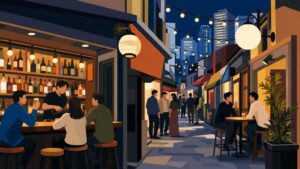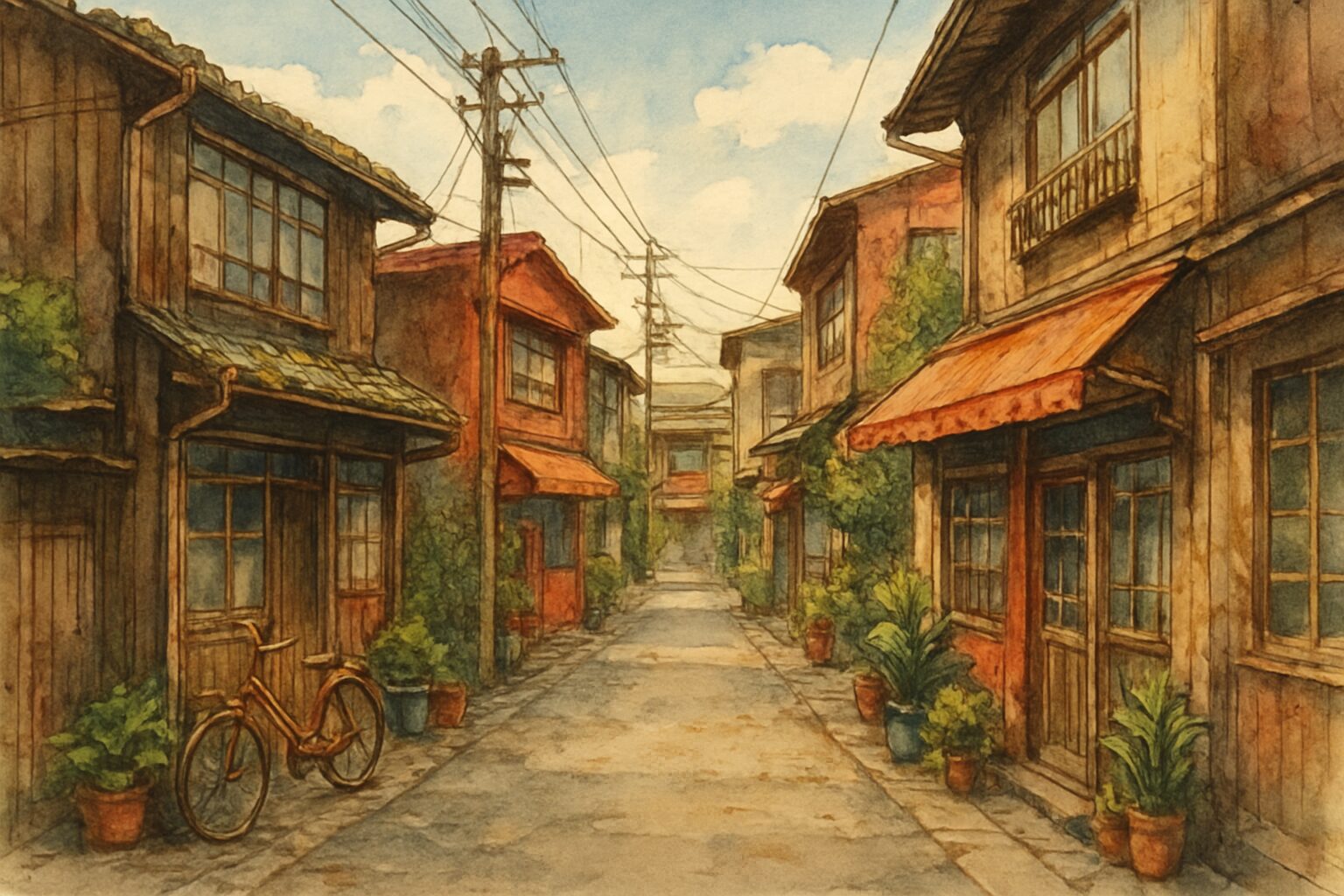
Hello, dreamers and wanderers! It’s Sofia, ready to pull you away from the neon glow and into a secret corner of Osaka where time doesn’t just slow down—it dances to a different rhythm altogether. Imagine a place, just a heartbeat away from the steel and glass giants of Umeda, where the streets are a tangled web of loving whispers from the past. This is Nakazakicho, a neighborhood that wears its history not like a dusty relic in a museum, but like a favorite, perfectly worn-in denim jacket. It’s an enclave of artists, thinkers, and quiet rebels who have preserved the soul of old Osaka, transforming pre-war wooden townhouses into a vibrant tapestry of quirky cafes, one-of-a-kind boutiques, and intimate art galleries. Stepping into Nakazakicho feels like discovering a secret level in the sprawling video game of city life. The air shifts, the frantic pace of the metropolis melts away, and you’re suddenly the protagonist in a story filled with charm, creativity, and the comforting aroma of freshly brewed coffee. It’s here, in these narrow lanes, that you’ll find the true, unfiltered heartbeat of a city that knows how to blend its future-forward ambition with a deep, abiding love for its roots. This isn’t just a place to see; it’s a place to feel, to get lost in, and to let your curiosity lead the way. So, take a deep breath, leave the main road behind, and let’s wander together into Osaka’s most enchanting time capsule. Your adventure into the beautifully preserved past begins right here.
If you’re curious about how this charming neighborhood compares to the bustling heart of the city, you might be interested in analyzing the cost of living in nearby Umeda.
The Soul of Nakazakicho: A Walk Through Time
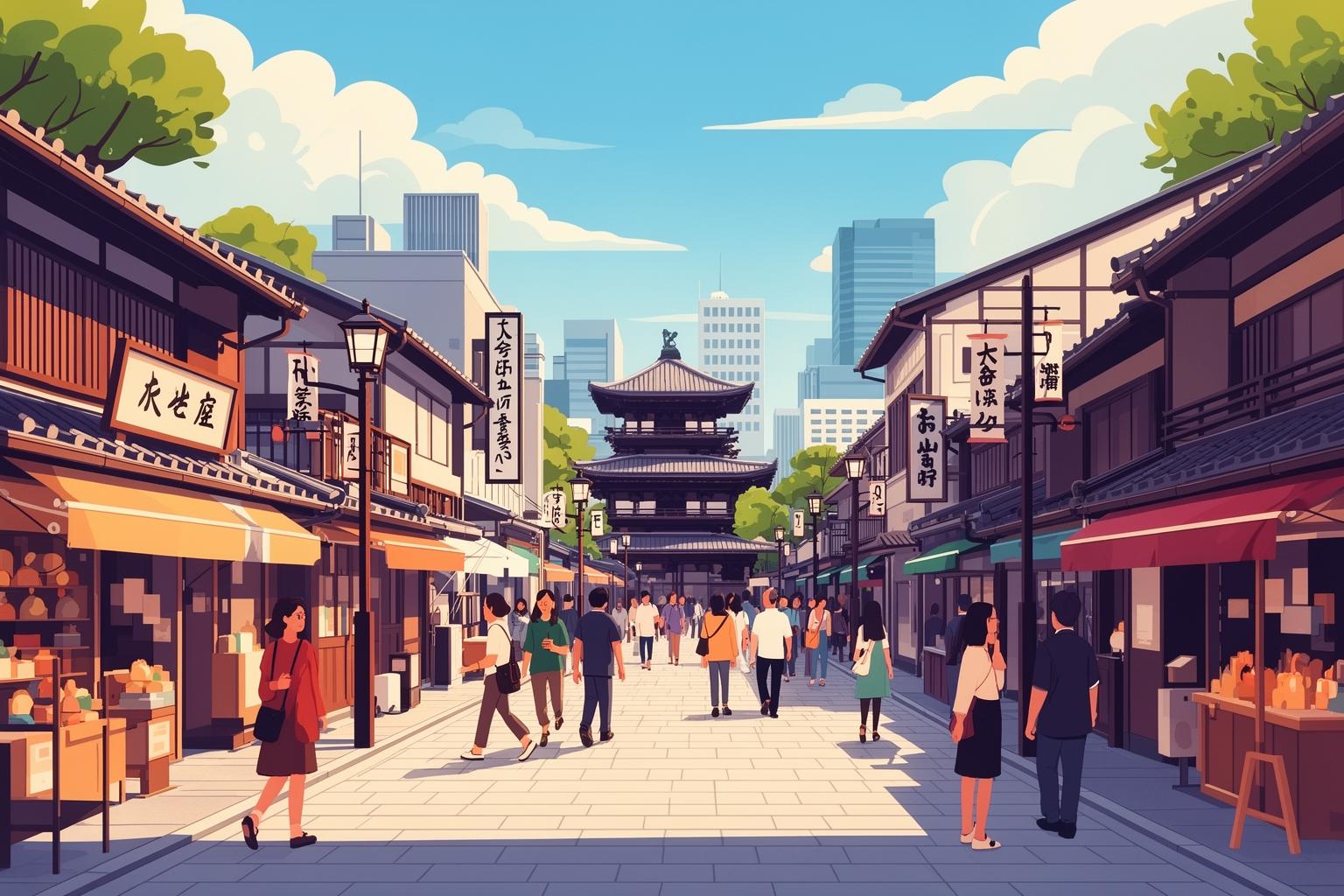
To truly appreciate Nakazakicho, you must first grasp its remarkable survival. While most of Osaka was devastated by air raids during World War II, this small enclave, hidden away as it was, escaped largely unscathed. This fact alone is the foundation from which its entire character has blossomed. The neighborhood serves as a living archive of Showa-era architecture, full of dark timber beams, sliding paper screens, and tiled roofs that quietly resist the gleaming skyscrapers towering just beyond its borders. Walking here is a visceral experience. The alleyways are so narrow that you could stretch out your arms and almost touch the walls on both sides. They meander unpredictably, forming a charming labyrinth that encourages you to abandon your map and rely on instinct. This stands in complete contrast to the grid-like, efficient modern city. It is organic, somewhat chaotic, and deeply, wonderfully human.
Escaping the Modern Rush
The shift is startlingly sudden. One moment you’re navigating the vast, subterranean maze of Umeda Station, surrounded by a flood of commuters and the polished shine of department stores. Ten minutes later, you cross an unseen boundary, and the entire soundscape transforms. The roar of traffic softens to a distant murmur. The hurried footsteps of salarymen give way to the gentle creak of a bicycle, quiet conversation from an open doorway, or the rustling of leaves in potted plants lining the streets. These plants reflect the community’s pride; residents lovingly cultivate their small green patches, with overflowing pots of ferns, flowers, and even tiny vegetable gardens providing a soft, natural barrier against the concrete jungle. Sunlight filters differently here—dappled and gentle—highlighting the texture of old wood and the faded hues of shop signs. It feels as though you’ve stepped onto a film set, yet the authenticity is tangible. This isn’t a staged theme park; it’s a genuine, living neighborhood where daily life unfolds at a more thoughtful pace.
The Vibe: Where Retro Meets Bohemian
Nakazakicho’s atmosphere is a rare blend of nostalgia and creative innovation. It draws a distinctive crowd: artists seeking inspiration, entrepreneurs with visionary ideas, students hunting for a quiet nook to read, and vintage fashion enthusiasts searching for hidden gems. This mix fosters a bohemian spirit that’s laid-back and inviting. There’s no pretense here. You might see an elderly woman tending her bonsai beside a gallery featuring avant-garde photography, or find a traditional kissaten coffee shop, seemingly untouched since the 1960s, just steps away from a sleek, minimalist cafe specializing in artisanal drip coffee. This contrast is the magic of Nakazakicho. It’s a community that honors its elders and heritage while warmly embracing the new and unconventional. It’s a place where you can spend an entire afternoon sitting on a bench, watching life pass by, feeling both immersed in a vibrant creative scene and peacefully distant from the outside world’s pressures. The energy is calm yet alive with a quiet, creative current flowing through every alley and doorway.
A Labyrinth of Creative Treasures
The true joy of Nakazakicho comes from the thrill of discovery. Every corner you turn and every narrow lane you choose to explore holds the promise of a new and delightful surprise. This neighborhood is like a treasure chest, with its gems being the hundreds of independent businesses rooted in its historic buildings. These aren’t your typical high-street shops; they are passion projects, each reflecting the unique tastes and dedication of its owner. From carefully curated vintage clothing stores to cafes that feel like having coffee in a friend’s artfully cluttered living room, the experience is intimate and personal. Forget mass production—this is a realm of handcrafted, thoughtfully selected, and truly one-of-a-kind items.
The Cafe Culture: Beyond Just Coffee
Nakazakicho’s cafe scene is renowned, and for good reason. Each cafe is a destination in itself, offering a distinctive atmosphere to step into. They serve as social and creative hubs where you can recharge, dream, and soak up the ambiance. You could spend days exploring them without ever having the same experience twice.
Taiyou no Tou: A Psychedelic Wonderland
One of the most iconic spots is Taiyou no Tou, or the Tower of the Sun. While it has several branches, the Nakazakicho location is a kaleidoscopic wonderland. Entering feels like stepping into a whimsical retro-pop dream. The décor bursts with color and pattern—vintage furniture, quirky chandeliers, and walls decorated with vibrant, almost psychedelic art. It’s a visual feast before you even glance at the menu. They are famed for their decadent cakes, as beautiful as they are delicious, attractively displayed in a glass case near the entrance. Taking a window seat here lets you watch the lively alleyways while savoring a rich slice of chocolate cake and a creamy latte. It’s a place bursting with fun and youthful energy, perfectly capturing Nakazakicho’s playful spirit.
Salon de AManTo: The Heart of Artistic Soul
For a different, more soulful experience, Salon de AManTo is an absolute must. More than just a cafe, it is a cultural institution. Housed in a charmingly decaying multi-story wooden building, AManTo is a community project, a collective of artists and dreamers. The atmosphere is bohemian and intellectually rich. The furniture is an eclectic mix of antiques, walls adorned with artwork, and books scattered everywhere. Each room offers a different vibe, from cozy nooks perfect for quiet reflection to larger areas hosting live music and events. The building itself is a masterpiece, with creaky wooden floors and a strong sense of history. The menu is simple and wholesome, often featuring organic, locally sourced ingredients. Visiting here feels like being embraced by the heart of Nakazakicho’s creative community—a place to linger, write in a journal, engage in deep conversation, and absorb the neighborhood’s artistic pulse.
Utena Kissaten: A Sip of Showa Nostalgia
If you want an authentic Japanese kissaten experience, Utena Kissaten is your gateway to the past. This spot is a time capsule. From dark wood paneling and velvet chairs to soft jazz playing on the sound system, everything here evokes the Showa era. It offers a quiet, contemplative space focused on the ritual of coffee. The owner, a master craftsman, prepares each cup with meticulous care. This isn’t a place for a quick caffeine fix; it’s a sanctuary for mindful pause. The air is thick with the rich aroma of dark-roast coffee and a subtle hint of tobacco from times gone by (though it’s smoke-free now). It’s the perfect retreat to spend an hour with a good book and a beautifully brewed siphon coffee. You can almost sense the ghosts of writers, artists, and thinkers who have occupied these same chairs over the decades.
Boutique Shopping: The Excitement of Unique Finds
Shopping in Nakazakicho is an adventure. You won’t find global brands or fast fashion here. Instead, you’ll discover carefully curated stores that champion individuality and craftsmanship. The focus is on vintage, handmade, and unique items known in Japan as zakka. Zakka refers to everything that enhances your home, life, and style. It’s a celebration of small, beautiful things, making Nakazakicho a true zakka paradise.
Vintage and Zakka Wonderland
Many of the old nagaya (row houses) have been transformed into two-story shops. The ground floor might be a clothing boutique, while a steep, narrow wooden staircase leads to a hidden gallery or a shop selling handmade ceramics. Exploring these spaces adds to the fun. Stores like Green Pepe are treasure troves of Showa-era retro-pop zakka, filled with vintage toys, colorful tableware, and kitschy home décor that transport you back to the 1970s. For fashion enthusiasts, there are numerous vintage clothing stores, each with its own distinct style. Unlike the American-focused vintage of Amerikamura, Nakazakicho’s shops often feature beautifully preserved Japanese and European pieces from the ‘60s, ‘70s, and ‘80s. Shops like Lolotte offer delicate, feminine vintage dresses and blouses, while others specialize in quirky patterned shirts or timeless leather goods. The joy lies in the hunt—sifting through racks to find that one perfect piece that seems made just for you.
Art Around Every Corner
Nakazakicho is more than art-adjacent; it is a living, breathing gallery. The neighborhood’s creative spirit is evident everywhere. Beyond formal galleries, art is woven into the streets themselves. You might spot a beautifully painted mural on a storefront shutter, a tiny, intricate sculpture in a window, or a uniquely designed sign that is a work of art. This organic creativity makes the area vibrant and alive. Several small, independent galleries tucked into alleyways showcase emerging local artists. A notable hub is Irorimura, a larger gallery complex with a constantly rotating schedule of exhibitions ranging from painting and photography to performance art and installations. You can easily spend an afternoon wandering from one gallery to another, gaining direct insight into Osaka’s contemporary art scene. The art here is accessible and unpretentious, inviting curiosity and conversation. It reinforces the idea that in Nakazakicho, art isn’t something seen from afar; it’s something to be lived and experienced.
Living and Breathing History
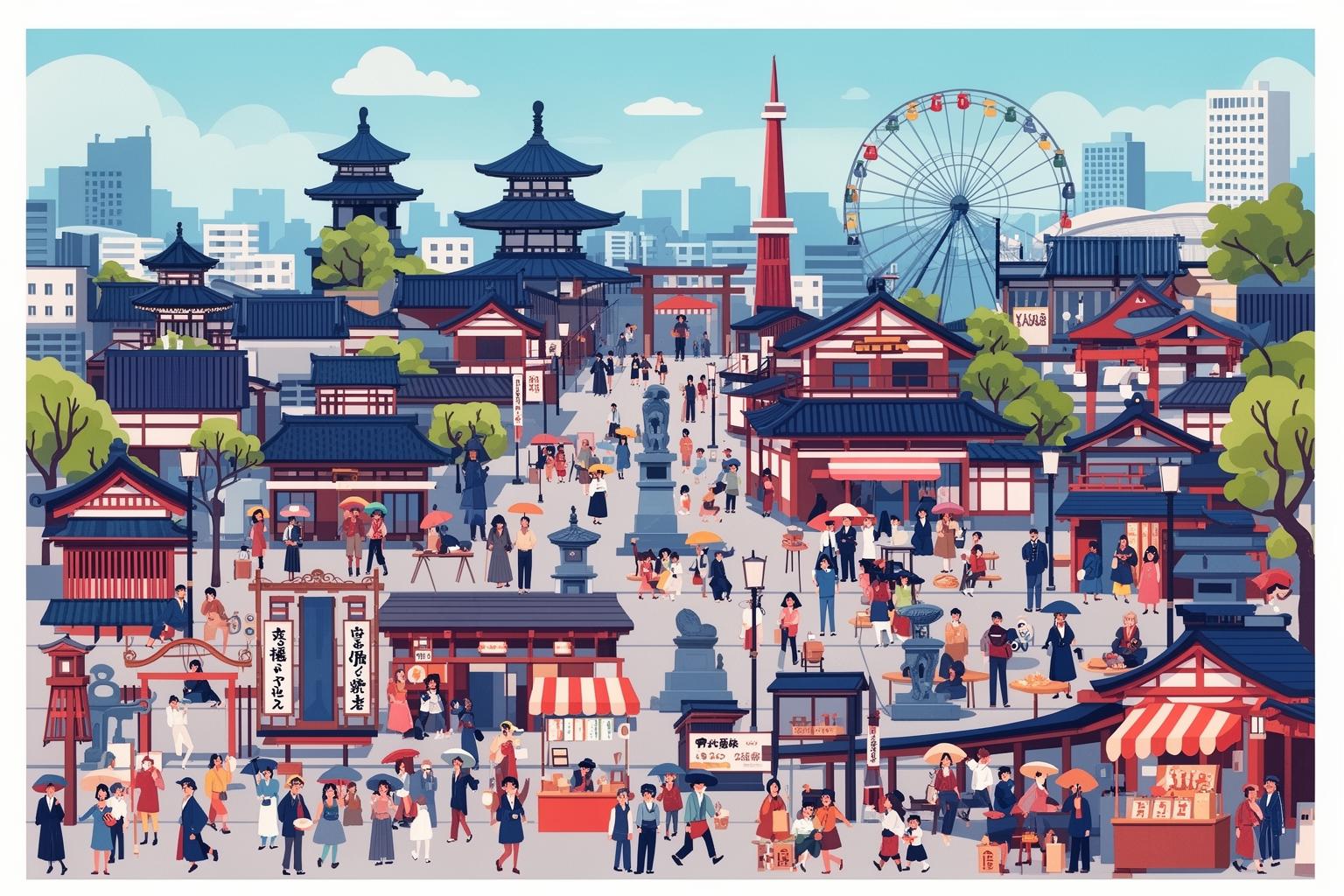
The historical importance of Nakazakicho cannot be overstated. It stands as a precious, tangible link to Osaka’s pre-war identity. In a city that has continuously modernized and rebuilt, this neighborhood remains a rare and invaluable repository of architectural and cultural heritage. Its survival is a testament to a community that prioritizes preservation over profit and character over convenience. This strong connection to the past is what gives Nakazakicho its profound sense of place and undeniable soul.
The Architectural Heartbeat: Nagaya and Machiya
The predominant architectural style here is the nagaya, traditional long wooden row houses that once served as the standard housing for merchants and artisans in Japanese cities. These buildings were designed for communal living, often sharing walls and featuring a narrow, deep layout. Today, these historic structures have been carefully and creatively repurposed. Walking through the neighborhood offers a lesson in adaptive reuse. You’ll notice the original dark wooden lattices, called koshi, which provided privacy while still allowing light and air to flow in. The beautifully aged roof tiles, some adorned with intricate family crests, remain visible. Inside, many establishments have preserved original elements such as exposed wooden beams, earthen walls, and steep staircases. A cafe may arrange seating in what were once small tatami rooms, while a boutique might convert an old storage area into a charming rustic display space. This thoughtful blend of old and new is what makes these spaces so special. They are not sterile replicas but living buildings, imbued with the stories of generations who have lived and worked within their walls.
A Neighborhood That Remembers
Nakazakicho’s survival story is compelling. Its position, slightly removed from main industrial and commercial hubs, along with the randomness of wartime destruction, spared it from the fate that befell surrounding areas. In the post-war decades, as Japan experienced its economic miracle and cities were rebuilt with concrete and steel, pressure to redevelop areas like Nakazakicho increased. However, a mix of factors—including residents’ determination and the complicated ownership of small land plots—helped it withstand the wave of modernization. During the 1990s and 2000s, a new generation of artists and entrepreneurs recognized the value of these old buildings, not as obstacles to progress but as unique assets. Drawn by low rents and an authentic atmosphere, they began moving in, initiating the regeneration that defines Nakazakicho today. Hidden within this historic maze, you might come across the Hakuryu Ogonen Daigongen, a small yet profoundly atmospheric shrine. Marked by a series of red torii gates, it feels like a secret garden of tranquility. Discovering such places, which have been the spiritual heart of the community for centuries, enriches the experience of wandering through the neighborhood, connecting you to its enduring and resilient history.
Practical Guide for the Urban Explorer
While the best way to experience Nakazakicho is simply to wander without a set plan, some practical knowledge can make your visit smoother and more enjoyable. The neighborhood is very accessible, but its charm lies in its slightly hidden nature, so knowing how to approach it can greatly enhance your experience. It’s a place that rewards a slow, mindful pace, so be sure to allow yourself enough time to truly appreciate it.
Getting There: Your Gateway to the Past
Nakazakicho’s prime location is one of its biggest advantages. It offers a perfect escape without needing a long trip. The most direct way is to take the Osaka Metro Tanimachi Line to Nakazakicho Station. Exiting from Exit 2 or 4 will place you right at the entrance to the winding alleyways. However, one of the best ways to savor the area’s distinctive character is to walk from the lively Umeda district. From Osaka Station or Umeda Station, it’s a pleasant 10- to 15-minute walk eastward. Along the way, you’ll notice the transformation of the urban scenery—from broad streets and tall buildings to the narrow, human-scale lanes of the old neighborhood. This gradual transition helps adjust your mindset and sets the tone for the slower pace ahead. You can also easily stroll from the southern end of Tenjinbashisuji Shotengai, Japan’s longest shopping arcade, making it convenient to combine visits to both spots for a day full of contrasts.
The Best Time to Wander
Timing is crucial to get the most from your visit. The neighborhood tends to wake up late; most independent shops and cafes don’t open until around 11:00 AM or even noon. A morning walk can be serene and atmospheric, but if you want to shop and enjoy the cafe culture, aim to visit in the afternoon. The area truly comes alive from about 1:00 PM to 6:00 PM. Keep in mind that, like many small independent businesses in Japan, many establishments close one day a week, often on a Tuesday or Wednesday. If there’s a particular shop or cafe you’re eager to visit, it’s best to check their website or social media for opening hours and day closures before you go. Seasonally, the neighborhood is lovely year-round. In spring, cherry blossoms and magnolias peek over old wooden fences. Summer brings lush greenery from countless potted plants, creating a cool, verdant canopy. Autumn offers magical warm afternoon light, and in winter, cozy cafes provide a welcoming refuge from the cold.
Tips for the First-Time Adventurer
To make your exploration as enjoyable as possible, keep a few tips in mind. First and foremost, wear your most comfortable shoes, as you’ll be doing plenty of walking on uneven streets—this isn’t the place for high heels! Second, embrace the spirit of wandering: put away your phone’s GPS for a while and let your curiosity lead you. Some of the most memorable discoveries happen by chance. Third, although many places now accept credit cards, it’s wise to carry some cash, as some smaller family-run shops and cafes may still be cash only. Finally, and most importantly, be a respectful visitor. Nakazakicho isn’t just a tourist spot; it’s a residential neighborhood where people live and work. Keep your voice low, especially in the quieter alleyways, and be considerate when taking photos—while the scenery is very photogenic, avoid photographing people or private homes without permission. A friendly smile and quiet demeanor go a long way toward preserving the peaceful, welcoming atmosphere for everyone to enjoy.
Crafting Your Perfect Nakazakicho Day
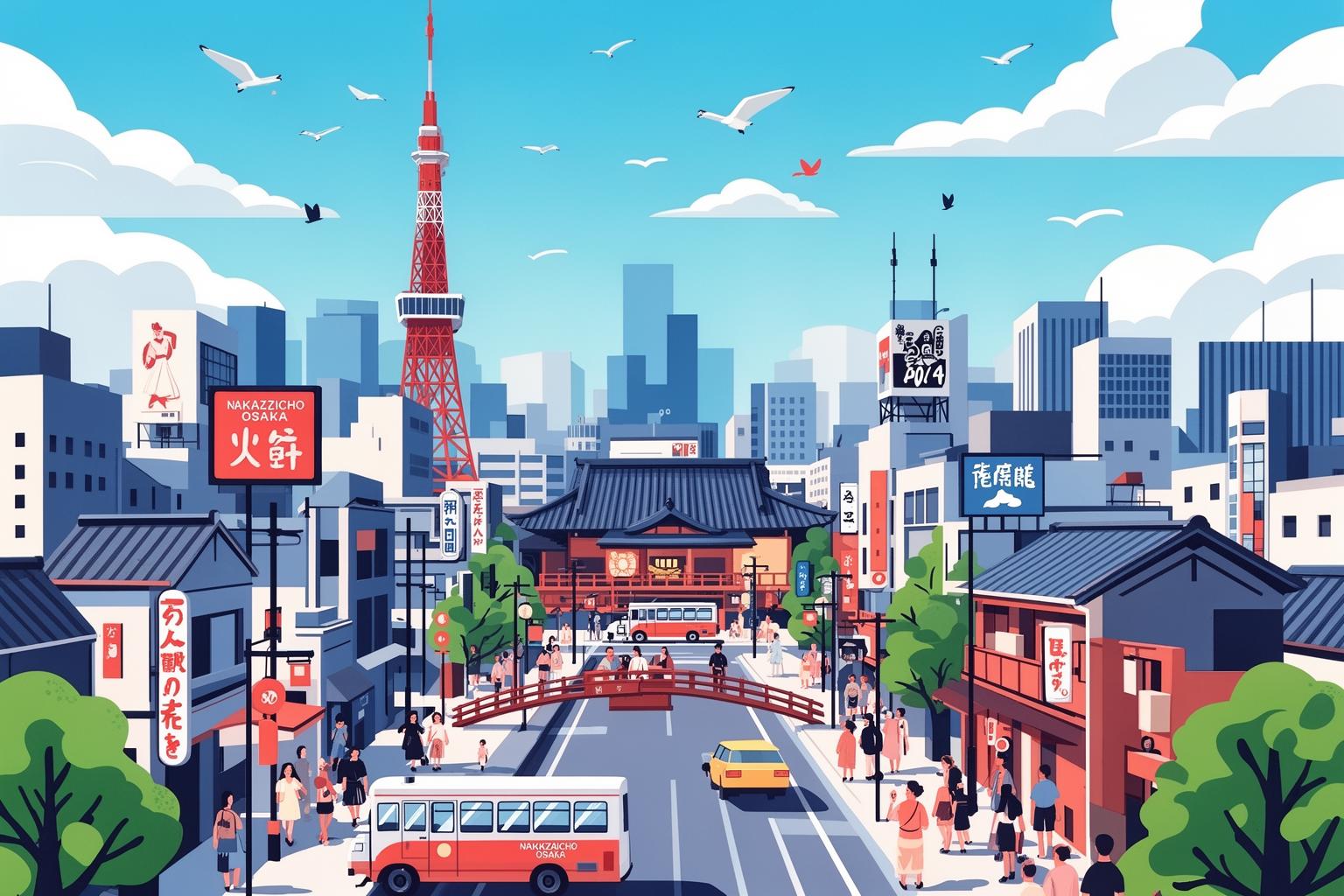
A visit to Nakazakicho can be customized to suit any interest, whether you’re a coffee enthusiast, a vintage fashion seeker, or simply someone looking for a peaceful afternoon. The secret is to embrace serendipity. Avoid overplanning your day. Instead, treat it as a loose narrative—a story you shape as you wander. Here’s a suggestion for crafting the perfect day in this charming neighborhood, one that nourishes both body and soul.
A Sample Itinerary for the Soulful Traveler
Begin your journey in the late morning, arriving around 11:30 AM as the neighborhood wakes up. Start at Nakazakicho Station and wander into the alleys without a set destination. Let the first thirty minutes be about pure, aimless exploration. Soak in the atmosphere. Once you feel ready for both caffeine and culture, head to a classic kissaten like Utena for your first coffee of the day. Sit back, savor the ritual, and allow the nostalgic ambiance to transport you. After your coffee, dive into the world of zakka and vintage. Spend the next few hours drifting from shop to shop. Stop by Only Planet to browse its eclectic selection of handmade accessories and quirky items. Browse through the racks of a vintage store, possibly uncovering a beautifully crafted silk blouse from the ’80s. For lunch, pick one of the many cafes offering a simple, delicious, and healthy set menu. Opt for a spot with a cozy vibe, perhaps housed in a beautifully renovated nagaya, where you can enjoy a thoughtfully prepared meal. After lunch, devote your afternoon to art. Visit the Irorimura gallery complex to see the current exhibitions. Then, continue your stroll, keeping an eye out for smaller, individual galleries showcasing the work of local artists. As the afternoon light softens, it’s time for a sweet treat. Head to Taiyou no Tou for a slice of their famed cake and a cup of tea. Find a comfortable seat and reflect on your day of discoveries. As evening nears, you can either return to the bright lights of Umeda—where the contrast will make your retro afternoon all the more memorable—or find a small, intimate bar in Nakazakicho to enjoy a quiet drink, extending the magic just a bit longer.
Beyond the Alleys: Connecting to the Neighborhood
Nakazakicho’s location makes it an ideal base for exploring this captivating part of Osaka. If you have extra time or want to experience the area’s contrasts, several wonderful spots are nearby. A short walk leads to Tenjinbashisuji Shotengai, Japan’s longest covered shopping street. It offers a completely different atmosphere from Nakazakicho—bustling, loud, and deeply local. Here you’ll find everything from traditional knife shops and tofu vendors to pachinko parlors and affordable, delicious street food. Walking its 2.6-kilometer length is an experience in itself. For a taste of modern architecture and stunning views, the Umeda Sky Building is also within walking distance. Ascending to its Floating Garden Observatory after a day in Nakazakicho’s low-rise, historic world offers a striking contrast. Seeing the tiny, tiled rooftops of the neighborhood you’ve explored nestled within the sprawling cityscape provides a powerful perspective on Osaka’s remarkable diversity and its ability to balance past and future in a delicate, dynamic harmony.
A Final Thought: The Enduring Charm of the Unchanged
In a world that is constantly speeding up, Nakazakicho is more than just a charming neighborhood; it serves as a sanctuary. It reminds us of the profound beauty found in imperfection, in the traces left by time, and in things that have been cared for and preserved rather than discarded and replaced. It stands as a testament to the strength of community and the lasting appeal of the human touch. A visit here feels like a conversation with the past, an inspiration for the present, and a hopeful glimpse into a future where character and creativity are valued. Nakazakicho doesn’t demand attention with bright lights or loud music; it whispers. It invites you to slow down, look closer, and uncover the quiet magic hidden in plain view. It leaves you with a sense of peace, a camera full of beautiful photos, and perhaps a small handcrafted treasure in your bag. But more than anything, it leaves you with the memory of a place that feels authentic, a place with a story, a place with a soul. And in the heart of a city as vibrant and forward-thinking as Osaka, that is the greatest treasure of all.