Step off the train at Umeda Station during the weekday lunch rush, and you’ll be swept into a current of humanity. A river of suits, briefcases, and determined strides flows through the vast underground warrens connecting one of Japan’s busiest transport hubs. But this river has a powerful undertow, pulling people not towards the exits, but downwards. Down an escalator, past the glittering cosmetics counters and the chic fashion floors, into the brightly lit, intoxicatingly fragrant heart of the Japanese department store: the Depachika. This is no ordinary basement. This is a subterranean paradise of food, a sprawling marketplace of culinary dreams, and for countless Osaka office workers, it is the source of their daily sustenance and a small, precious moment of joy. This is the world of the Depachika bento, a microcosm of Japanese cuisine packed neatly into a box, offering a delicious, efficient, and utterly fascinating glimpse into the rhythm of everyday life in this dynamic city. Forget the boardrooms and the spreadsheets for a moment; the real pulse of Osaka’s working world can be found right here, in the artful selection of a midday meal.
This culinary microcosm is as much a part of the city’s daily rhythm as the distinctive lilt of Osaka’s Kansai dialect, heard in the lively chatter of shoppers making their selections.
The Descent into a Culinary Wonderland
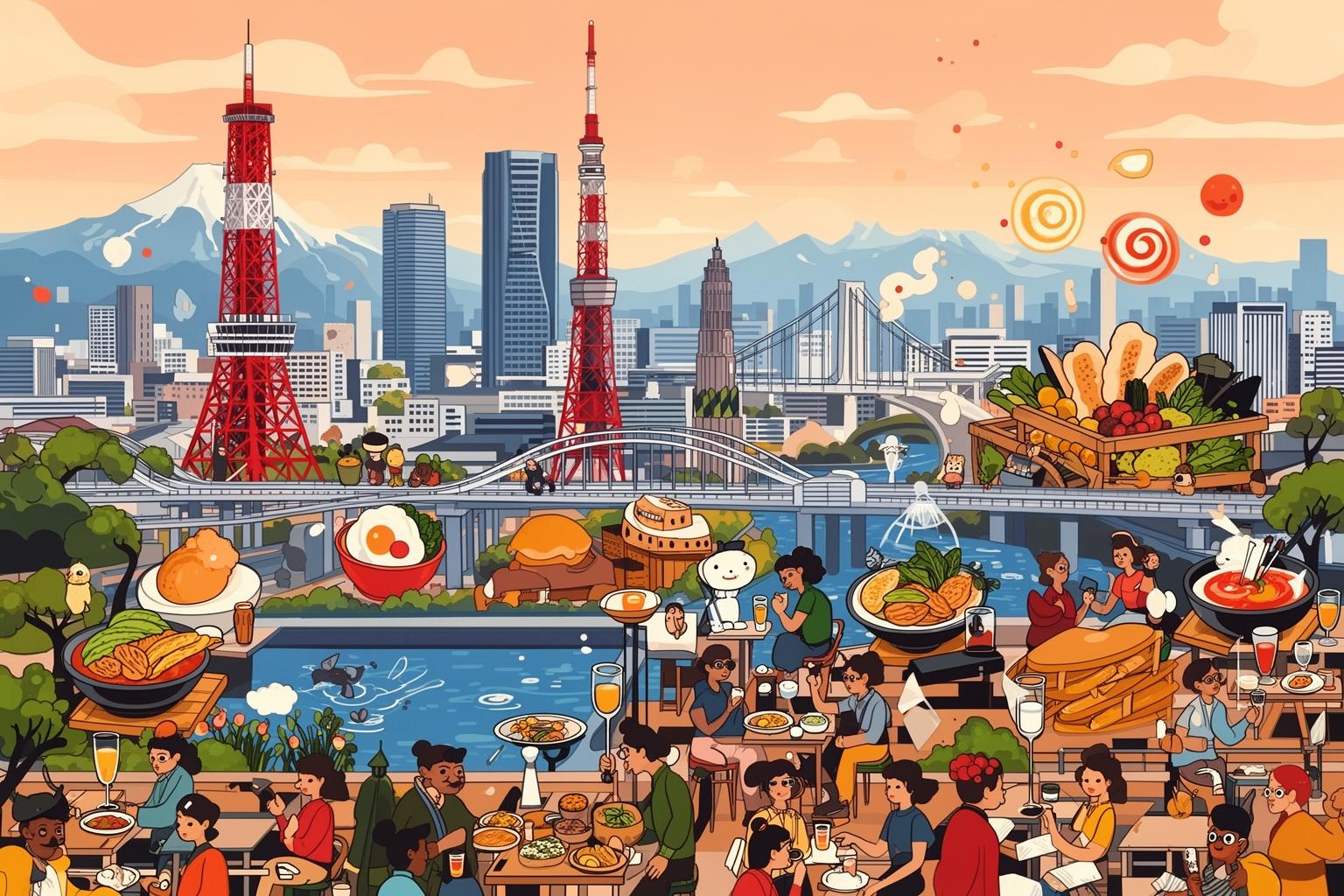
The instant your foot lands on the escalator’s bottom step, your senses are overwhelmed. It’s a delightful onslaught, a symphony of controlled chaos that defines the Depachika experience. The air itself is a rich tapestry of aromas: the sweet, soy-based scent of grilled unagi, the crisp, vinegared fragrance from the sushi counter, the hearty, savory promise of freshly fried tonkatsu, the subtle aroma of baking bread from an artisanal boulangerie, and the sugary temptation of a patisserie crafting flawlessly perfect cakes. Visually, it’s a kaleidoscope. Shiny glass cases showcase their contents with the precision of a jewelry store. Rows upon rows of bento boxes are arranged in neat, colorful grids. Heaps of crisp salads, golden croquettes, and intricately decorated side dishes beckon from every corner. The sound forms a steady, lively buzz—the cheerful, rhythmic calls of vendors shouting “Irasshaimase!” (Welcome!), the quiet murmur of shoppers weighing their options, the crinkle of plastic bags, and the soft thud of a bento box dropped into a carrier. It’s more than just a food hall; it’s a vibrant, living ecosystem of gastronomy. The atmosphere pulses with energy, especially between 11:30 AM and 1:00 PM. You’ll see men and women, office workers on their precious lunch breaks, moving with practiced efficiency. They have their favorite stalls, their trusted meals, yet you’ll also catch them pausing, drawn by a new seasonal dish or a limited-time special. This is no place for leisurely strolling during peak hours; it’s a mission. Still, despite the rush, there’s a deep sense of civility and order that is distinctly Japanese. People queue patiently, transactions proceed swiftly and politely, and the entire operation flows with seamless, well-oiled grace.
More Than Just a Lunchbox: The Philosophy of Bento
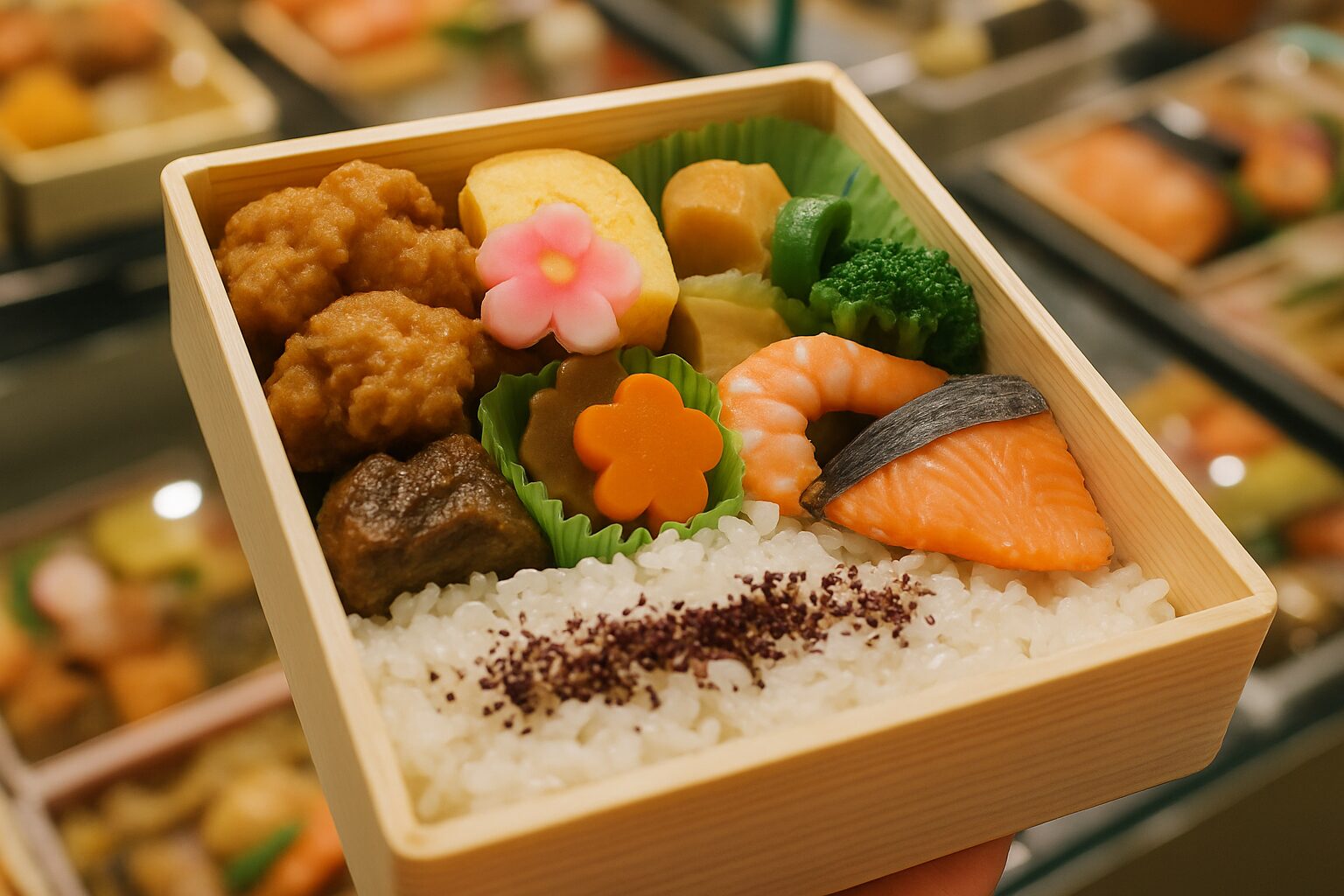
To grasp the charm of the Depachika bento, you first need to understand the bento itself. In the West, a lunchbox might be a simple meal—a sandwich, a piece of fruit, and a bag of chips. In Japan, however, the bento is an art form, a nutritional philosophy, and a cultural symbol all contained in one box. The idea goes well beyond basic nourishment. At its heart, a traditional bento is founded on balance—visual, nutritional, and textural. A key guideline for an attractive bento is to include a variety of colors—red, green, yellow, black, and white—which naturally results in diverse ingredients and, consequently, a more balanced meal. Imagine a bright red pickled plum (umeboshi) resting atop pure white rice, a slice of sweet, yellow rolled omelet (tamagoyaki), vibrant green boiled spinach, and a dark, savory piece of simmered seaweed (kombu). Beyond color, there is a harmony of flavors: sweet, sour, salty, bitter, and umami are all present. There is also a balance of cooking techniques: something grilled (yakimono), simmered (nimono), fried (agemono), and pickled or dressed (sunomono or aemono). This is not just about making a tasty meal; it’s about offering a complete, satisfying, and energizing experience that nourishes the body and delights the eye. This philosophy is deeply rooted in Japanese home cooking, reflecting the care and effort mothers put into preparing bentos for their children and spouses. The Depachika bento is the commercial expression of this tradition, delivering the care, balance, and artistry of a homemade meal with the convenience and professional quality needed by busy office workers. It is a taste of home, refined to a professional level, available on the go.
The Anatomy of a Classic Bento
Approach any bento counter, and you’ll likely see several classic types. The most esteemed is the Makunouchi Bento (幕の内弁当). Its name literally means “between acts bento,” referring to its origins as a meal enjoyed during breaks at kabuki and Noh theater performances. It represents the quintessential bento: a beautifully compartmentalized box showcasing Japanese culinary staples. A typical Makunouchi contains a block of rice, often俵形 (tawara-gata) or barrel-shaped, sometimes sprinkled with black sesame seeds and topped with a single puckeringly sour umeboshi. The accompanying side dishes, or okazu, are carefully selected. You will almost always find a piece of grilled fish, such as a delicate slice of salt-grilled salmon (shiozake) or a richer, sweeter miso-marinated Spanish mackerel (sawara no saikyo-yaki). Tamagoyaki, the slightly sweet and savory rolled omelet, is another indispensable part, its bright yellow hue adding a pop of color. Then comes the nimono, a mix of vegetables simmered in dashi and soy broth, which might include shiitake mushrooms, carrots cut into flower shapes, taro root, and konnyaku. A small fried item, like karaage (Japanese fried chicken) or a tempura shrimp, adds a pleasing textural contrast. Lastly, a small serving of tsukemono (pickles), such as bright yellow takuan (pickled daikon radish), provides a crisp, refreshing crunch to cleanse the palate. Every ingredient serves a purpose and is intentional. Nothing is random. It forms a complete, harmonious meal designed to be eaten at room temperature, with flavors that blend and complement each other perfectly.
A Guide to Osaka’s Depachika Battlegrounds
Osaka is a city marked by intense commercial rivalries, and this is most evident in its department stores. Each store boasts its own unique character, with their Depachika serving as culinary battlegrounds, each competing for the loyalty—and appetites—of the city’s discerning diners. Deciding where to go is part of the enjoyment.
The Umeda Powerhouses
Umeda is the unquestioned heart of Osaka’s Depachika scene. Here, three giants stand just a stone’s throw apart.
Hankyu Umeda Main Store
Often hailed as the queen of Kansai department stores, Hankyu’s Depachika offers a vast, sophisticated, and slightly more upscale experience. It resembles a food museum, with every item displayed in impeccable style. Hankyu is renowned for hosting famous brands from across Japan and the world. You’ll find high-end bento from legendary Kyoto restaurants, exclusive sweets from Parisian patissiers, and an impressive selection of wine and sake. The atmosphere is refined, the aisles wide, and the clientele frequently seeking something special, whether a gift or a gourmet indulgence. If you want a bento that serves as both a meal and a statement, from celebrated culinary names like Nadaman or Minokichi, Hankyu is your go-to. Their selection of Western-style deli foods and elaborate salads also stands out, appealing to a modern, cosmopolitan palate.
Hanshin Department Store Umeda Main Store
If Hankyu is the elegant queen, Hanshin is the spirited, beloved merchant. Directly connected to the Hanshin railway and hosting ardent fans of the Hanshin Tigers baseball team, its Depachika exudes a lively, down-to-earth, and distinctly Osakan atmosphere. It’s noisy, bustling, and wonderful. Famous for its “Snack Park,” a standing-area where you can enjoy legendary cheap eats like ikayaki (a squid pancake), Hanshin’s bento selection is equally impressive. The focus is on hearty, tasty, and reasonably priced food catered to the everyday worker. You’ll find excellent tonkatsu bento, Chinese stalls selling mapo tofu and sweet and sour pork bento, and a fantastic variety of fresh sushi and kaisendon (seafood bowls). The vendors are lively and friendly, and the atmosphere hums with warm, local energy. Hanshin feels less like a gourmet gallery and more like the city’s greatest kitchen.
Daimaru Umeda
Situated in the South Gate Building of JR Osaka Station, Daimaru’s Depachika, known as “Gochiso Paradise,” is another major player. Its prime location makes it extremely convenient for commuters. Daimaru offers a balance between the high-end sophistication of Hankyu and the populist charm of Hanshin. The selection is enormous, with a particularly strong presence from renowned local Osaka establishments. You can find bento from classic Osaka restaurants specializing in everything from eel to tempura. One of its standout features is the vast number of stalls and the diversity of offerings, covering almost every genre of Japanese, Asian, and Western cuisine. It’s an excellent all-rounder, perfect for indecisive shoppers who want to explore before choosing.
The Namba-Shinsaibashi Duo
Further south, in the lively Namba district, another pair of department stores hold sway.
Takashimaya Osaka Store
A bastion of traditional department store luxury, Takashimaya in Namba delivers a Depachika experience that is elegant and comprehensive. Like Hankyu, it curates a selection of high-quality bento from well-established restaurants. Here, you’ll find impeccably crafted seasonal bento that change weekly, showcasing the freshest ingredients of spring, summer, autumn, and winter. The layout is spacious and easy to navigate, offering a calmer shopping experience than the Umeda giants. It’s a dependable choice for securing a top-tier bento sure to impress, whether for yourself or as a gift.
Daimaru Shinsaibashi
Recently renovated, the Daimaru in Shinsaibashi features a modern and stylish food hall. Though it may not be as expansive as its Umeda counterpart, it emphasizes trendy, contemporary food brands alongside beloved classics. It’s an ideal spot to discover new culinary trends and find bento featuring modern twists on traditional dishes, such as healthy bento with ancient grains or options from popular fusion restaurants. Located on the main Shinsaibashi shopping street, it offers a convenient stop for a delicious break from retail therapy.
The Art of the Deal: Mastering the Time Sale
For a first-time visitor, the Depachika is a marvel at any hour. But for the experienced local, the real excitement unfolds in the evening. As closing time nears, usually around 7:00 PM or 8:00 PM, a subtle transformation takes place. A vendor might place a small, handwritten sign on their display, or a sticker might quietly appear on a package. The vendor’s calls shift tone: “いかがですか?” (How about it?) grows more urgent, now joined by “お安くなってます!” (It’s gotten cheaper!). This marks the start of the “time sale” (タイムセール) or “nebiki” (値引き), the nightly tradition of discounting perishable items.
It begins with a modest 100 or 200 yen off. Then, as the final hour counts down, the discounts deepen: 20% off, 30% off, and in the last minutes before closing, the ultimate prize—半額 (hangaku), 50% off. This turns the Depachika into a strategic challenge. Arrive too early, and you pay full price; arrive too late, and the best bentos are gone, snatched up by other savvy shoppers. The trick is to hit the sweet spot. A crowd of office workers, students, and budget-conscious locals gathers, circling the displays like polite sharks. They neither grab nor push; they hover, watch, and wait for the next round of discount stickers. It’s a captivating display of patience and timing. Scoring a beautiful, high-end bento originally priced at 1,500 yen for just 750 yen is a small but deeply rewarding triumph. It’s a practical tip for anyone living in or visiting Osaka on a budget, and also a cultural experience, offering a glimpse into the city’s pragmatic and resourceful spirit.
Practical Tips for Your First Bento Adventure

Navigating this culinary maze for the first time can feel a bit overwhelming, but a few simple tips will help you shop like a local.
- Do a Lap First: The overwhelming variety can be paralyzing. Before making a choice, take a full walk around the entire floor. Get a sense of the layout, notice what grabs your attention, and mentally narrow down a few options. This helps avoid the classic buyer’s remorse of spotting your ideal bento right after you’ve already paid for another.
- Follow the Crowd: In Japan, a line usually signals quality or popularity. If you see a queue forming at a stall, it’s a good indication that what they offer is fresh, delicious, and well-loved. Don’t hesitate to join it.
- Embrace the Seasonal: Japanese cuisine is highly seasonal. Look for bento featuring ingredients of the current season. In spring, this might include bamboo shoots (takenoko) and rape blossoms (nanohana). In autumn, look for chestnuts (kuri), sweet potatoes (satsumaimo), and mushrooms (kinoko). These seasonal bentos are often limited-time offerings that deliver the most vibrant and authentic flavors.
- Don’t Be Afraid to Point: Your Japanese doesn’t need to be flawless. Vendors are accustomed to a diverse crowd. Simply point at the bento you want and say “Kore o kudasai” (This one, please). They will skillfully package it, often asking if you need chopsticks (“Ohashi wa irimasuka?”). A simple “Hai, onegaishimasu” (Yes, please) will do.
- Find Your Spot: Once you have your prize, the last step is finding a place to enjoy it. While office workers return to their desks, you have other options. On a nice day, there’s nothing better than taking your bento to a nearby park, like Nakanoshima Park in Umeda, for a picnic. Alternatively, many department stores have rooftop gardens or terrace areas where you can sit and eat. Just keep in mind that eating while walking is generally considered rude in Japan. Find a bench or designated spot to stop and savor your meal.
A Taste of Osaka’s Soul
Ultimately, the Depachika bento is far more than just a convenient lunch. It’s a daily ritual that bridges the realms of gourmet cuisine and everyday living. It celebrates craftsmanship and emphasizes the value of a balanced, beautifully presented meal, regardless of how busy your day may be. For a foreigner living in Osaka, it provides a unique glimpse into the local culture. Watching the lunchtime rush, joining in the evening time sale, and finally sitting down to unwrap the carefully arranged elements of your chosen bento allows you to engage with the city’s daily rhythm. Each box tells a story—about the season, a regional specialty, or a chef’s expertise. It’s an accessible luxury, a moment of delightful discovery hidden beneath the city streets. So next time you’re in Umeda or Namba, let yourself be drawn downward. Descend into the vibrant, bustling world of the Depachika and choose the bento that shares your Osaka story. It’s a taste of the city’s soul, packed just for you.