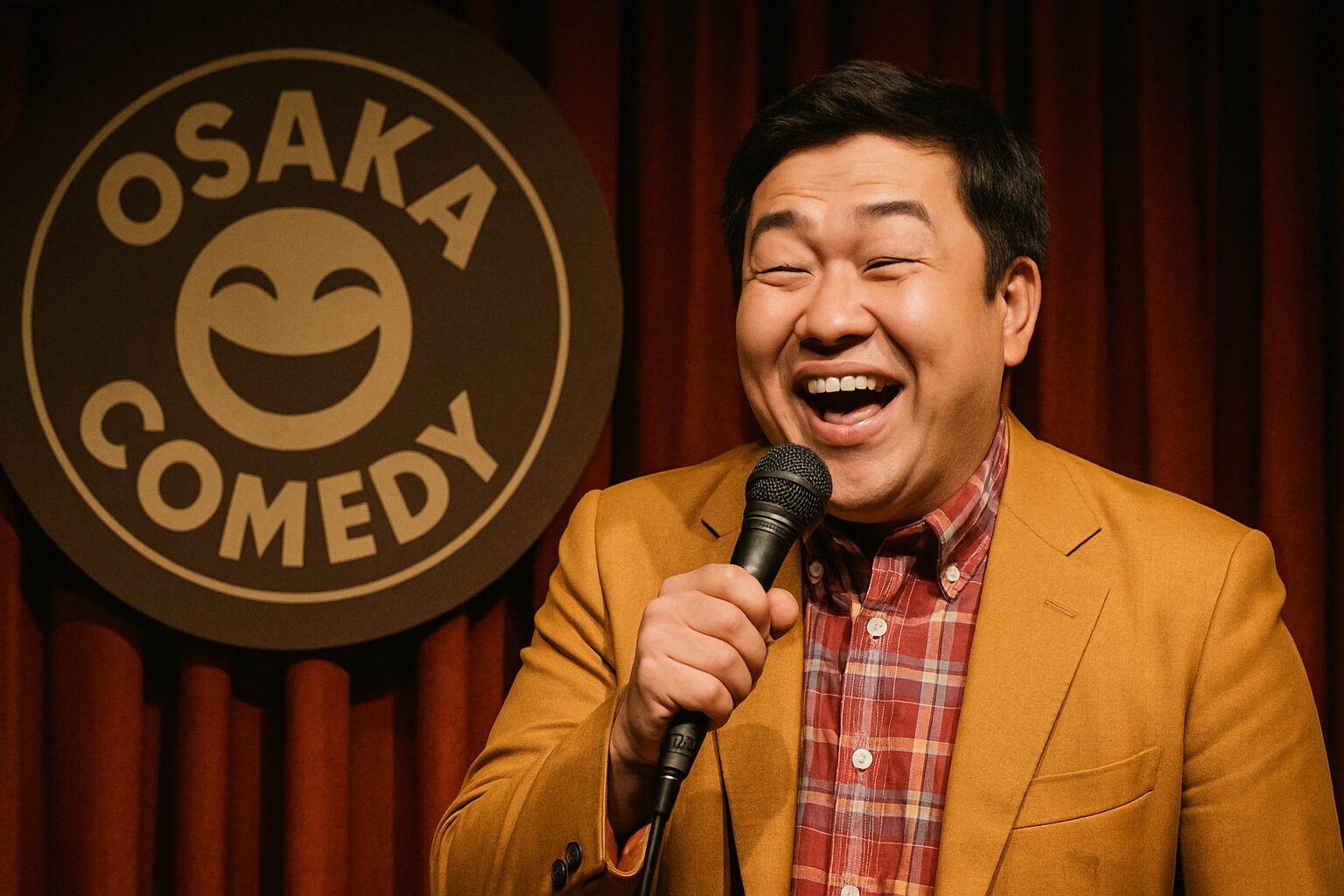
Hey there, I’m Megumi Hara. As an event planner based in Tokyo, my world revolves around meticulously crafted experiences and the subtle, unspoken rules of Japan’s capital. But every time I hop on the Shinkansen and head west, the air changes. The moment you step onto the platform at Shin-Osaka Station, you can feel it—a different rhythm, a bolder energy, a current of playful chaos that crackles in the air. This is Osaka, a city that moves to the beat of its own drum, and that beat is often a punchline. While Tokyo perfects elegance, Osaka masters the art of the laugh. This isn’t just a city with a few comedy clubs; this is the undisputed, roaring heart of Japan’s comedy scene, a place where humor isn’t just entertainment, it’s a way of life, a language understood by everyone. It’s a city built on the foundation of a good joke, and today, we’re diving deep into the world of Owarai and Manzai to understand why Osaka’s brand of comedy is a cultural phenomenon completely unlike anything you’ll find in New York, London, or anywhere else on the globe. Forget what you think you know about Japanese stoicism; in Osaka, laughter reigns supreme, and we’re about to find its throne.
If you want to truly understand the local rhythm and humor, consider connecting with locals at a community center.
The Soul of Osaka: What in the World is Owarai?
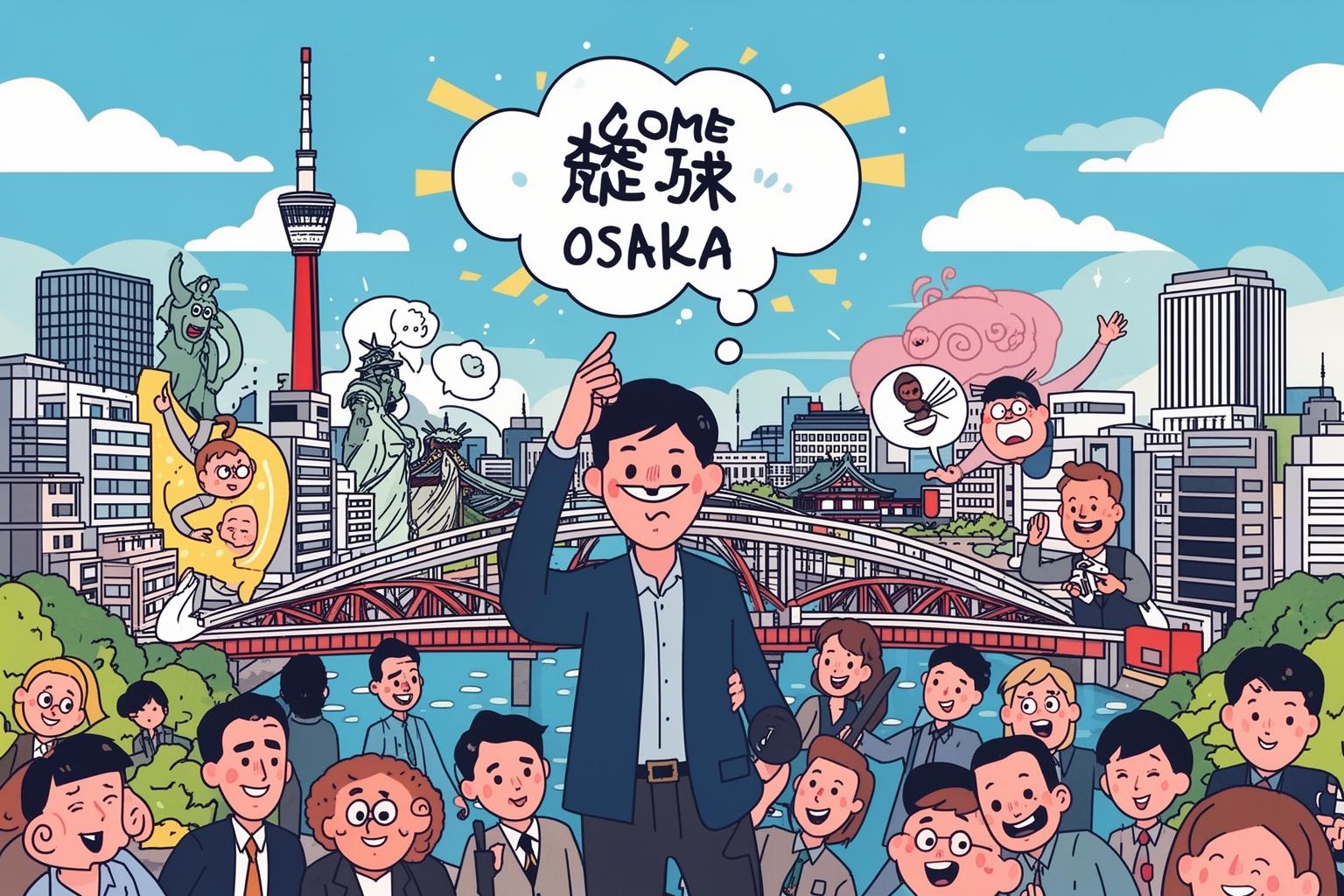
Before we even start discussing stages and spotlights, we first need to grasp a word that captures the city’s spirit: Owarai (お笑い). On the surface, it simply means “laughter” or “comedy,” but in Osaka, it represents so much more. It is the cultural DNA, the underlying software running in the background of every conversation. Owarai encompasses the entire universe of Japanese comedy, from slapstick skits to clever storytelling. At the core of this universe lies a dynamic so essential to Osakan interaction that you’ll observe it on the street, in a ramen shop, or between a shopkeeper and customer: the relationship between the boke (ボケ) and the tsukkomi (ツッコミ).
The boke, stemming from the word bokeru (to be senile or air-headed), is the funny one, the fool, the agent of chaos. They utter something absurd, misunderstand a simple idea, or make a ridiculously silly gesture. They serve as the setup. Following this is the tsukkomi, derived from the verb tsukkomu (to thrust or poke into). This is the straight man, the voice of reason. Their role is to highlight the boke‘s absurdity, correcting them with a sharp, witty retort and sometimes a quick (and harmless) tap on the head. This isn’t aggression; it’s conversational punctuation. It provides a satisfying resolution to the tension created by the boke. A classic, simple example? The boke points at a dog and says, “Wow, that’s a strange-looking cat!” The tsukkomi immediately fires back, “That’s a dog, you idiot! Since when do cats bark?!” Timing is everything. It’s a rapid-fire exchange, a verbal dance. This dynamic powers Japanese comedy, and in Osaka, it’s a participatory sport. People will playfully assume these roles with friends and even strangers. It’s a tool for connection, a way to break the ice and share a moment of levity. This fundamental structure sets it apart from the individualistic nature of Western stand-up, which usually centers on a single person’s perspective. At its heart, Owarai is about humor found in relationships and interactions.
Manzai: The Heartbeat of Osaka Comedy
If Owarai represents the universe, then Manzai (漫才) is its brightest and most explosive star. This art form is the hallmark of Osaka, embodying the quintessential style of Japanese stand-up comedy. However, calling it “stand-up” is the first misconception. Manzai is a two-person act, a comedic duo that thrives entirely on the rapid pace and electric chemistry between its performers. The boke and tsukkomi dynamic is formalized and intensified to the extreme. A Manzai routine is a whirlwind of dialogue. The duo, known as a kombi, takes the stage—typically in matching suits—and launches into a conversation about an everyday topic, such as planning a trip, a first date, or cooking a meal. The boke then derails the conversation with a rapid-fire stream of absurd misunderstandings, terrible puns, and quirky logic. The tsukkomi desperately tries to keep things on track, their corrections growing faster and more frustrated. The rhythm quickens, the dialogue overlaps, and the audience becomes swept up in the mounting chaos. The tsukkomi‘s trademark head-tap or shoulder-slap serves as a percussive beat, a physical punchline that draws big laughs. This performance feels less like a monologue and more like a fast-paced verbal tennis match. Manzai’s history extends back centuries to traditional New Year’s performances but was modernized and thrust into the mainstream in the 20th century, largely thanks to one Osaka-based company we will discuss later. The secret to excellent Manzai lies in the ma, or the pause—the perfect timing between setup and punchline, the breath before the tsukkomi’s comeback. It is as musical as it is comedic, and its heart and soul are undeniably Osaka.
A Tale of Two Comedic Worlds: Osaka vs. Global Stand-Up
To truly understand what makes Manzai so distinctive, let’s compare it to the stand-up scenes in other comedy hubs. Picture yourself in a dimly lit, brick-walled club in New York’s Greenwich Village. A lone comedian stands on stage, clutching a microphone like a scepter. Their act is a monologue—a deeply personal exploration of their life, their observations on politics, dating, and the absurdity of everyday existence. The humor stems from a singular viewpoint. The performer is an outsider looking in, a philosopher of the mundane. They might share a long, winding story with a killer punchline or deliver a rapid-fire series of sharp, cynical one-liners. The audience is there to listen, to absorb this comedic sermon. The interaction is one-way: comedian to crowd. This is the tradition of George Carlin, Jerry Seinfeld, and Dave Chappelle—the artist as a solitary voice of truth.
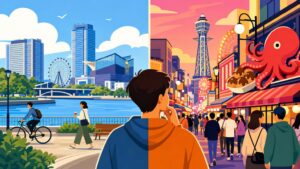
Now, imagine yourself at the Namba Grand Kagetsu theater in Osaka. The stage is dazzlingly bright. Two performers, the kombi, burst onto the stage. There’s no gradual build-up—they jump straight into a high-energy, rapid-fire exchange. They aren’t sharing personal stories; they are crafting a shared, absurd reality live on stage. The humor doesn’t come from one person’s clever insight but from the tension and harmony between the two. The boke‘s foolishness is funny only because of the tsukkomi‘s sharp comeback. The tsukkomi‘s frustration is funny only because of the boke‘s relentless silliness. They form two halves of a single comedic coin. The audience isn’t a passive observer; they ride the wave of the performance. They anticipate the tsukkomi‘s rebuttal, groan at the boke‘s awful puns, and burst into laughter at the perfectly timed slap. It’s a communal experience. The comedy is relational, not individual. While Western stand-up often aims to deconstruct and critique societal norms from an outsider’s perspective, Manzai operates within those norms. The tsukkomi embodies the voice of Japanese common sense, constantly trying to reel the chaotic boke back into the realm of social acceptability. It’s a celebration of shared context, making the humor deeply, specifically Japanese, and quintessentially Osakan.
The Kingdom of Yoshimoto Kogyo: The Comedy Machine
Comedy in Osaka, and indeed throughout Japan, cannot be discussed without mentioning the colossal entity that is Yoshimoto Kogyo. Established in Osaka in 1912, this entertainment conglomerate stands as the undisputed kingmaker of Japanese comedy. Calling it influential would be a vast understatement. Yoshimoto Kogyo essentially shaped the modern Owarai industry. It operates like a blend of a Hollywood studio, a major record label, and a sports league—but for comedians. They discover talent, often through their own academy known as New Star Creation (NSC), which acts as a true factory for upcoming comedy stars. They train, manage, and produce their television shows, while also owning the country’s most important comedy theaters. This approach is markedly different from the more organic, open-mic-to-stardom path common in many Western countries. In Japan, the road to comedic fame almost always passes through Yoshimoto’s doors. Their headquarters and most revered theater, the Namba Grand Kagetsu (NGK), reside in Osaka, firmly establishing the city as the comedy industry’s capital. NGK’s significance to Manzai is comparable to Carnegie Hall’s to classical music or Madison Square Garden’s to basketball—it is sacred ground. Performing on its stage is the ultimate ambition for nearly every comedian in Japan. This institutionalization has kept the industry’s center of gravity firmly in Osaka for over a century, even though many comedians move to Tokyo for television careers. The heart, training, and most prestigious venues all remain in Osaka, thanks to the empire Yoshimoto has built.
Experiencing Osaka Comedy Live: A Guide for the Uninitiated
So, you’re in Osaka and eager to experience this comedic spirit firsthand. Where should you go? And how can you enjoy it if you don’t speak Japanese? Don’t worry—the experience is worthwhile, even with a language barrier.
The Premier Destination: Namba Grand Kagetsu (NGK)
This is the main venue, situated in the lively heart of the Namba entertainment district. Approaching NGK feels like entering a laughter-themed amusement park. The building is famous, adorned with character mascots and billboards featuring Japan’s top comedians. A show here is a full-scale variety spectacle, usually lasting a few hours and featuring a lineup of veteran Manzai performers, younger rising talents, and other acts like magicians or acrobats. The grand finale is typically a Yoshimoto Shinkigeki (Yoshimoto New Comedy) performance—a slapstick play with a recurring cast and a straightforward, easy-to-follow plot, often set in places like a noodle shop or inn. The Shinkigeki is your secret weapon as a non-Japanese speaker, with humor that’s highly physical—relying on exaggerated falls, silly walks, and classic gags that go beyond language. You’ll find yourself laughing along with the entire audience, even if you don’t catch a single word. When it comes to Manzai, pay attention to the rhythm, delivery, and physical cues. Watch the performers’ expressions, listen to the speech cadence, and feel the audience’s vibe. You’ll be amazed at how much you can grasp through the universal language of performance. Tickets can be purchased online via their official website (which includes some English) or at the box office. Booking in advance is recommended, especially for weekend shows.
For the Raw Energy: Yoshimoto Manzai Theater
Just a short walk from NGK, this smaller venue showcases the next wave of comedy stars. The atmosphere is more intimate and dynamic. The comedians are younger, hungrier, and their acts tend to be quicker and more experimental. It’s a fantastic spot to catch the pulse of modern Manzai. Tickets are also much more affordable, making it a great choice if you want a taste of the scene without committing to the full NGK experience. The shows are shorter and focused exclusively on Manzai acts, offering a concentrated dose of the boke-tsukkomi dynamic.
For a Touch of Tradition: Tenma Tenjin Hanjo Tei
If you’re interested in exploring a different, more traditional form of Japanese comedy, visit this charming theater devoted to Rakugo. Rakugo is comedic storytelling featuring a single performer, the rakugoka, who kneels on a cushion wearing a traditional kimono. Using only a paper fan (sensu) and a small cloth (tenugui) as props, they narrate a lengthy, intricate, and humorous tale, portraying all characters themselves. It’s a subtler, more nuanced art compared to Manzai, depending heavily on voice modulation, facial expressions, and masterful storytelling. Although the language barrier is greater here, watching a skilled rakugoka perform is a captivating cultural experience. The theater itself is a beautiful, traditional wooden building that transports you to a bygone era.
The Osakan Sense of Humor in Daily Life
The most remarkable aspect of comedy in Osaka is that it doesn’t remain confined to the theater. It spreads throughout every corner of the city. Stroll through Shinsaibashi-suji or any local shotengai (covered shopping arcade), and you’ll see that the performance carries on. The shopkeepers aren’t just there to make sales; they’re there to entertain. They’ll crack jokes, engage in playful banter, and turn a simple transaction into a mini comedy show. They might dramatically bemoan the price they’re offering or teasingly comment on your friend’s questionable fashion choices with a wink and a smile. This isn’t rudeness; it’s a form of service and connection. Then there’s the iconic figure of the Osaka obachan (the middle-aged woman from Osaka). Typically dressed in bold, often leopard-print outfits, they are the city’s unofficial queens. They are loud, straightforward, and sharply witty. They’ll boldly strike up a conversation on the subway, offer you candy from a seemingly endless purse, and then playfully tease you. They capture the city’s spirit: warm, unpretentious, and always ready with a laugh. This ubiquitous humor stands in stark contrast to the more formal and reserved culture of Tokyo. In Osaka, sharing a laugh with a stranger is a common and treasured currency.
The Future of Owarai and Global Crossover
For decades, Owarai felt like one of Japan’s best-kept cultural secrets, with its humor so deeply tied to language and shared context that it seemed untranslatable. However, things are changing. Streaming platforms have introduced shows like Hitoshi Matsumoto’s Documental, a brilliant comedy endurance battle-royale, to a global audience. Comedians such as Naomi Watanabe, known for her incredible physical comedy and expressive personality, have become international stars. While the subtleties of a fast-paced Manzai routine might still be lost in translation, the core elements of Owarai—the slapstick of Shinkigeki, the absurd concepts, and the sheer joy of performance—are proving to have universal appeal. The internet makes it possible for clips of classic routines to be subtitled and shared, offering the world a glimpse into this vibrant scene. Will we ever see an American kombi performing Manzai in a New York club? Perhaps not in its purest form. The boke-tsukkomi dynamic is deeply embedded in the Japanese psyche. Yet the influence of Owarai’s creativity and its focus on relational comedy is already beginning to spread outward. It serves as a reminder that there are countless ways to be funny, and Osaka has perfected one of the most dynamic and infectious styles on the planet.
Final Rhythms: Why Osaka’s Laughs Linger
To visit Osaka and only experience its castles and famous street food is to overlook the city’s vibrant, pulsating core. The true spirit of this city lies in the rhythm of a Manzai routine, the roar of a theater crowd, the playful tease from a shopkeeper, and the shared smile between strangers on a train. Osaka’s comedy is more than just an art performed on stage; it’s a way of life. It embraces the belief that life is better with laughter, that humor creates connection, and that any situation can be improved with a perfectly timed tsukkomi. This stands in striking contrast to the solitary, observational comedy of the West, offering a more inclusive, engaging, and delightfully chaotic experience. So when you visit Osaka, by all means, enjoy the takoyaki and take in the dazzling neon lights of Dotonbori. But then, do yourself a favor: buy a ticket to a comedy show. Sit at the back, let the Japanese language wash over you, and simply watch. Observe the timing, the energy, the chemistry. Feel the collective joy of a room united by laughter. There, you’ll witness the true essence of Osaka, a city that has taught Japan, and is now teaching the world, to laugh a little louder.