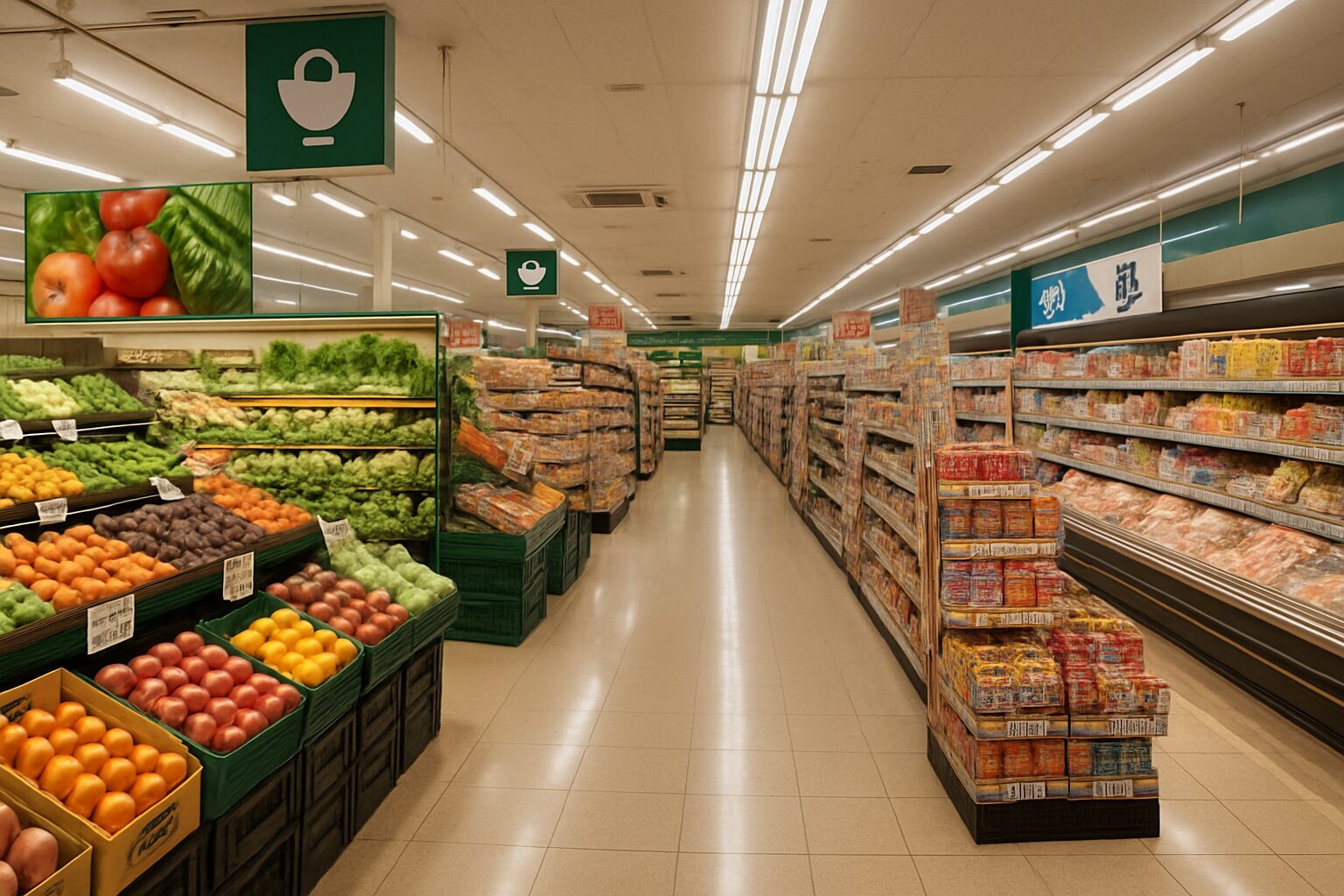
Welcome to Osaka, the city where the pulse of Japan’s culinary heart beats the loudest. You hear it in the sizzle of takoyaki on a hot griddle in Dotonbori, you taste it in the savory layers of an okonomiyaki pancake in a Namba side-street eatery, and you feel it in the collective, joyous cry of “Kuidaore!”—to eat until you drop. But to truly tap into the rhythm of this gastronomic paradise, to understand the soul of Osakan daily life, you must look beyond the restaurants and street stalls. You must step through the sliding glass doors of a local supermarket. Here, under the fluorescent lights and amidst the cheerful calls of staff, the true, unvarnished story of Osaka’s food culture unfolds. It’s not just a place to buy groceries; it’s a living museum of seasonality, a masterclass in culinary precision, and your personal gateway to living, breathing, and eating like a true local. This is where you’ll find the building blocks of every home-cooked meal, the secret ingredients behind neighborhood flavors, and the subtle cultural cues that define everyday existence in Japan’s kitchen. Forget the tourist maps for a moment; your real adventure, the one that connects you to the city’s authentic heartbeat, begins right here in the aisles. This guide is your key to unlocking that world, transforming a simple shopping trip into a profound cultural immersion. Let’s explore the vibrant, organized, and endlessly fascinating world of the Japanese supermarket, where every shelf tells a story and every purchase is a step closer to calling Osaka home.
To truly embrace the local lifestyle, consider complementing your supermarket finds with a visit to the vibrant shotengai shopping arcades.
The Supermarket Spectrum: Finding Your Groove

Before you even pick up a shopping basket, it’s crucial to realize that not all supermarkets in Osaka are the same. They span a wide range, each serving different needs, budgets, and occasions. The store you choose can shape your entire experience, from the products available to the shopping atmosphere itself. Understanding this variety is your first step to mastering your daily routine.
The Everyday Heroes: Standard Supermarket Chains
This is your starting point, the cornerstone of daily life for most Osakans. Chains like Life, Kohyo (part of the Aeon group), Mandai, and Izumiya are dependable fixtures in nearly every residential area. Entering one feels like stepping into a perfectly choreographed dance of commerce. The environment is clean, brightly lit, and carefully organized. The ambiance hums softly with activity—shoppers move with quiet purpose, staff restock shelves efficiently, and gentle background music blends with announcements. These stores offer an ideal balance of quality, variety, and price. You’ll find everything needed for a week of meals, from fresh produce and meats to pantry essentials and household goods. They are reliable, extensive, and provide an excellent glimpse into the typical Japanese household shopping list. Many larger outlets also include bakeries, pharmacies, and clothing sections, making them true one-stop shops for everyday needs. This is where you learn the rhythm of weekly sales, discover new items through free samples, and feel the community’s quiet pulse around you.
The Treasure Chests: Discount and Business Supermarkets
Now, let’s add some lively energy and unbeatable value to the mix. Welcome to the realm of discount supermarkets, best known through Gyomu Super (literally “Business Supermarket”) and the uniquely vibrant Super Tamade. Gyomu Super, as its name indicates, was originally designed for restaurant owners. The result is a no-frills, warehouse-style setting where products are often sold in bulk. It’s your destination for giant bags of frozen gyoza, commercial-sized bottles of soy sauce, and fantastic deals on imported items like pasta, spices, and canned tomatoes. Shopping here is like a treasure hunt, with the reward being substantial savings—ideal for those on a budget or anyone looking to stock up for the long term. The atmosphere is purely functional, featuring concrete floors and stacked pallets, but the thrill of discovery is very much alive.
Then there’s Super Tamade. An Osaka icon, Tamade is less a supermarket and more a full-sensory spectacle. Its gaudy, neon-lit exterior is impossible to miss, often adorned with vivid, almost psychedelic artwork. Inside, the energy is just as intense, with loud, upbeat music and nearly constant announcements about their famous “1-yen sales” and other astonishing bargains. While the quality can vary, Tamade is an essential visit for its vibrant atmosphere and unbeatable prices on select items. It’s a place of exciting deals and a distinctly local, unpretentious spirit. Shopping at Tamade feels like taking part in a city-wide game, perfectly capturing Osaka’s love for a good bargain and lively environment.
The Glimmering Galleries: Depachika Food Halls
At the far opposite end of the spectrum are the depachika—dazzling food halls found in the basements of upscale department stores like Hankyu, Daimaru, and Takashimaya. Calling a depachika a mere supermarket is a serious understatement. It’s a carefully curated gallery of culinary art. The lighting is soft and warm, displays resemble museum exhibits, and the air is infused with the aroma of freshly baked bread, roasted tea, and delicate pastries. Here you’ll discover gourmet bento boxes almost too beautiful to eat, perfectly marbled wagyu beef presented like fine jewelry, rare seasonal fruits that can command a high price, and artisanal soy sauces from breweries with centuries of history. The staff deliver impeccable service, offering detailed explanations and samples with a grace that elevates the entire experience. While everyday shopping here is a luxury reserved for those with generous budgets, the depachika is ideal for special gifts, celebratory meals, or simply indulging in the highest level of Japanese food presentation and quality. It’s a feast for both the eyes and the palate—a place to dream, savor, and appreciate the artistry Japan brings to its cuisine.
An Odyssey Through the Aisles: A Section-by-Section Exploration
Once you’ve selected your stage, the performance begins. A Japanese supermarket is arranged with an intuitive logic that, once grasped, makes navigating its aisles a seamless dance. Each section is a distinct world, offering insights into seasonality, preparation, and cultural meaning.
The Gateway: Seika (青果) – The Produce Section
Your journey almost invariably starts in the produce section, and for good reason. It’s a vibrant, colorful introduction that immediately highlights one of the core principles of Japanese cuisine: shun (旬), the celebration of seasonality. The variety of fruits and vegetables shifts dramatically with the changing seasons, and shopping with shun in mind is essential for the best flavor and value. In spring, the shelves overflow with tender bamboo shoots (takenoko), bright green fava beans (soramame), and the first delicate strawberries. Summer brings juicy watermelons, sweet corn from Hokkaido, and a dazzling assortment of eggplants and cucumbers. As autumn comes, you’ll find robust kabocha squash, sweet potatoes (satsumaimo) perfect for roasting, fragrant matsutake mushrooms, and an amazing variety of persimmons (kaki) and pears (nashi). Winter offers napa cabbage (hakusai) and long green onions (negi) for hot pot dishes (nabe), alongside an abundance of citrus fruits like mikan and yuzu.
What often surprises foreigners first is the presentation. Vegetables are impeccably clean, frequently sold in small, pre-portioned packages. Fruits are flawless, sometimes individually wrapped or cushioned in protective foam netting. This is not just about appearance; it reflects a culture that values quality and respects both the food and the farmers who grow it. Don’t be intimidated by unfamiliar items. Grab a daikon radish; it’s incredibly versatile and can be grated for tempura dipping sauce, simmered in oden, or pickled. Pick up some gobo (burdock root) to slice thinly for kinpira gobo, a classic stir-fried side dish. Shiso leaves offer a unique, herbaceous note to salads or can be wrapped around onigiri. Learning to cook with these local staples is a direct path to the heart of Japanese home cooking.
The Heartbeat of the Ocean: Sengyo (鮮魚) – The Fish Corner
Deeper in the store, you’ll likely be greeted by the fresh, briny scent of the sea. The sengyo corner is the soul of an island nation’s diet. The variety is stunning. You’ll see whole fish with clear, bright eyes—a sign of absolute freshness—alongside expertly prepared fillets, steaks, and a rainbow of shellfish. The fishmongers are true artisans, skillfully breaking down large tuna or filleting smaller horse mackerel (aji) with speed and precision.
One key thing to learn here is how to read the labels indicating their best use. You’ll find packages of fish specifically marked for grilling (yakizakana – 焼き魚), simmering (nizakana – 煮魚), or deep-frying. This is incredibly helpful for newcomers. Yet the highlight for many is the sashimi and sushi section. Here you’ll find pristine, rectangular blocks of fish called saku (柵). These are sashimi-grade and ready to slice at home. Look for glistening tuna (maguro), fatty salmon (sake), and pearly sea bream (tai). Purchasing a saku block, a tube of wasabi, and a small bottle of sashimi soy sauce is one of the easiest and most satisfying ways to enjoy a high-quality meal at home for a fraction of restaurant prices. Don’t overlook the pre-marinated choices either. A piece of mackerel simmered in miso (saba no misoni) or salmon marinated in sake lees (sake kasu) can be quickly grilled or pan-fried for a delicious, effortless main dish.
The Foundation of the Feast: Seiniku (精肉) – The Meat Section
Next to the fish, you’ll find the seiniku section, which offers its own cultural insights. The most immediate difference for many Westerners is the abundance of thinly sliced meat. Paper-thin sheets of beef and pork are attractively packed on trays, destined for iconic Japanese dishes. These are essential for sukiyaki, where the meat is simmered in a sweet soy broth, and shabu-shabu, where it’s lightly swished in a pot of boiling water. The thinness allows the meat to cook in seconds and absorb flavors beautifully.
Japan is also renowned for its beef, and even a typical supermarket carries an impressive selection. From affordable imported cuts to domestically raised beef (kokusan-gyu – 国産牛) and the prized wagyu (和牛), noted for its intricate marbling and rich flavor. Wagyu can be costly, but buying a small, well-marbled steak from the supermarket to pan-sear at home is an accessible indulgence. Pork (butaniku – 豚肉) and chicken (toriniku – 鶏肉) are everyday staples. Familiar cuts like pork loin (rosu) and chicken thigh (momo-niku), favored in Japan for its juicy flavor over the leaner breast meat (mune-niku), are common. Ground meat (hikiniku – ひき肉) is also easily found, often as a beef-pork blend perfect for Japanese-style hamburger steaks (hambagu) or gyoza filling. For the more adventurous, especially in Osaka, packages of horumon (ホルモン), various types of offal popular for grilling (yakiniku), may be available.
The Instant Gratification Zone: Sozai (惣菜) and Bento (弁当)
For many, this section is the crowning glory of the Japanese supermarket and a true lifesaver for busy people. The sozai section is a vast array of prepared foods, offering an incredible variety of delicious, ready-to-eat dishes. It’s a far cry from the often disappointing pre-packaged sandwiches in Western supermarkets. Here you’ll find mountains of freshly fried tempura, golden-brown chicken karaage, creamy potato korokke (croquettes), and a wide range of salads, from classic potato salad to hijiki seaweed and renkon (lotus root) salads.
The bento boxes are a world of their own. They range from simple onigiri (rice ball) sets to elaborate multi-course meals featuring grilled fish, simmered vegetables, tamagoyaki (rolled omelet), and a bed of perfect rice. They are nutritionally balanced, convenient, and affordable lunch or dinner options.
Locals cherish a secret about the sozai section: the discount ritual. As evening approaches, staff begin placing stickers on remaining items, offering progressively deeper discounts. It typically starts a few hours before closing with a 20% or 30% off sticker (割引 – waribiki). Later, this might be replaced by the most coveted sticker of all: 半額 (hangaku), meaning half-price. A crowd of savvy shoppers usually gathers, waiting for the staff member with the sticker gun to make their rounds. This is not seen as cheap or undignified; it’s a smart, economical, and environmentally conscious way to shop. Taking part in the “hangaku hunt” is a rite of passage and a fantastic way to sample a broad variety of dishes for very little money.
The Pantry Powerhouse: Staples and Condiments
The dry goods aisles are where you build the flavor foundation of your Japanese kitchen. It can seem overwhelming at first, with countless bottles and packages bearing unfamiliar characters, but understanding a few key categories will unlock everything.
First, rice (kome – 米). You’ll find many varieties, with Koshihikari being one of the most popular for its slightly sweet flavor and sticky texture. Rice is typically sold in large 2kg, 5kg, or 10kg bags. Look for the characters 新米 (shinmai) in autumn; this indicates new harvest rice, prized for its superior aroma and flavor.
Next, the essential quartet of Japanese condiments: soy sauce (shoyu – 醤油), mirin (みりん), cooking sake (ryorishu – 料理酒), and miso (味噌). Understanding these is vital. Soy sauce comes in different types; a standard one like koikuchi works for most uses. Mirin is a sweet rice wine that adds gloss and gentle sweetness. Miso paste is more than soup base; it’s a fantastic marinade, available in types such as white (shiromiso), which is milder, and red (akamiso), which is more pungent.
Don’t forget dashi (だし), the umami-rich soup stock fundamental to countless dishes. While you can make it from scratch with kombu seaweed and bonito flakes (katsuobushi), the supermarket offers excellent instant dashi granules or powders (like the famous Hondashi brand) that are extremely convenient.
Explore other staples too. Tofu comes in two main varieties: firm (momen – 木綿, literally “cotton”) and silken (kinu – 絹, literally “silk”). Noodles (men – 麺) are a world of their own: thick udon, buckwheat soba, thin wheat somen, and fresh ramen noodles are all readily available. Finally, dive into the realm of pickles (tsukemono – 漬物) and rice toppings (furikake – ふりかけ), essential accompaniments to any Japanese meal that add texture, flavor, and color.
The Checkout Ceremony: Mastering the Final Act
The experience of shopping at a supermarket in Osaka culminates at the checkout counter, or reji (レジ). This process exemplifies Japanese efficiency and politeness, featuring its own unique rhythm and etiquette.
As you approach the cashier, you’ll see a stack of empty shopping baskets. In most stores, the system involves placing your full basket on the counter for the cashier to unload and scan. They then transfer your scanned items into another empty basket. This two-basket system keeps the process swift and helps avoid any mix-ups. The cashier will greet you with a cheerful “Irasshaimase!” (Welcome!). They handle your items carefully while providing a running total as they scan. They may also ask if you have a pointo kaado (ポイントカード), or point card. Many supermarkets offer free loyalty programs that earn you discounts over time.
Once all items are scanned, they will inform you of the final total. Payment is simple. Though Japan is known as a cash-based society, nearly all supermarkets now accept credit cards and, more commonly, IC cards like ICOCA or Suica. Just tap your card on the reader. After payment, the cashier will hand you your receipt and bow, saying “Arigatou gozaimashita!” (Thank you very much!).
Here’s an important detail: your transaction with the cashier ends there. They don’t bag your groceries. Instead, you bring your basket of paid items to a separate, long counter nearby. This is the self-bagging area. Here, you’ll find free, thin plastic rolls for produce or wet items, paper towels for spills, and ample space to pack your groceries at your own pace. Since 2020, plastic shopping bags (fukuro – 袋) are no longer free; the cashier will ask if you need one and add a small charge (typically 3 to 5 yen) to your bill. Most locals, however, bring their stylish and sturdy reusable “eco-bags” (エコバッグ), which is a good habit to adopt.
This division of labor is brilliant. It allows the cashier to immediately assist the next customer, keeping lines short and moving efficiently. Meanwhile, you are free to organize your shopping without feeling rushed. It’s a small but meaningful cultural difference that reflects the Japanese focus on efficiency, consideration for others, and shared responsibility.
Insider Tips for a Seamless Shopping Experience
With the basics covered, a few additional tips can transform you from a beginner shopper into a seasoned expert.
Deciphering the Labels
You don’t need to be fluent in Japanese, but recognizing a few key kanji characters on food labels can be very helpful. Keep an eye out for these two dates: 賞味期限 (shoumi kigen) is the “best before” date, indicating when the product is at its peak flavor, though it’s often still fine to consume afterward. 消費期限 (shouhi kigen), by contrast, is the “use-by” date and should be strictly followed, especially for fresh items like bento, milk, and raw meat. Another useful character is 国産 (kokusan), which means the product is domestically produced in Japan. And of course, the magical 半額 (hangaku) for half-price is your ticket to an affordable evening feast.
Timing is Everything
Supermarkets, like many places, have busy periods. The busiest time is usually on weekdays between 5 PM and 7 PM, when people are stopping by after work. If you prefer a quieter shopping experience, try going mid-morning or early afternoon. Weekends also tend to be crowded. However, if you’re aiming for those evening discounts on prepared foods, you’ll want to time your visit to catch that pre-closing rush.
Embrace the Osaka Spirit
Remember, you’re in Osaka, a city known for its friendly, down-to-earth people who love food and a good deal. Don’t hesitate to notice what others are buying. If you see a crowd around a certain item, it’s probably on special sale or particularly fresh and seasonal. While staff may not be fluent in English, a polite smile and pointed finger can help if you have questions. Embrace the lively atmosphere, especially in places like Tamade. Shopping here isn’t a solemn task; it’s a vibrant, communal experience. Let the store’s rhythm guide you, and what began as a simple chore will soon become one of your most genuine and enjoyable connections to your new city.
Your local supermarket is more than just a source of food. It’s a classroom, a community hub, and a daily adventure. It’s where you’ll see the seasons reflected on the shelves, learn the language of Japanese home cooking, and take part in the small daily rituals that shape life in this amazing city. So grab your eco-bag, step through those automatic doors, and get ready to fill both your kitchen and your heart with the true flavors of Osaka.