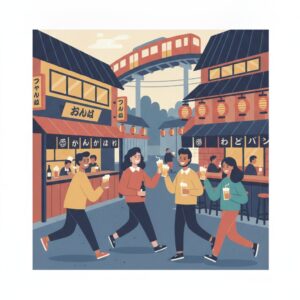
Step off the train at Tenma Station, and you’re not just in another part of Osaka; you’re stepping into the city’s vibrant, beating heart, a place where the air itself seems to hum with a different kind of energy. Forget the neon-drenched canyons of Namba or the polished, high-rise sophistication of Umeda. Tenma is gloriously, unapologetically raw. It’s a sprawling, intoxicating labyrinth of narrow laneways, covered shopping arcades, and hidden back alleys, all pulsating with the clatter of chopsticks, the sizzle of grills, and the joyous clamor of people truly enjoying themselves. This is the promised land for anyone who believes that the best meals are rarely the most expensive, and that a truly great night out is measured in laughter and new experiences, not the final bill. Tenma is Osaka’s legendary playground for the people, a district dedicated to the fine art of kuidaore—eating and drinking oneself into happy, blissful ruin—without actually ruining your wallet. It’s where a single coin can unlock a universe of flavor, and where the concept of senbero, getting tipsy for a mere 1000 yen, isn’t just a gimmick; it’s a way of life. This is where you come to find the soul of Osaka’s food culture, bubbling up from the pavement in a cloud of fragrant charcoal smoke and the warm glow of a thousand red lanterns.
For a different kind of Osaka adventure, explore the bohemian charm and affordable vintage finds in the nearby Nakazakicho neighborhood.
The Unmistakable Vibe: A Symphony of Sizzle and Sound
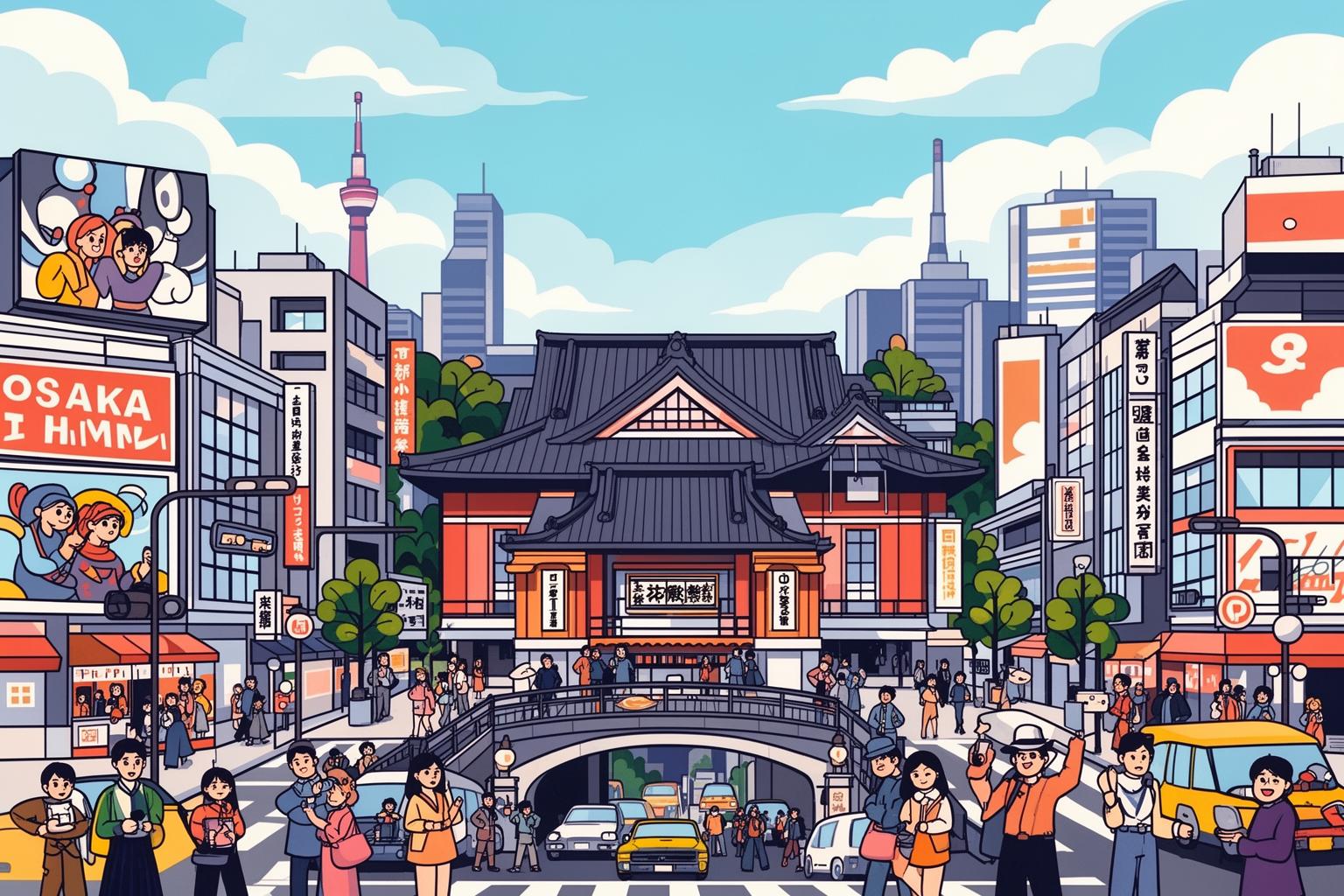
To truly grasp Tenma, you must first immerse yourself in its atmosphere. It’s a sensory overload in the best sense. The moment you step out of the station, you’re wrapped in it. The steady rumble of JR Loop Line trains overhead forms a constant, rhythmic soundtrack to the scene below. Beneath those tracks, a vibrant ecosystem of small eateries flourishes, their open fronts spilling light, noise, and enticing aromas onto the street. This is the realm of the tachinomi, or standing bars, the essential heart of the Tenma experience. Here, there are no chairs or pretenses—just a simple counter separating you from the chef and a sea of fellow enthusiasts. The air hangs heavy with the scent of grilled chicken skin, simmering dashi broth, and the subtle, sweet fragrance of sake. It’s a place of constant movement and fleeting connections, where you might strike up a conversation with the salaryman beside you over a perfectly grilled skewer, only to part ways minutes later as you both move on to your next discovery.
As you move away from the tracks and explore the side streets, the vibe shifts but the energy remains. You’ll find yourself winding through impossibly narrow alleys, where red paper lanterns cast a warm, inviting glow on weathered wooden fronts of decades-old izakayas. These alleys are the lifeblood of Tenma, each offering a unique adventure. Some are lively and packed tight with people laughing and raising their glasses, while others are quieter and more intimate, home to specialized spots honing a single dish for generations. The soundscape is rich and layered: the sharp pop of a beer bottle opening, the steady chopping of a knife on a wooden board, conversations murmuring in the thick, melodic Kansai dialect, and the universal delight expressed over delicious food. There’s a deep sense of community here. Whether you’re a local of thirty years or a wide-eyed visitor on your first night, in Tenma everyone shares the same goal: the joy of good food, good drink, and good times at a price that feels like a real bargain.
Navigating the Labyrinth: A Geographic Guide to Gluttony
Tenma is not a single, uniform area; rather, it’s made up of distinct micro-districts, each with its own unique character. Finding your way around is essential to fully appreciating what it has to offer. Think of JR Tenma Station as the central hub from which all the culinary delights spread out.
Under the Tracks: The Gritty Gateway
The most immediate and iconic part of Tenma is the row of restaurants and bars tucked directly under the arches beneath the elevated train tracks of the JR Osaka Loop Line. This area is loud, gritty, and absolutely fantastic. The steady rumble of trains overhead provides a comforting, rhythmic backdrop to your dining experience. The venues here tend to be small, each specializing in one or two things done exceptionally well. You’ll encounter legendary yakitori spots with smoke billowing into the street, standing sushi bars offering surprisingly high-quality fish at budget-friendly prices, and lively izakayas where highballs flow freely. This is the ideal place to begin your Tenma exploration. The energy is contagious, and the sheer number of options can feel overwhelming. Don’t worry; just pick a busy spot that smells inviting, and you’ll likely hit the mark. It’s a raw, unpolished introduction to the district’s core ethos of straightforward excellence.
Tenjinbashi-suji Shotengai: The Endless Arcade
Spanning an impressive 2.6 kilometers, Tenjinbashi-suji Shopping Street is the longest covered shopping arcade in Japan, running right through the heart of Tenma. While the main arcade itself is a charming mix of traditional shops, pharmacies, and cafes, the true treasure for budget-conscious food lovers lies in the many side streets and alleys branching off from it. These offshoots are home to some of Tenma’s most cherished and affordable drinking spots. As you stroll along the main arcade, keep an eye out for these narrow passages. A quick turn can whisk you away from the bright, family-friendly atmosphere of the shotengai into a lantern-lit world of tiny, specialized bars. Here you’ll discover hidden gems: a bar serving only local Osaka craft sake, a tiny venue devoted entirely to perfect gyoza, or a Spanish-inspired tapas bar fully embracing the izakaya spirit. Exploring these side alleys feels like a treasure hunt where every find is a delicious prize.
The Backstreets: In Search of Hidden Havens
For those willing to explore further, the backstreets to the east of the main arcade and away from the station offer a slightly different vibe. The atmosphere here is a bit quieter and the crowds thinner. This is where you’ll find more neighborhood-oriented spots catering to a loyal local crowd. Prices can be even more reasonable, and the feeling more intimate. It’s in these tranquil lanes that you might come across a tiny, family-run oden restaurant simmering the same secret broth for fifty years, or a standing bar so small it fits only five people, where the owner welcomes every guest like an old friend. Getting lost in these backstreets is a vital part of the Tenma experience. It’s a chance to glimpse a more residential, genuine side of the district and uncover those truly special places absent from any guidebook. Let your curiosity lead you, and don’t hesitate to peek into any intriguing spot. The rewards are well worth it.
The Culinary Cornerstones: What to Eat in Tenma
Tenma is a blend of diverse flavors, yet a handful of signature dishes form the foundation of its culinary character. Mastering these dishes guarantees a perfect night of bar-hopping.
Yakitori: The Skewer Mastery
If Tenma had a signature dish, it would be yakitori. The aroma of chicken fat dripping onto hot charcoal is the district’s distinctive scent. Yakitori is more than grilled chicken on a stick; it is a refined craft. At a quality yakitori-ya, you can order a remarkable range of cuts, each with its own texture and taste. Begin with the classics: momo (thigh meat), juicy and flavorful, and negima, which alternates pieces of thigh with sweet, lightly charred Japanese leek. For the more daring, try kawa (crispy grilled skin), tsukune (succulent minced chicken meatball), and bonjiri (the tender, fatty tail). Usually, you’ll choose between two seasonings: shio (salt), highlighting the chicken’s pure flavor, or tare, a sweet and savory soy-based glaze that caramelizes beautifully on the grill. The ideal way to enjoy yakitori is sitting at the counter, ordering a few skewers at a time, and watching the masters skillfully turn them over fiery coals. Each skewer costs just a few hundred yen, making it the perfect dish for a long night of nibbling and drinking.
Kushikatsu: Osaka’s Crispy Treat
Another classic Osaka specialty abundant in Tenma is kushikatsu. These are skewers of various meats, seafood, and vegetables, coated in a light panko crust and deep-fried to a golden crisp. The menu can be extensive, featuring everything from pork loin (tonkatsu) and shrimp (ebi) to lotus root (renkon), shiitake mushrooms, and even cheese. The skewers are served hot and are meant to be dipped into a communal pot of thin, savory tonkatsu-style sauce. The most important kushikatsu rule applies here: absolutely no double-dipping! Once a skewer touches your lips, it cannot return to the sauce pot. This rule is crucial for public hygiene and is strictly observed. If you need more sauce, use the provided slice of raw cabbage to scoop some onto your plate. Kushikatsu is crunchy, satisfying, and very affordable, making it a perfect match for a cold beer.
Sushi and Sashimi: Freshness Made Simple
While upscale sushi can be pricey, Tenma makes it accessible through fantastic standing sushi bars (tachigui-zushi). These spots strip away the extras to focus on what counts: amazingly fresh fish at unbeatable prices. Don’t expect elegant decor or attentive service. Instead, stand at a simple counter, often with a clear view of chefs slicing fish. You can order by the piece or in small sets. The quality is often remarkably high for the price, offering glistening cuts of tuna (maguro), fatty salmon (sāmon), and sweet shrimp (amaebi) at a fraction of traditional restaurant costs. It’s a fast-paced experience: order, eat, and make space for the next guest. It’s an ideal way to enjoy a quick, tasty, and healthy bite between visits to smokier, greasier spots.
Oden: The Heartwarming Simmer
On a chilly evening, nothing beats a steaming bowl of oden. Oden features various ingredients slow-simmered for hours in a light, savory dashi broth. Items are displayed in large, compartmentalized vats, allowing you to simply point to your choices. Staples include creamy, broth-soaked daikon radish, tender tofu blocks, various fish cakes (nerimono), hard-boiled eggs, and konjac jelly. Many places offer unique options like beef tendon skewers (gyu-suji) or octopus. A dab of sharp Japanese mustard (karashi) on the side perfectly complements the gentle, umami-rich broth flavors. Oden is the ultimate Japanese comfort food, and in Tenma, you can enjoy a hearty selection for just a few hundred yen, making it both delicious and deeply satisfying.
The Elixirs of Tenma: A Guide to Drinking Cheap
A night out in Tenma is equally about the drinks and the food. The beverage selection is crafted for session drinking—refreshing, affordable, and ideal for pairing with salty, savory snacks.
The Holy Trinity: Beer, Highballs, and Chuhai
Draft beer, or nama bīru, reigns supreme. A frosty, perfectly poured mug of Asahi, Kirin, or Sapporo is the classic way to start the evening. It’s crisp, clean, and cuts beautifully through the richness of fried and grilled dishes. Not far behind in popularity is the highball, a simple yet exquisite mix of Japanese whisky and super-carbonated soda water served over ice in a tall glass. Light, refreshing, and endlessly drinkable. Then there’s chuhai, a beloved cocktail made with shochu (a Japanese distilled spirit), soda water, and fruit flavoring. These come in a spectrum of flavors, from classic lemon and grapefruit to more exotic options like lychee or Calpis. These three drinks form the backbone of Tenma’s drinking culture and can almost always be found for under 500 yen.
Exploring Sake and Shochu
While beer and highballs are widespread, Tenma is also an excellent place to dive into more traditional Japanese spirits without spending a fortune. Many izakayas offer sake by the glass or in a small carafe called a tokkuri. Don’t hesitate to ask for a recommendation (osusume); staff often suggest a great local sake from Osaka or nearby Hyogo and Kyoto prefectures. It’s a wonderful chance to sample styles ranging from dry and crisp to fruity and aromatic. Shochu is another spirit worth trying. Made from various ingredients such as barley, sweet potatoes, or rice, each type offers a unique flavor profile. Shochu is usually enjoyed on the rocks or mixed with cold or hot water (mizuwari or oyuwari), which helps release its complex aromas. Sampling these traditional drinks is a great way to deepen your appreciation for Japanese drinking culture.
The Art of the Bar Hop: Strategy and Etiquette
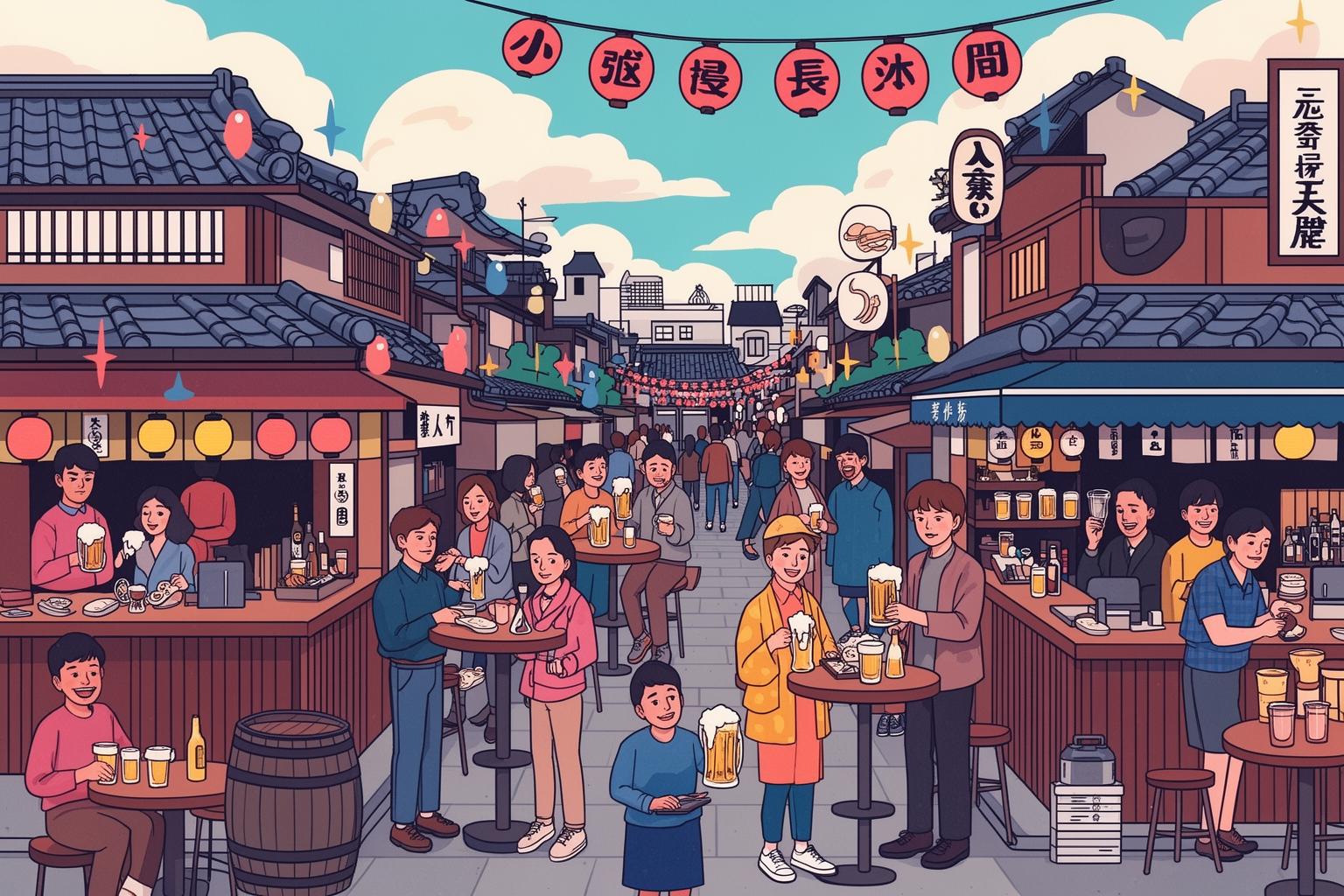
To truly master Tenma, you need to adopt the philosophy of hashigozake, the Japanese tradition of bar-hopping. The district is built for this style of exploration. The idea isn’t to stay put all night, but to create a moving feast, sampling the distinctive specialties of each spot you visit.
Your Night’s Game Plan
A typical bar hop in Tenma might go like this: Begin at a standing sushi bar with a few pieces of fresh tuna and a quick beer to start your appetite. Then, head to a lively yakitori spot beneath the train tracks. Gather around the counter, order four or five different skewers along with a lemon chuhai, and soak in the smoky vibe. Afterward, stroll down a side alley to find a kushikatsu place. Order a variety of meat and vegetable skewers, remember the no-double-dipping rule, and wash them down with a highball. Finally, end your night at a quiet, cozy oden bar, savoring a few warm pieces from the simmering pot paired with a glass of sake. This method lets you enjoy a broad range of flavors and ambiances in one evening. The secret is to keep moving, ordering just one or two drinks and a few small dishes at each venue to keep costs low and the sense of adventure high.
Key Tips for a Smooth Evening
To navigate Tenma like a local, keep a few practical tips in mind. First, bring cash. Although more places are accepting credit cards, many of the best small, family-run spots remain cash-only. It’s wise to carry plenty of 1000 and 5000 yen notes. Second, be ready for crowds, especially on Fridays and Saturdays. Popular venues will be busy, and waiting for a seat is part of the experience. Weeknights tend to be quieter, ideal if you seek a more relaxed vibe. Lastly, don’t stress about the language barrier. Knowing a few basic Japanese phrases can enhance your visit, but most places welcome foreigners warmly. Many offer picture menus, and a smile combined with pointing usually gets you through. The spirit of Tenma is all about shared enjoyment; a willingness to try new things is the only language you truly need.
More Than a Meal: The Cultural Heartbeat of Osaka
Tenma’s past is closely linked with that of Osaka itself. The district developed around Osaka Tenmangu, one of the city’s most significant shrines, which has served as a hub of commerce and culture for over a millennium. This long-standing history as a vibrant merchant town and a place of worship for ordinary people has defined its character. Tenma has always been a district for the working class, where value, quality, and simplicity are deeply valued. It is not a place for Michelin-starred formality or quiet, reverent dining rooms. Instead, it’s a place to unwind, to enjoy the simple, profound pleasure of a perfectly grilled chicken and a cold drink after a hard day’s work.
Visiting Tenma offers a cultural experience. It’s an opportunity to witness the daily rhythms of life in Osaka. You’ll see groups of colleagues relaxing after work, elderly couples sharing a quiet meal at their favorite restaurant, and young friends laughing boisterously over overflowing mugs of beer. There is a sense of honesty and authenticity in these interactions that is often missing in more tourist-filled areas. It reminds us that, at its heart, food culture is about community—sharing space, exchanging stories, and connecting through a mutual love of good, simple food. Spending an evening in Tenma means tapping into this vibrant, life-affirming energy, feeling for a few hours as if you belong to the city’s living, breathing soul.
An Invitation to the Feast
Tenma is more than just a collection of cheap eats and dive bars; it is a lively, chaotic, and utterly captivating reflection of Osaka’s spirit. It challenges the notion that a memorable meal must be expensive. It invites you to step out of your comfort zone, explore an intriguing alleyway, point at something on a menu you can’t read, and trust that you’ll be rewarded with something delicious. So come with an empty stomach, a curious mind, and a willingness to get a little lost. Immerse yourself in the glow of red lanterns, follow the scent of fragrant smoke, and let the city’s symphony guide you. A night in Tenma is a journey into the heart of what makes Osaka one of the greatest food cities in the world—a journey that costs little but offers memories that are priceless.