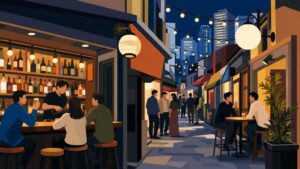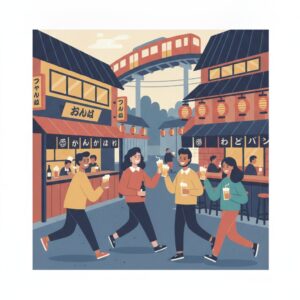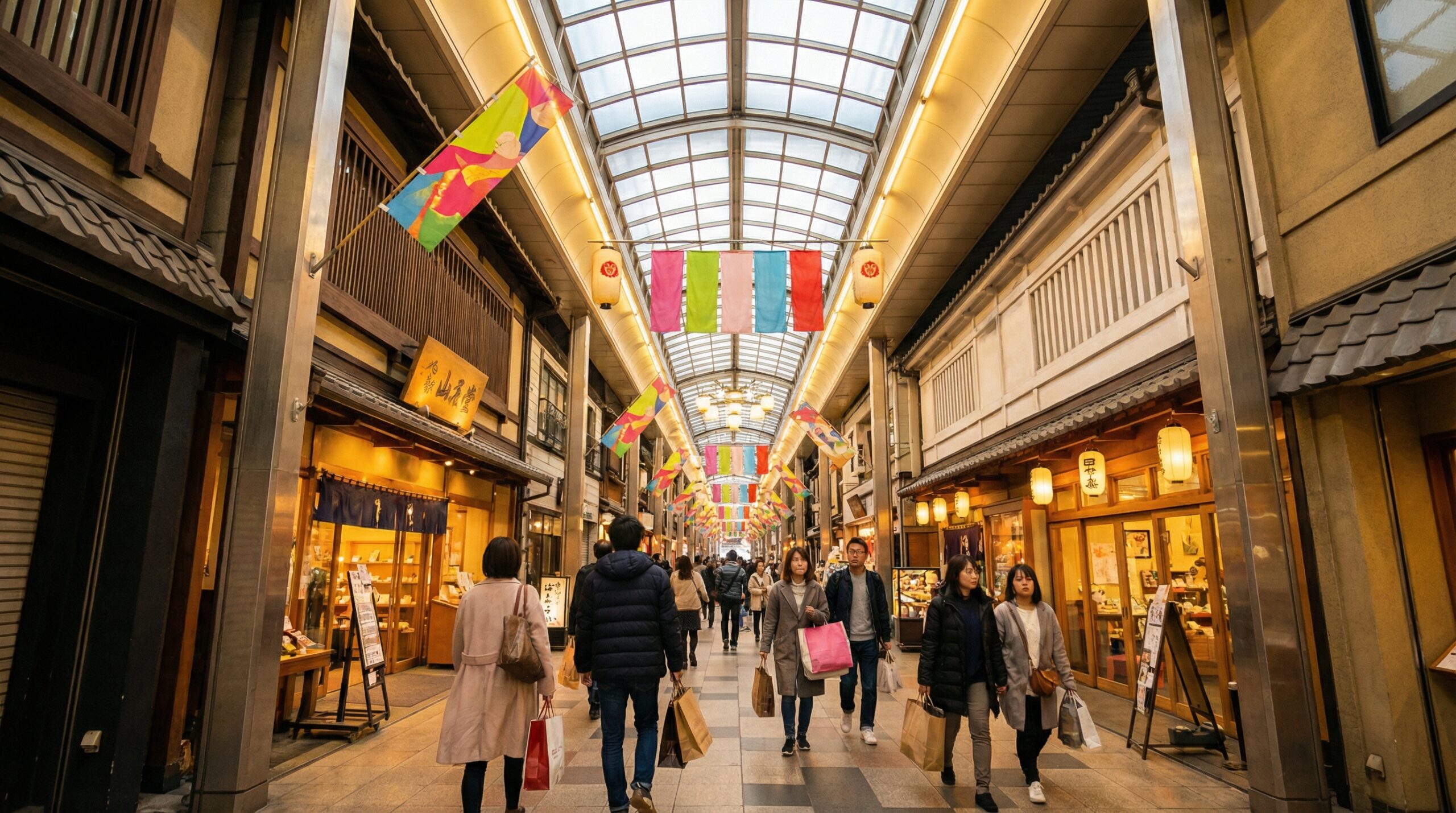
Forget the neon glow of Dotonbori for a moment. Peel back the layers of high-fashion and futuristic architecture that define modern Osaka, and you’ll find a rhythm that beats with a different, more timeless pulse. This is the world of Tenjinbashisuji Shopping Street, a place that doesn’t just sell goods, but tells the story of a city. This isn’t where you come for designer labels or the latest viral trends. This is where you come for life itself. It’s a sprawling, covered universe stretching an incredible 2.6 kilometers, making it the longest of its kind in all of Japan. It’s a magnificent, chaotic, and utterly charming artery of commerce and community that has nourished the people of Osaka for centuries. For the traveler seeking to sidestep the polished tourist trail and dive headfirst into the warm, boisterous, and wonderfully real heart of local life, this is your destination. Here, bargains are not just a possibility, they are a way of being. The air is thick with the sizzle of street food, the cheerful calls of vendors, and the gentle hum of a community in motion. This is not just a shopping street; it’s an experience, a living museum of everyday Osaka, and your journey into its depths starts right here.
After immersing yourself in the authentic local life of Tenjinbashisuji, you can continue your exploration of Osaka’s genuine character by discovering how to enjoy affordable dining and drinks in the nearby Tenma district.
A Living, Breathing Arcade of Wonders
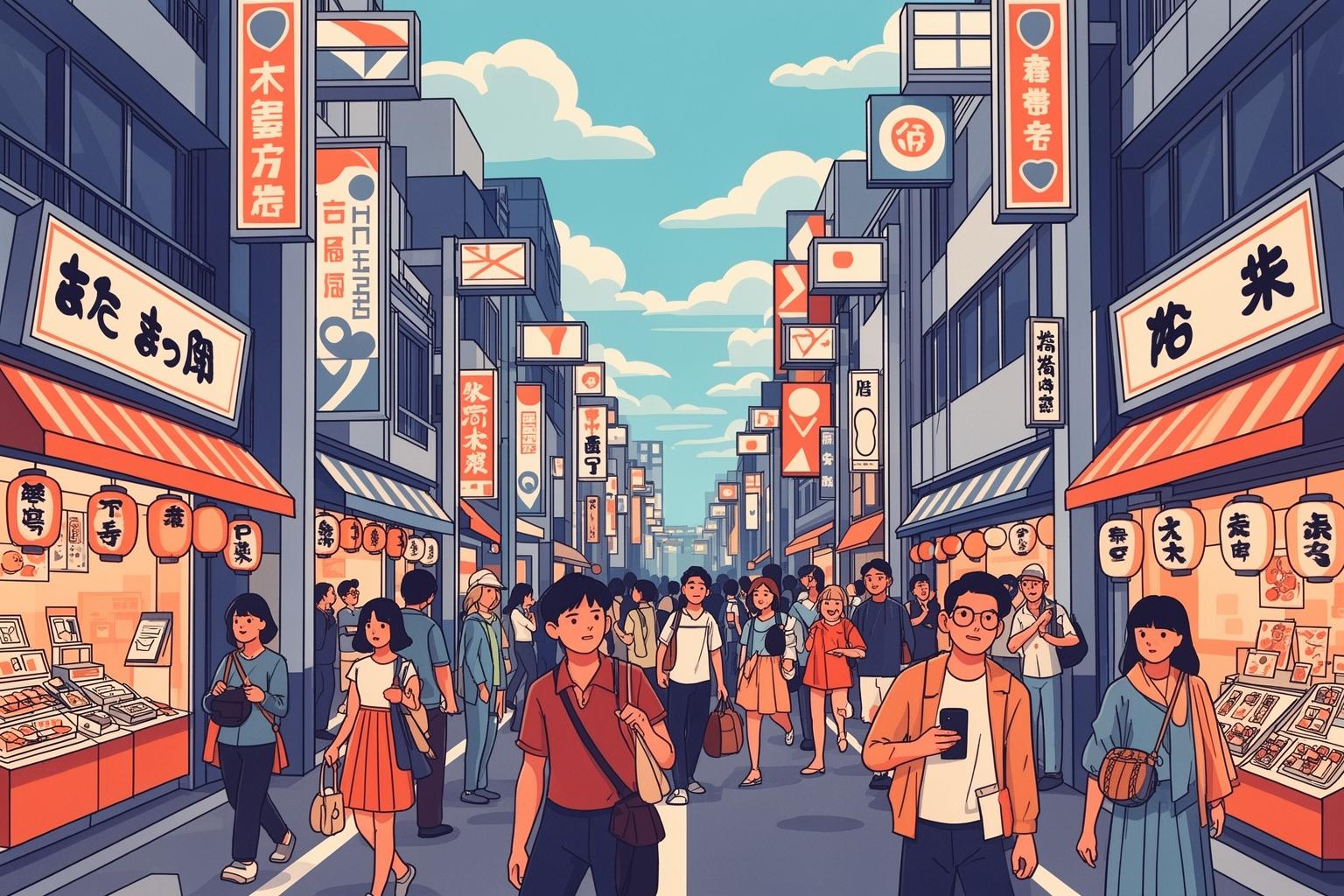
To step into Tenjinbashisuji is to be immediately immersed in a symphony of sensory details. The experience contrasts sharply with the wide, polished avenues of Umeda or the bustling, electric energy of Namba. Here, beneath the protective arcade roof, the atmosphere feels more intimate and concentrated. The air is filled with a distinct blend of aromas: the sweet and savory scent of grilling takoyaki, the rich, earthy fragrance of freshly brewed green tea from a century-old shop, the light, clean smell of daikon radish from a greengrocer’s stall, and the comforting aroma of dashi broth drifting from the noren curtains of a small udon eatery. This place engages more than just your sight—it’s a full sensory immersion in the daily rhythms of Osakan life.
The soundscape is equally vivid. It’s a steady, gentle cacophony of life in progress. You’ll hear the rhythmic clatter of pachinko balls from a brightly lit parlor, the cheerful, high-pitched calls of vendors shouting “Irasshaimase!” (Welcome!) to every passerby, the hiss of oil as a butcher fries fresh korokke (croquettes), the warm chatter of neighbors catching up over a basket of vegetables, and the soft shuffle of countless footsteps on the tiled floor. This isn’t a show for tourists; it’s the genuine, unscripted soundtrack of a neighborhood living its day. The people here are more than customers and shopkeepers; they are characters in an ongoing play. You’ll see elderly women maneuvering their shopping carts filled with groceries for dinner with ease. You’ll see young students laughing as they share a bag of freshly fried chicken. You’ll see salarymen in sharp suits pausing for a quick stand-up sushi lunch, a brief but delicious break in a busy day. It’s this vibrant human tapestry that breathes life into the street.
The Grand Journey: A Tale of Seven Neighborhoods
One does not simply “visit” Tenjinbashisuji; one embarks on an adventure. The street is so lengthy that it’s divided into seven distinct sections, or chome, each boasting its own unique character and charm. Starting from the south and heading north is like watching the history and spirit of Osaka come alive before your eyes. It’s a marathon of exploration, and the best advice you can receive is to wear your most comfortable shoes and come with an empty stomach and an open mind.
The Southern Gates: 1-chome and 2-chome
The journey begins at the southern end, in 1-chome and 2-chome, which feel closely connected to the spiritual core of the area, the Osaka Tenmangu Shrine. The atmosphere here is somewhat quieter, with a more traditional vibe. This is where you’ll find shops that appear to have stood for ages, their wooden storefronts weathered by time and seasons. Explore stalls selling senbei (rice crackers), some savory with soy sauce, others subtly sweet. You’ll see artisans crafting delicate wagashi (traditional Japanese sweets), their designs shifting with the seasons—cherry blossoms in spring, maple leaves in autumn. This is the place to discover a specialty tea shop, where the owner might patiently explain the differences between sencha, gyokuro, and hojicha. You’ll also encounter shops offering beautiful ceramics, sturdy kitchen knives—a craft for which the nearby city of Sakai is renowned—and all kinds of traditional goods. The pace here is slower, inviting you to browse, to observe closely, and to appreciate the craftsmanship handed down through generations. This section feels like a gentle introduction, a respectful approach to the shrine that has anchored this community for over a millennium.
The Bustling Core: 3-chome and 4-chome
As you move into 3-chome and 4-chome, the energy noticeably intensifies. This is the commercial and culinary heart of the shotengai. The crowds grow thicker, the sounds louder, and the aromas utterly irresistible. This is where your culinary adventure truly begins. You cannot travel more than a few meters without encountering a stall selling takoyaki, the iconic street food of Osaka. Watch in amazement as vendors expertly flip the batter balls with lightning-fast skill, creating a crispy exterior that gives way to a molten, delicious center. Another must-try is Nakamura-ya, a modest-looking butcher shop selling what many locals consider the best korokke in the city. The queue might be long, but the reward is a perfectly golden, crispy potato croquette—a bite of pure, unadulterated comfort. This middle section is also a paradise for bargain hunters. Clothing shops here don’t offer high fashion; instead, they provide incredibly affordable, practical everyday wear. You’ll find kusuriya (pharmacies) stocked with shelves overflowing with Japanese skincare products, health drinks, and remedies for every ailment, often at prices much lower than those in major department stores. There are 100-yen shops filled to the brim with treasures, bookstores stacked with manga, and all sorts of stores selling everything from shoes to stationery. This is the vibrant, chaotic, and endlessly entertaining core of the street.
The Local’s Domain: 5-chome, 6-chome, and 7-chome
Crossing the major road into 5-chome and beyond, you’ll notice another subtle change in the atmosphere. The crowds thin out, and tourists nearly disappear, leaving mostly locals. This is where the shotengai truly feels like a neighborhood main street. You’ll find more supermarkets, fruit stands piled high with seasonal produce, and fishmongers showcasing the day’s fresh catch. This is where locals come for their everyday shopping. The northern stretches also feature a wonderful selection of affordable, authentic eateries. Watch for the small, unassuming izakaya (Japanese pubs) that fill up in the late afternoon, their red lanterns glowing invitingly. Here, you can enjoy inexpensive beer and delicious small dishes alongside local residents unwinding after work. At the northern tip, near Tenjinbashisuji 6-chome station, lies a true treasure: the Osaka Museum of Housing and Living. Housed in a modern building, this museum features a life-sized, meticulously recreated streetscape of Osaka during the Edo Period. You can stroll through the old streets, enter traditional homes and shops, and experience what life was like centuries ago. It offers a fascinating historical perspective on the very street you’ve just walked, linking the bustling present with its rich past. The final block, 7-chome, is the quietest, tapering off into a more residential area—a gentle end to your epic 2.6-kilometer journey.
The Spiritual Anchor: Osaka Tenmangu Shrine
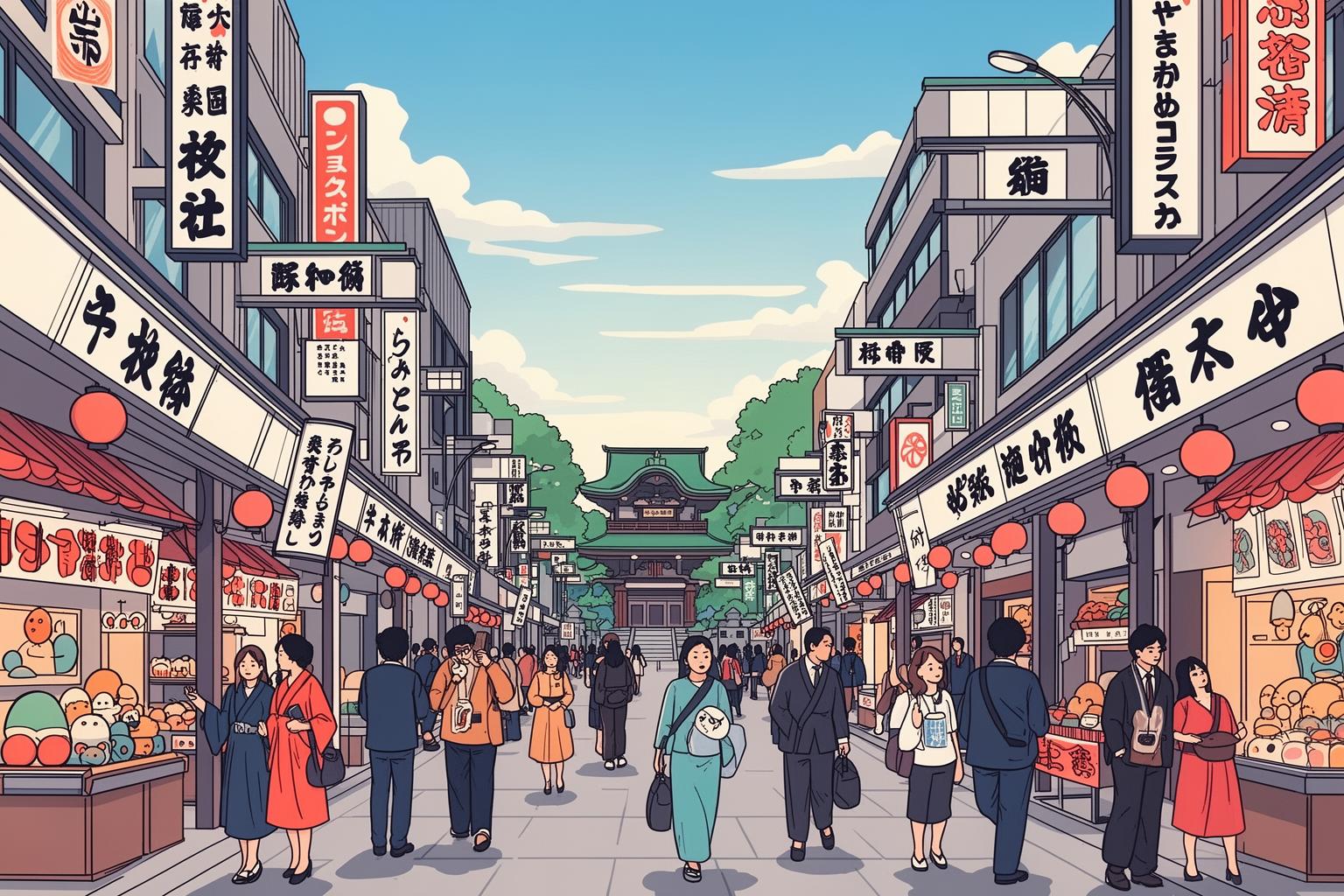
To truly understand Tenjinbashisuji, one must grasp its purpose: the Osaka Tenmangu Shrine. The shopping street is essentially a sando, the traditional pathway or pilgrimage route leading to a sacred site. Established in the 10th century, this beautiful shrine is dedicated to Sugawara no Michizane, a scholar, poet, and politician from the Heian period, who was posthumously revered as Tenjin, the god of scholarship and learning. Today, the shrine offers a tranquil retreat just a short walk from the bustling arcade. Students gather here to pray for success in their exams, leaving wooden ema plaques inscribed with their hopes and wishes. The serene grounds, featuring elegant architecture and ancient camphor trees, exude a profound tranquility that provides a striking contrast to the lively energy of the shopping street.
This connection comes alive most vividly during the summer when the shrine hosts the Tenjin Matsuri, one of Japan’s three greatest festivals. Held annually on July 24th and 25th, this spectacular celebration transforms the entire neighborhood, with Tenjinbashisuji at its heart, into a vibrant scene of tradition and festivity. The centerpiece is a grand procession in which a portable shrine, or mikoshi, is carried from the shrine through the streets, accompanied by thousands of participants dressed in traditional Heian-period attire, along with drummers and dancers. The festivities reach their climax with a stunning river procession, where over a hundred boats adorned with lanterns float down the Okawa River, creating a magical spectacle. The night sky bursts with a massive fireworks display, marking a grand finale to a festival that powerfully showcases Osaka’s dynamic culture and rich history. Witnessing the Tenjin Matsuri reveals the shopping street and its community at their most joyous and spectacular.
Your Practical Guide to an Unforgettable Day
Navigating Tenjinbashisuji is less about following a rigid itinerary and more about embracing a spirit of exploration. That said, a few tips can help you get the most out of your experience.
Access and Orientation
Due to its impressive length, the street can be reached from several train stations. To start at the south and walk north (a highly recommended route), begin at Minami-morimachi Station on the Tanimachi and Sakaisuji subway lines. This puts you right near the entrance to 1-chome and close to the Osaka Tenmangu Shrine. If you prefer to start from the north and head south, the best station is Tenjinbashisuji 6-chome, served by the Tanimachi and Sakaisuji subway lines as well as the Hankyu Senri Line. This station also conveniently houses the Osaka Museum of Housing and Living. For a mid-point entry, which places you in the lively center of the arcade, use Ogimachi Station on the Sakaisuji Line or JR Temma Station on the Osaka Loop Line. JR Temma is especially useful if you want to explore the maze of fantastic restaurants and bars surrounding the station and spilling into the main arcade.
Timing is Everything
The street is most vibrant from late morning to early evening, roughly between 10:00 AM and 7:00 PM. This is when most shops are open and the atmosphere is lively. Weekdays provide a more authentic look at local daily life, while weekends are busier and more festive. Many smaller, family-run shops may close earlier, so try not to leave your exploration too late. However, restaurants and izakayas, especially in the central sections and near JR Temma station, stay open much later, making this area perfect for a casual and affordable dinner.
Insider Tips for First-Timers
First and foremost, bring cash. While larger stores and chain restaurants accept credit cards, many small food stalls, independent shops, and market vendors operate on a cash-only basis. Having a mix of coins and small bills will make transactions easier. Don’t hesitate to try the street food—that’s the essence of the Tenjinbashisuji experience. Pointing at what you want is completely fine, and a simple “Kore, kudasai” (“This one, please”) will go a long way. Be adventurous! Try the takosen, a creative snack where takoyaki are pressed between two large shrimp crackers. Also, explore the small side alleys branching off the main arcade. These yokocho often hold the most charming hidden-gem restaurants and bars, tiny spots that have been serving loyal customers for decades. Finally, take your time. Rushing through Tenjinbashisuji misses the point. The joy lies in slow wandering, unexpected discoveries, spontaneous decisions to try unusual snacks, and friendly chats with shopkeepers.
The Unfiltered Heartbeat of Osaka
In an increasingly homogenized world, places like Tenjinbashisuji Shopping Street feel more essential and precious than ever. This is not a polished experience crafted for mass tourism. It is a genuine, thriving, and wonderfully imperfect community. It’s where tradition meets modernity, with a centuries-old shrine standing just meters from a bustling pachinko parlor, and where you can buy a handmade kimono brush alongside a cheap plastic toy in the same block. It embodies the spirit of the Osakan people—pragmatic, friendly, unpretentious, and deeply passionate about good food and a great bargain. Walking from one end of this street to the other is more than just a shopping trip; it is a rich cultural immersion. It offers a chance to connect with the city on a personal level, to see the faces, hear the voices, and savor the flavors that make Osaka one of Japan’s most vibrant and soulful cities. So leave your expectations of luxury behind and come prepared to embrace the glorious, beautiful, and authentic chaos. Visit Tenjinbashisuji, and discover the true heartbeat of Osaka.