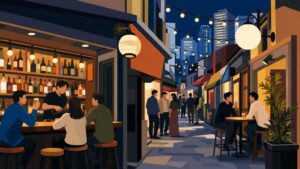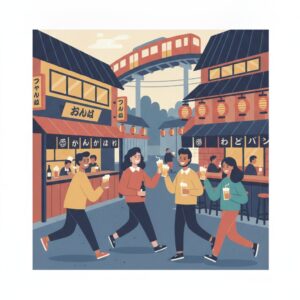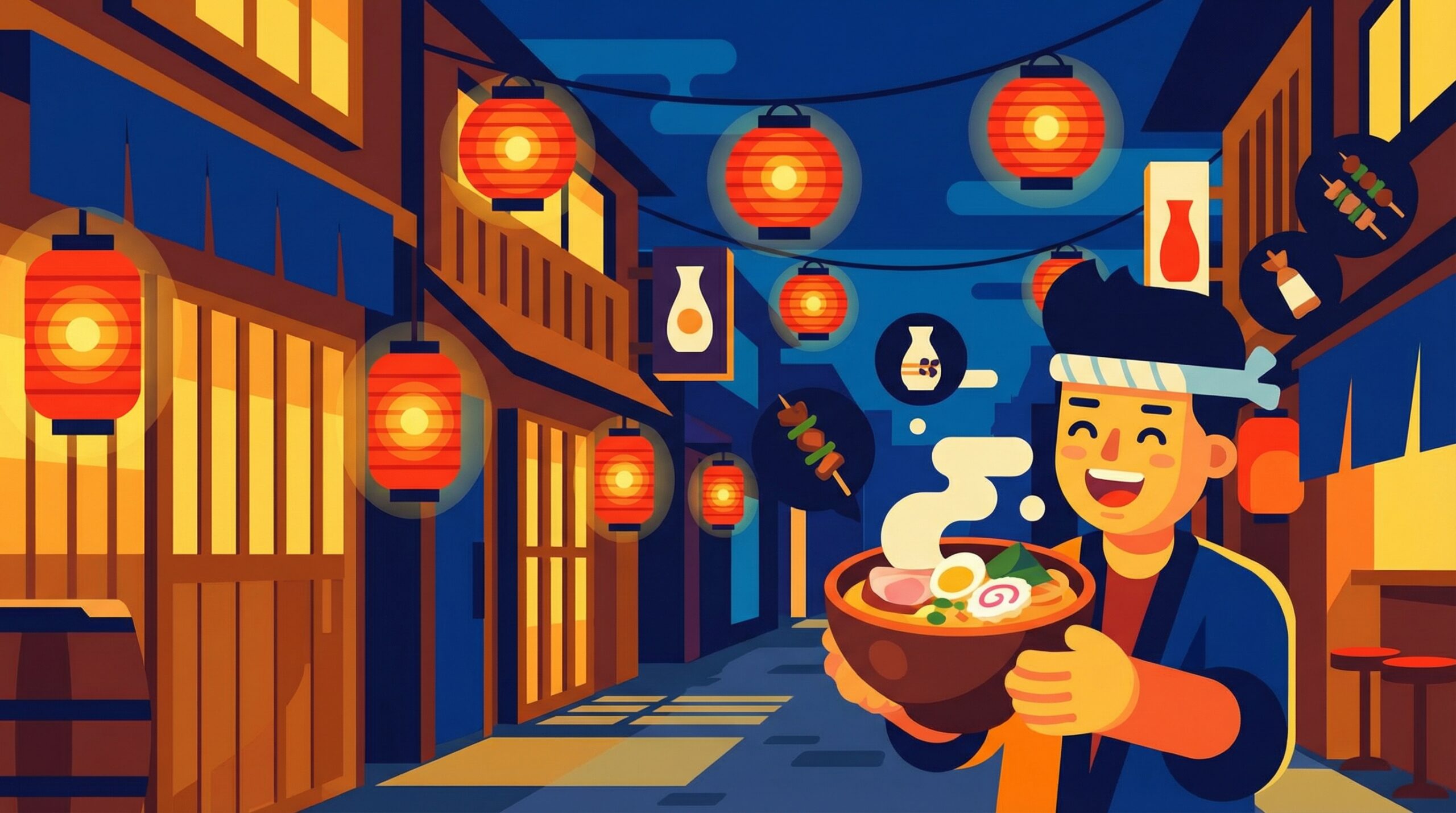
Forget the choreographed perfection of guidebooks for a moment. Let go of the pristine, silent temples and the sleek, futuristic cityscapes. We’re going somewhere real, somewhere raw, a place where the soul of Osaka crackles and pops like sizzling fat on a grill. We’re diving headfirst into Tenma, a sprawling, beautifully chaotic neighborhood that beats with a rhythm all its own. This isn’t just a place to eat and drink; it’s a living, breathing organism, a maze of lantern-lit alleyways where every corner turned reveals a new story, a new flavor, a new friend you haven’t met yet. Tenma is the city’s communal living room, a place where the polished facade of modern Japan peels away to reveal a boisterous, warm, and profoundly human core. It’s here, in the hazy glow of the izakaya—Japan’s answer to the pub, the tavern, and the tapas bar all rolled into one—that you’ll find the truest taste of Osaka. This is your guide to navigating its wonderful chaos, to mastering the art of the hashigo-zake (bar hop), and to connecting with the locals who make this place shine so brightly. It’s an immersion, a challenge, and an experience that will stay with you long after the last glass is empty.
For a deeper dive into the local bar-hopping culture that defines this district, read our local’s guide to bar-hopping in Tenma.
The Symphony of the Senses: Breathing in the Tenma Atmosphere
The moment you step off the train at JR Tenma Station and duck under the tracks, the atmosphere shifts. It grows thick, fragrant, and electric. It’s an intoxicating blend of countless scents. There’s the rich, smoky aroma of charcoal grilling chicken skewers (yakitori), the sweet and savory fragrance of soy sauce and mirin simmering in a pot of beef sinew stew (doteyaki), and the sharp, fresh scent of the sea from a sushi counter’s daily catch, all merging in the humid Osaka air. This isn’t a subtle experience; Tenma seizes your senses and won’t let go. Visually, it’s a delightful onslaught. A canopy of red and white paper lanterns (chochin) hangs overhead, casting a warm, almost dreamlike glow on the narrow streets below. Neon signs, some flickering, others buzzing with their own energy, advertise everything from draft beer to grilled blowfish. Menus aren’t printed with glossy fonts; instead, they’re handwritten on worn pieces of wood or paper, taped to walls and doorways, boldly proclaiming the day’s specials with unapologetic enthusiasm. The alleys themselves form a labyrinth. Some are wide enough for a small truck to squeeze through, lined with vibrant, open-fronted eateries where chefs perform their culinary ballet in full view of passersby. Others are so narrow you must turn sideways to pass, tiny nooks housing standing bars (tachinomi) with room for maybe five or six people, all pressed shoulder-to-shoulder in a communal ritual of after-work relaxation.
The soundtrack to this scene is a rich symphony. It’s the rhythmic clatter of plates, the sharp hiss of food hitting a hot griddle, the joyful clinking of beer mugs in toast. But above all, it’s the sound of people. The dominant noise is a constant, joyful roar of conversation, punctuated by bursts of hearty laughter. You’ll catch the distinctive, musical lilt of the Kansai dialect, a more expressive and direct form of Japanese that perfectly mirrors the region’s character. It’s a sound that welcomes rather than excludes. Even if you don’t understand a word, the warmth is unmistakable. It’s the sound of community, of colleagues unwinding, of friends reconnecting, of strangers becoming friends over shared plates of food. This is the opposite of the quiet, reserved image many have of Japan. This is Osaka at its most genuine: loud, a little chaotic, and incredibly inviting. You don’t just observe Tenma; you become part of its vibrant energy, a participant in a nightly celebration of the simple, profound joy found in sharing good food, good drink, and good company.
The Ladder of Delight: Mastering the Art of Hashigo-zake
In Tenma, the aim isn’t to find a single perfect spot and settle in for the night. The true essence of the area lies in the practice of hashigo-zake, which literally means “ladder drinking.” It’s the art of bar hopping—ascending a metaphorical ladder of culinary and social experiences, one rung, or one izakaya, at a time. This method perfectly suits Tenma’s dense array of tiny, specialized establishments. It’s a journey of discovery, a progressive dinner that lets you sample the unique character and signature dishes of several places in a single evening. The charm of hashigo-zake is its fluidity. There’s no fixed plan, no reservations—just a spirit of adventure and an appetite. You follow your instincts, the sound of laughter, or the sight of a particularly tempting dish being served to a nearby customer.
So, how do you start this journey? The key is to begin small and think in steps. Your first stop should be a tachinomi, a standing bar. These are the quintessential entry points to the Tenma experience. Without chairs and with just a counter, they encourage quick turnover and a lively social atmosphere. Here, commitment is minimal. You order one drink—maybe a frosty mug of nama biru (draft beer) or a crisp, bubbly highball—and one or two small dishes. Perhaps some edamame to start, or a skewer of kushikatsu, Osaka’s famous deep-fried bites. You eat, drink, absorb the vibe for twenty or thirty minutes, and then move on. Payment is often pay-as-you-go, making for a smooth and easy exit. This first stop primes your palate and sets the rhythm for the night.
From there, the ladder is yours to climb. Your next destination might be a yakitori-ya, a shop specializing in grilled chicken skewers. The air here is thick with the irresistible aroma of the grill. If possible, sit at the counter for a front-row view of the chef’s masterful technique. Watch as they expertly salt, baste, and turn the skewers over glowing charcoal. Order a variety: thigh (momo), leek and chicken (negima), crispy skin (kawa), and if you’re feeling adventurous, heart (hatsu) or gizzard (sunagimo). Each skewer is an inexpensive bite of perfection, best enjoyed with a glass of sake or shochu.
Afterward, perhaps you’re in the mood for something different. You might wander into an izakaya known for its fresh seafood. Often, the centerpiece is a refrigerated display case showcasing the day’s catch. Order a plate of assorted sashimi or, for a true local flavor, try the doteyaki, a rich, slow-cooked stew of beef sinew and konjac jelly in a sweet miso broth. It’s a comforting, deeply savory dish that warms the soul. Each izakaya has its own meibutsu, or specialty. Part of the fun is asking the staff, “Osusume wa nan desu ka?” (What do you recommend?). This not only ensures you taste their best offerings but also opens the door to conversation. The philosophy of hashigo-zake encourages you to be a sampler, a connoisseur of moments. It’s not about consumption, but about collection—a gathering of tastes, sounds, and interactions that together weave a rich tapestry of an Osaka night out.
Cracking the Code: How to Connect and Mingle with the Locals

For many visitors, the most daunting part of the izakaya experience isn’t the menu but the social aspect. How do you overcome the language and cultural barriers in a crowded, fast-moving environment? The wonderful secret of Tenma is that the locals are often just as curious about you as you are about them. The lively atmosphere, enhanced by good food and drink, creates a perfect setting for spontaneous interaction. The key is to position yourself for connection and to learn a few simple social gestures.
First and foremost, always opt for the counter seat. Tables form isolated islands, but the counter is a shared continent, where you are both physically and socially connected to the staff and fellow diners. This is your stage for the evening. It’s where you can watch the chefs at work, easily ask for recommendations, and sit just an elbow’s length away from another solo diner or a friendly couple. Proximity naturally creates opportunities.
Your most powerful tool is a smile, closely followed by the magic word: “Kanpai!” (Cheers!). It’s a universal invitation to connect. If you see the people beside you raising their glasses, you can lift yours toward them with a nod and a “Kanpai!” More often than not, this will be met with a smile and a returned gesture. This simple act breaks the ice and signals your openness to interaction. From there, a conversation can start, perhaps with a question about their meal. Point to their delicious-looking dish and ask, “Sore wa nan desu ka?” (What is that?). People are usually more than happy to talk about food and will gladly help you order it yourself.
Learning a few words in the local Kansai dialect will earn you instant goodwill. Instead of the standard “Oishii” (delicious), try the livelier “Meccha oishii!” (Super delicious!). It shows you’ve made an effort to engage with the local culture and will almost certainly be met with surprise and appreciation. Don’t worry about making mistakes—your effort matters most and communicates genuine interest beyond perfect grammar. Another golden rule is to engage with the staff. The taisho (master or owner) of a small izakaya is often the soul of the place. Show appreciation for the food, ask about their story, and treat them with respect. They are the guardians of the local community and can often facilitate introductions to other regulars.
As the night goes on, you might find yourself in great conversation. A classic gesture of goodwill is to offer to buy your new friend a drink by saying, “Ippai douzo” (Please, have a drink on me). This is a common social custom, but be prepared for them to insist on reciprocating. This friendly exchange strengthens your bond. Lastly, a note on etiquette. You’ll likely receive a small appetizer called otoshi that you didn’t order. This isn’t a trick; it’s a standard table charge served with a small dish. Accept it graciously. When you need service, avoid shouting or waving. A quiet but clear “Sumimasen!” (Excuse me) will suffice. Also, many traditional spots are cash-only, so come prepared to settle your bill smoothly. By following these simple social cues, you’ll shift from a passive observer to an active participant in the vibrant social fabric of Tenma.
Navigating the Maze: Finding Your Footing in Tenma’s Alleys
Tenma isn’t just a single street; it’s an extensive network of streets, each with its own unique character. To the west of the station lies the renowned Tenjinbashisuji Shotengai, the longest covered shopping arcade in Japan. While this spot is primarily a daytime destination, the side streets and surrounding areas come alive with izakaya activity as evening descends. Consider this shotengai the main artery, with the alleys branching off like capillaries, each throbbing with energy.
One of the most iconic spots is the cluster of alleys located directly beneath and around the elevated JR train tracks. The rumble of passing trains overhead blends into the background, creating a rhythmic bass line to the street’s lively atmosphere. These covered walkways are a blessing on rainy nights and offer a gritty, almost cinematic vibe. You’ll find concentrations of tachinomi and sushi bars here, many setting up tables and crates right in the walkway, blurring the boundary between indoors and outdoors. The sushi is often exceptionally fresh and surprisingly affordable, served simply and without fuss. You might stand while eating, pointing at the fish you want, which is then presented on a plain plate, ready to be enjoyed in a few perfect bites.
Moving away from the tracks, you’ll find the more open-air yokocho (side alleys). These lantern-lit lanes are often narrow and feel more intimate, appearing frequently in photographs. Here, tiny izakayas specialize in particular offerings, whether grilled offal (horumon), Okinawan dishes, or artisanal sake. This is where curiosity is rewarded. Don’t hesitate to peer inside a doorway, even if the sign is unreadable. The atmosphere will speak volumes. Is it lively and bustling? Quiet and reflective? Seek out places where locals are laughing and having fun—that’s always the best indicator. There’s no single ‘best’ spot in Tenma, because the best one is the one you discover yourself, the place that fits your mood at that exact time.
More Than a Meal: The Cultural Heartbeat of Tenma

To truly appreciate Tenma’s lively nightlife, it helps to know its origins. This area has always been for the people. Its identity is closely tied to the nearby Osaka Temmangu Shrine, a significant center of worship and culture for over a thousand years. The shrine is dedicated to Sugawara no Michizane, the Shinto deity of scholarship and learning. The neighborhood developed around it as a market town, serving the needs of both pilgrims and locals. This history as a bustling, unpretentious market hub is deeply embedded in its character. The food culture here didn’t arise from imperial courts or refined tea ceremonies; it emerged from the need to quickly, affordably, and deliciously feed hungry merchants, workers, and worshippers. This is the origin of Osaka’s famous motto, kuidaore, meaning ‘to eat oneself into ruin.’ It reflects a philosophy that prioritizes good food and drink as essential pleasures in life.
This historical backdrop peaks each summer with the Tenjin Matsuri, one of Japan’s three greatest festivals, held at the Temmangu Shrine. For two days in late July, the whole neighborhood bursts into a grand celebration, featuring processions, portable shrines, and a stunning floating parade of boats on the Okawa River, culminating in a spectacular fireworks display. If you happen to be in Osaka during this time, visiting Tenma is a must. The energy multiplies as the izakaya alleys turn into the city’s unofficial after-party. Yet, even on an ordinary evening, the echoes of this long history of community and celebration linger. The izakaya serves as a modern-day shrine of a different kind—a place where people perform daily rituals of connection and camaraderie, honoring the communal spirit that has defined Tenma for centuries.
A Final Thought Before You Go
Stepping into Tenma is like entering the bloodstream of Osaka. It’s fast-paced, a bit overwhelming, yet full of life and warmth. Exploring its alleys offers more than a culinary experience; it’s a lesson in the art of living. It shows that the best travel moments often come from unplanned encounters, spontaneous conversations, and shared laughter among strangers. So take a deep breath, set aside your reservations, and prepare to get a little lost. Find a lantern-lit doorway that invites you in, slide it open, and offer a cheerful “Kanpai!” to those inside. Tonight, you’re no longer just a tourist—you’re part of Osaka’s vibrant, pulsating heart.